










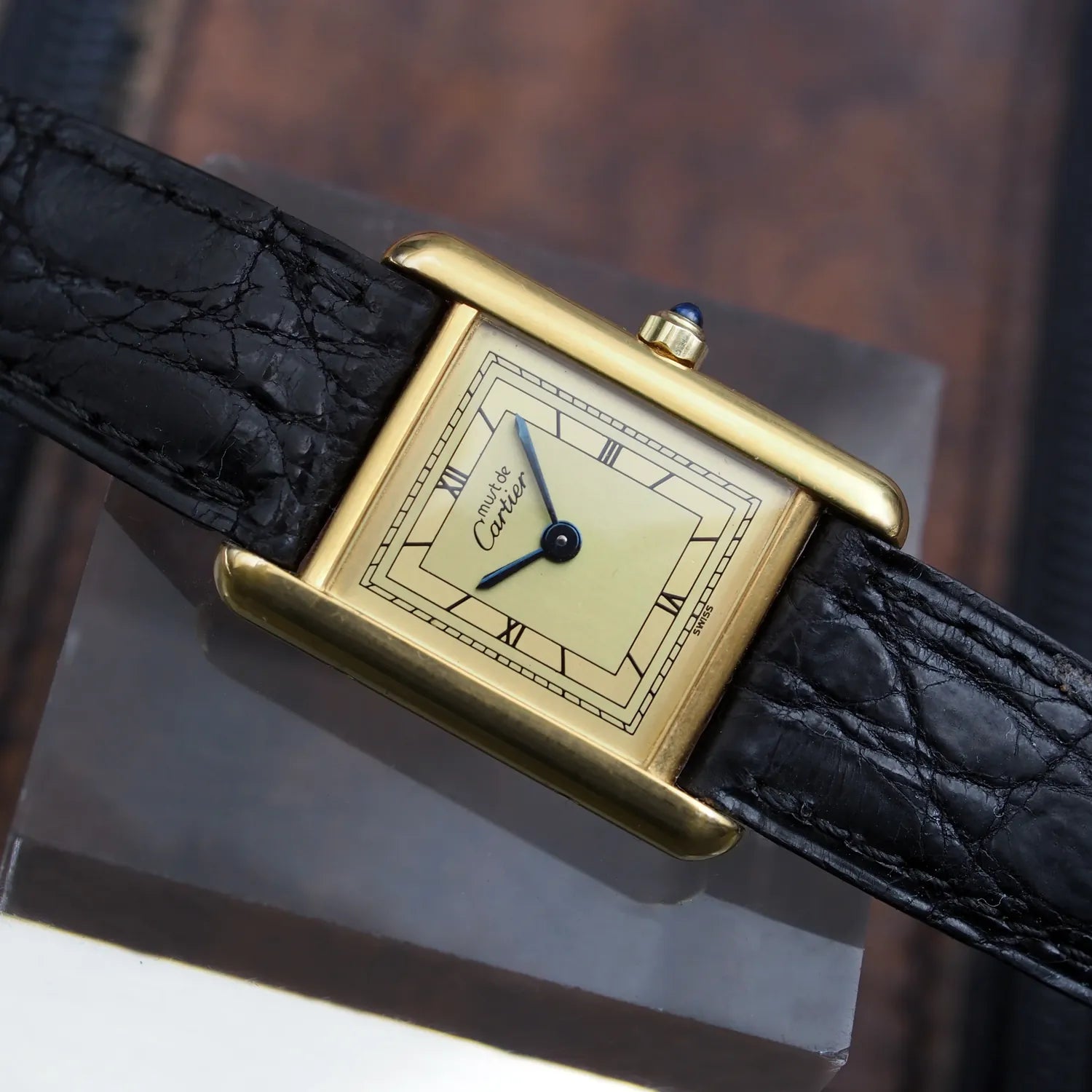
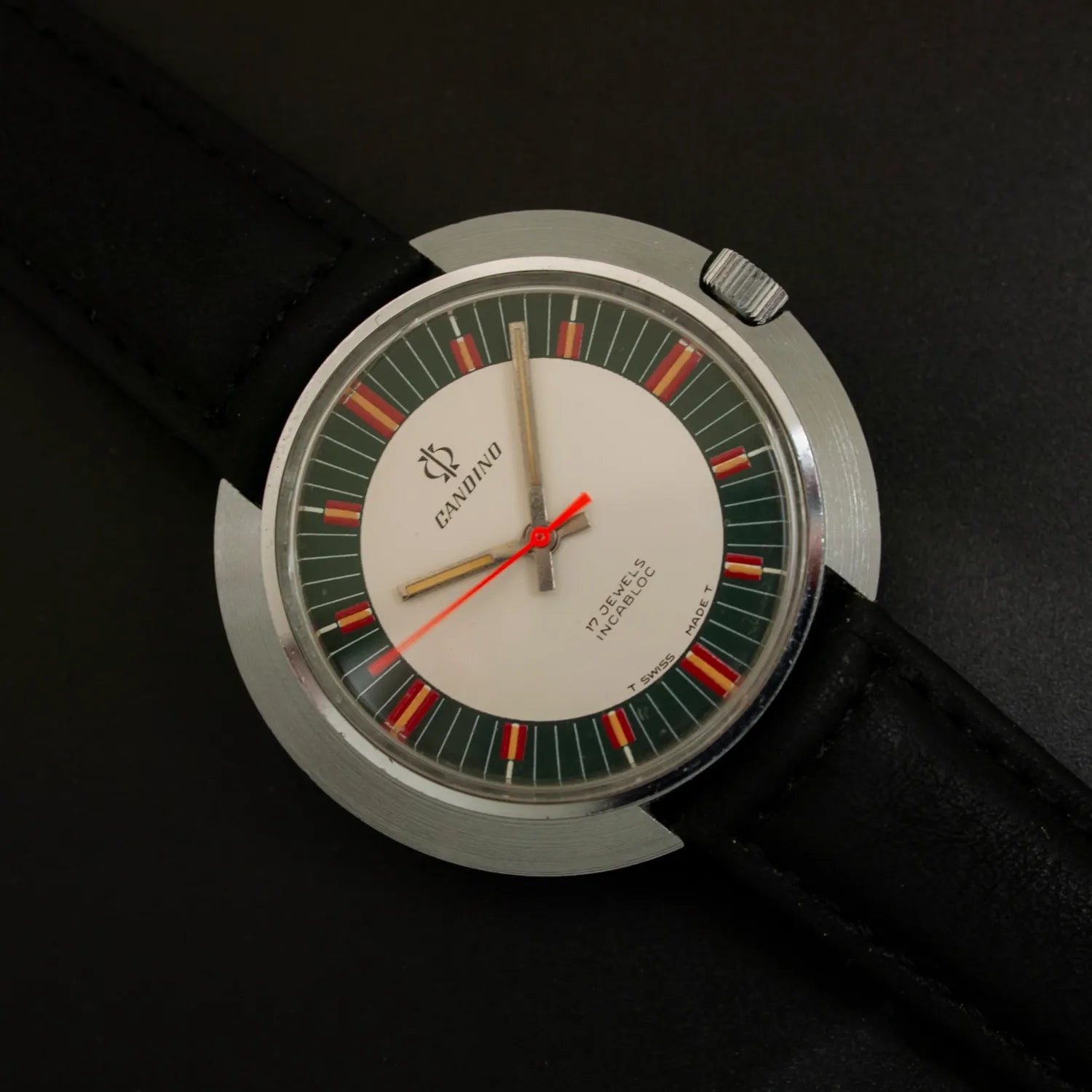

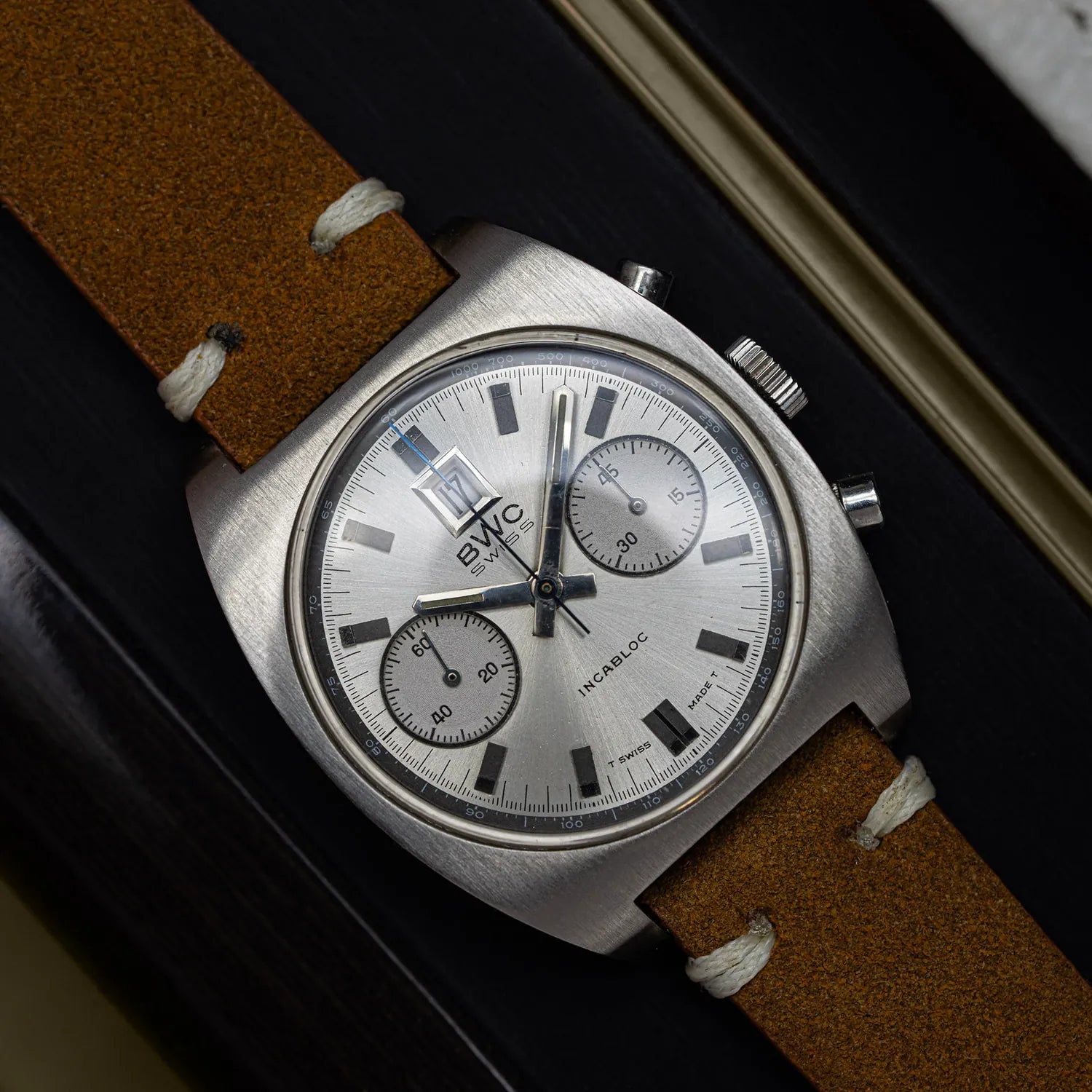

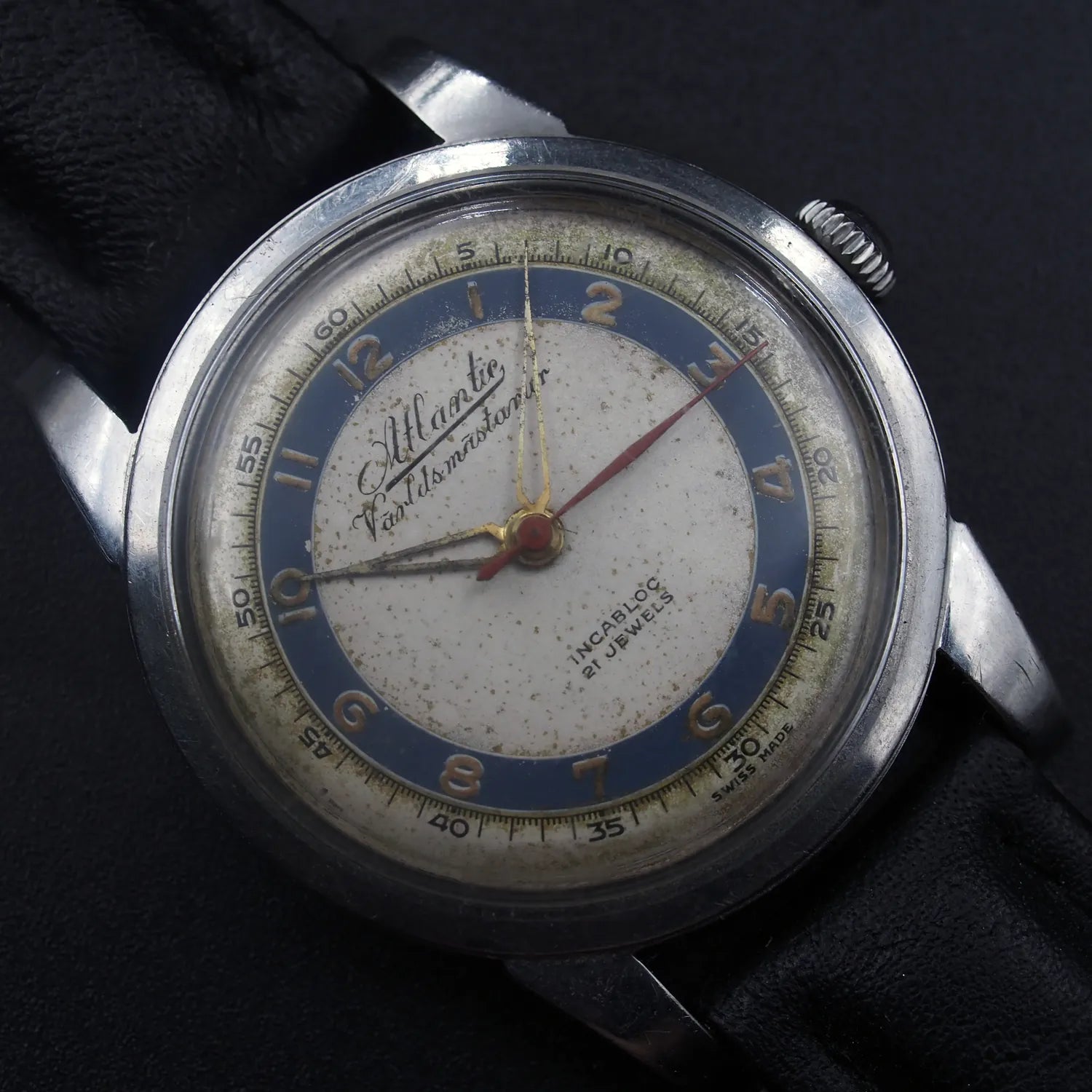

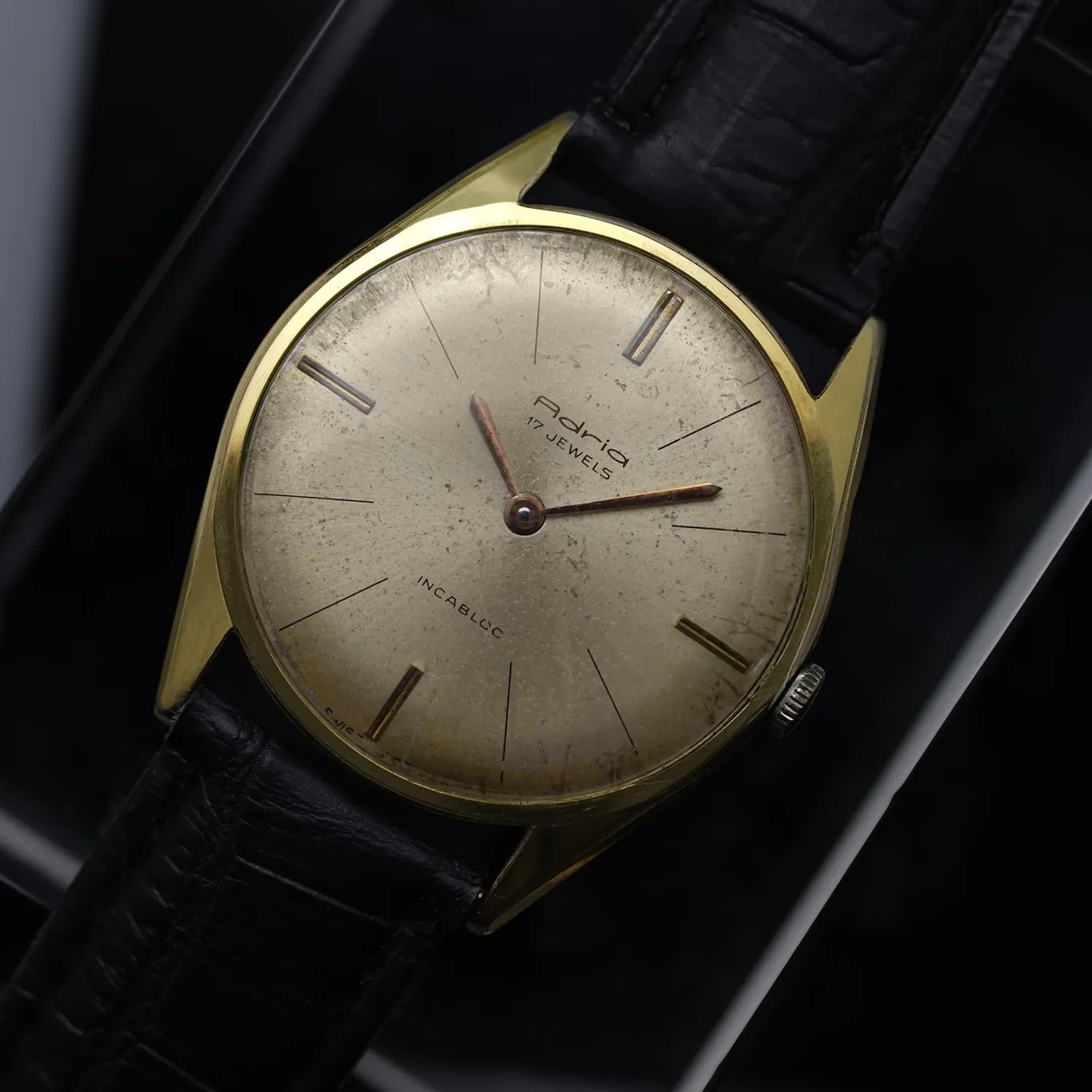
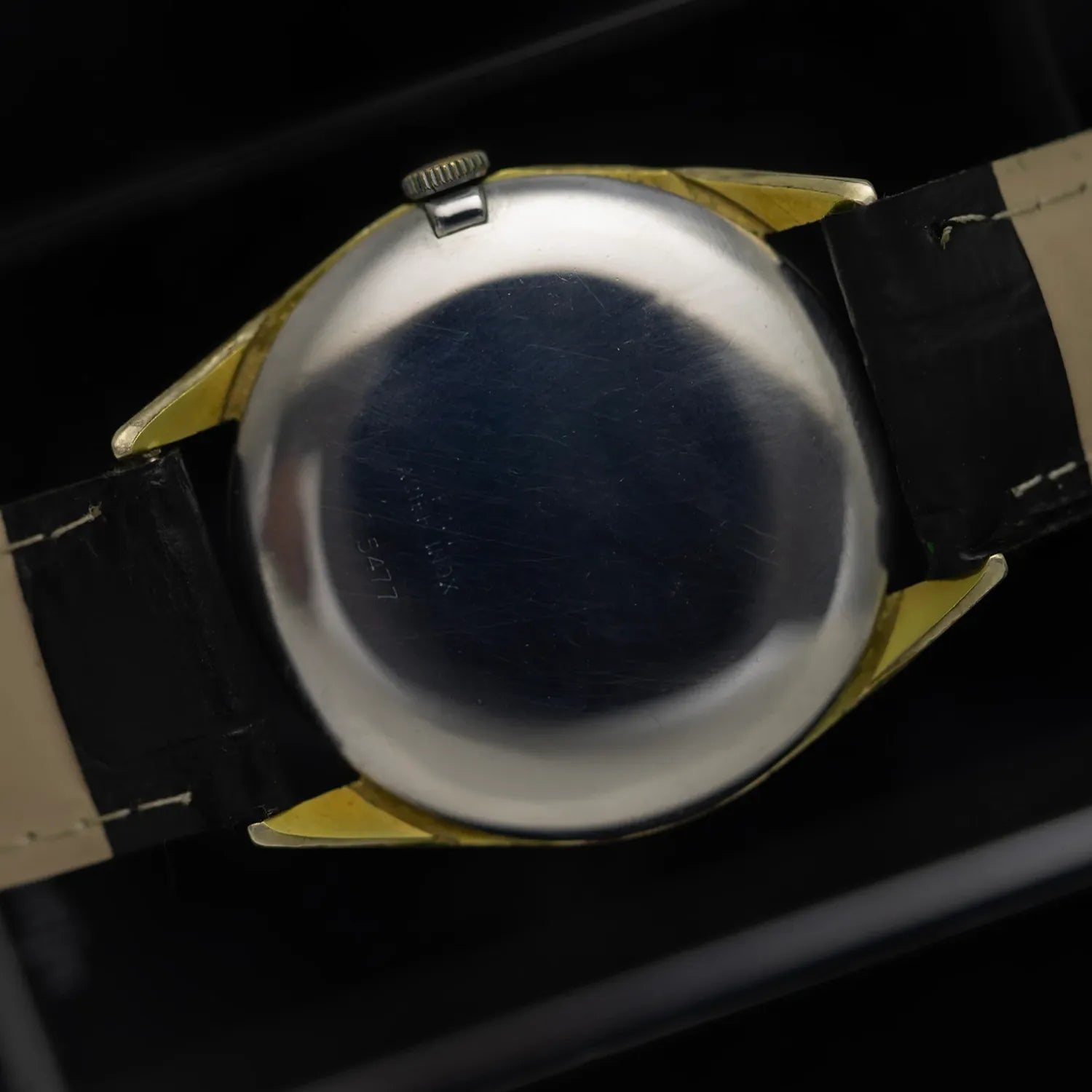
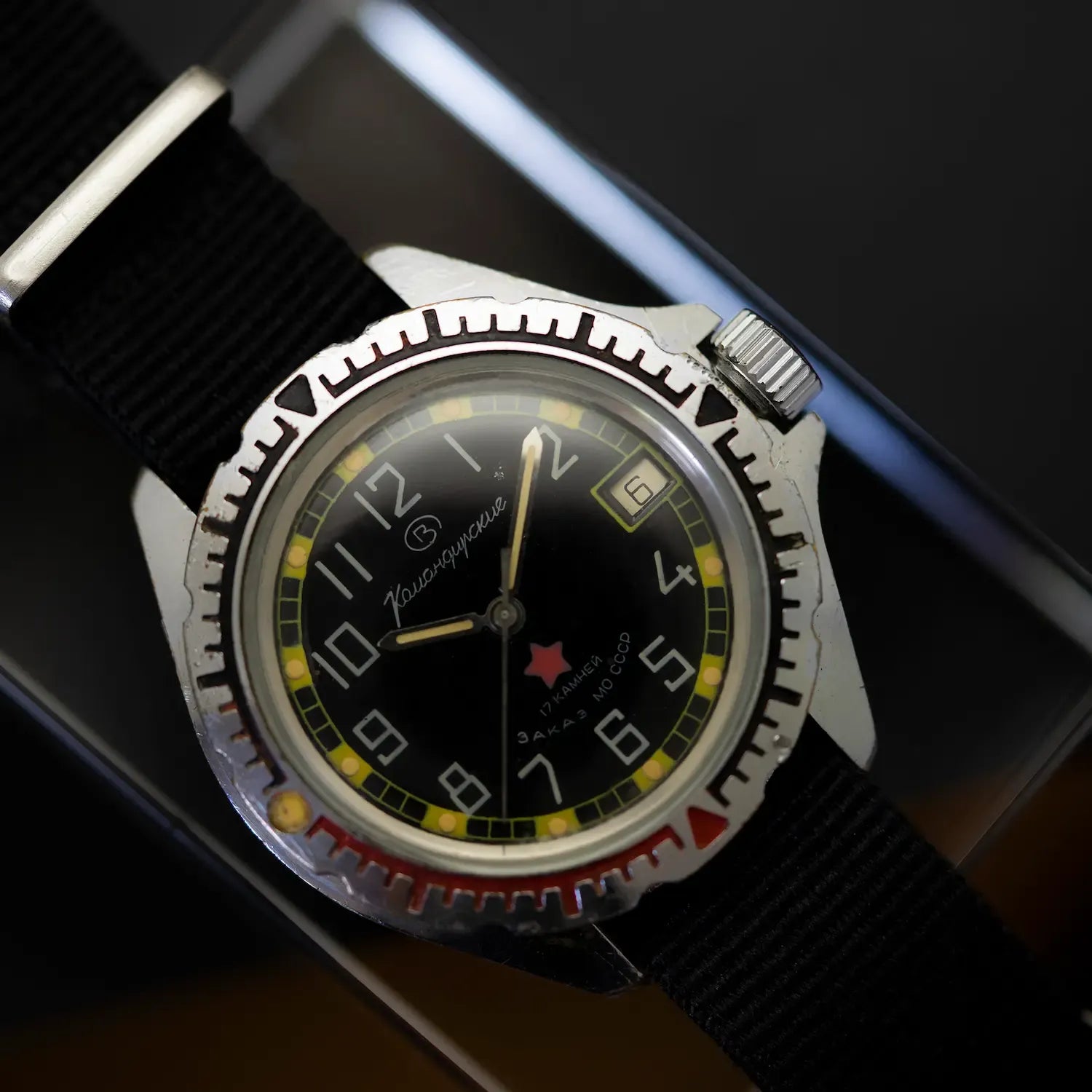
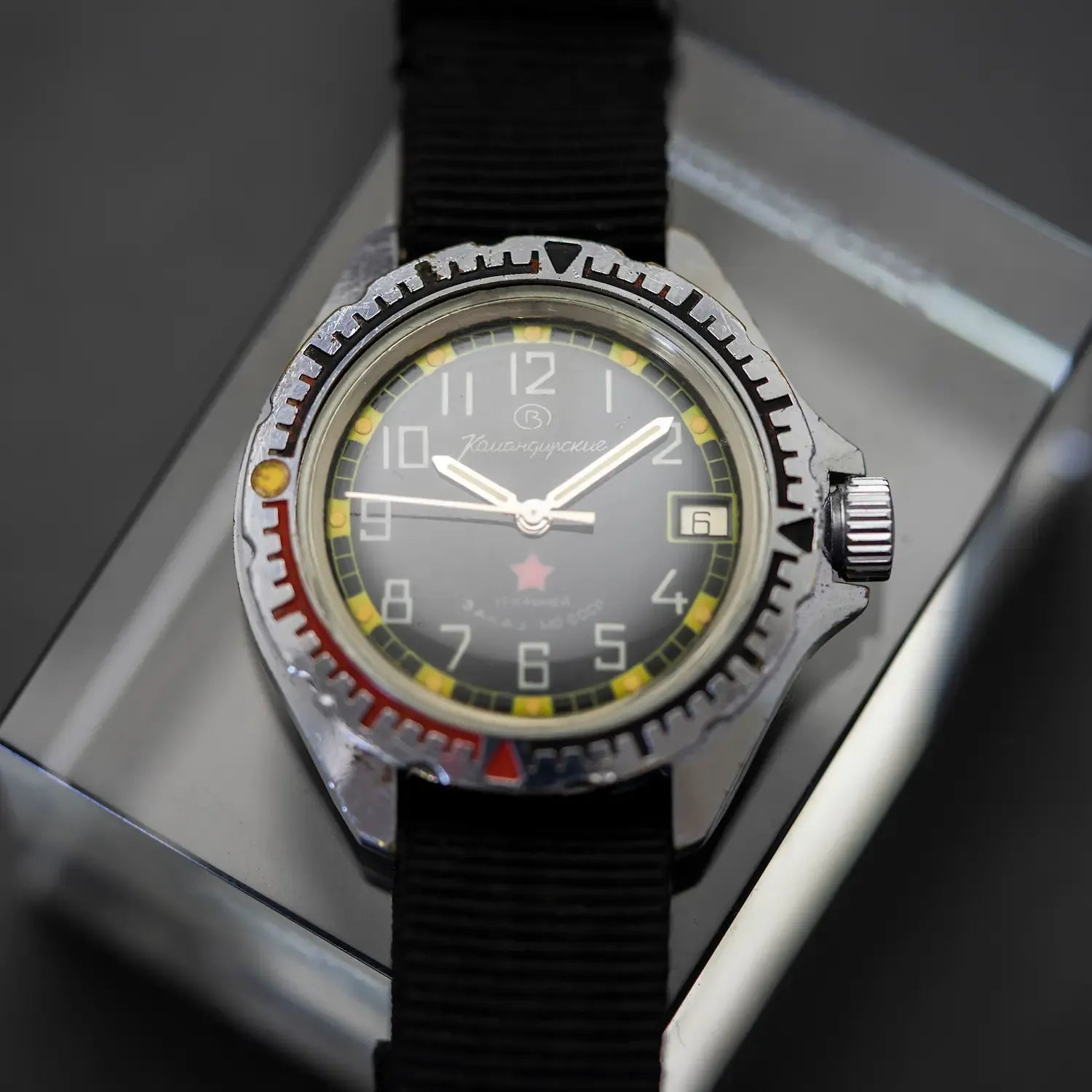
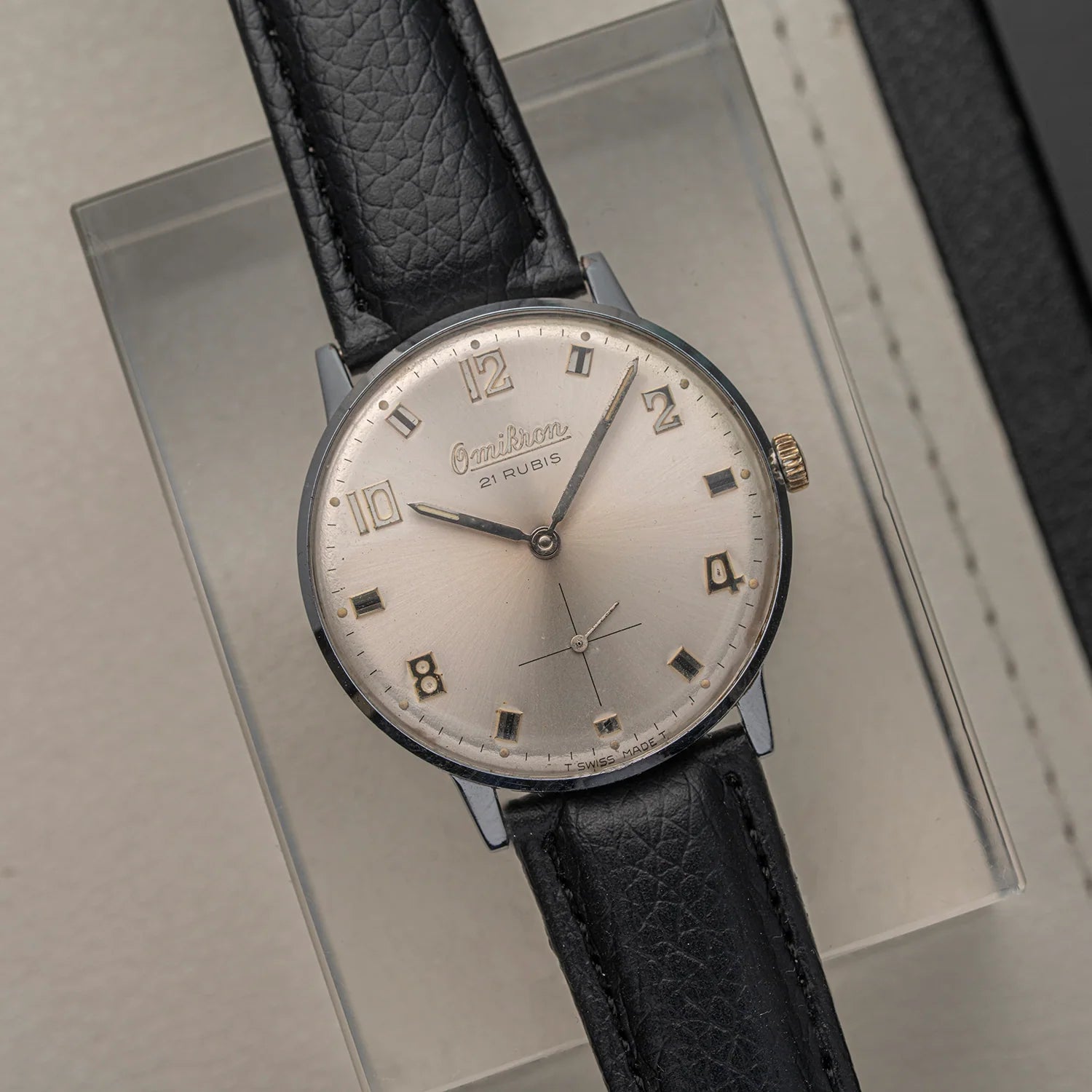
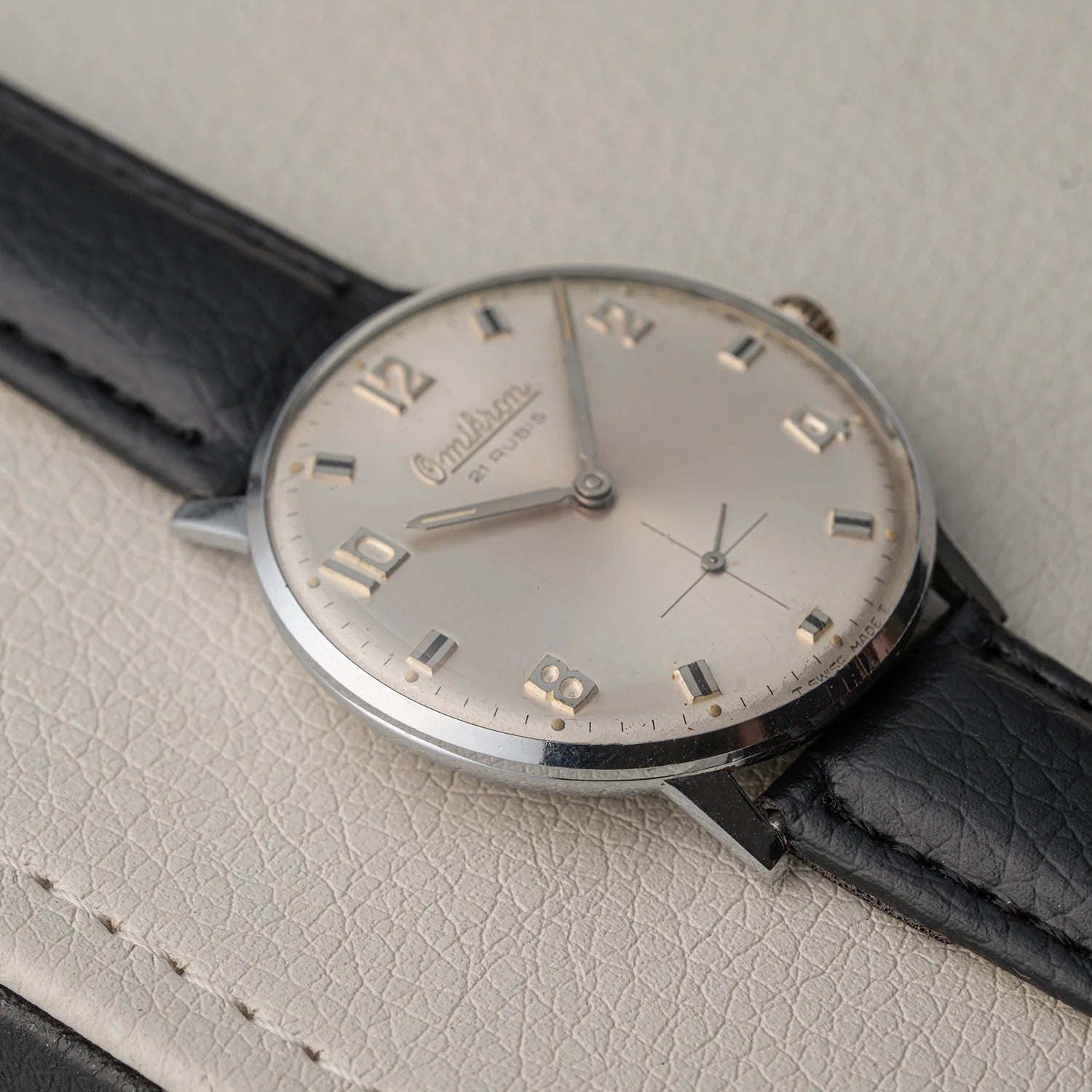
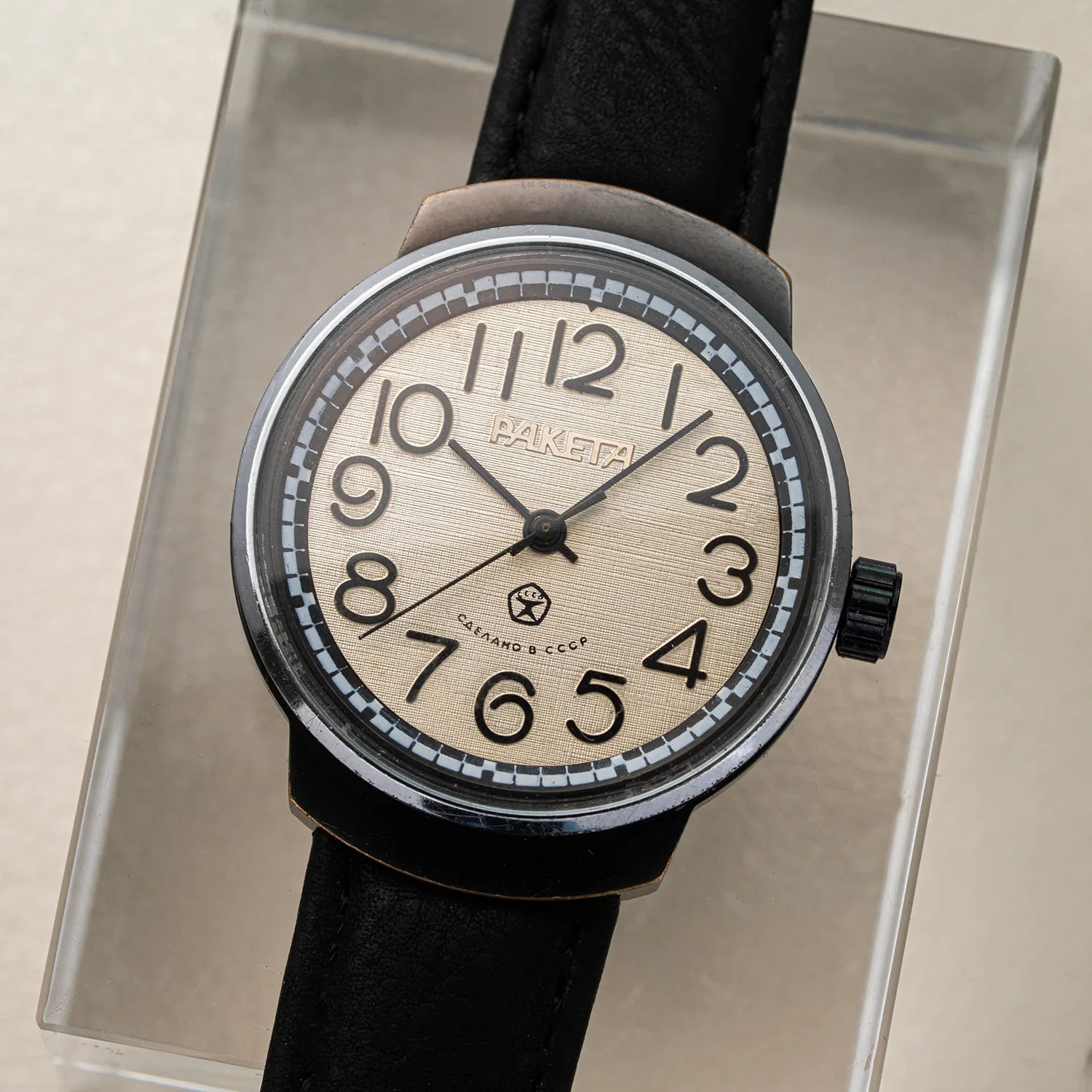
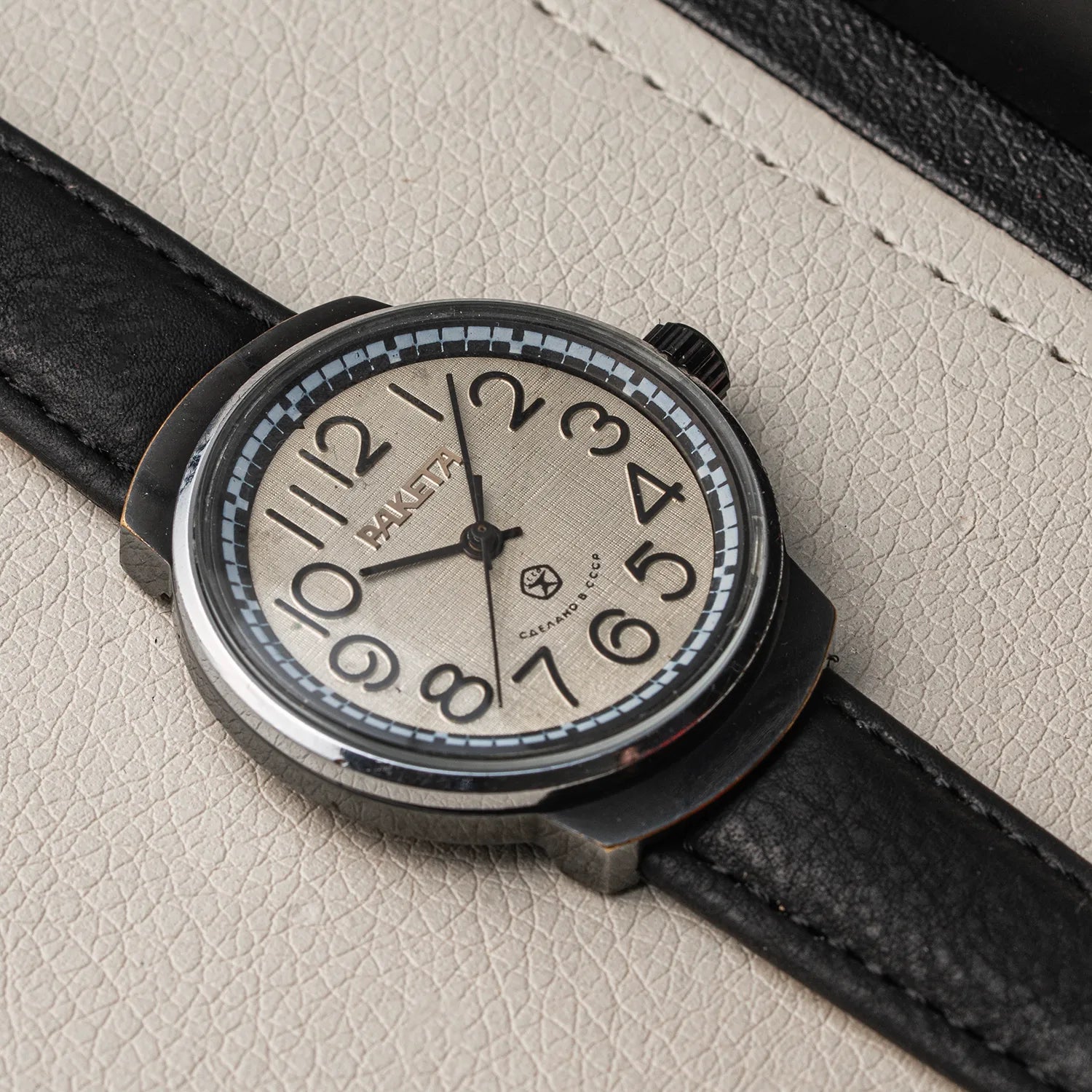
Didn’t find the reference you had in mind? Explore our vintage watches — fully serviced with a 12-month warranty.
Choose Convenience, Precision, or Value—All in One Place
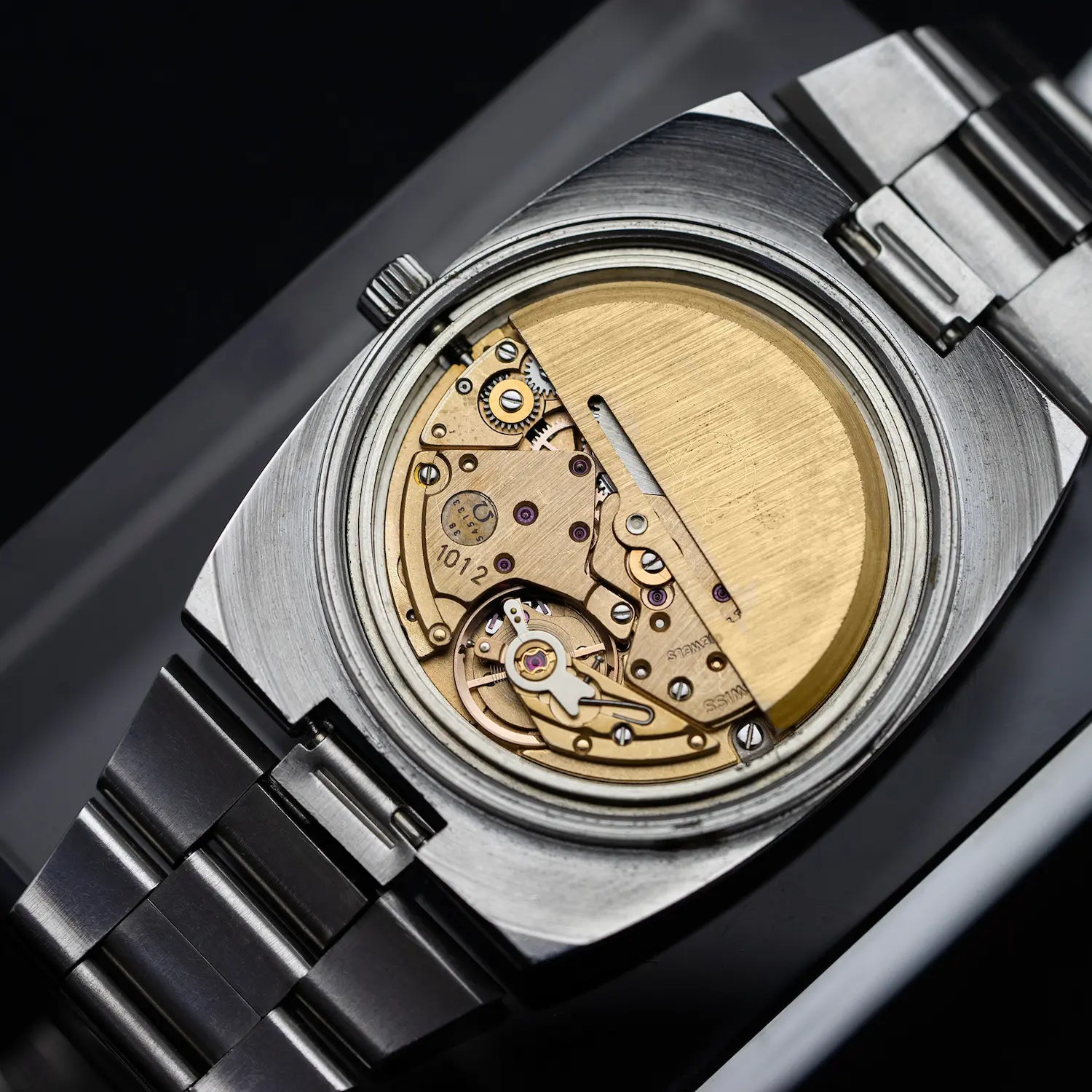
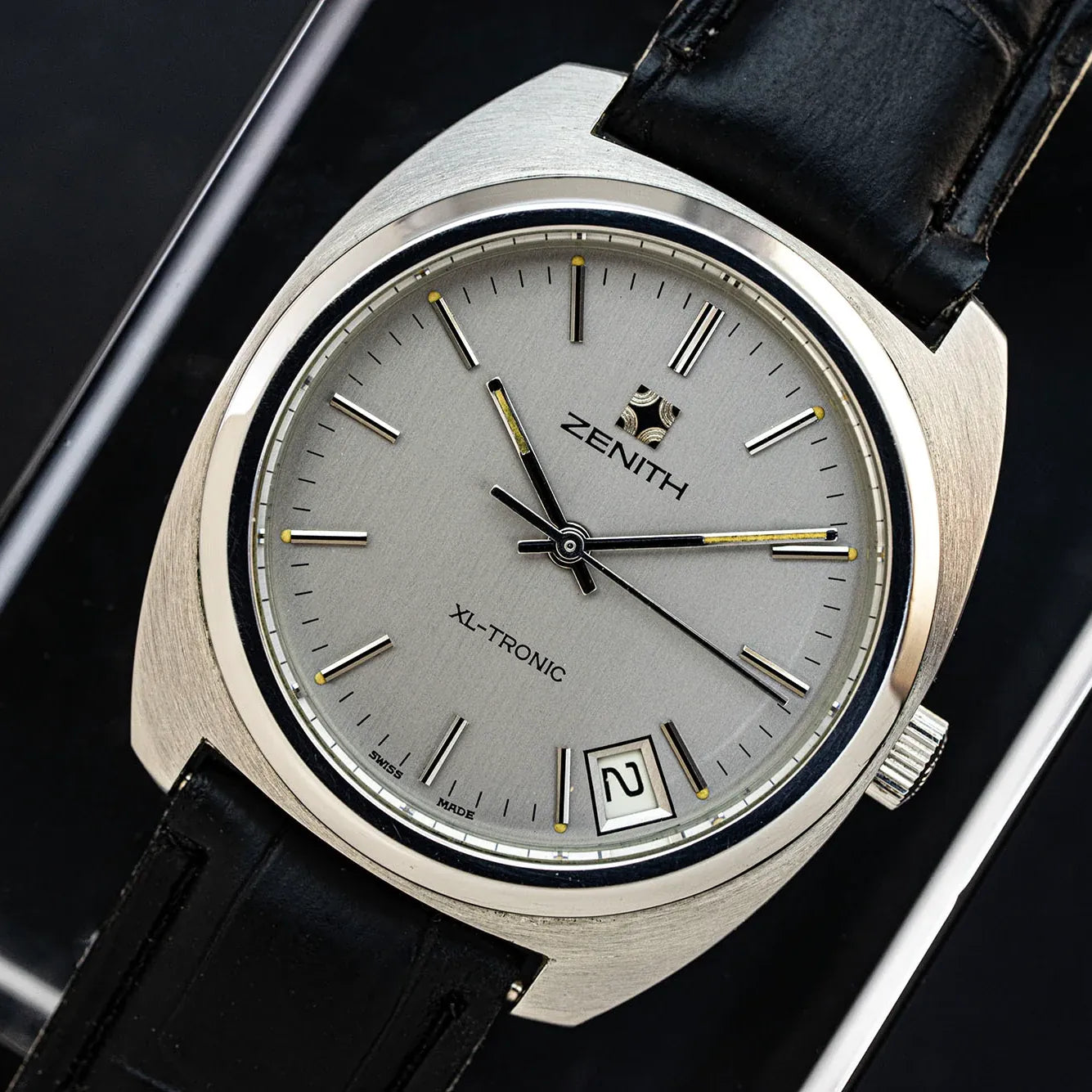

Explore Formal, Tool, and Timing Icons in One Place
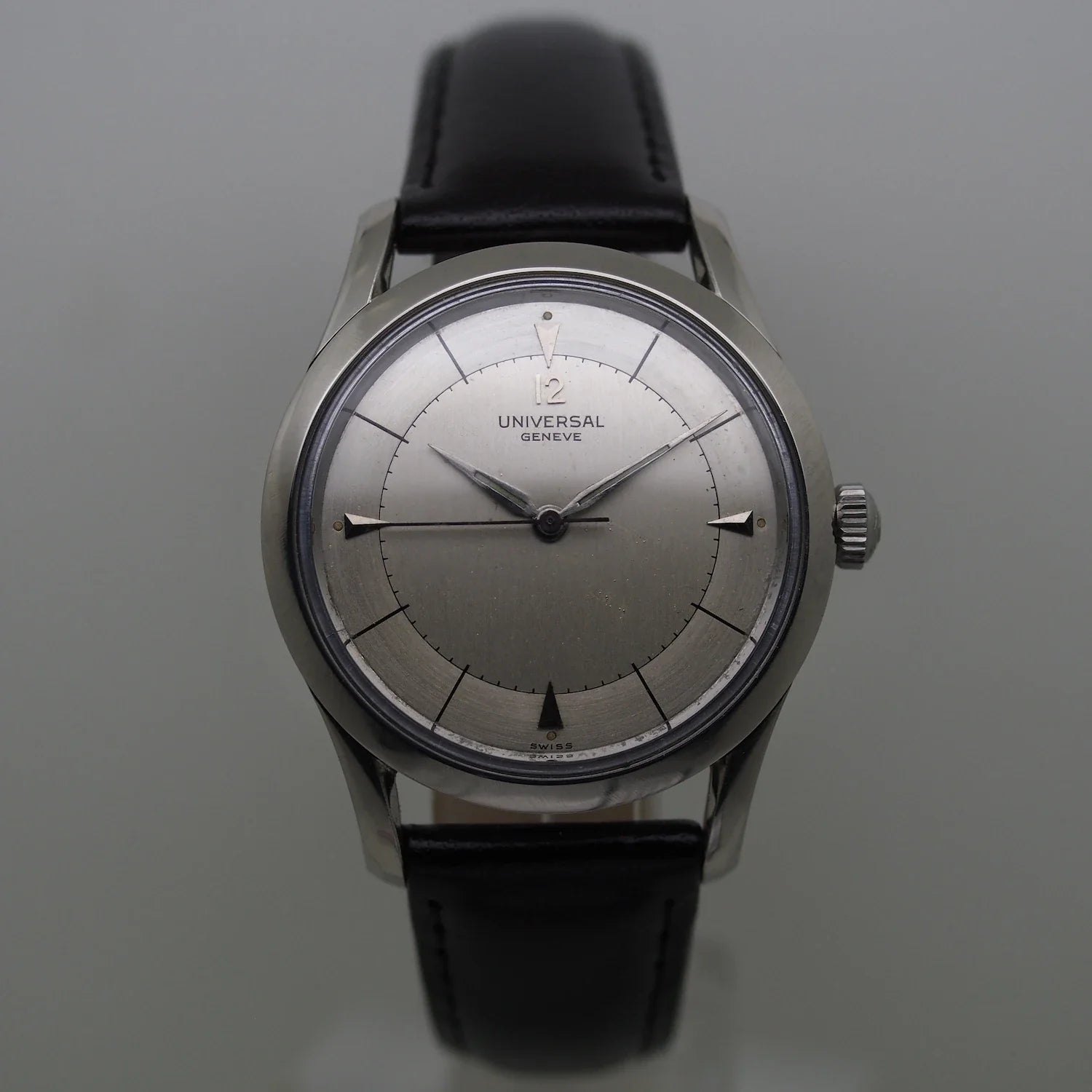


How to Wind a Manual Mechanical Watch
Remove the watch from your wrist, gently turn the crown clockwise in small increments to wind the mainspring, and stop when you feel firm resistance—do not force it. Most pieces need a daily wind at a consistent time. If the crown feels rough or unusually tight, pause and consult the product notes or a watchmaker. This simple “watch wind up” routine keeps a manual mechanical watch running at its best.
Why Choose a Manual Wind Wrist Watch
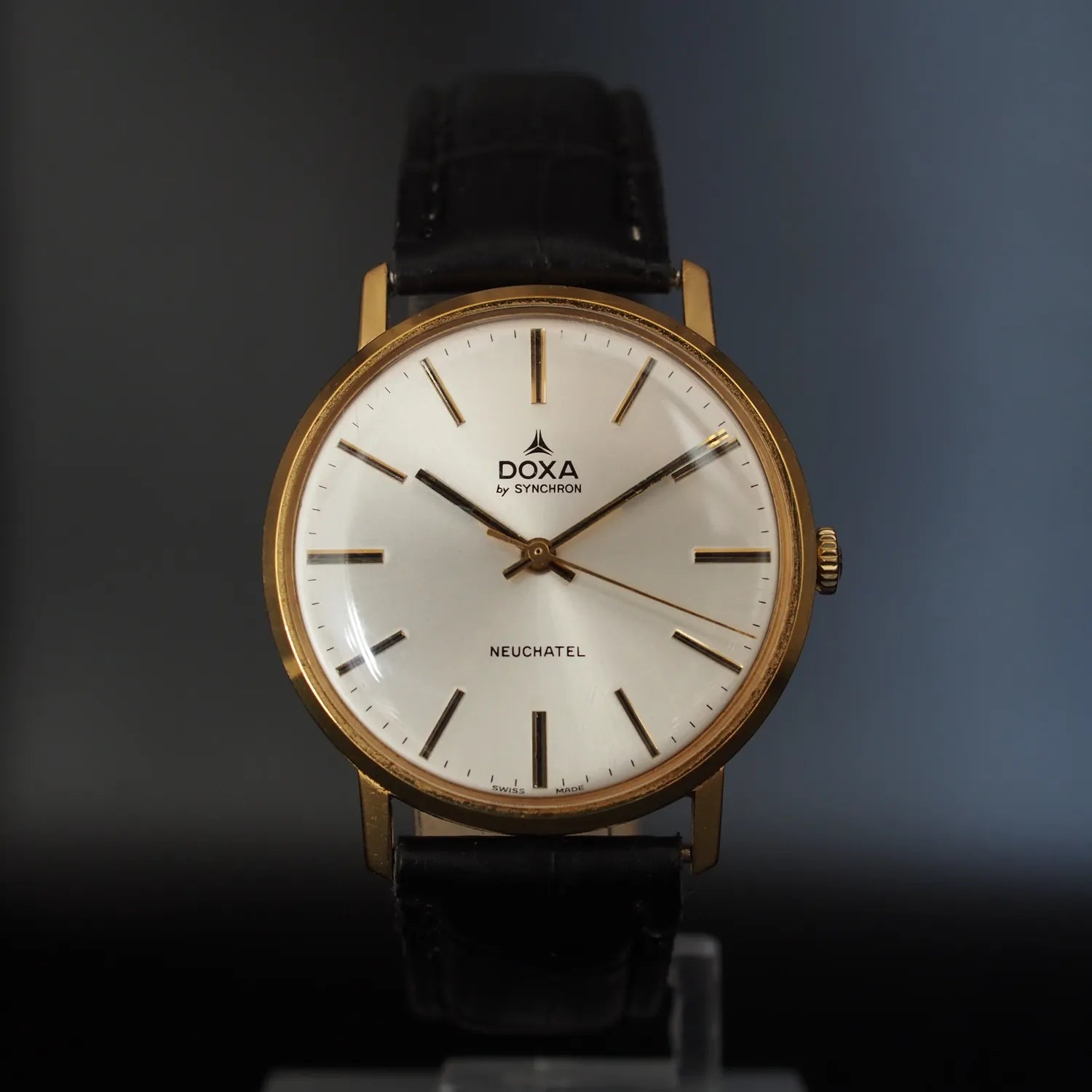
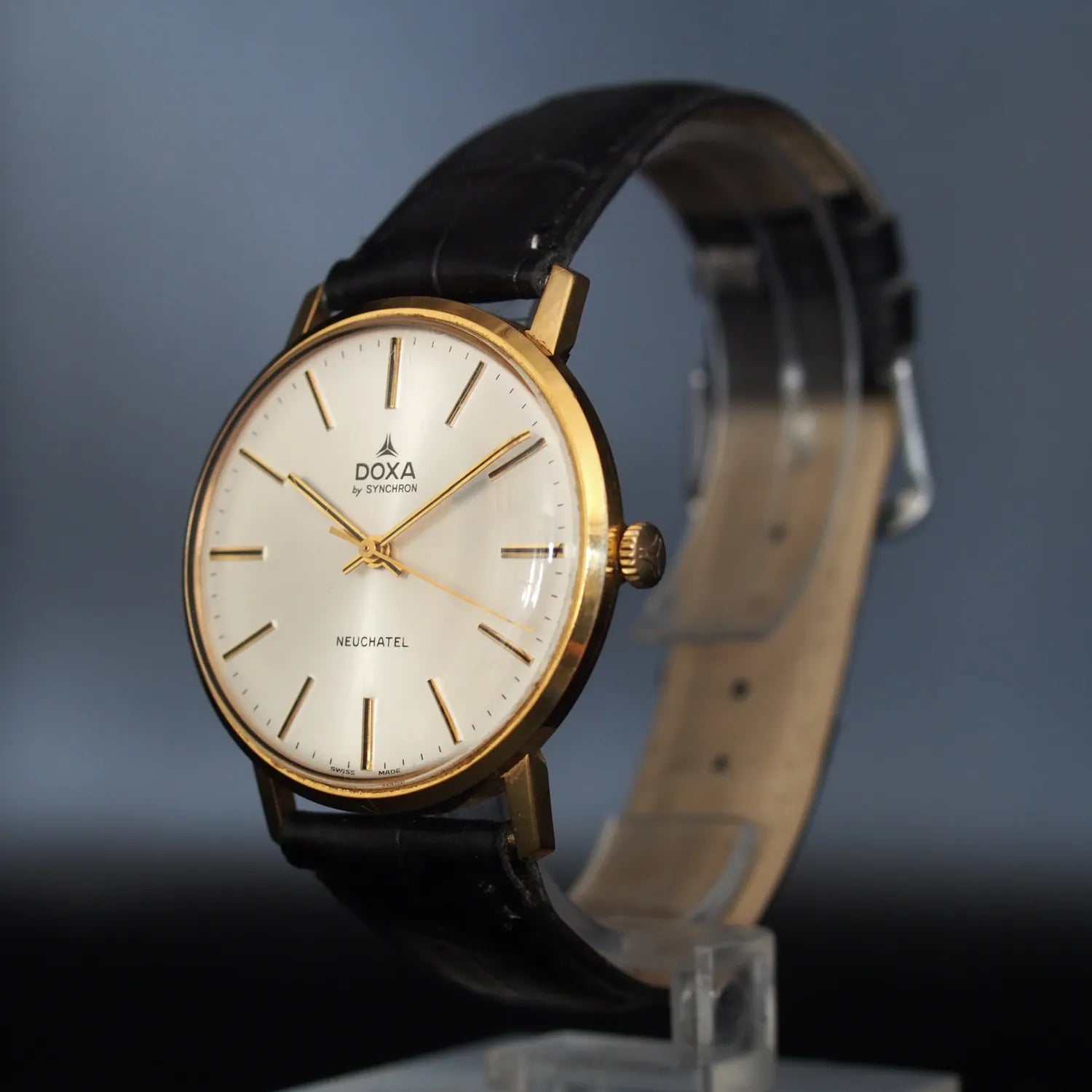
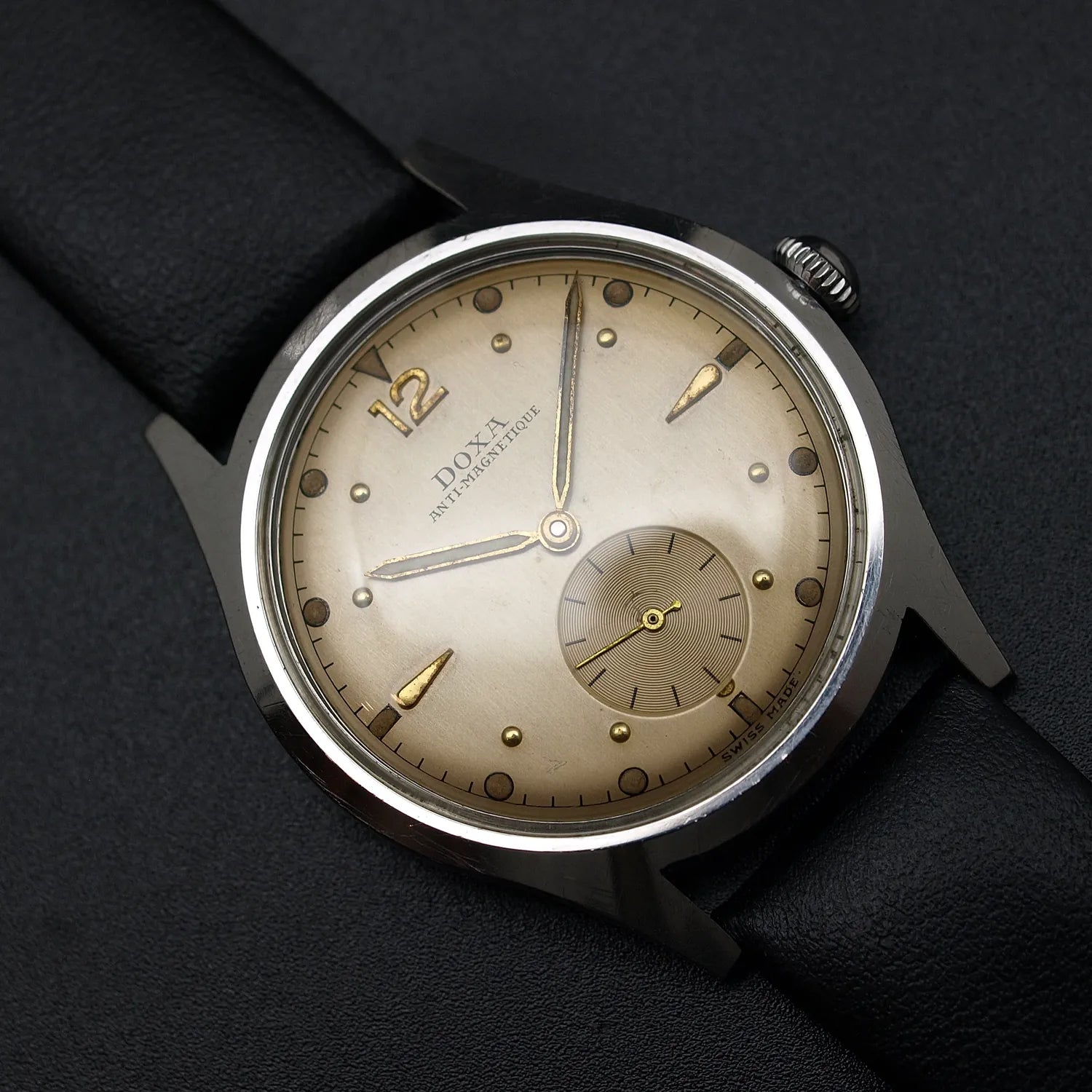
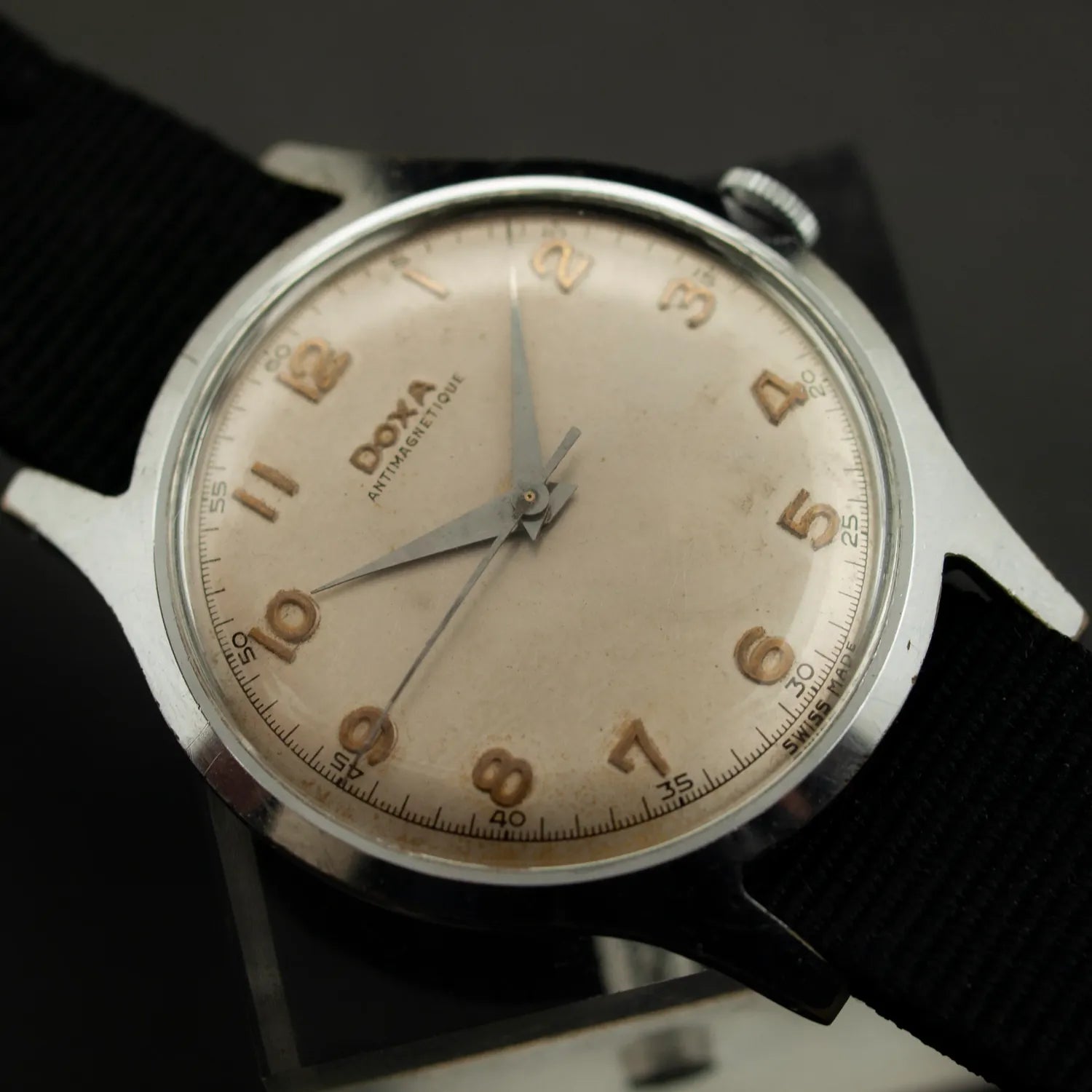
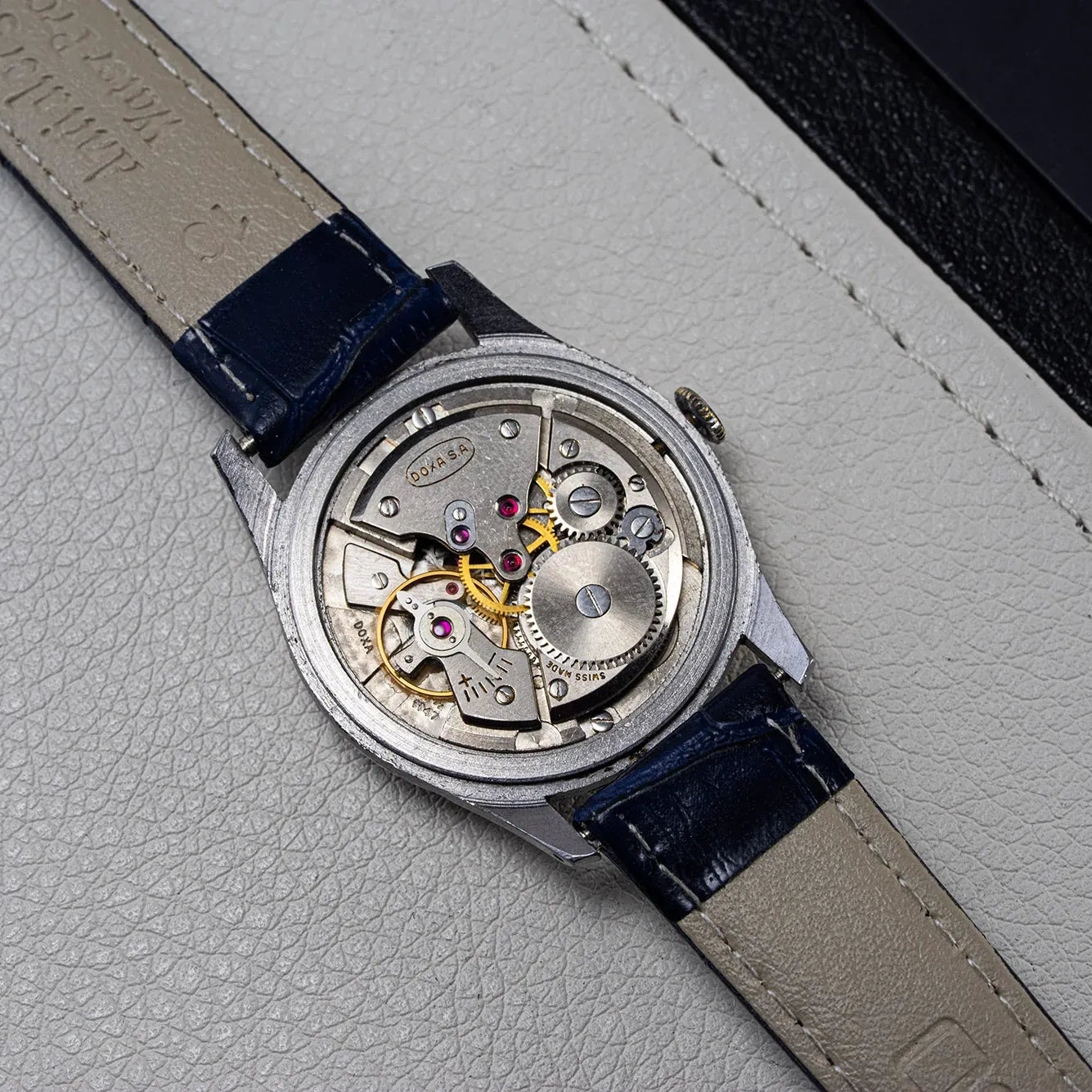
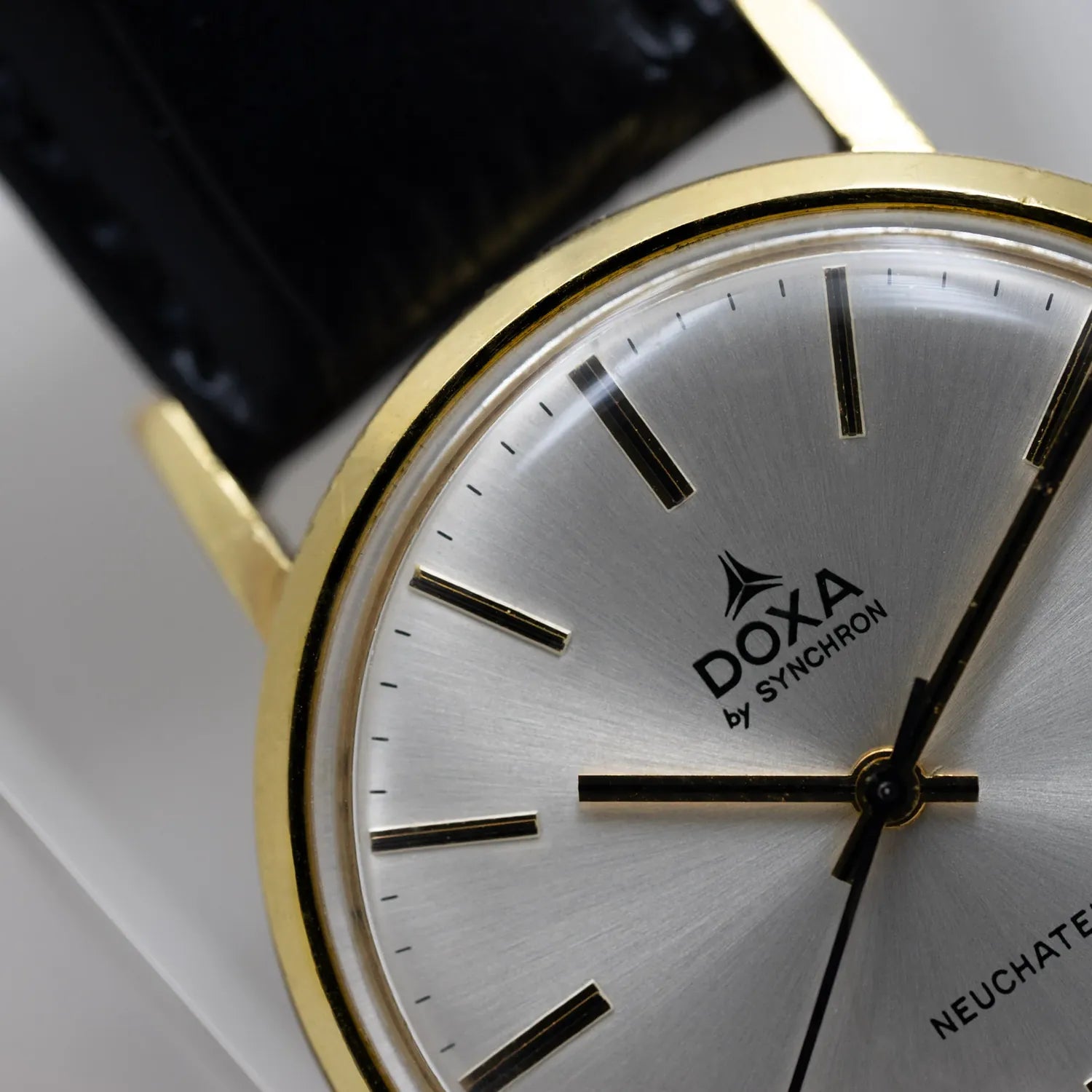
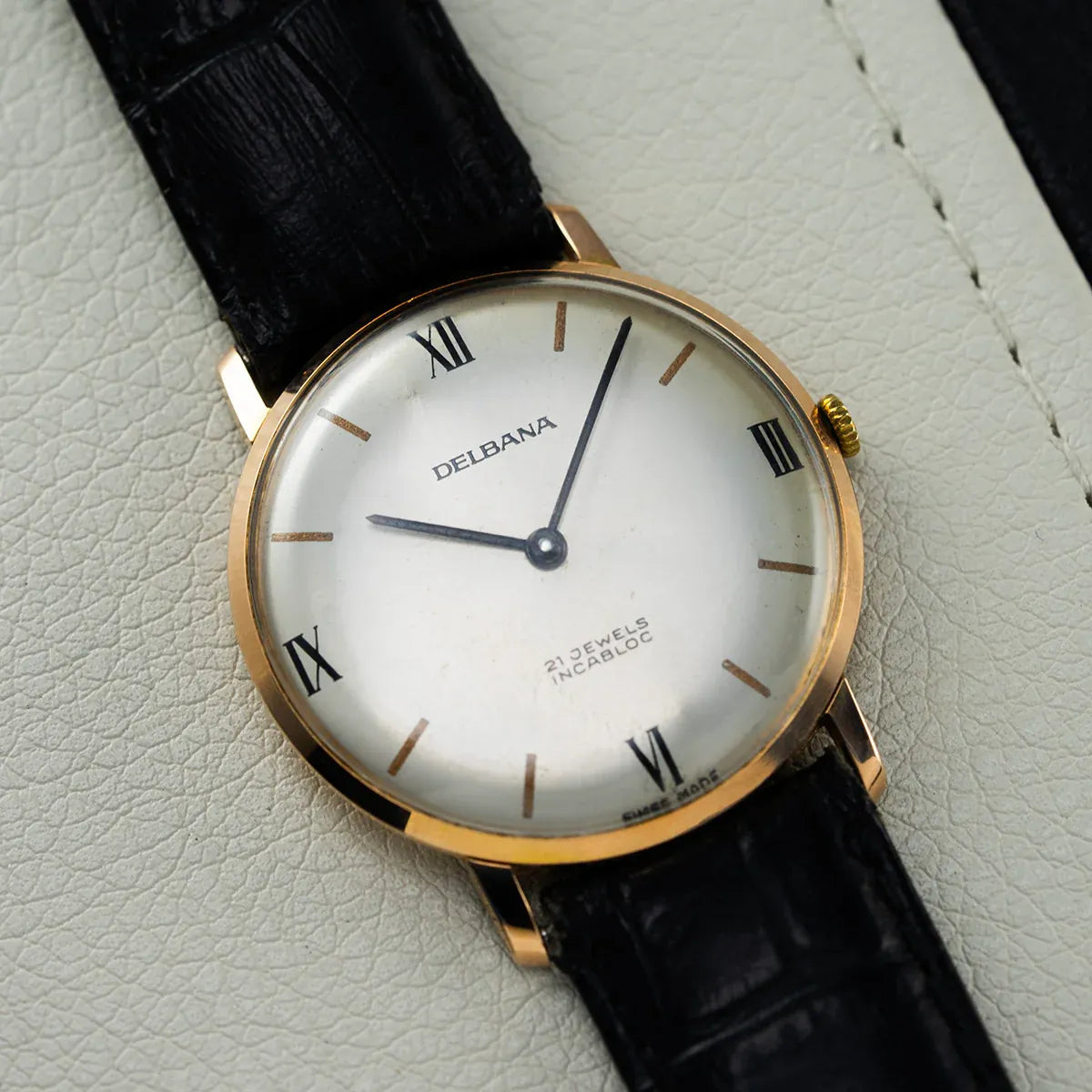
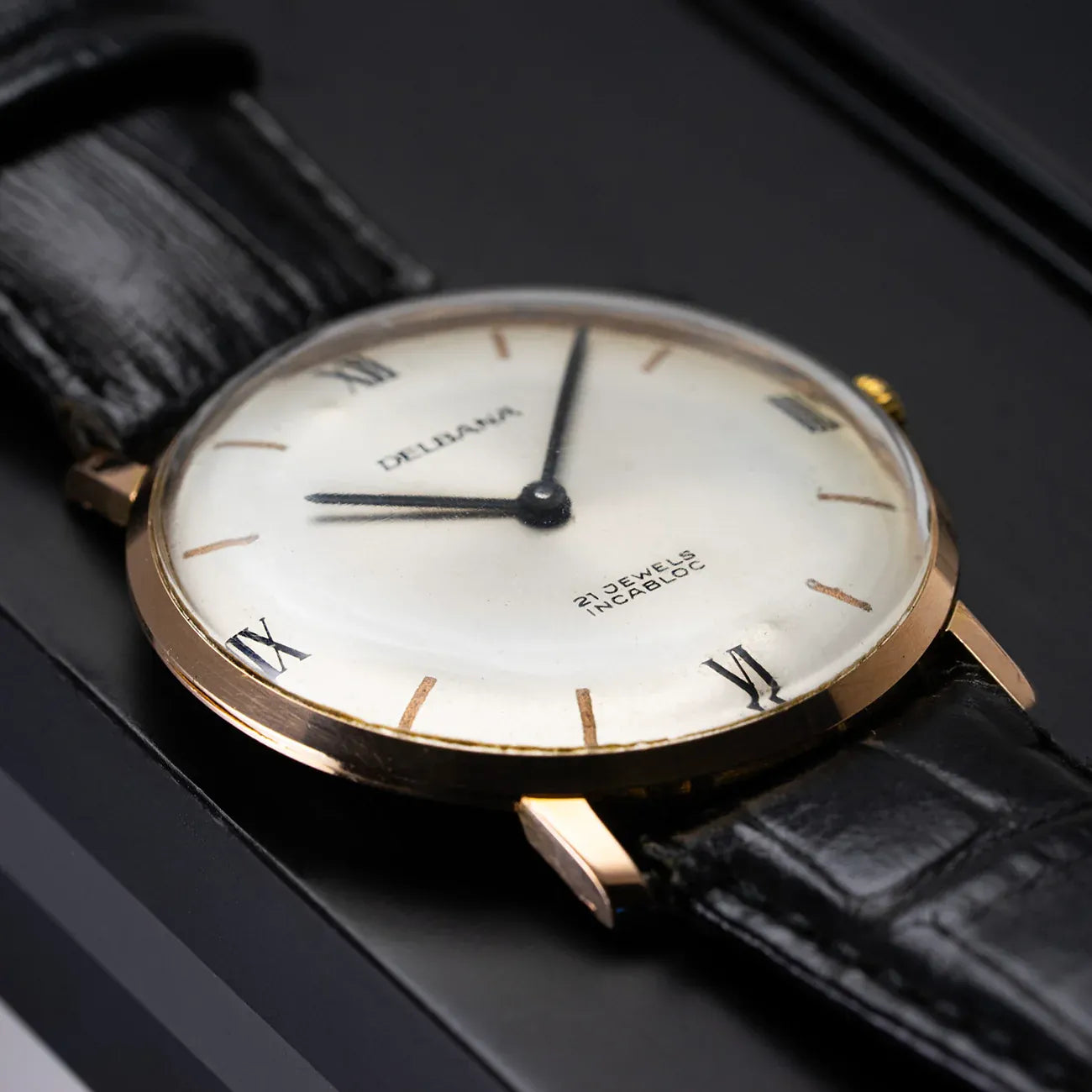
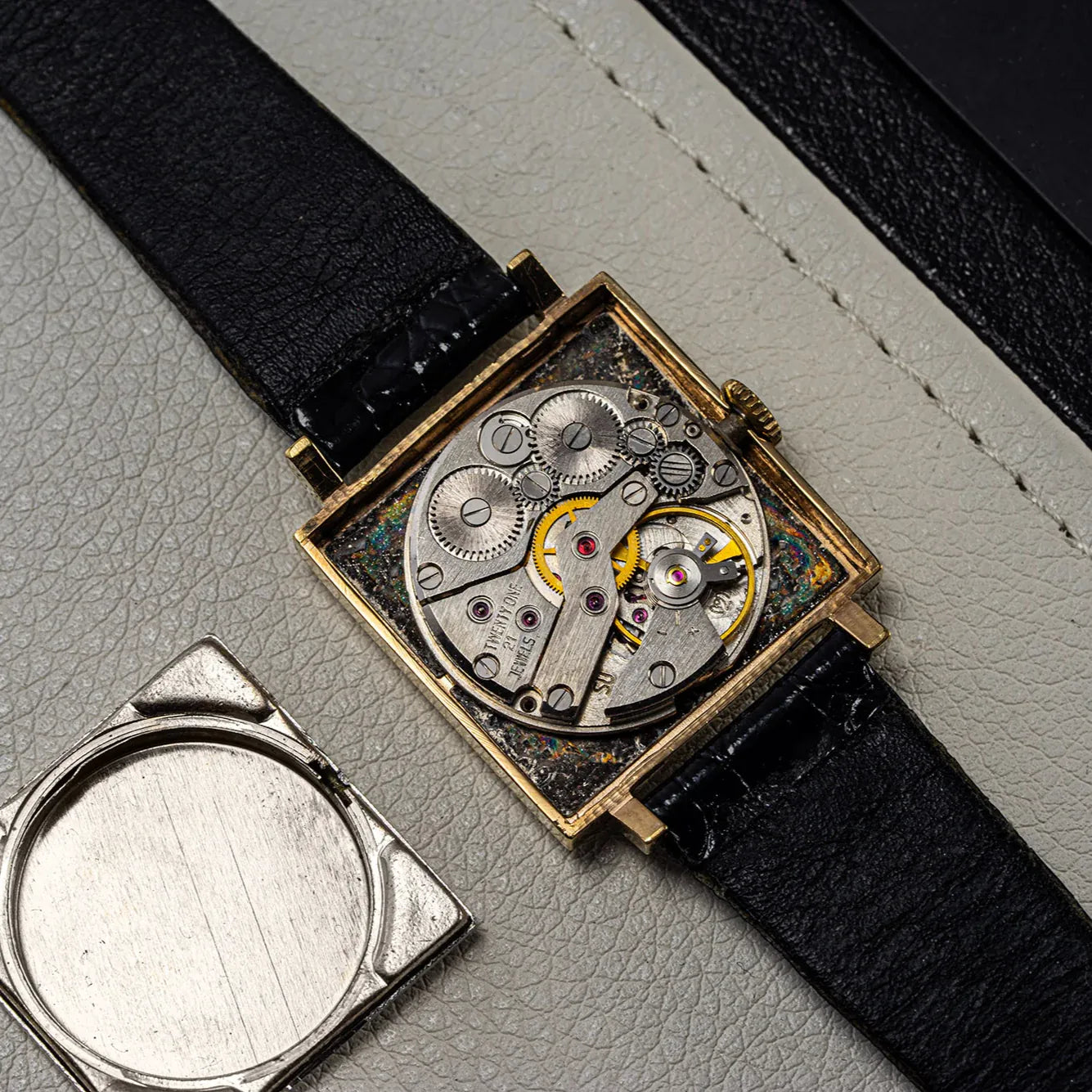
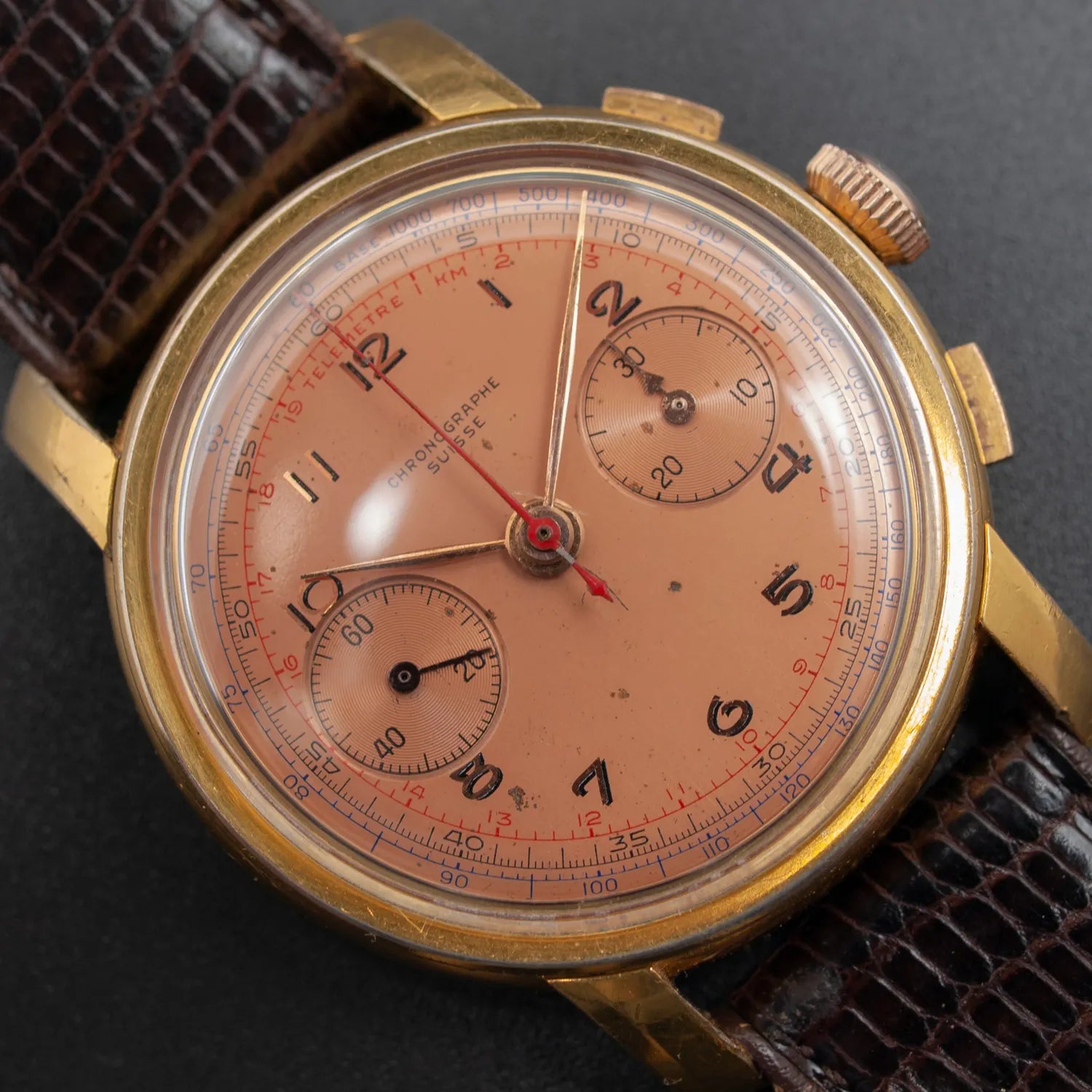
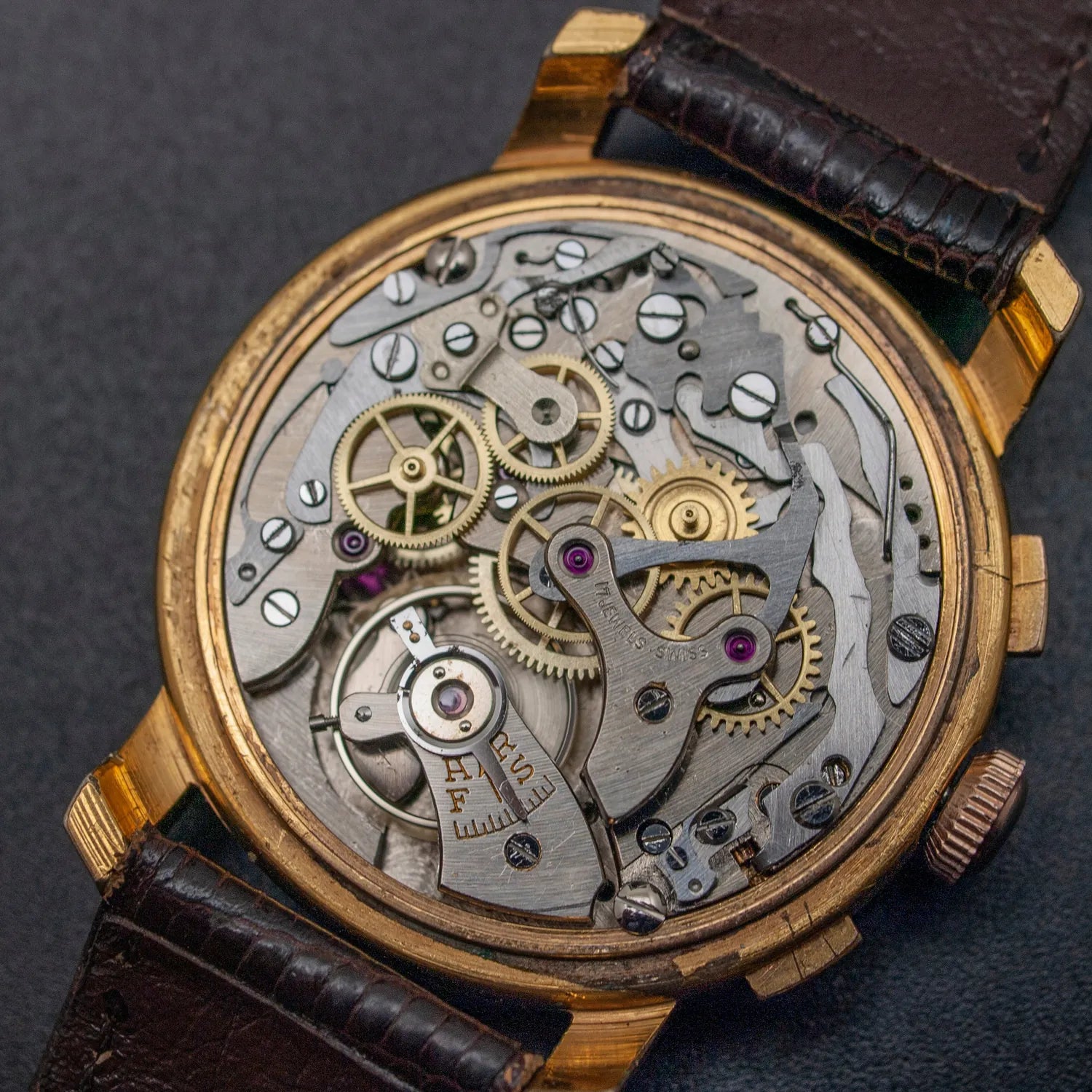
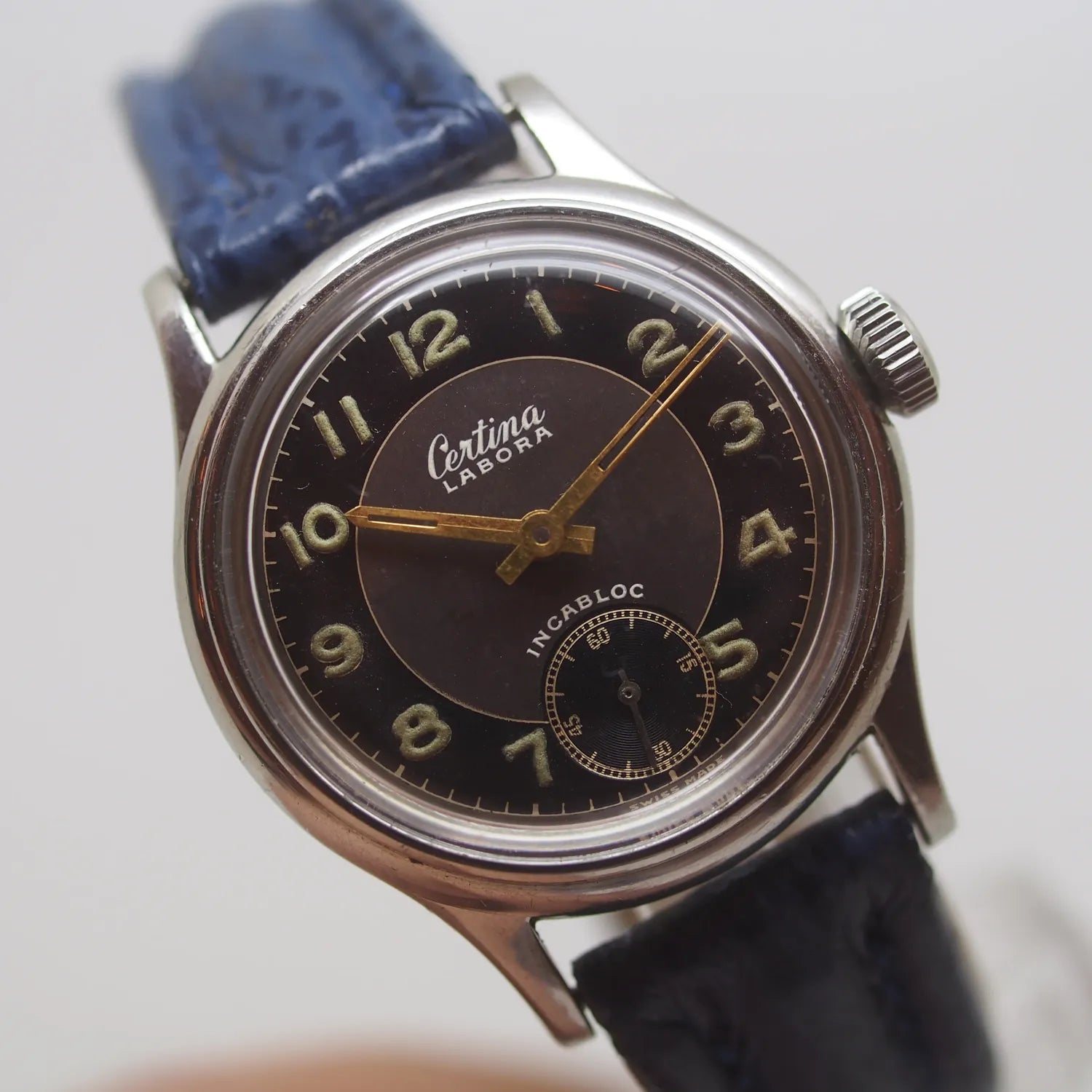
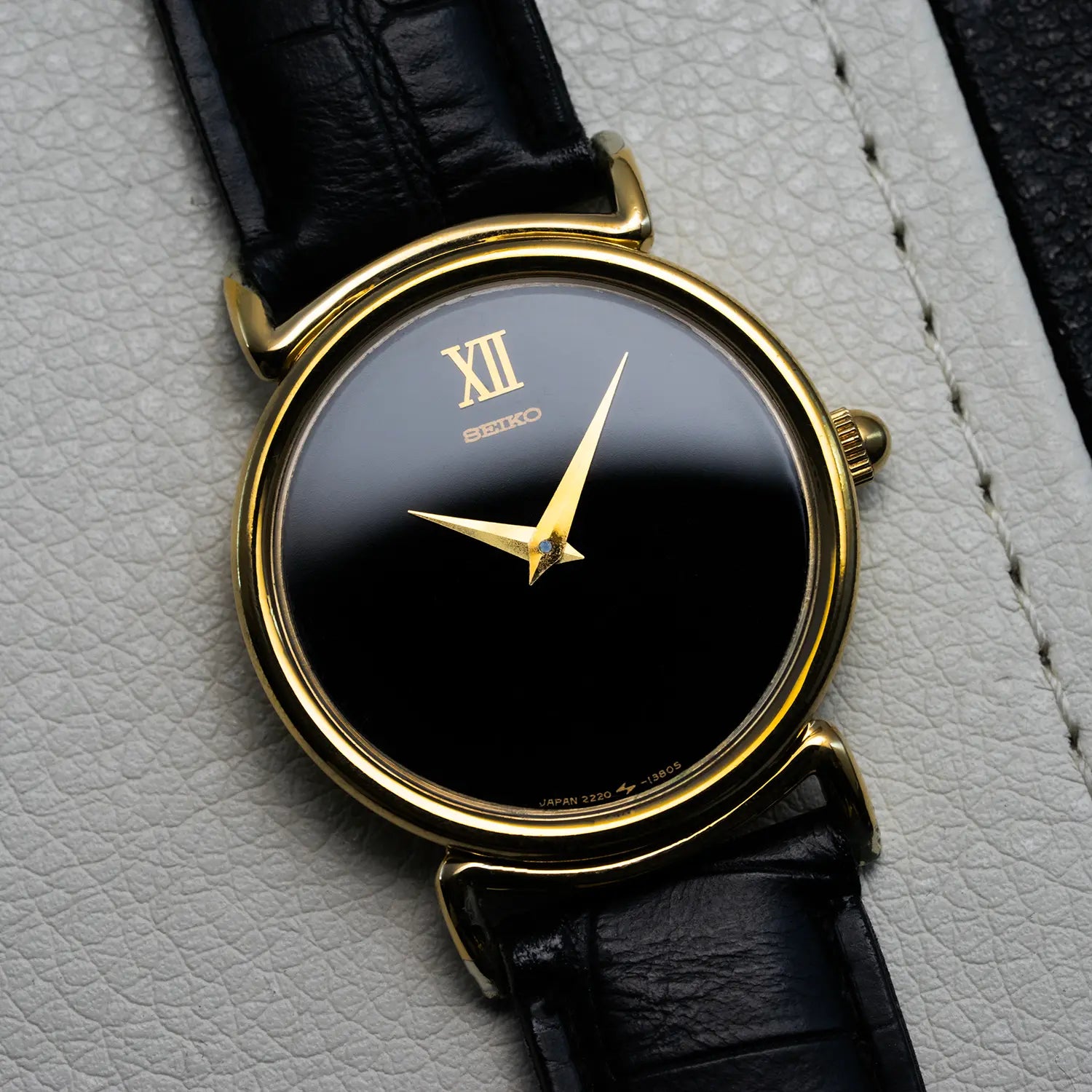
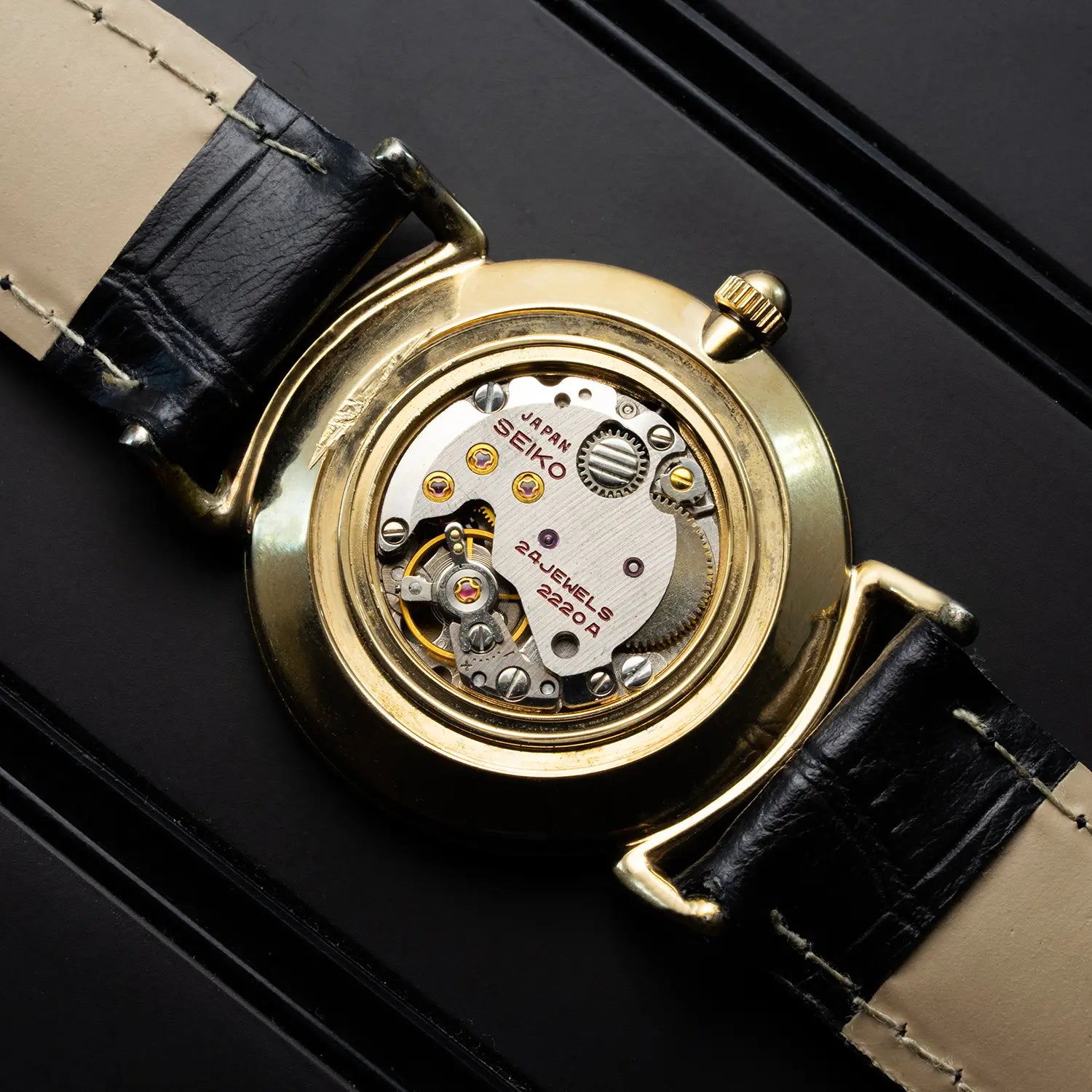
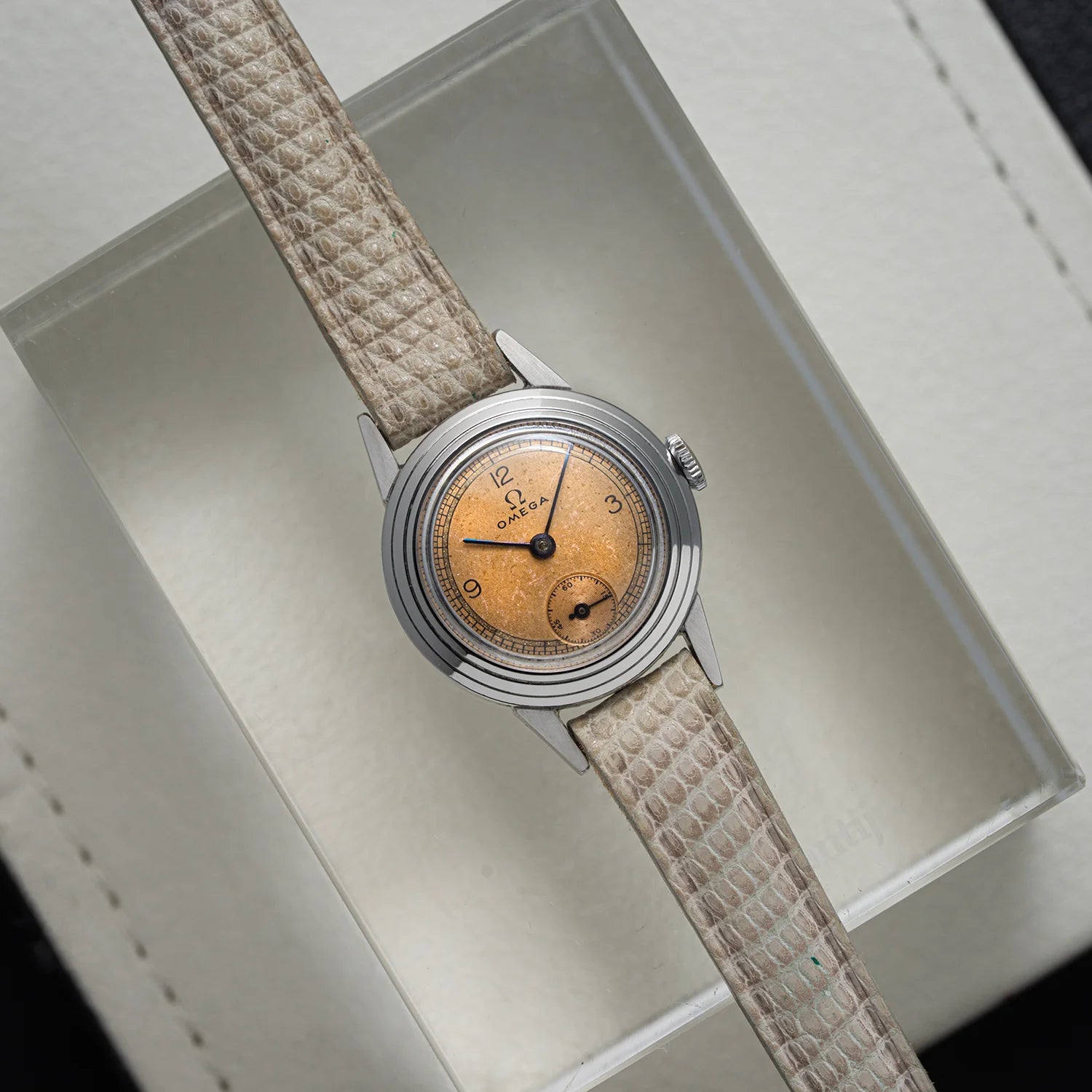
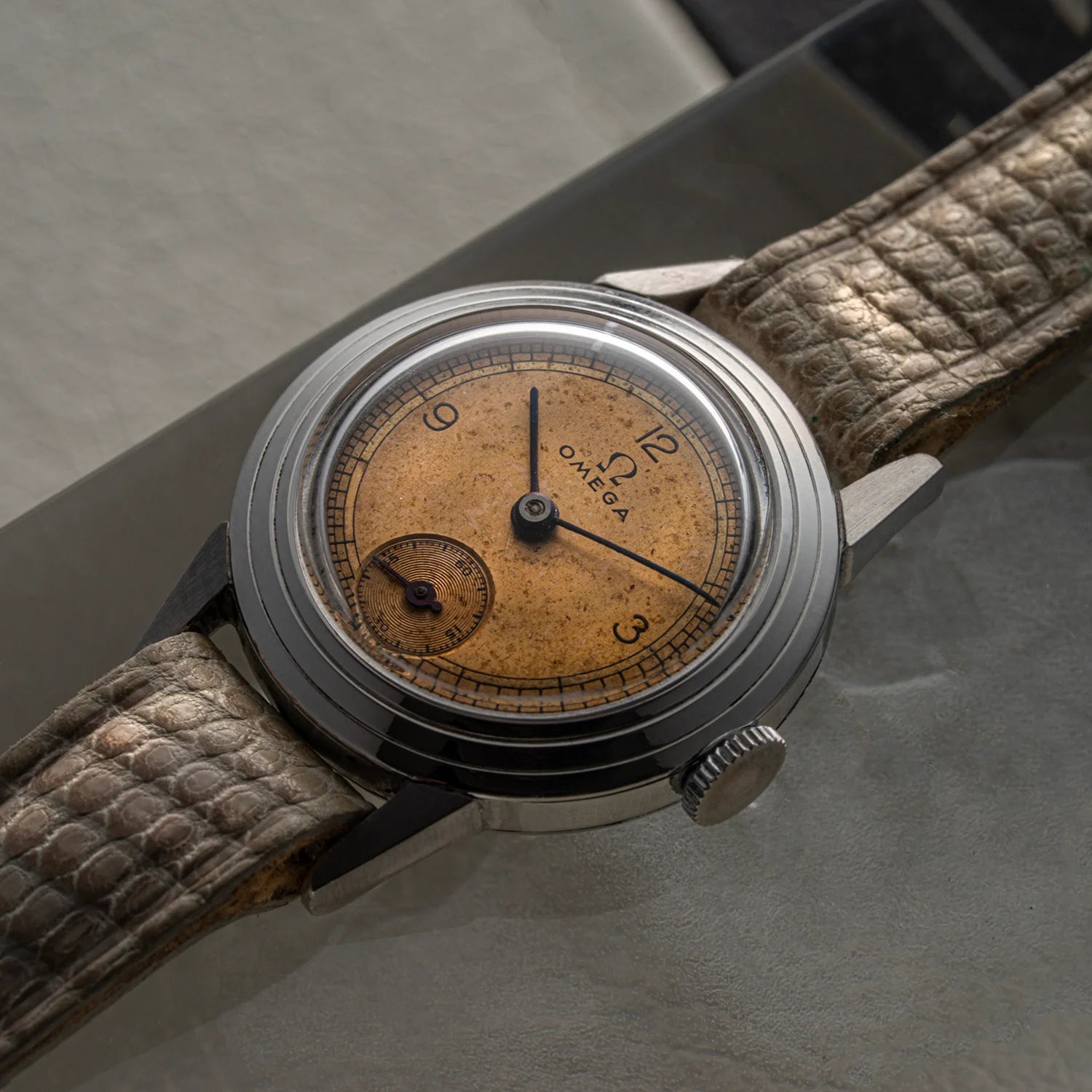
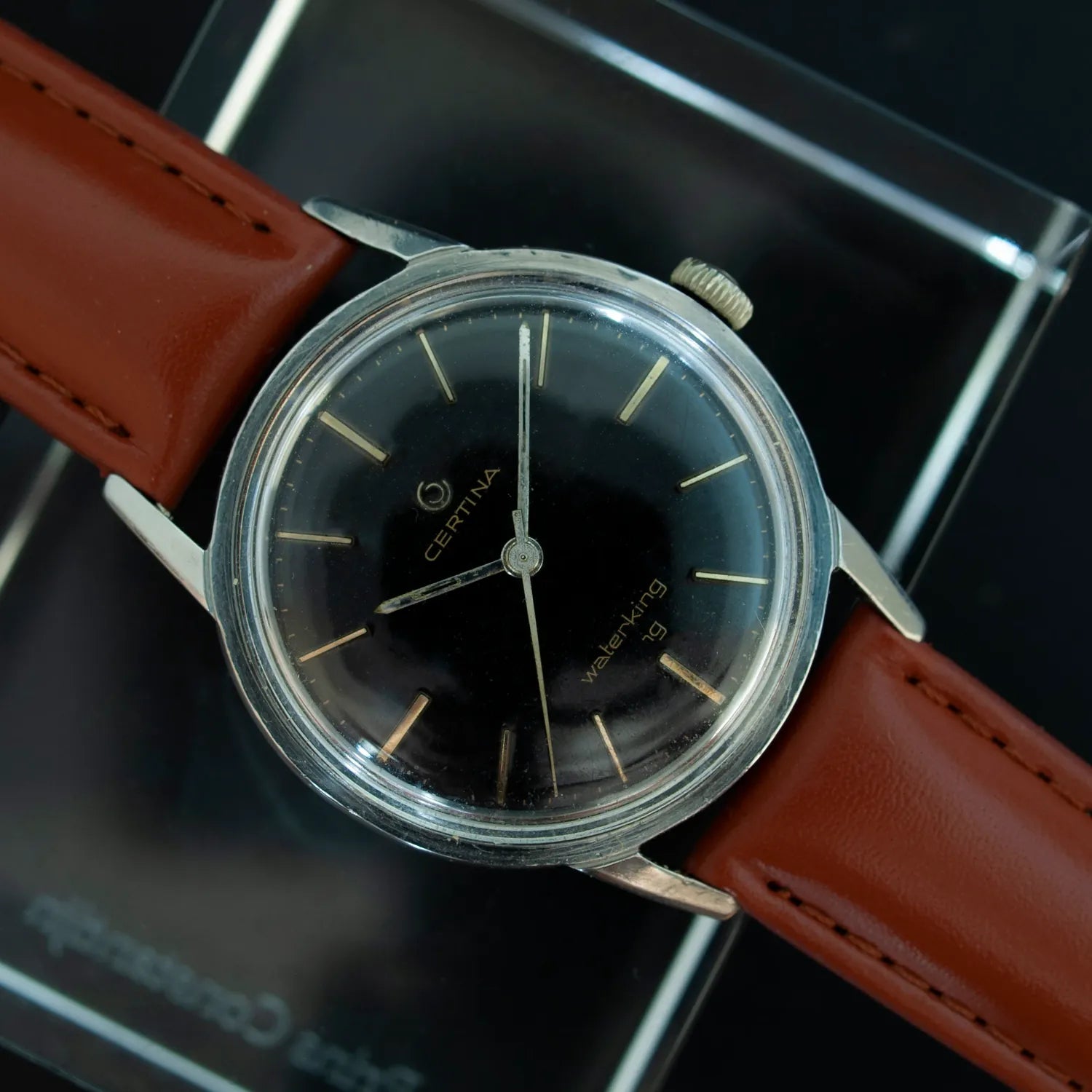
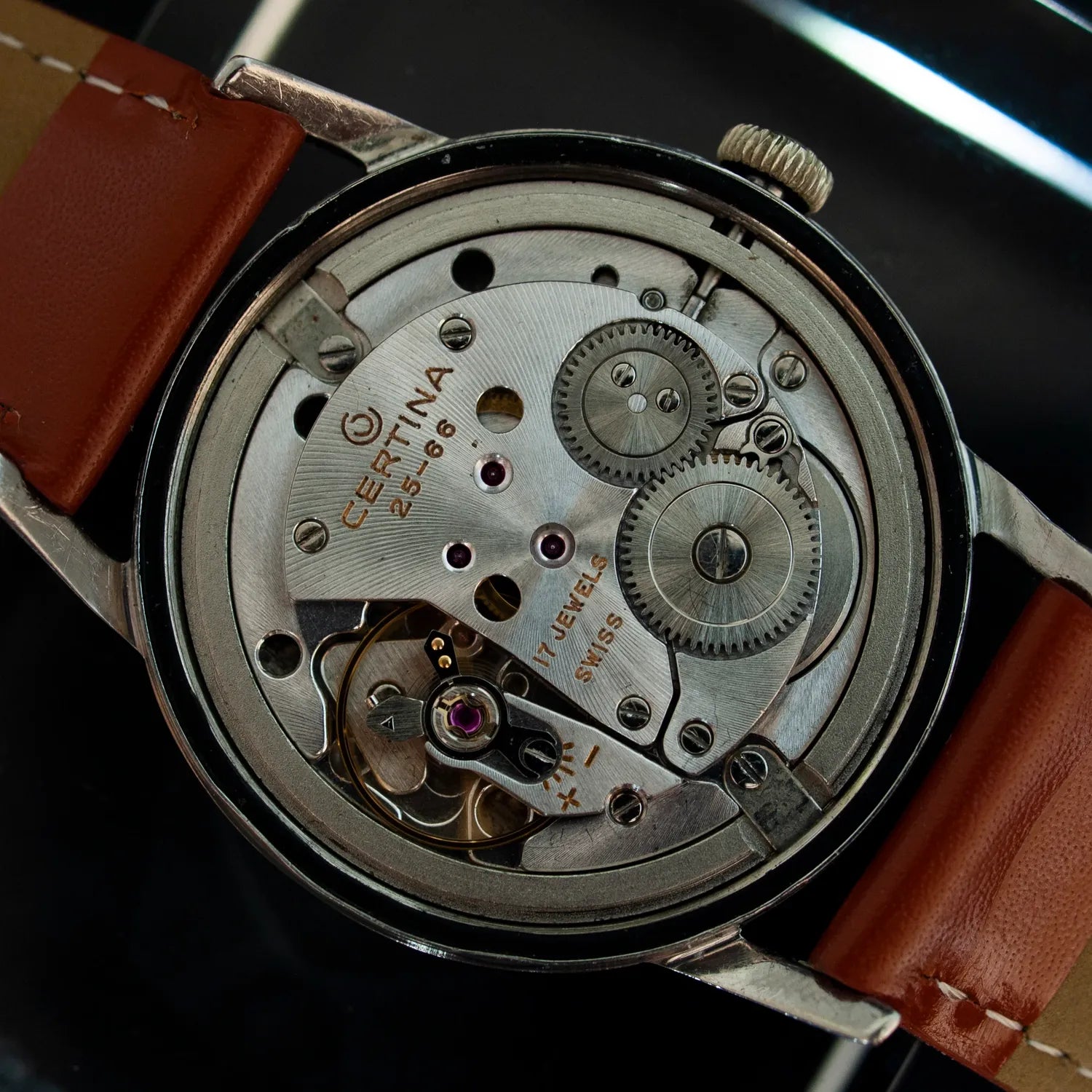
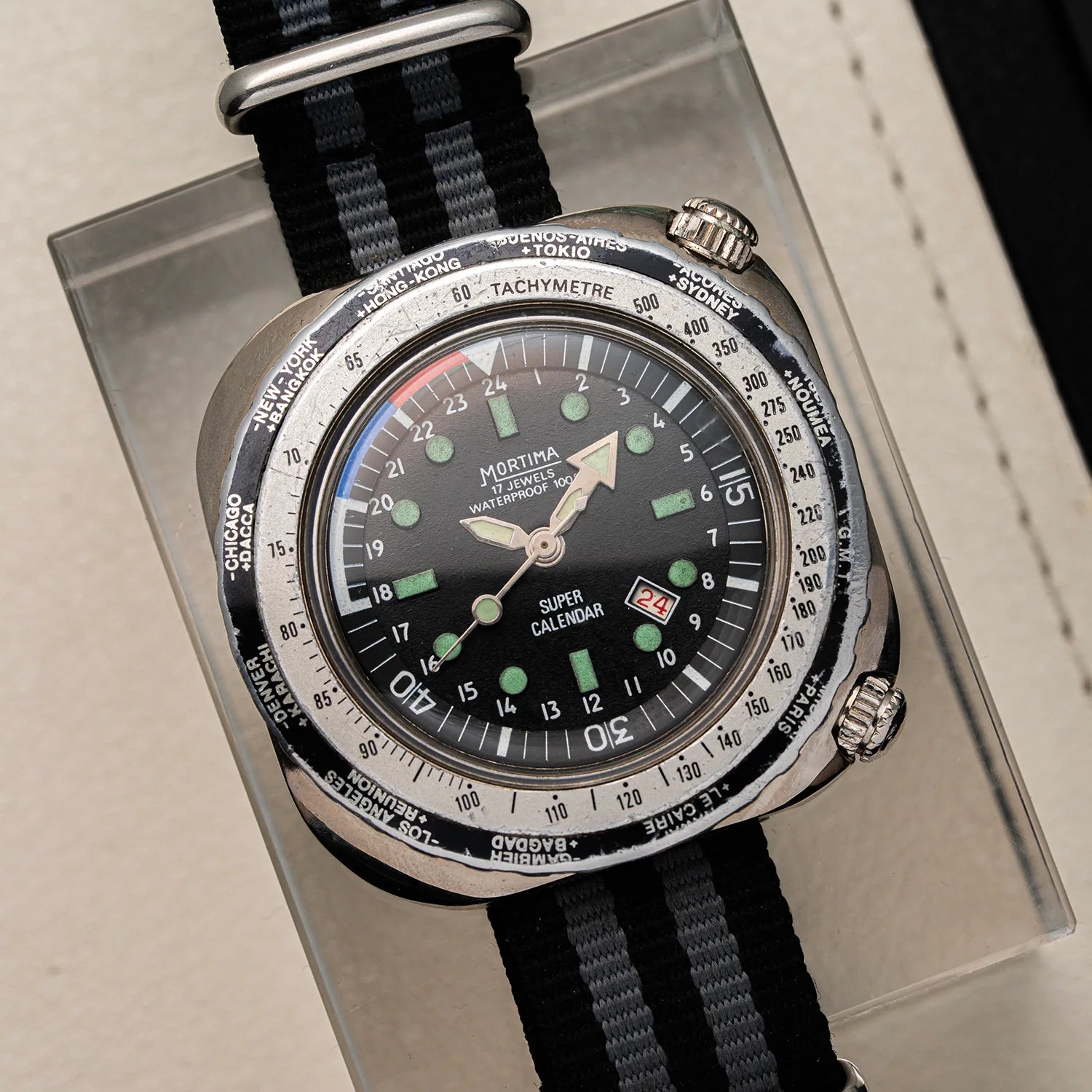
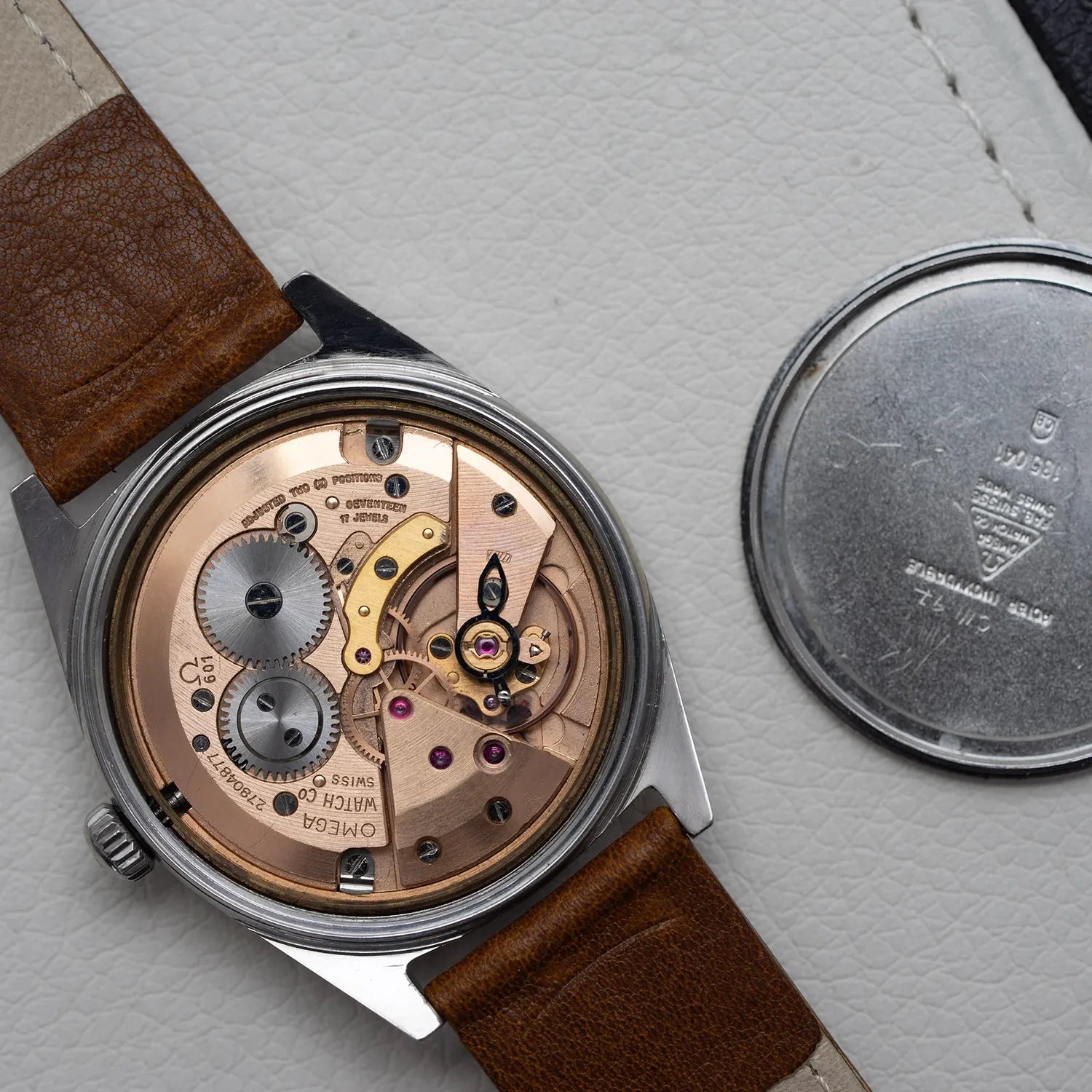
A manual wind wrist watch offers a tactile, purist experience: slim cases, clean dials, and robust calibers from the golden era of horology. Many collectors prefer winding watches for the daily ritual and connection to the movement. Explore models with classic proportions, readable dials, and service history disclosed—ideal if you want an authentic manual mechanical watch built for long-term ownership.

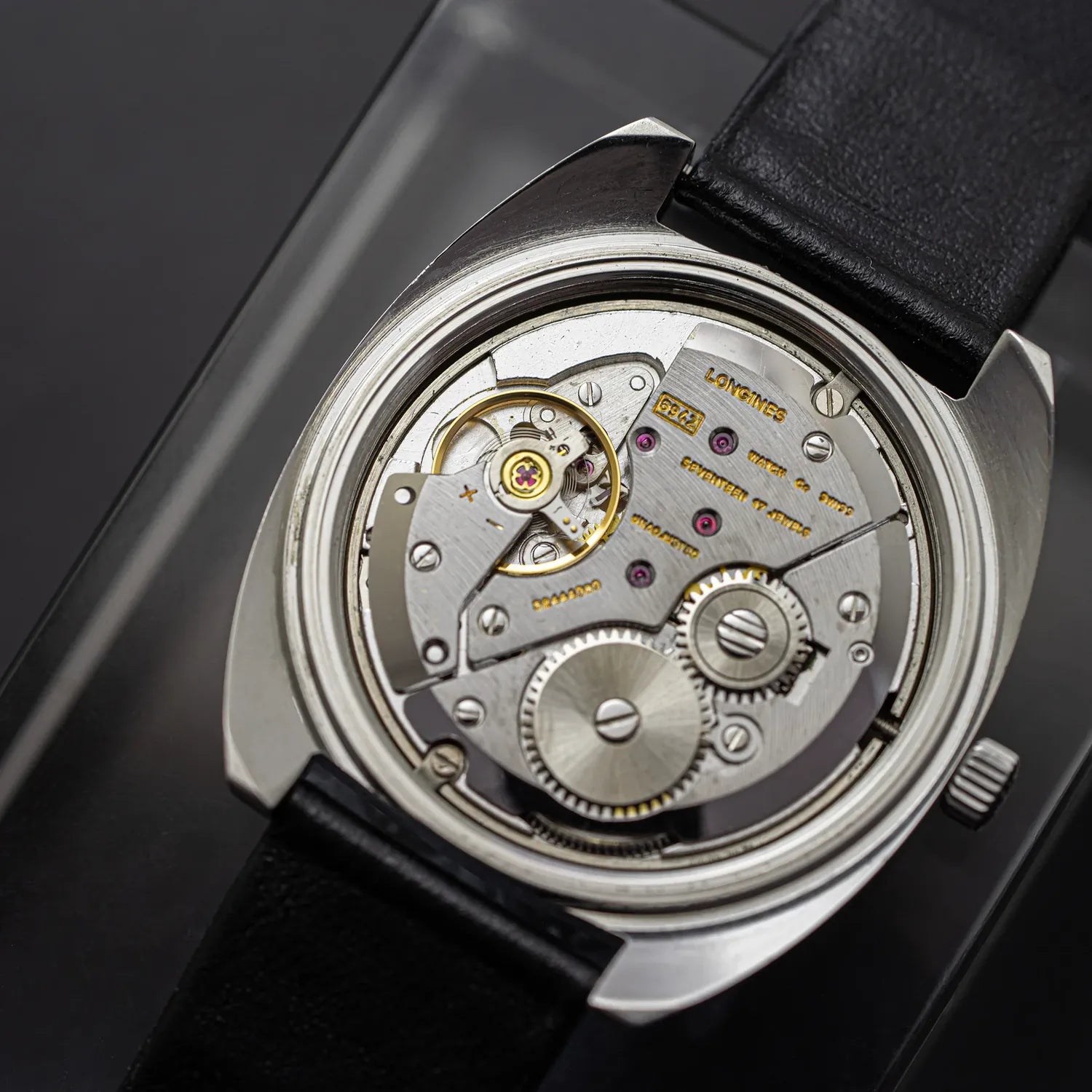
Manual Winding Vintage Watches – Frequently Asked Questions
How do I wind a hand-wound vintage watch correctly (and how many turns)?
Take the watch off your wrist, turn the crown slowly in the winding direction once per day, and stop as soon as you feel firm resistance. Most hand-wound calibers reach a full wind in roughly 20–40 crown turns. Don’t force the crown past resistance—over-tightening can damage the mainspring or barrel. If the watch has a date, set the time first, then the date (see safe-setting tip below).
What’s the safe way to set the date on a manual winding vintage watch?
Avoid quick-setting the date while the movement’s date change is engaged—typically between about 8 PM and 4 AM. Move the hands to ~6:30 first, set the date (via quick-set or by cycling 9 PM → 1 AM), then set the correct time. This prevents damage to the calendar jumper, date wheel teeth, or setting lever.
How often should a manual winding vintage watch be serviced, and what’s included?
A common guideline is every 4–6 years, depending on wear and storage. A proper overhaul includes complete disassembly, cleaning, inspection and replacement of worn parts and gaskets, fresh lubrication, reassembly, regulation (rate, beat error), and final tests for accuracy and power reserve. Documented, recent servicing improves reliability and long-term value.
What accuracy and power reserve should I expect—and how do I check authenticity before buying?
Many mid-century to 1980s hand-wound movements deliver ~36–50 hours of power reserve and realistic accuracy around ±10–30 seconds/day after a proper service (individual results vary by caliber and condition). For authenticity/originality, match the reference, serial, and movement caliber to the production era; examine dial printing, hands, crown signatures, and caseback engravings; and review clear movement photos. Buy from reputable sellers who list dimensions (diameter, thickness, lug-to-lug), service history, and any replaced parts.
Recognized & Reliable Worldwide
Trusted Partners in Security, Shipping, and Service




Store
Vintage Watch Studio- Vienna Studio – Opening Soon
- (Austria – EU Hub Launching in 2025)
- Belgrade Headquarters
- Drinke Pavlovic 3, 11130 Belgrade
- Visiting Hours: Monday – Friday: 10:00 – 17:00 CET
- +381 61 653 4298
- vintagewatchstudio@gmail.com
- Online Chat 24/7