
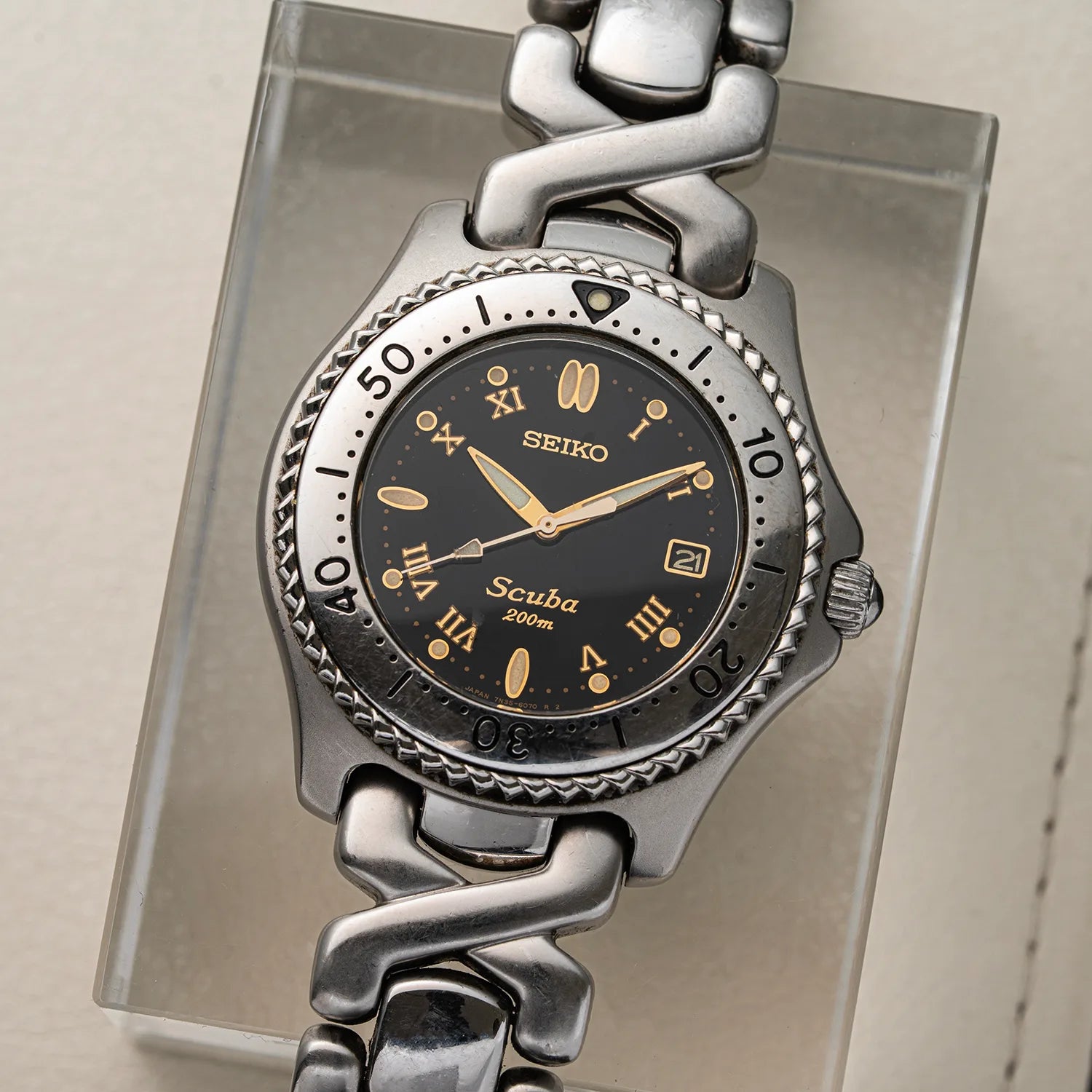
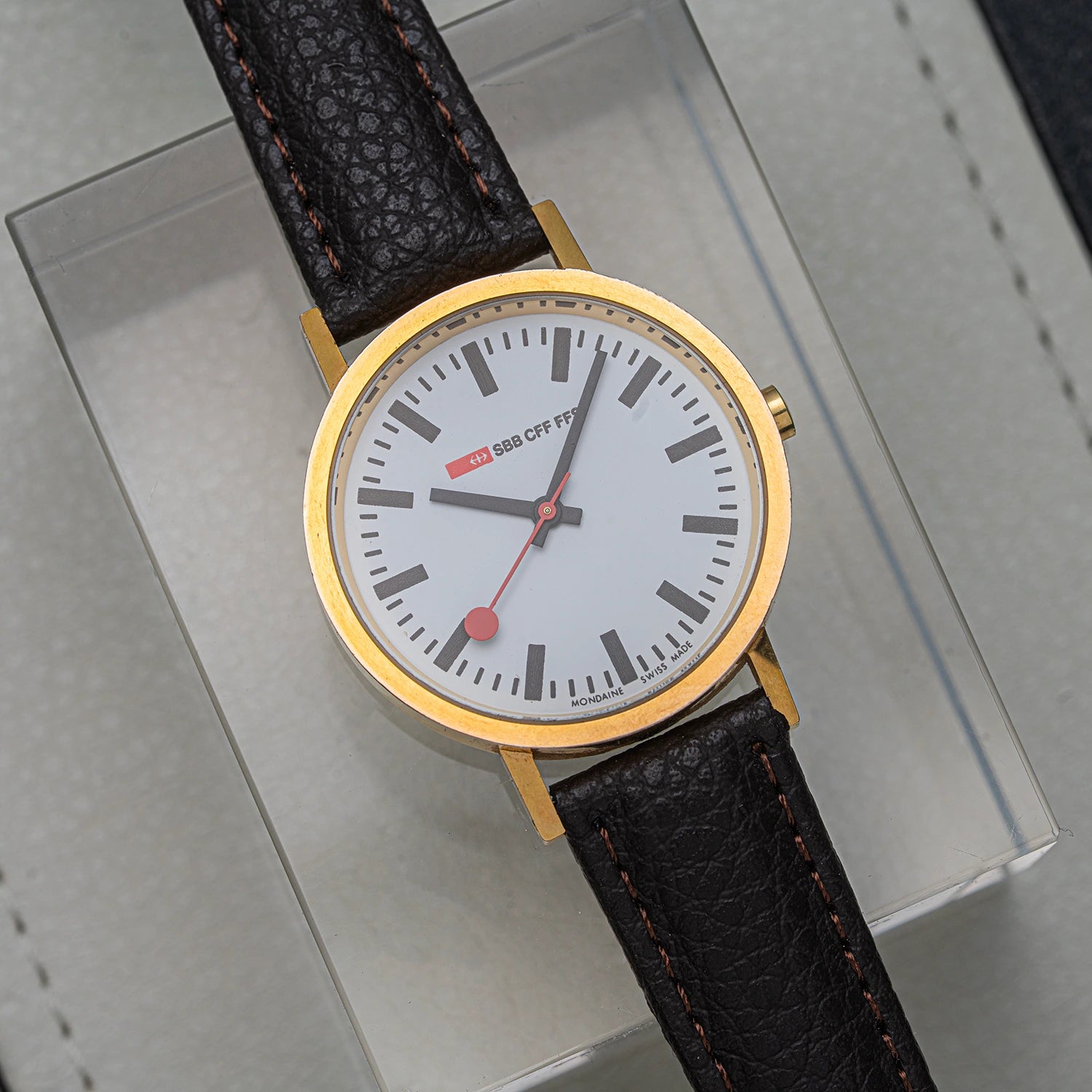
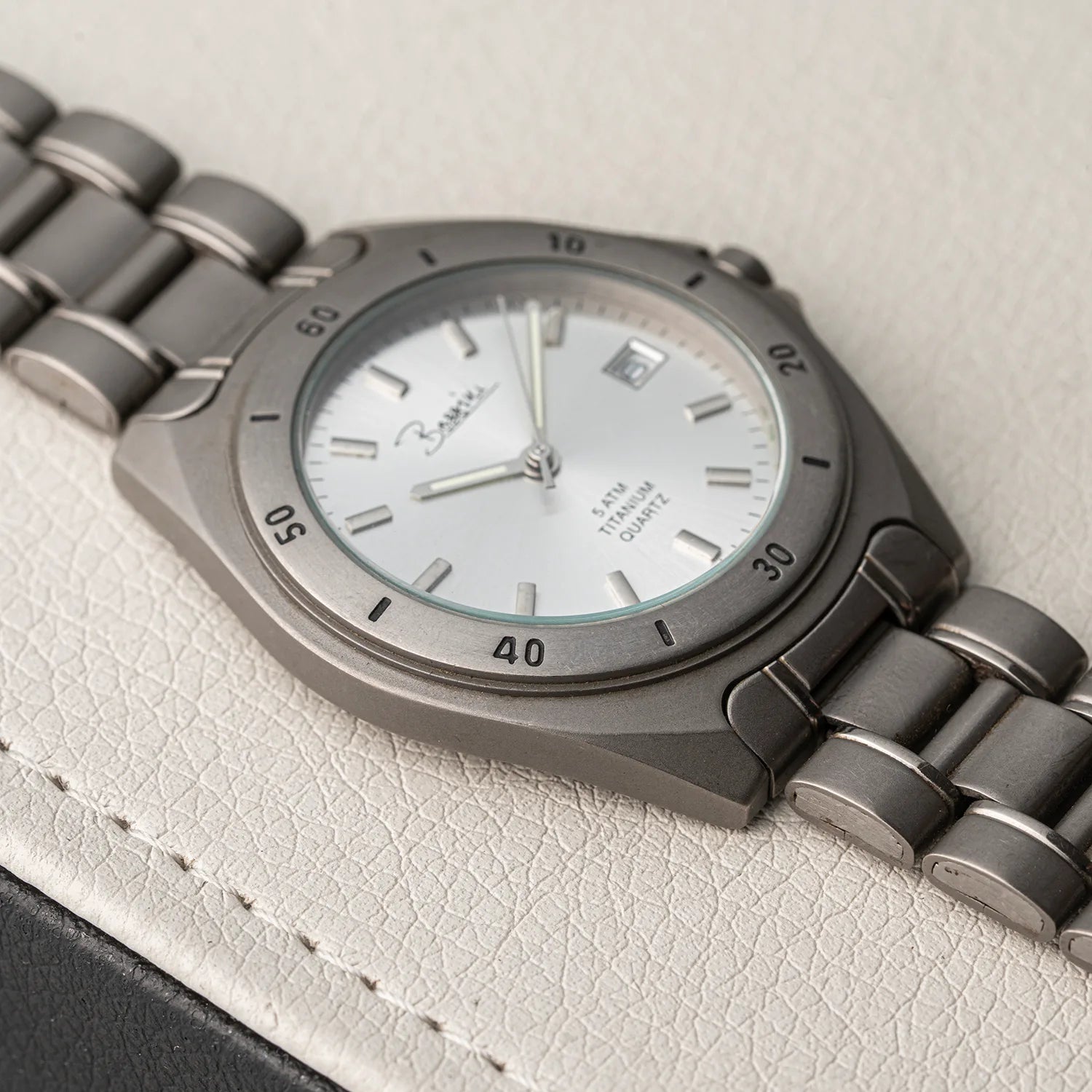



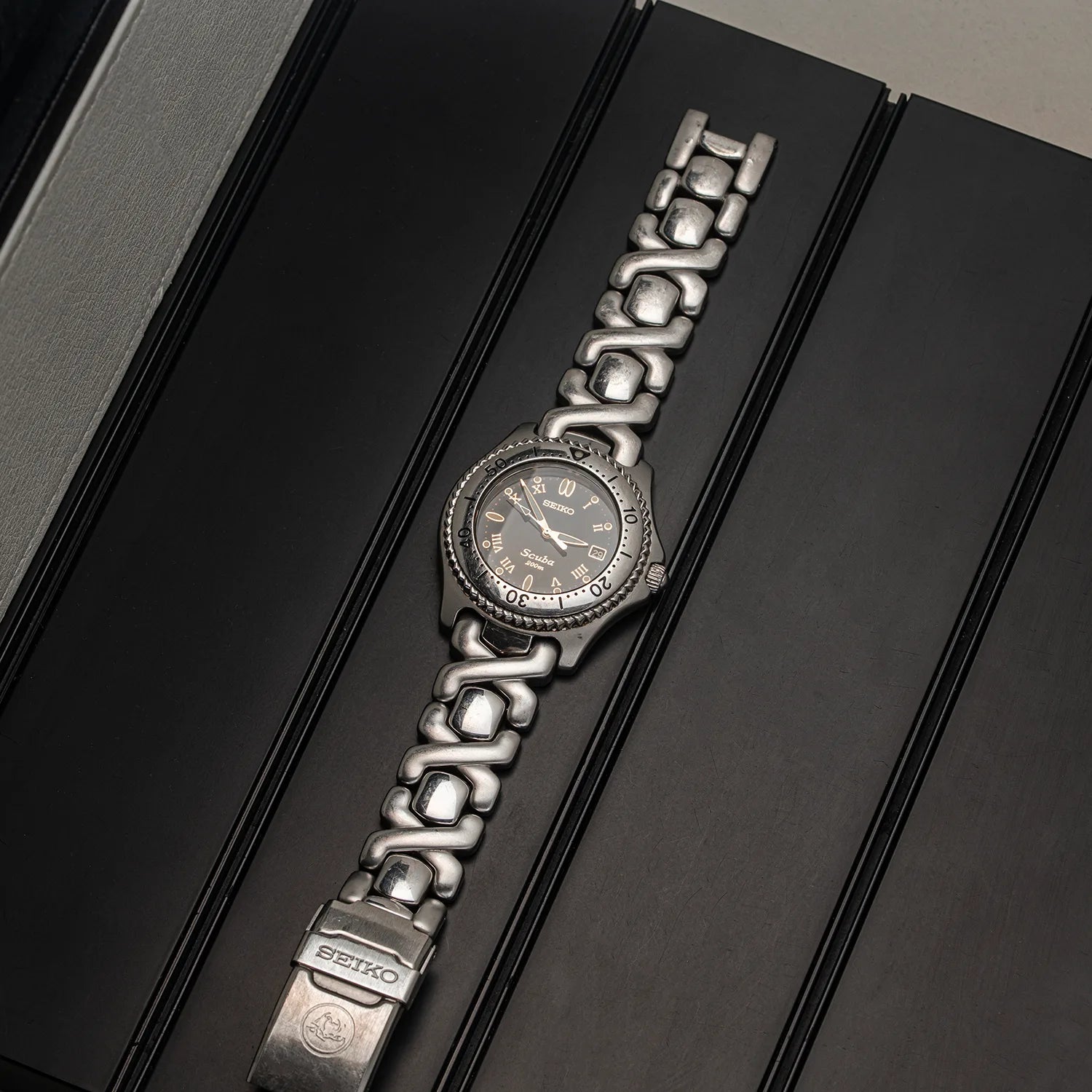


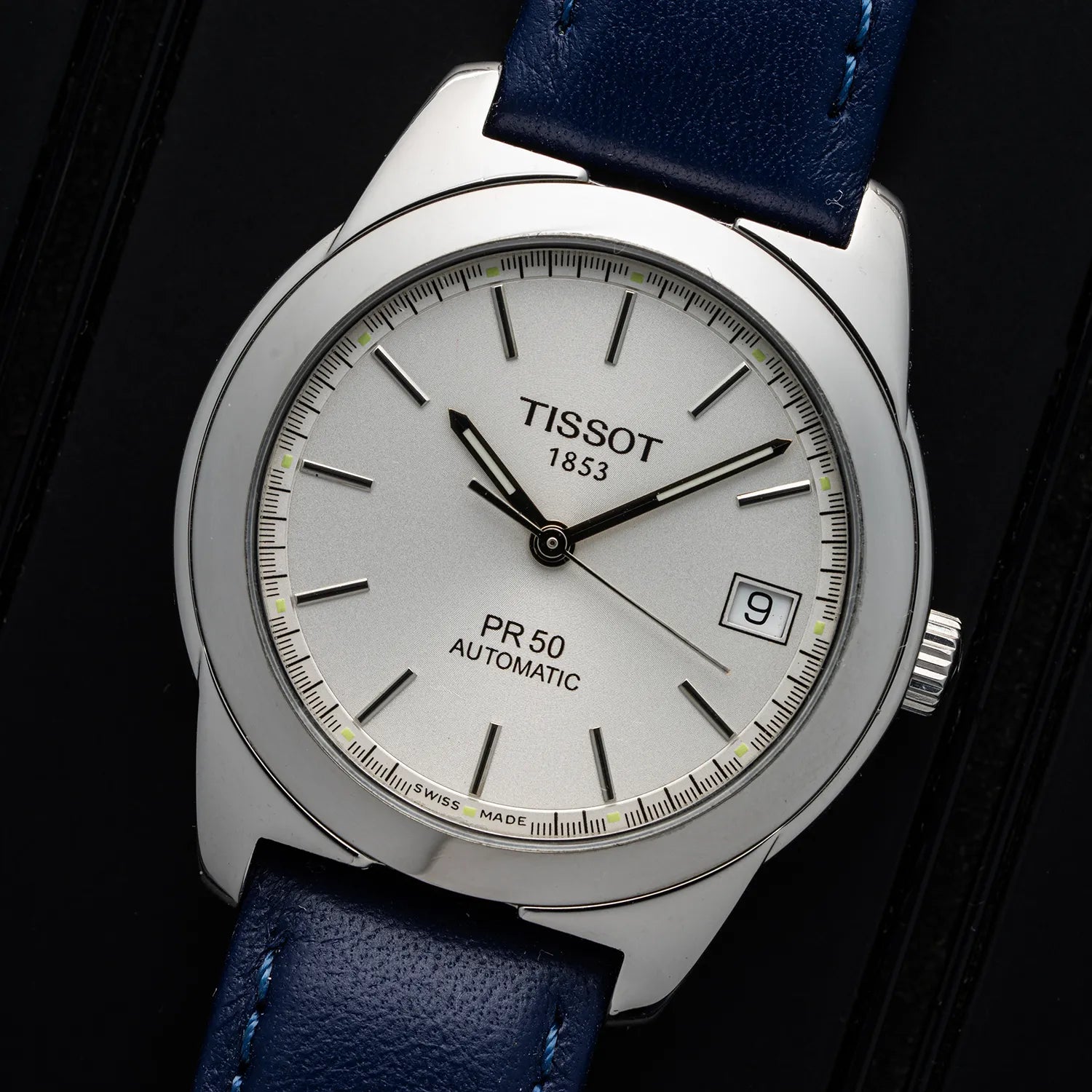
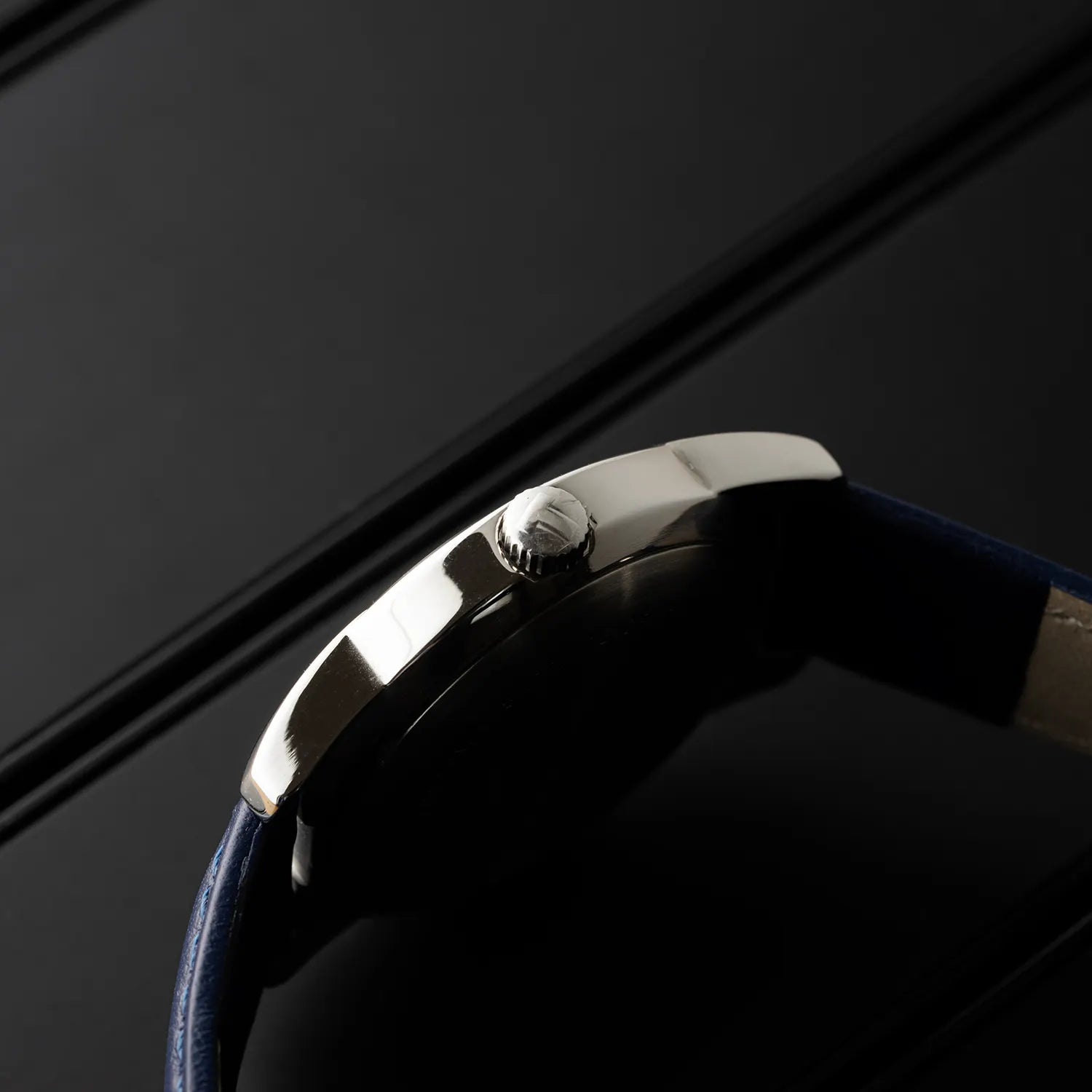
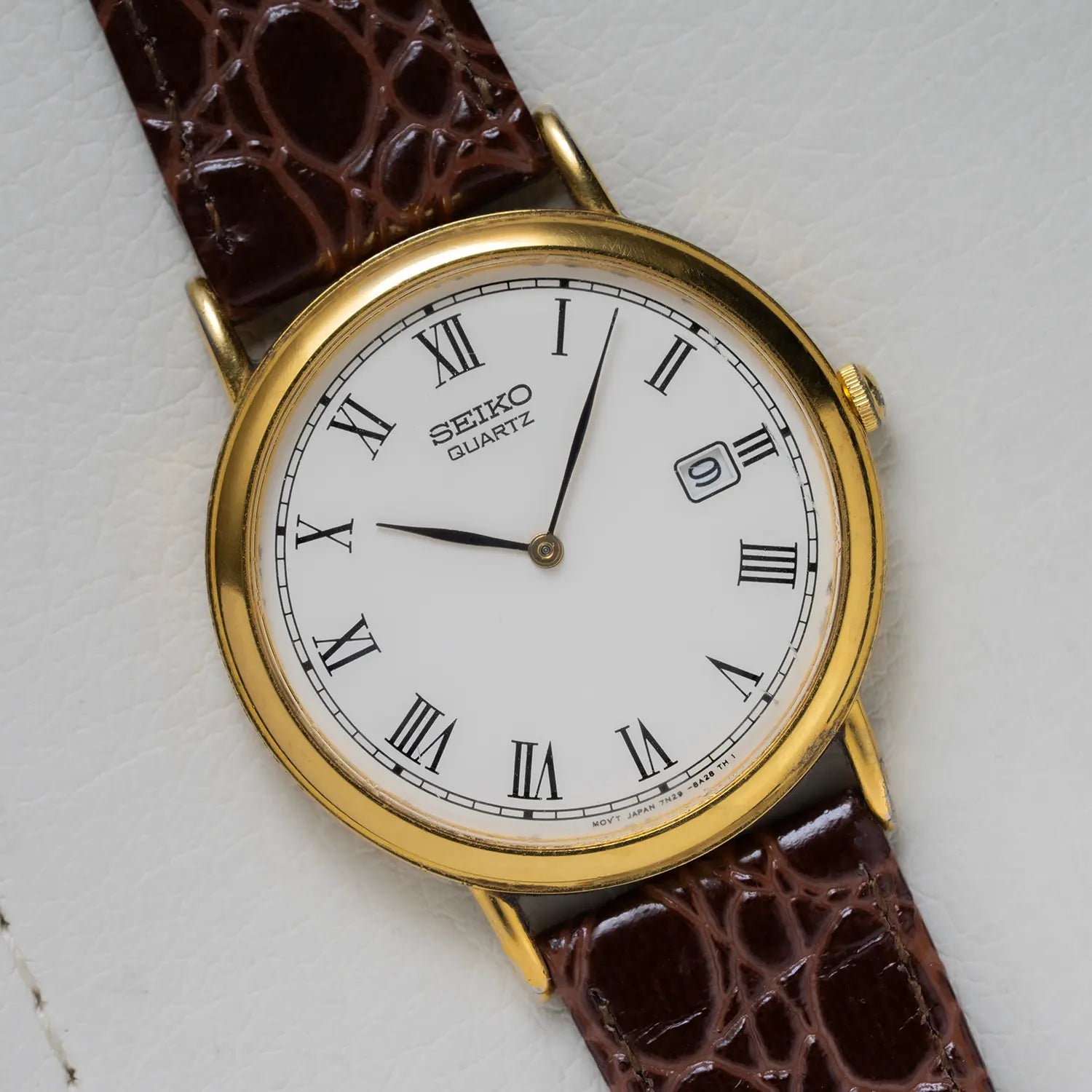
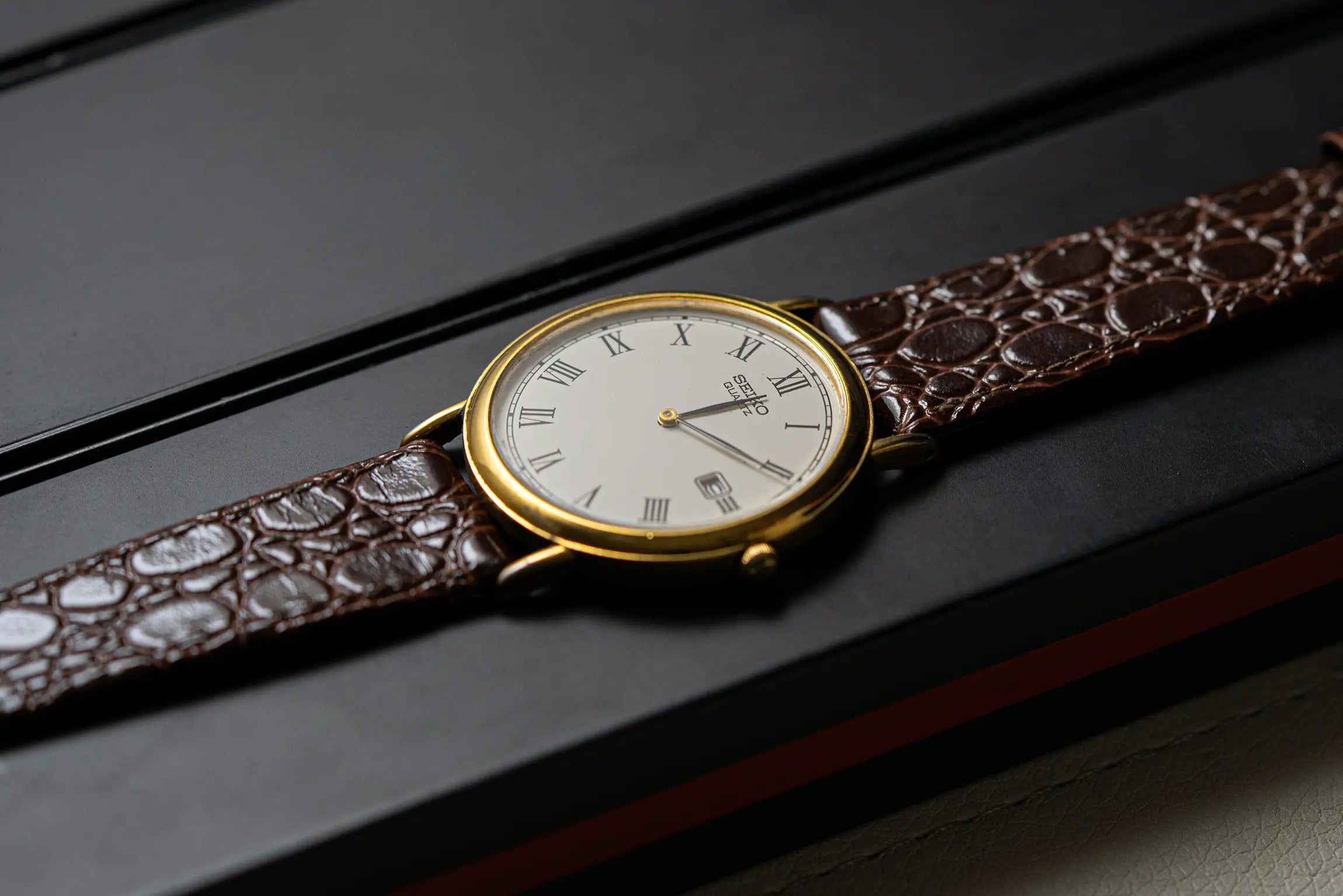
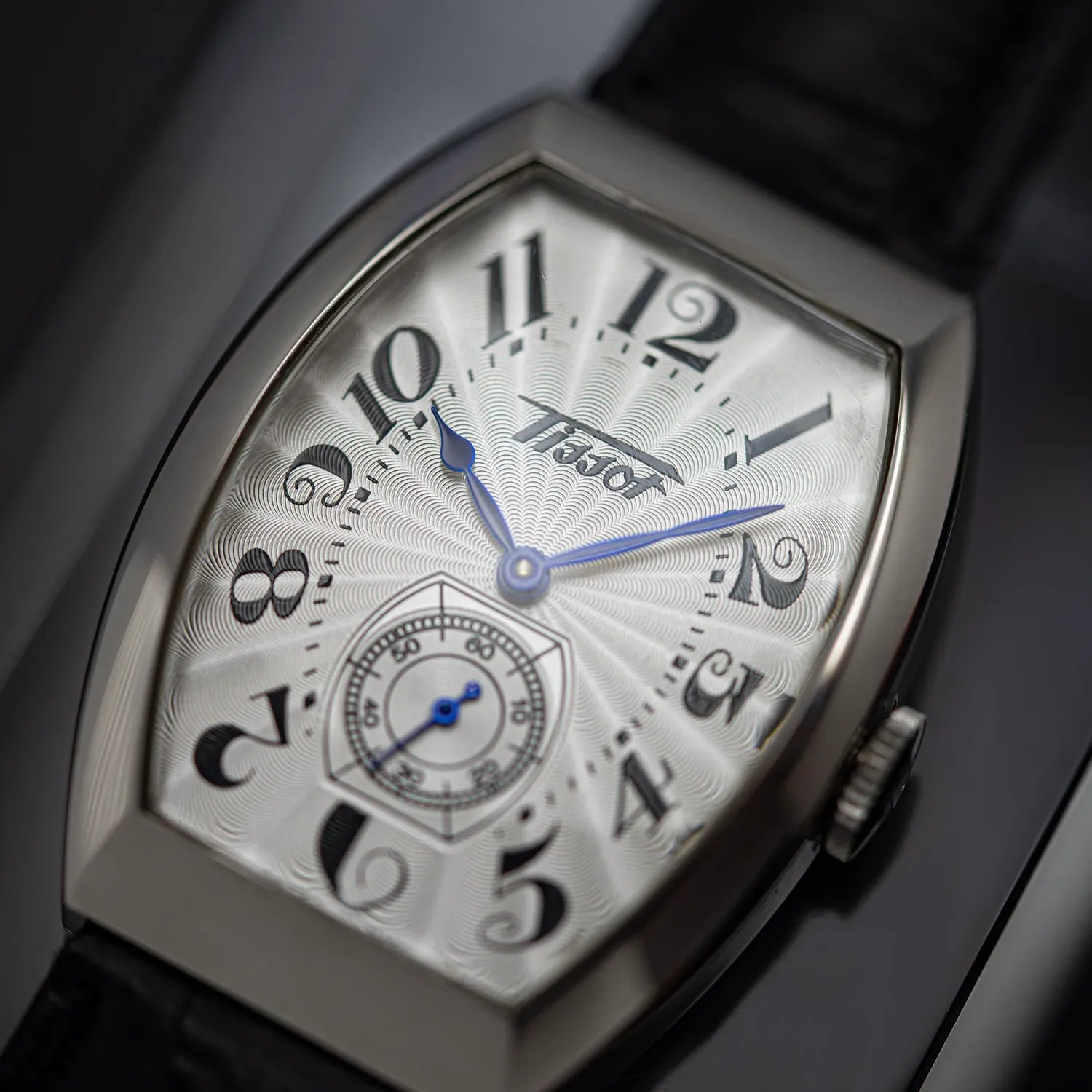
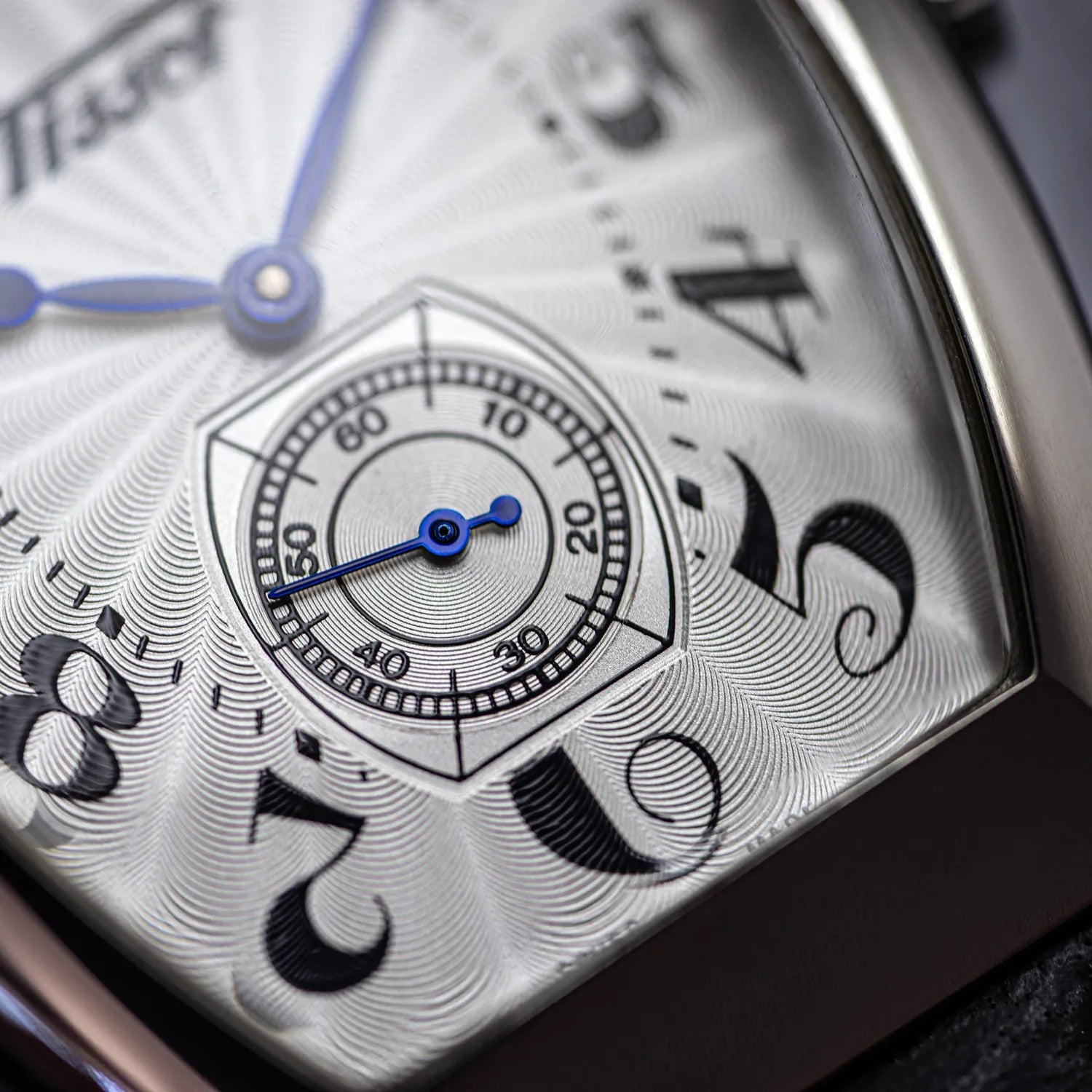
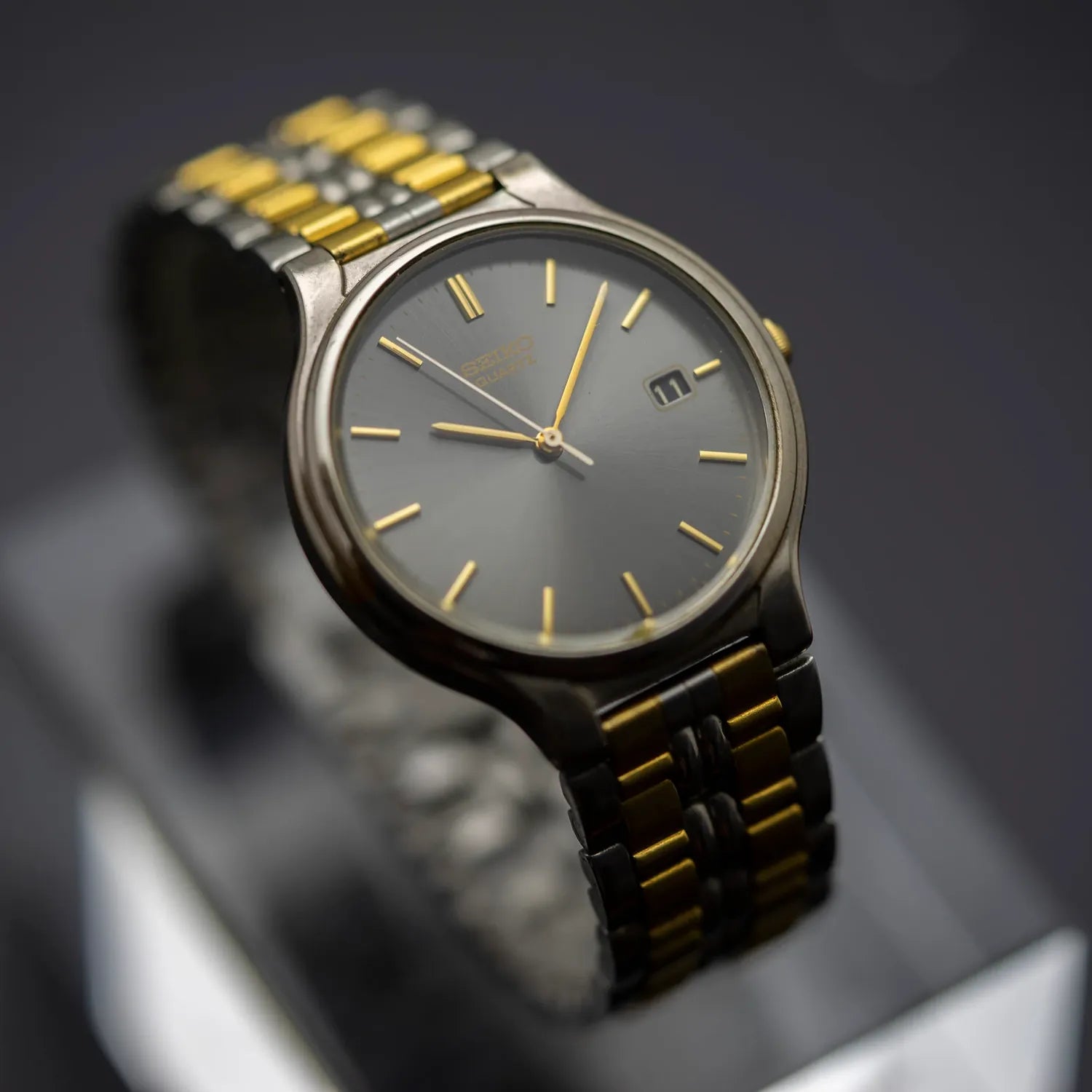
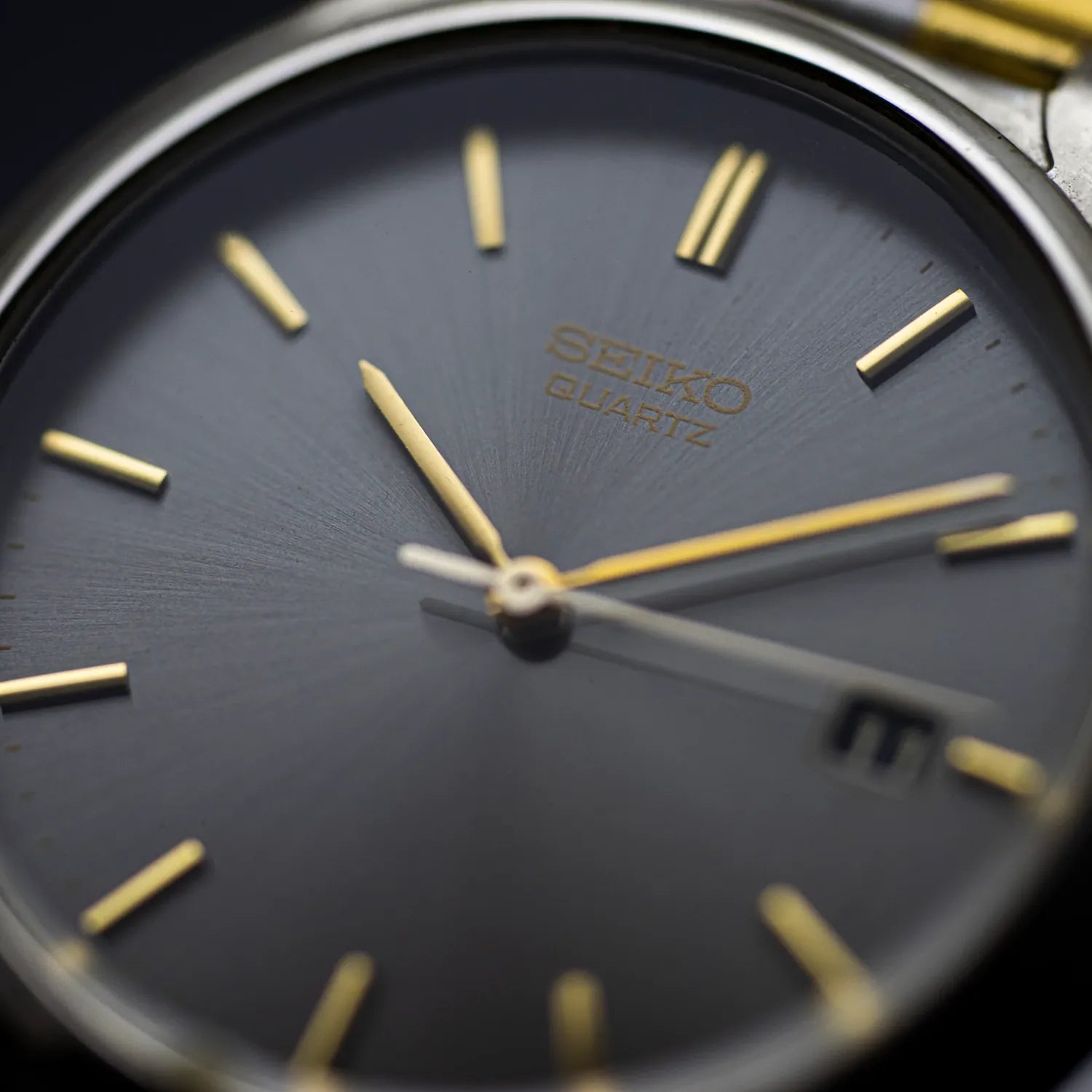
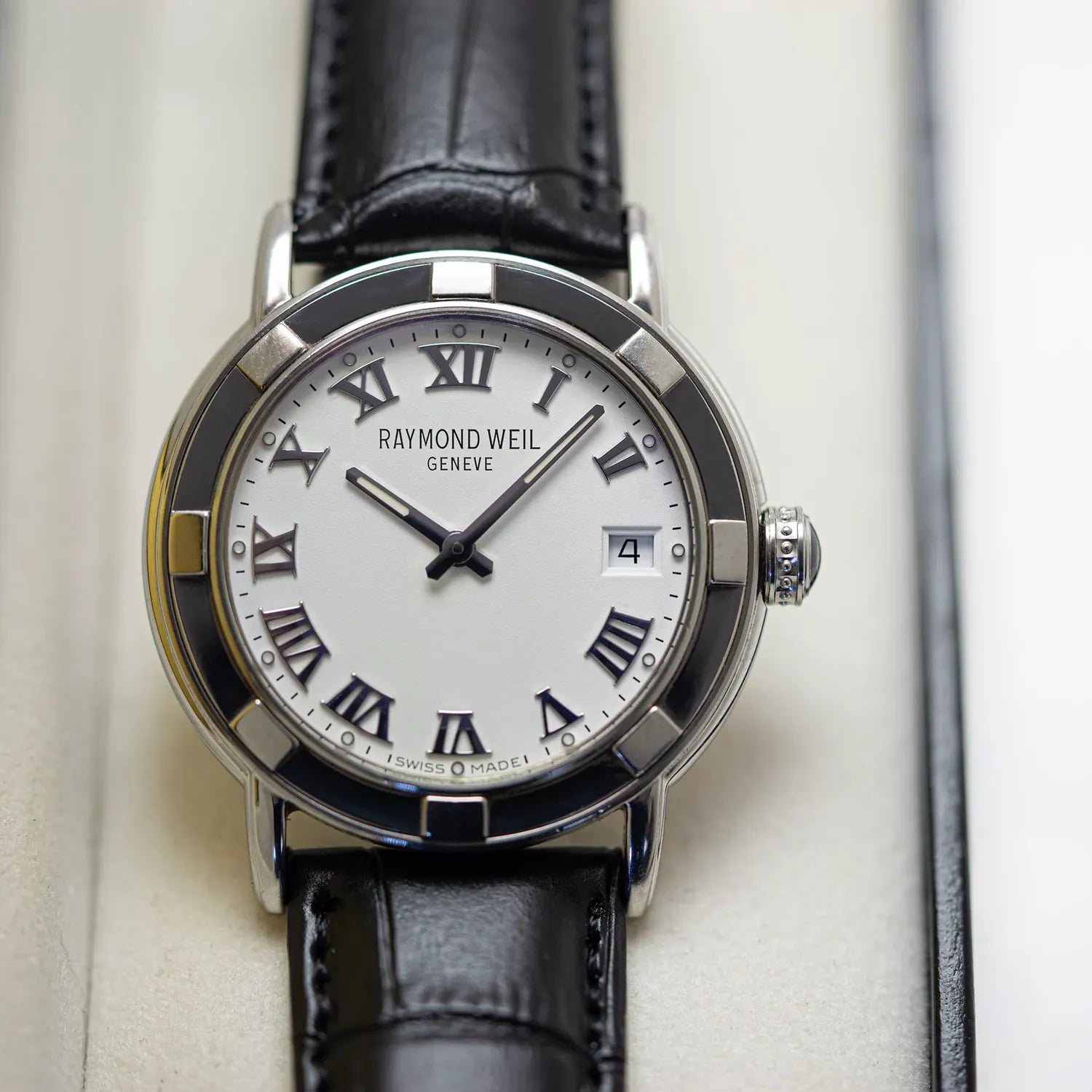
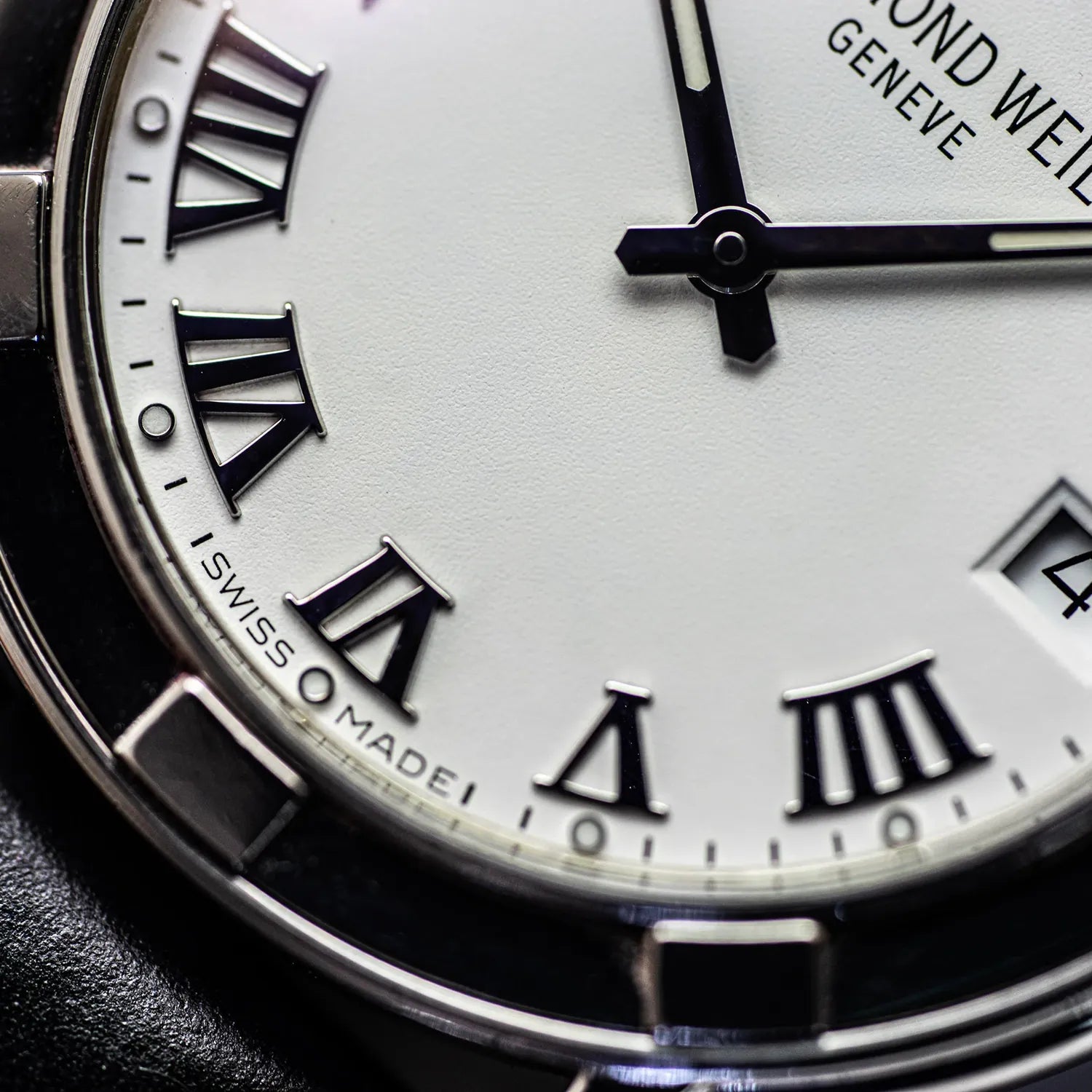
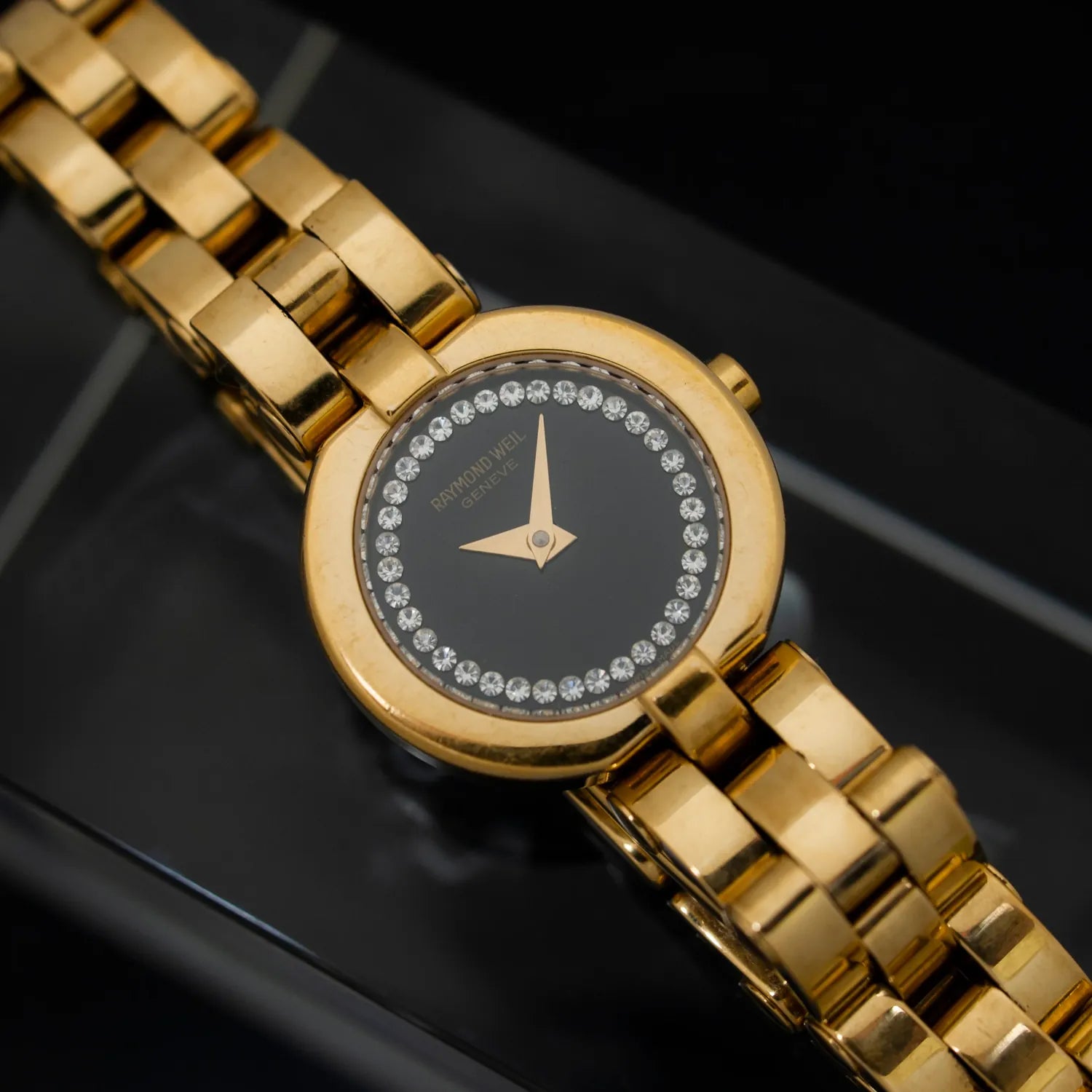
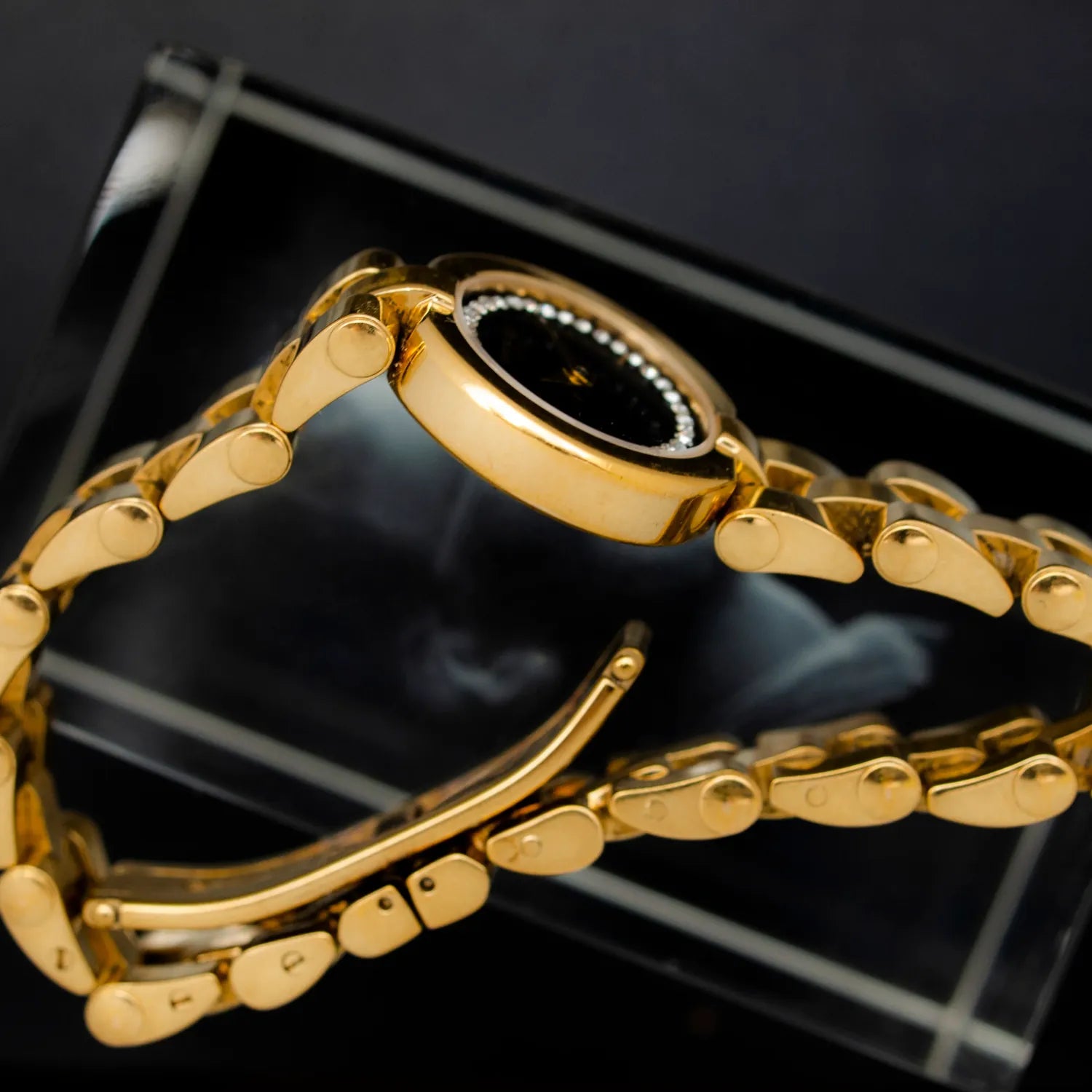
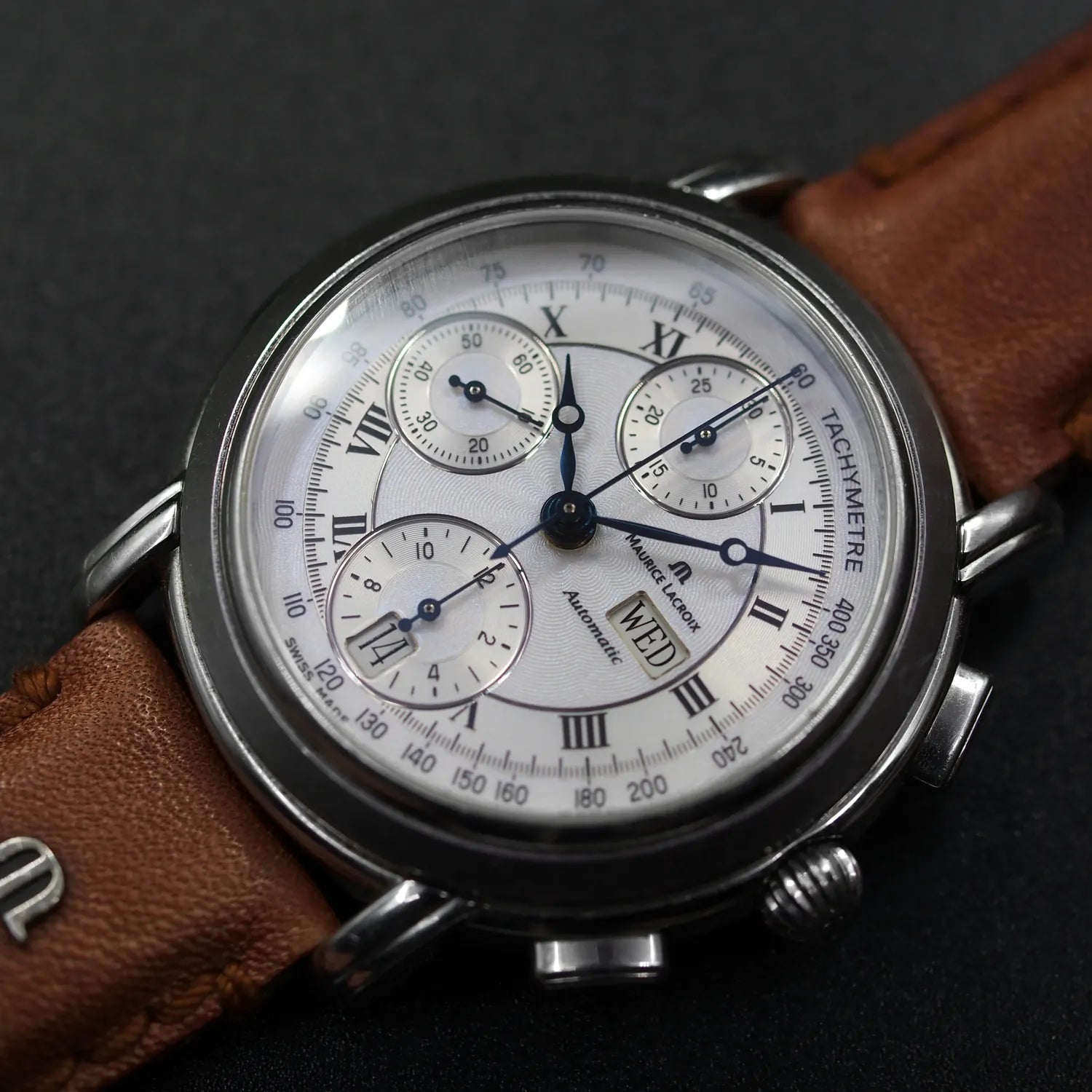
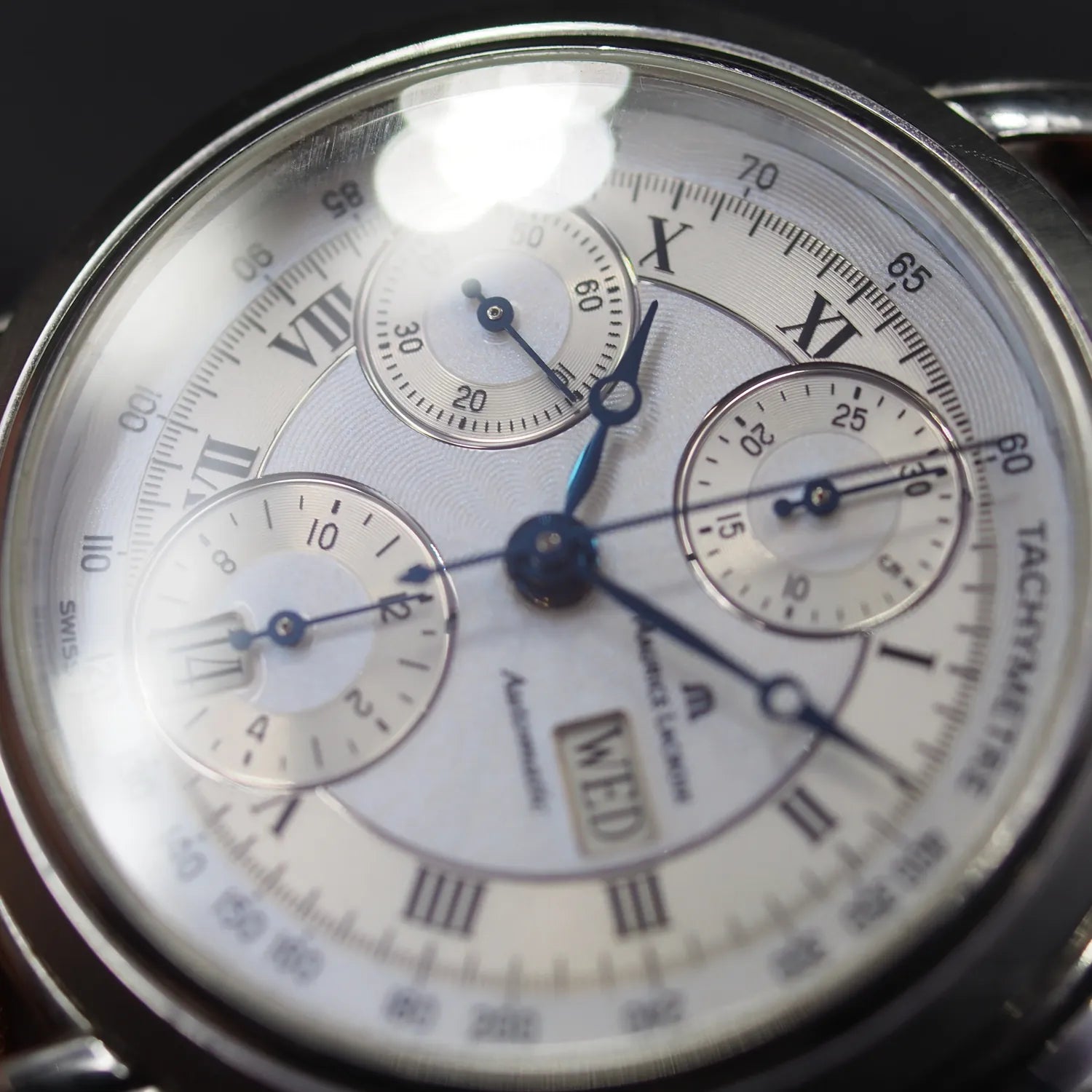
Didn’t find the reference you had in mind? Explore our vintage watches — fully serviced with a 12-month warranty.
EXPLORE MORE VINTAGE WATCHES
Discover Vintage Watches by Era and Movement
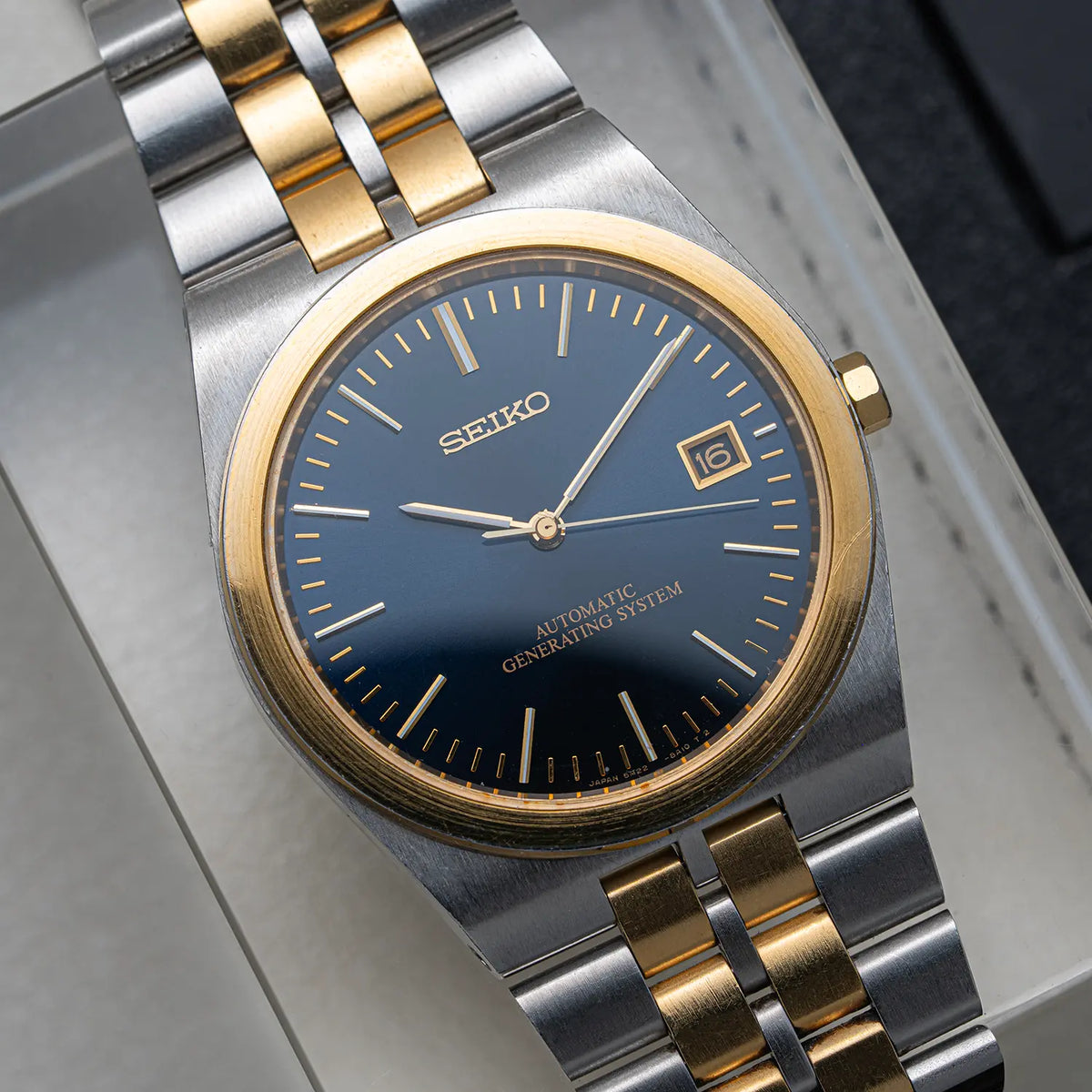
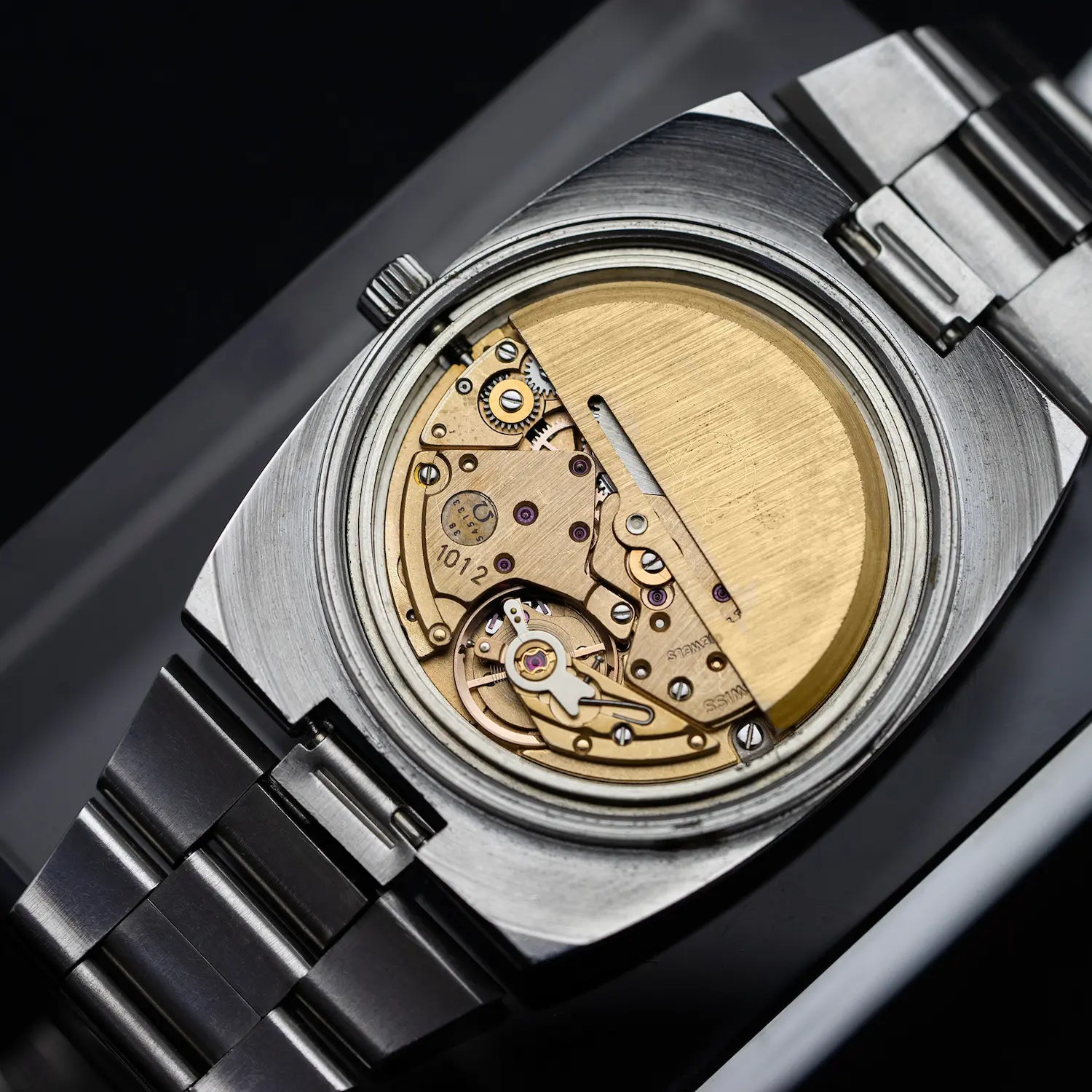
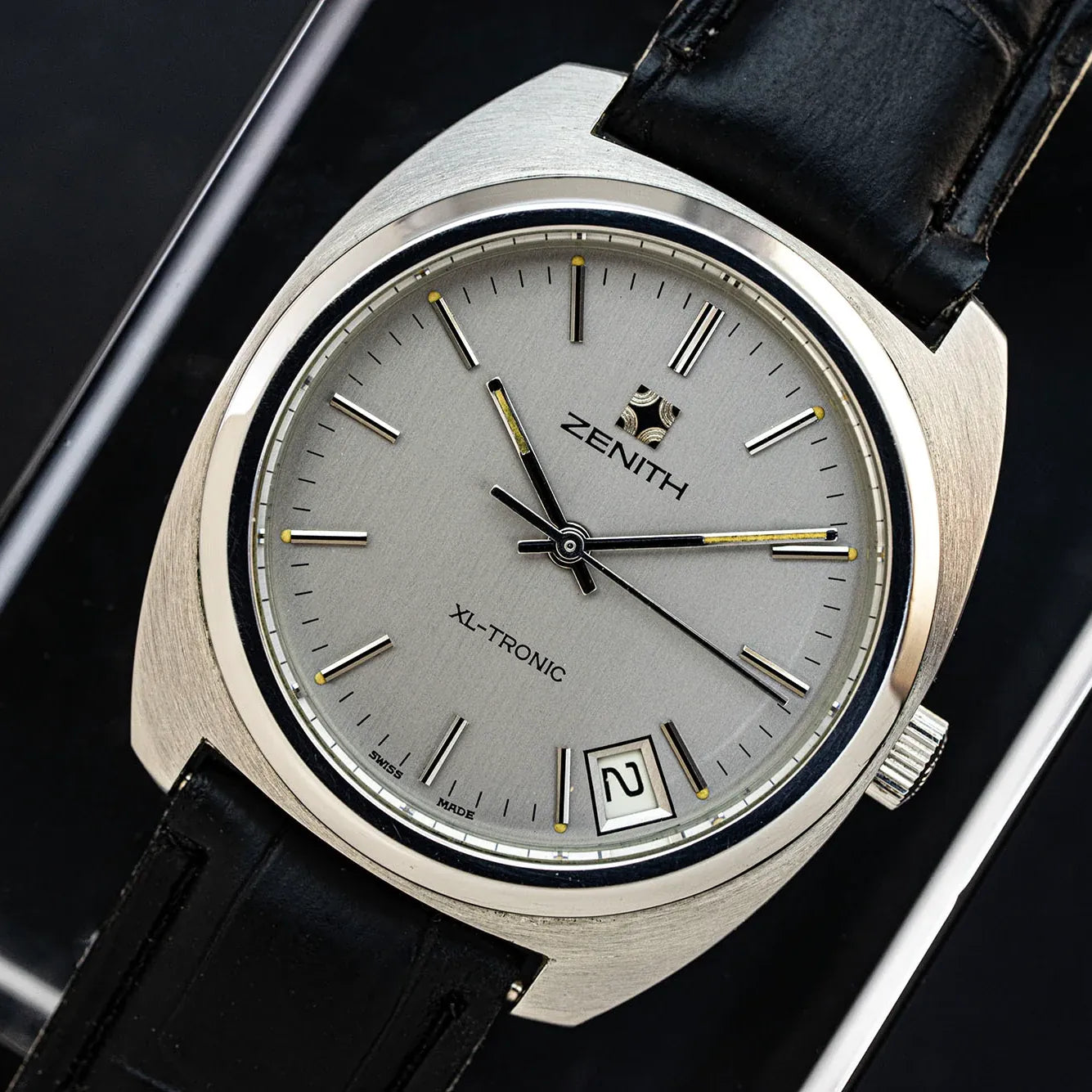


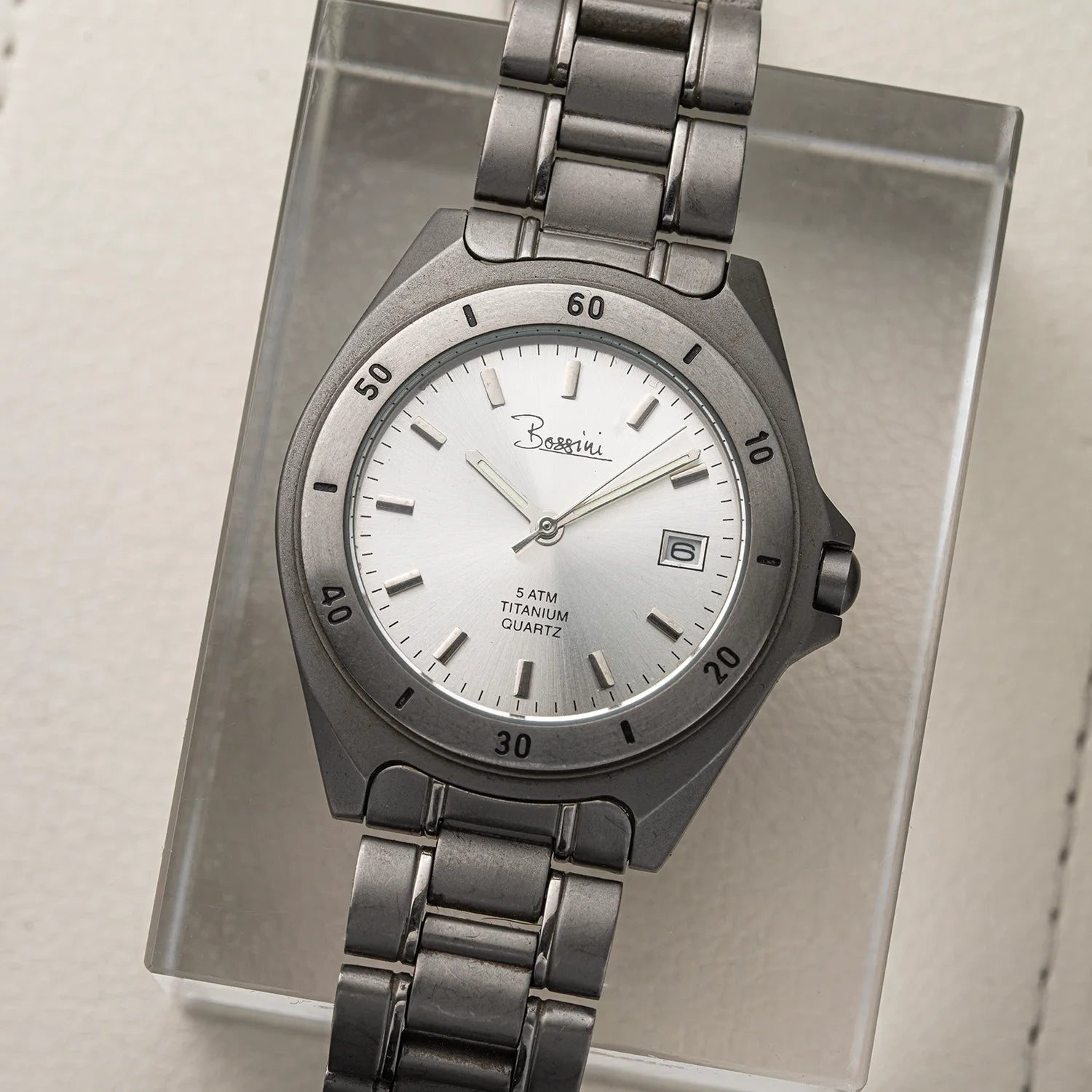
Watch Design and Innovation in the 2000s
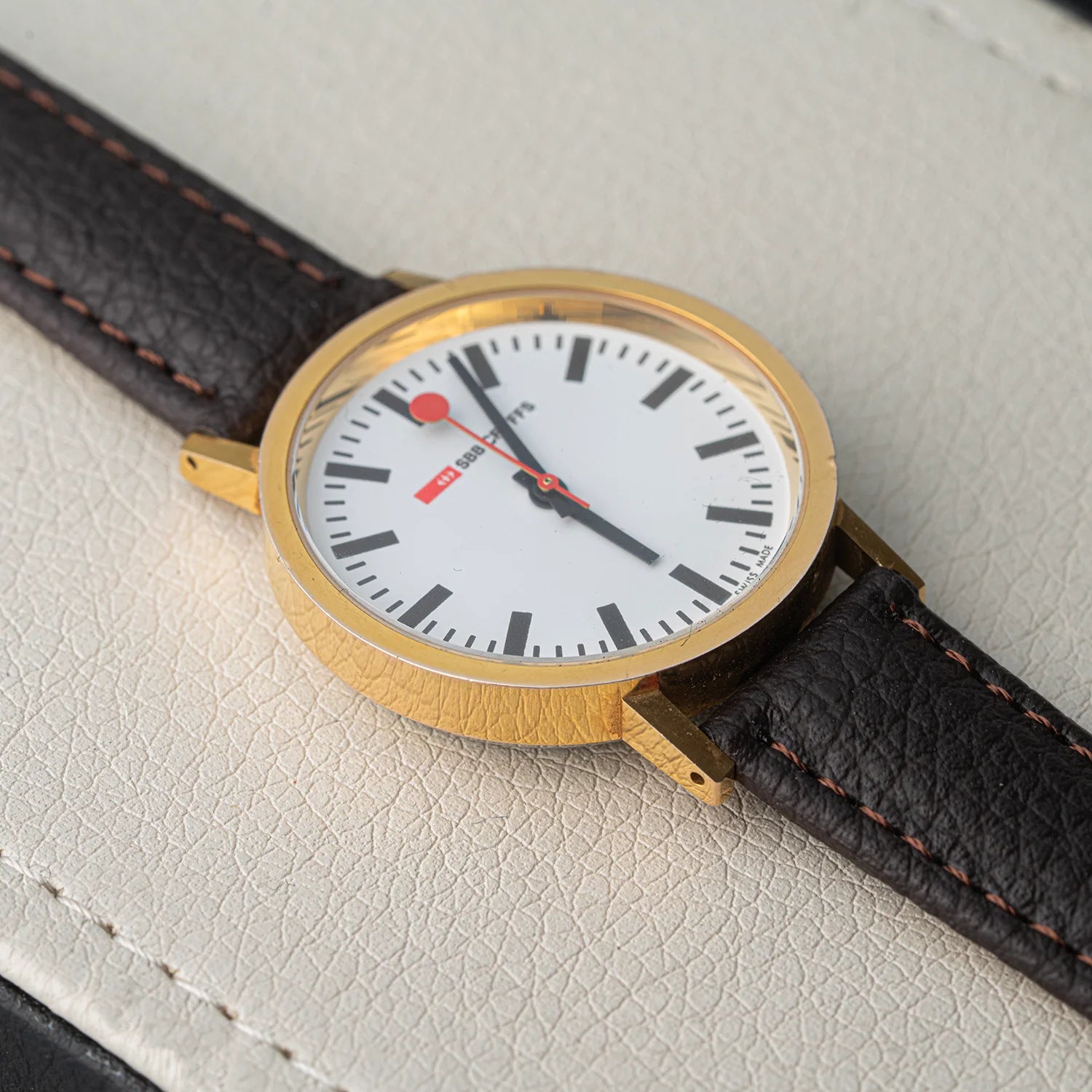
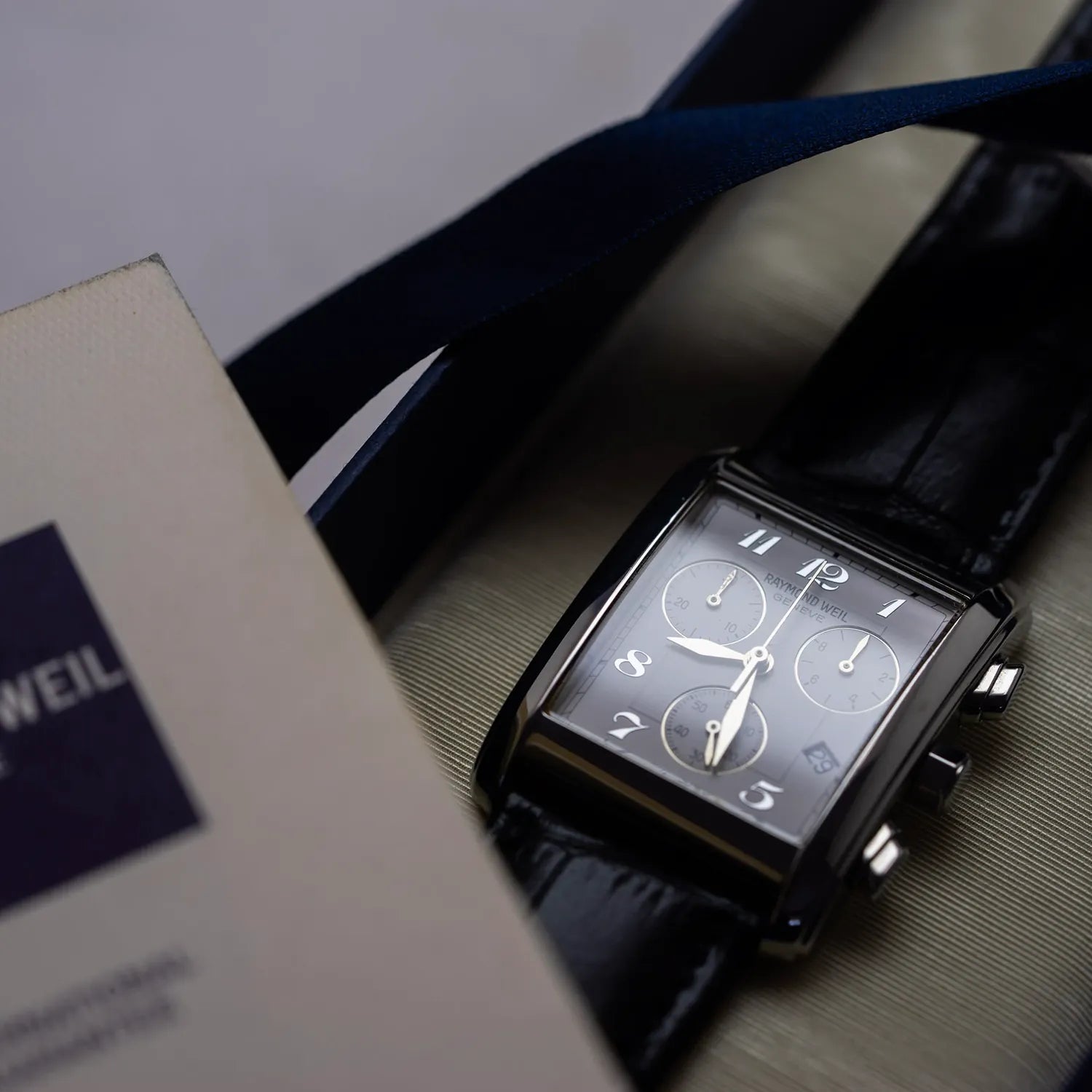
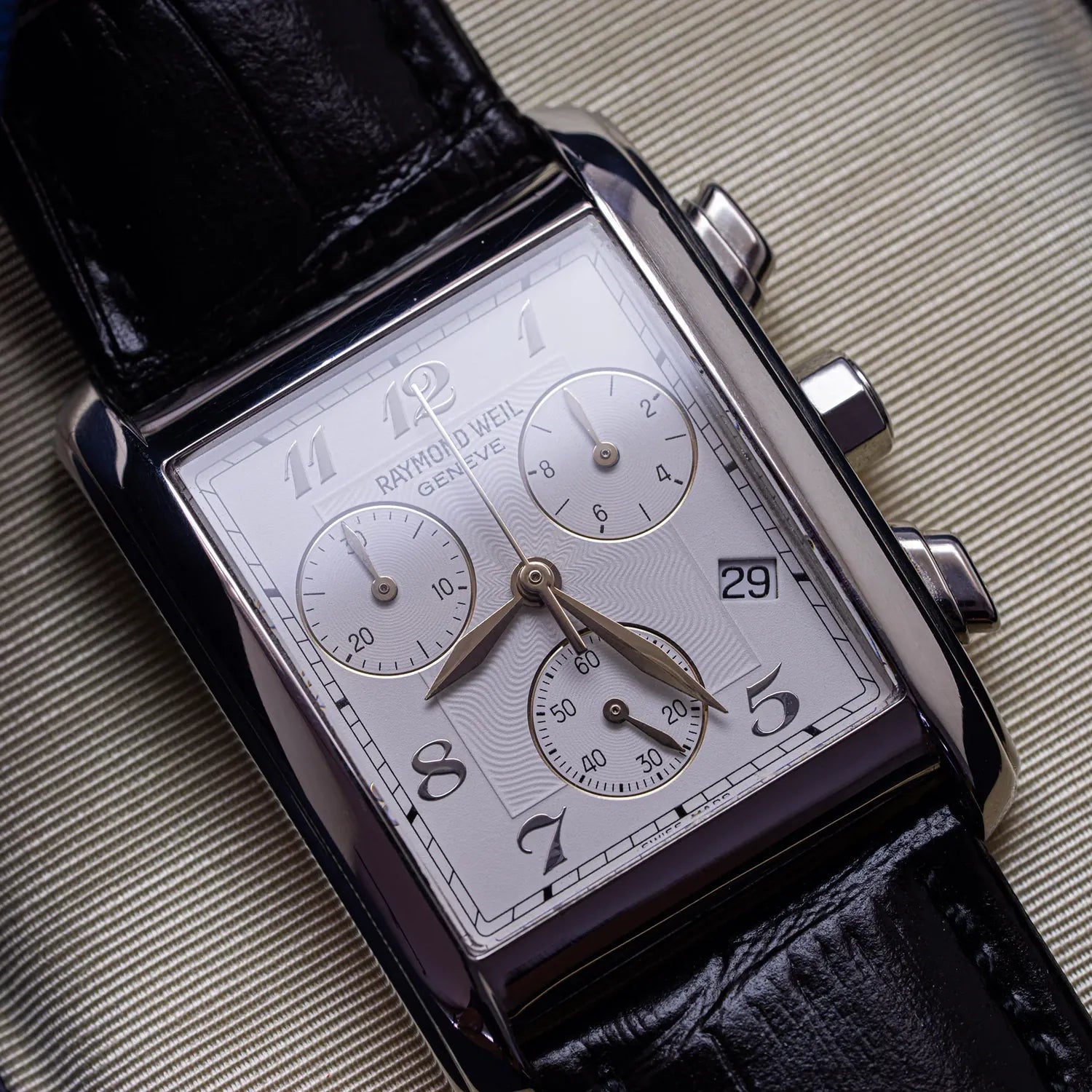
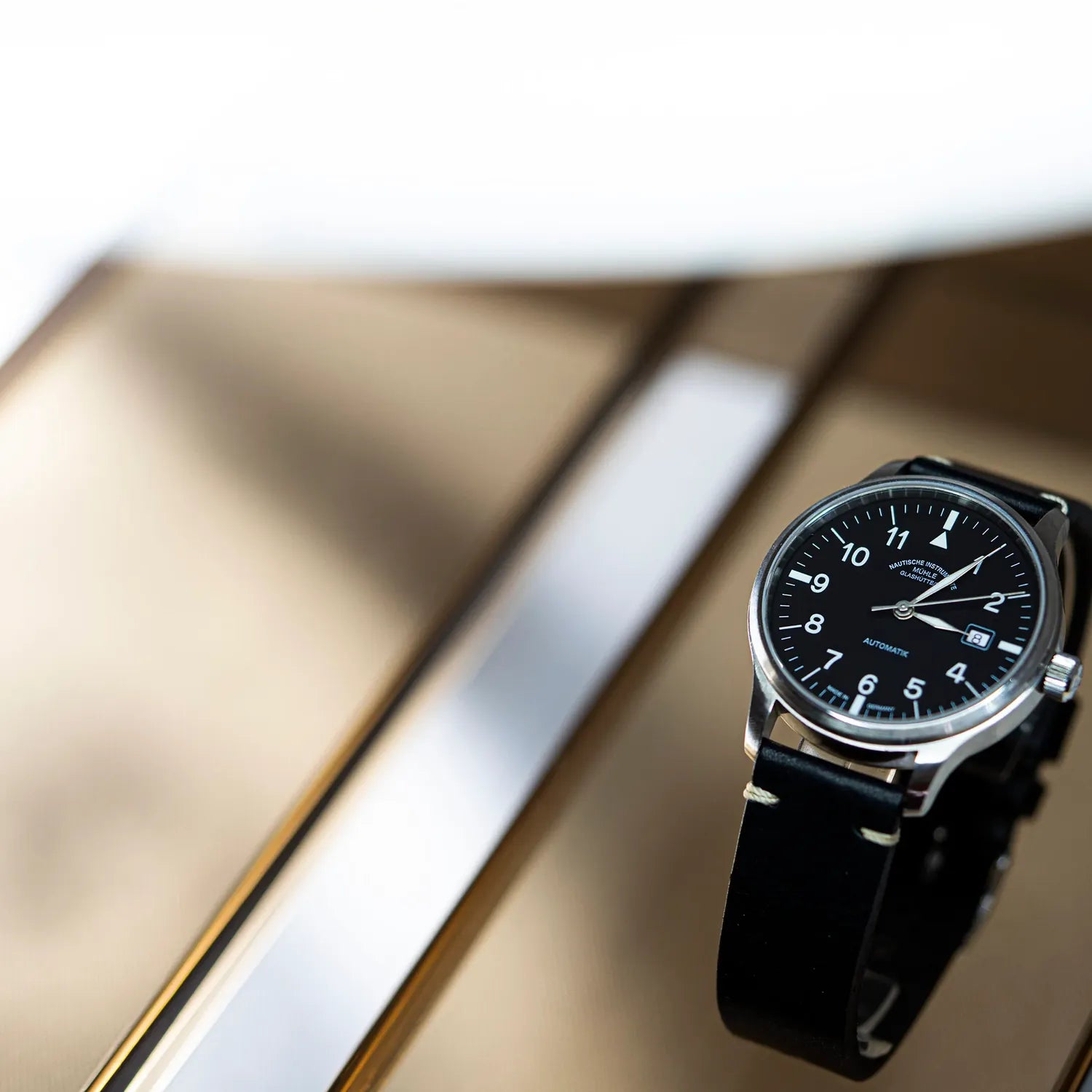
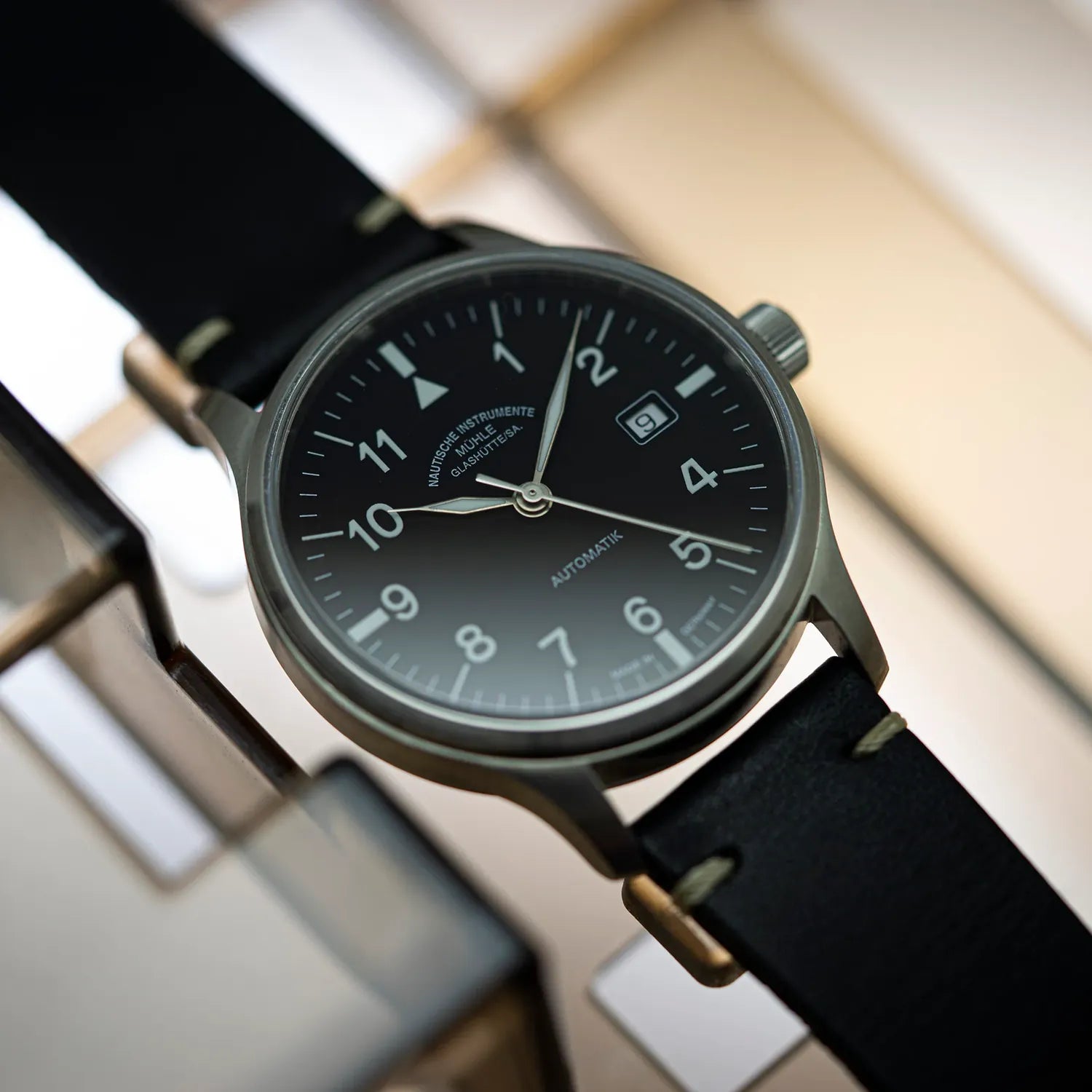
The years 2000–2009 marked a distinctive chapter in watchmaking. Larger cases, prominent bezels, integrated digital functions, and bold dial designs reflected changing tastes, while traditional dress watches continued to emphasize restrained proportions and classic mechanical construction. Today's 2000s vintage watches preserve this contrast between established watchmaking traditions and the increasingly technological character of the new millennium.
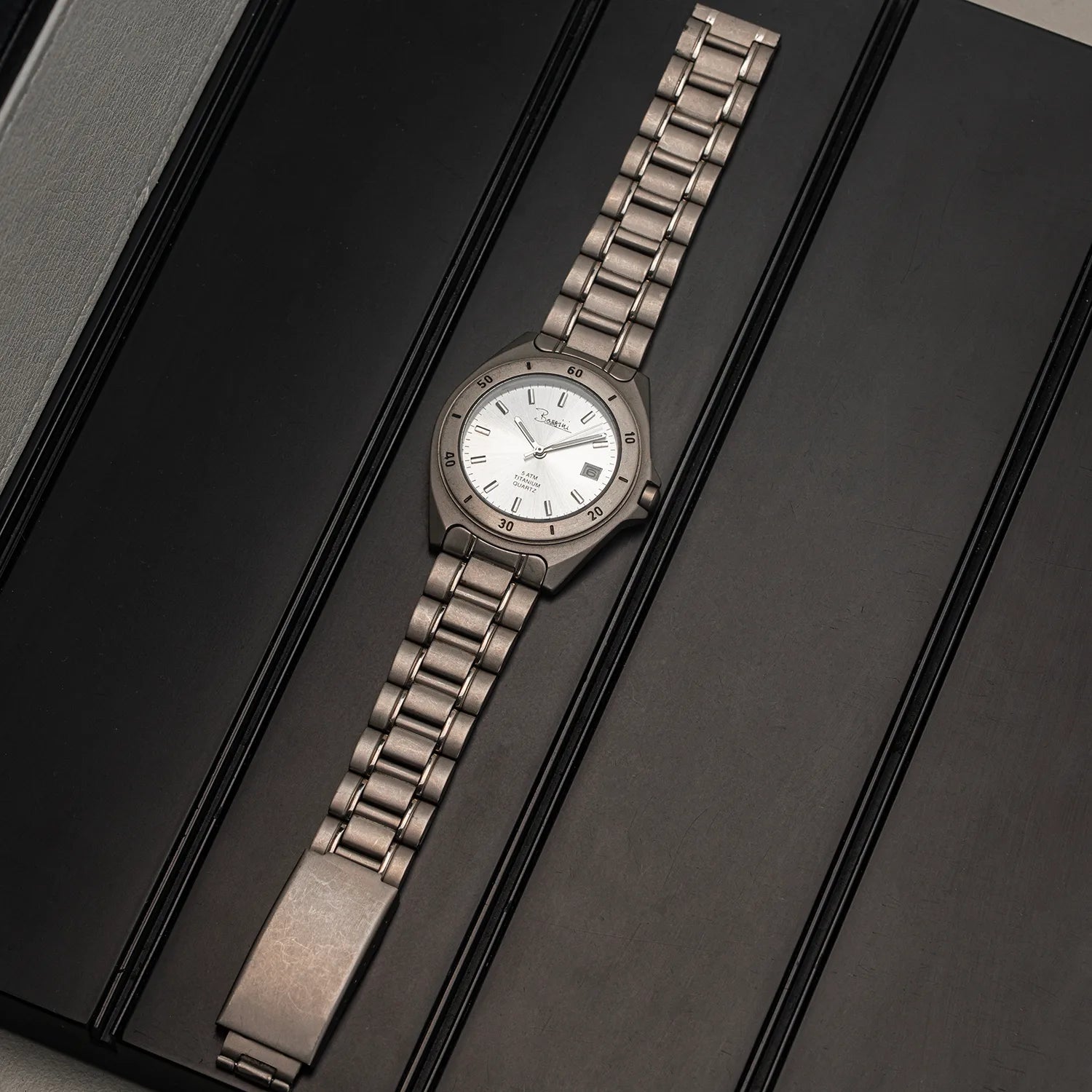
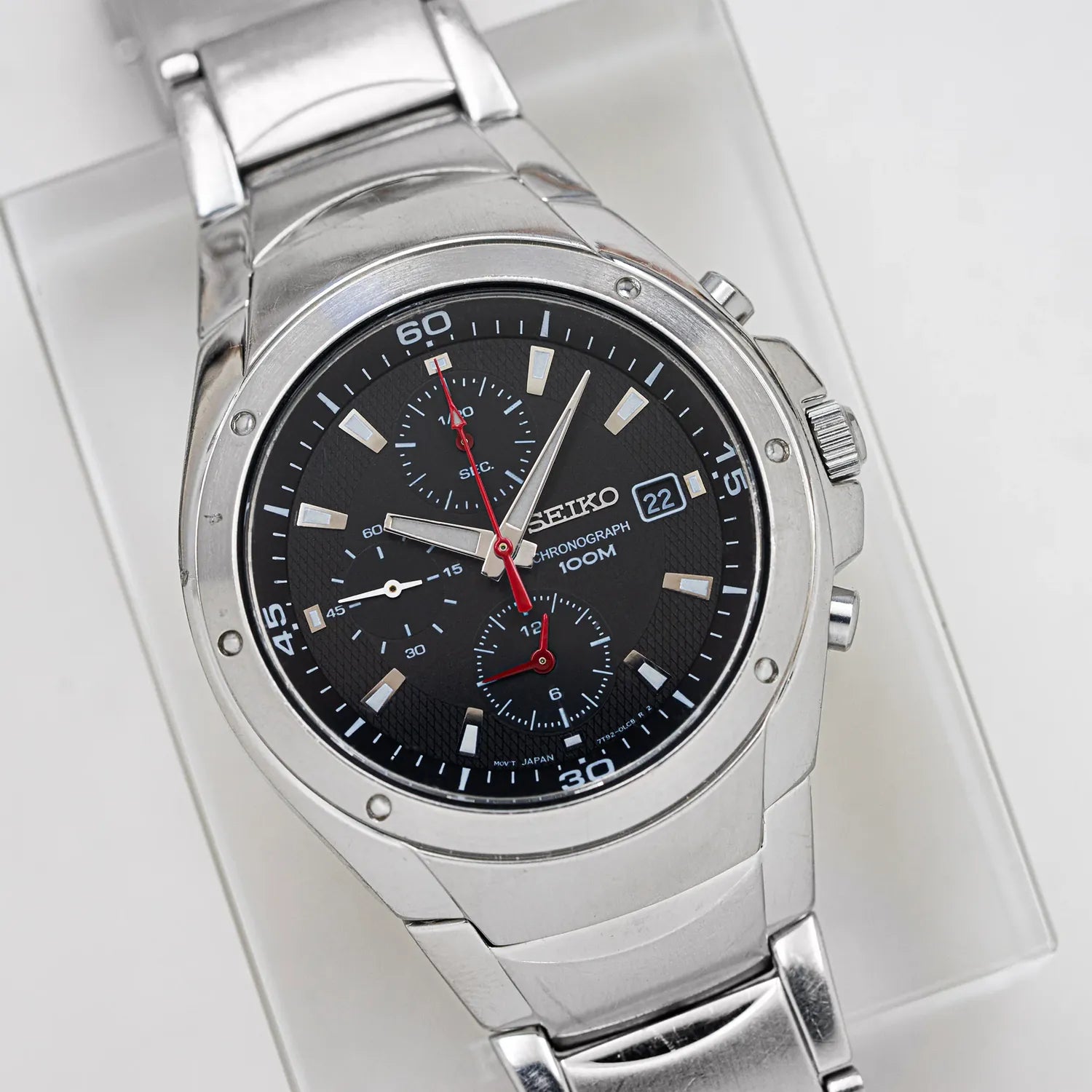
One of the decade's most significant developments was the wider commercialization of Seiko's Spring Drive technology, combining a mechanical mainspring with electronic regulation. Citizen continued developing its light-powered Eco-Drive watches, while Swiss manufacturers strengthened the renewed market for mechanical timepieces. Meanwhile, titanium cases, multifunction quartz movements, and sophisticated sports watches offered practical alternatives to conventional stainless steel designs.
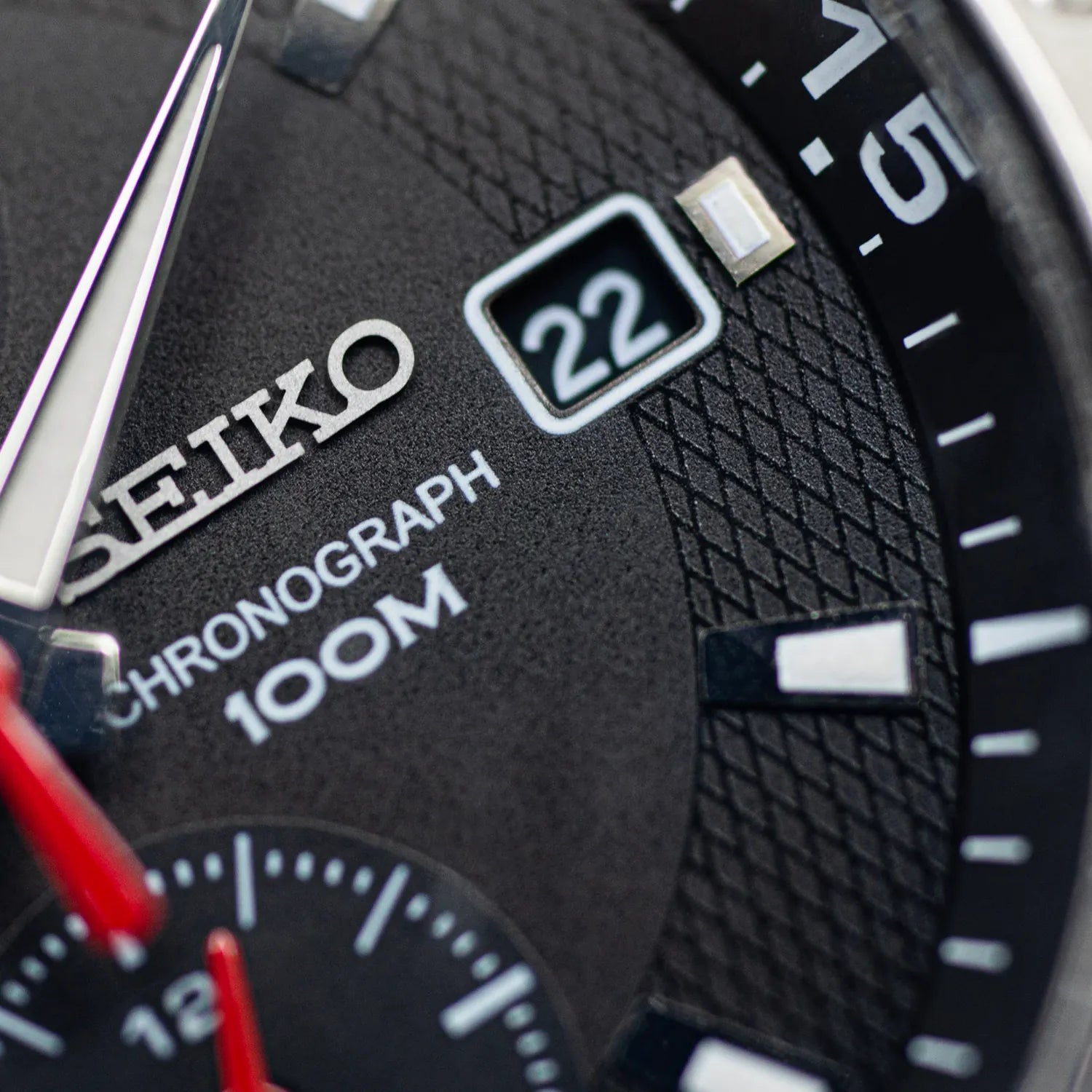
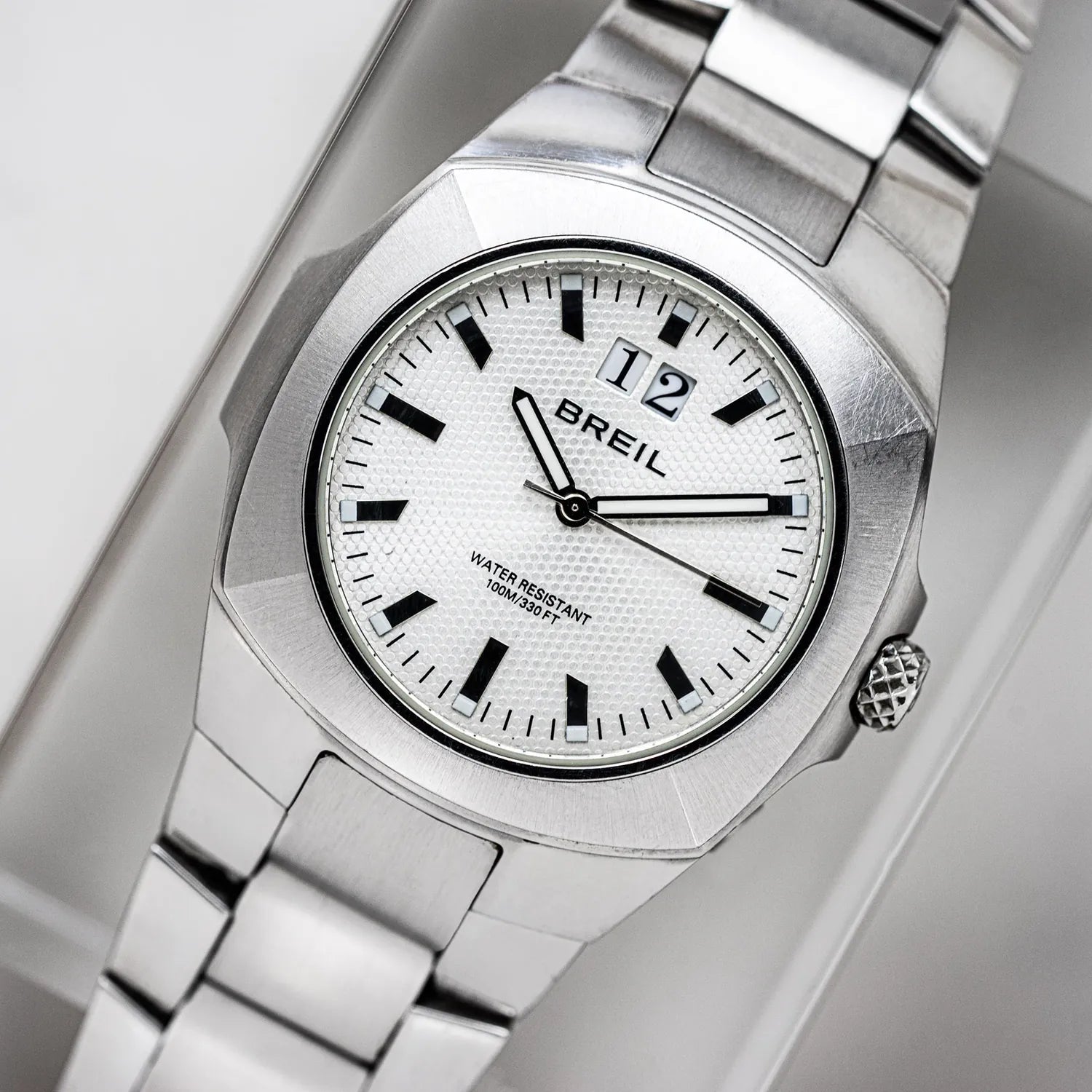
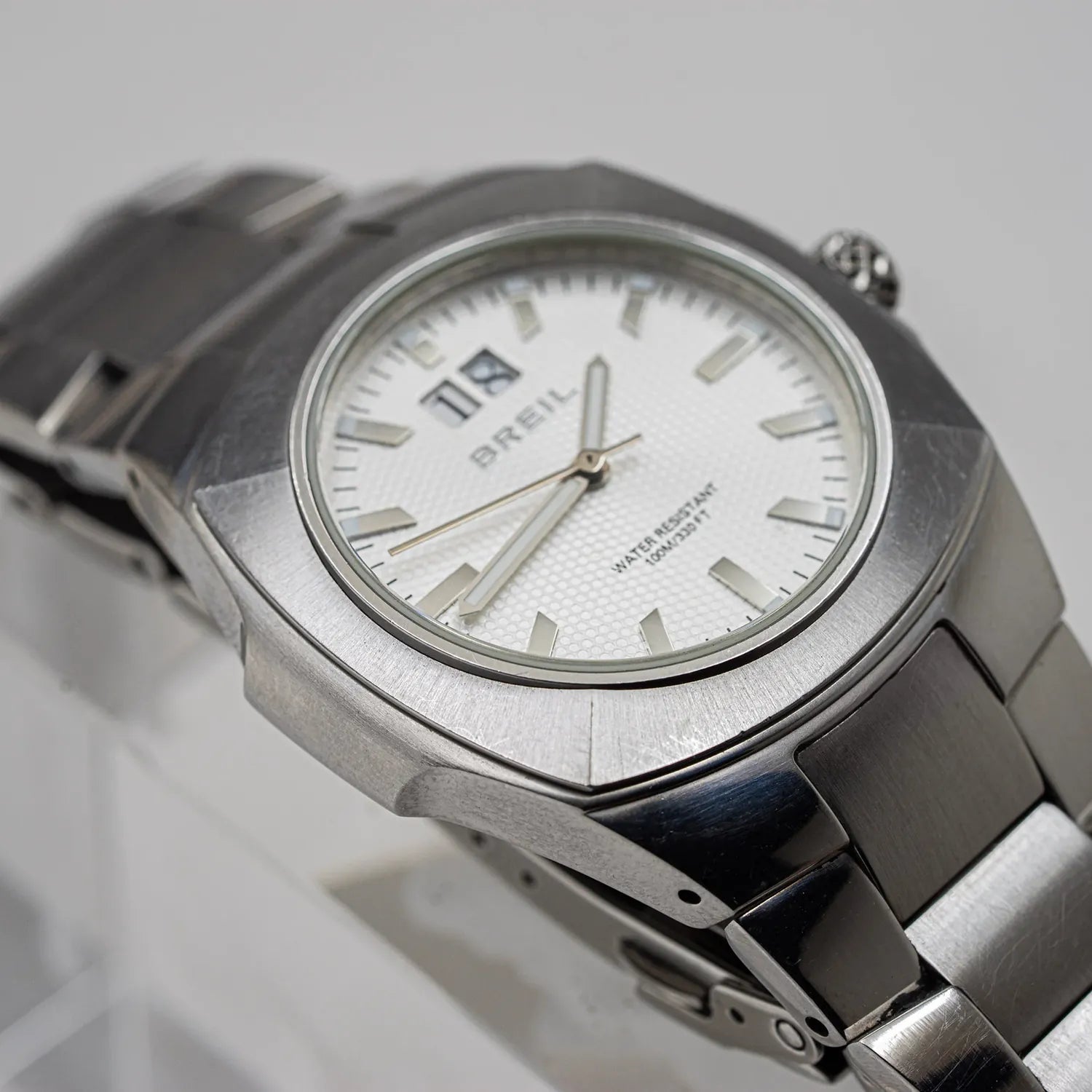
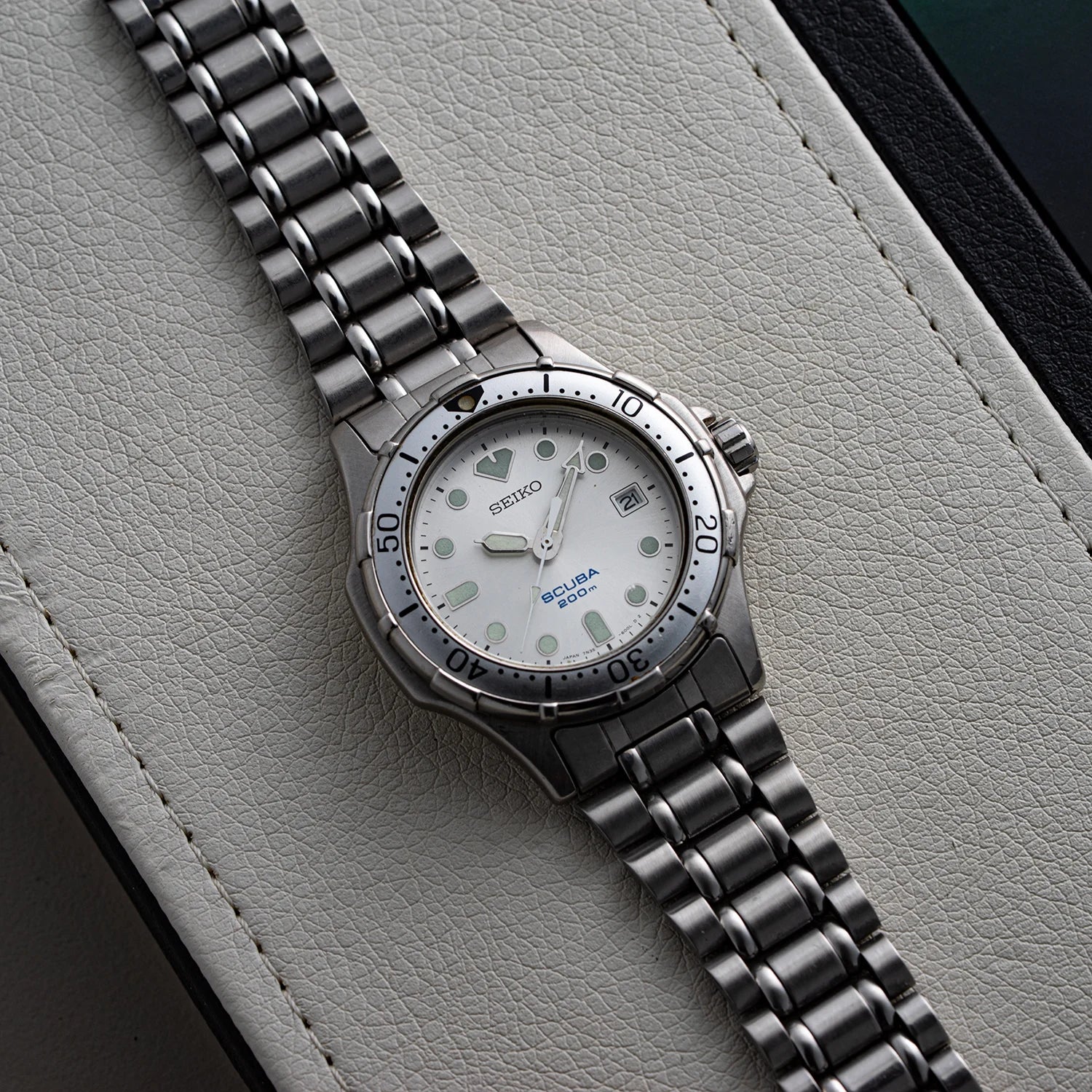
For collectors, the appeal of watches from the 2000s lies partly in their variety. A minimalist quartz dress watch, a substantial automatic diver, and a multifunction chronograph can all represent the same decade while expressing entirely different approaches to design. Explore our vintage watches collection to compare these early-21st-century designs with timepieces from earlier periods.
Mechanical and Quartz Watches from 2000–2009
By the early 2000s, mechanical and quartz watchmaking had developed into two mature technologies, each offering distinct advantages. Swiss automatic calibers such as the ETA 2824-2 and ETA 2892-A2 remained important in mechanical watch production, while Japanese manufacturers continued refining reliable automatic movements and increasingly specialized quartz systems. These technologies helped create the remarkable diversity found among collectible watches from the 2000s.
Movement condition is particularly important when evaluating a watch from this period. In a mechanical watch, the condition of the mainspring, escapement, automatic winding system, and lubrication can influence accuracy and reliability. Quartz watches require different considerations, including battery leakage, electrical contacts, coil integrity, and the availability of replacement electronic components. Light-powered watches may also need attention to their rechargeable energy-storage cells after years of use.
Originality matters just as much as mechanical condition. An original dial, correct hands, appropriate case finishing, and a movement consistent with the reference can significantly influence a watch's desirability. At Vintage Watch Studio, we document individual timepieces through original photography and detailed technical descriptions. Our mechanical watches are professionally serviced, quartz watches are inspected and tested, and every watch is covered by a 12-month warranty.
Whether you prefer the engineering of an automatic movement or the practicality of quartz, explore our automatic vintage watches and vintage quartz watches to discover how these different approaches to timekeeping shaped modern wristwatch design.


Frequently Asked Questions About 2000s Vintage Watches
Are watches from the 2000s considered vintage?
Watches produced between 2000 and 2009 are increasingly recognized as early-21st-century collectibles, although there is no universally accepted age requirement for a watch to be considered vintage. Their appeal lies in distinctive Y2K-era designs, mechanical and quartz innovations, and the transition toward contemporary watchmaking. Originality, condition, and historical significance are often more important to collectors than age alone.
What makes watches from the 2000s collectible?
Collectible watches from the 2000s stand out for their distinctive designs, interesting movements, and connections to important developments in modern watchmaking. The decade saw the wider commercialization of Seiko Spring Drive, continued development of Citizen Eco-Drive technology, and renewed enthusiasm for Swiss mechanical watches. Collectors often value original dials, well-preserved cases, uncommon references, and complete, correctly functioning movements. Desirability depends on the individual model rather than its production decade alone.
Are mechanical or quartz watches from the 2000s more reliable?
Both mechanical and quartz watches from the 2000s can provide reliable timekeeping when properly maintained. Mechanical movements generally require periodic servicing to maintain performance, while quartz watches depend on functioning electronic components, clean battery contacts, and suitable power sources. The condition of the individual movement matters more than its type. At Vintage Watch Studio, mechanical watches are professionally serviced, quartz watches are inspected and tested, and every watch sold includes a 12-month warranty.
How can I determine the production year of a watch from the 2000s?
The production year of a watch can sometimes be identified through its serial number, case reference, movement caliber, or manufacturer documentation. Dating methods vary between brands, and some serial numbers do not uniquely identify a specific year. At Vintage Watch Studio, we examine available identifying information to establish the most reliable production date possible. Explore our Birth Year Watches collection to discover timepieces associated with specific years.
Recognized & Reliable Worldwide
Trusted Partners in Security, Shipping, and Service




Store
Vintage Watch Studio
- Drinke Pavlovic 3, 11130 Belgrade
- Visiting Hours: Monday – Friday: 10:00 – 17:00 CET
- +381 61 653 4298
- vintagewatchstudio@gmail.com
- Online Chat 24/7