








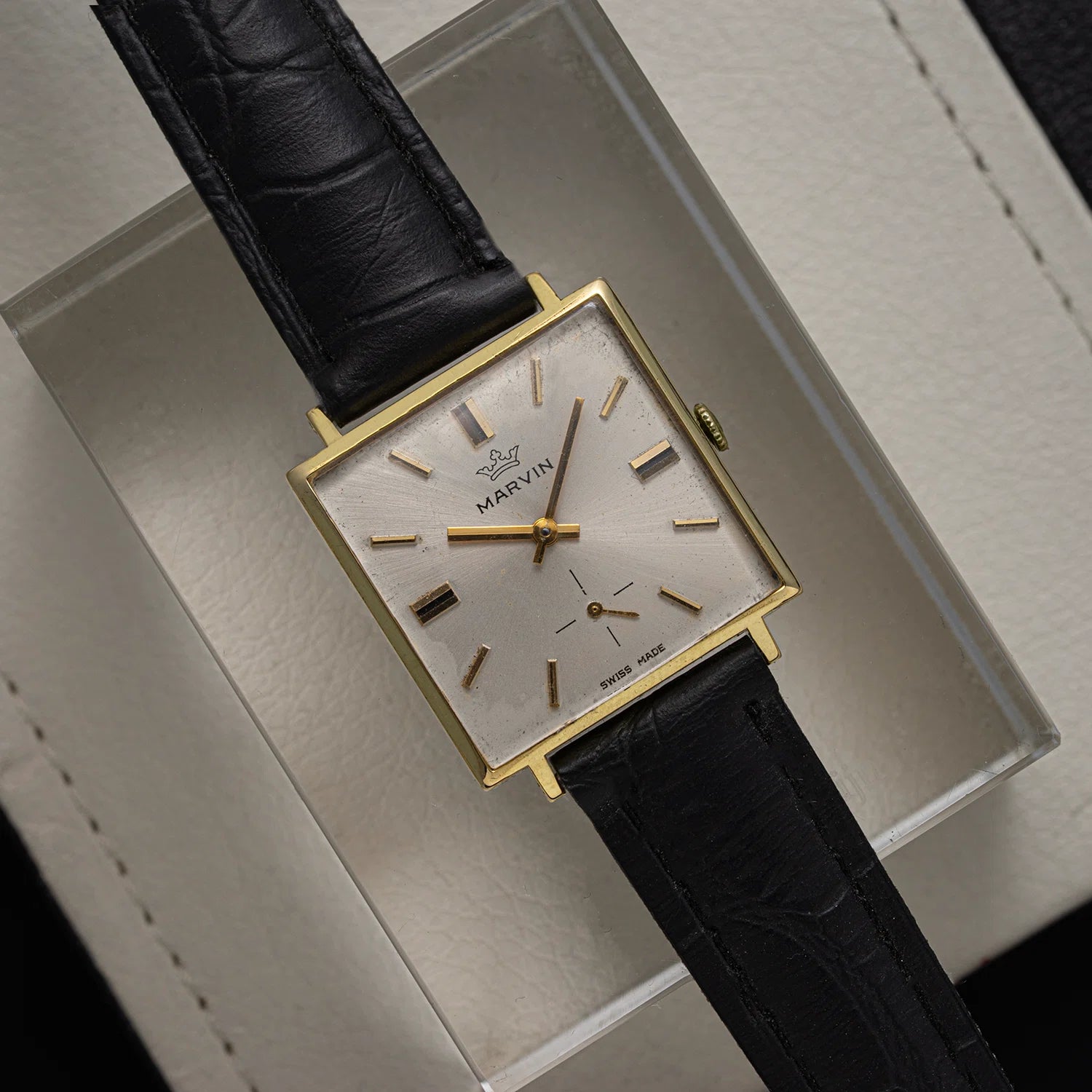
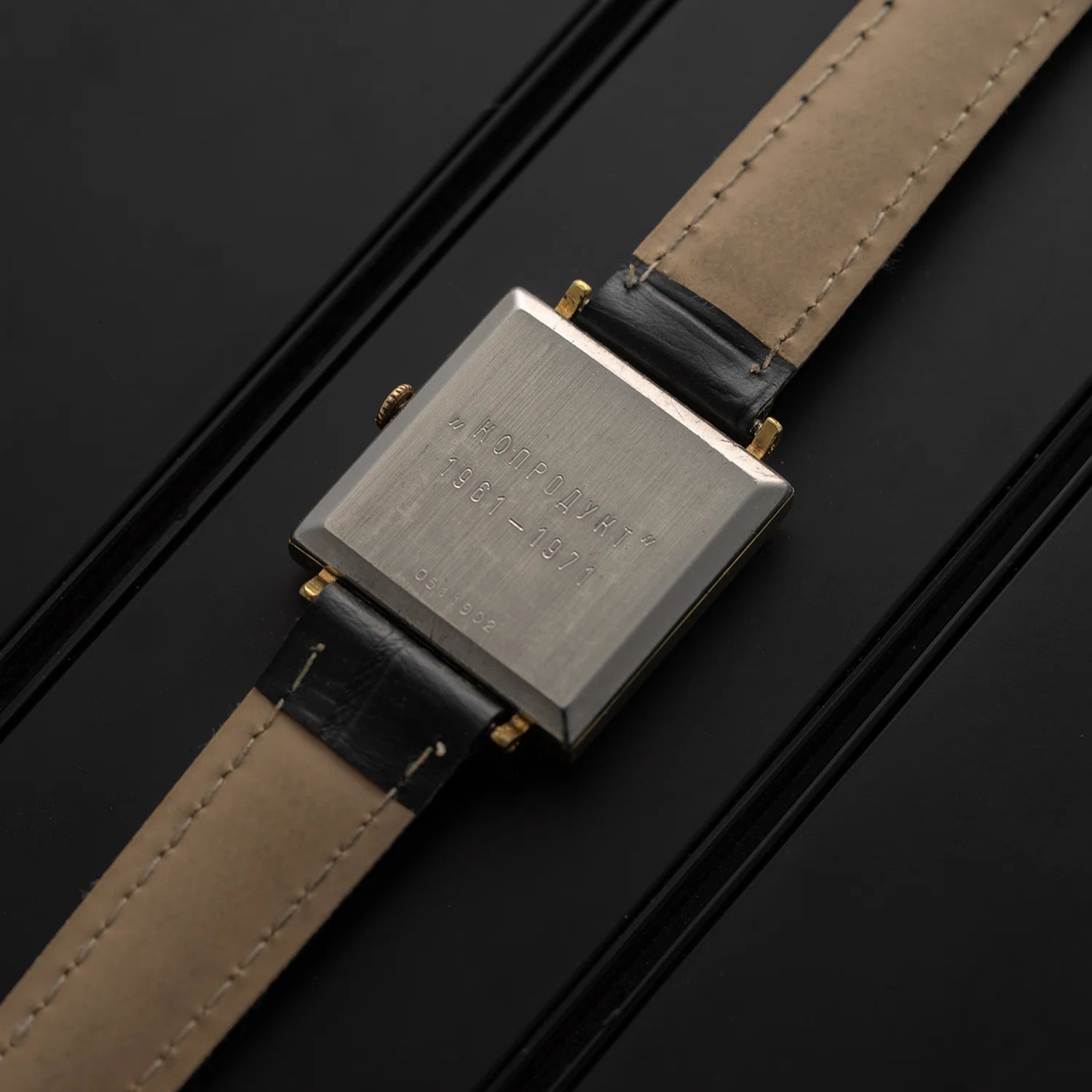
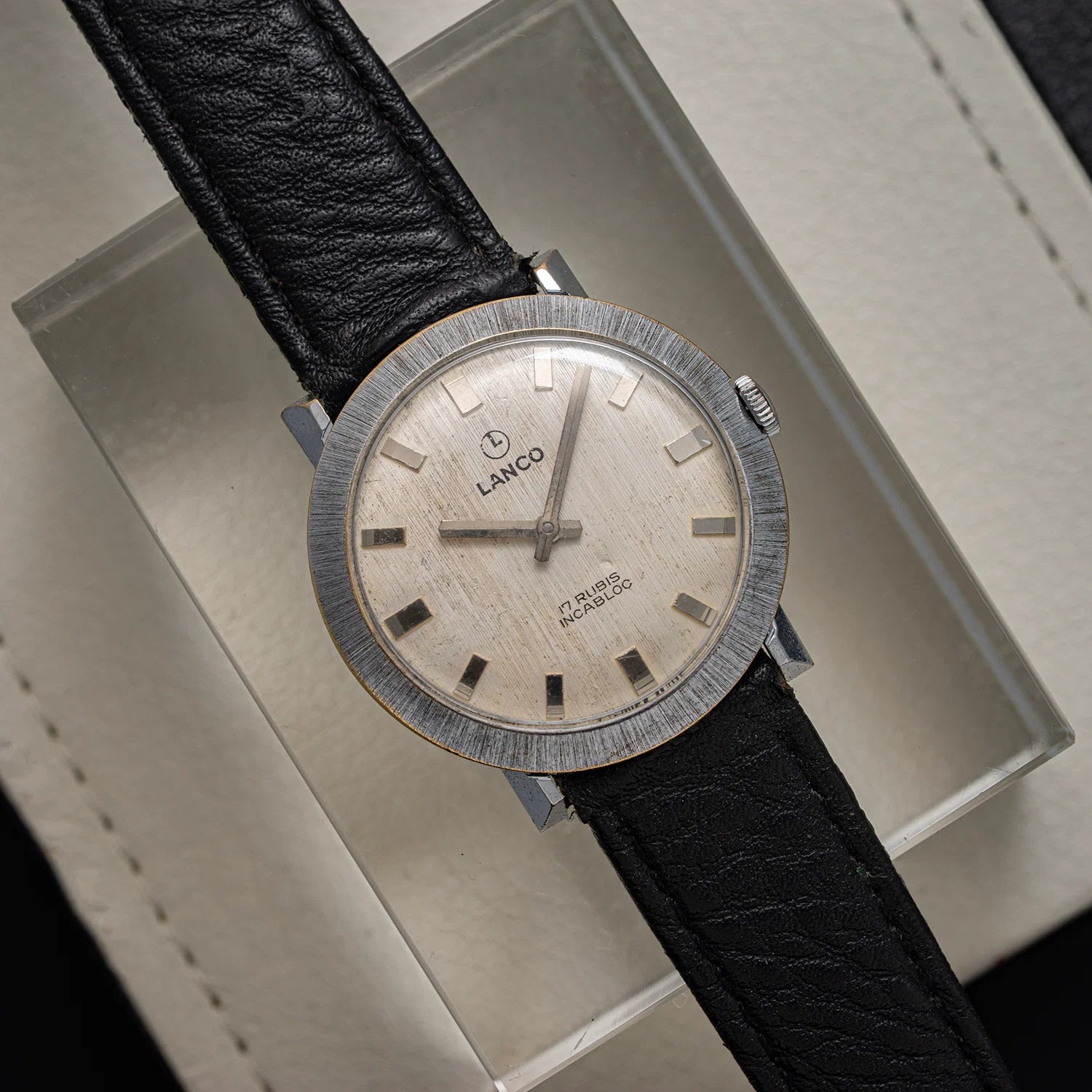
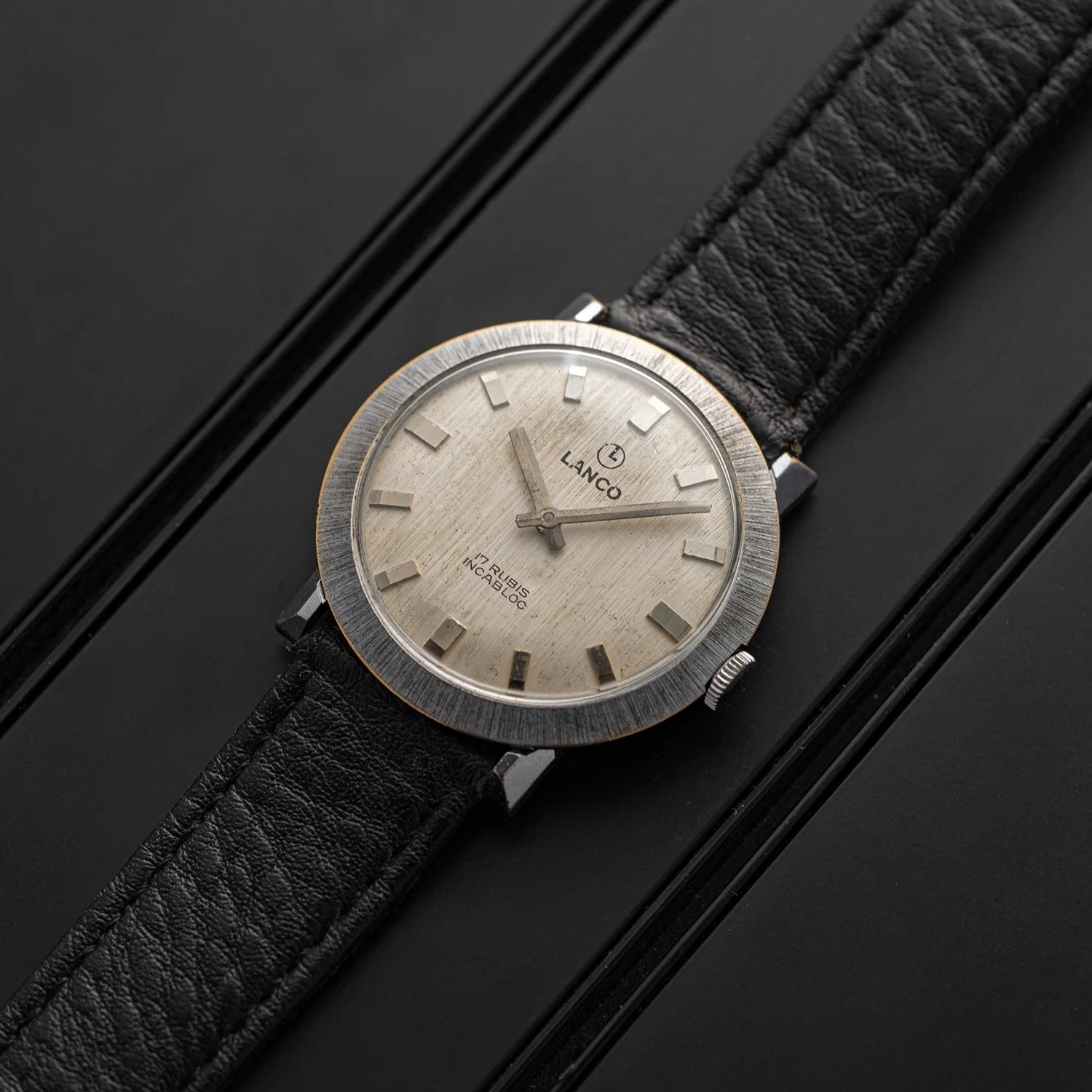
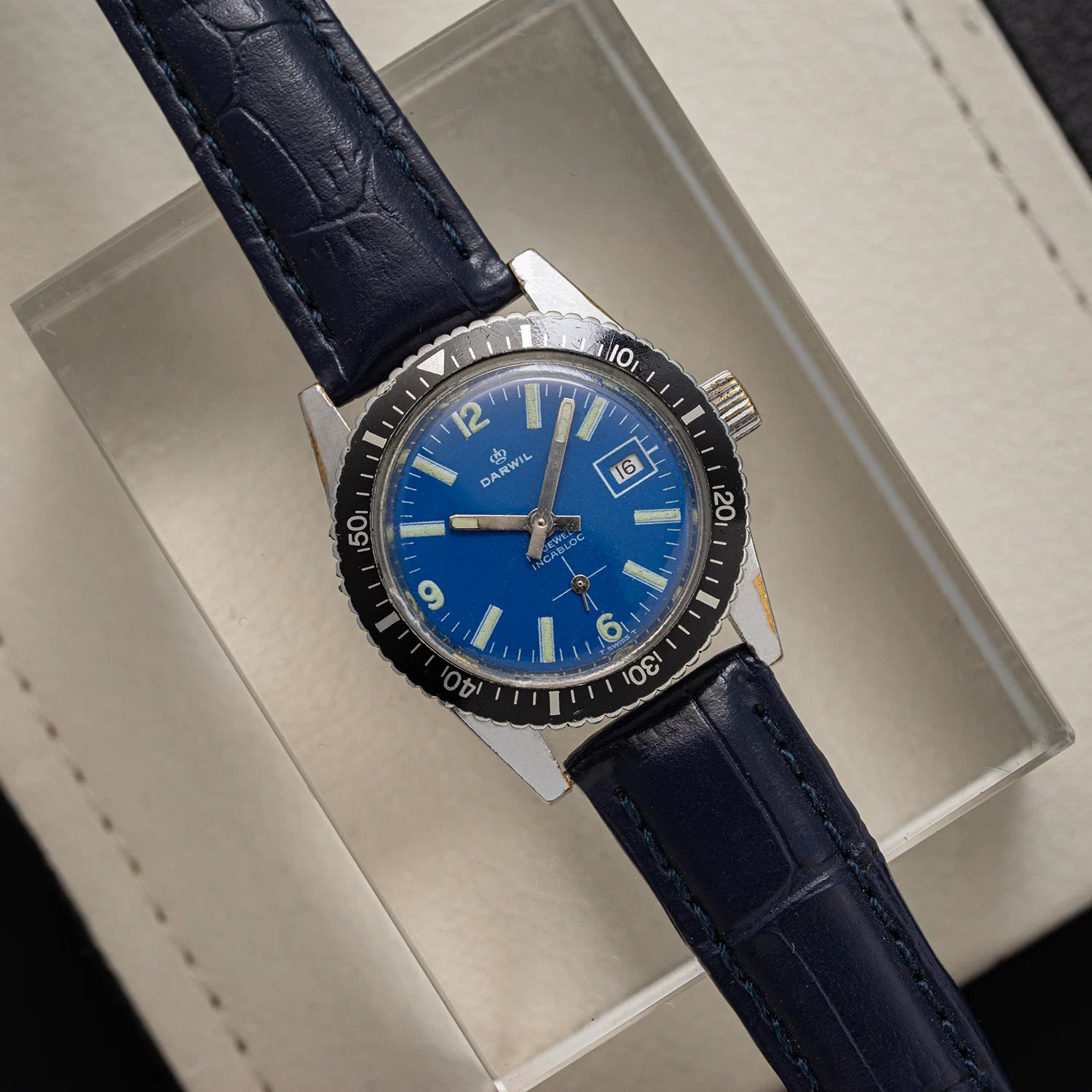
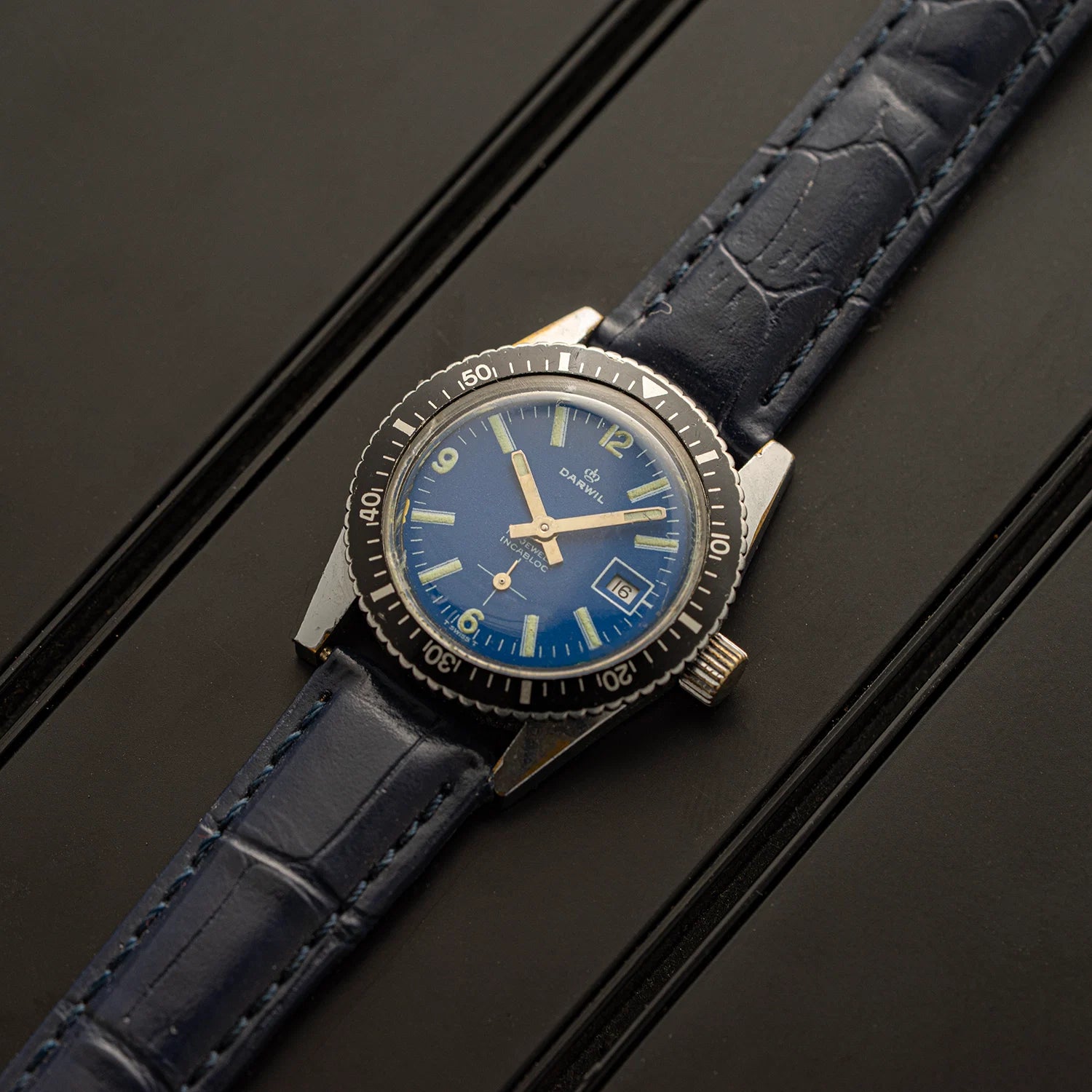
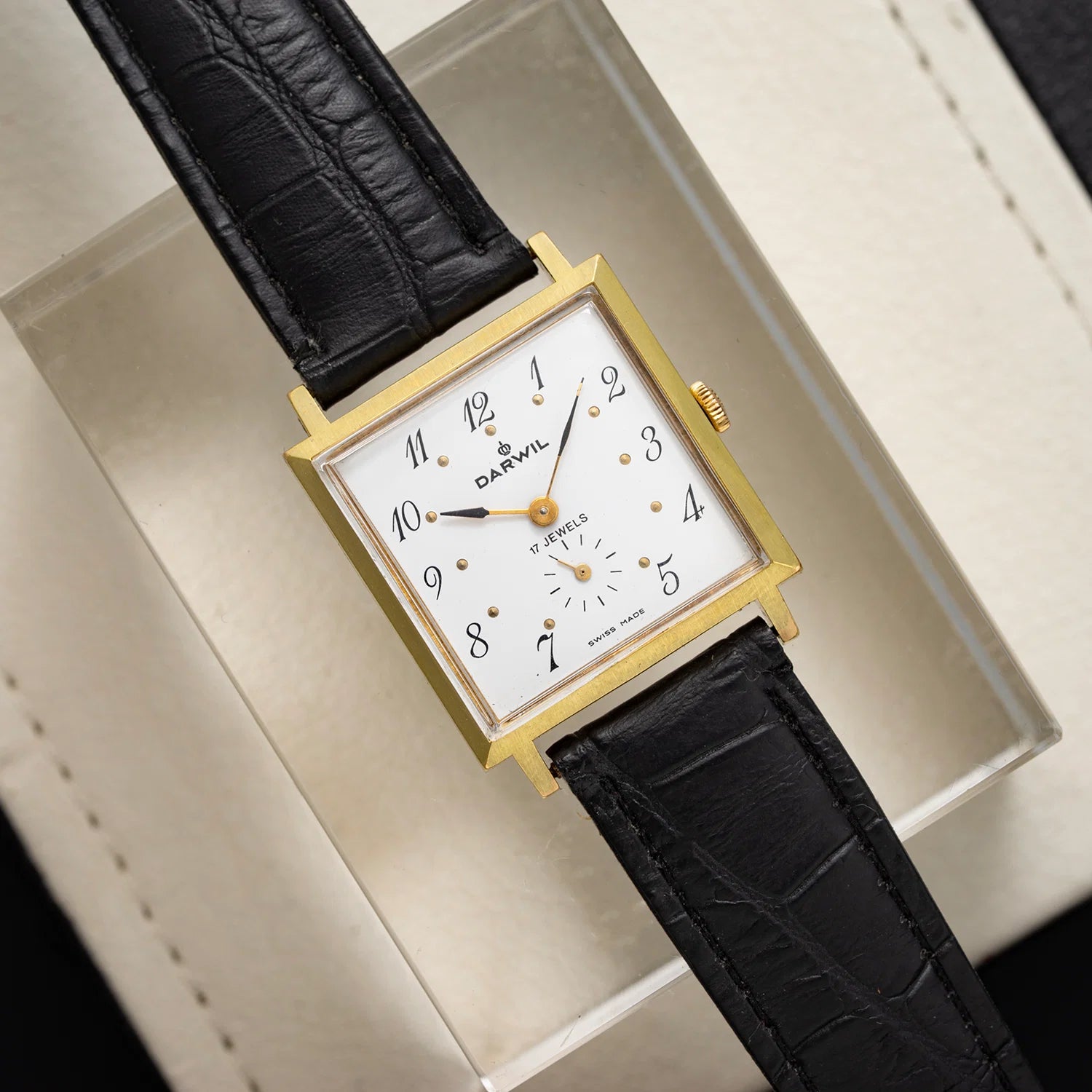
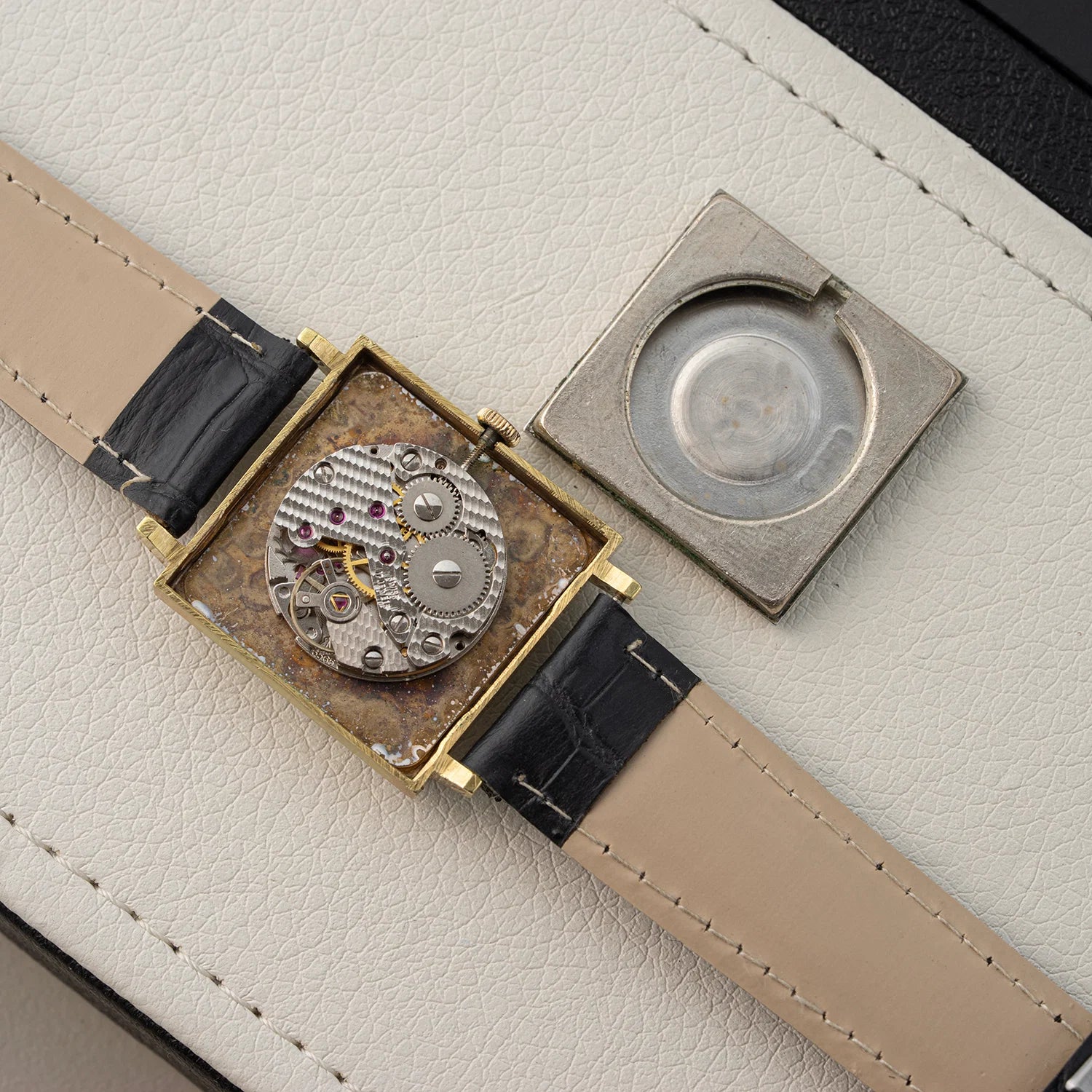
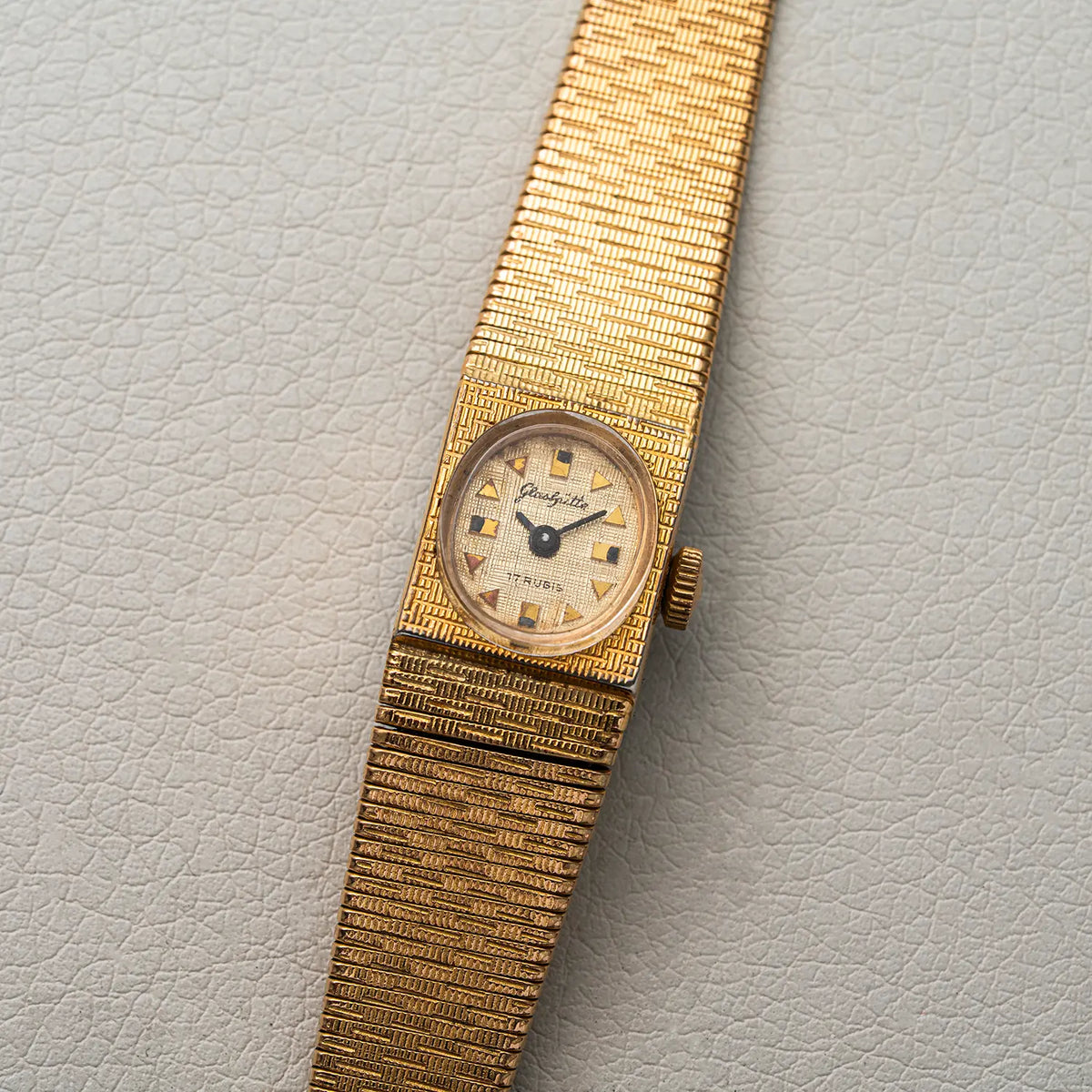
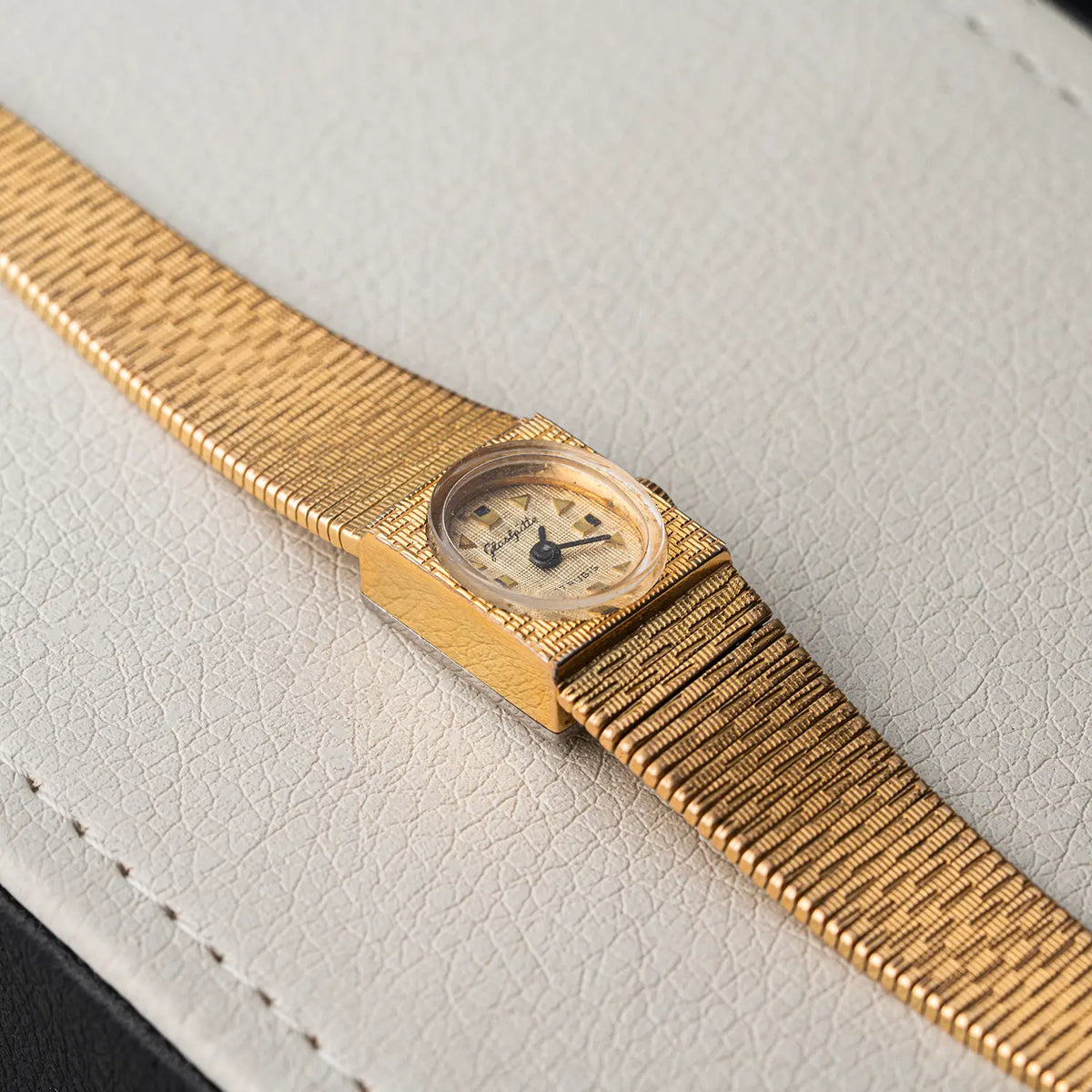
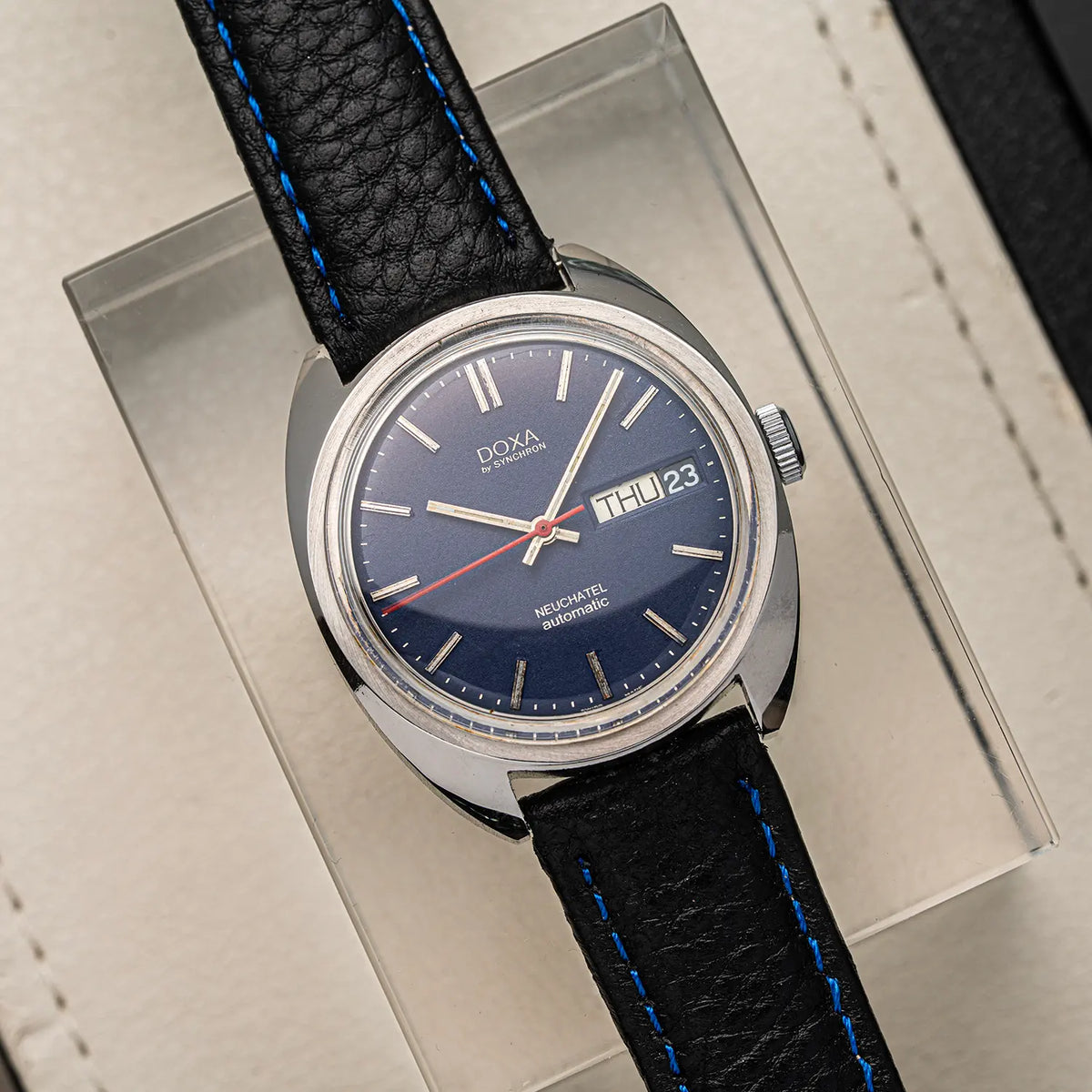
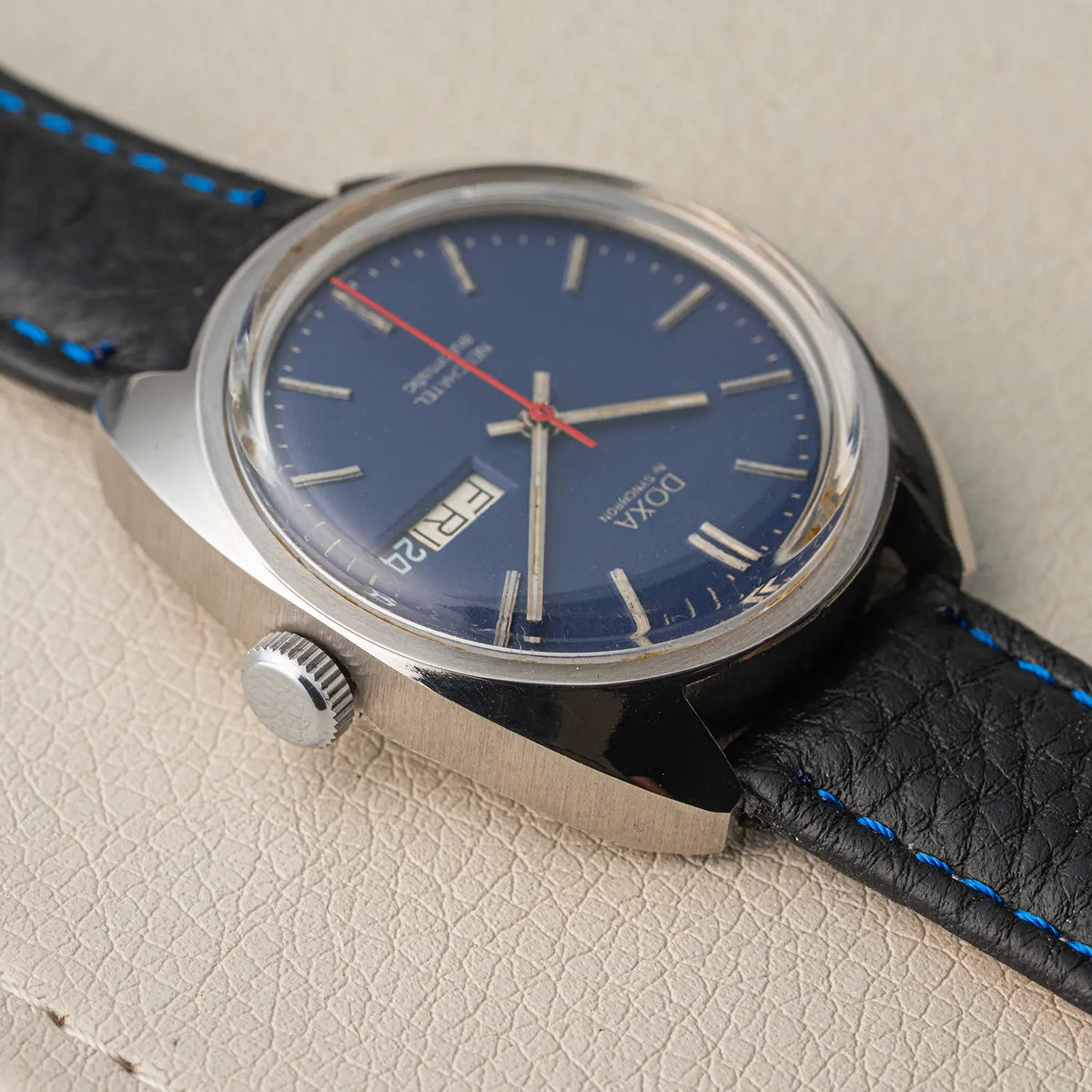
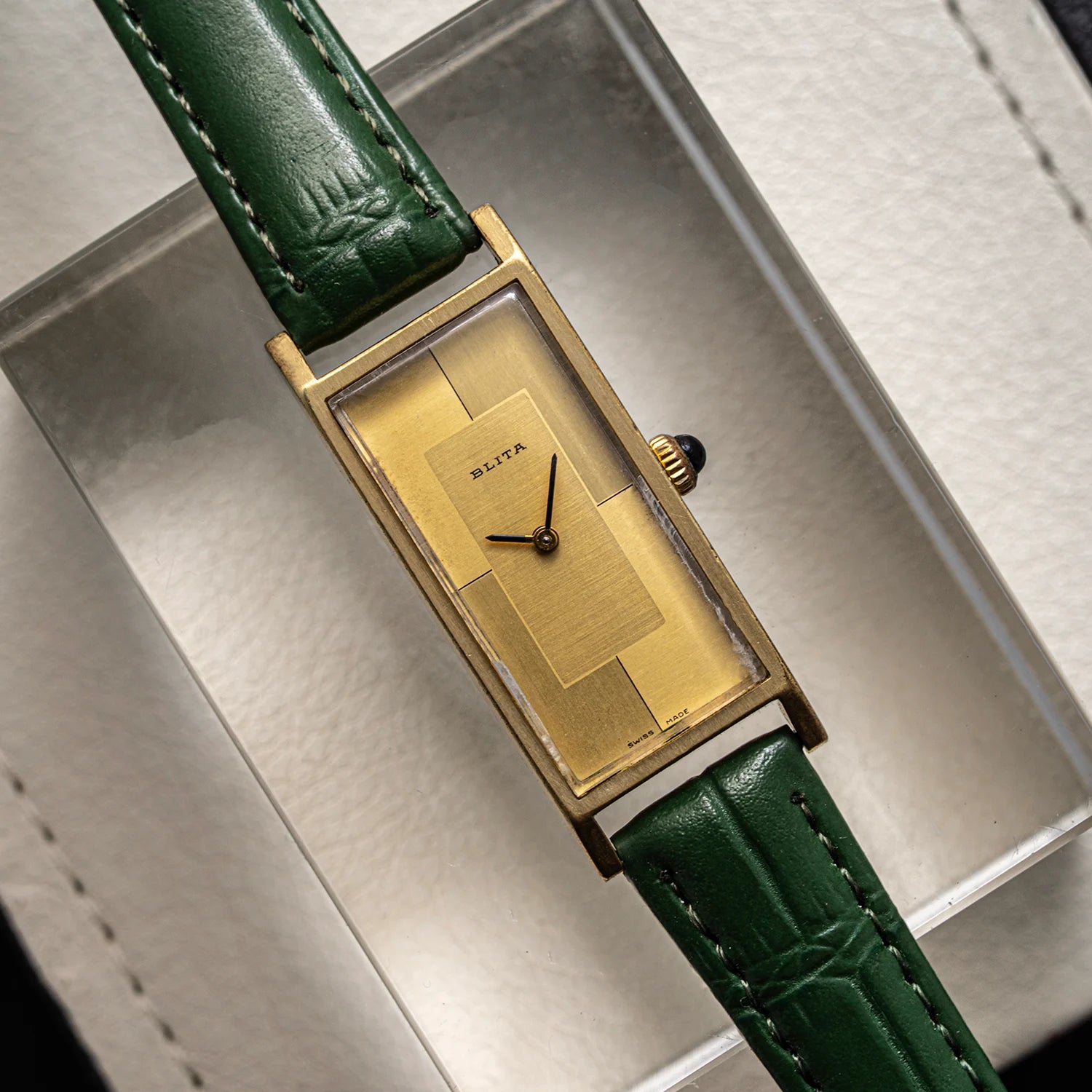
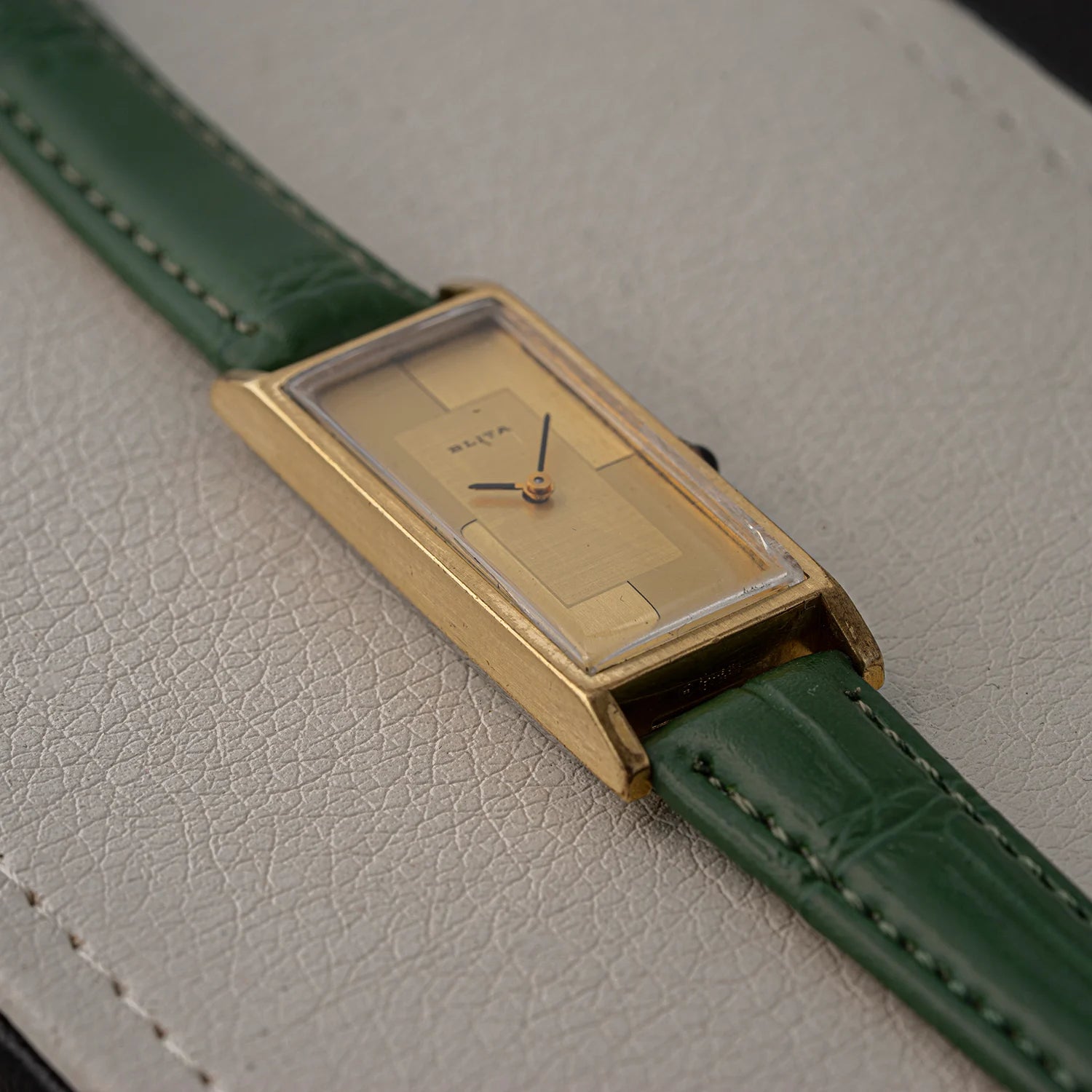
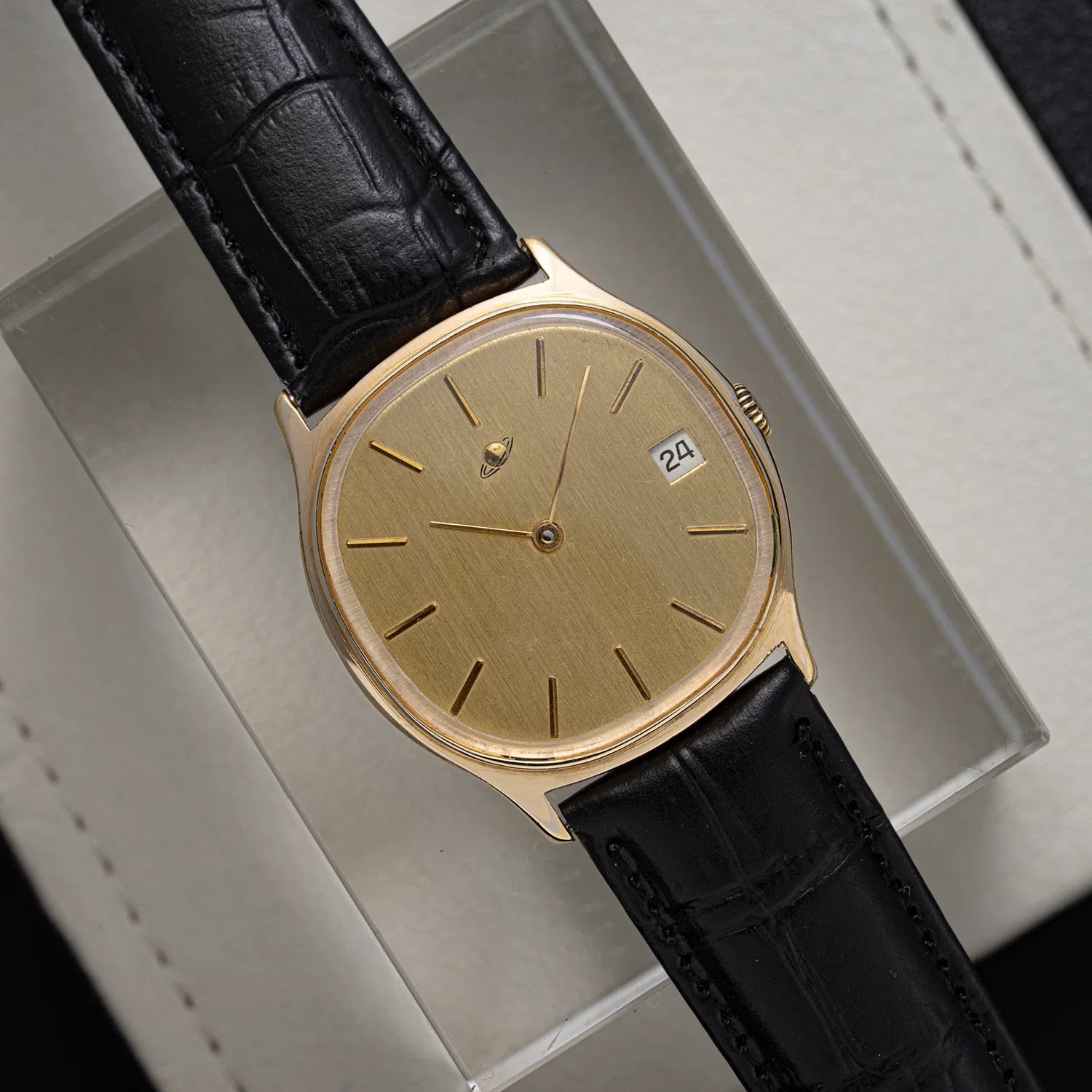
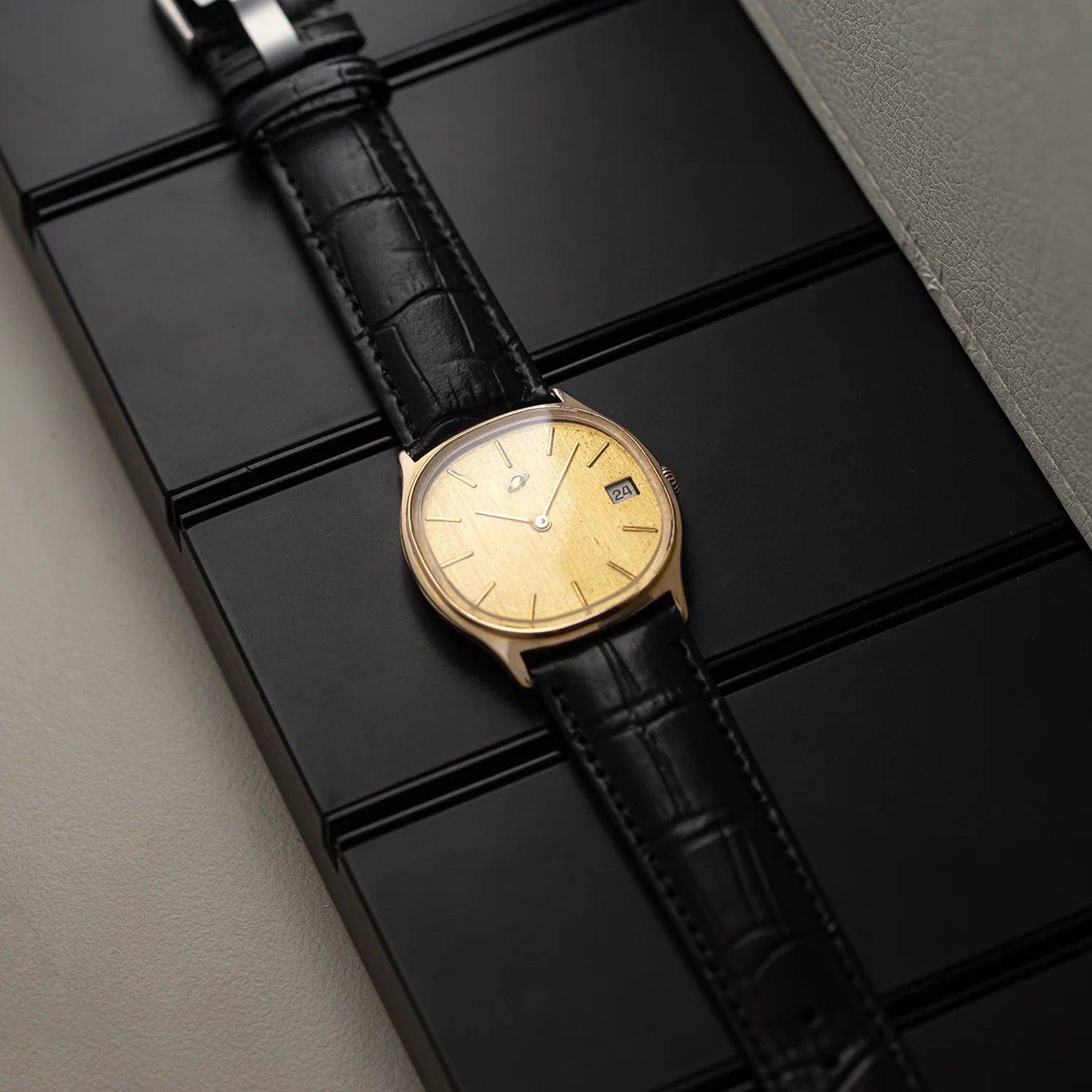
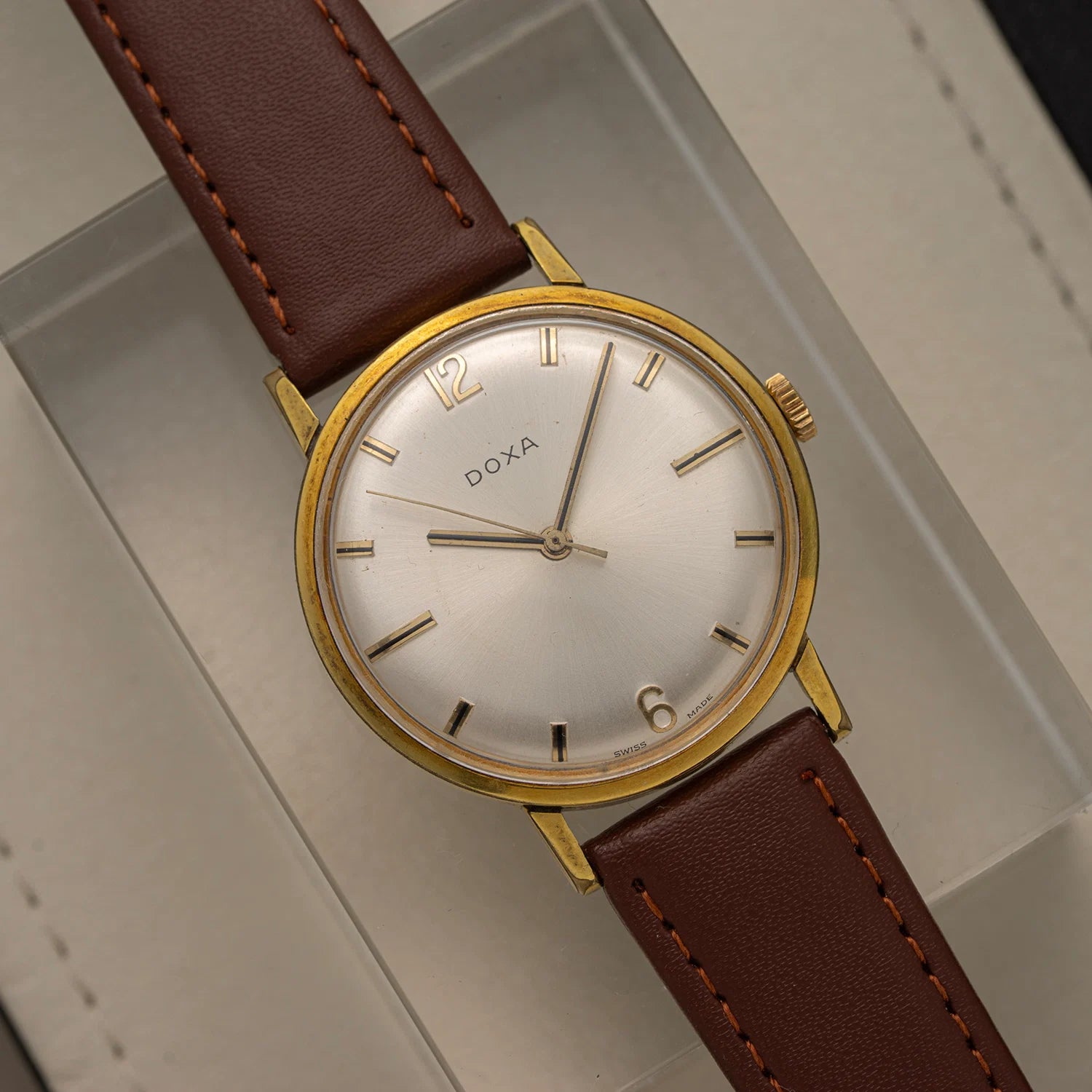
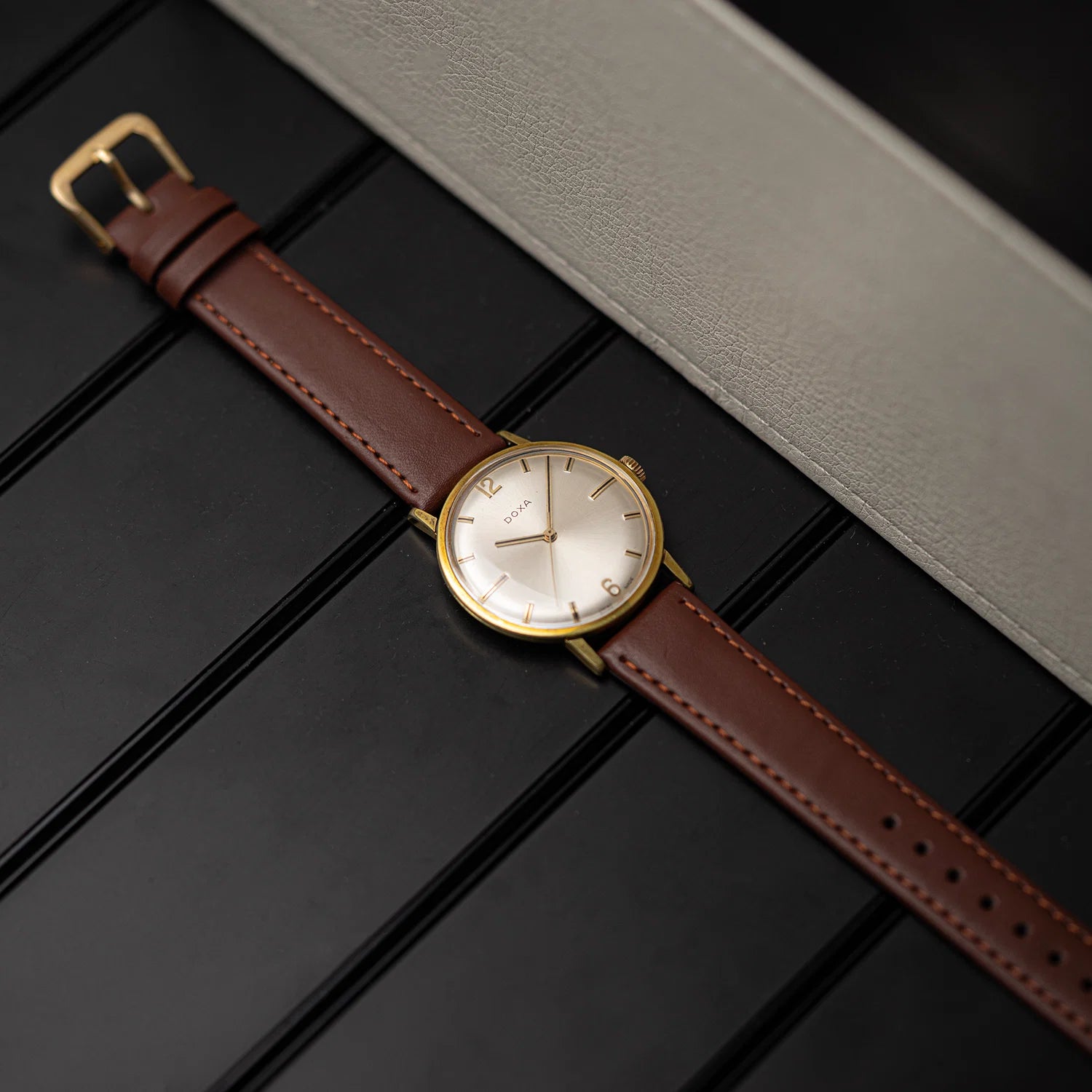
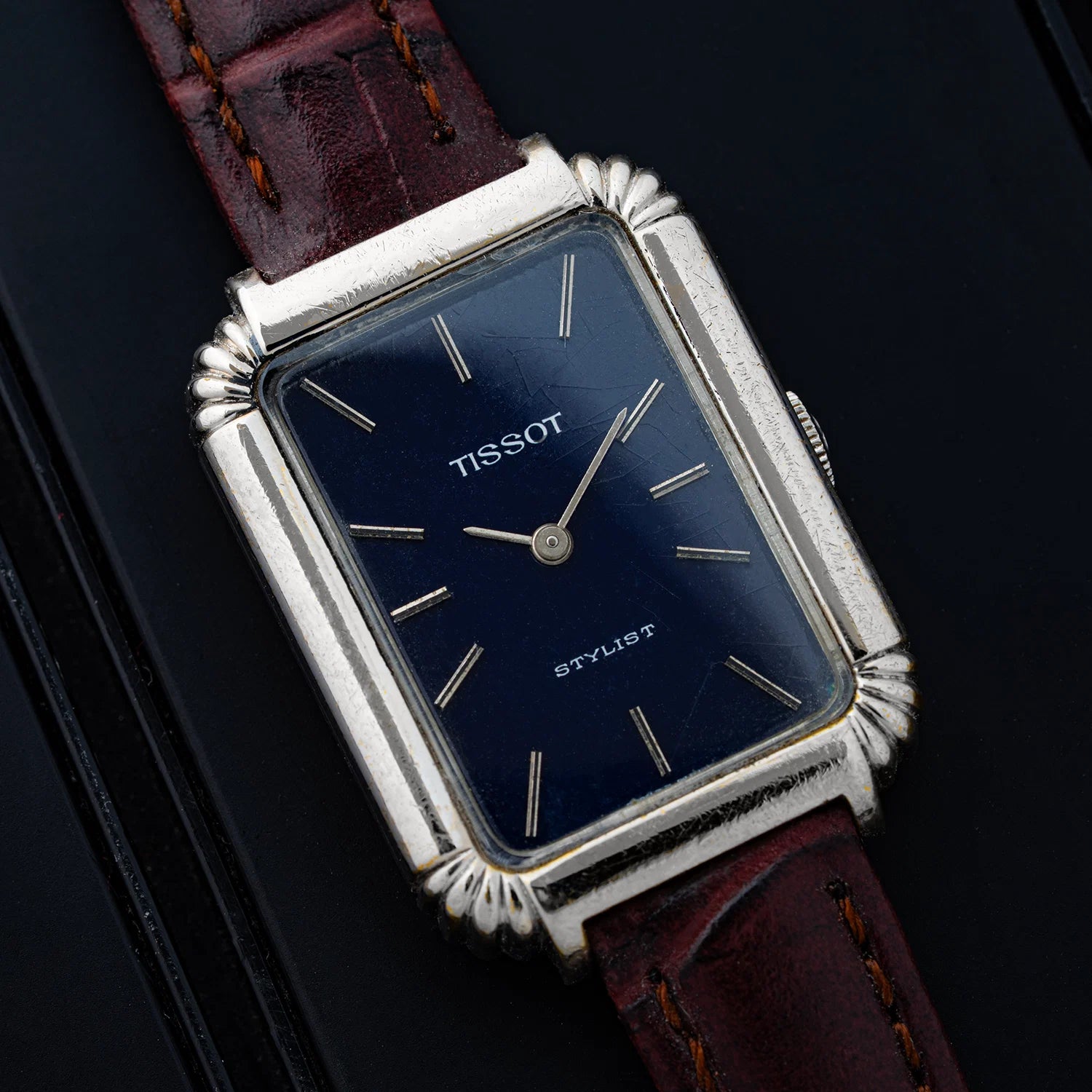
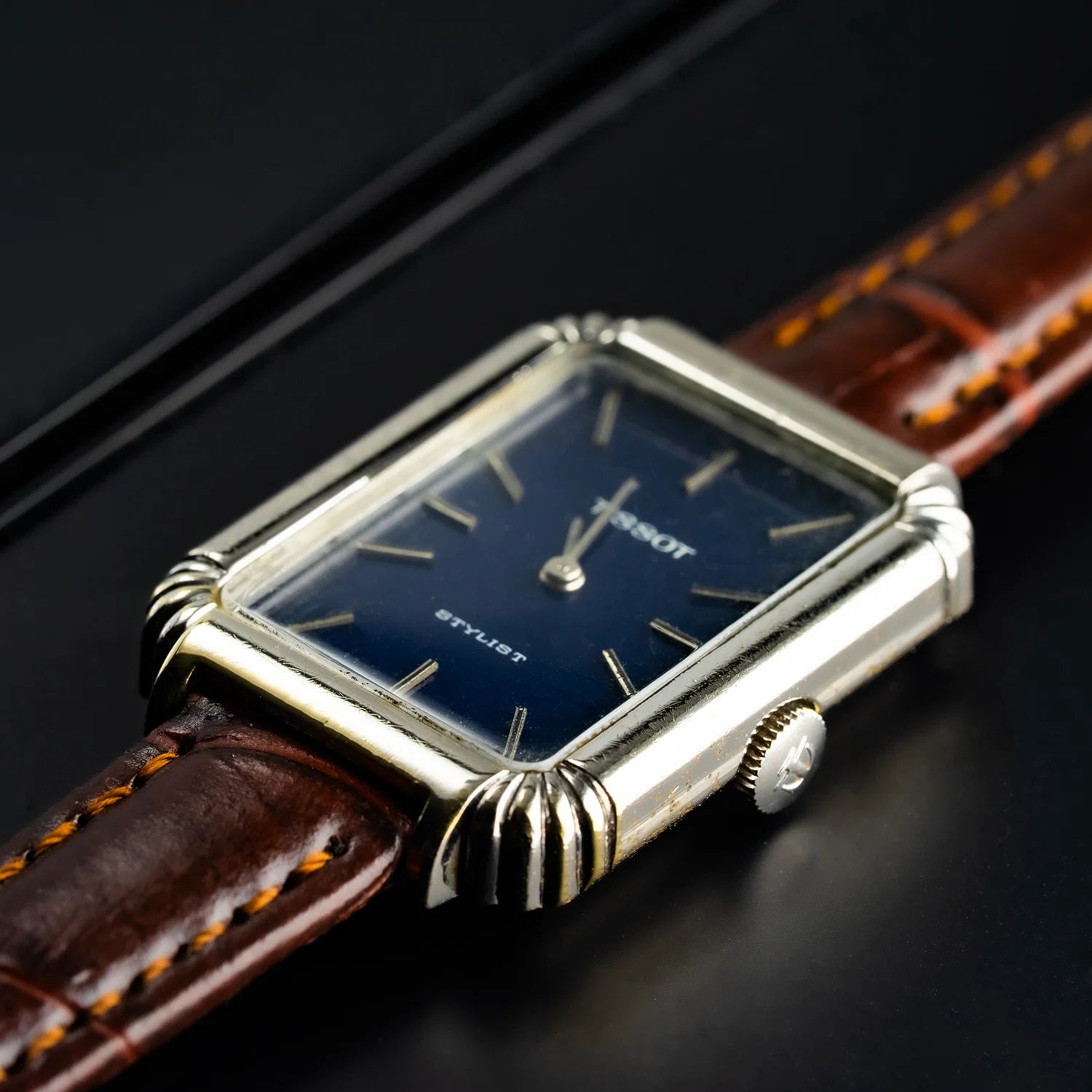
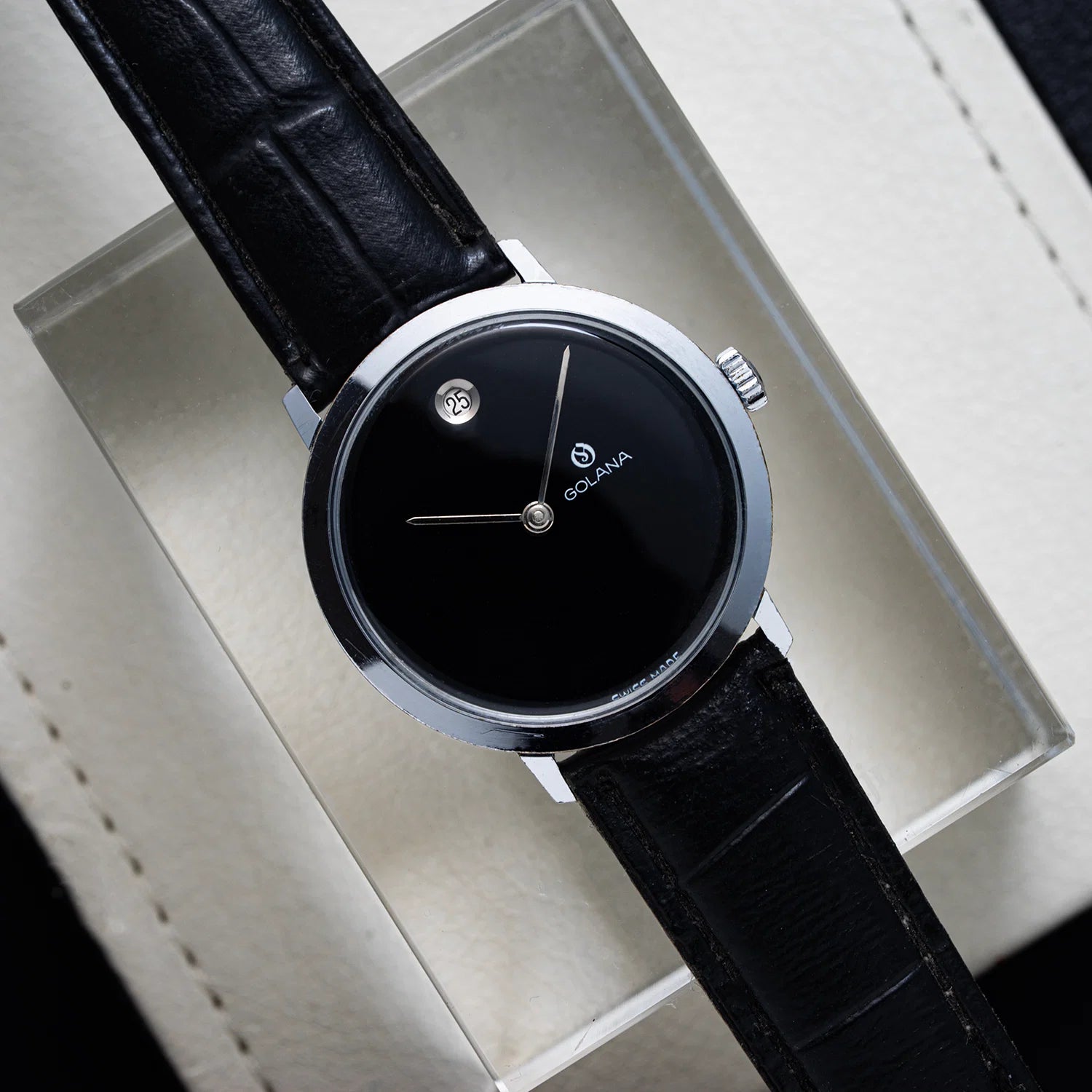
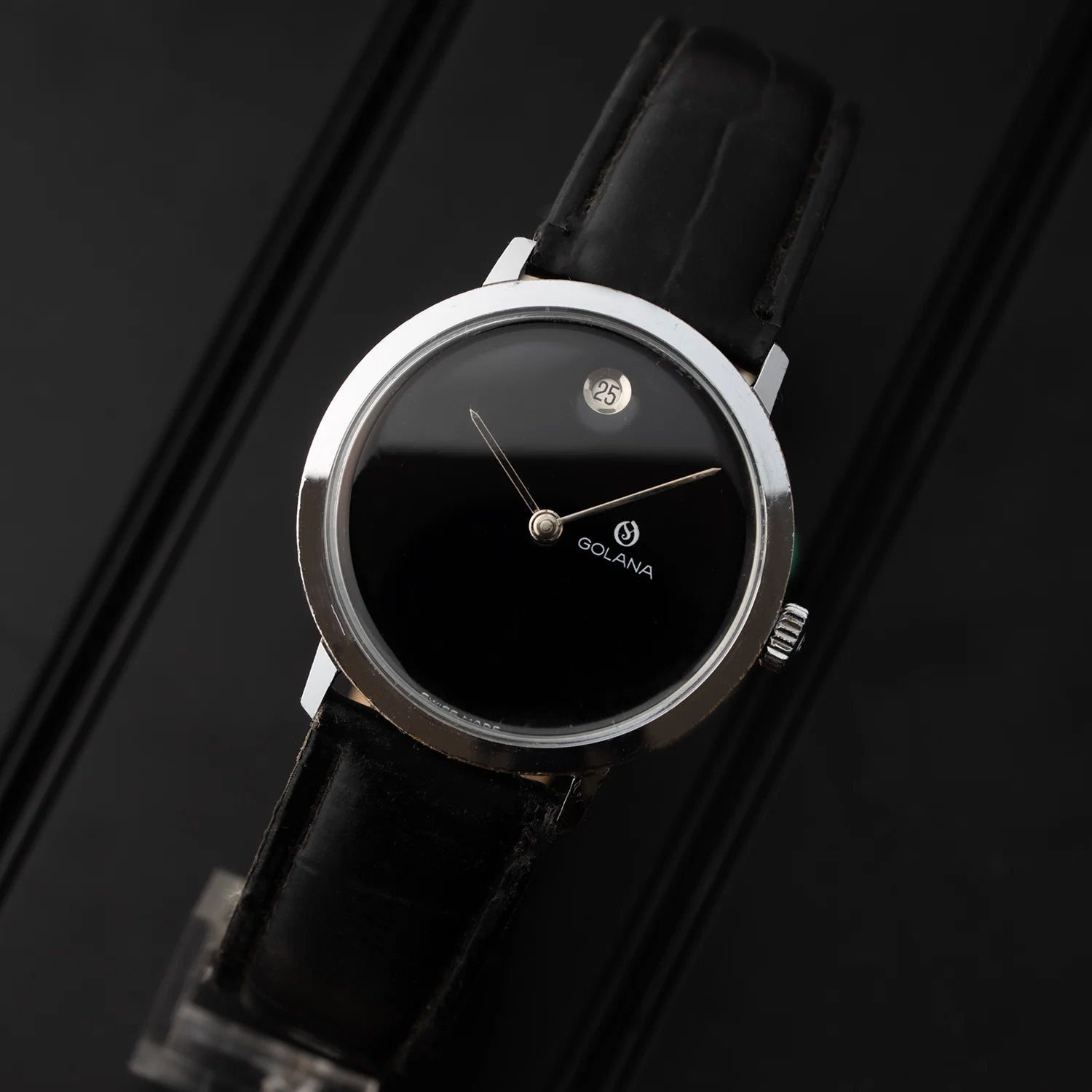
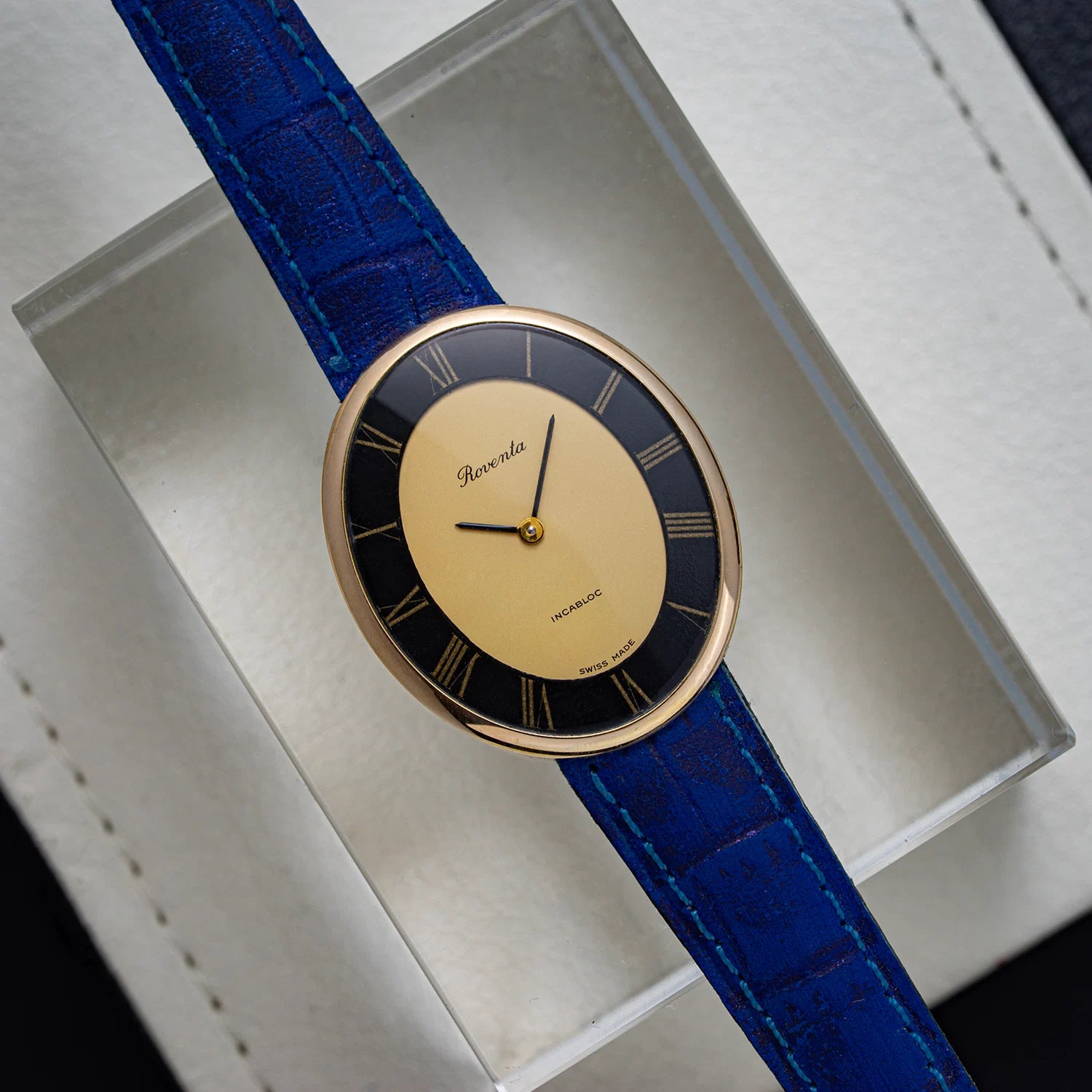
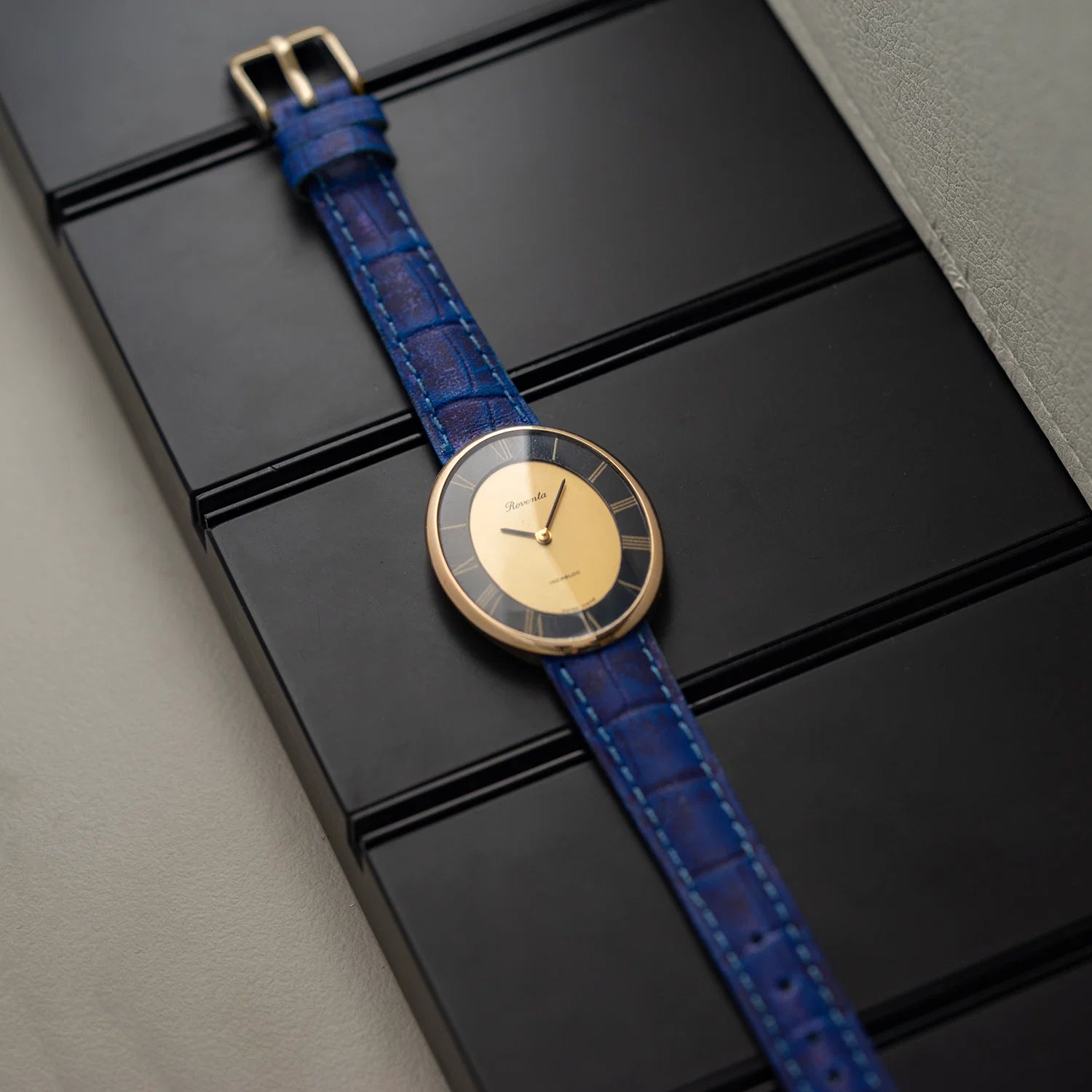


Didn’t find the reference you had in mind? Explore our vintage watches — fully serviced with a 12-month warranty.
Explore Watchmaking Across Eras
Discover More Vintage Watch Collections
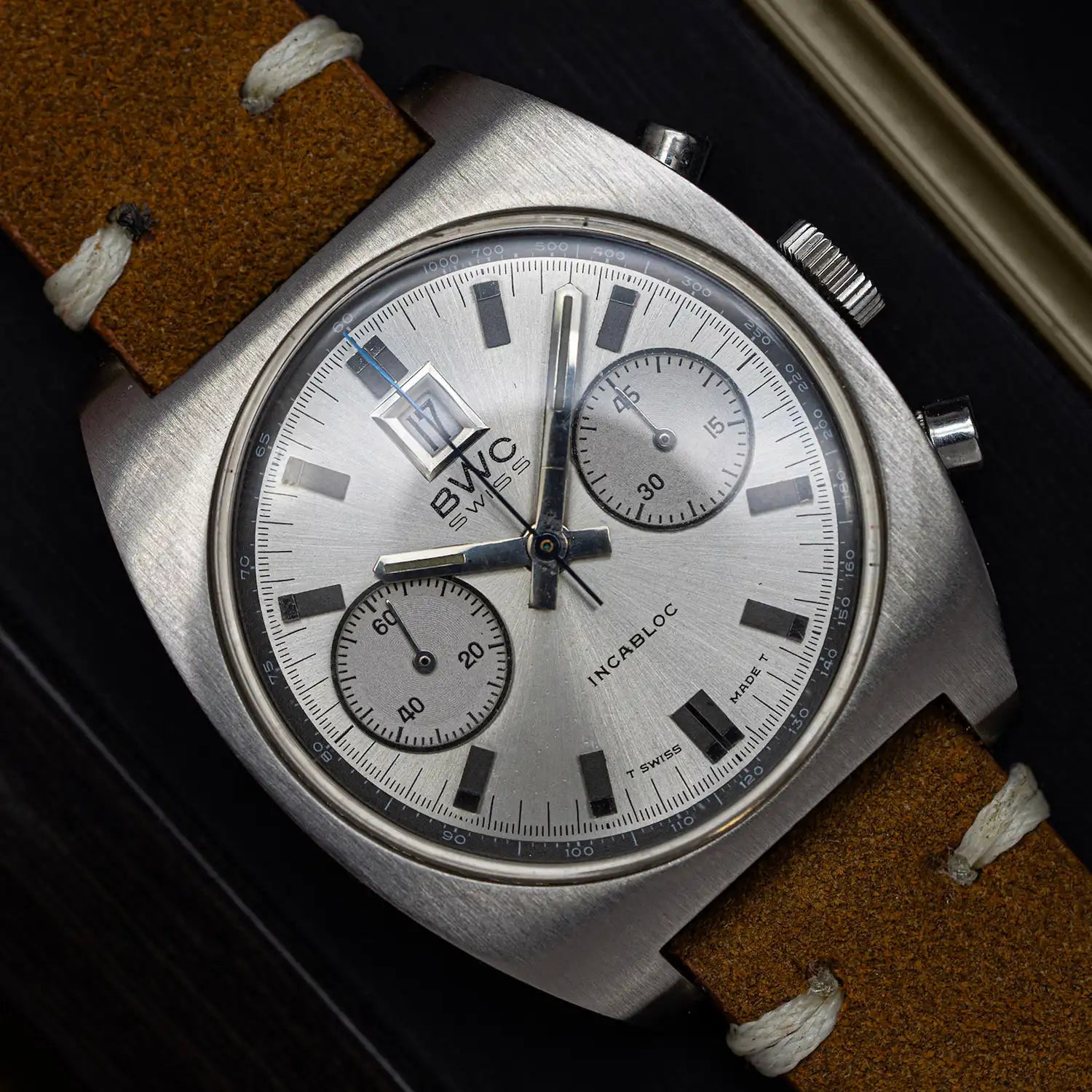


1970s Watch Design: From Traditional Cases to Bold New Shapes
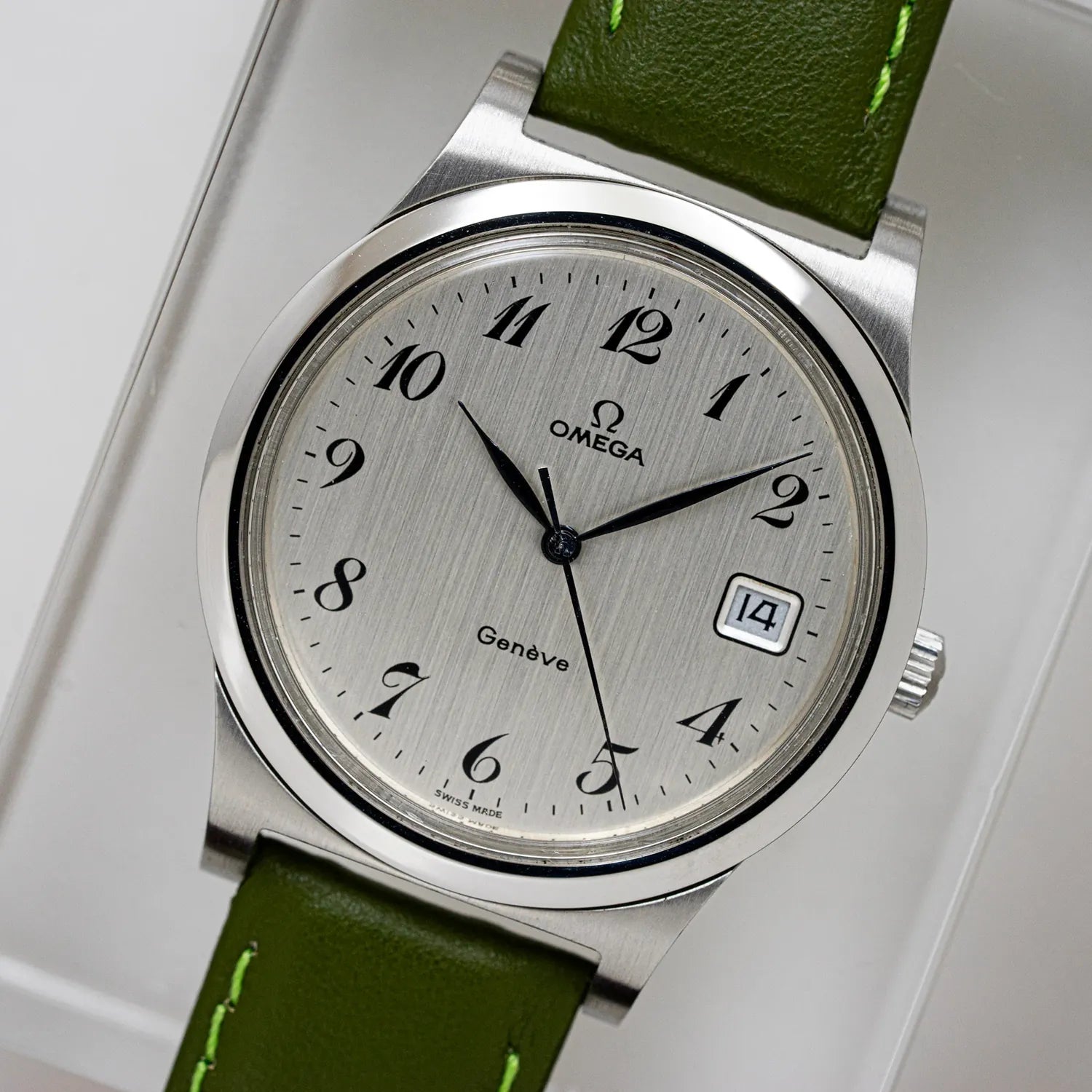
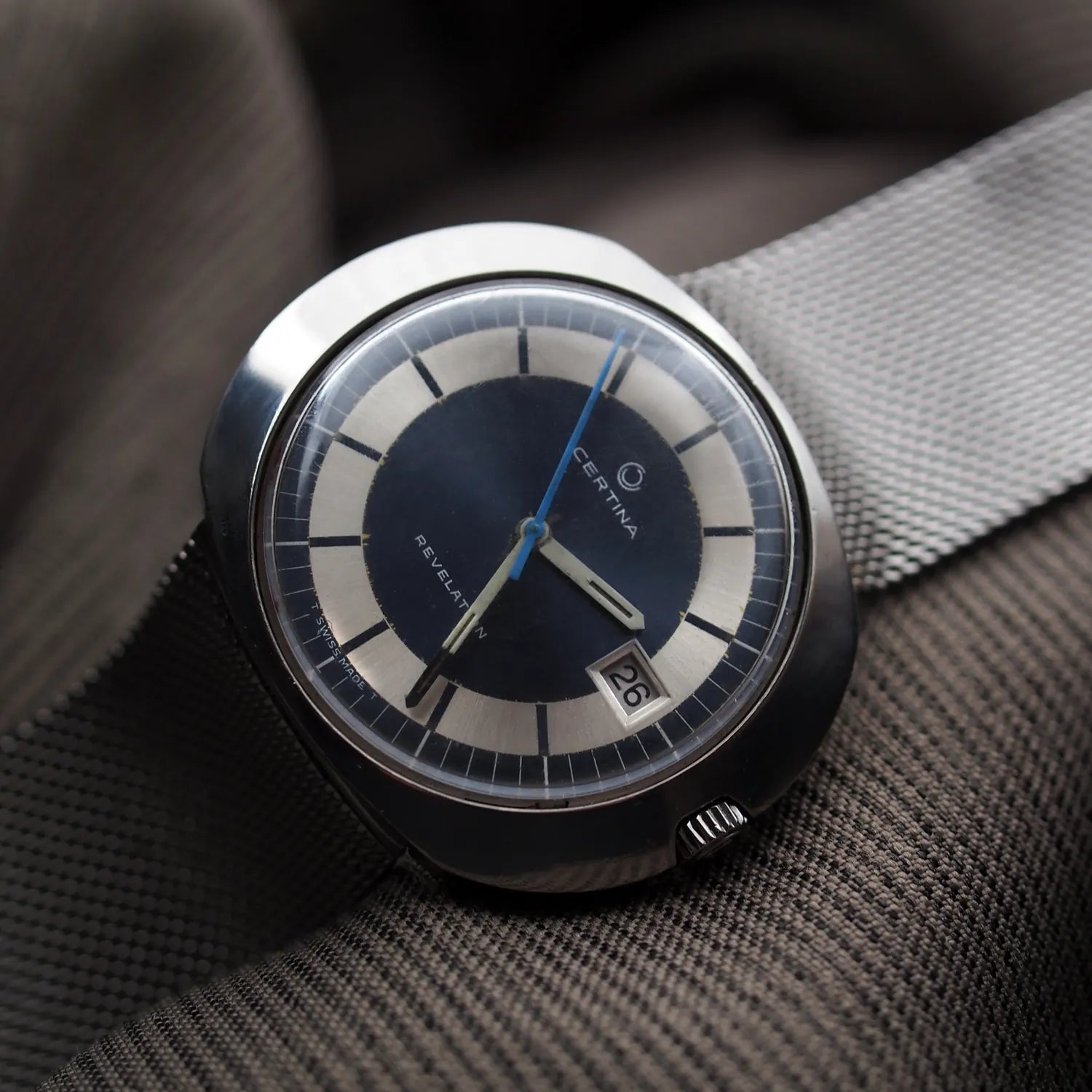
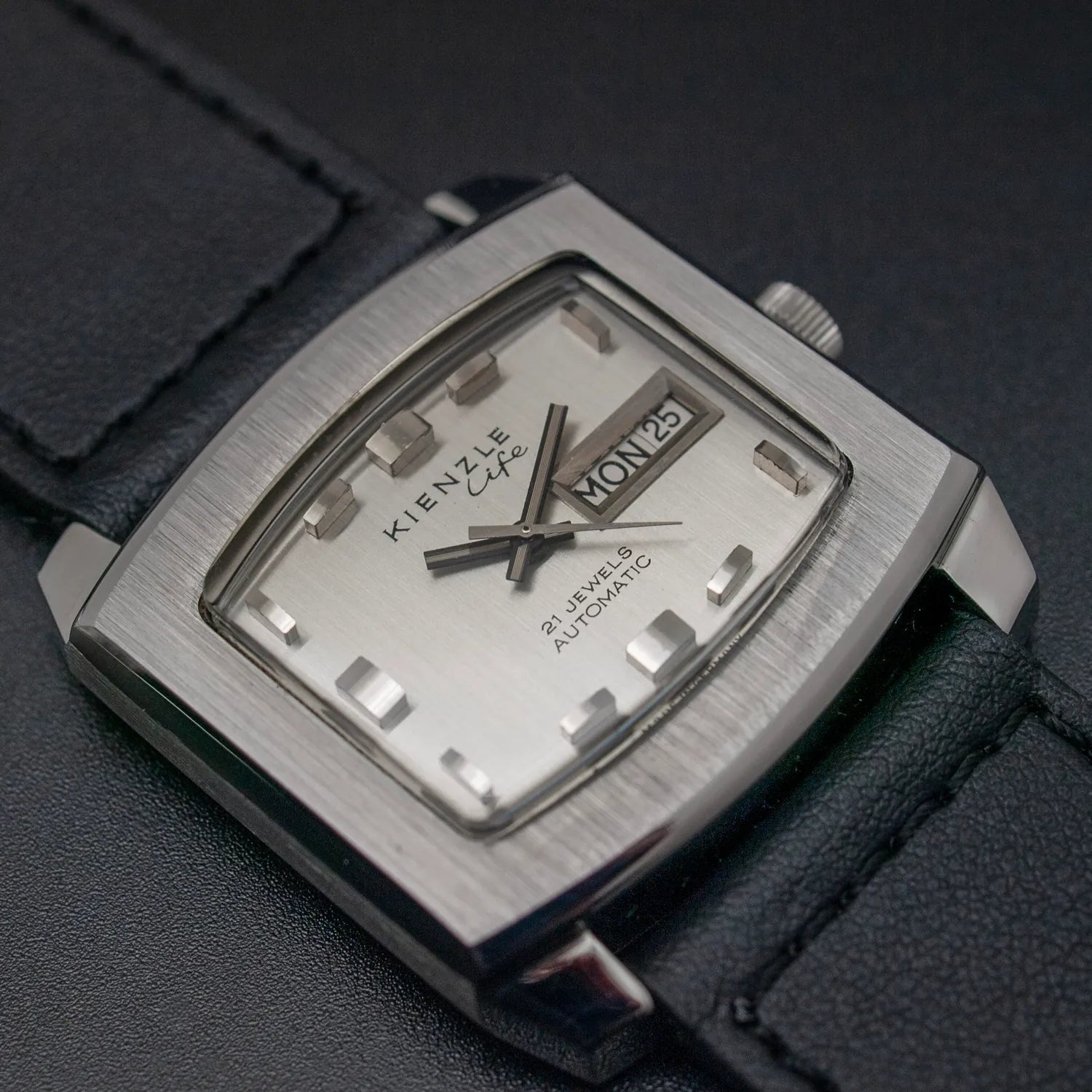
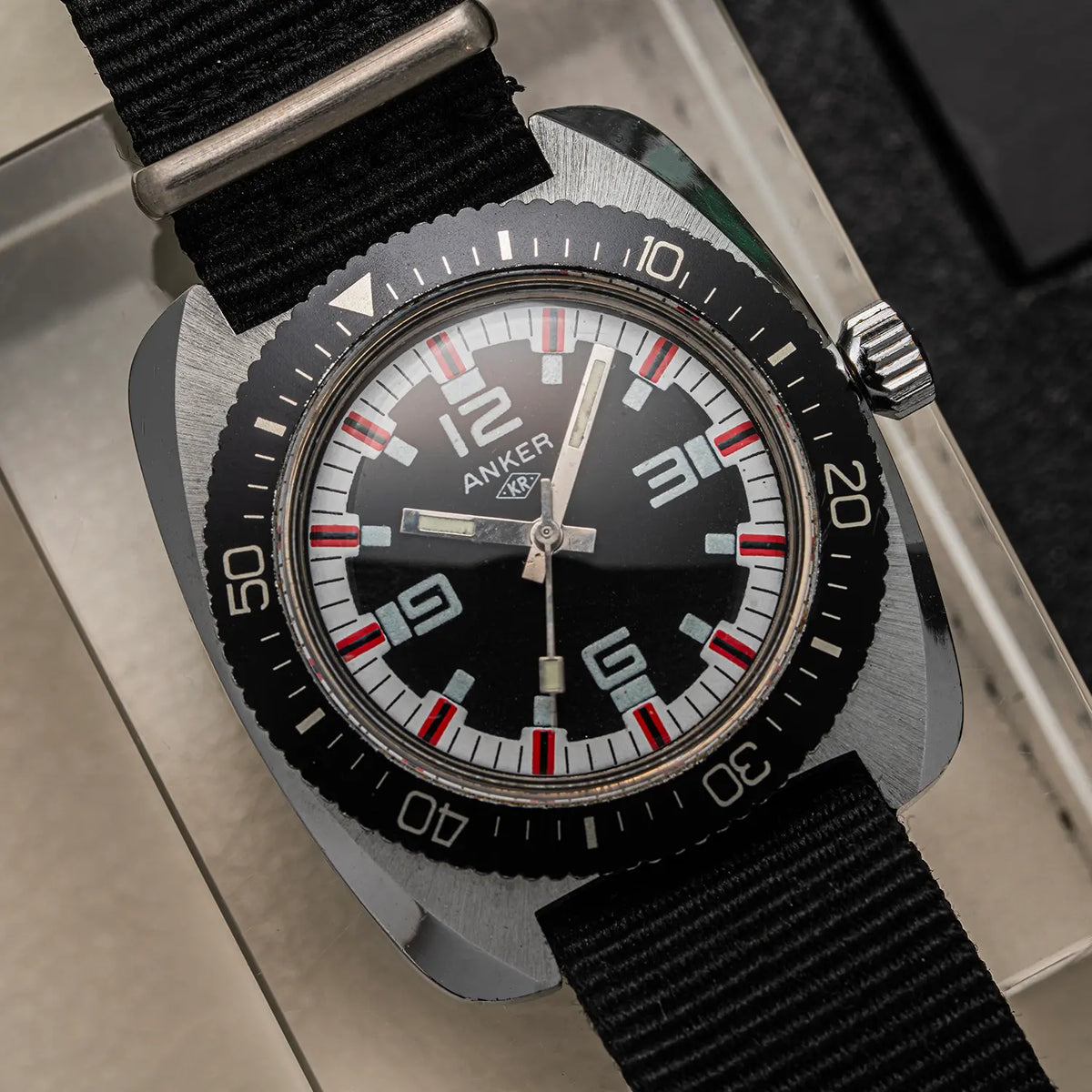
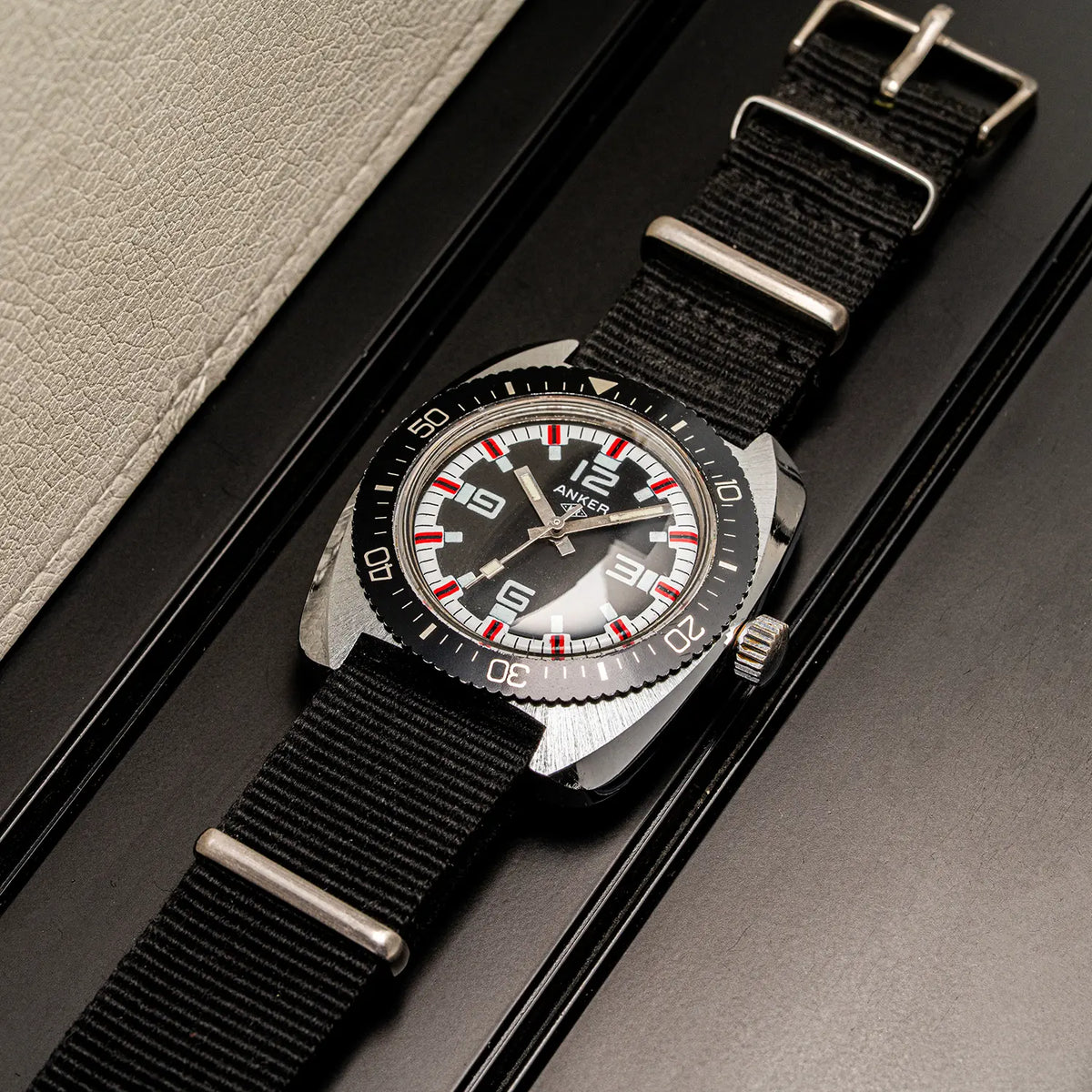
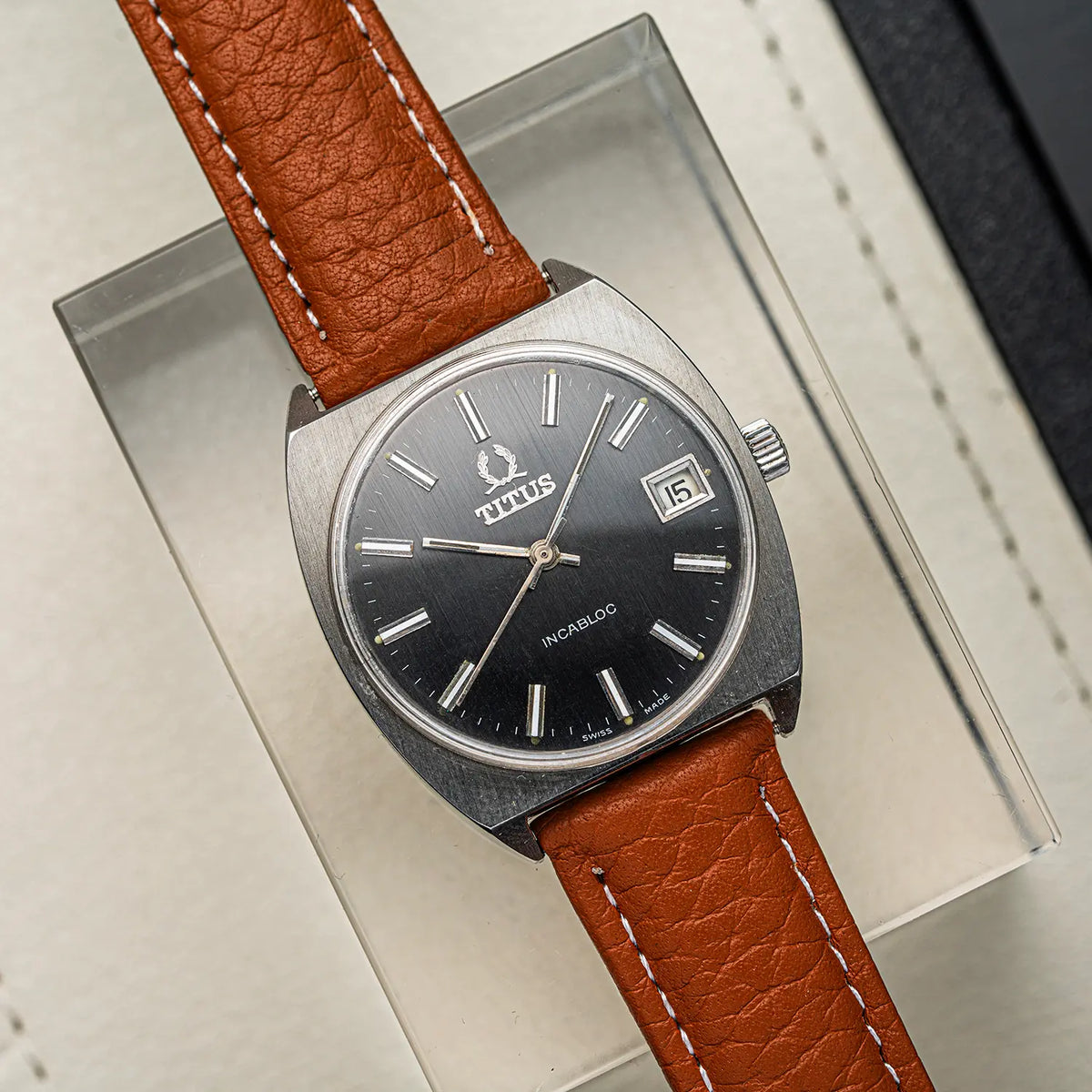
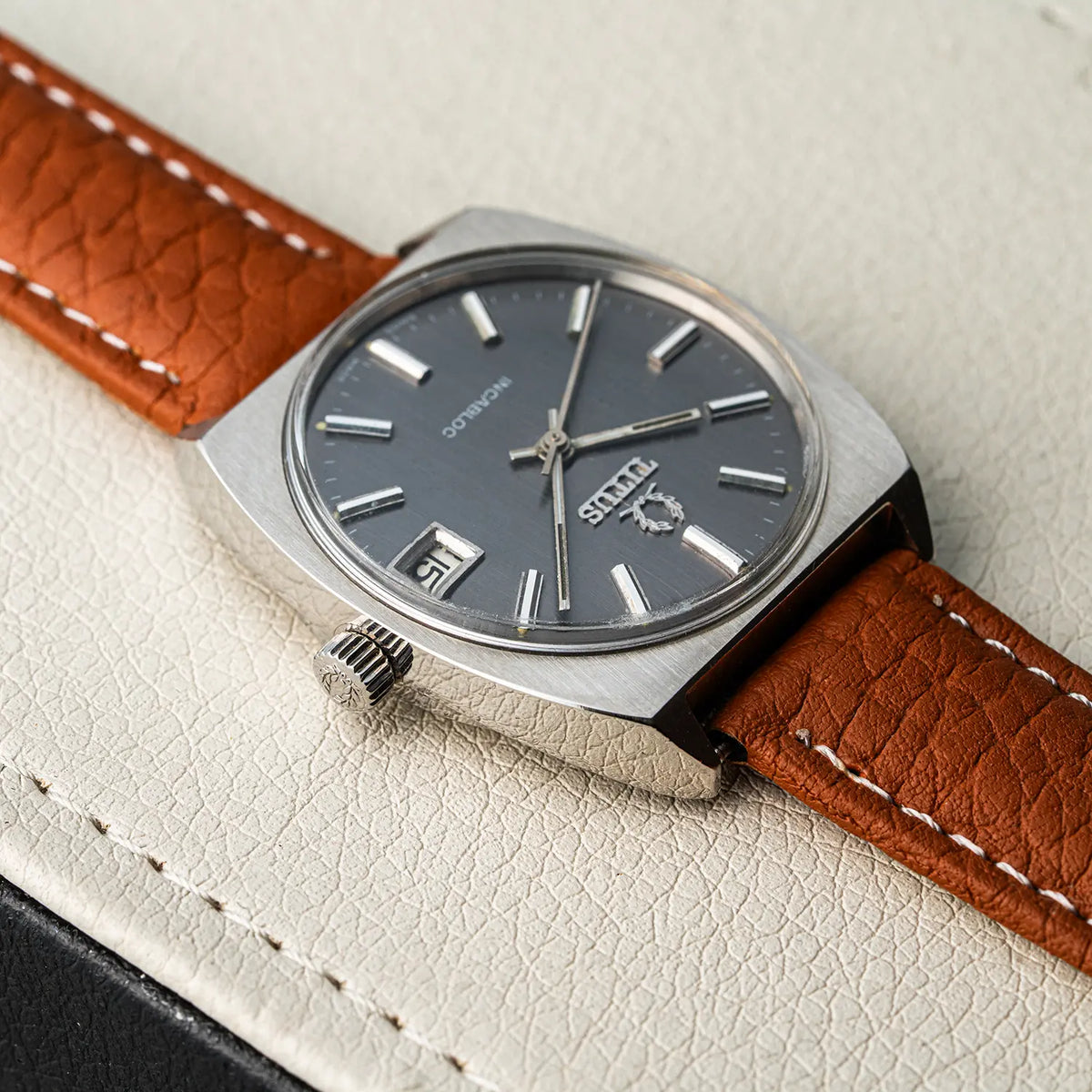
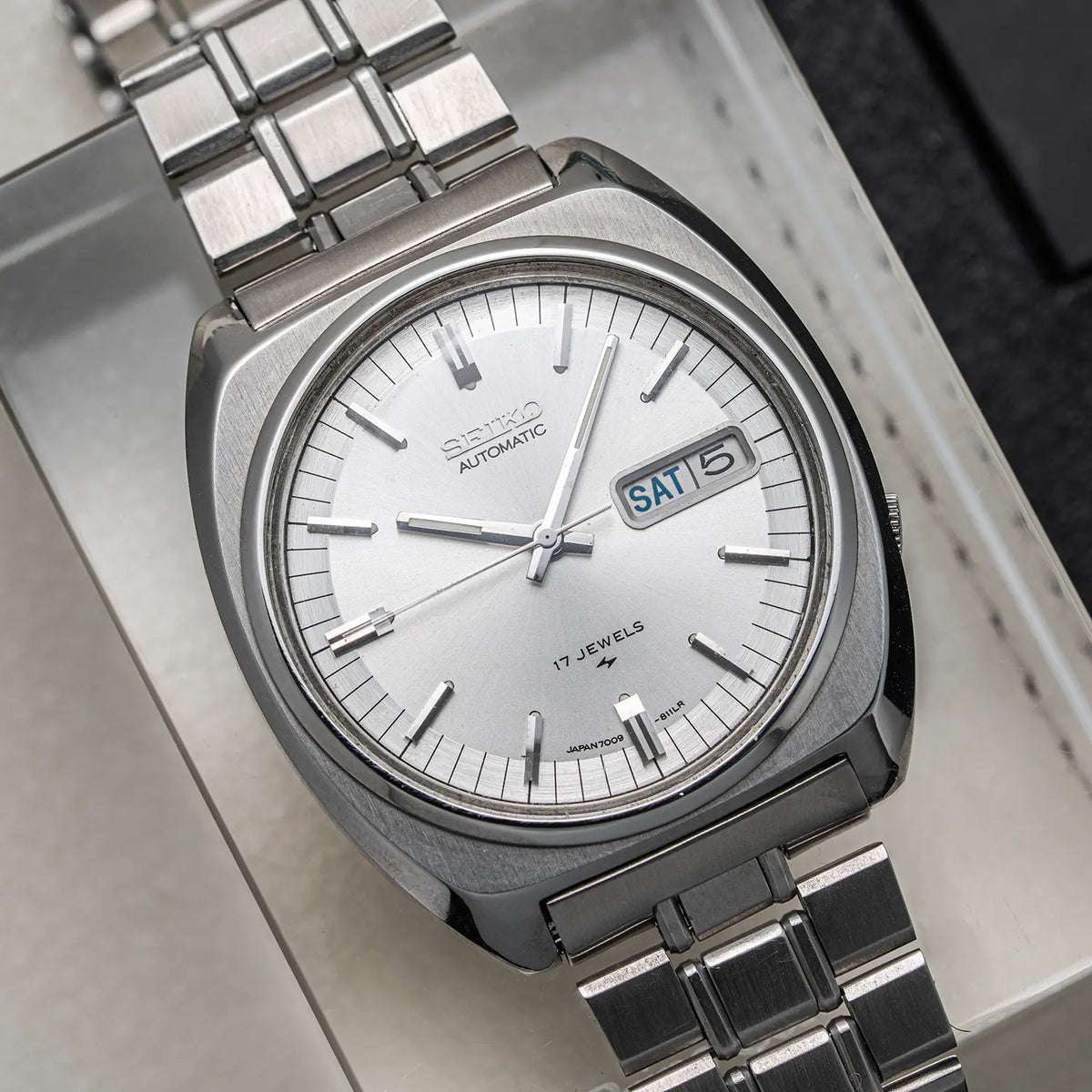
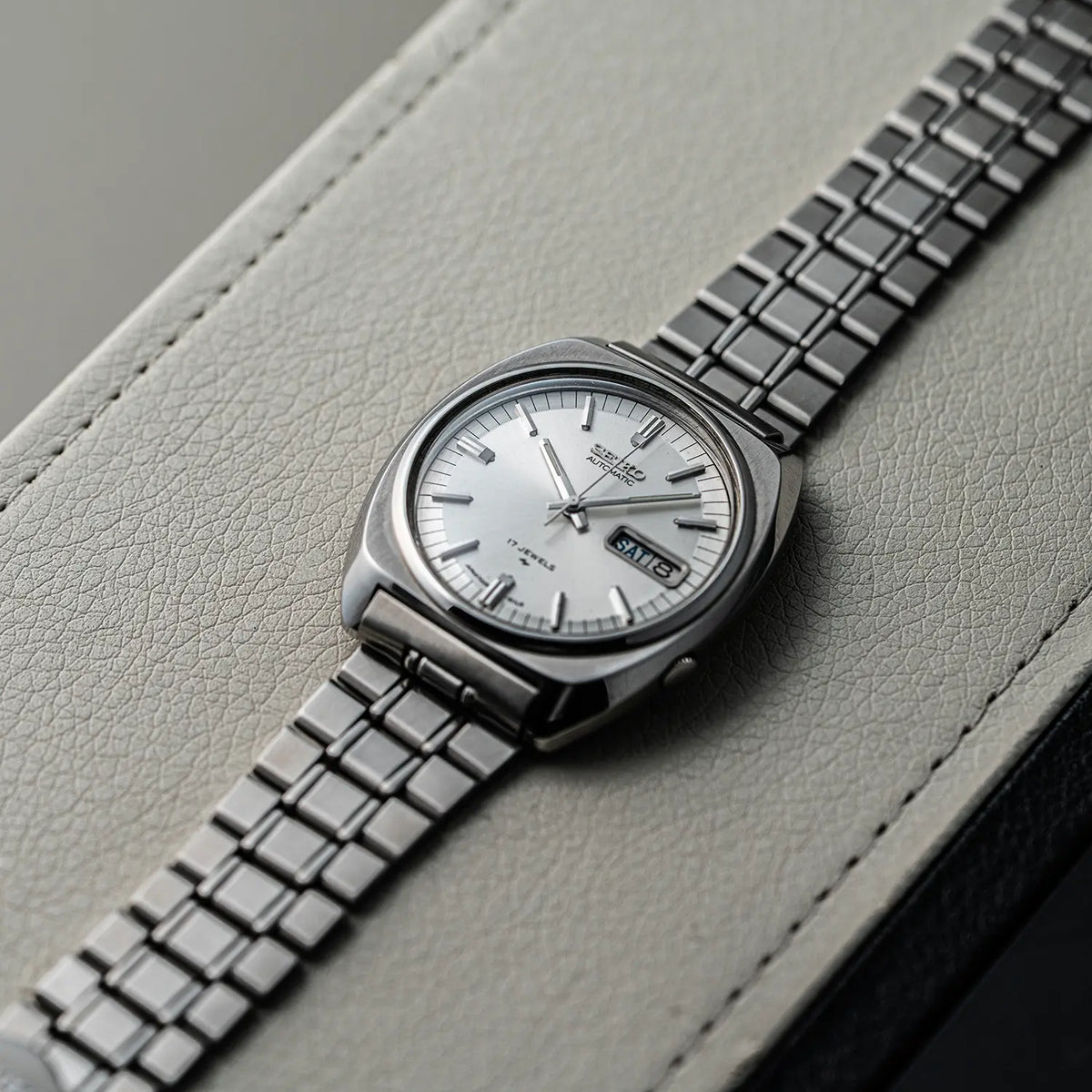
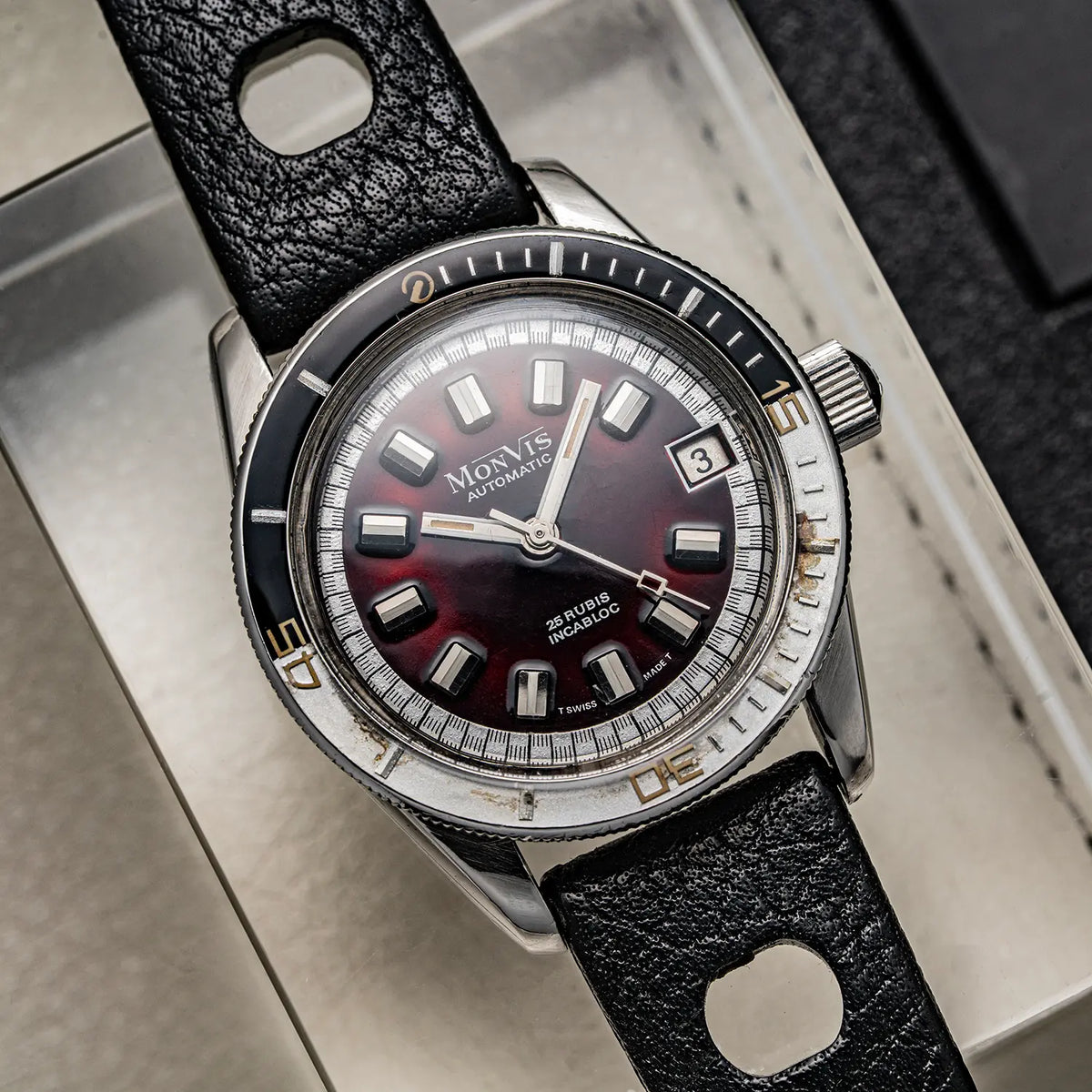
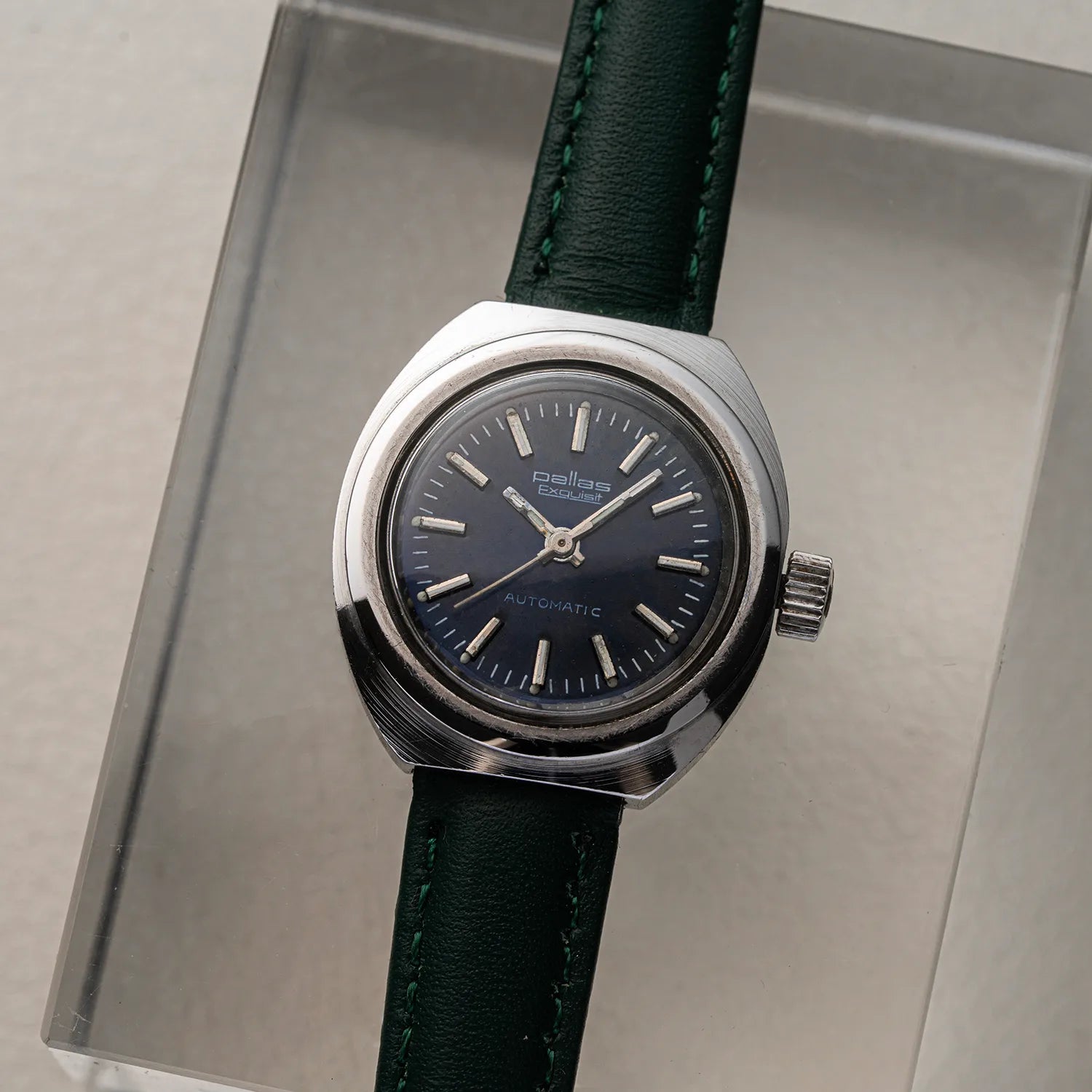
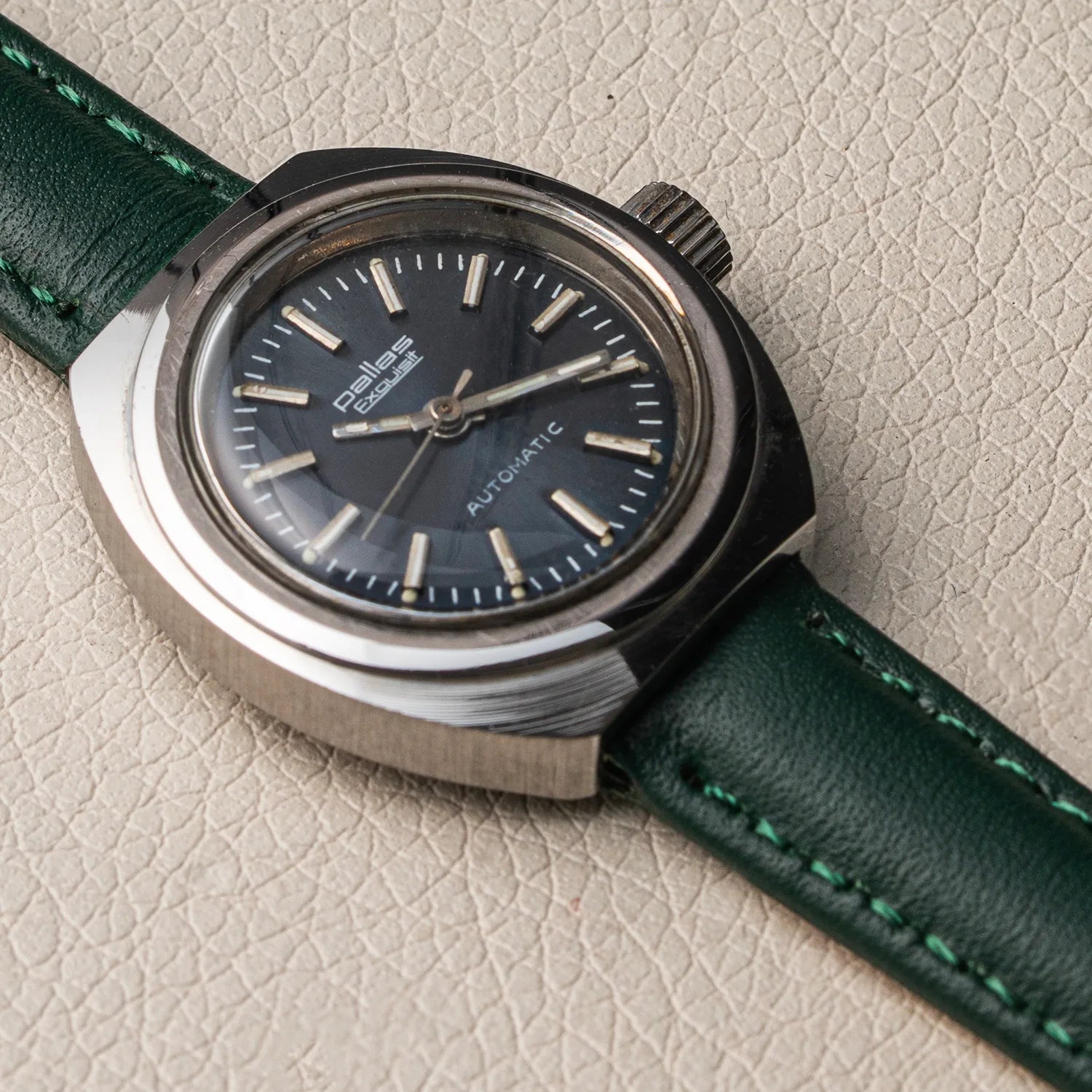
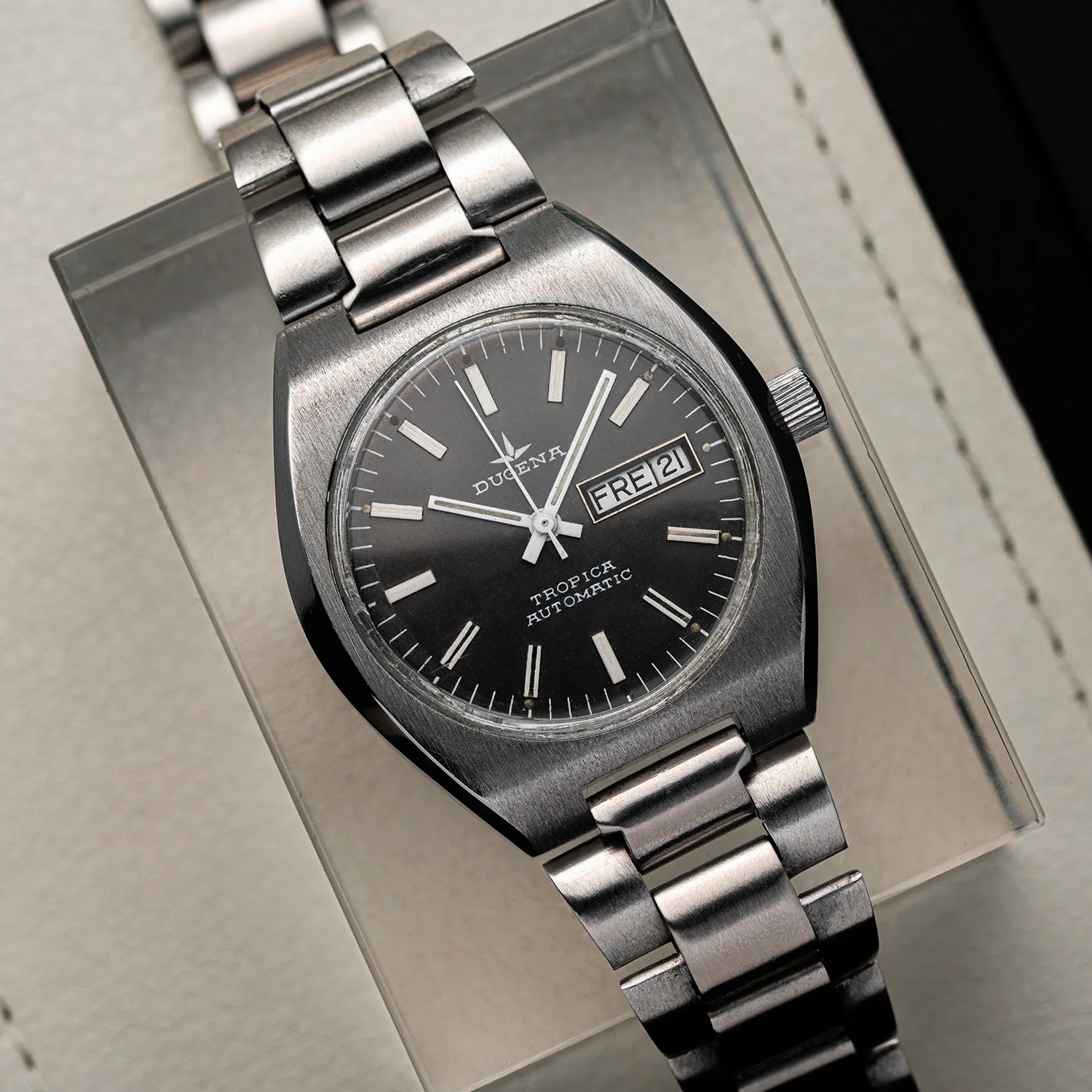
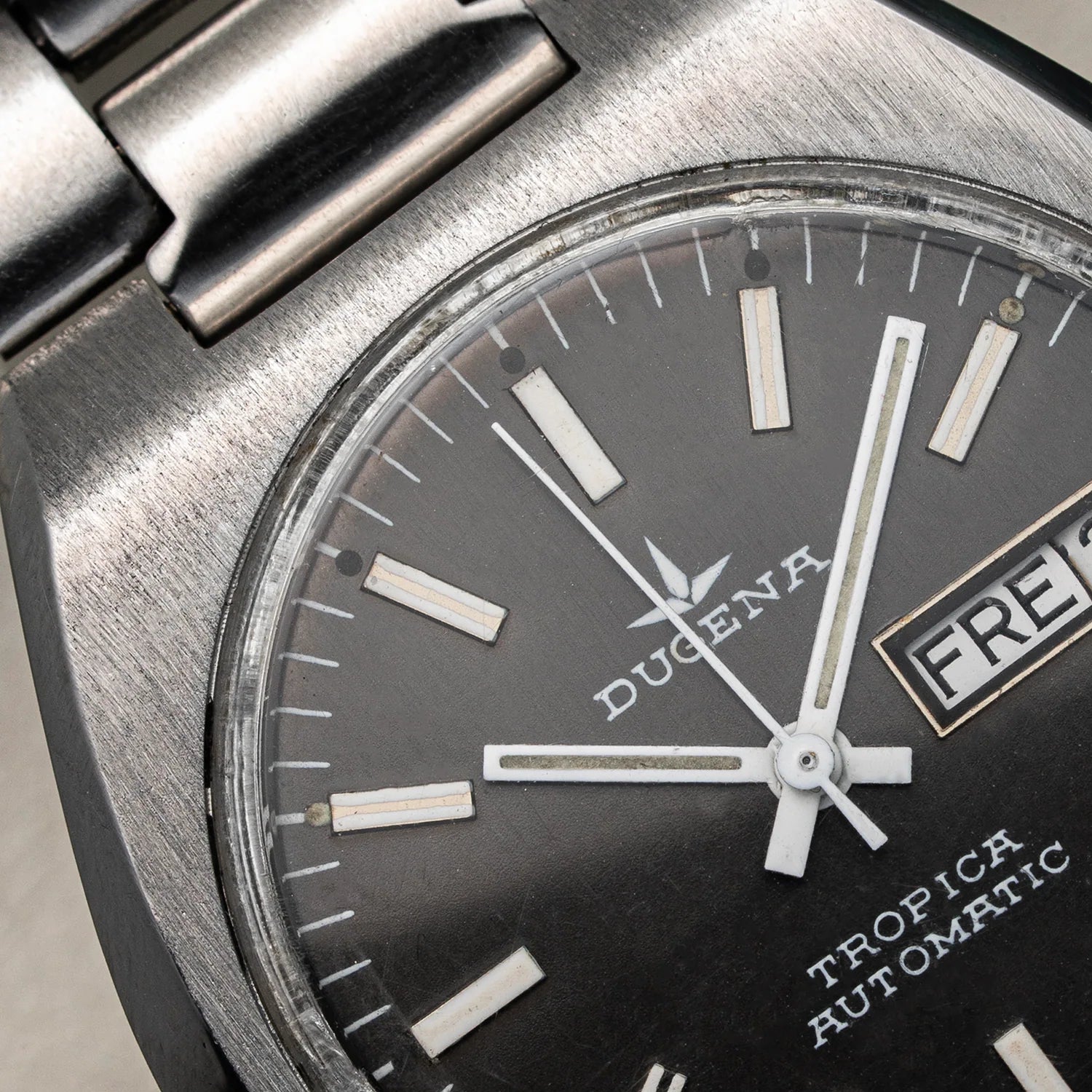
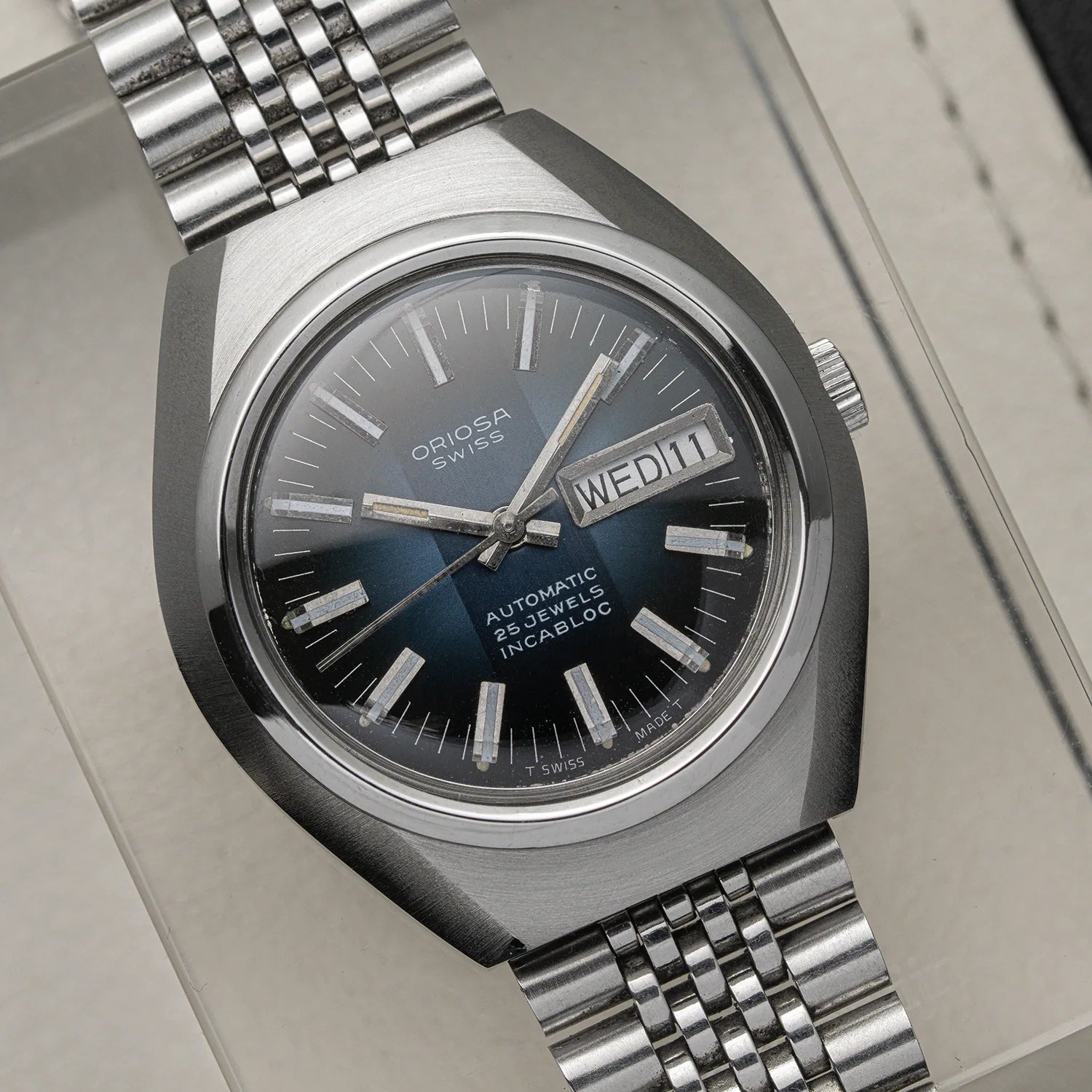
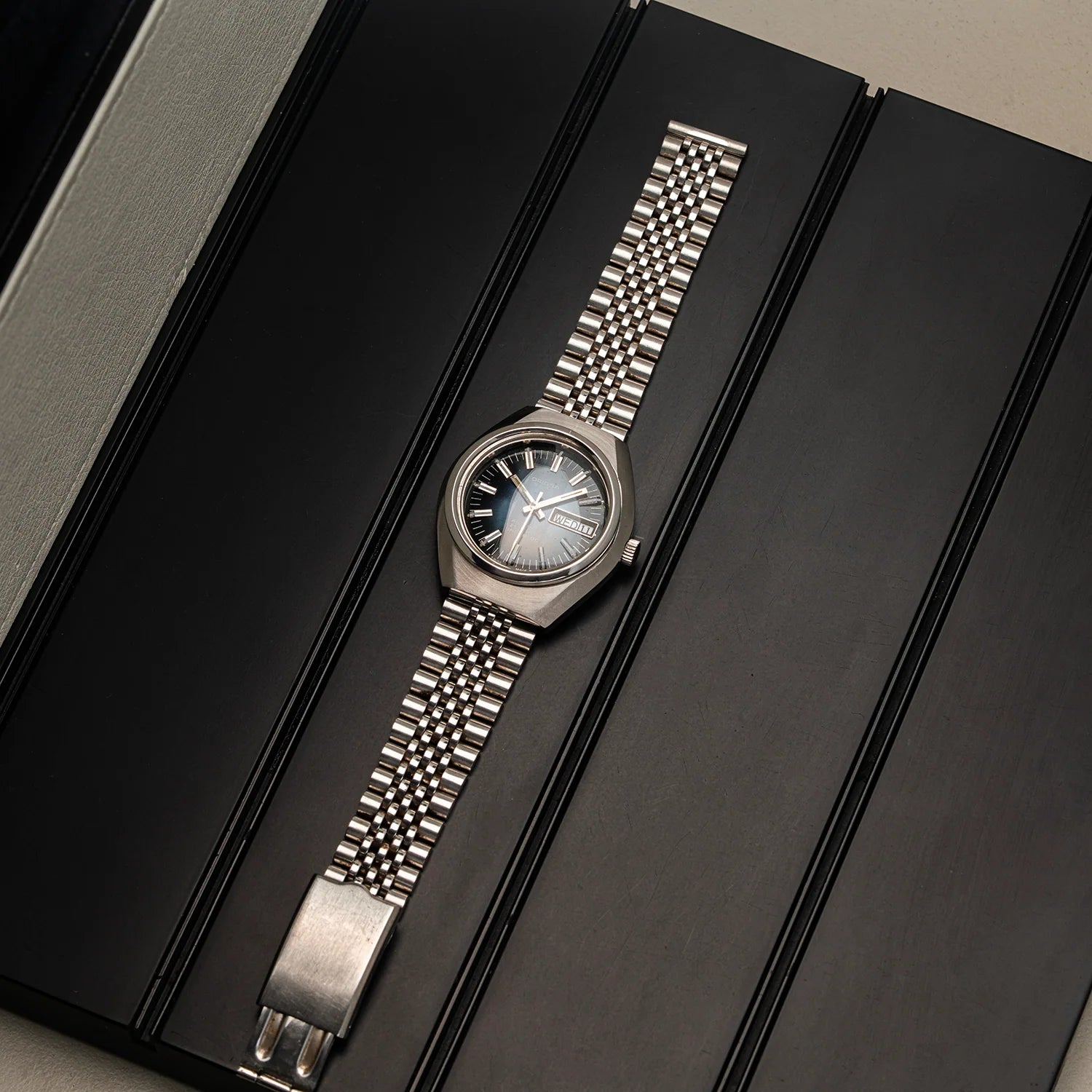
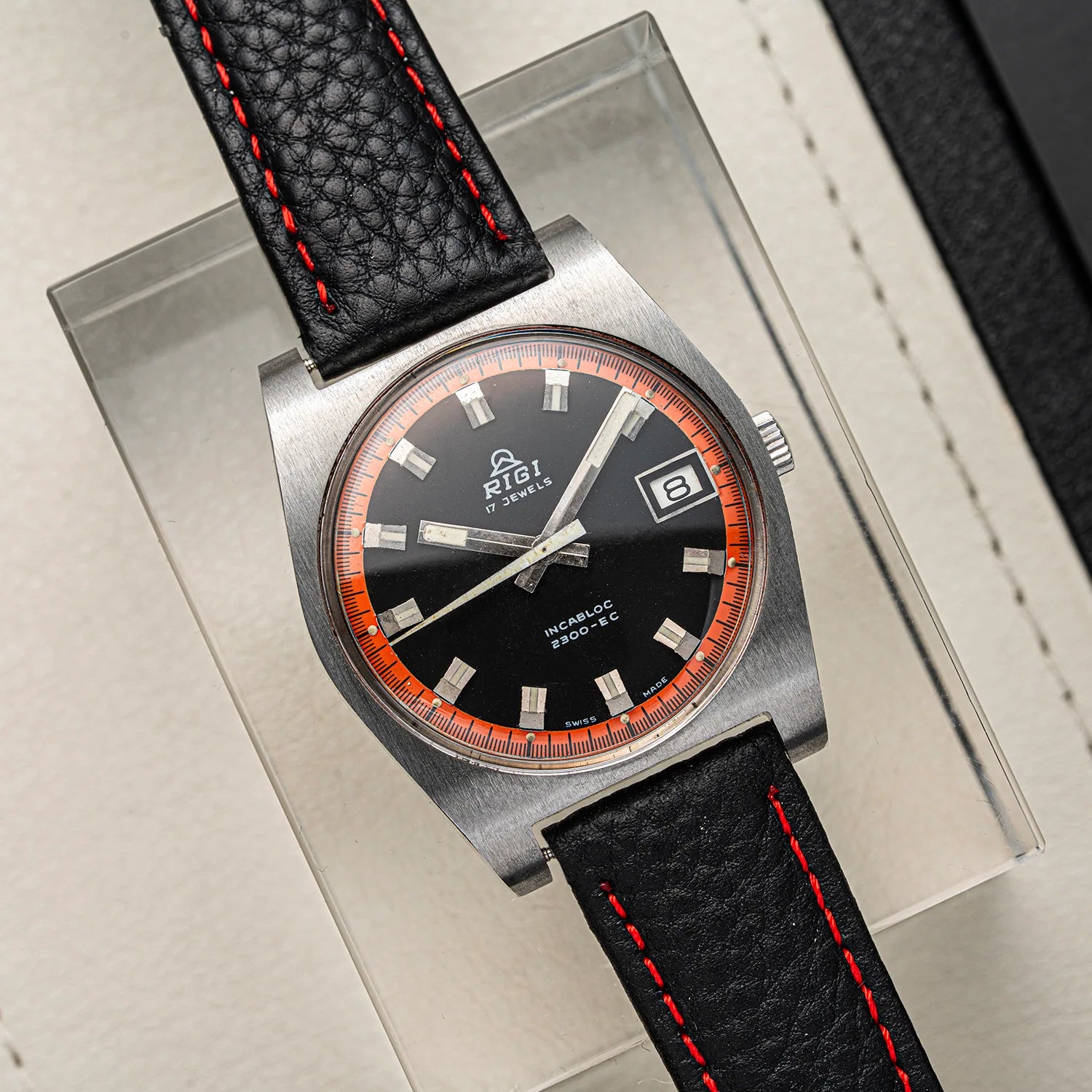
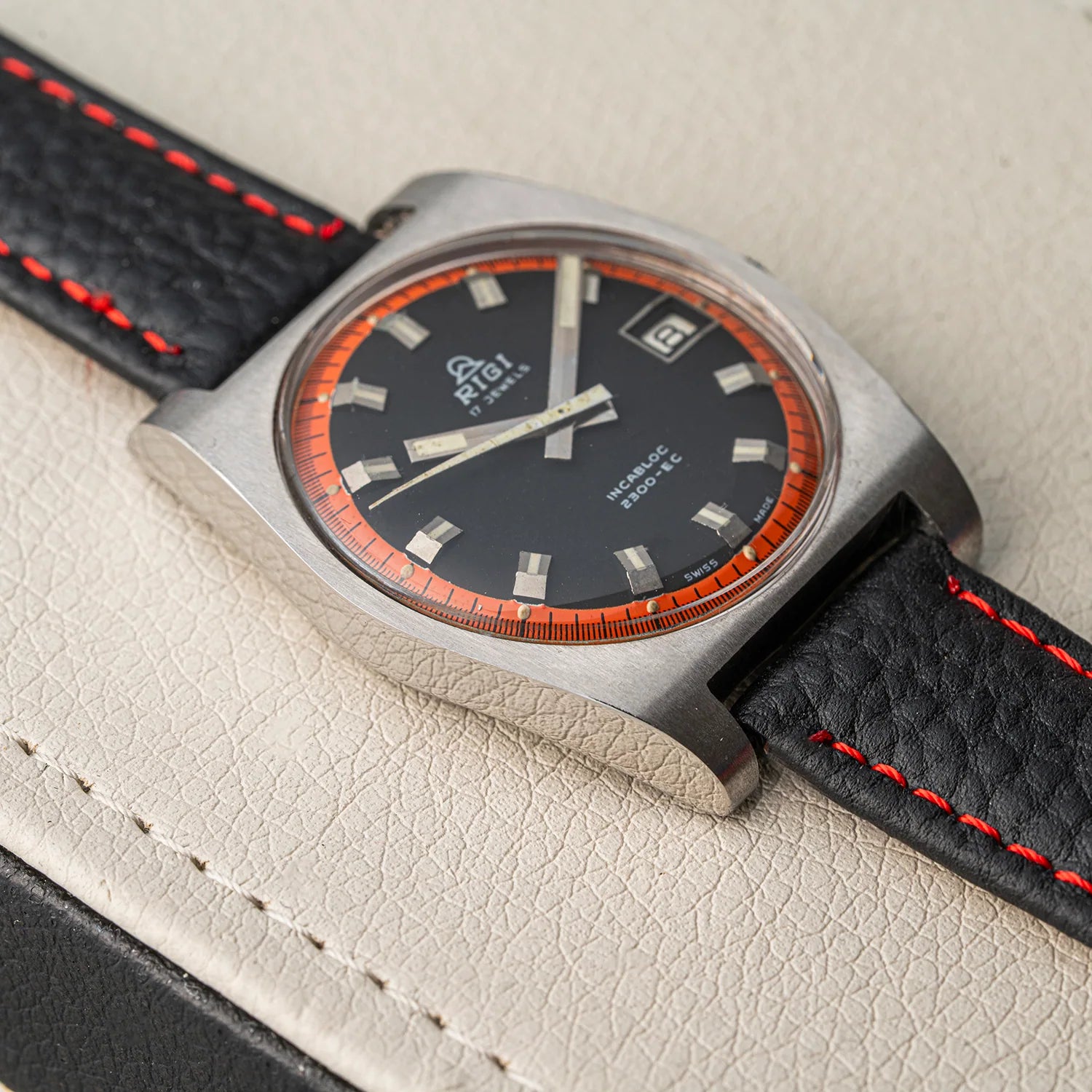
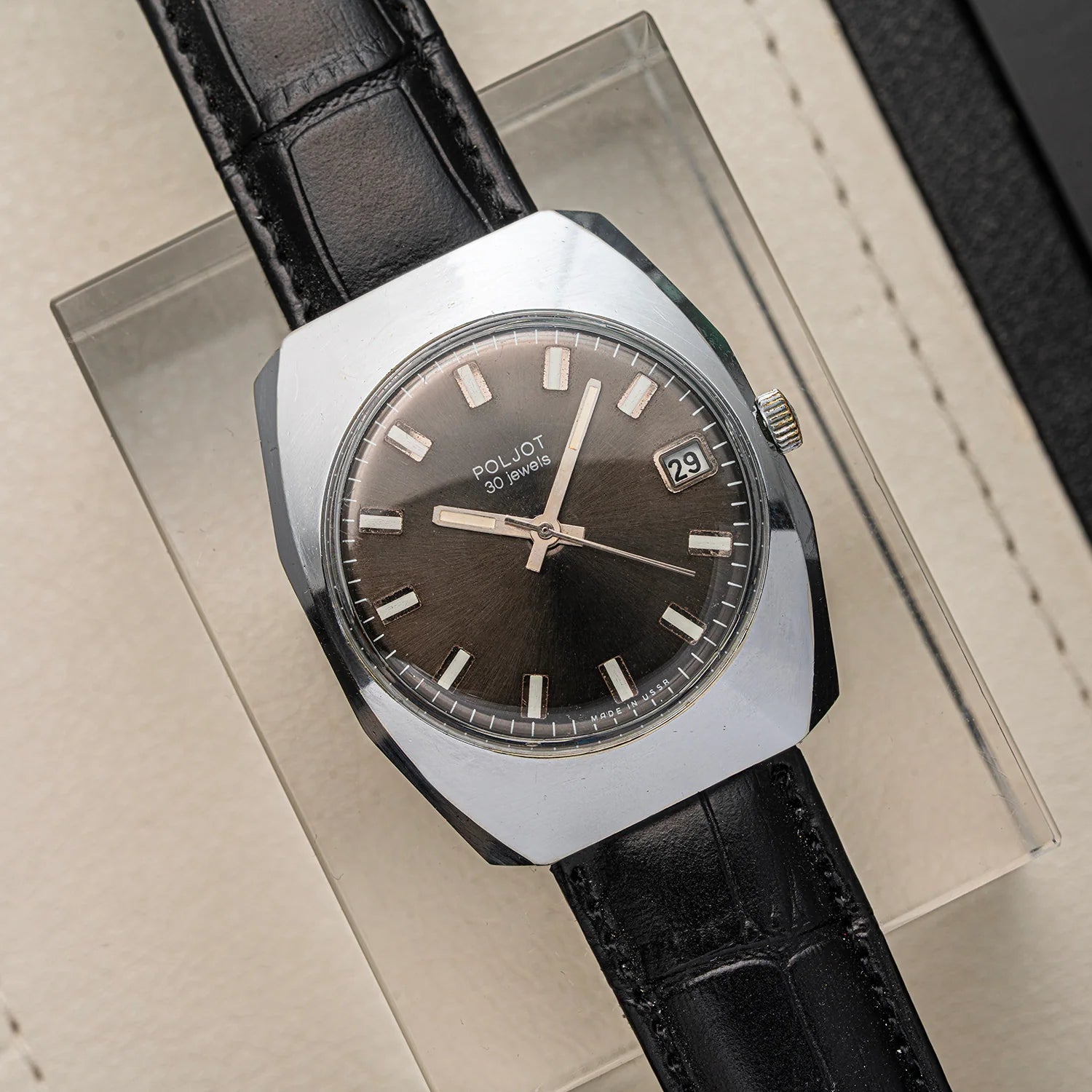
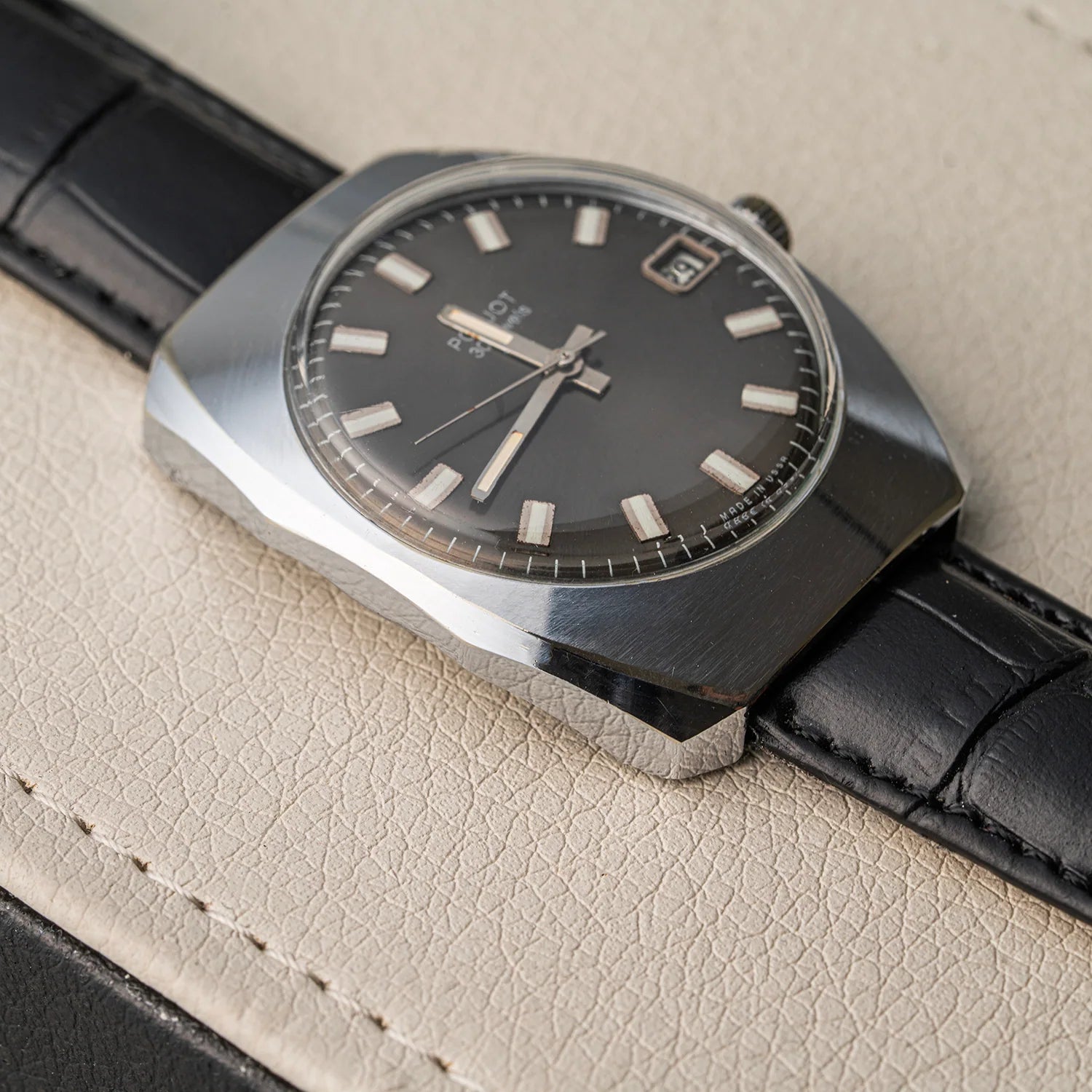
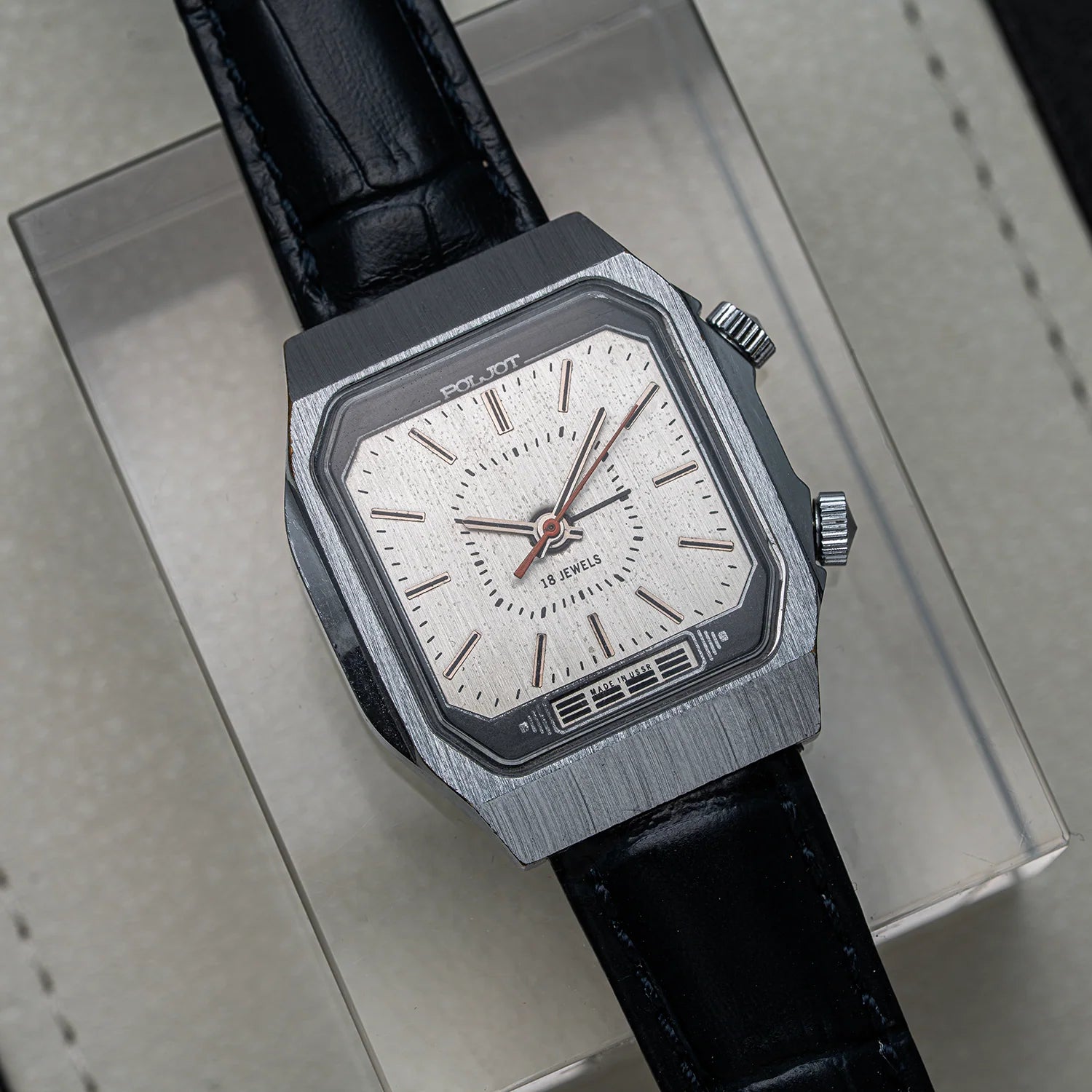
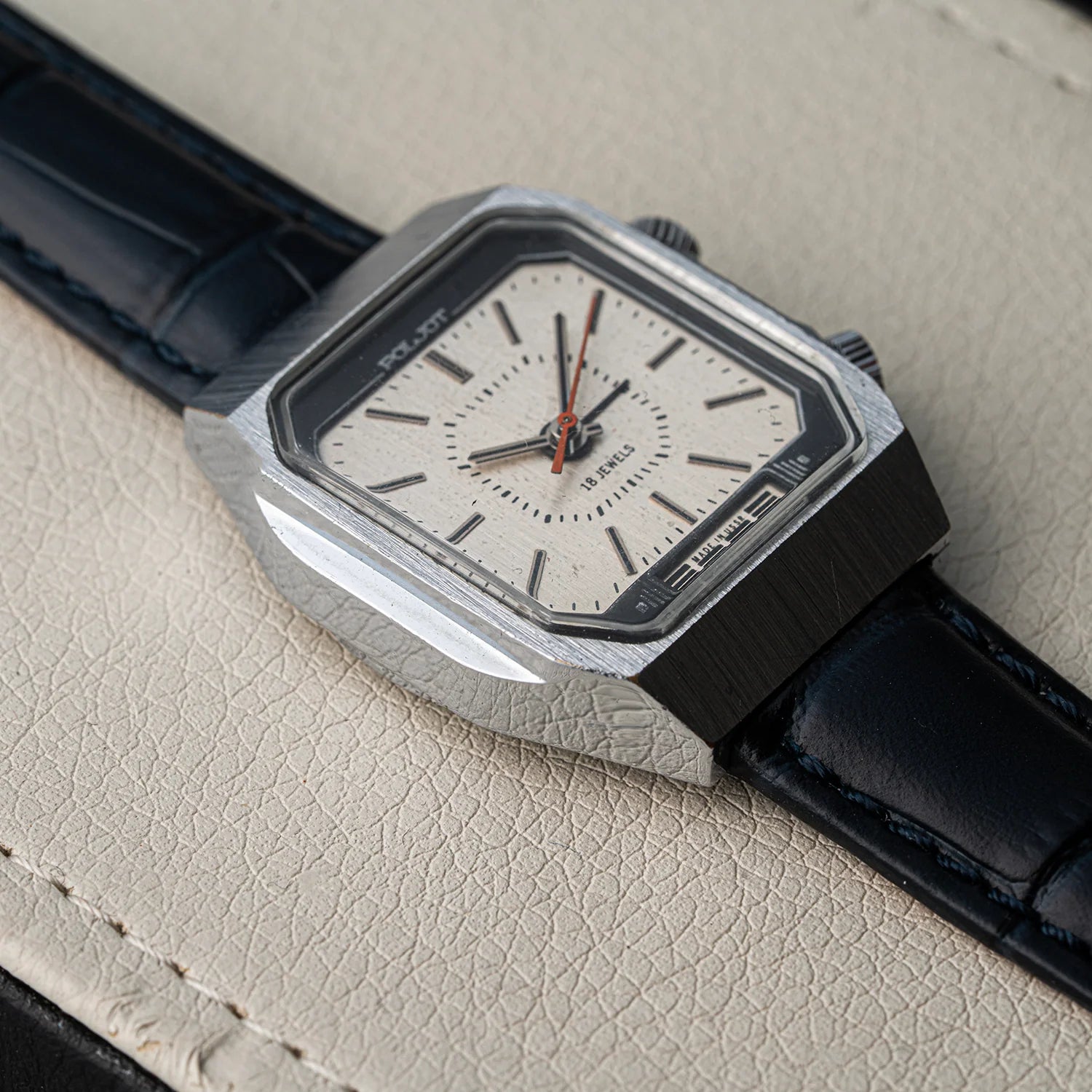
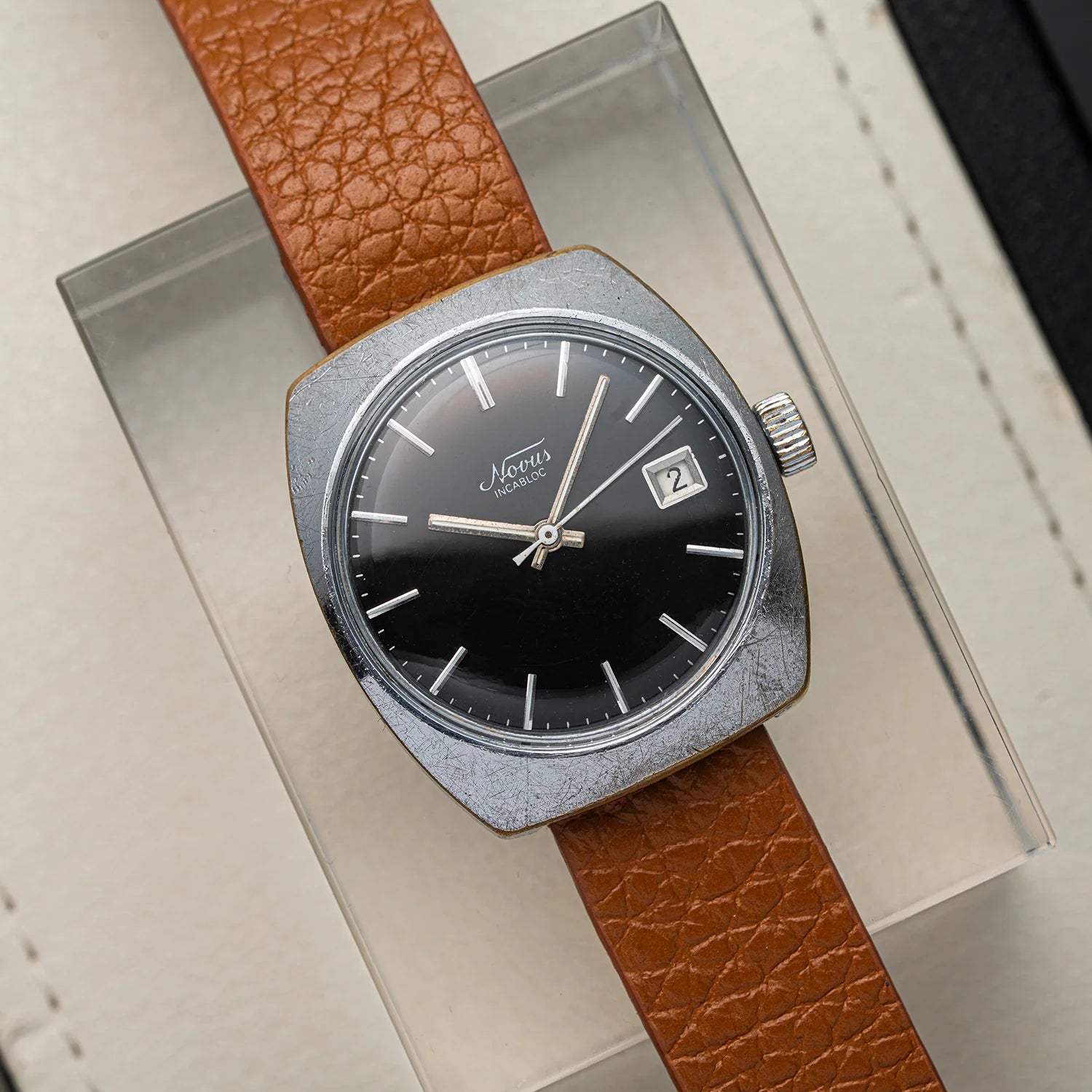
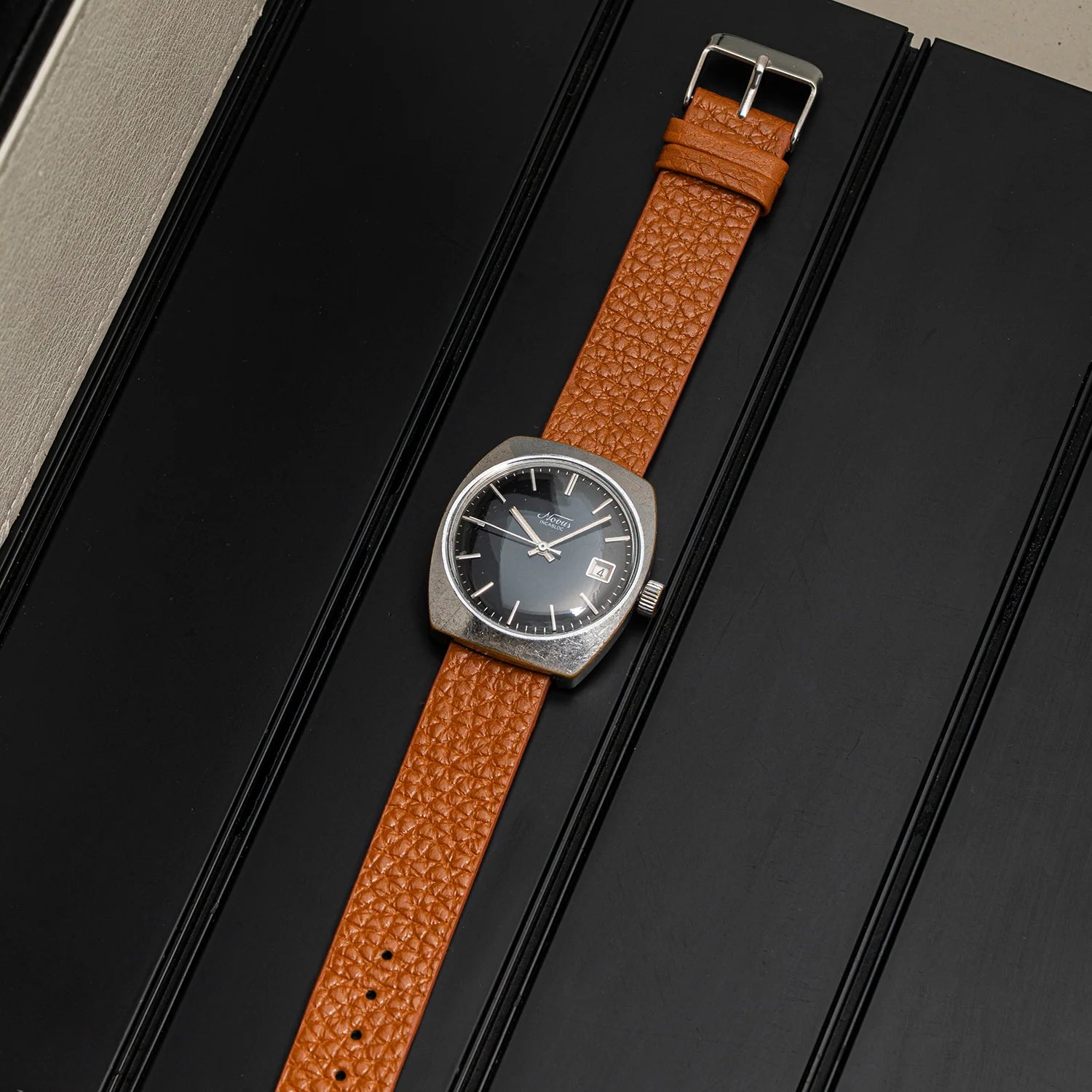
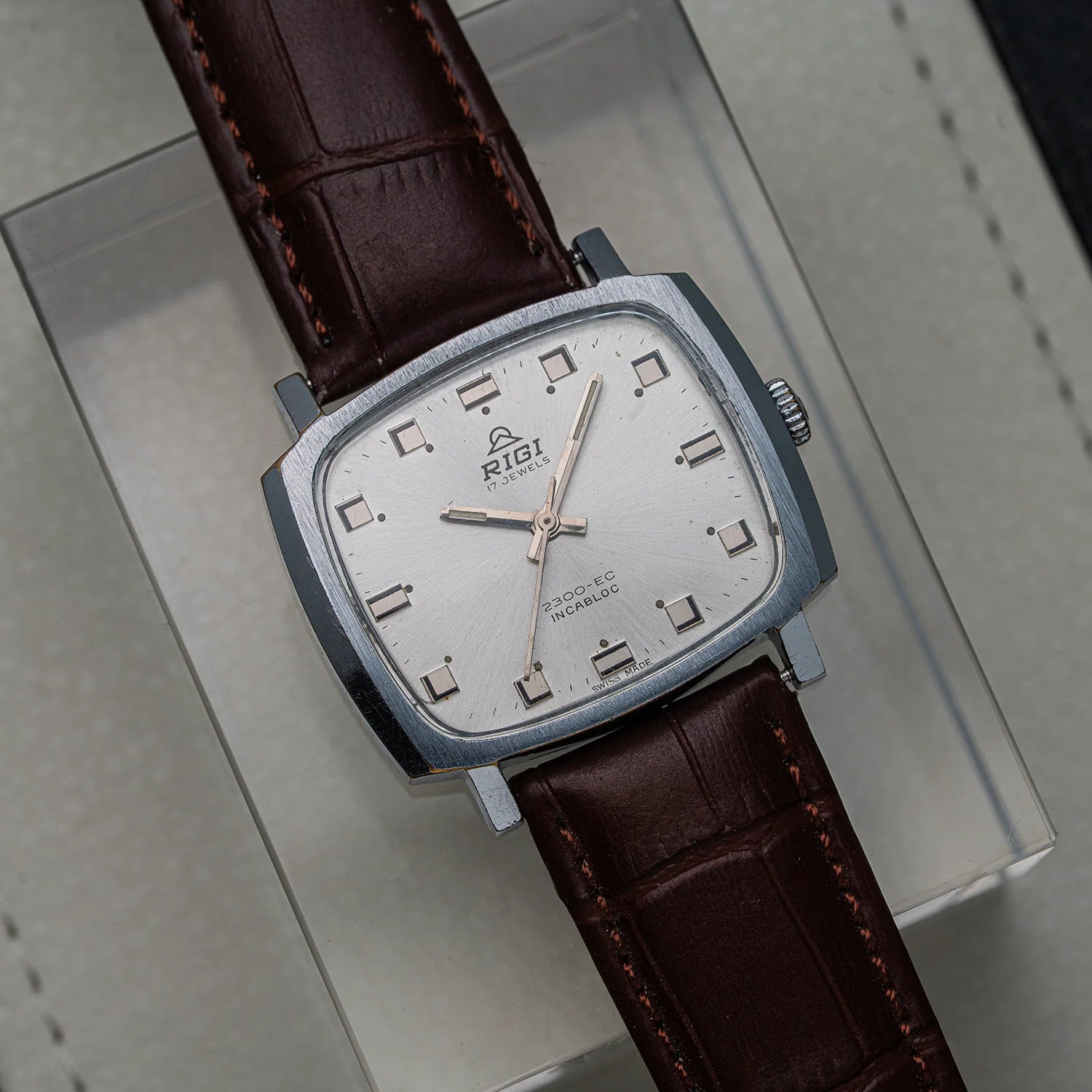
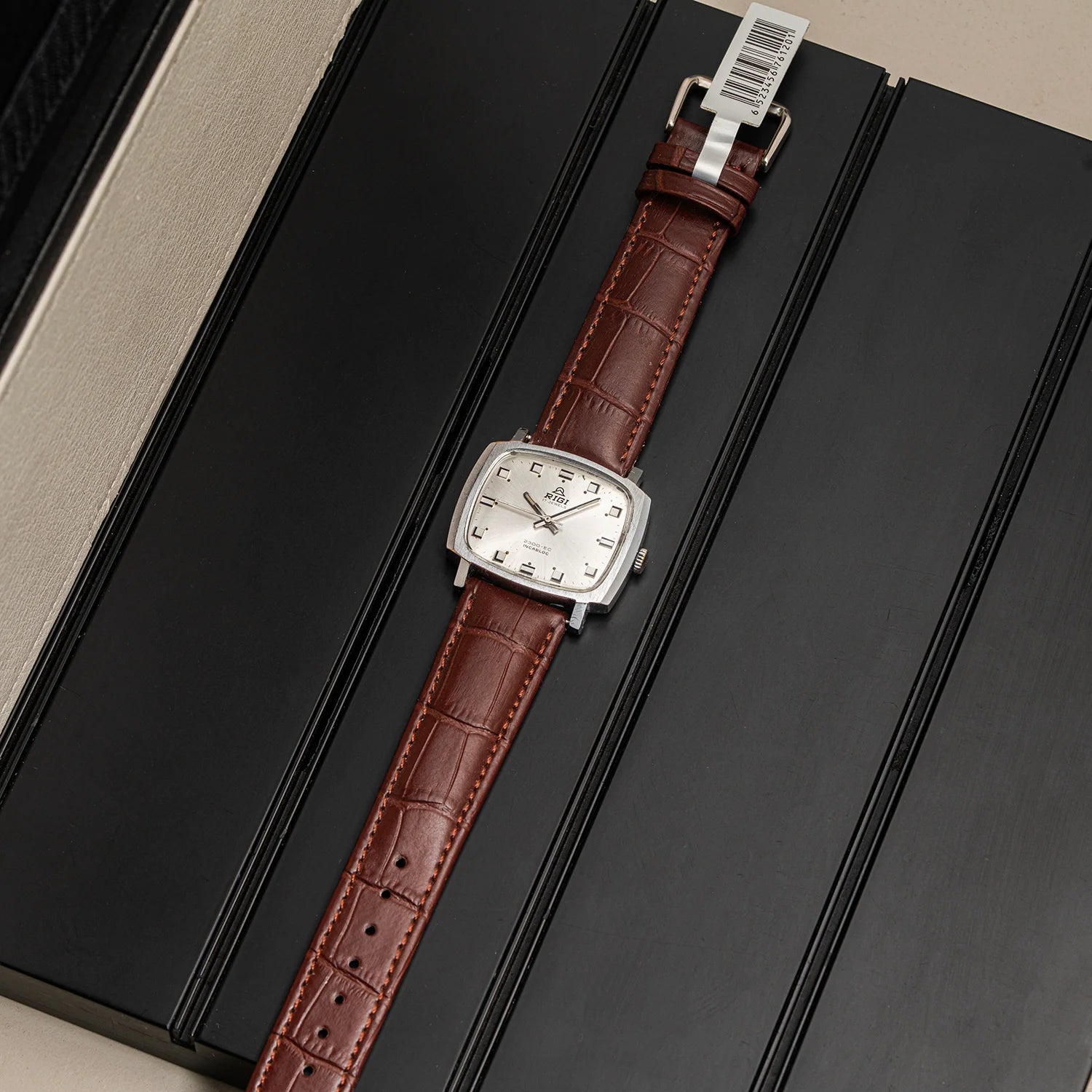
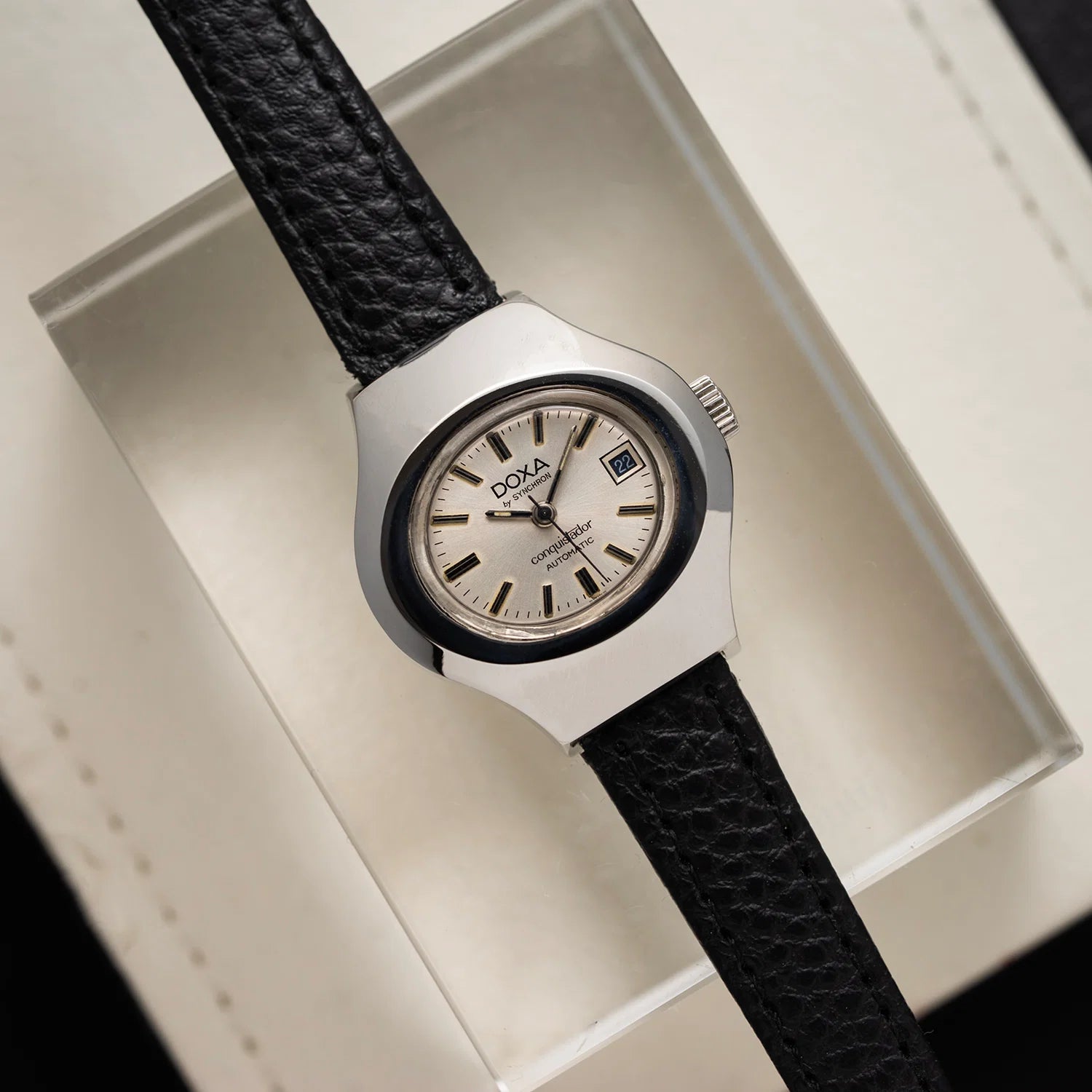
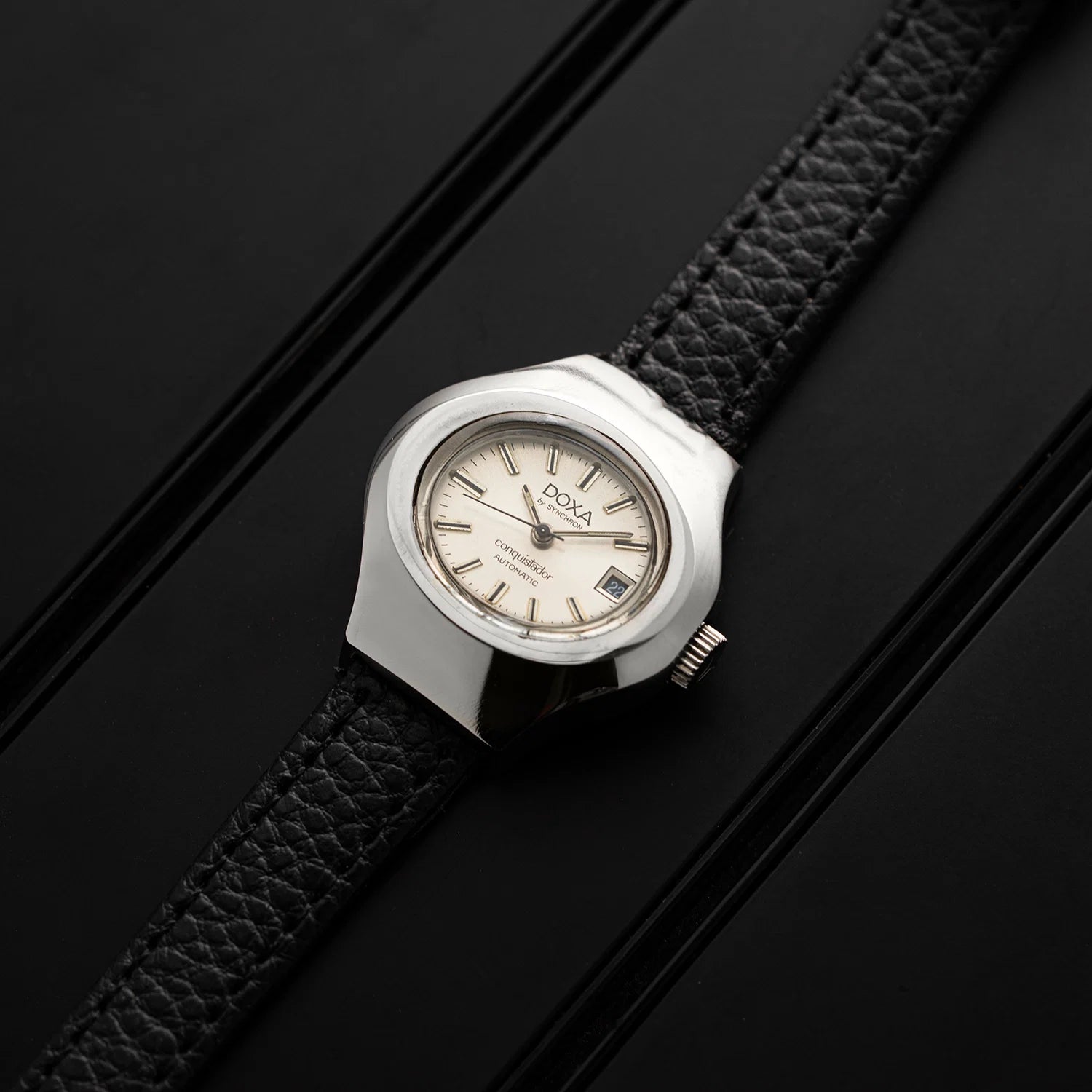
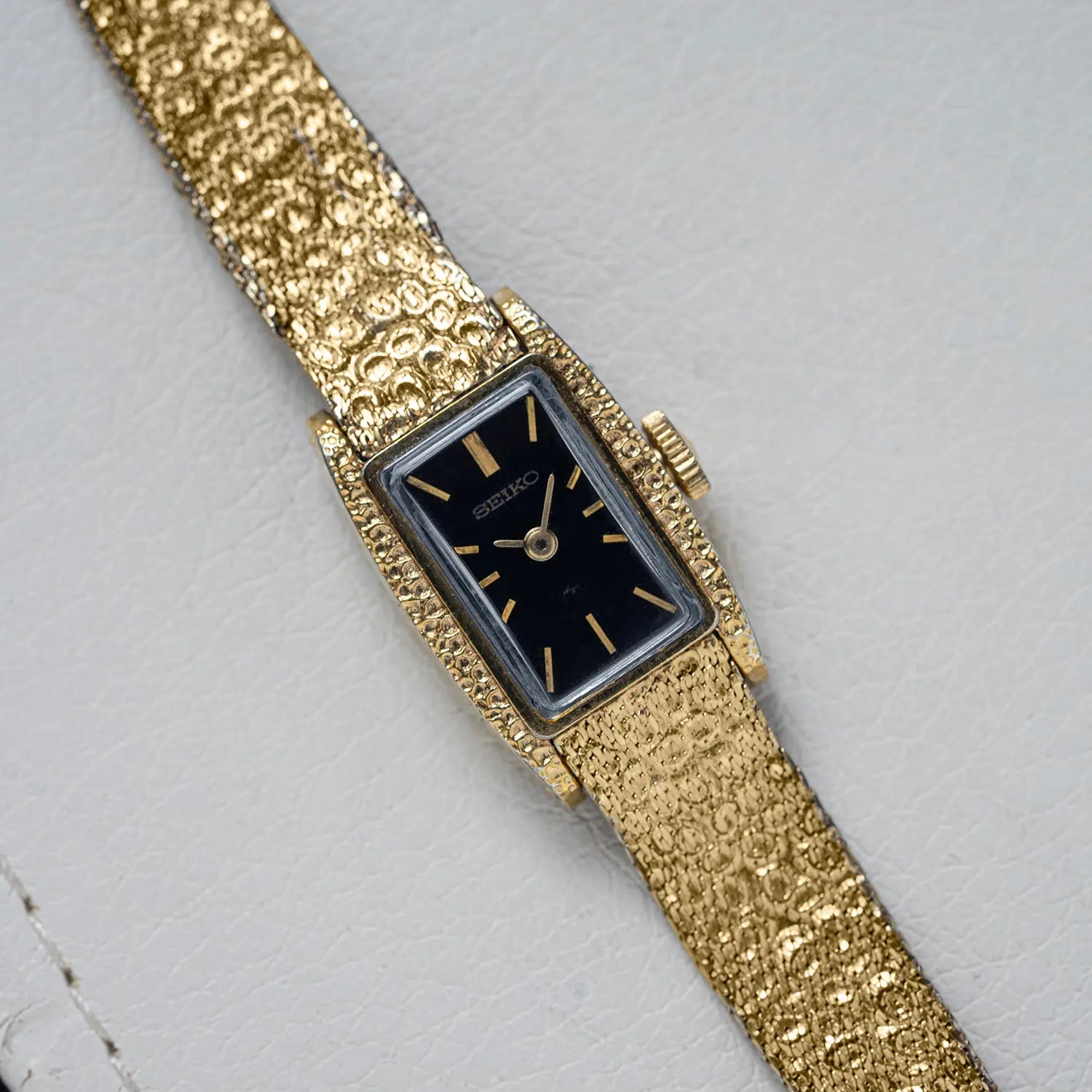
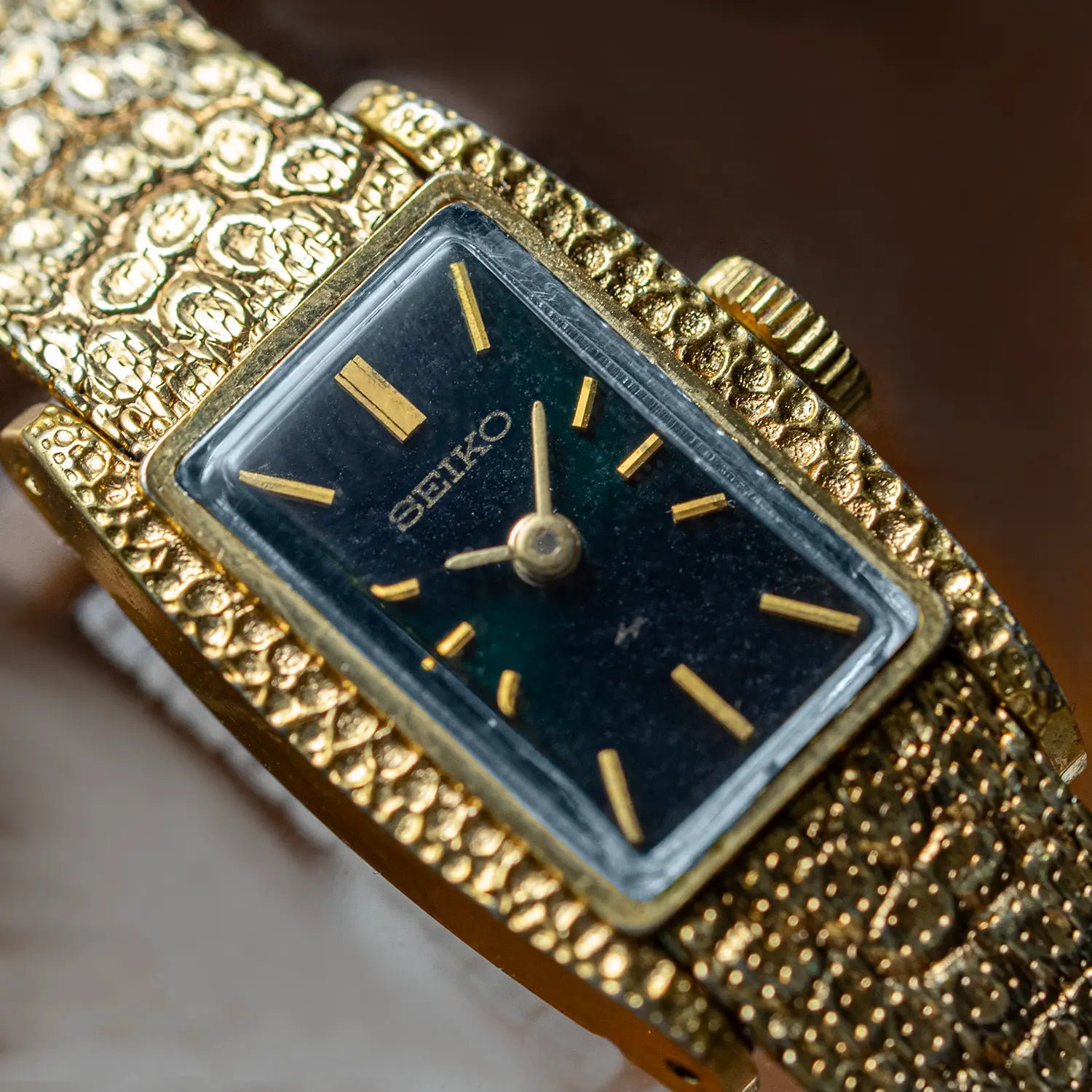
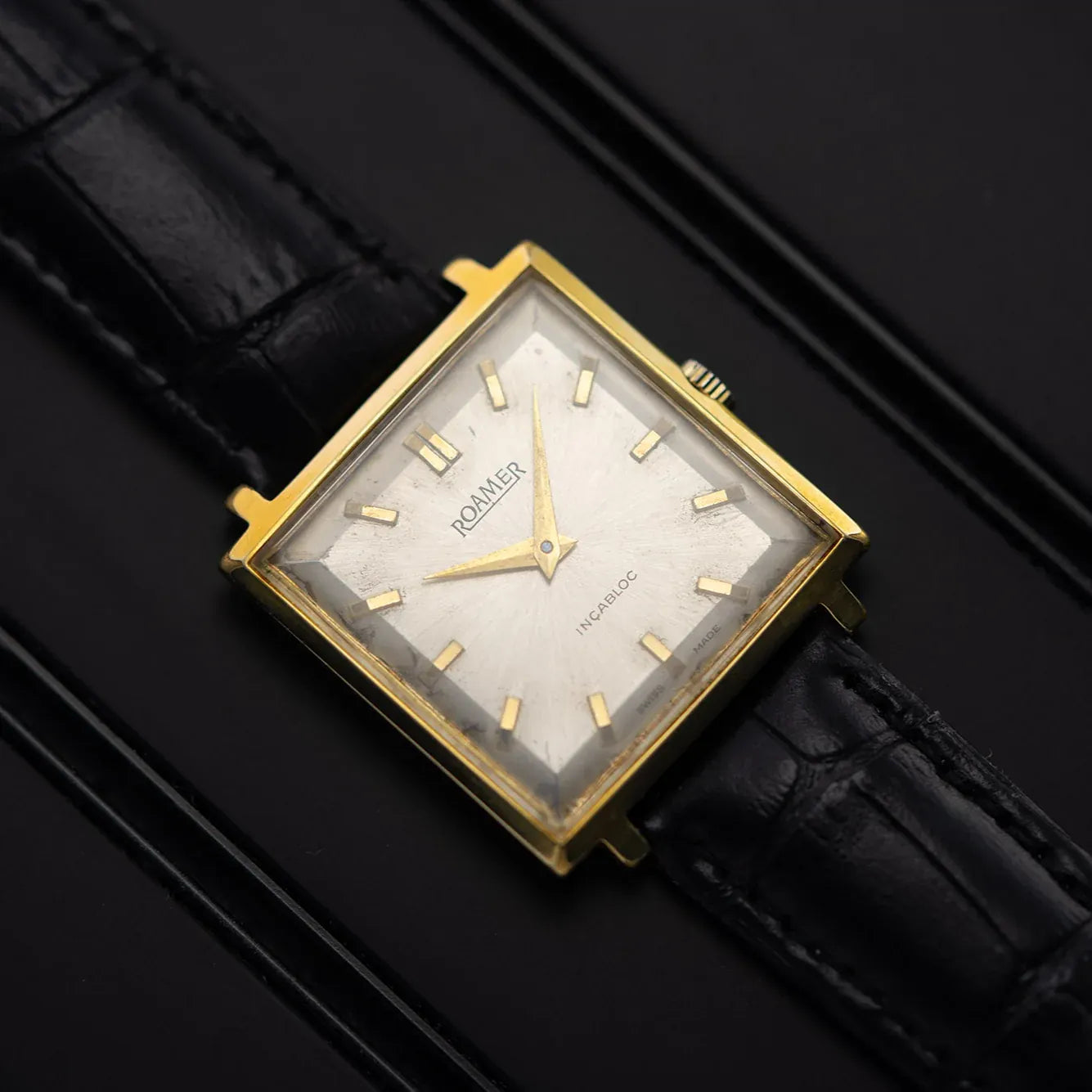
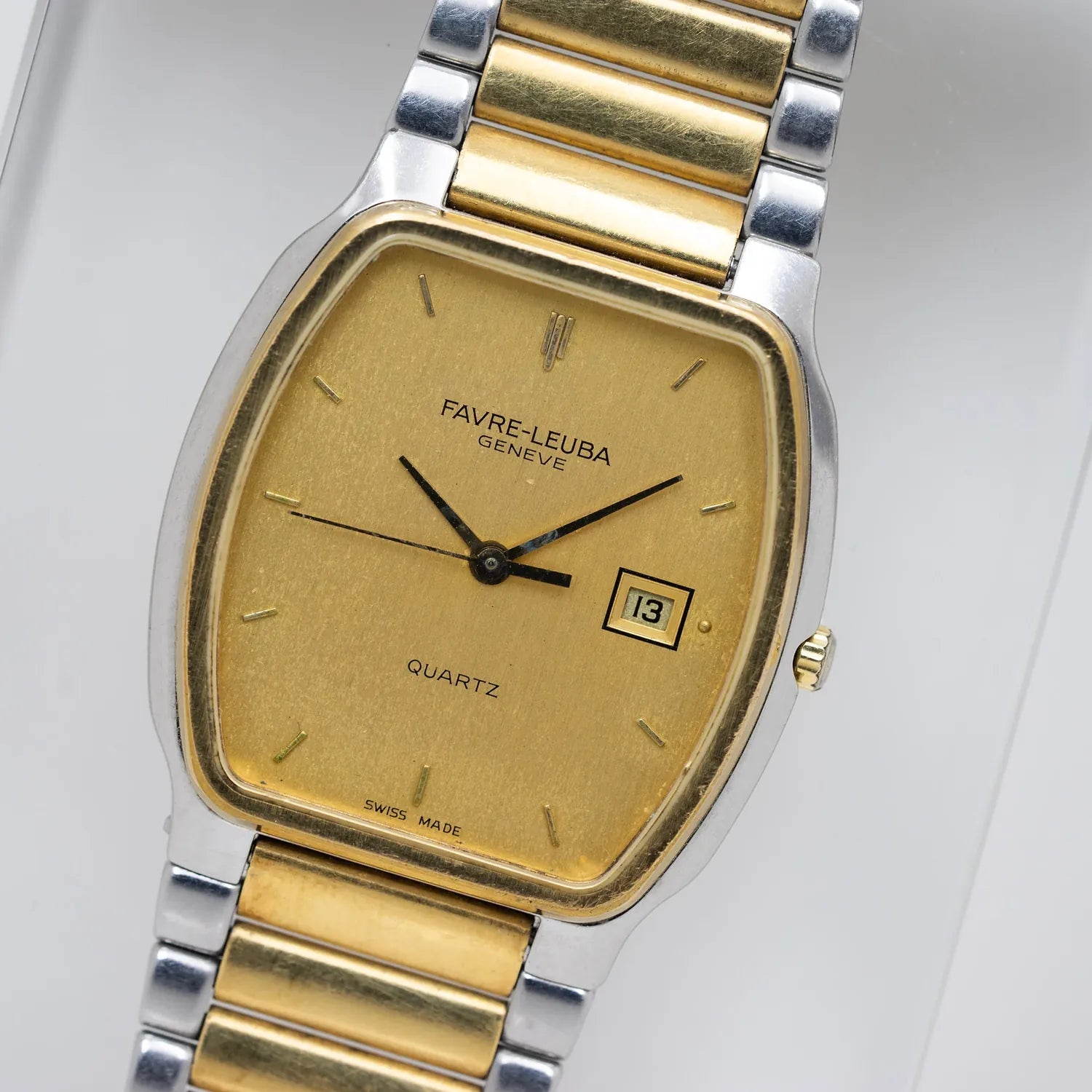
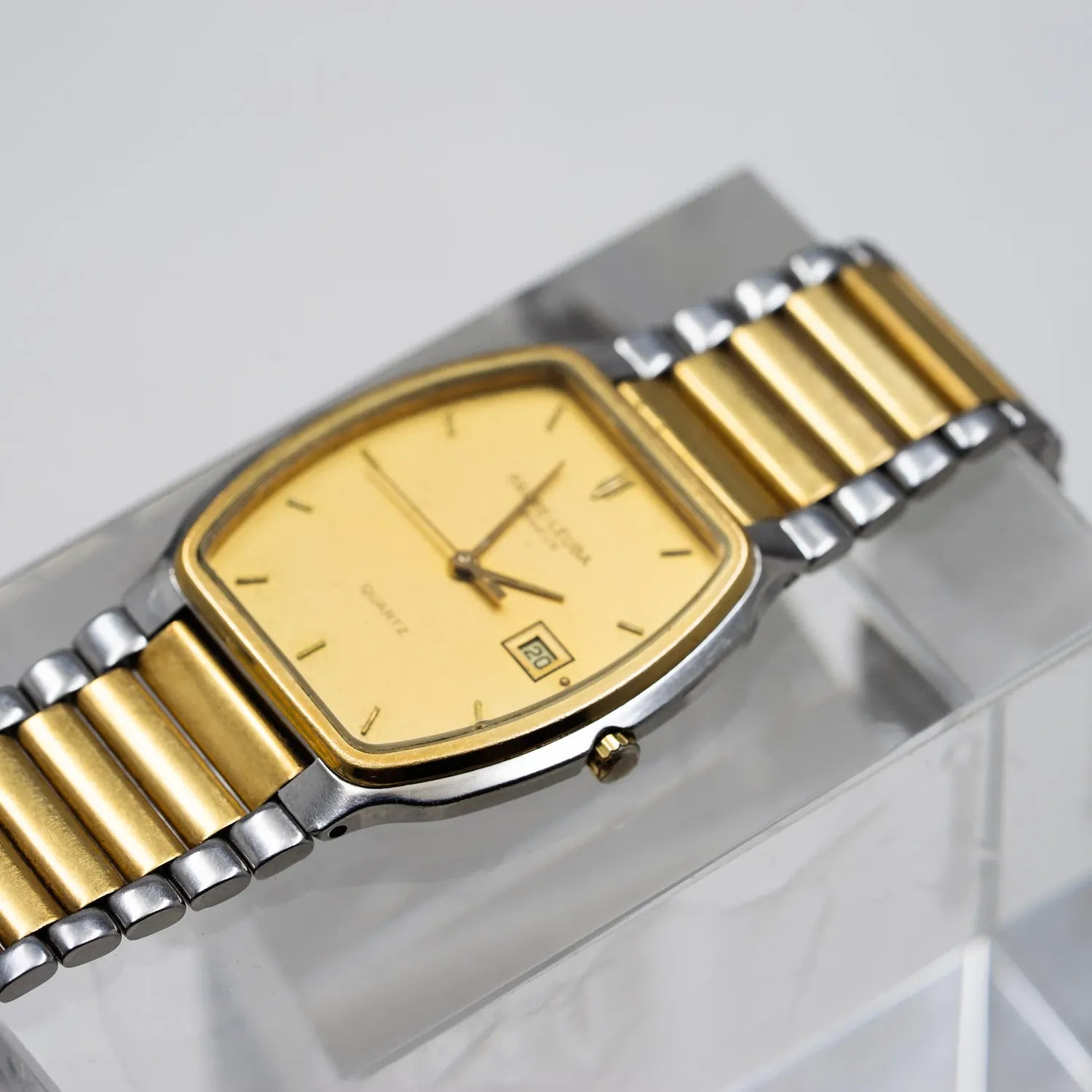
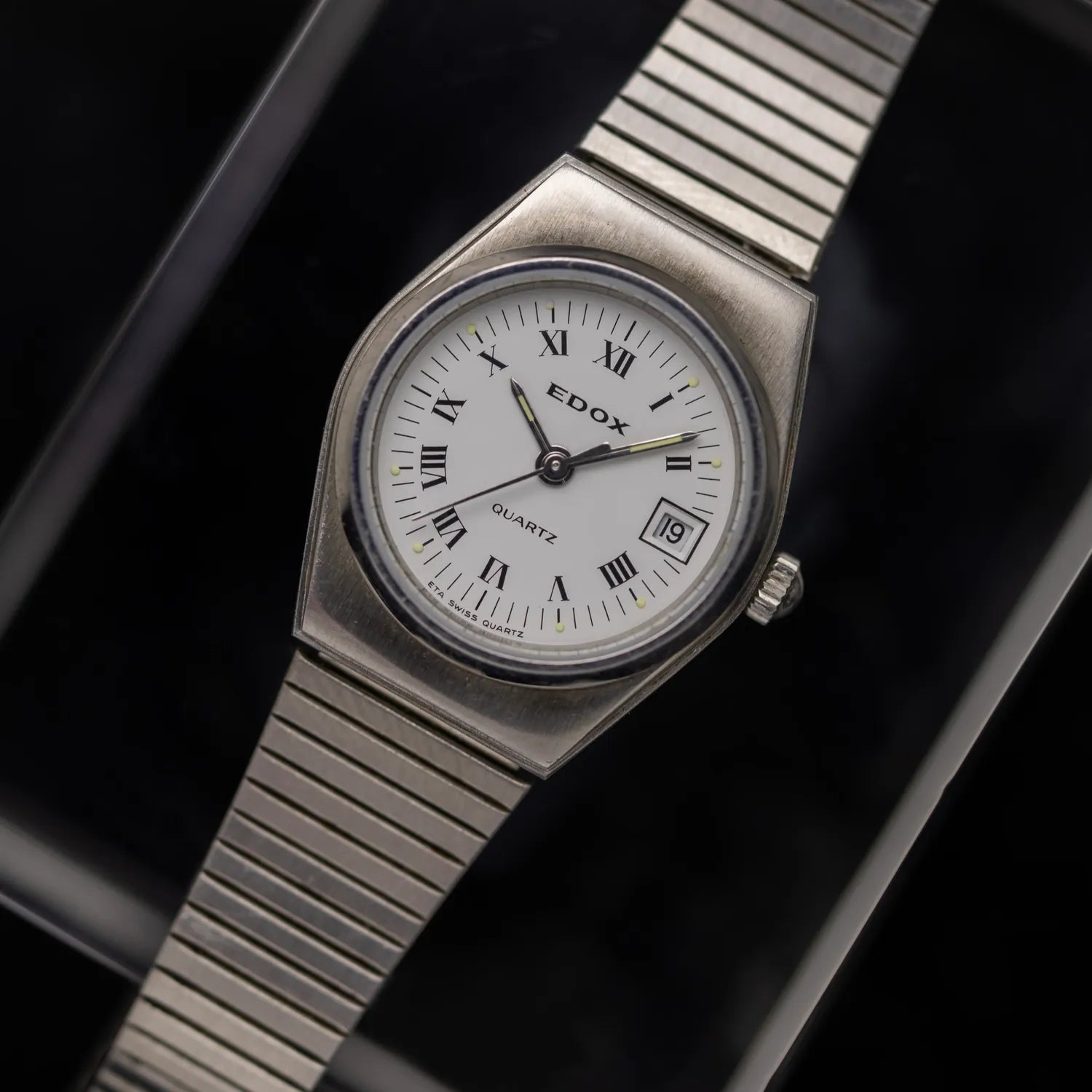
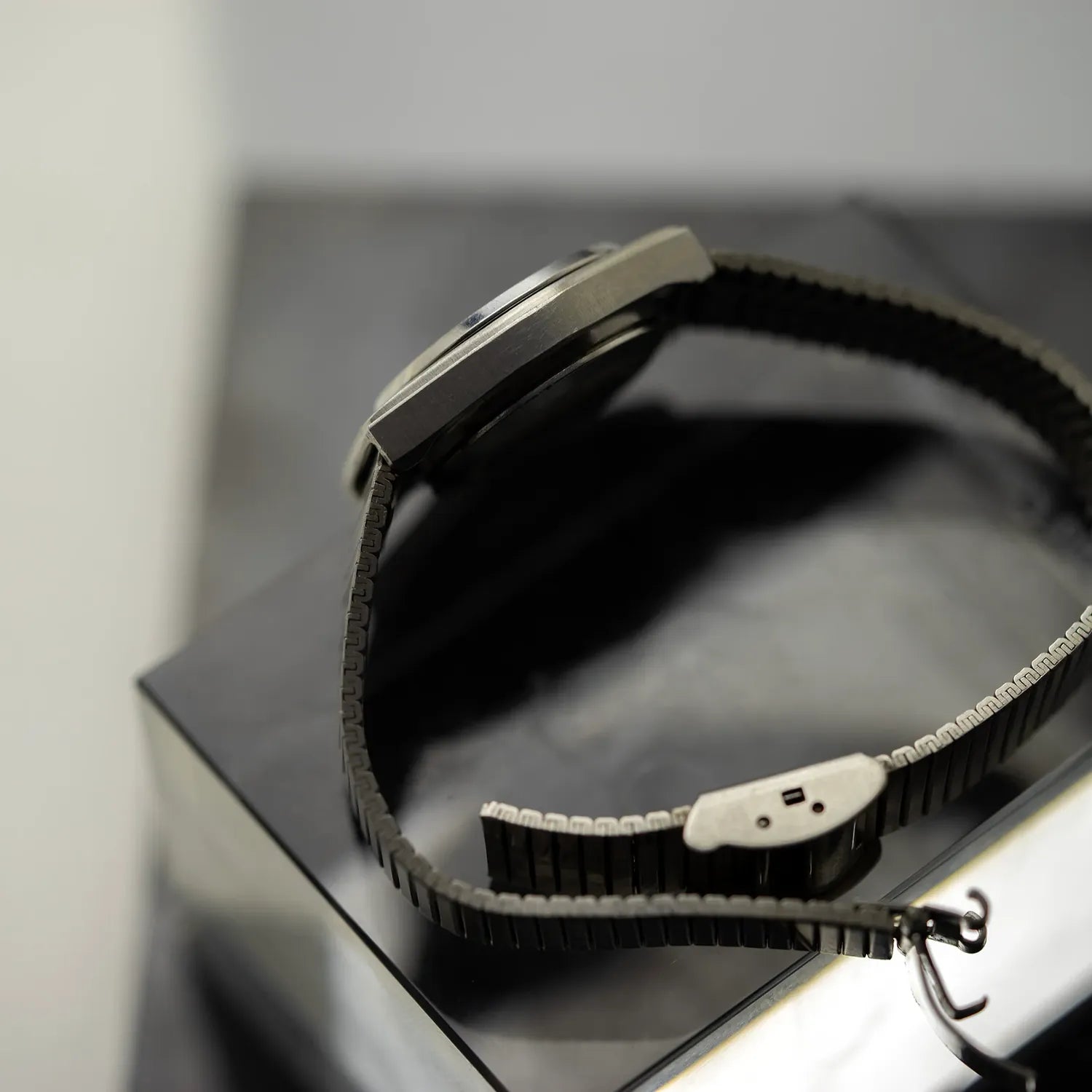
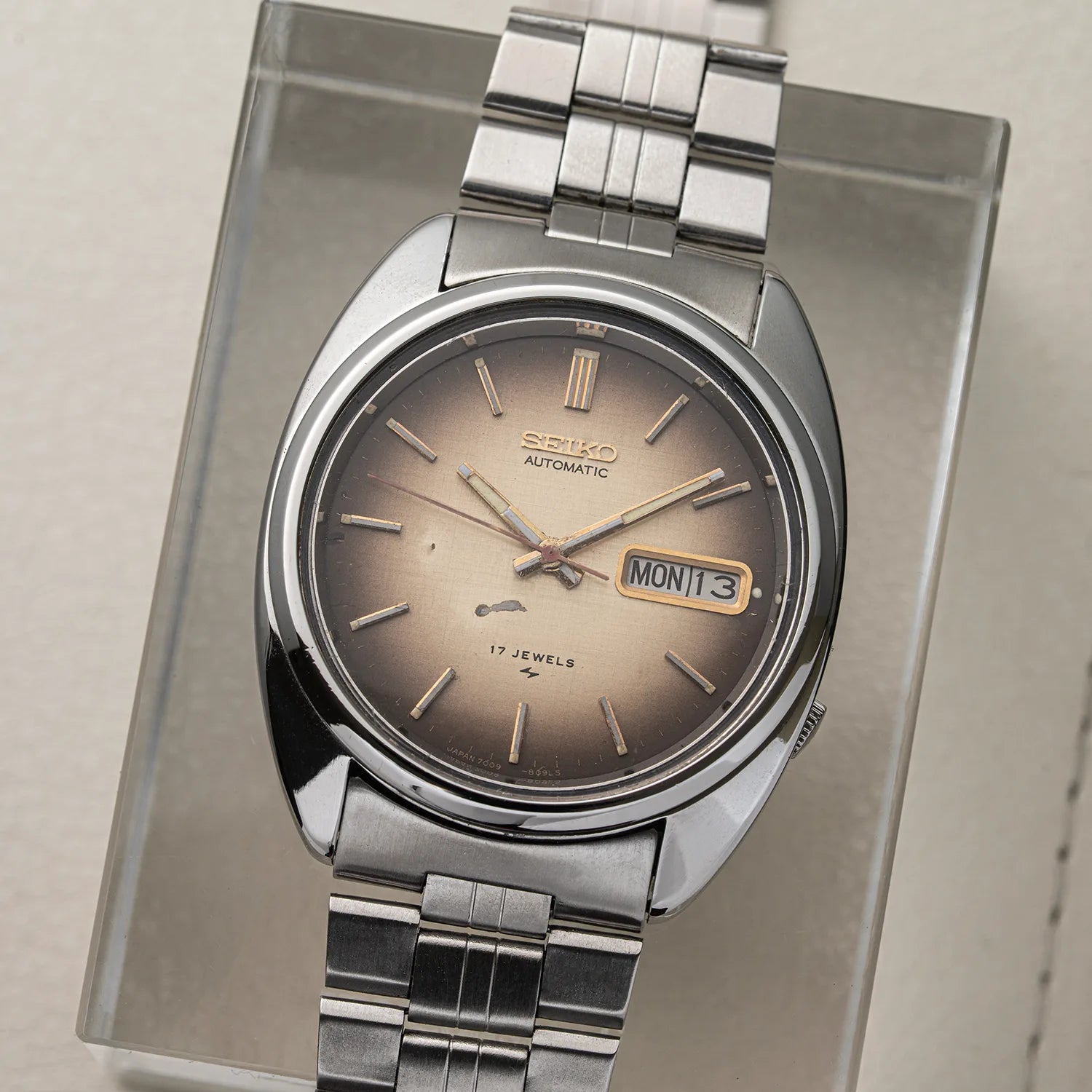
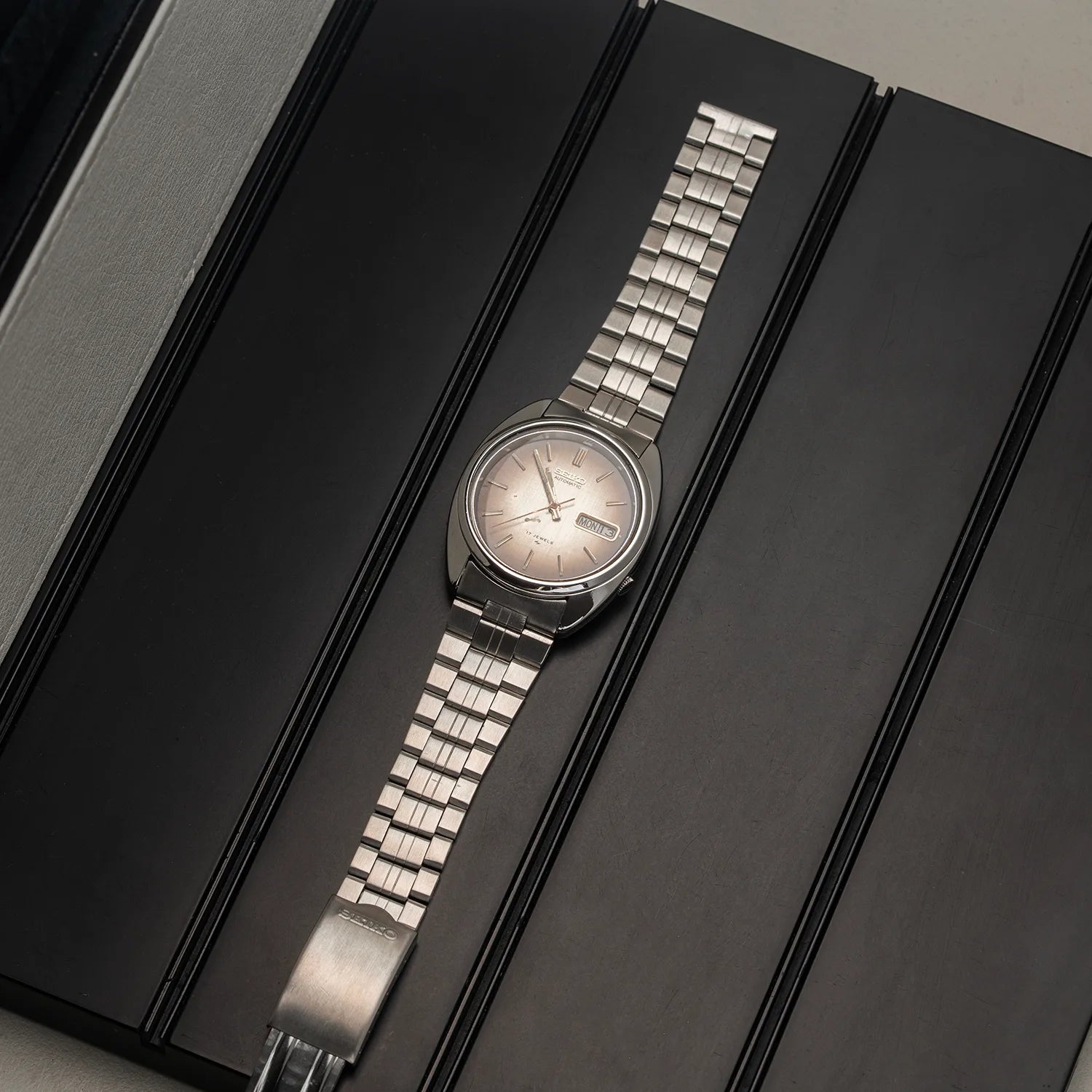
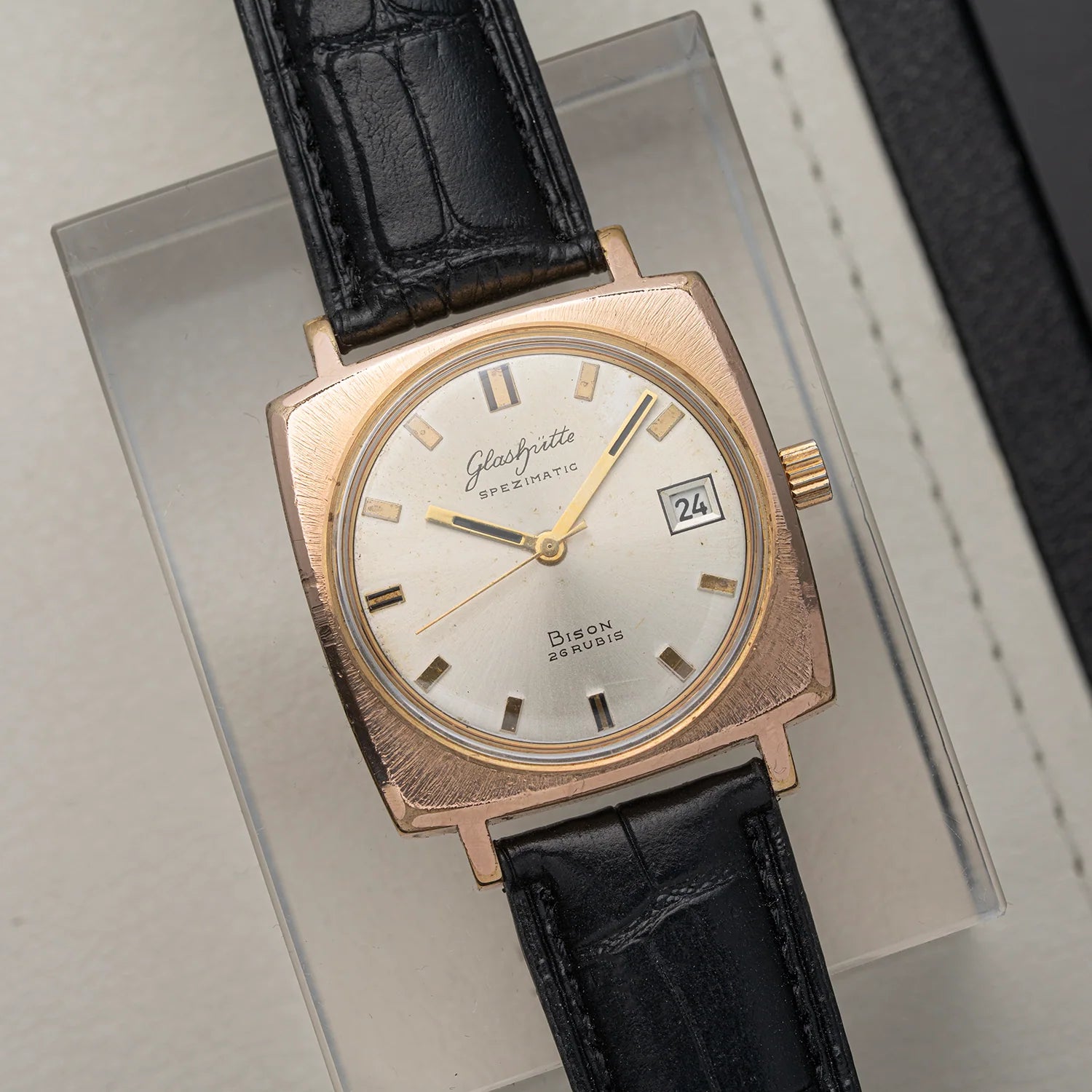
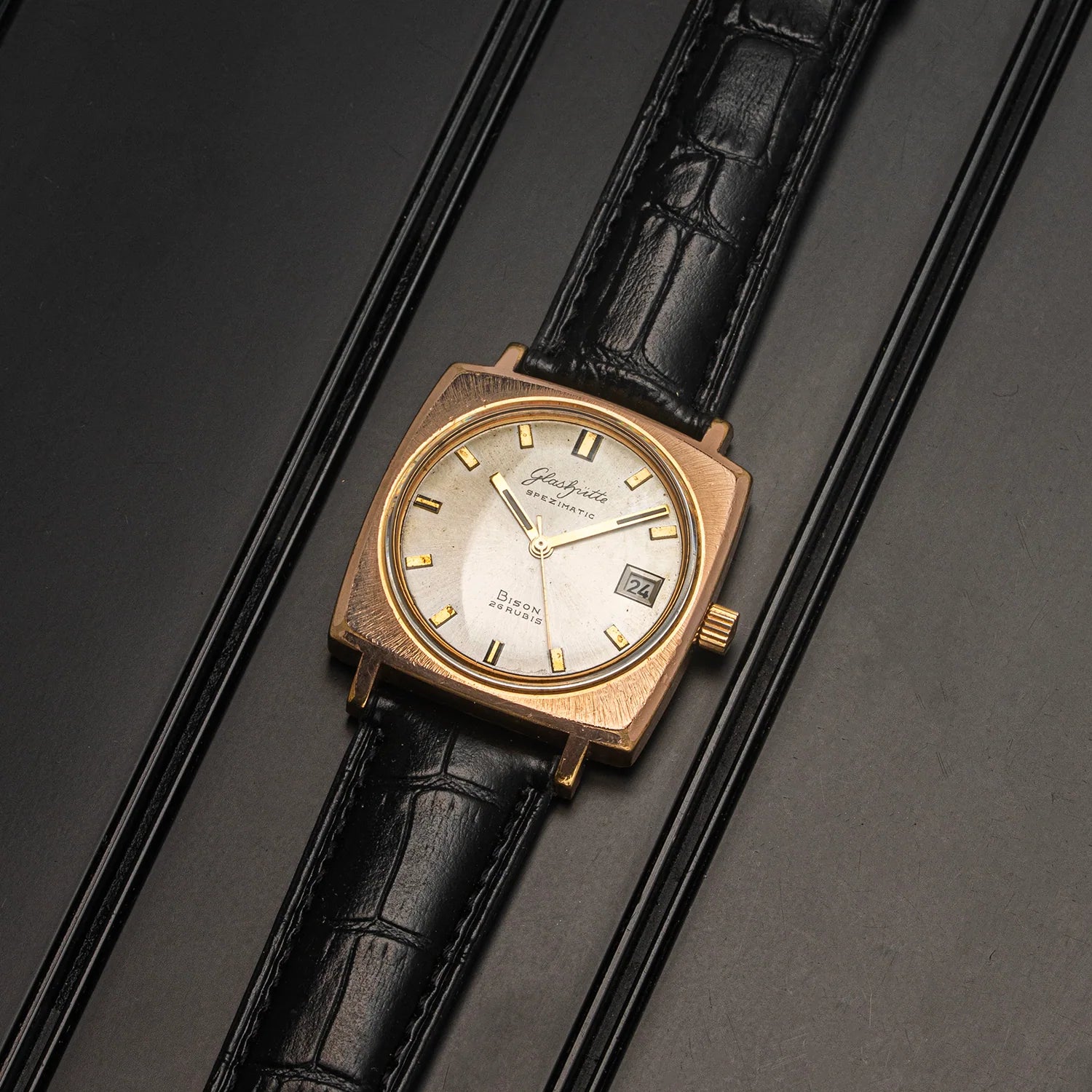
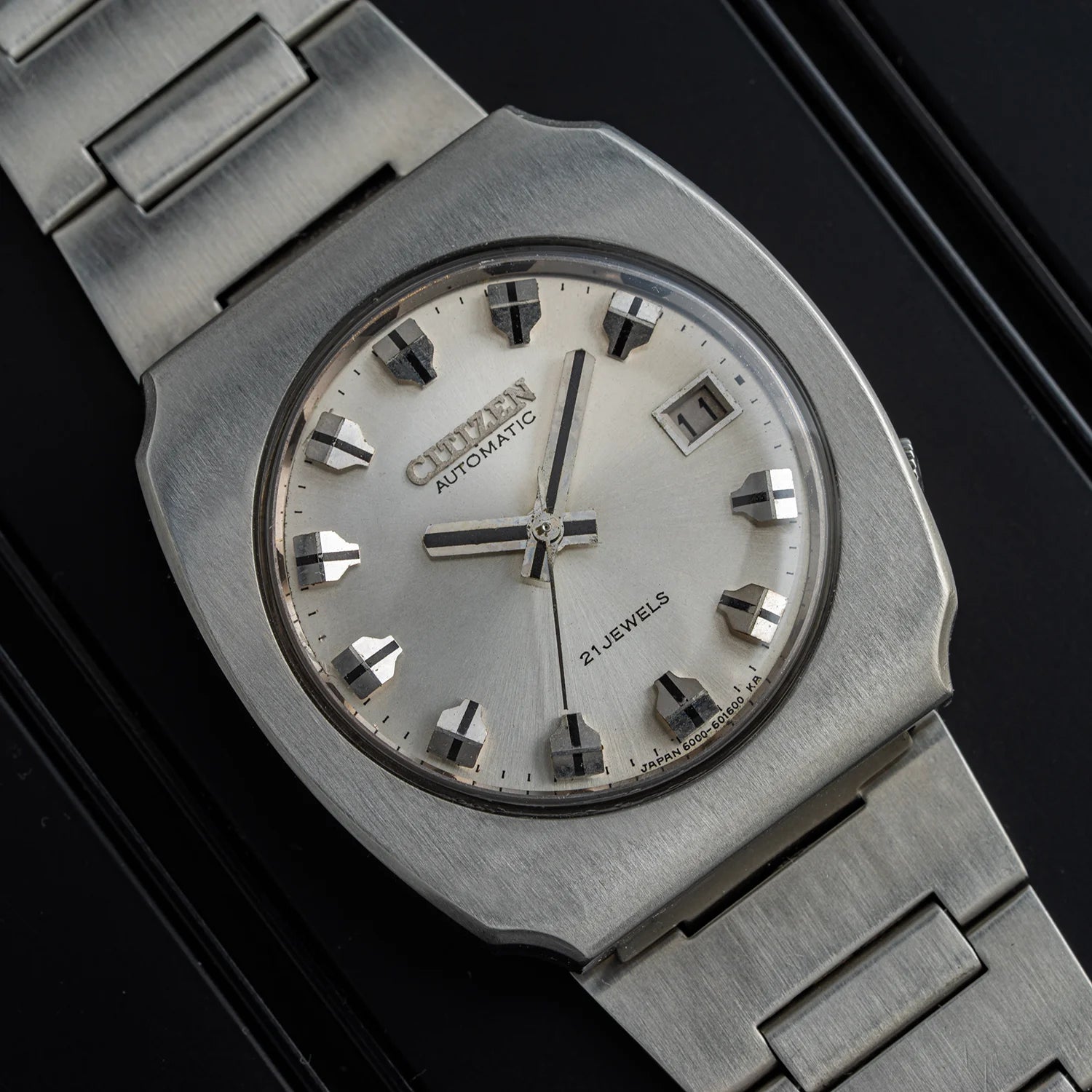
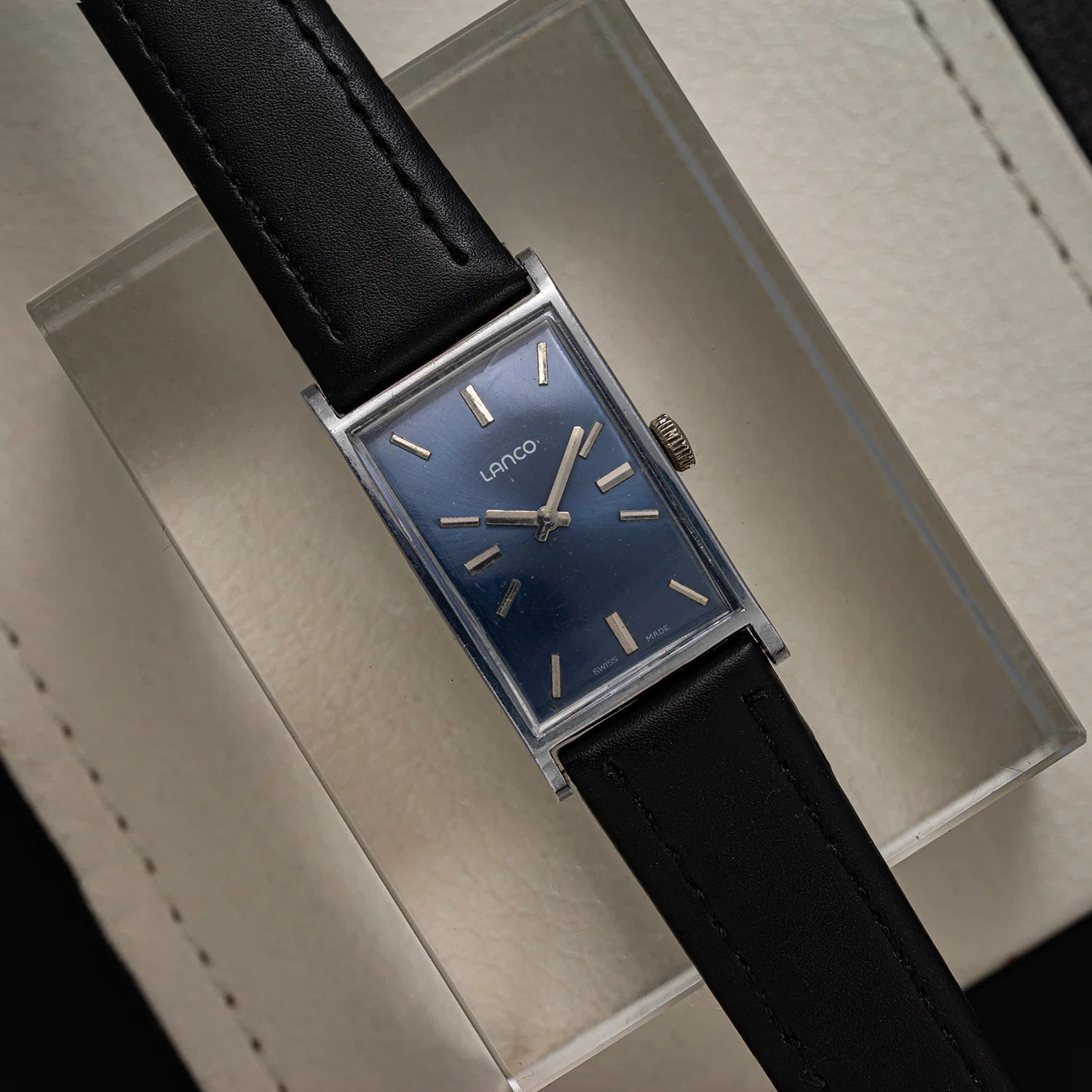
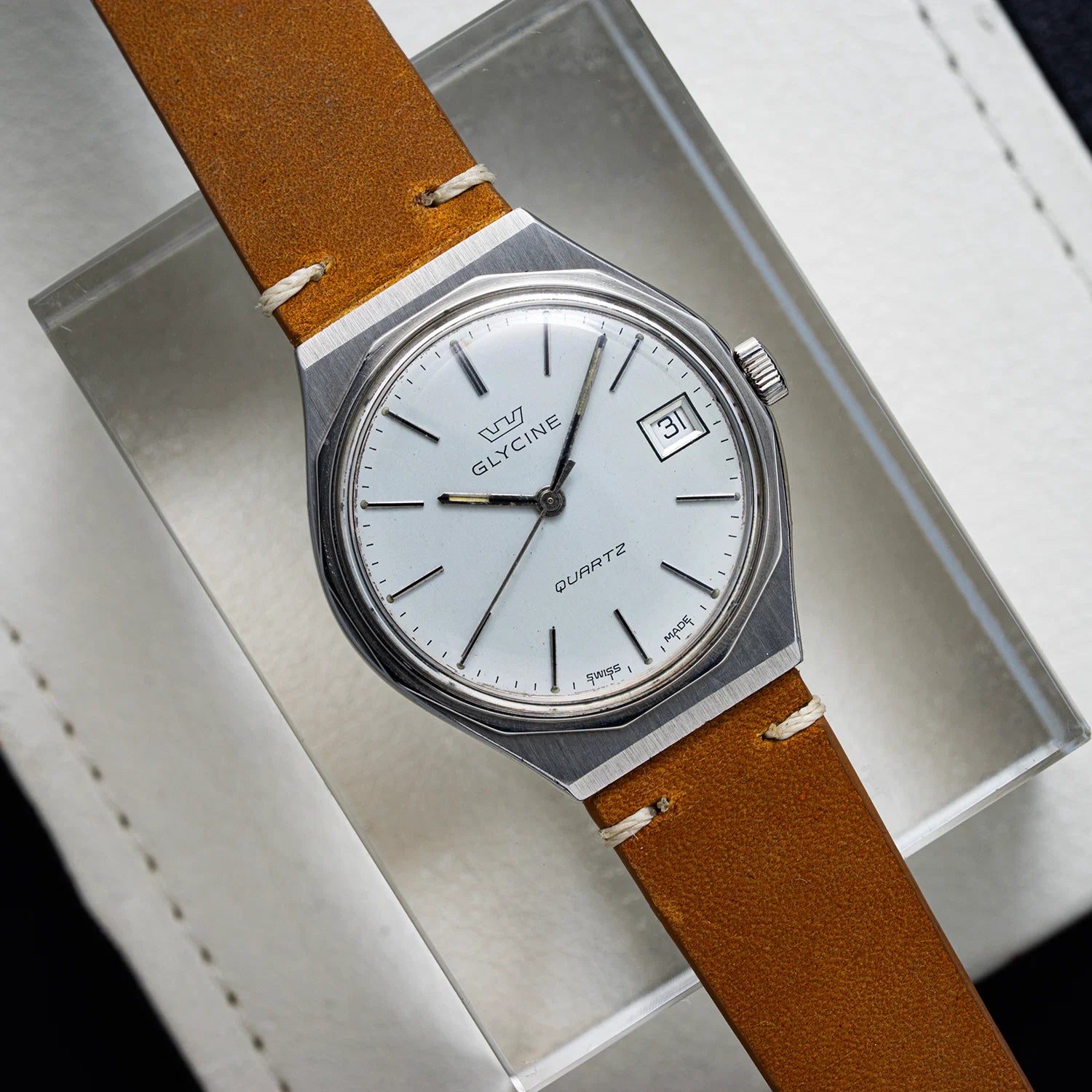
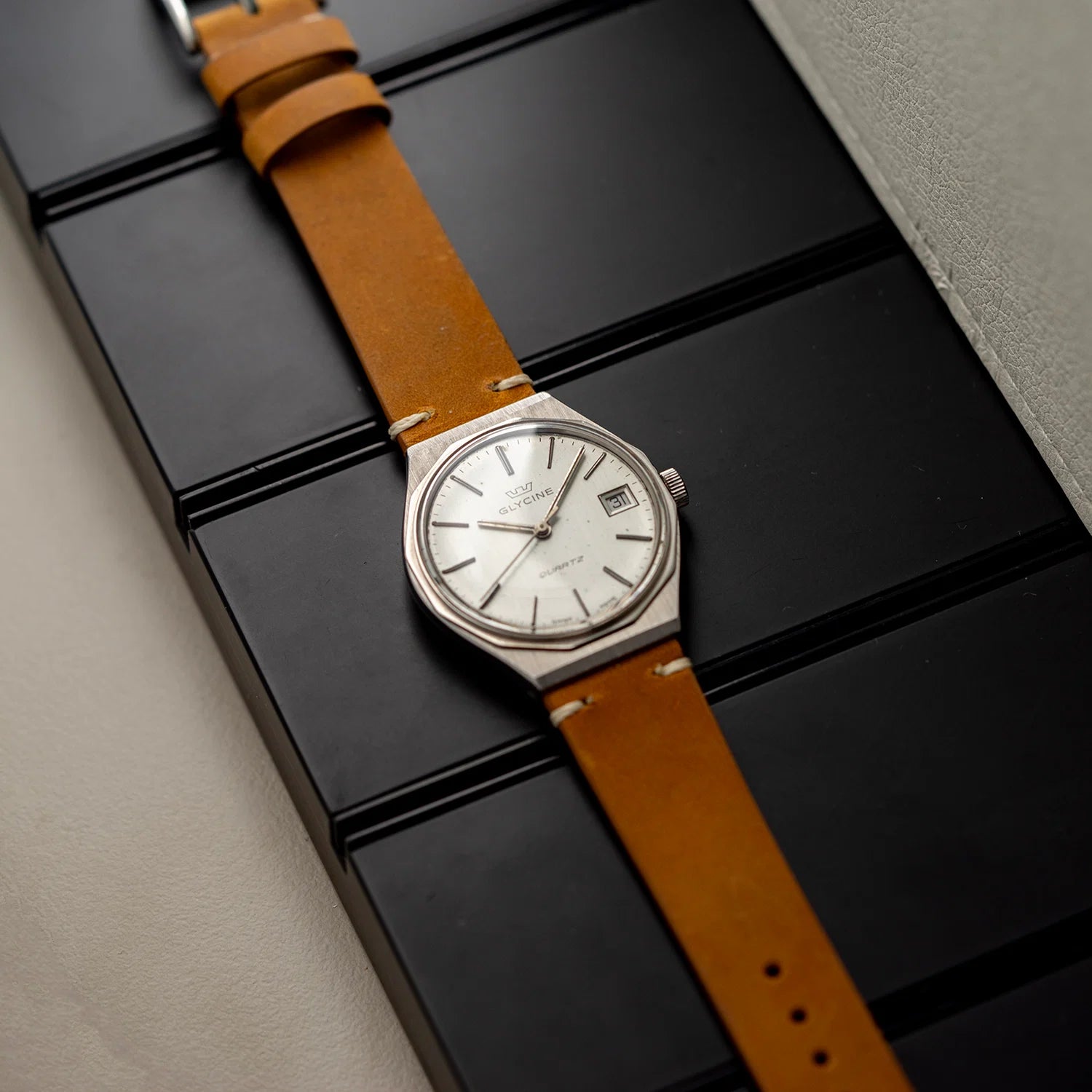
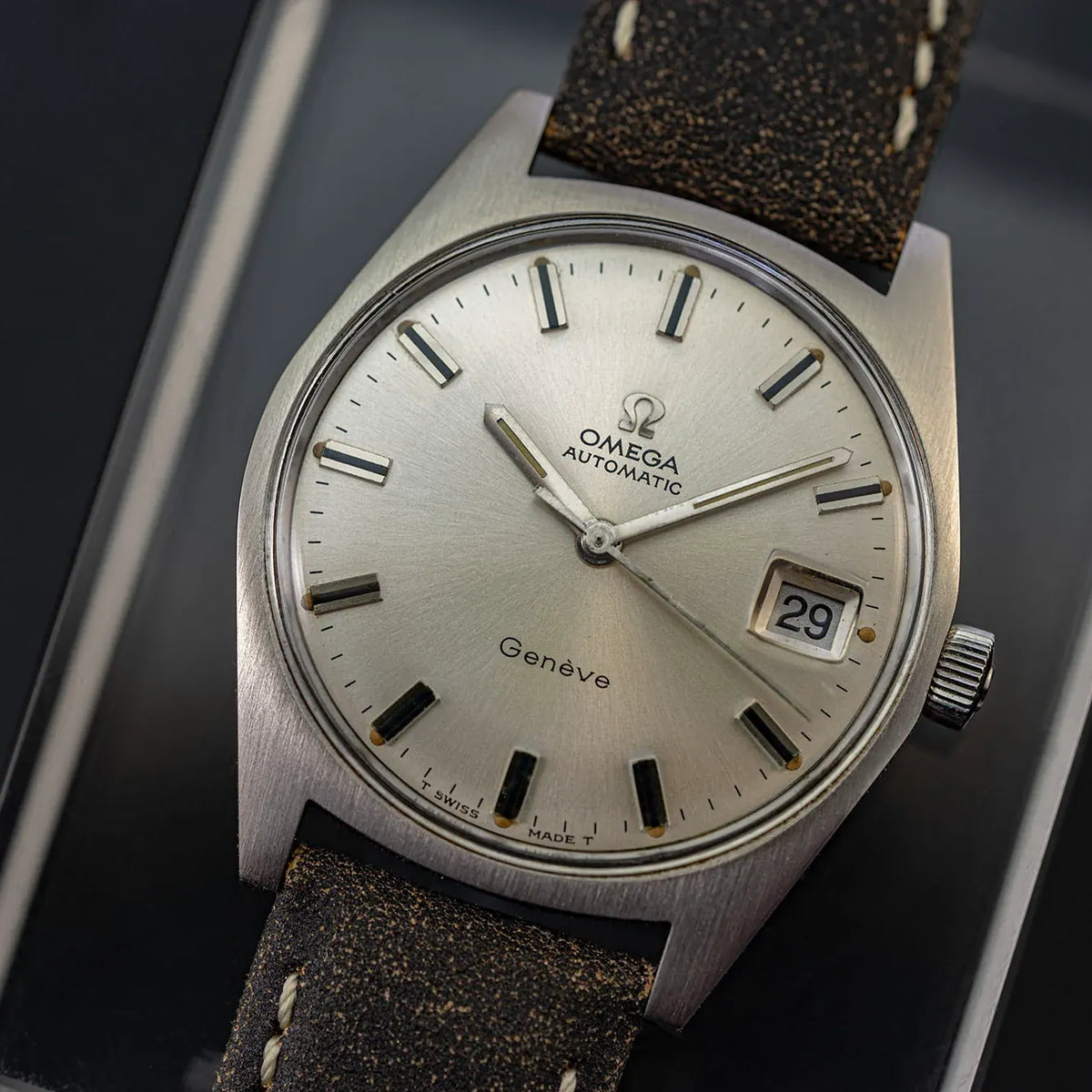
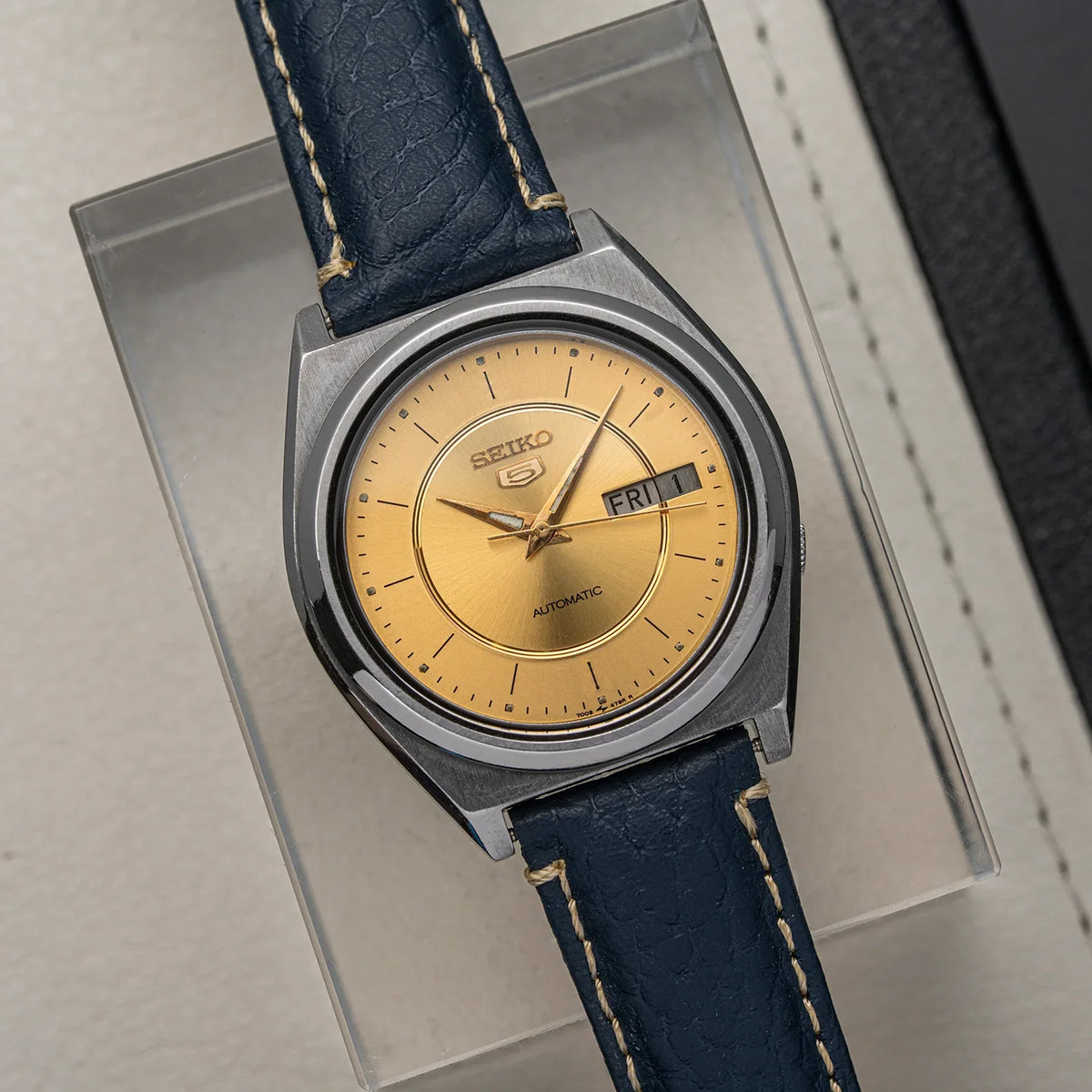
One of the most recognisable features of 1970s wristwatches is their departure from conventional round cases. Watchmakers increasingly experimented with tonneau, cushion, rectangular and TV-shaped designs, often using broad brushed surfaces and integrated or closely fitted metal bracelets. The case became a major part of the watch's visual identity rather than simply a housing for the movement.
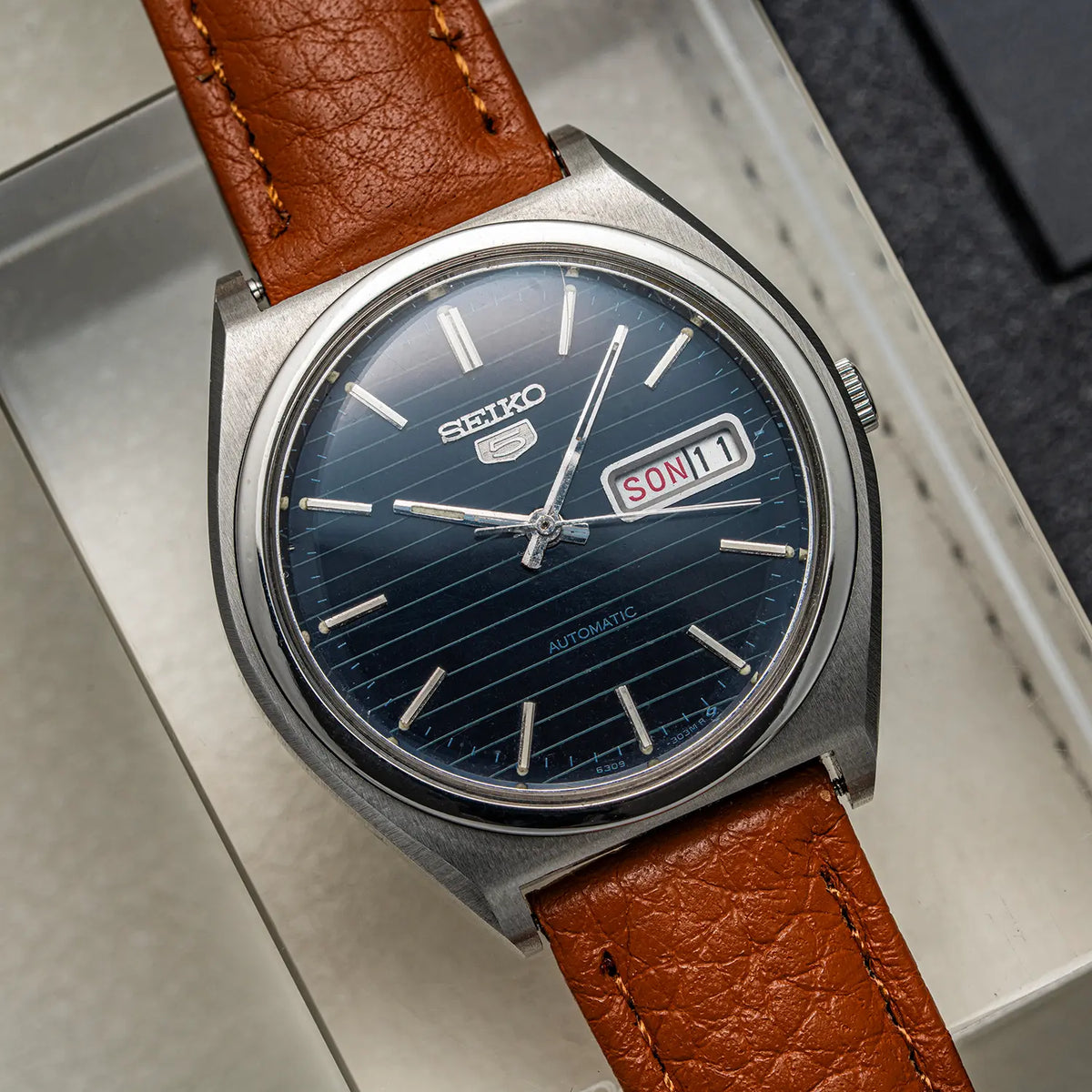
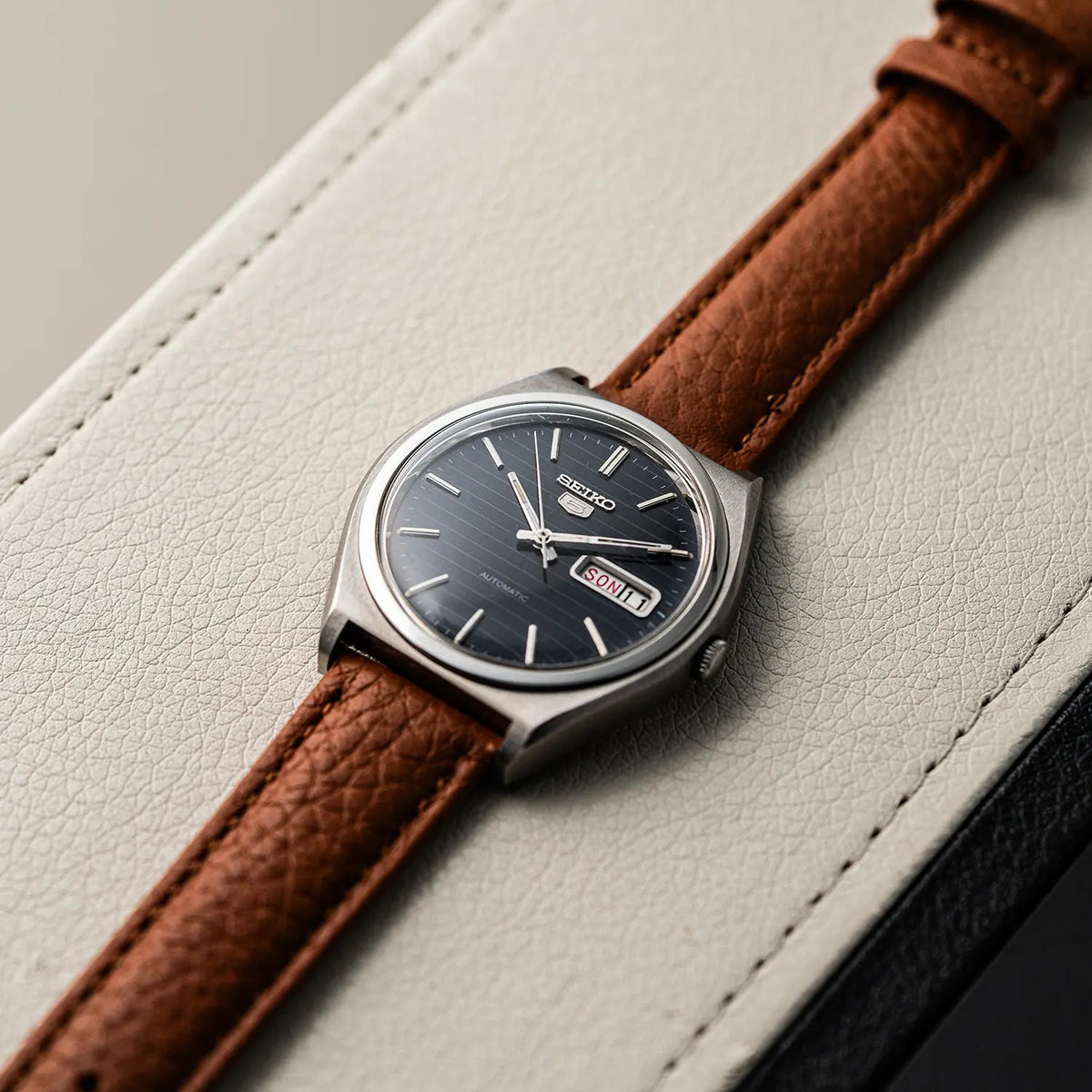
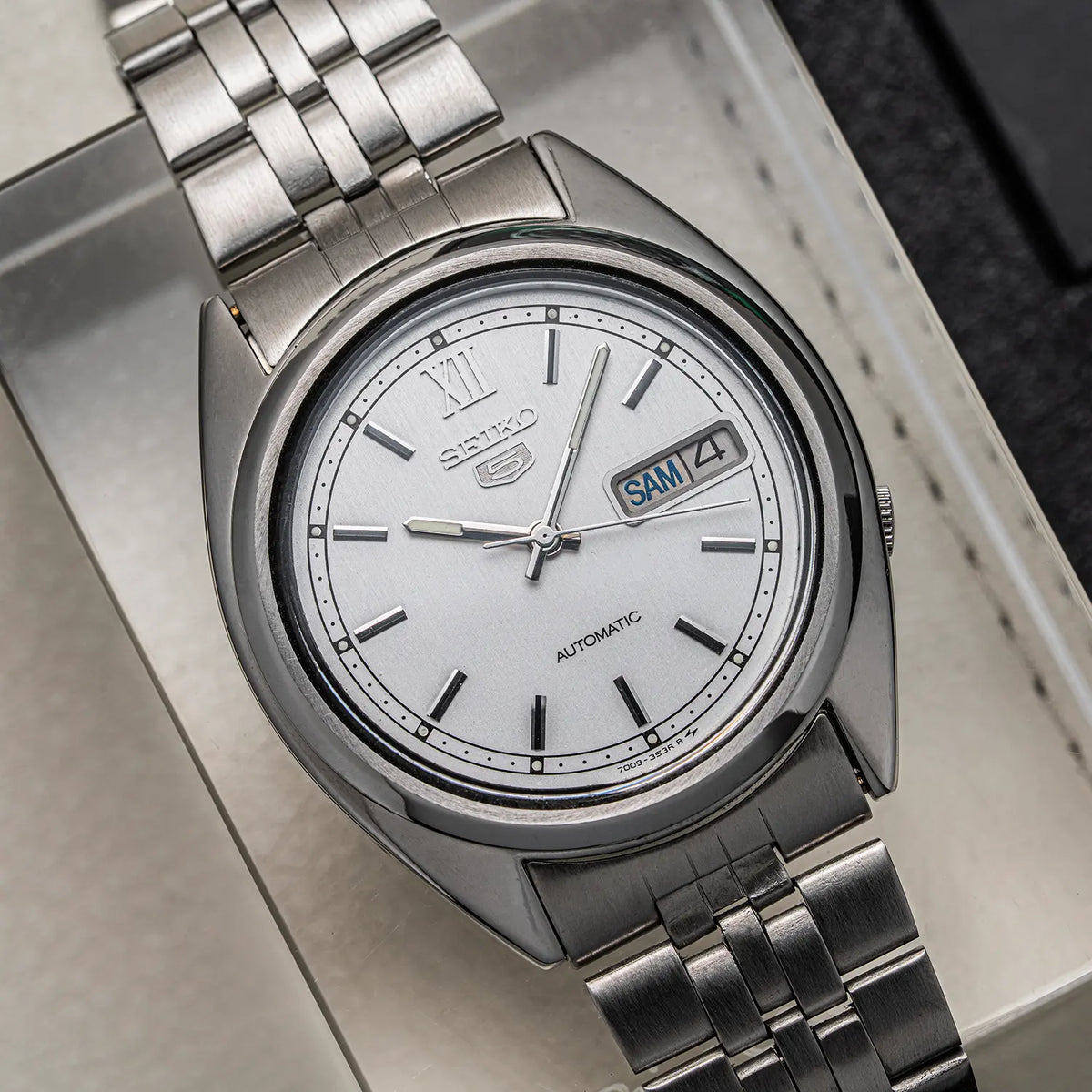
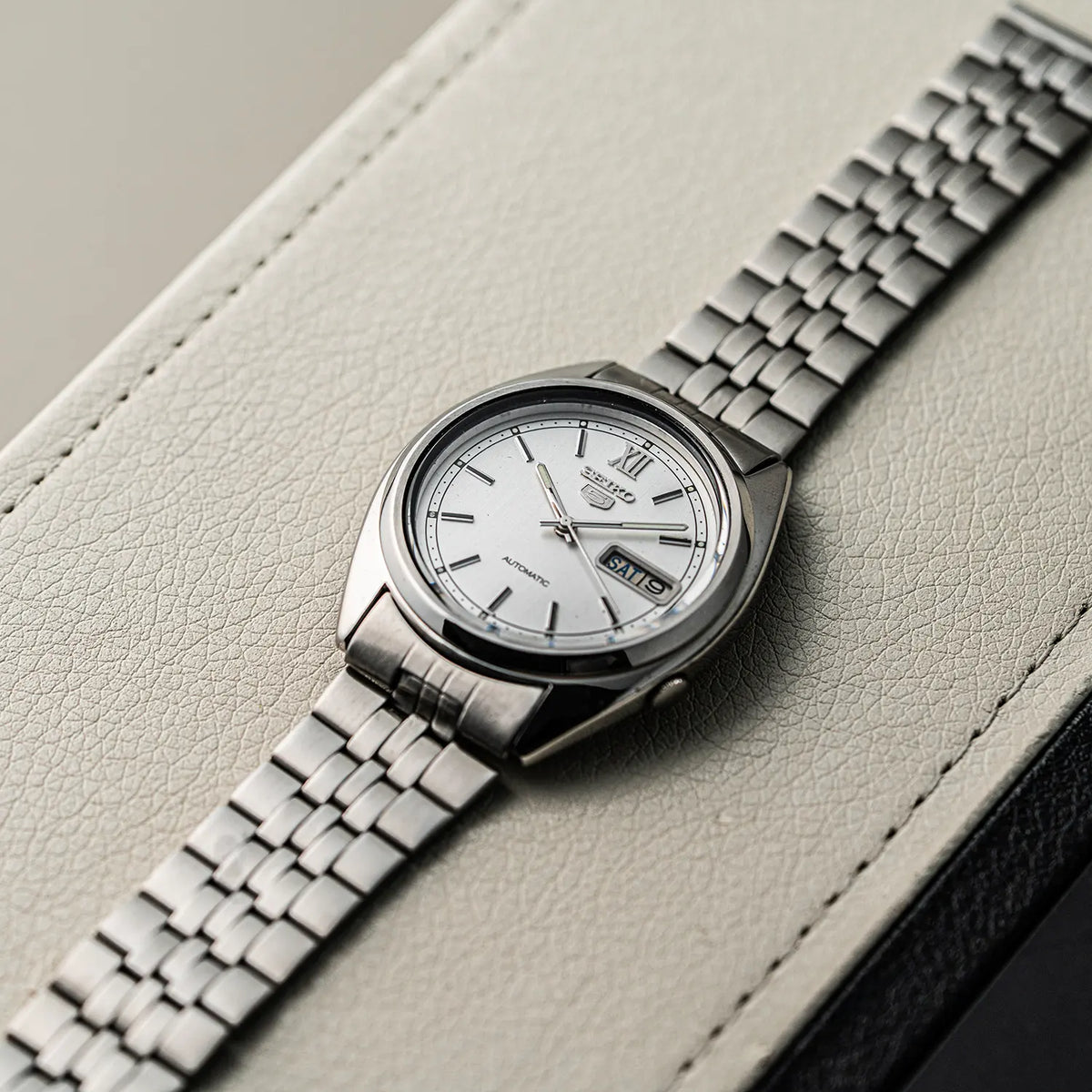
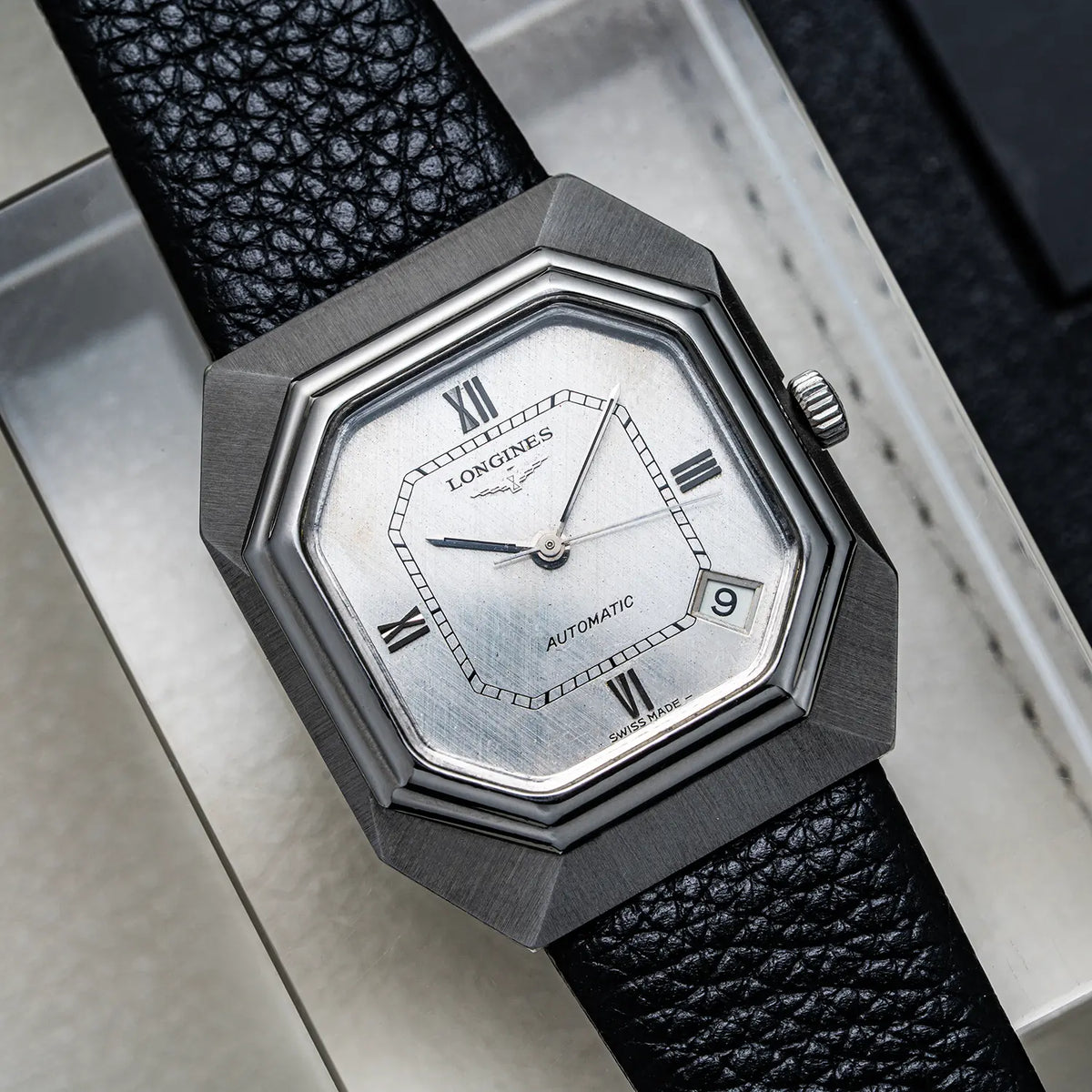
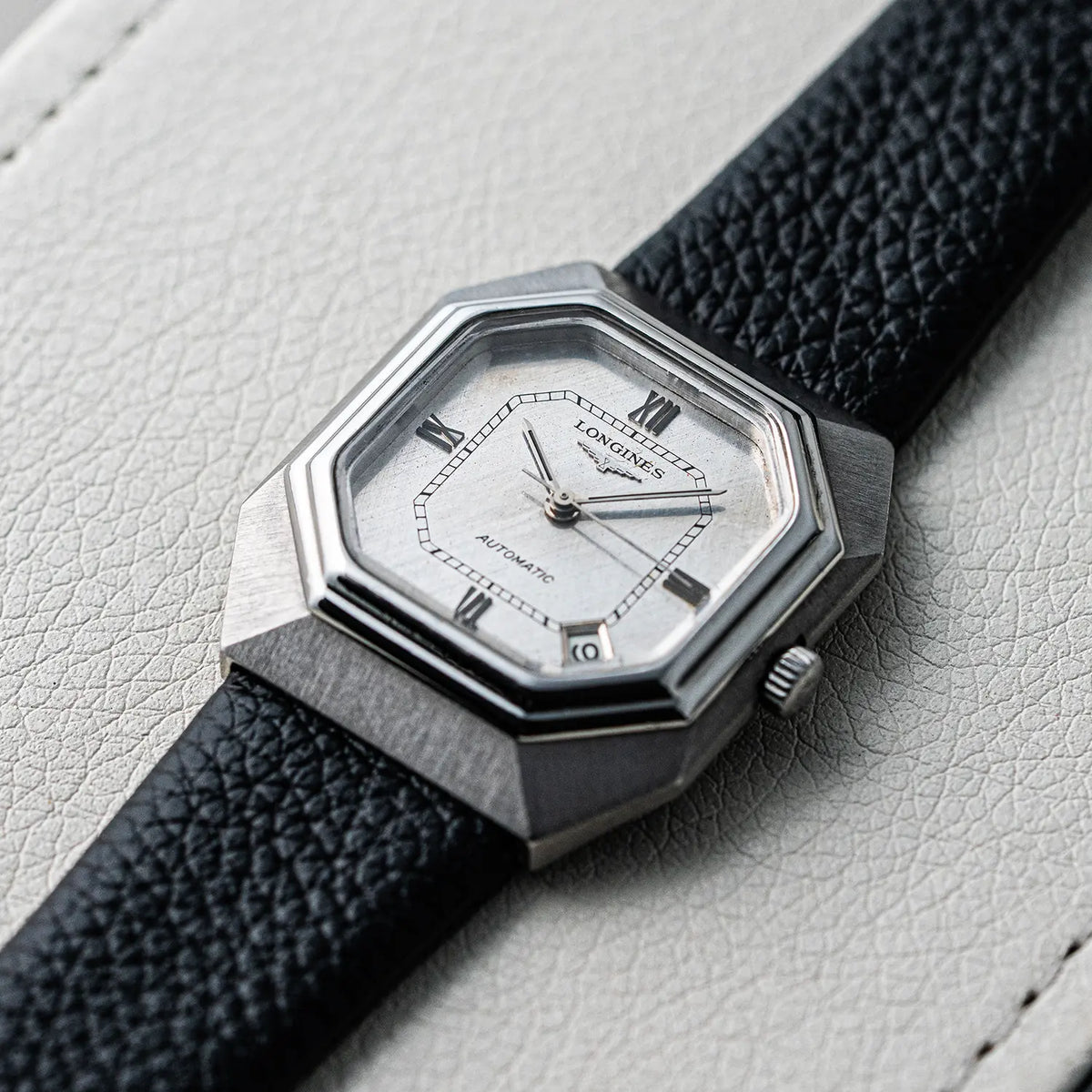
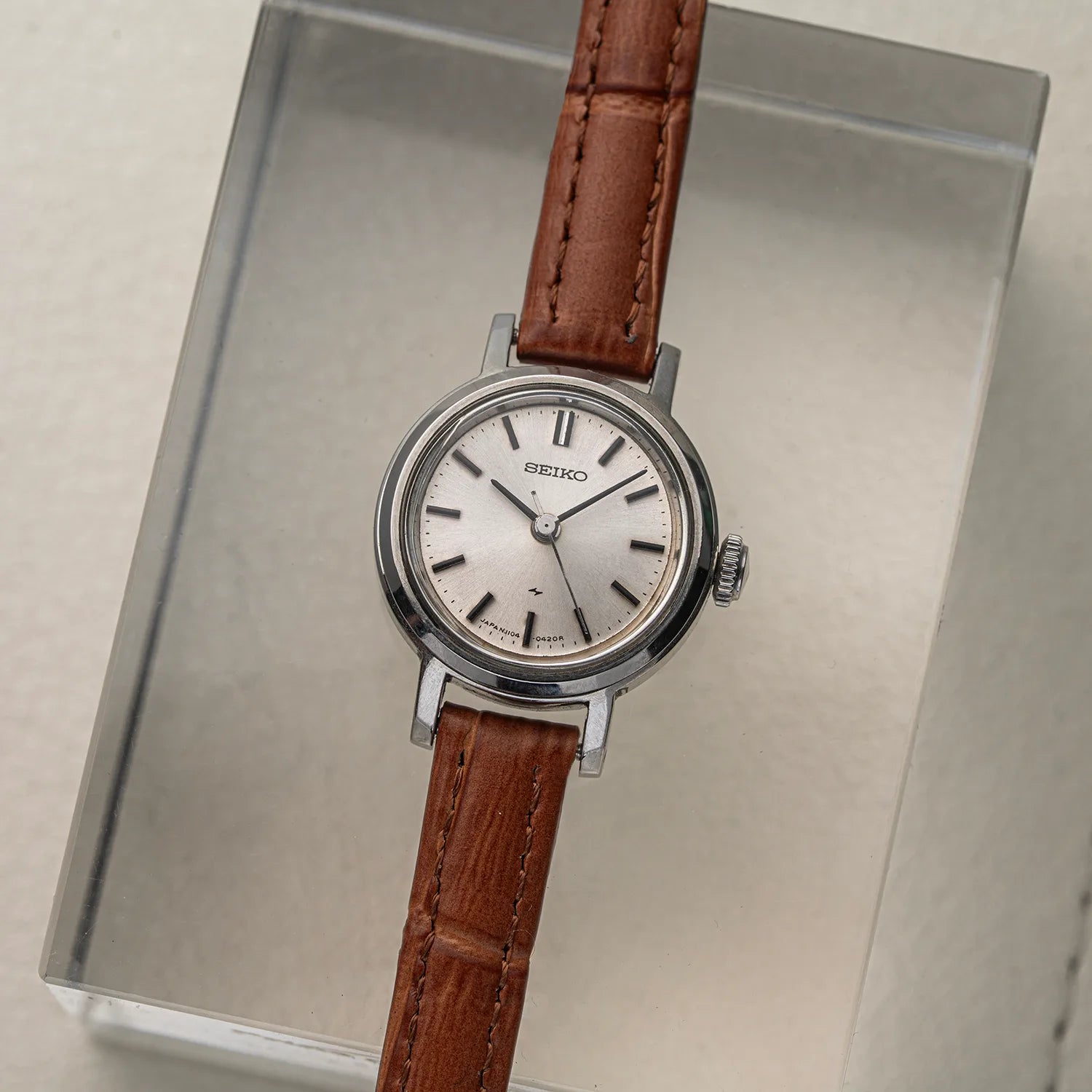
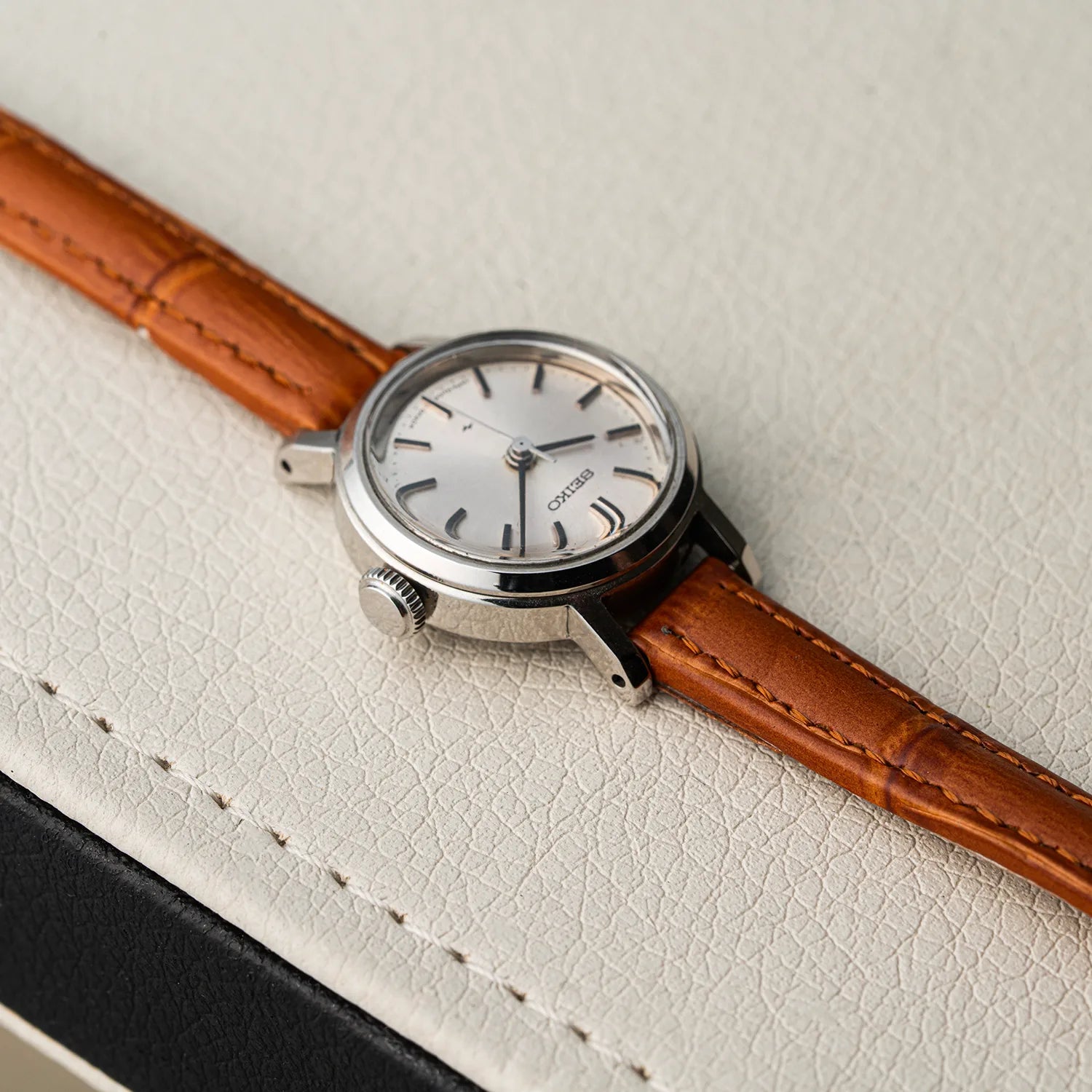
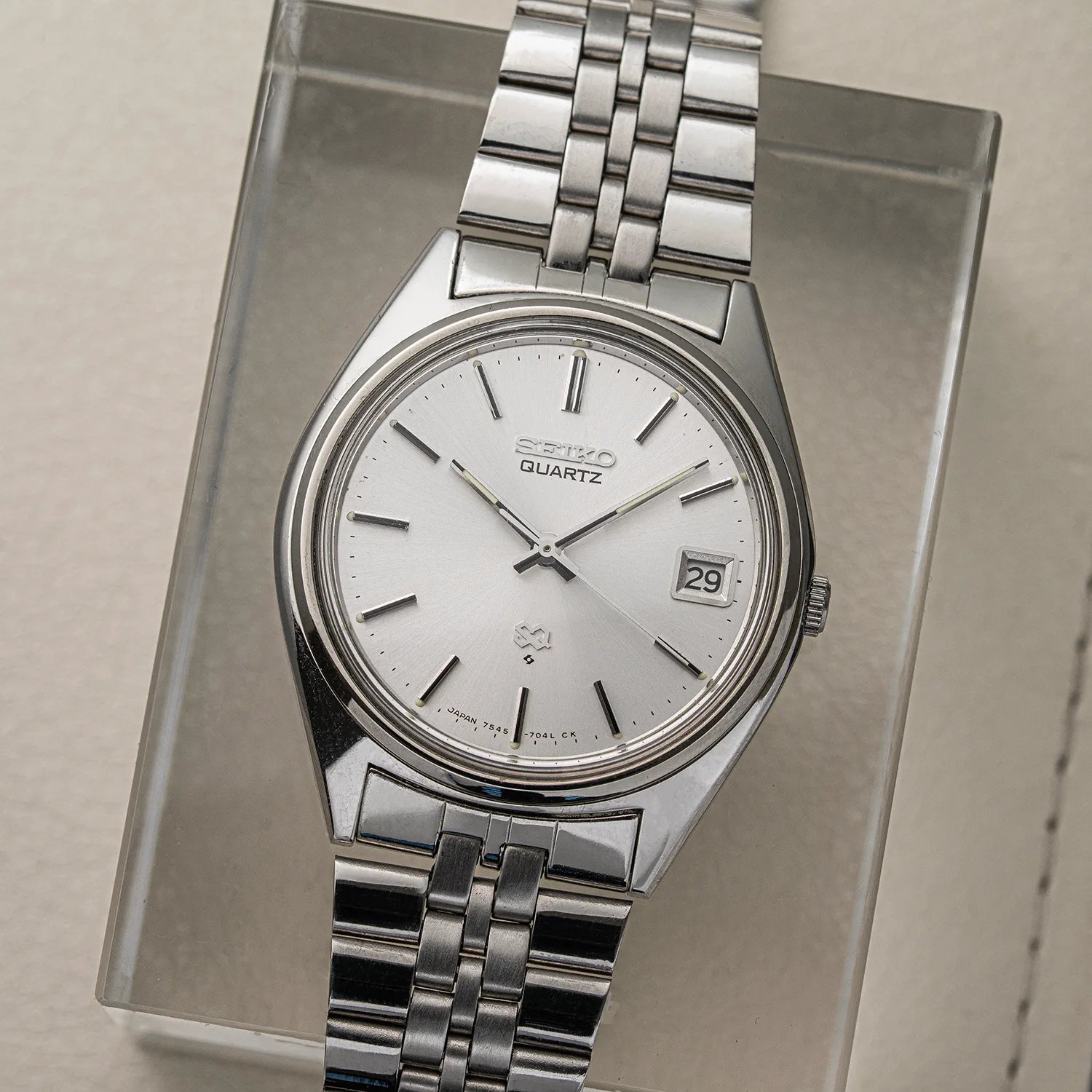
Japanese manufacturers embraced these shapes particularly enthusiastically. Seiko produced automatic watches with angular cases, textured dials and distinctive day-date displays, while Swiss makers explored similar approaches alongside their traditional dress-watch collections. Models such as the Longines Octagon and numerous Seiko 5 references illustrate how varied the decade's design language became.
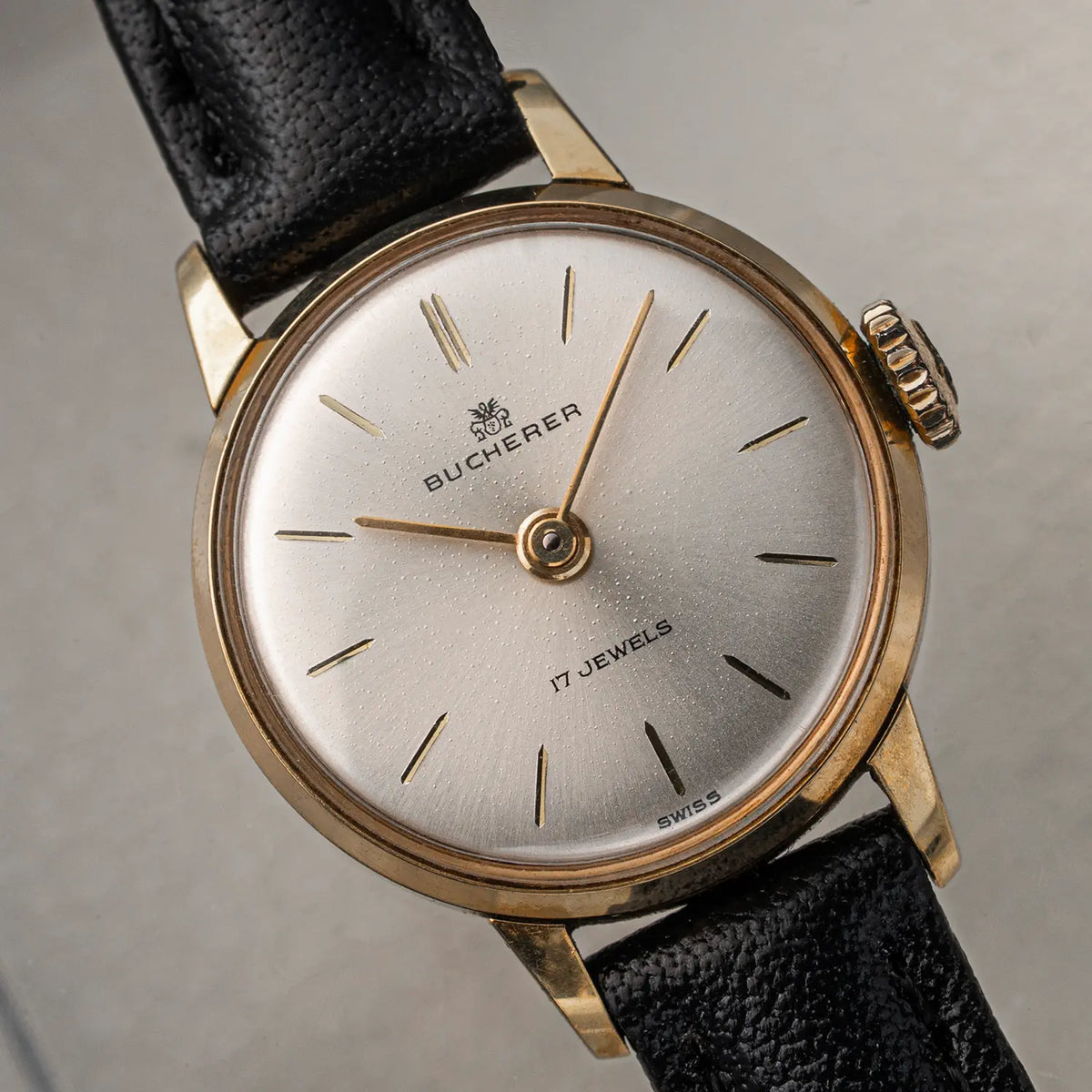
These details matter when choosing a vintage watch today. A correctly matched bracelet, well-preserved case geometry and dial finish can contribute significantly to the character of a period piece. A 36 mm watch with a broad tonneau case may also wear noticeably larger than its measurements suggest. For a more traditional aesthetic, explore our 1960s vintage watches, where classic round cases remain an important part of the collection.
Mechanical and Quartz Movements in 1970s Watches
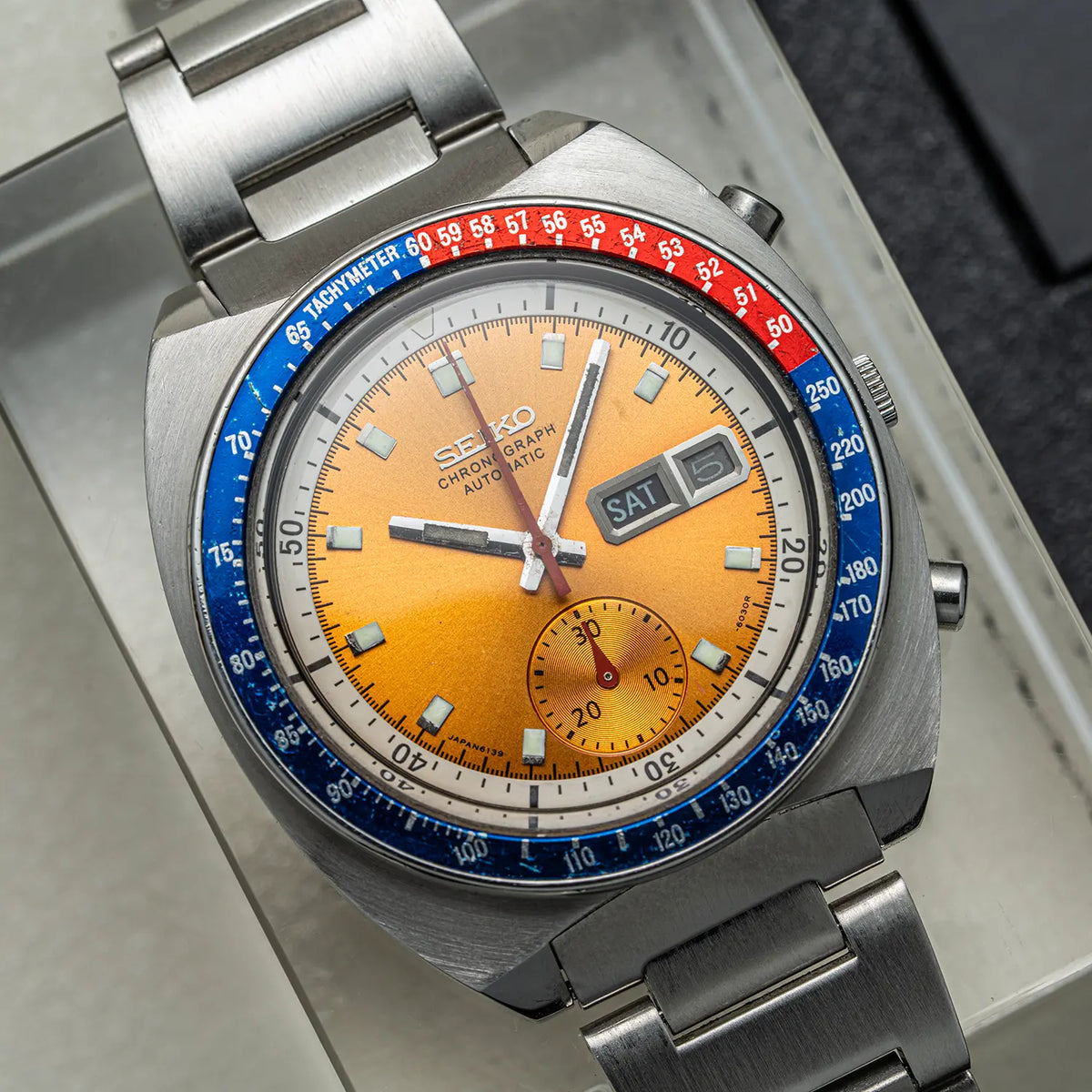
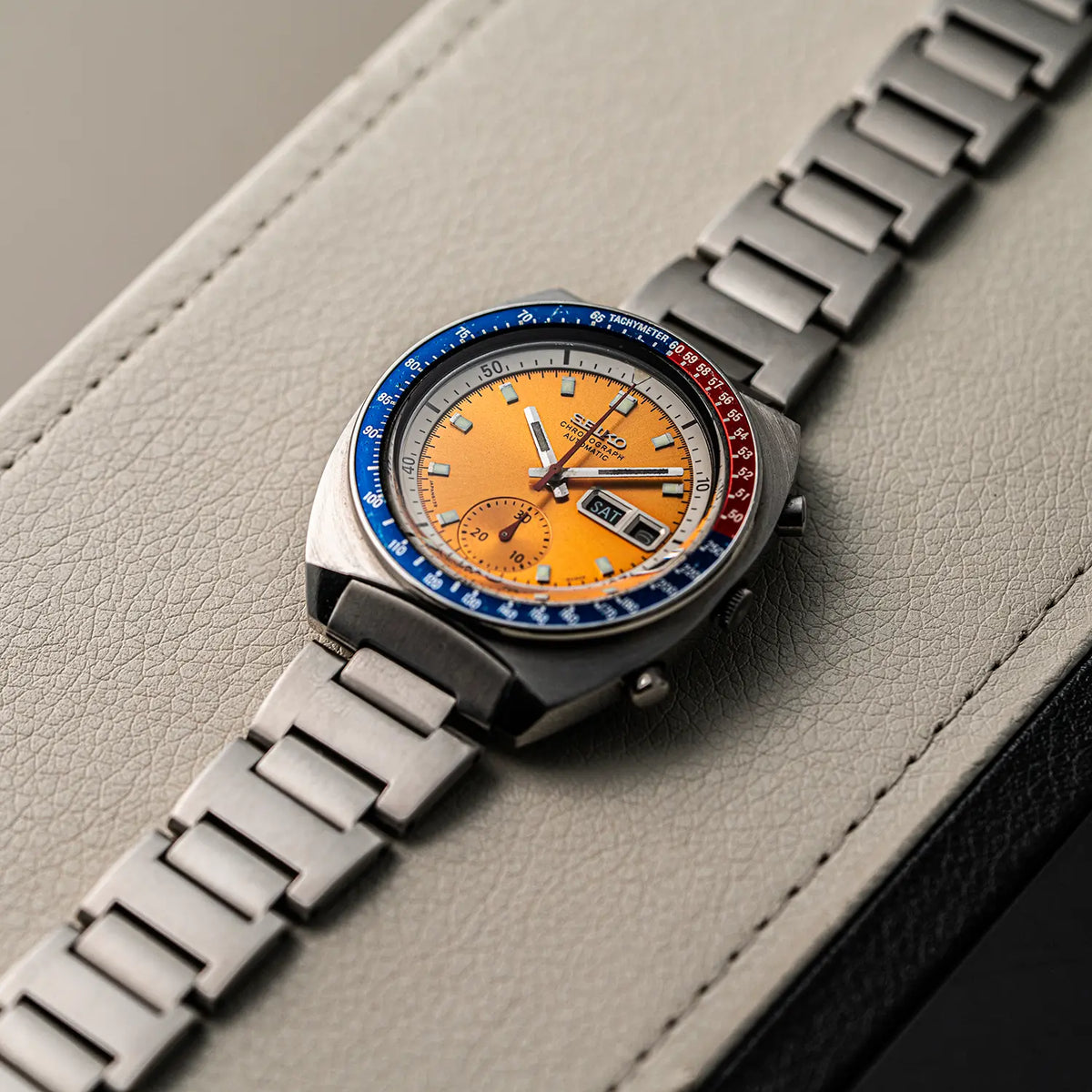
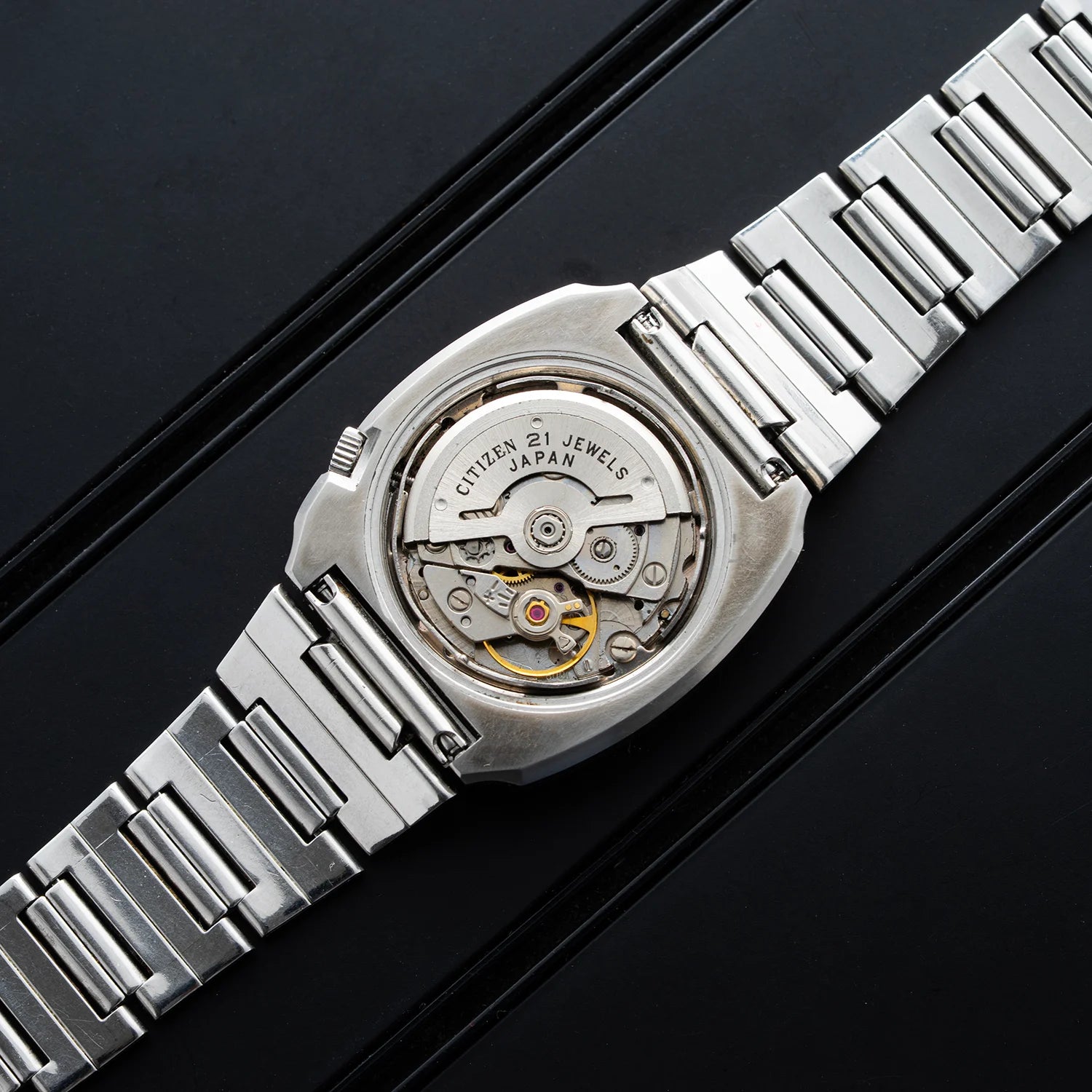
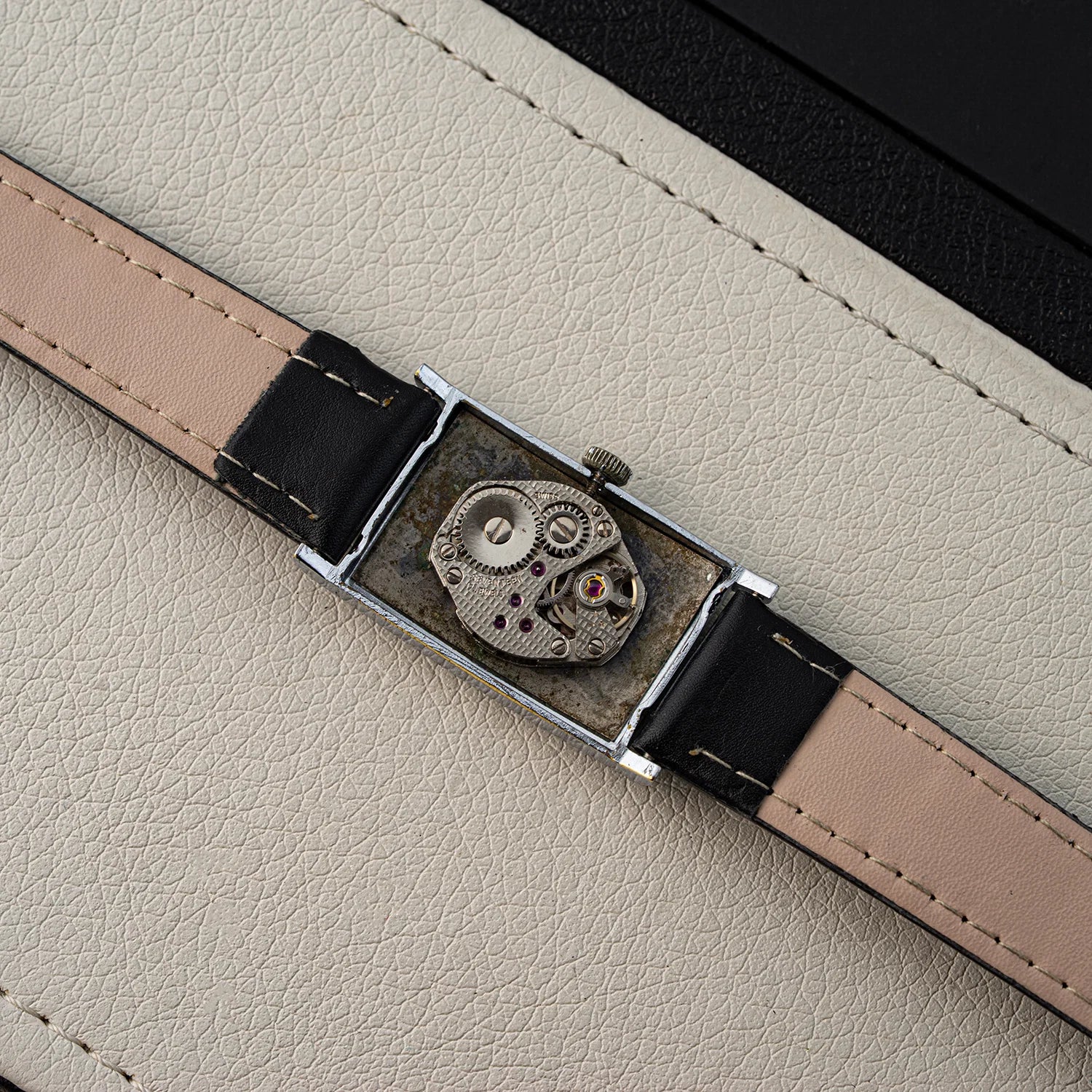
Buying a watch from the 1970s means choosing between several different approaches to timekeeping. Traditional hand-wound calibers remained common, while automatic movements from Swiss manufacturers and Japanese brands such as Seiko and Citizen offered the convenience of self-winding. Mechanical chronographs also became increasingly prominent, with Seiko's caliber 6139, introduced in 1969, demonstrating the capabilities of an automatic chronograph with a column wheel and vertical clutch.
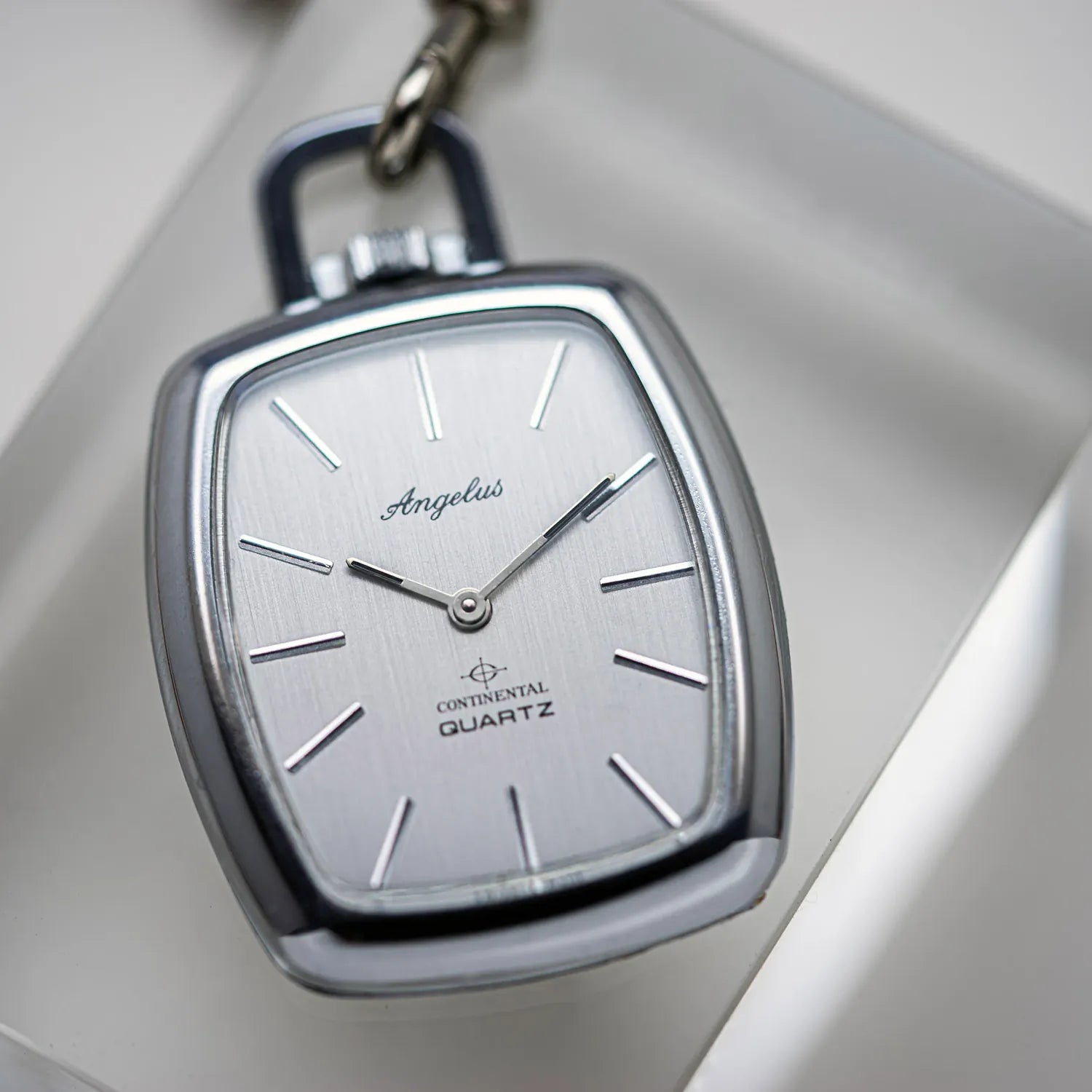
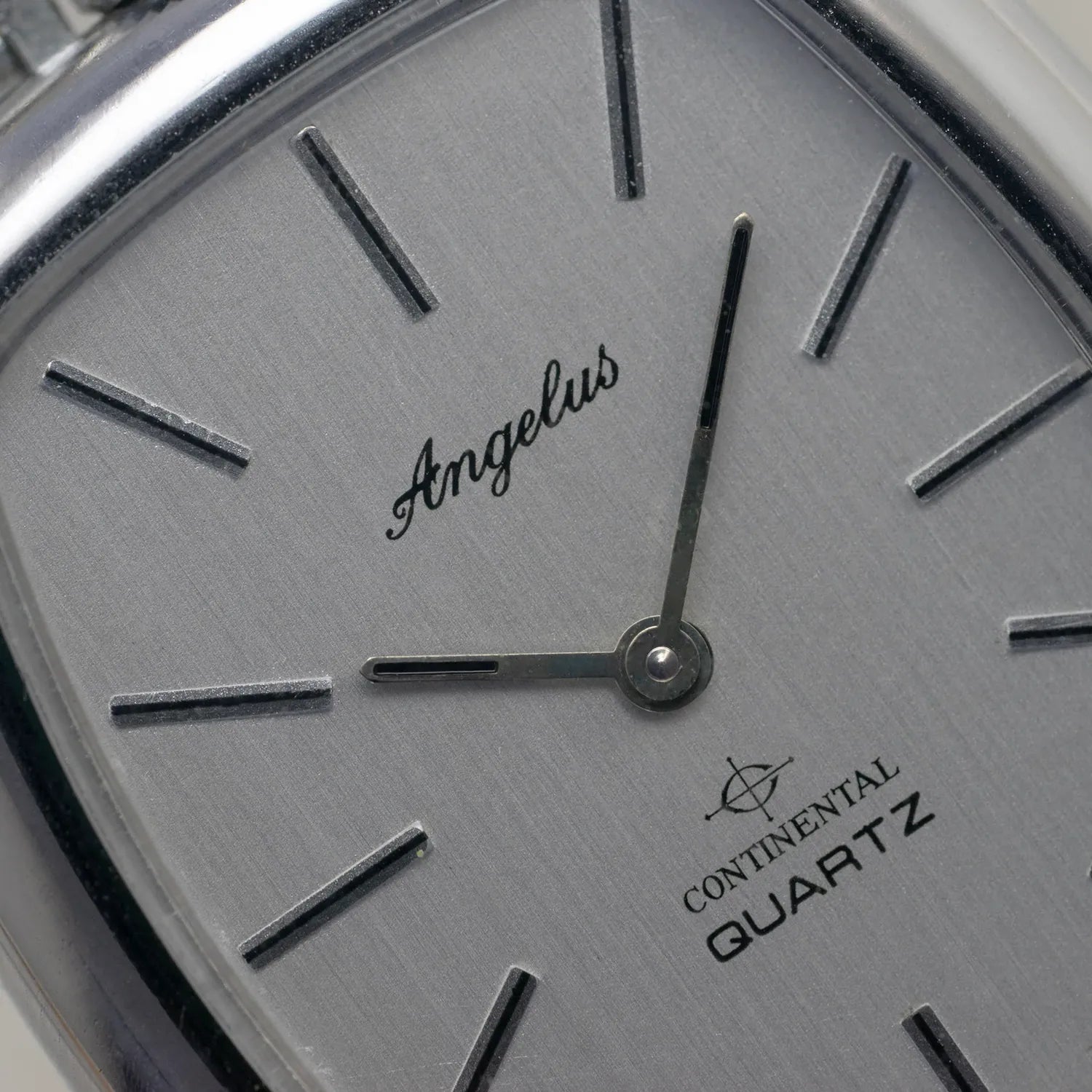
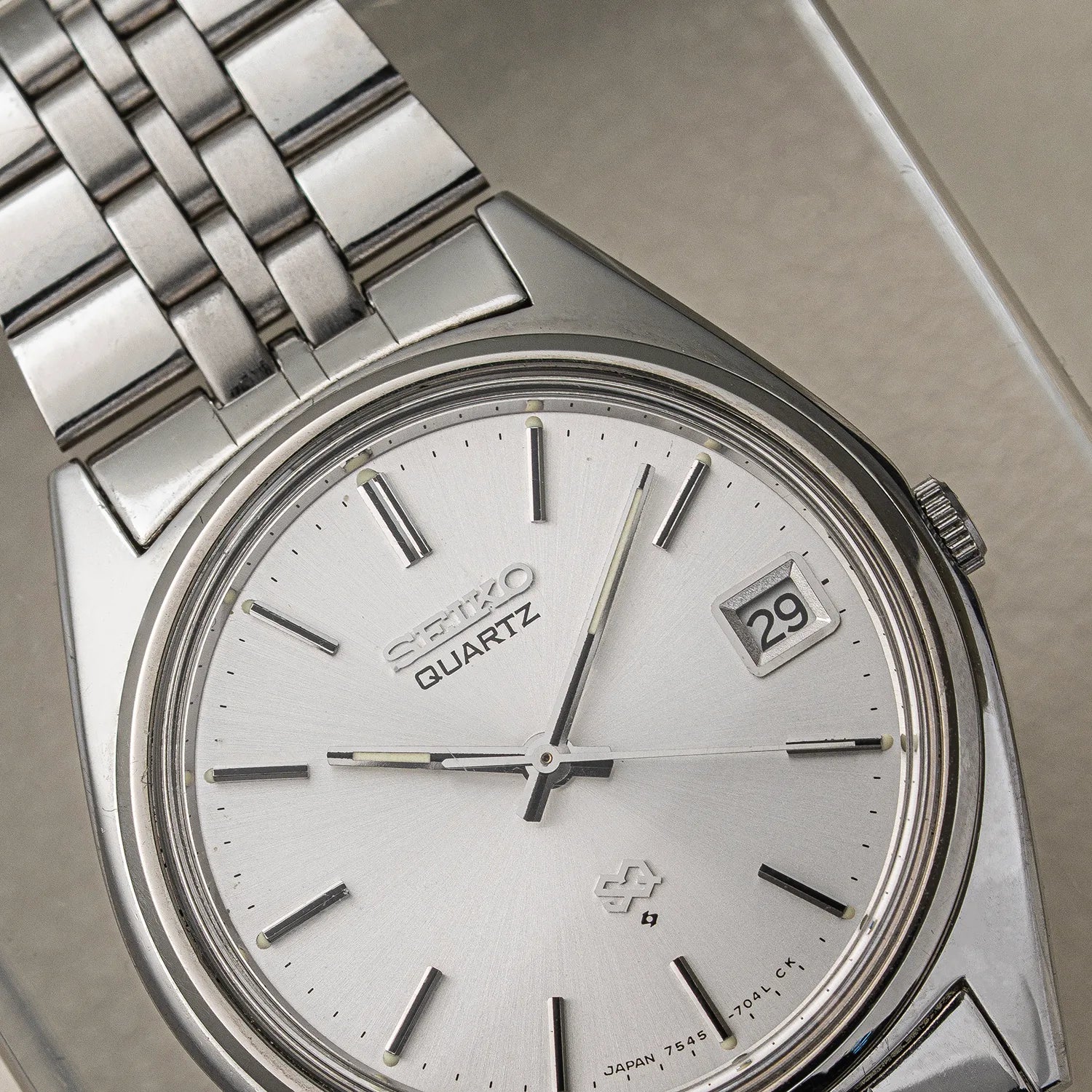
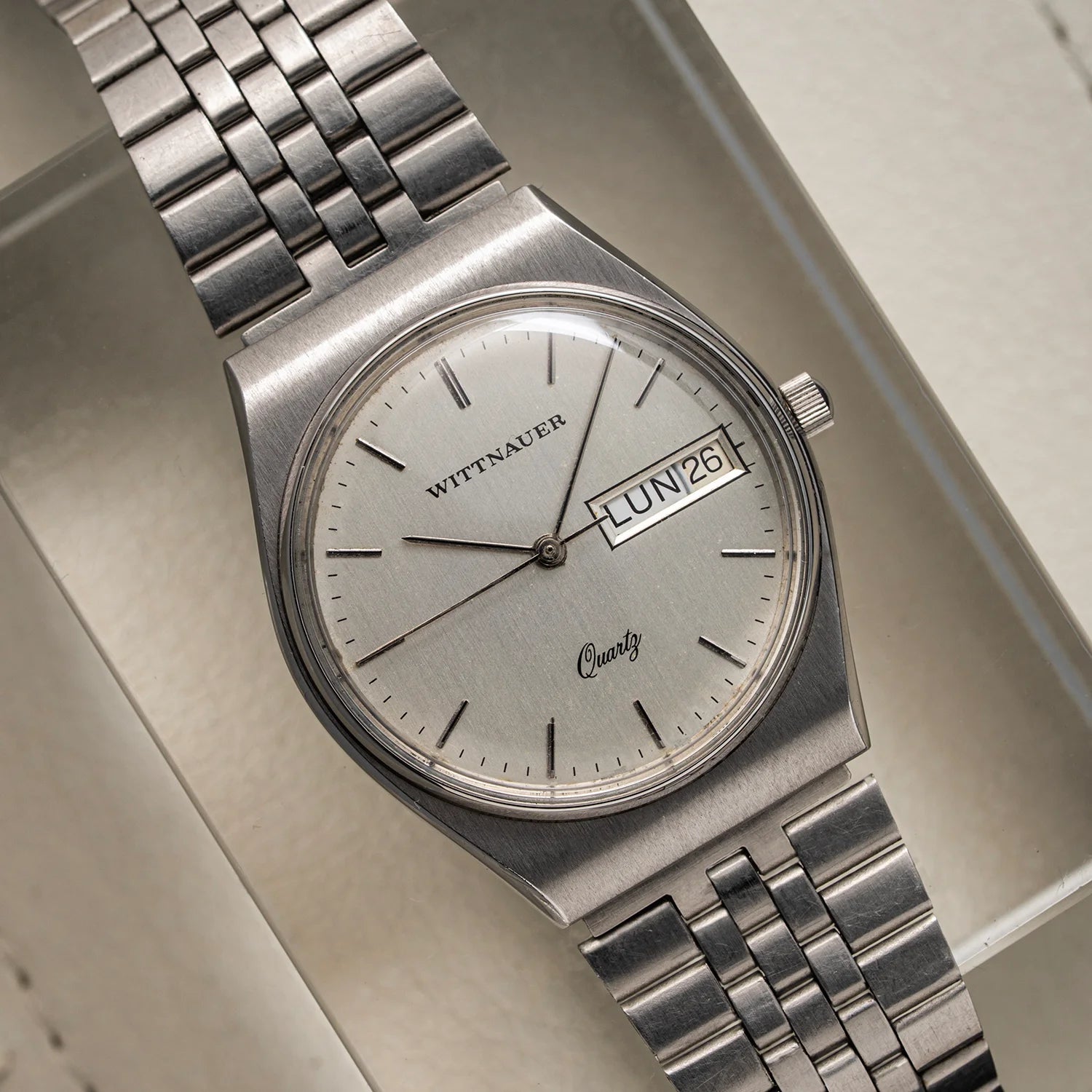
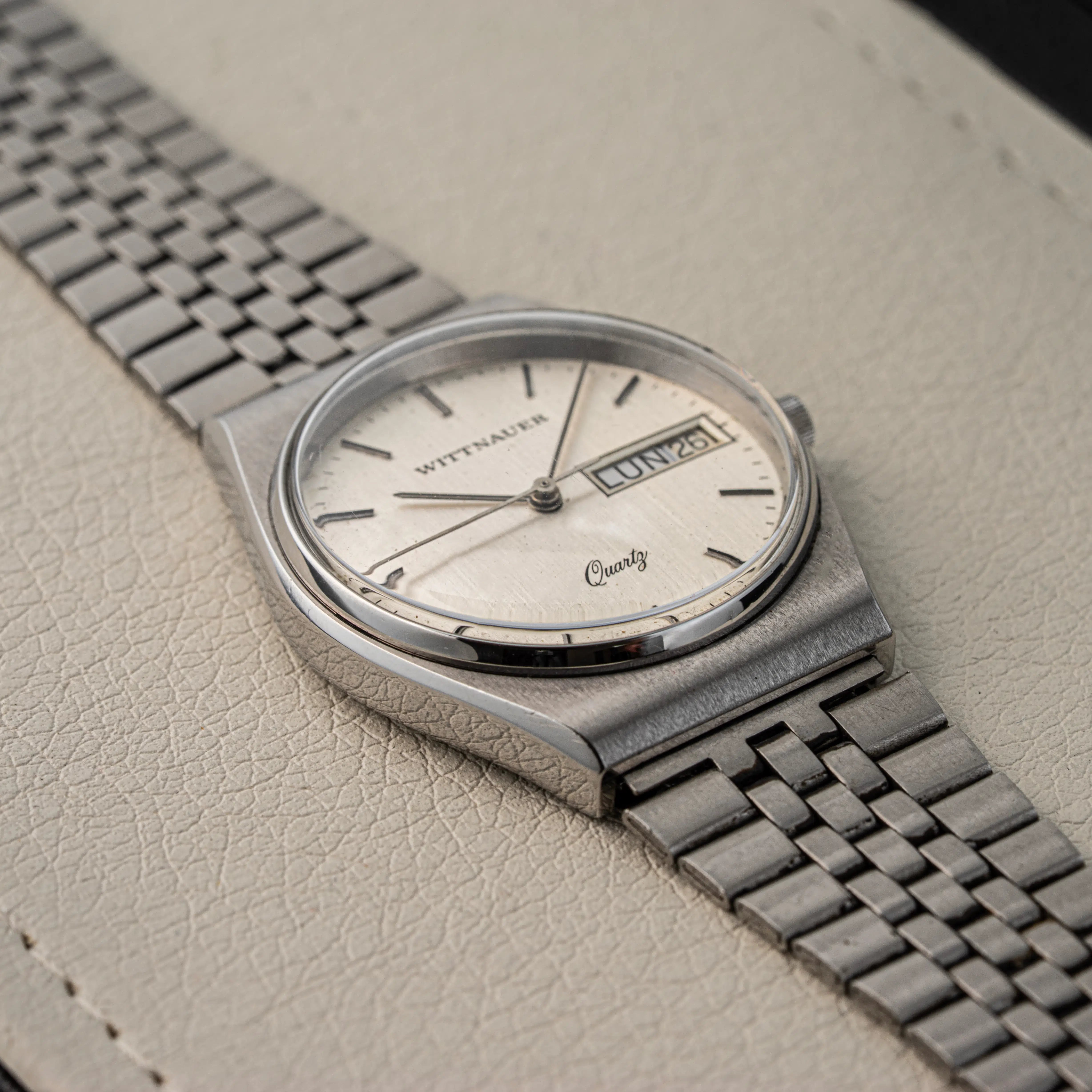
At the same time, quartz movements were transforming the industry. Following the introduction of the Seiko Quartz Astron in December 1969, electronic watches became increasingly important throughout the 1970s. Analog quartz watches offered improved timekeeping accuracy, while digital displays introduced an entirely different way of presenting time. By 1973, Seiko had introduced a wristwatch with a six-digit LCD display.
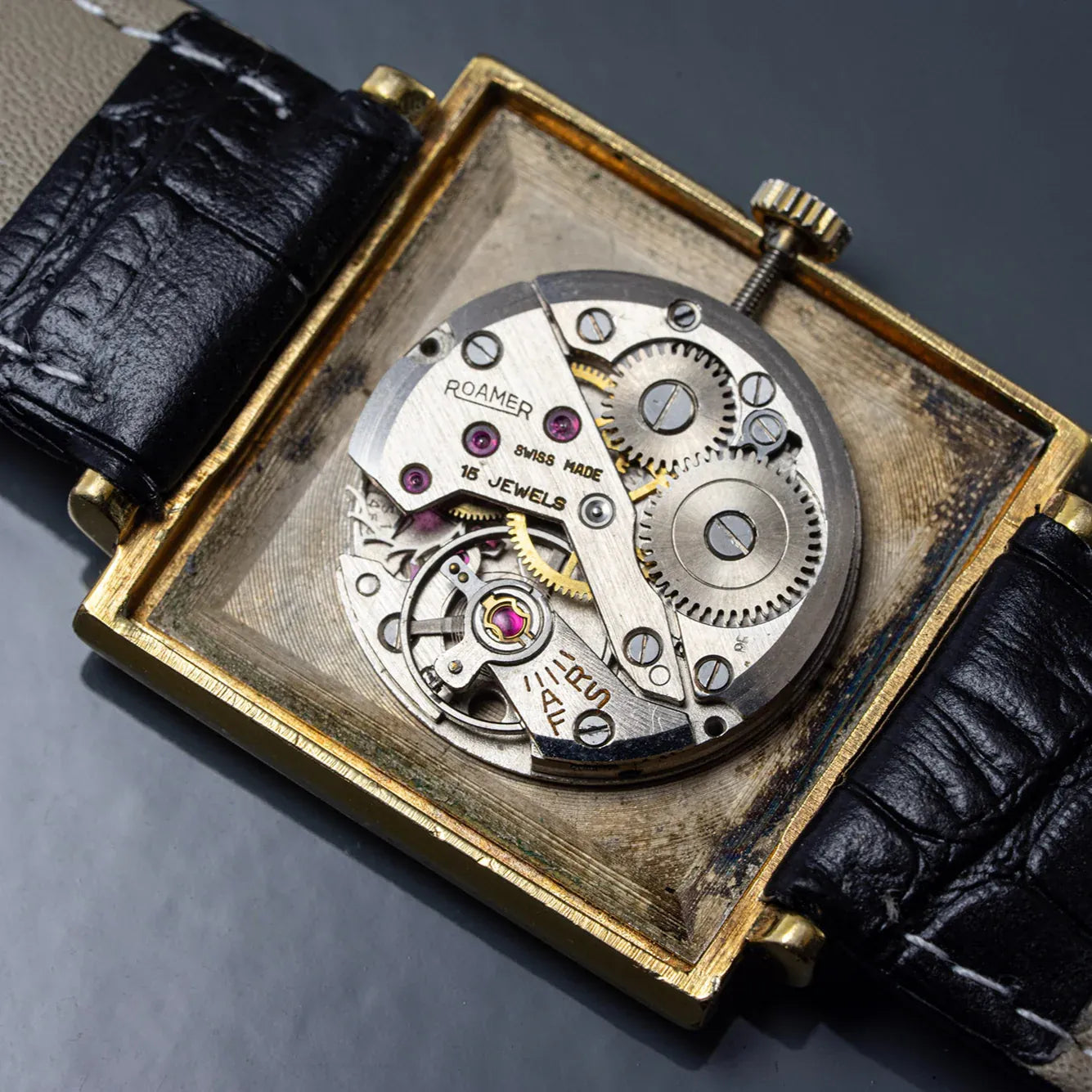
For collectors, movement condition is more important than the technology alone. A mechanical watch should be assessed for amplitude, rate stability, winding performance and service requirements. An early quartz watch deserves particular attention to battery leakage, circuit condition, display functionality and replacement-part availability. Chronographs also require checks of their start, stop and reset functions. At Vintage Watch Studio, mechanical watches are professionally serviced, quartz watches are inspected and tested, and every purchased watch comes with a 12-month warranty.


1970s Vintage Watches FAQ
What types of watches were popular in the 1970s?
The 1970s offered an unusually diverse selection of wristwatches. Automatic and hand-wound mechanical models remained popular, including dress watches, divers and chronographs. Quartz technology introduced increasingly accurate analog watches and emerging digital designs. Visually, tonneau cases, TV-shaped cases, integrated bracelets and textured dials became characteristic of many watches produced during the decade.
Are Seiko watches from the 1970s collectible?
Yes. Seiko produced many watches that interest collectors today, including automatic chronographs powered by calibers 6138 and 6139, mechanical divers and distinctive Seiko 5 models. Early quartz and digital watches also attract enthusiasts. Collectibility depends on the specific reference, originality, condition and movement functionality rather than age alone. A well-preserved ordinary model may be a better purchase than a heavily modified example of a more famous reference.
How can I tell if a 1970s vintage watch is original?
Start by checking whether the dial, hands, case, movement and reference markings are consistent with the manufacturer's specifications for that model. Look for refinished dials, replacement hands, excessive polishing and incorrect bracelets. Some replacement parts may be appropriate service components rather than signs of misrepresentation. Originality should be evaluated for the individual watch, supported by clear photographs and an accurate description of its condition.
Can a 1970s vintage watch be worn every day?
Many 1970s watches can be worn regularly when their movements are in suitable condition and they receive appropriate care. Servicing is especially important for mechanical watches, while early quartz models should be checked for electronic faults and battery damage. Water resistance should never be assumed from an original case marking without current pressure testing. At Vintage Watch Studio, every purchased watch includes a 12-month warranty, with mechanical models professionally serviced and quartz watches inspected and tested.
Recognized & Reliable Worldwide
Trusted Partners in Security, Shipping, and Service



Store
Vintage Watch Studio
- Drinke Pavlovic 3, 11130 Belgrade
- Visiting Hours: Monday – Friday: 10:00 – 17:00 CET
- +381 61 653 4298
- vintagewatchstudio@gmail.com
- Online Chat 24/7