
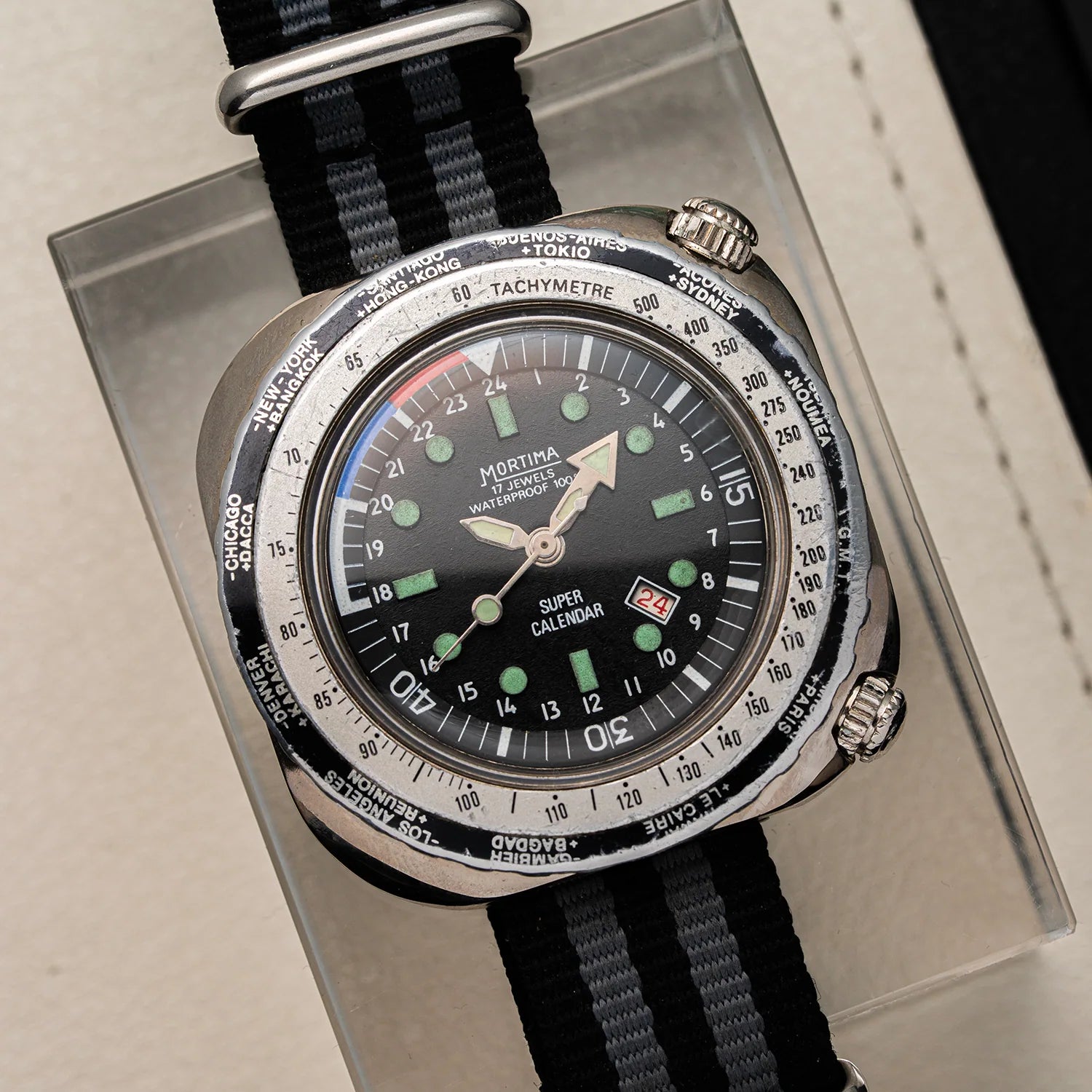
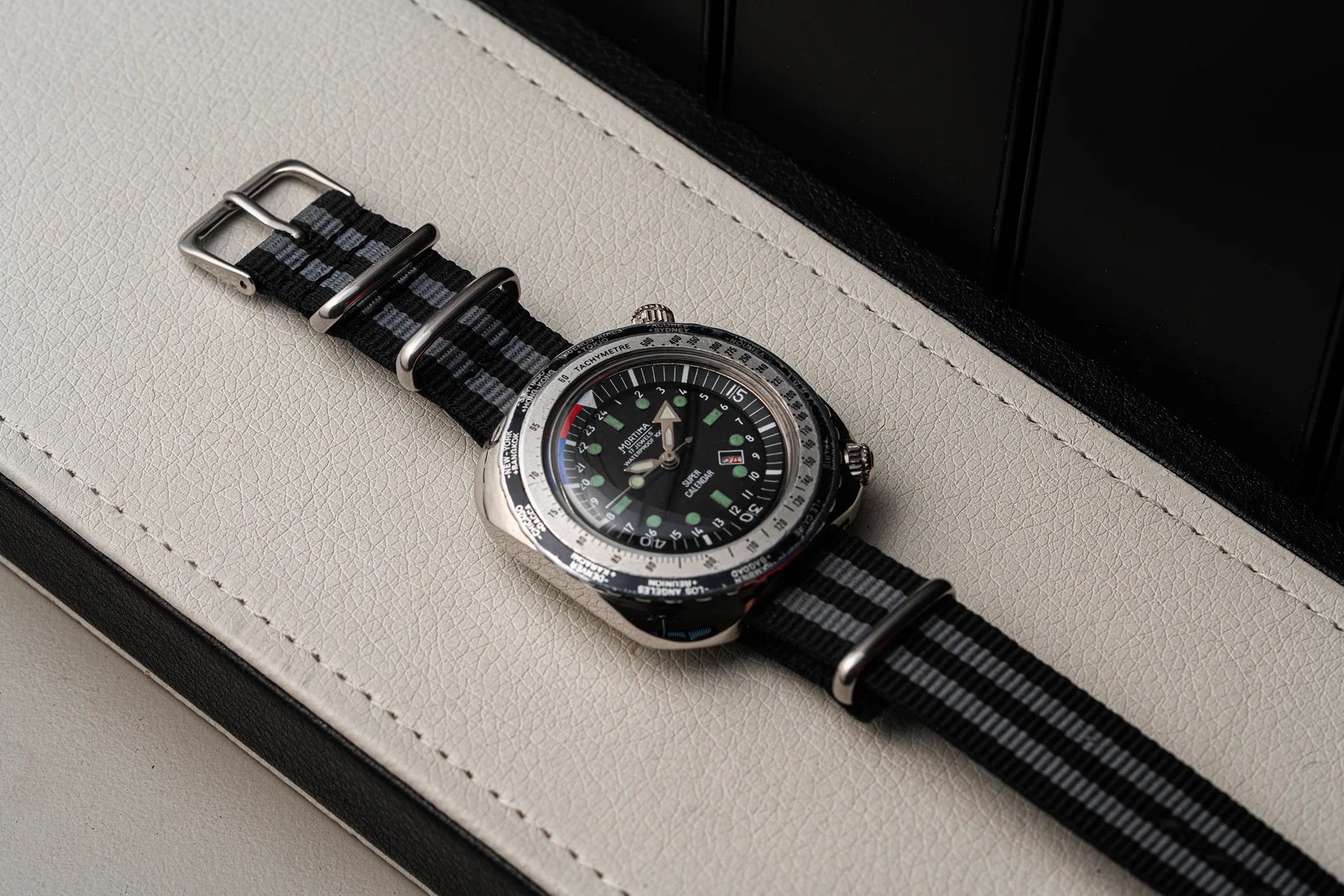
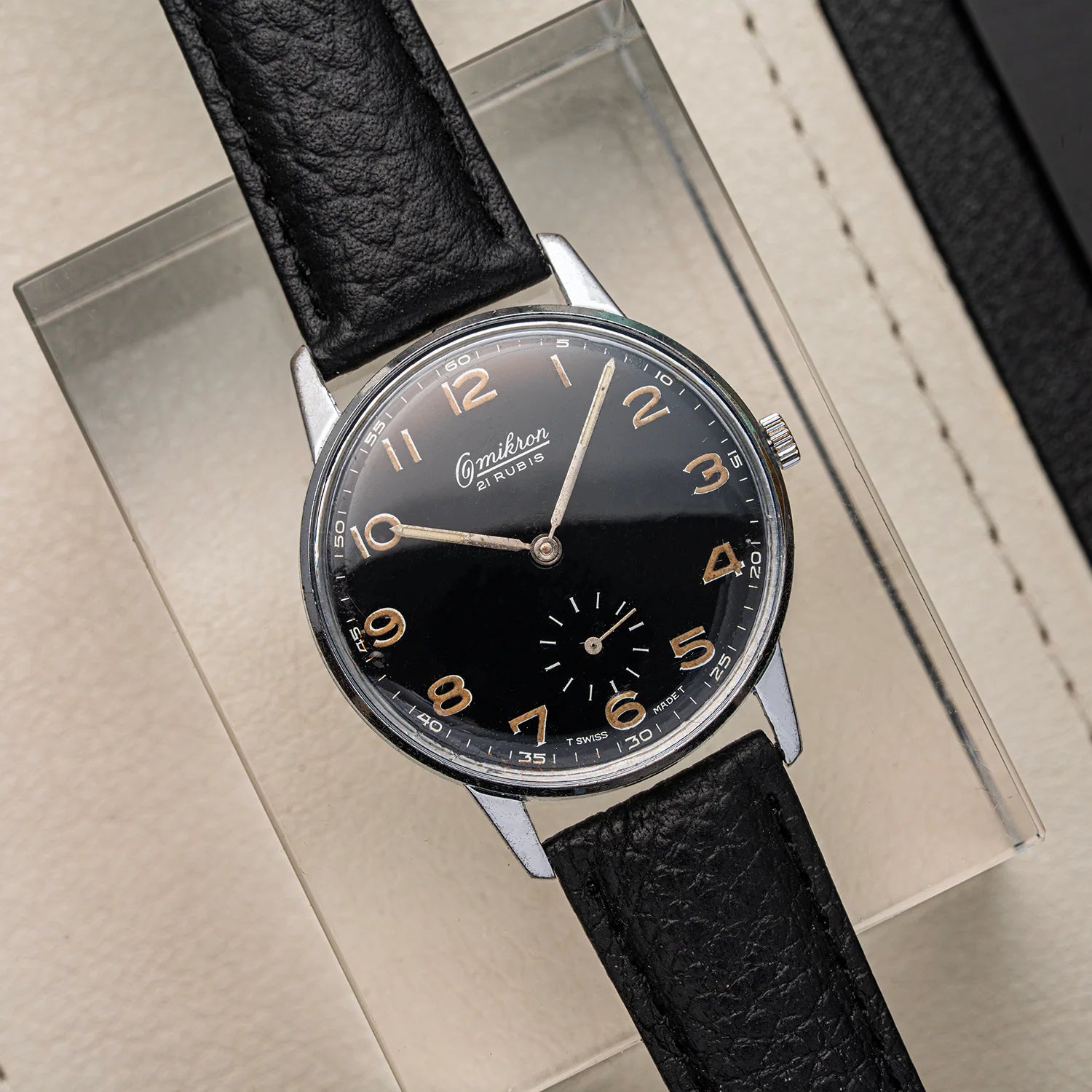
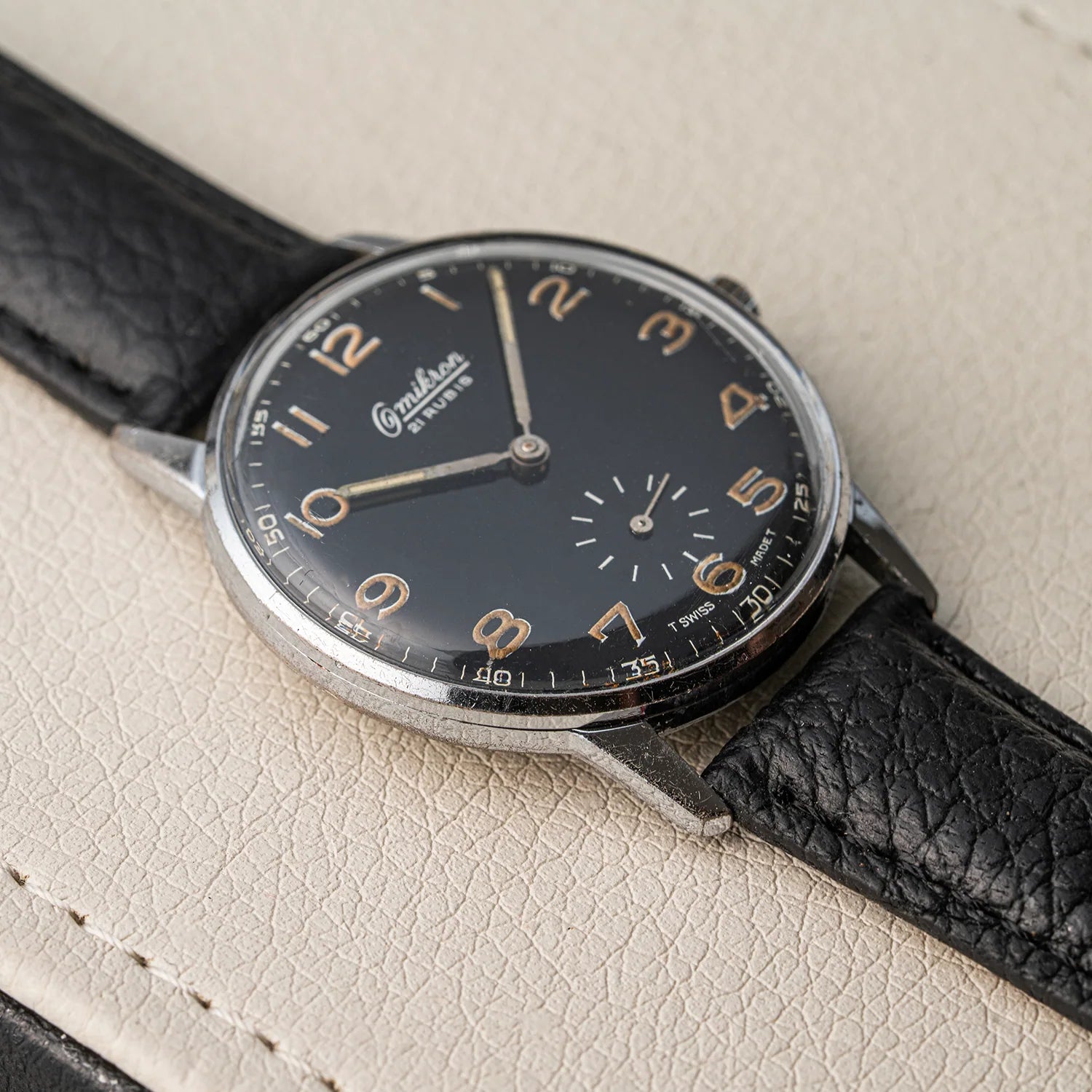


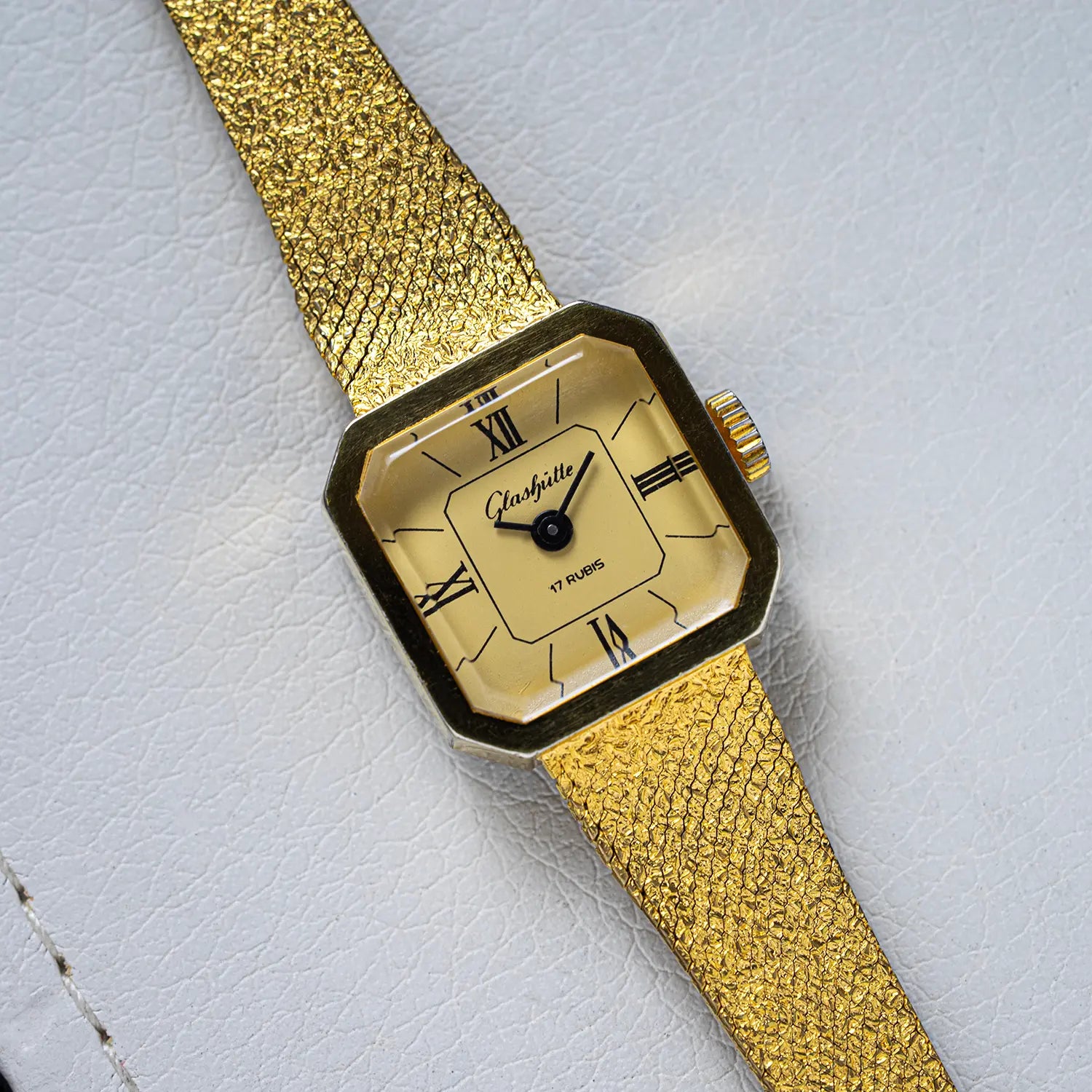
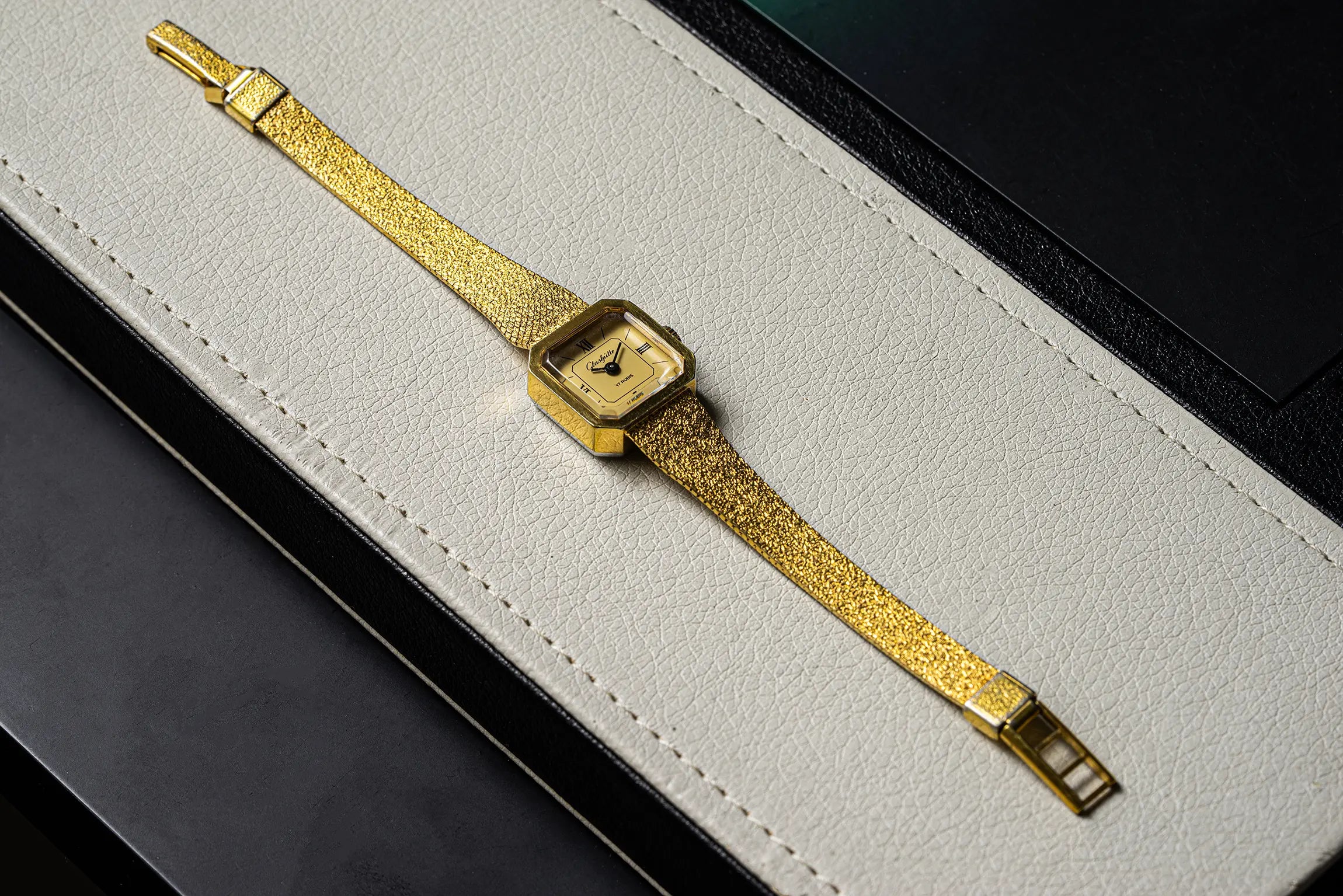
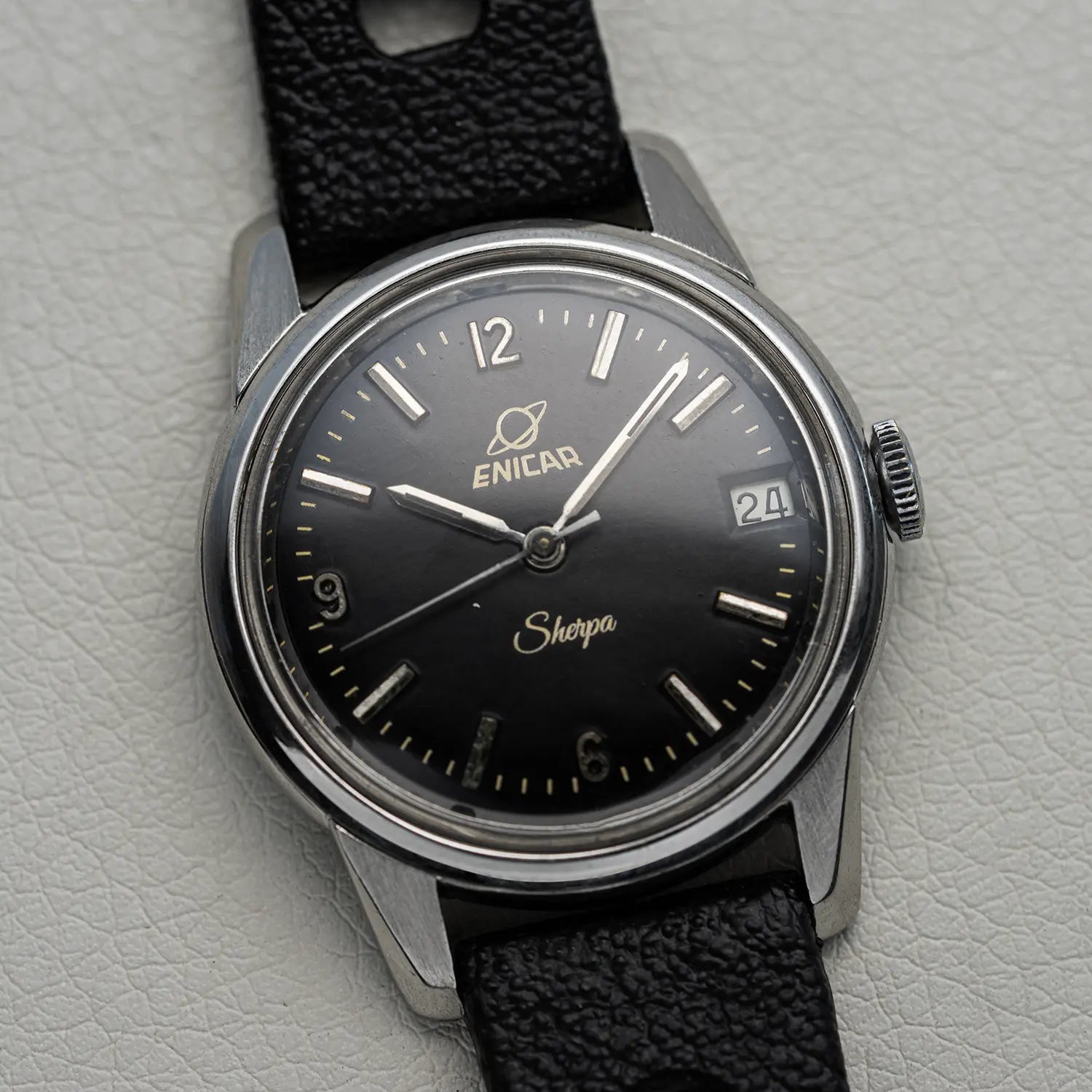
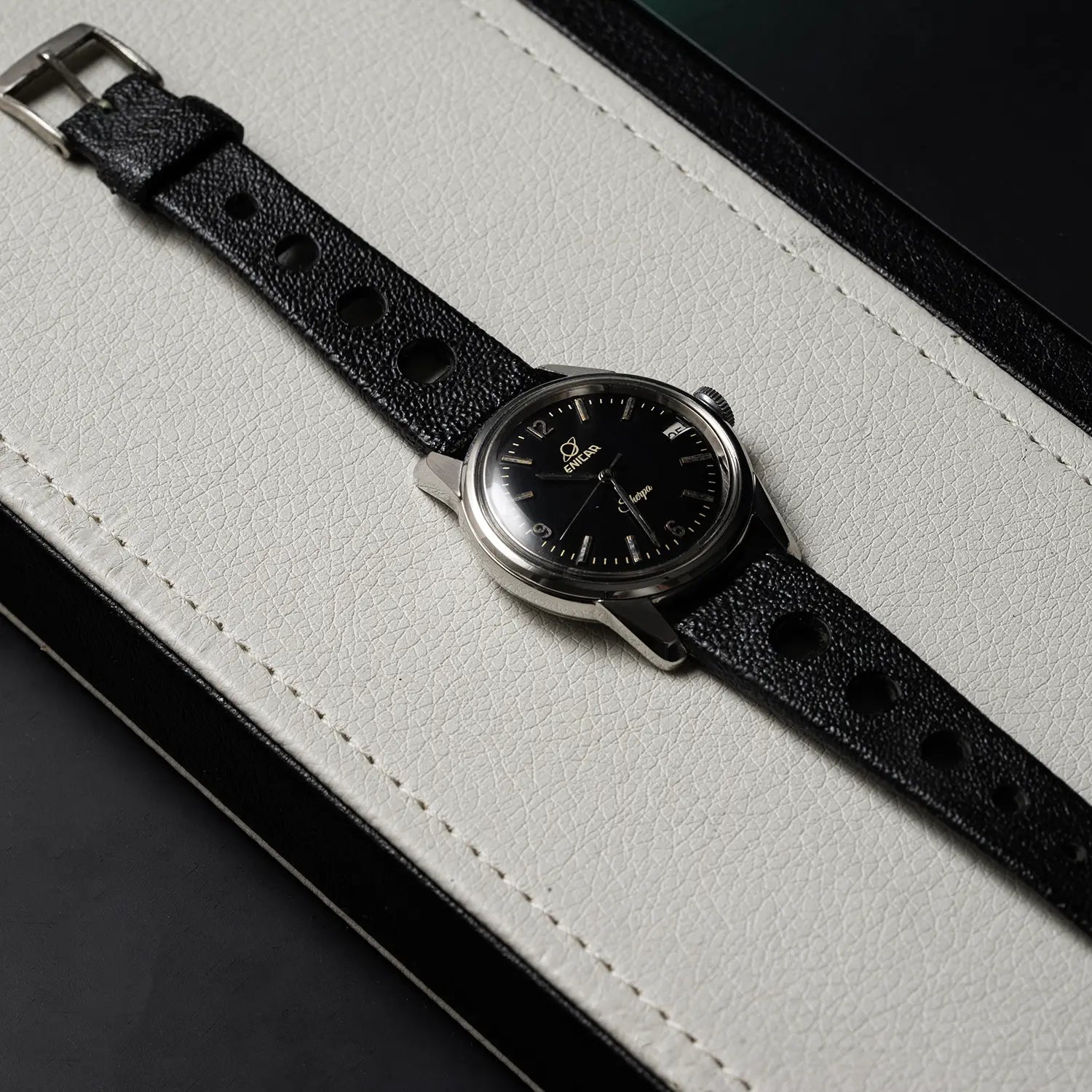
Explore Watchmaking Across the Decades
Discover Related Vintage Watch Collections
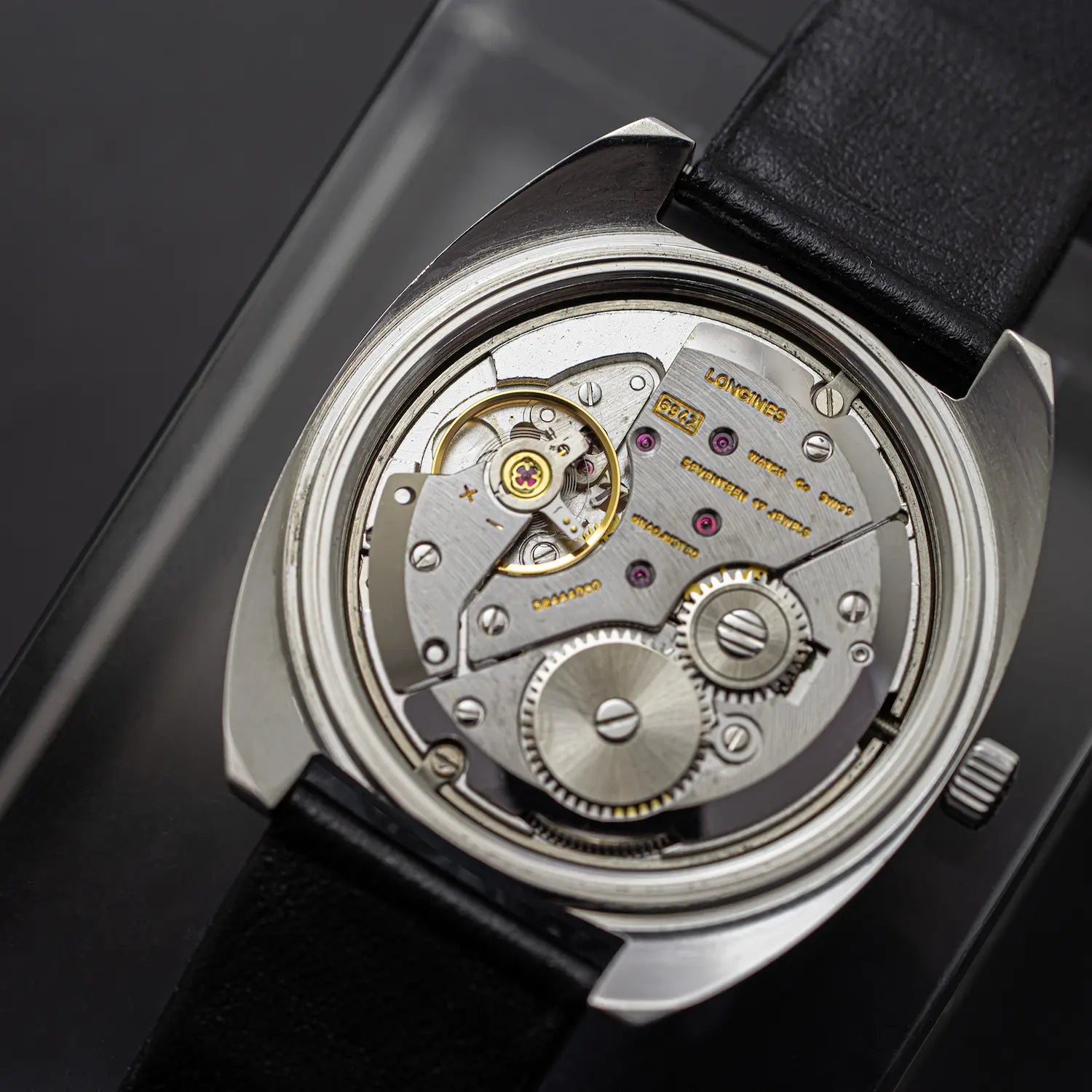
From Mid-Century Elegance to a New Kind of Wristwatch
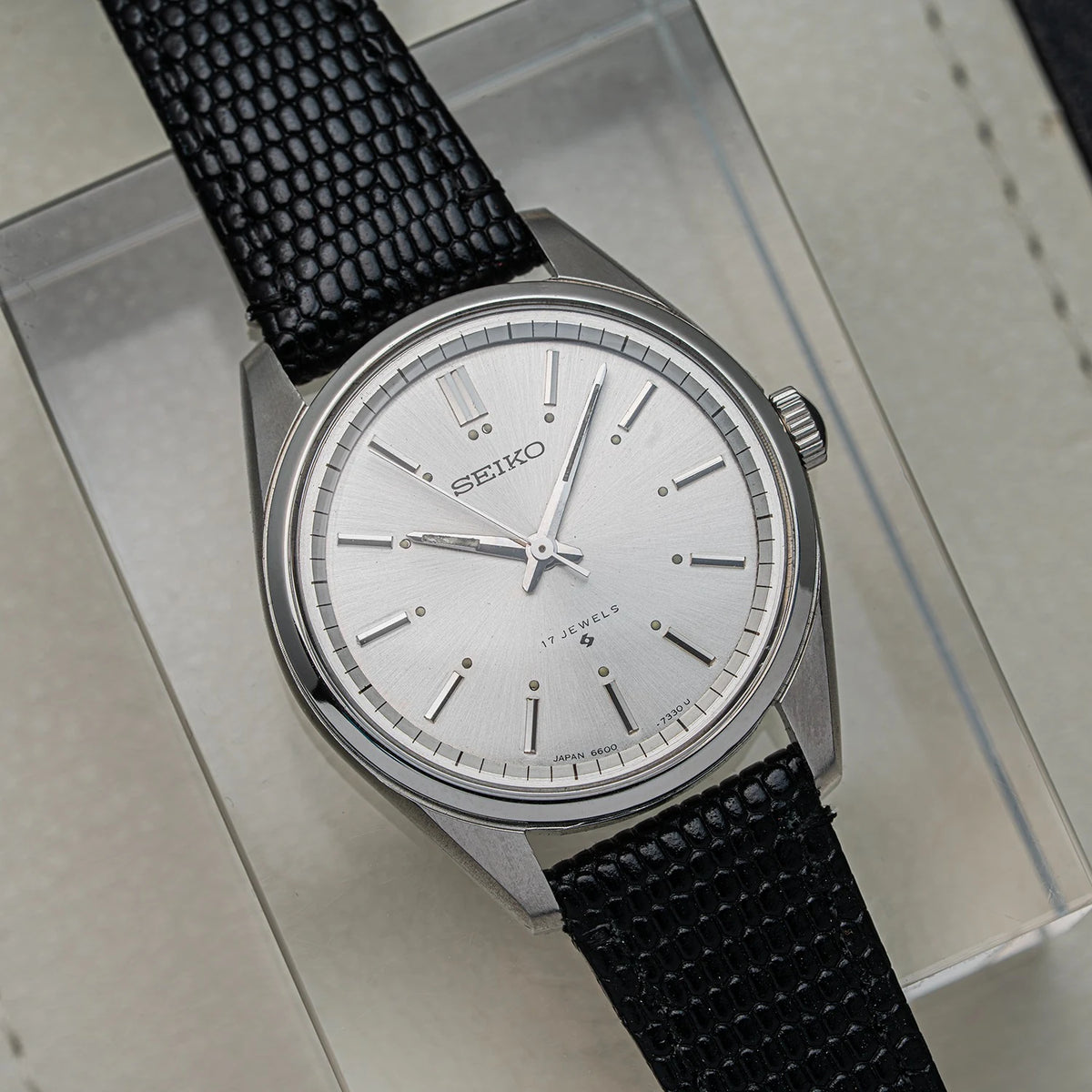
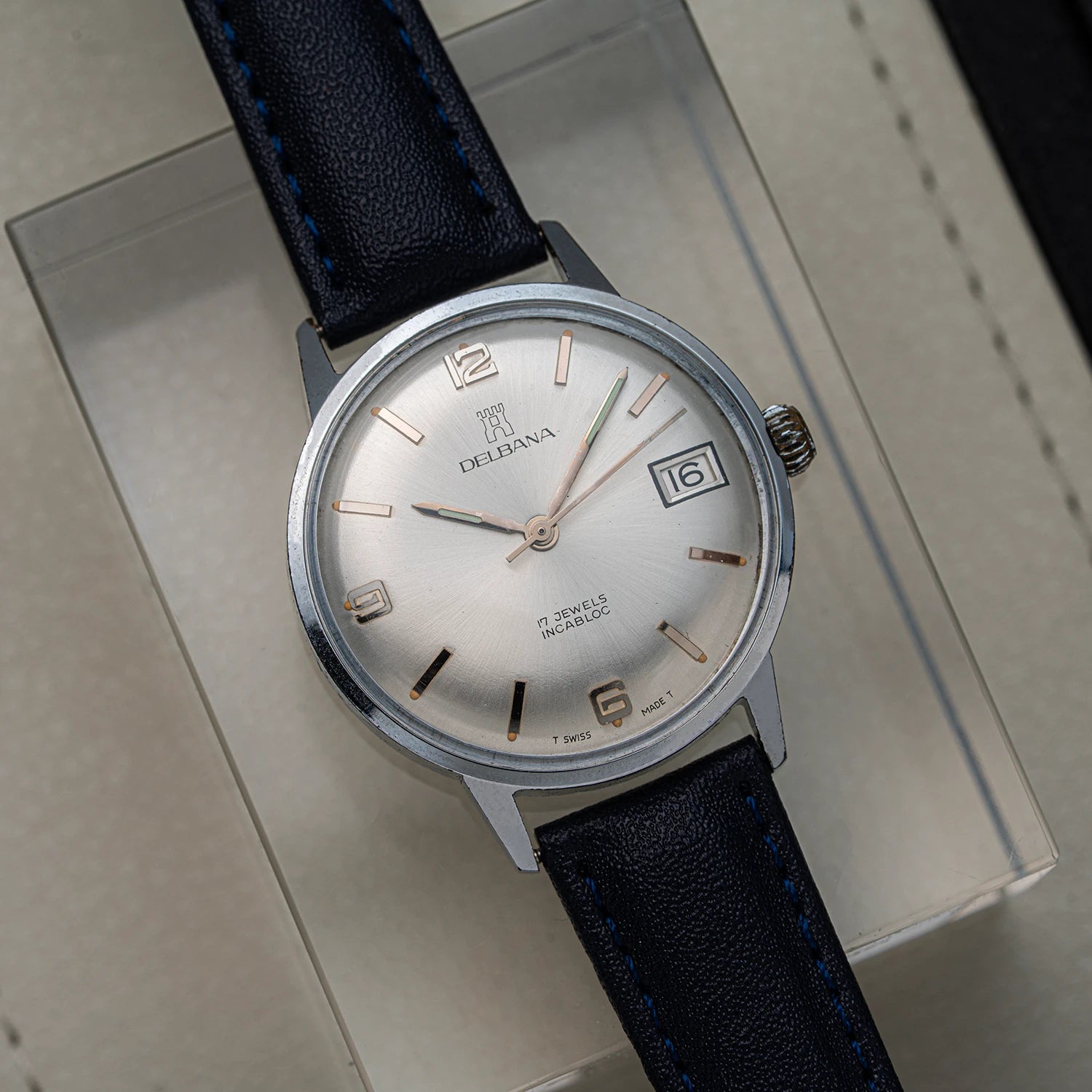
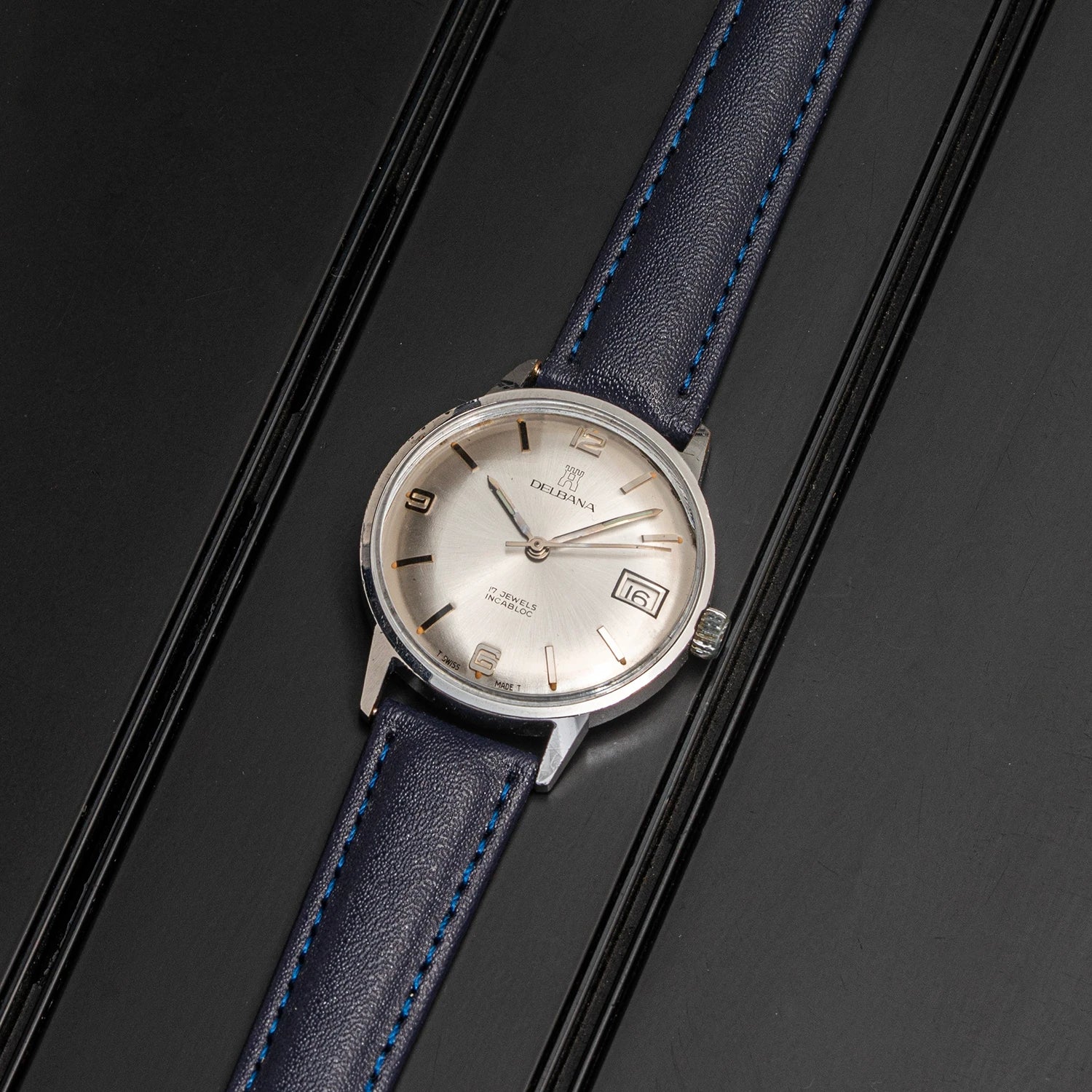
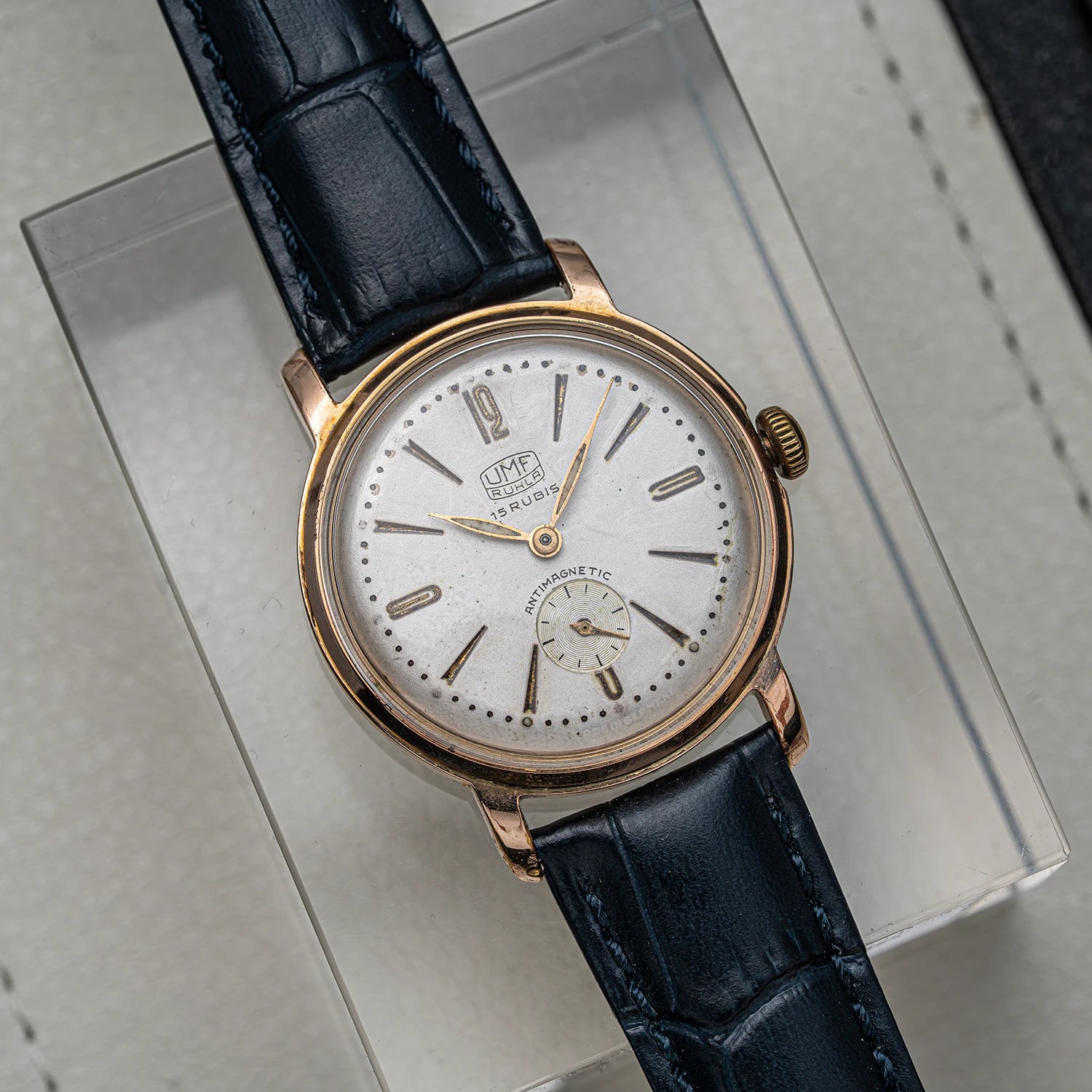
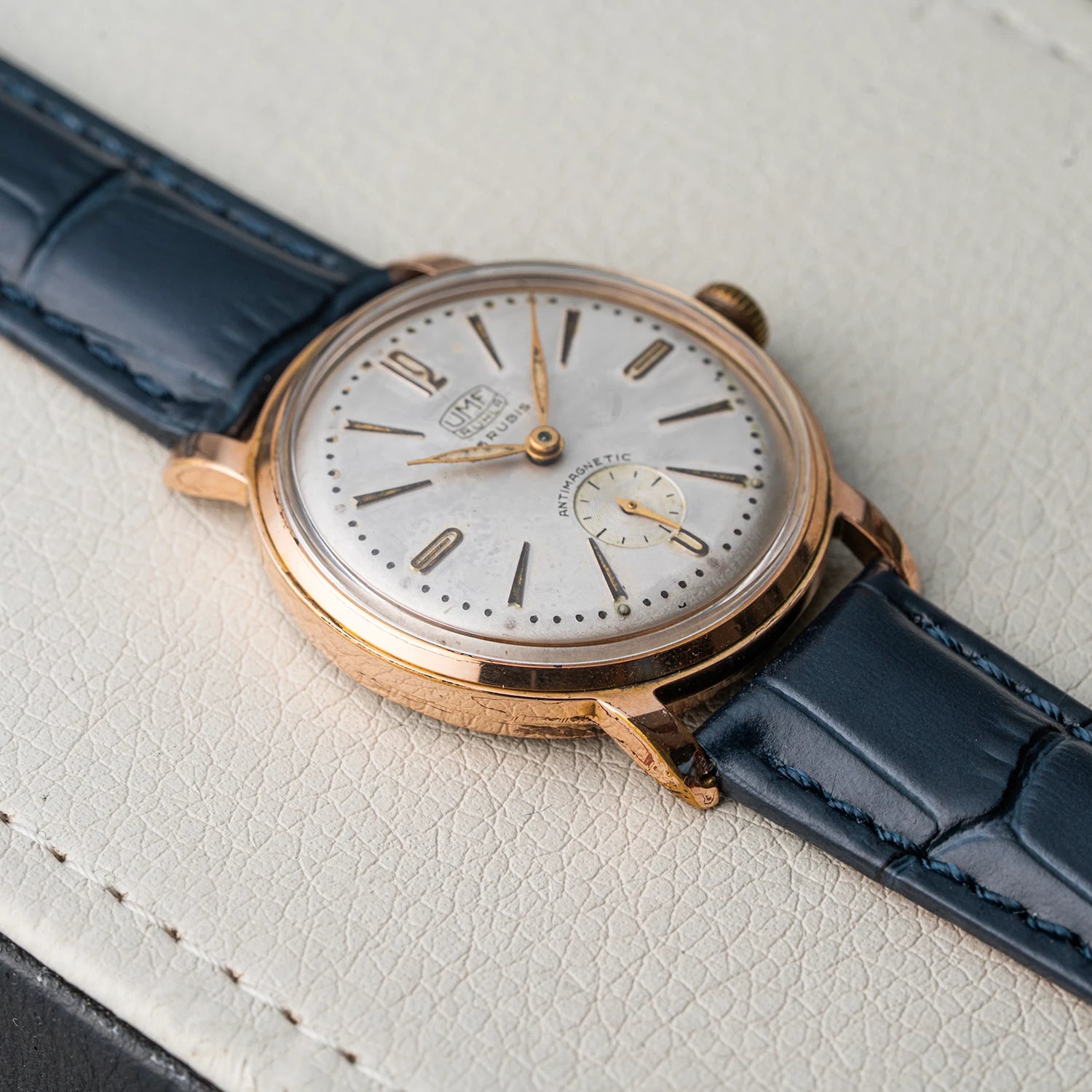
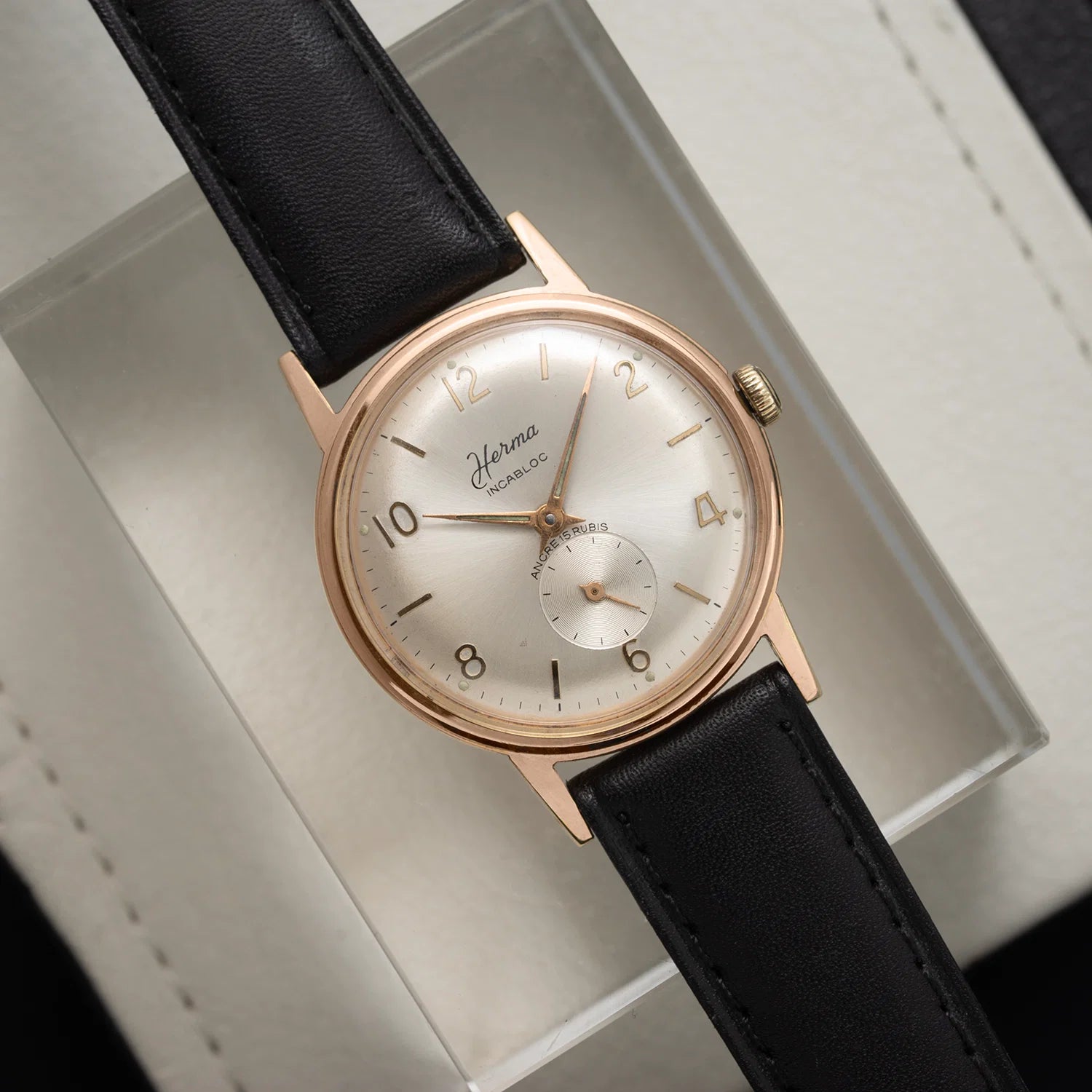
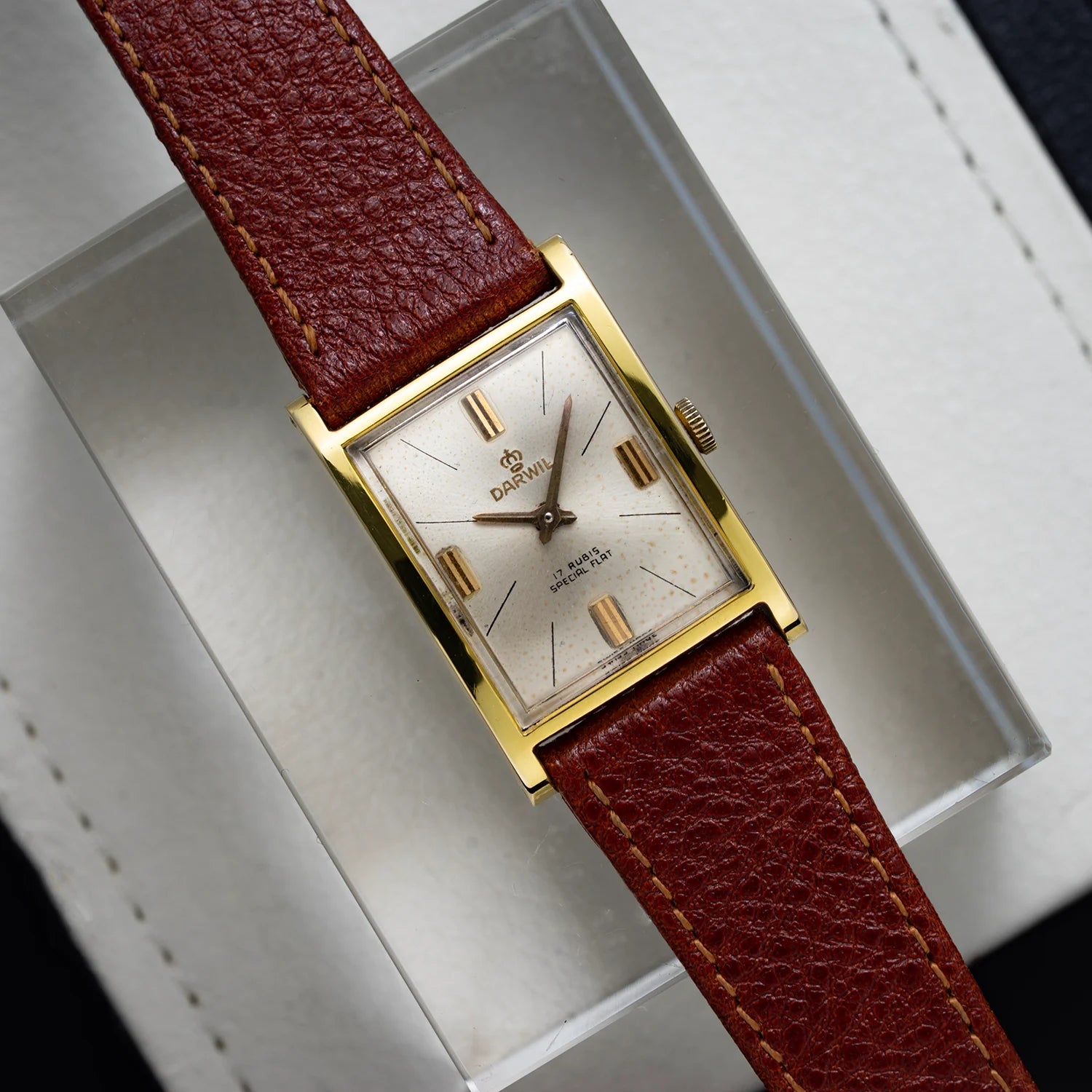
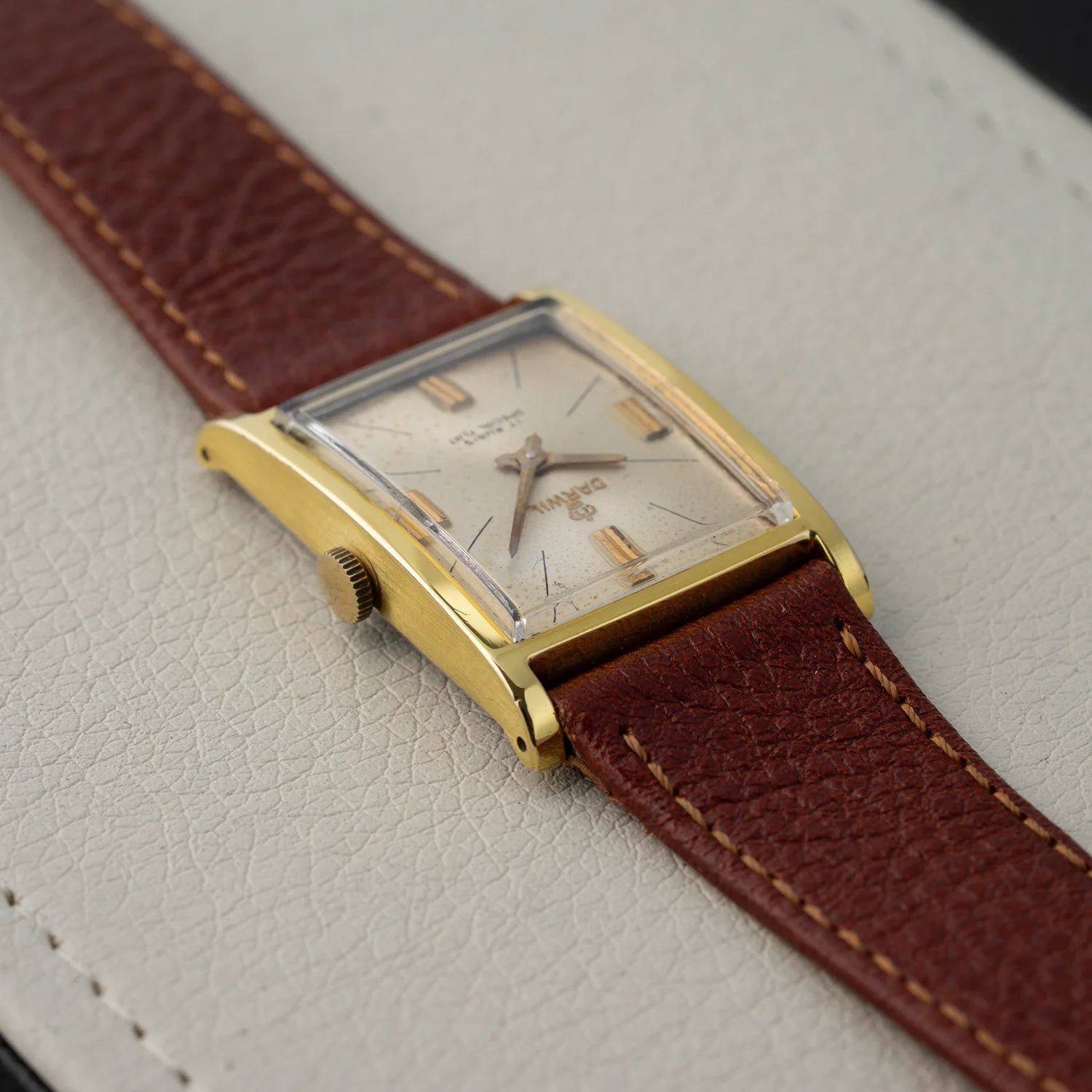
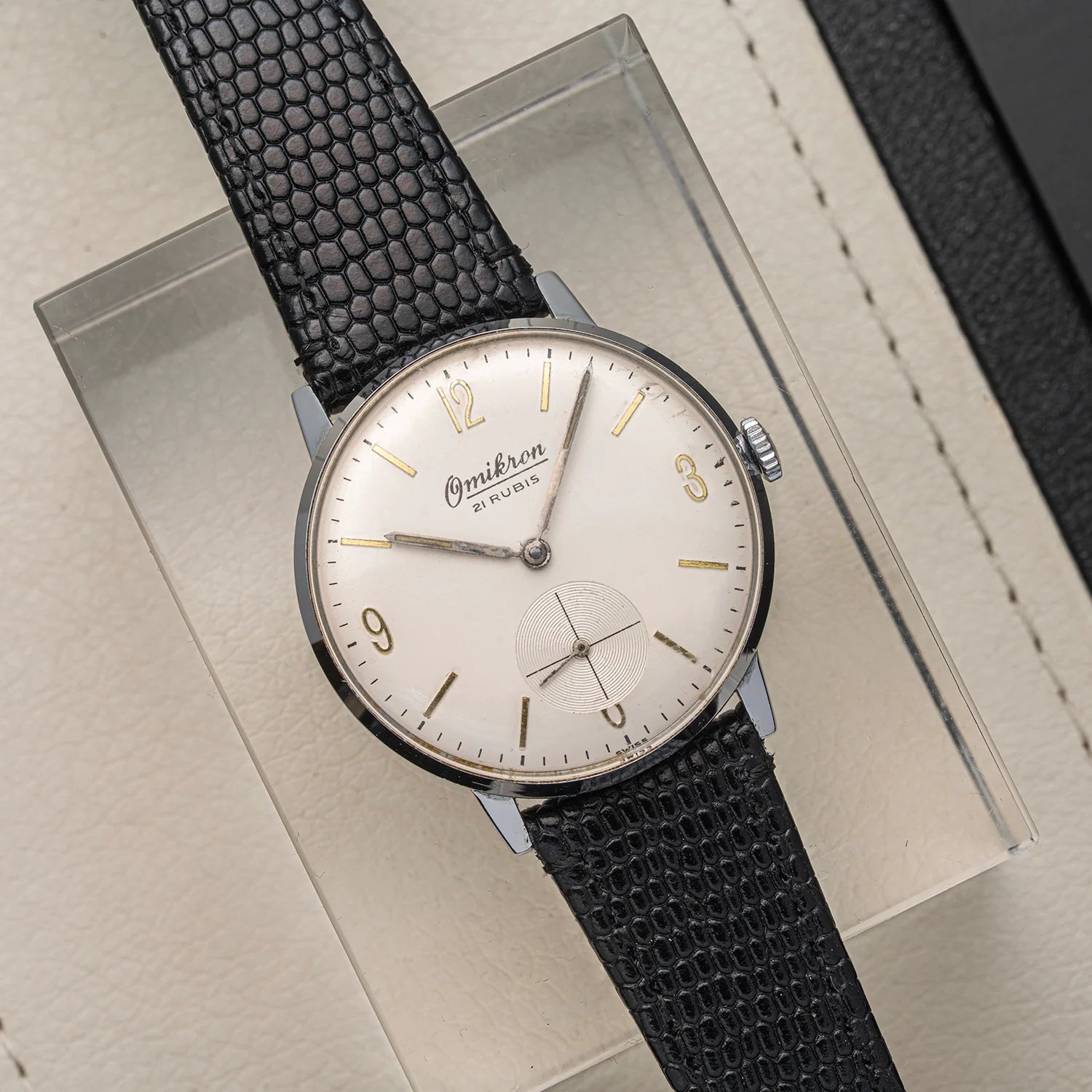
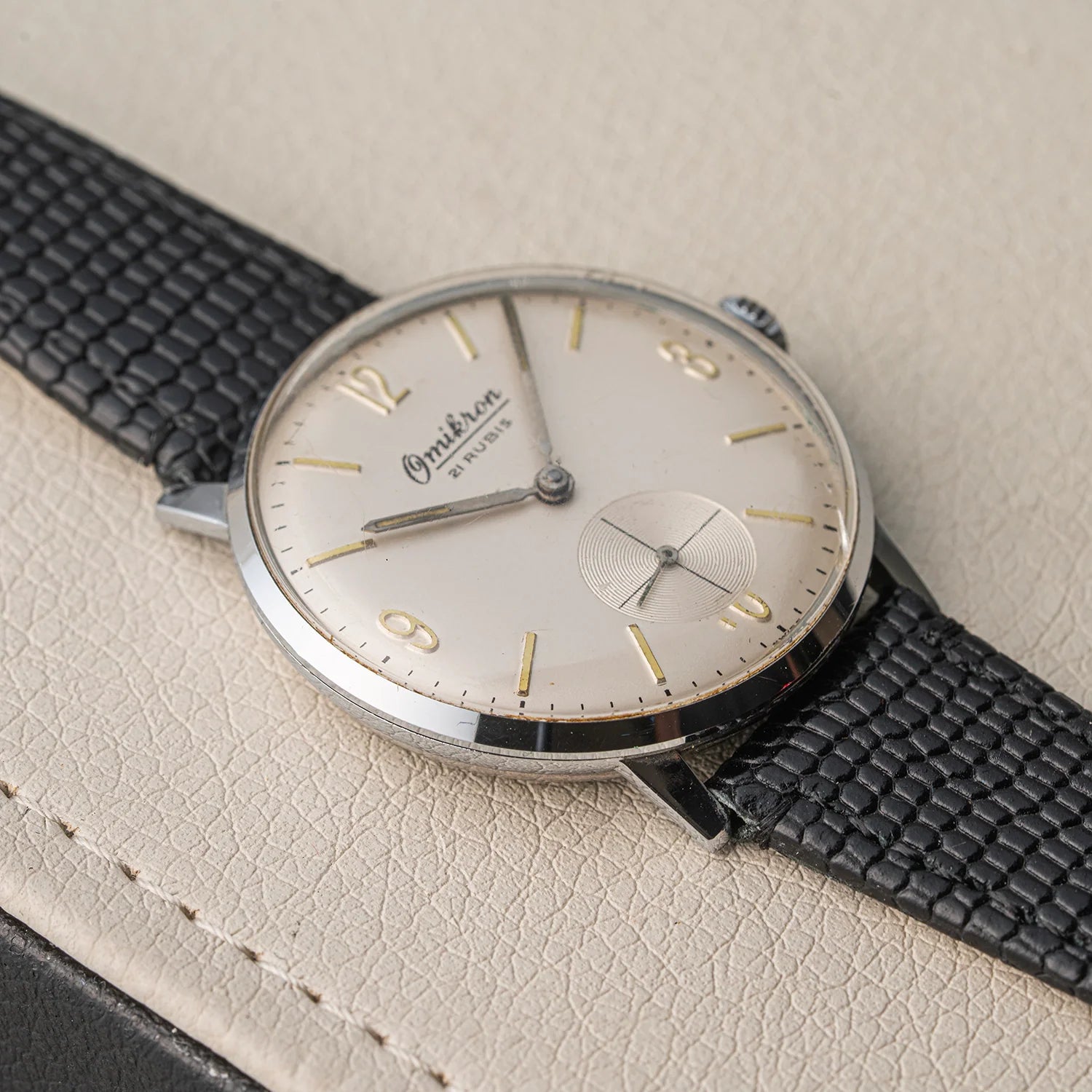
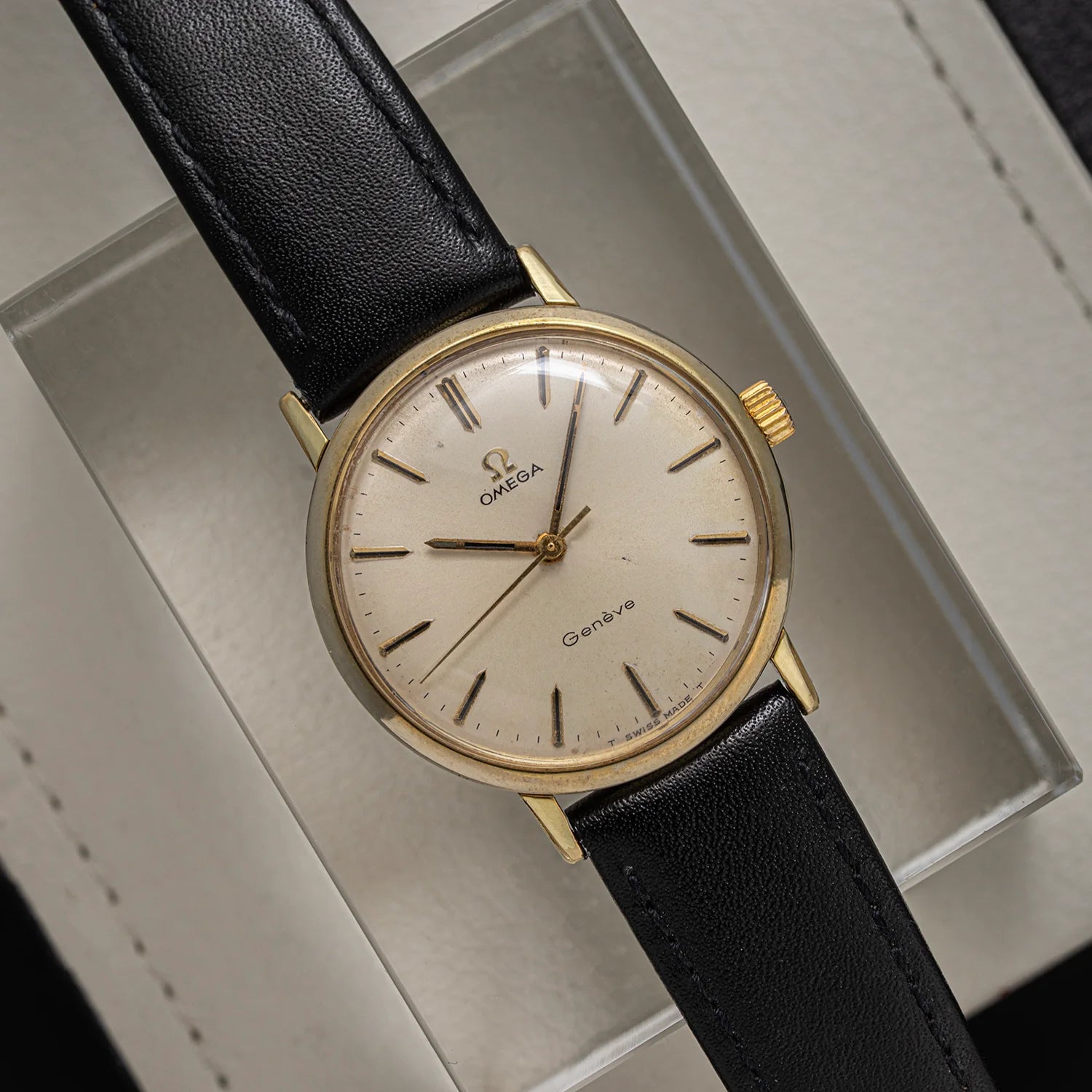
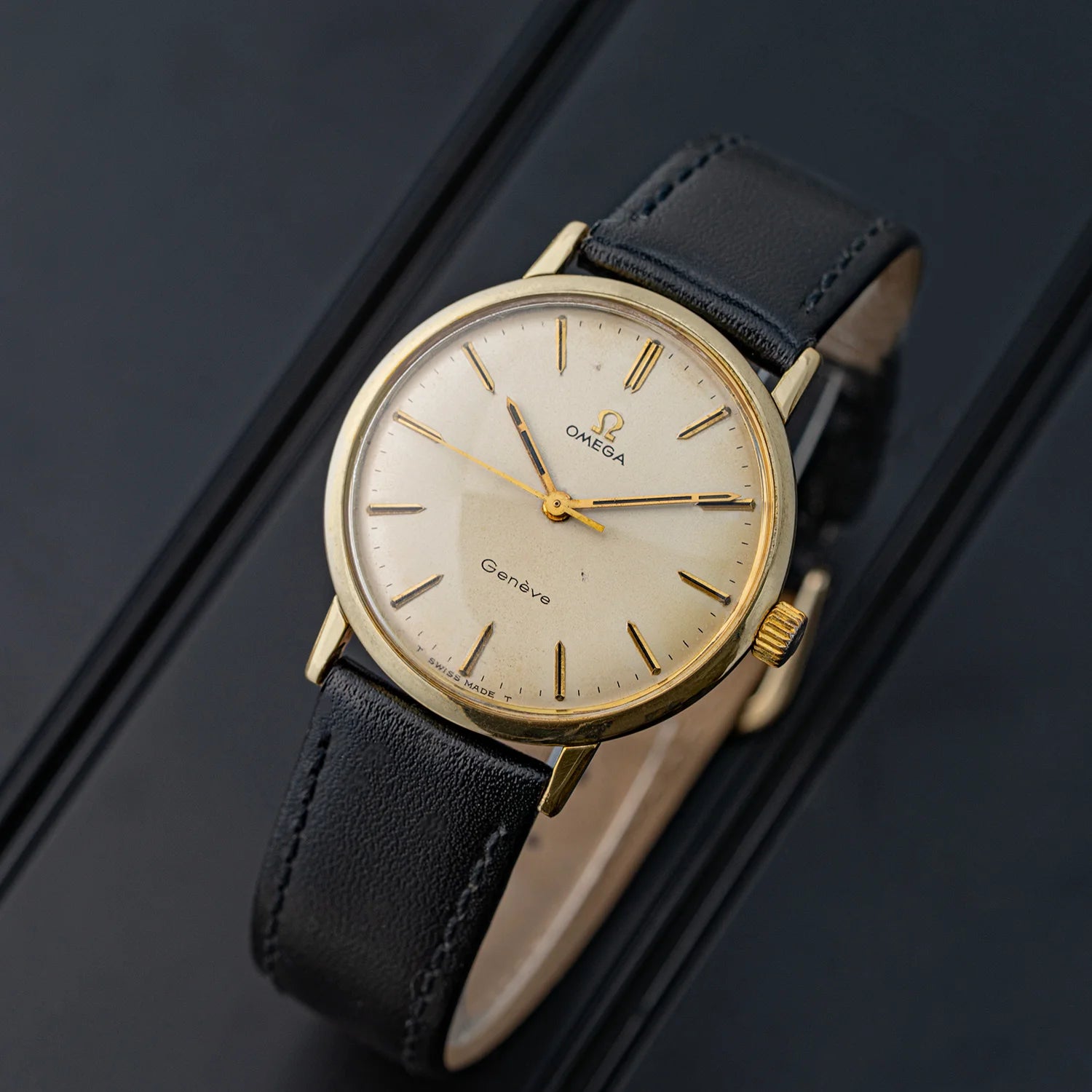
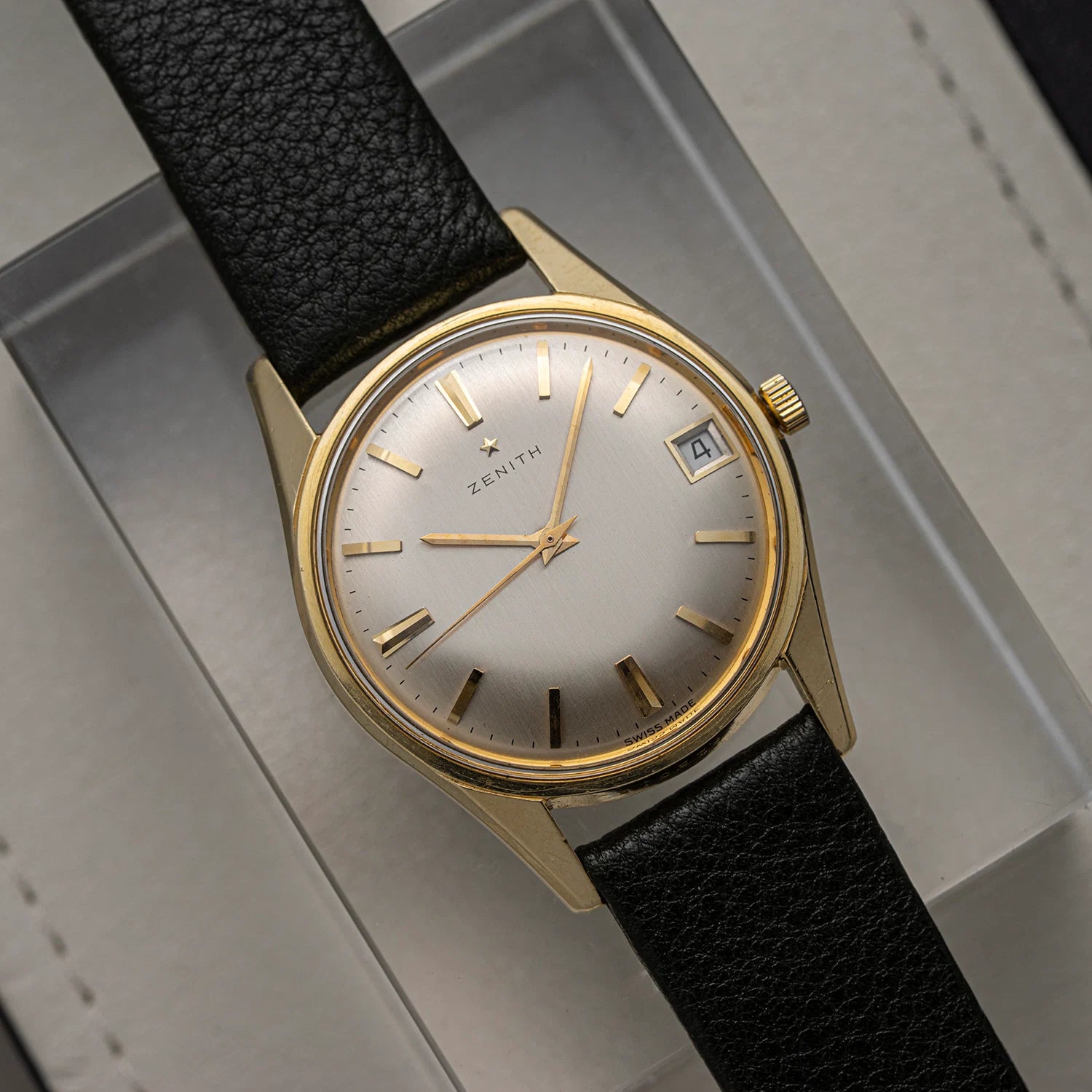
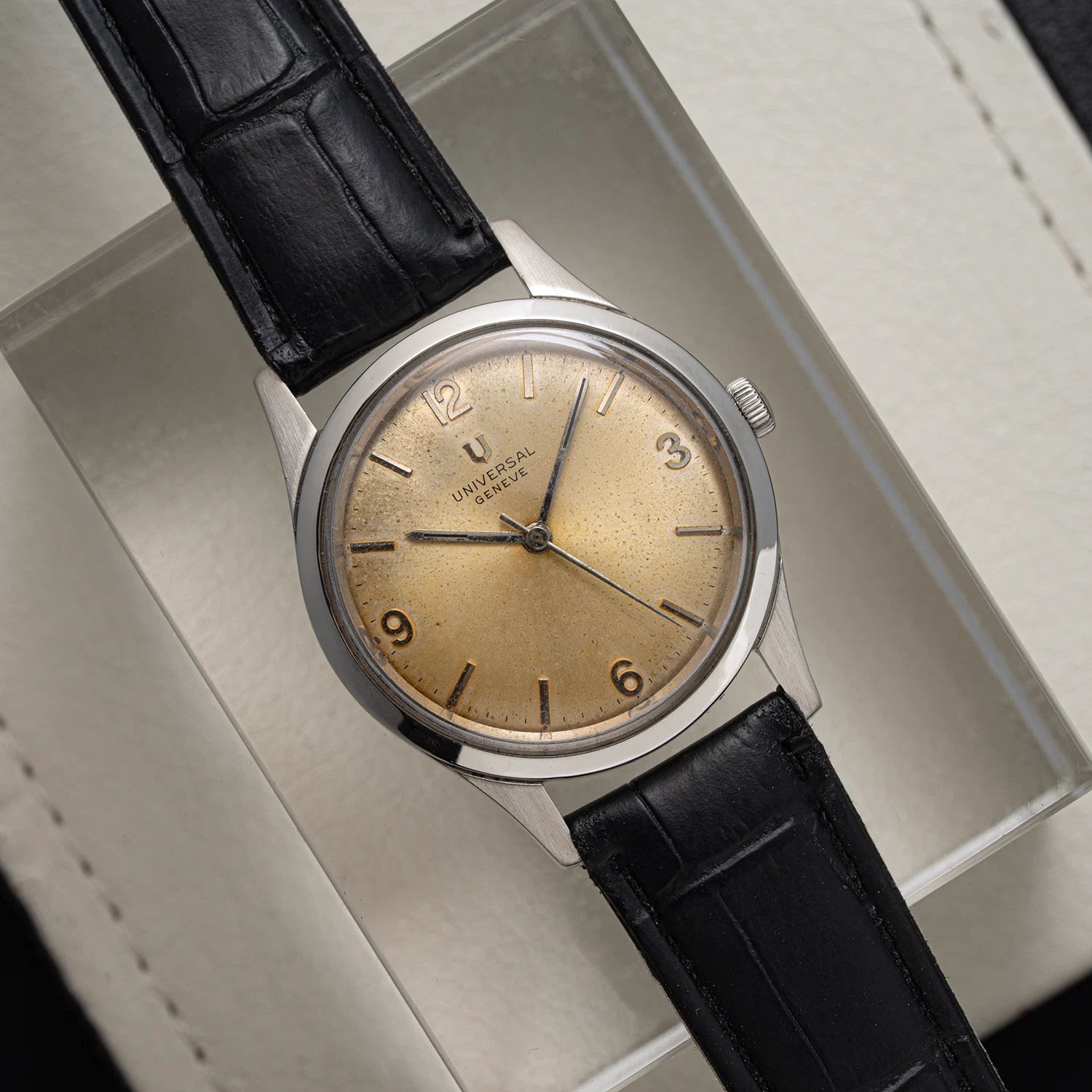
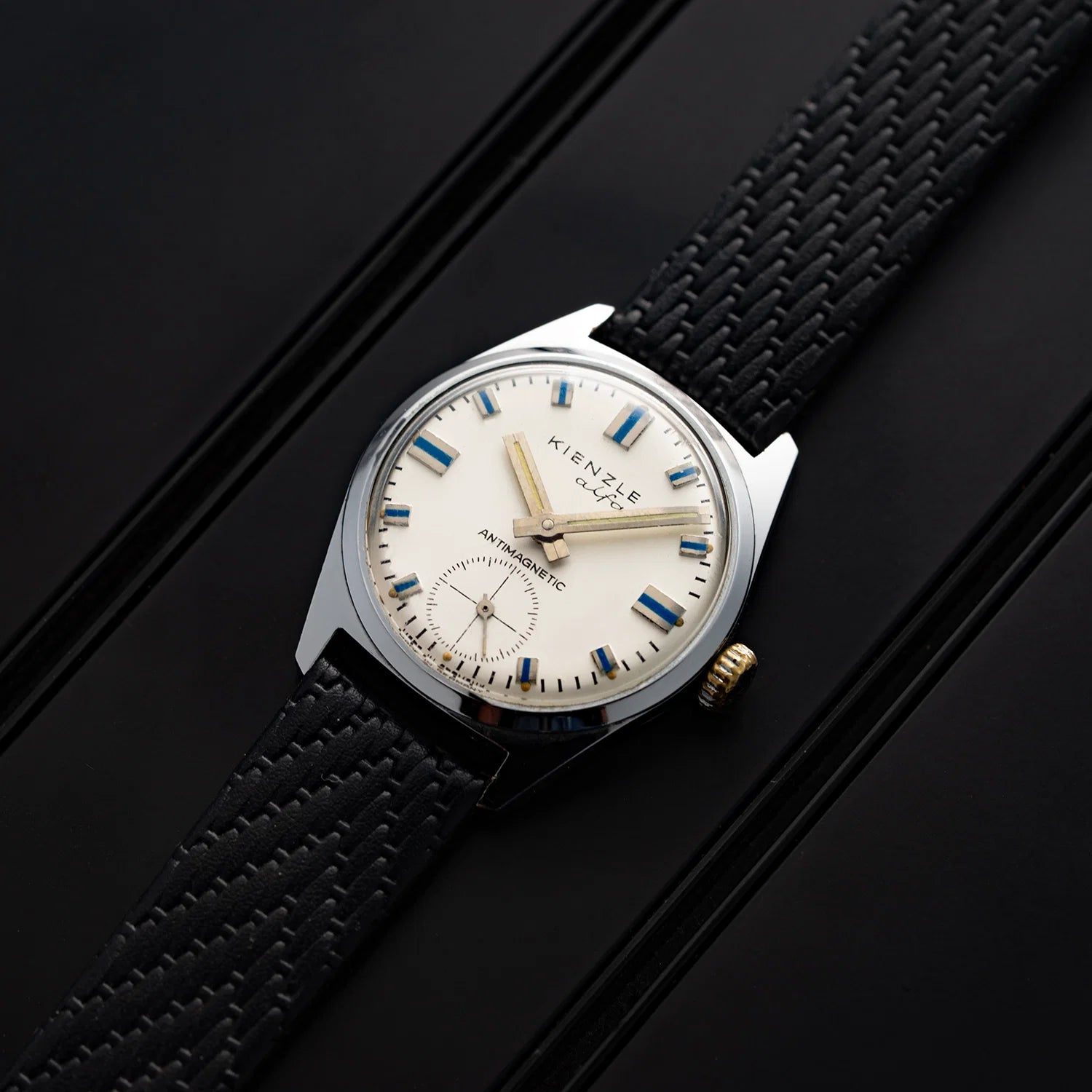
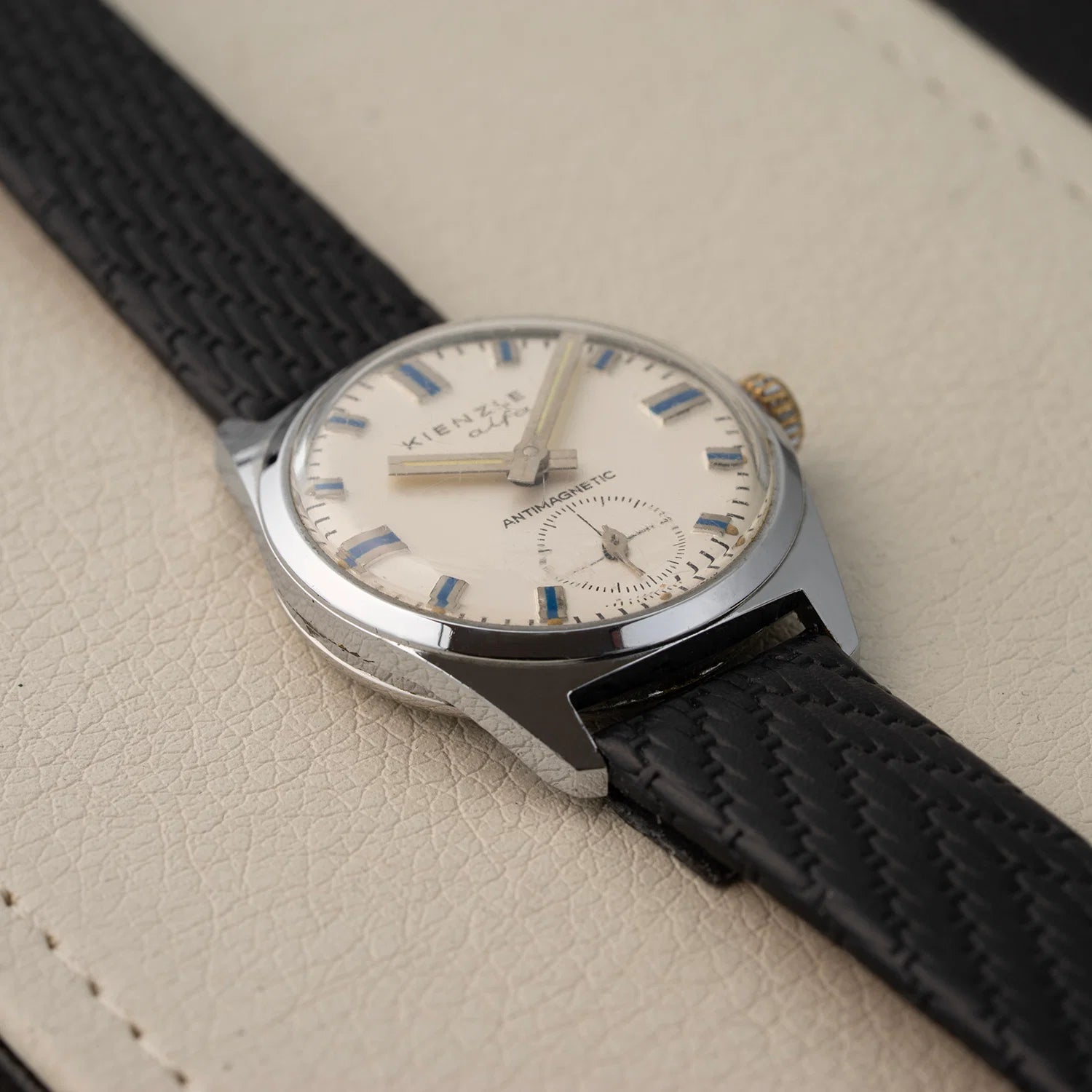
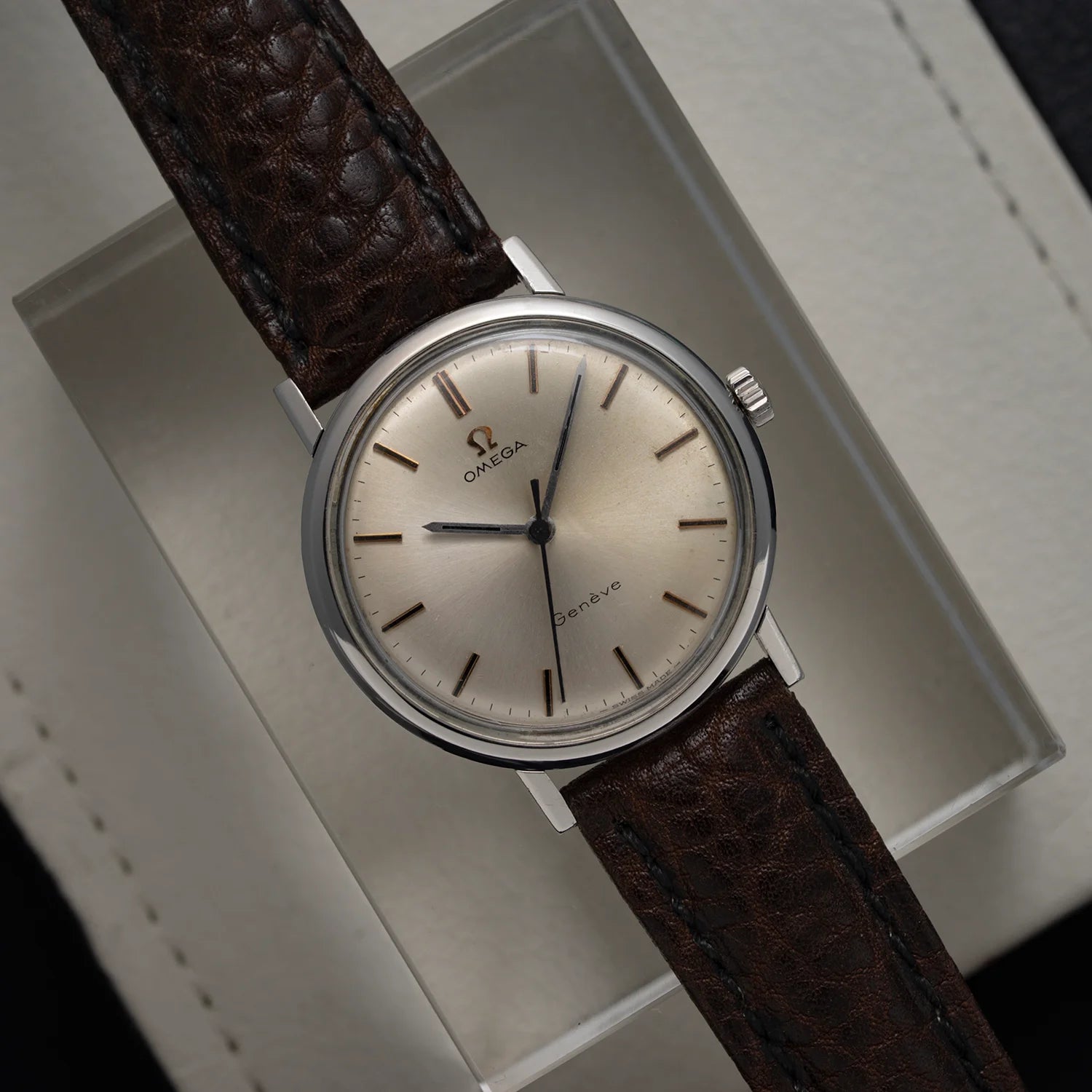
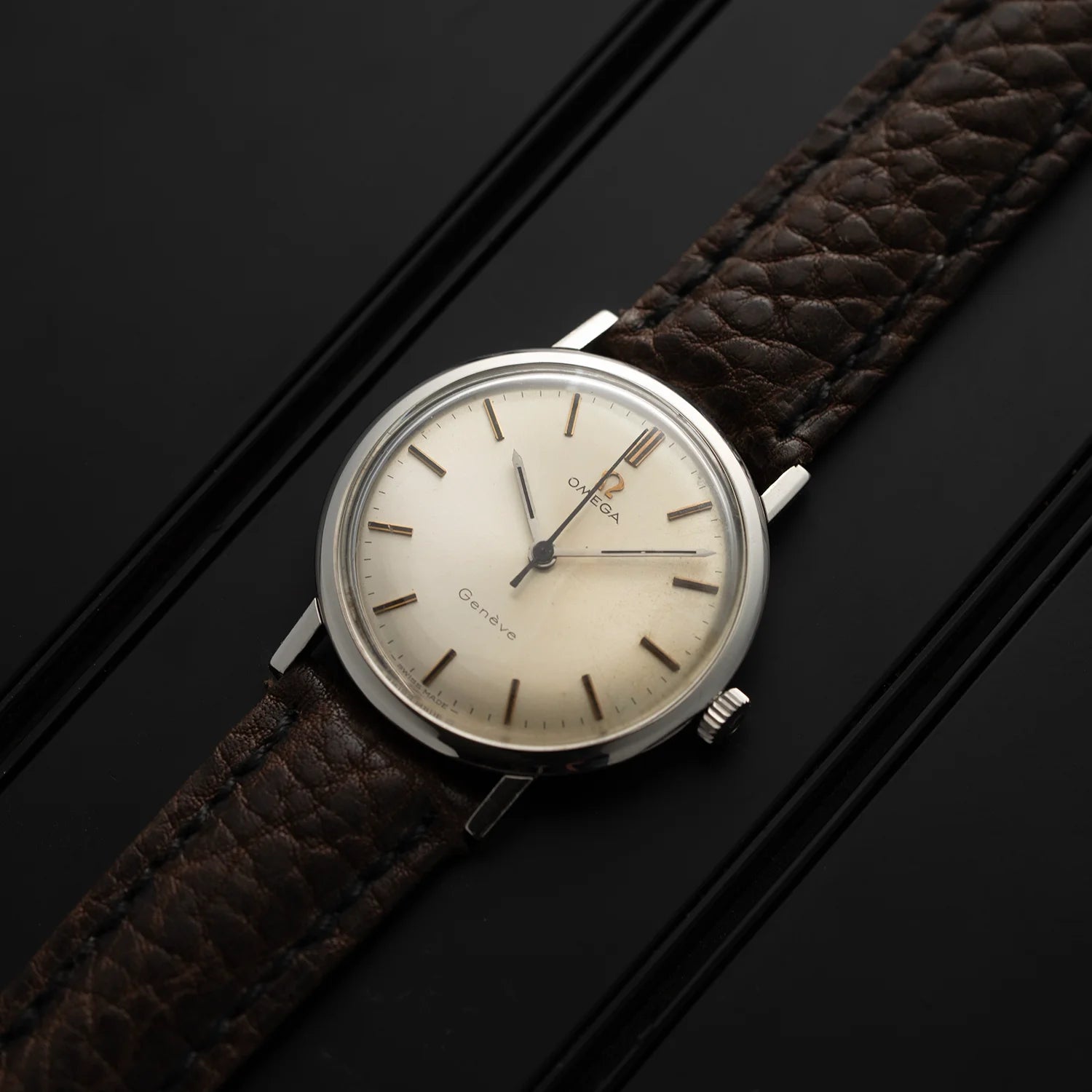
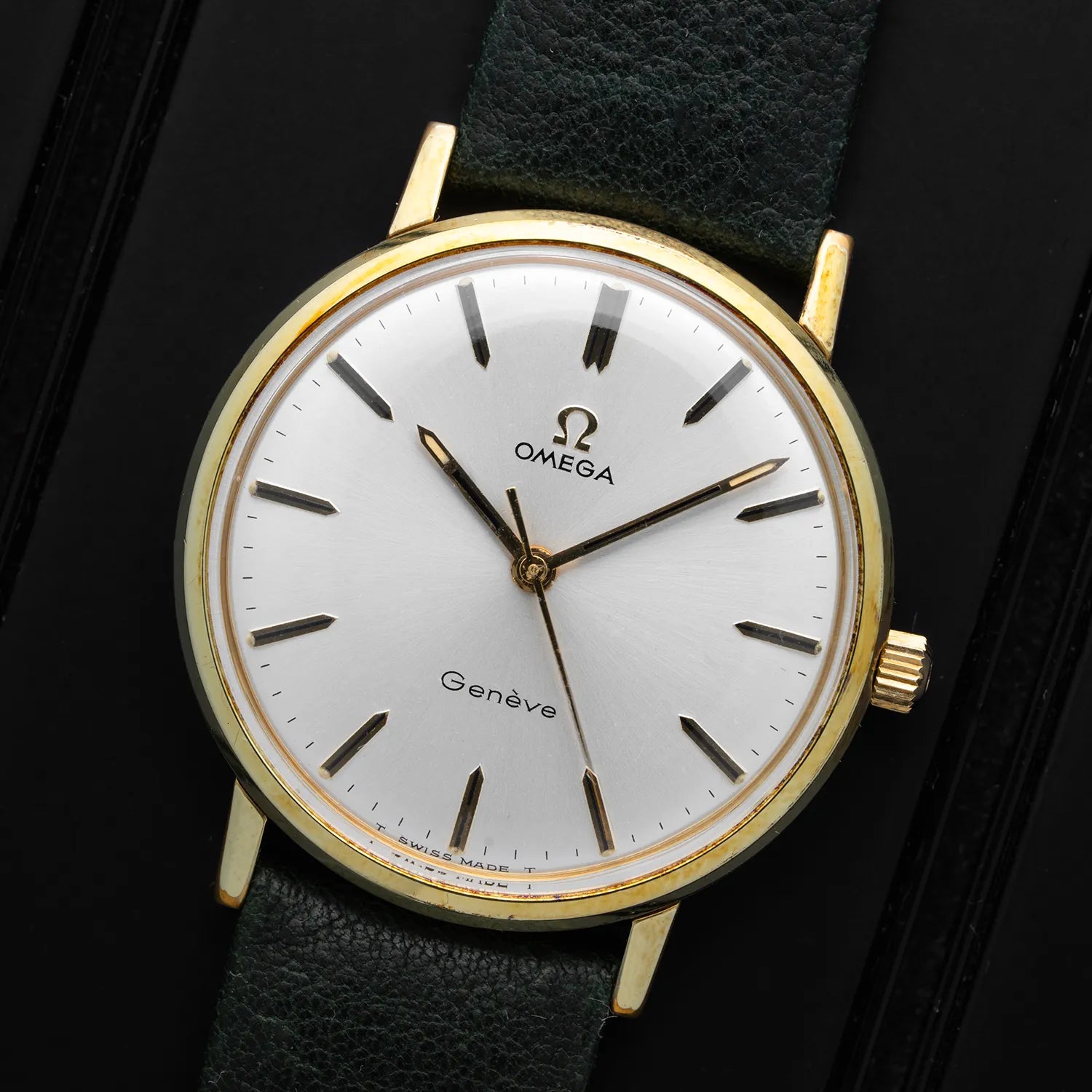
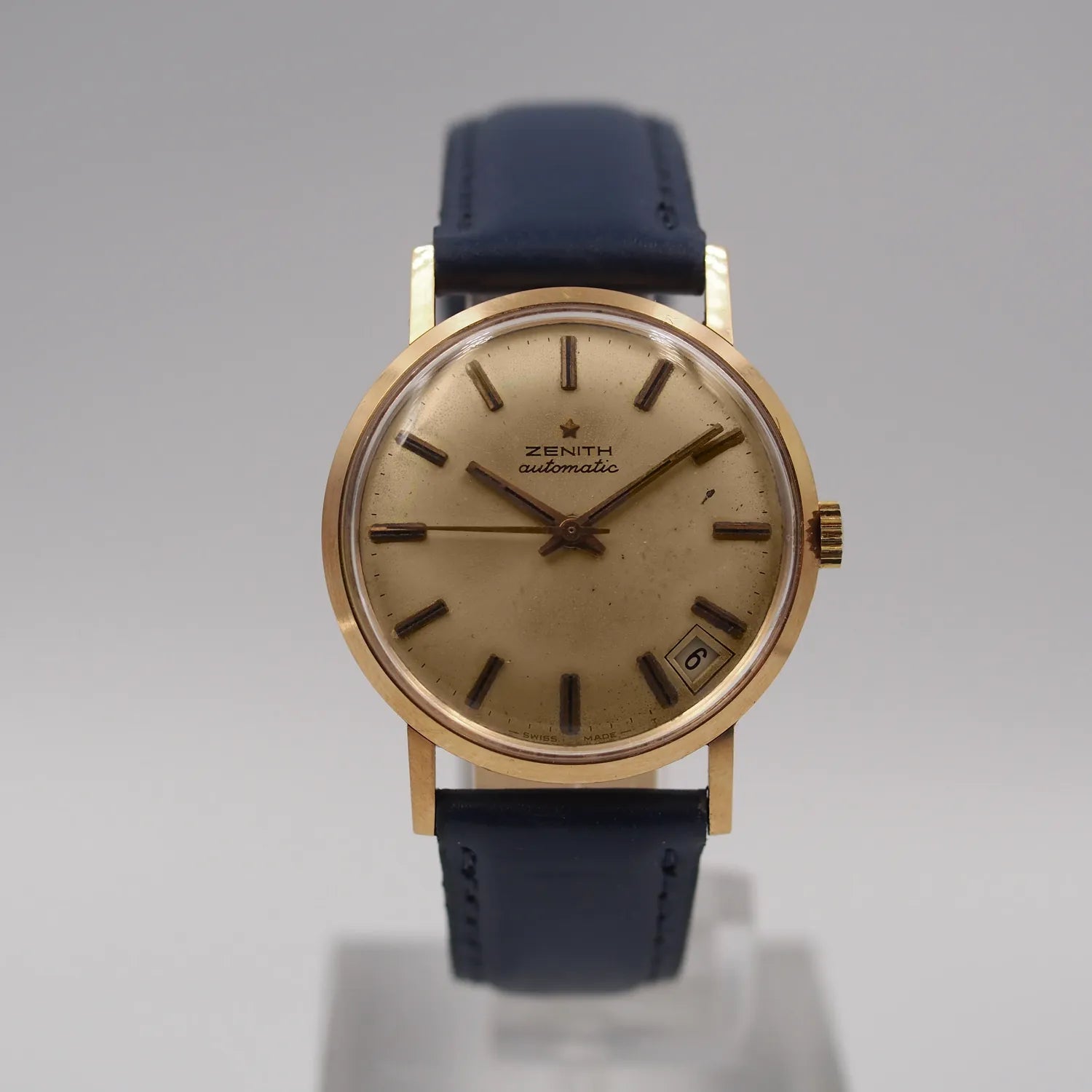
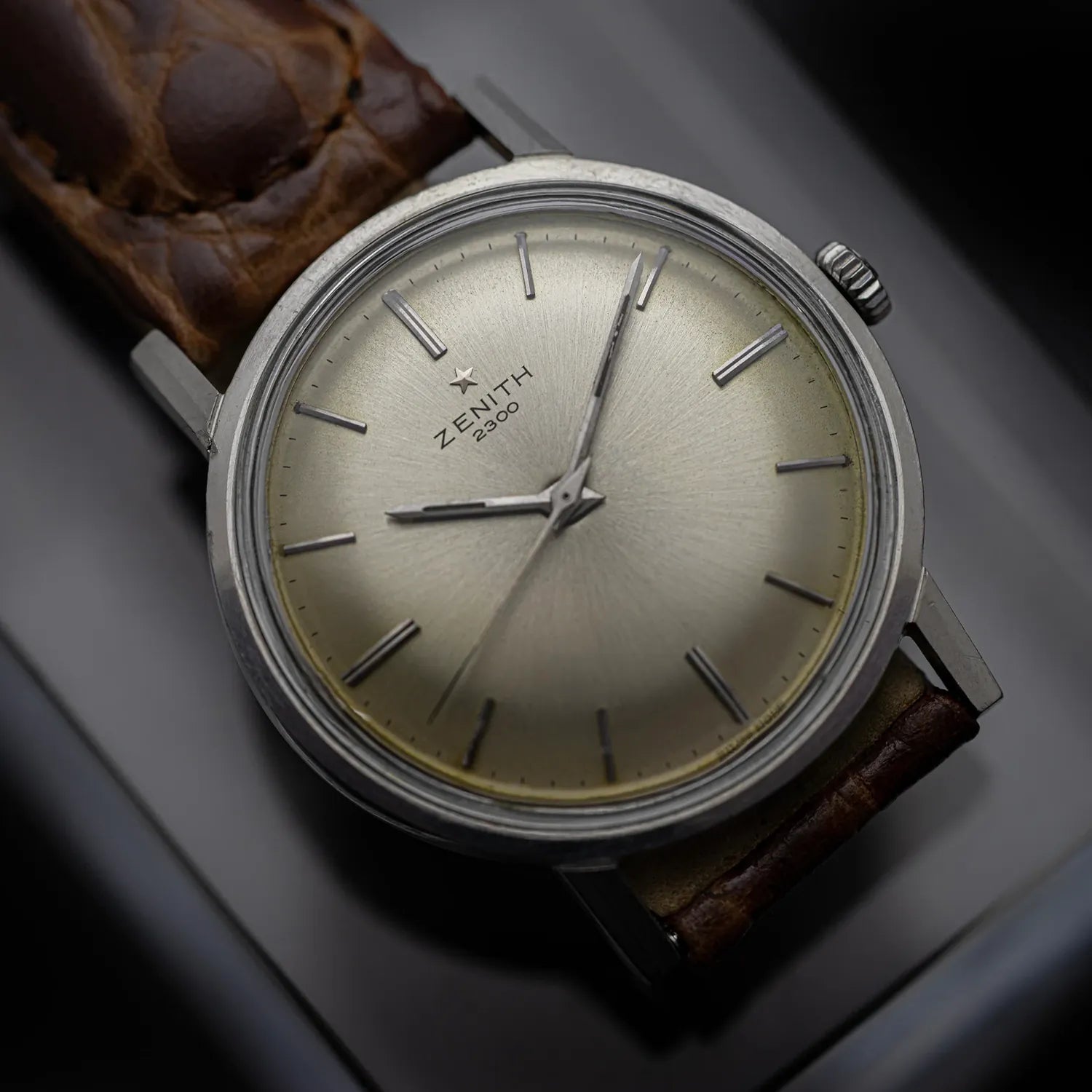
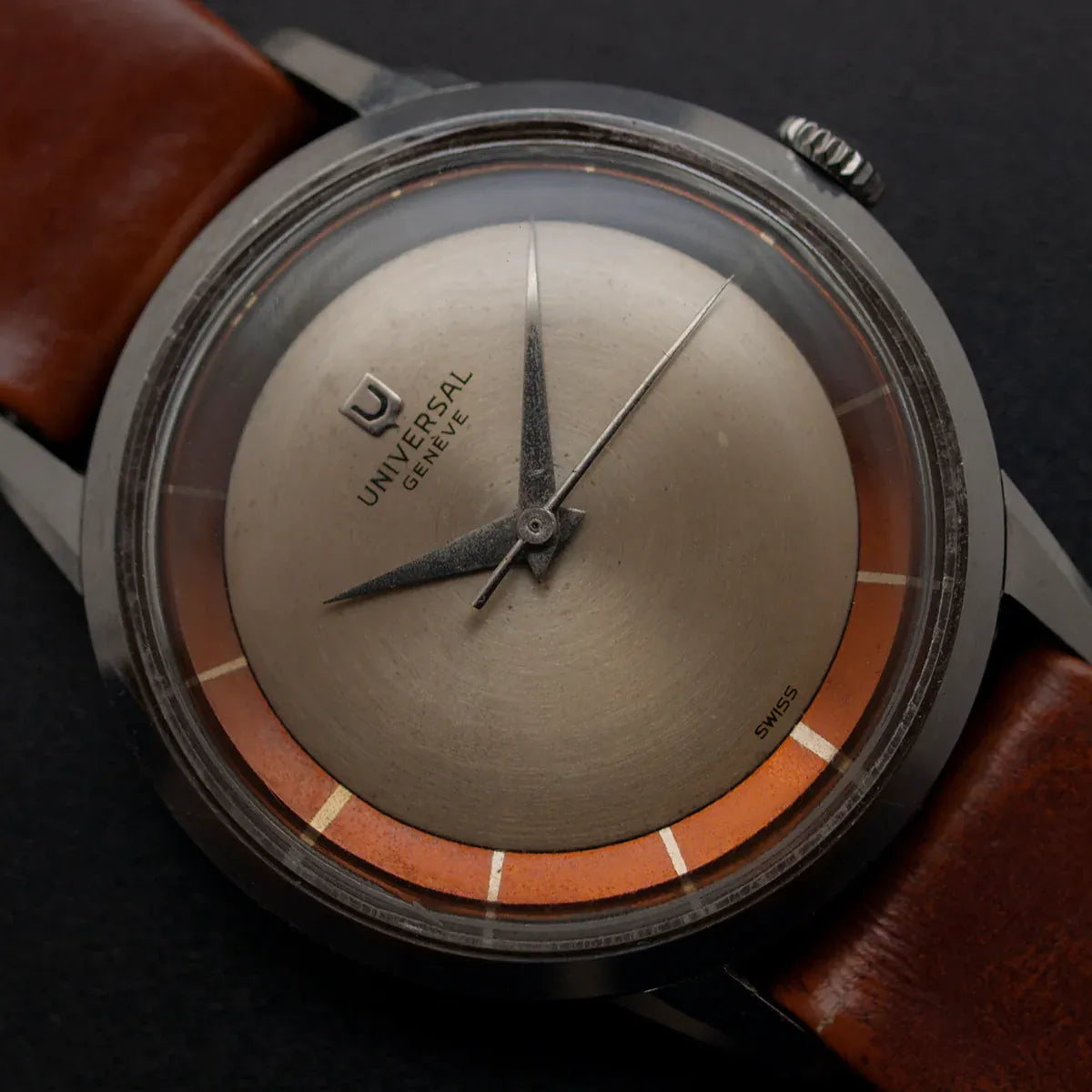
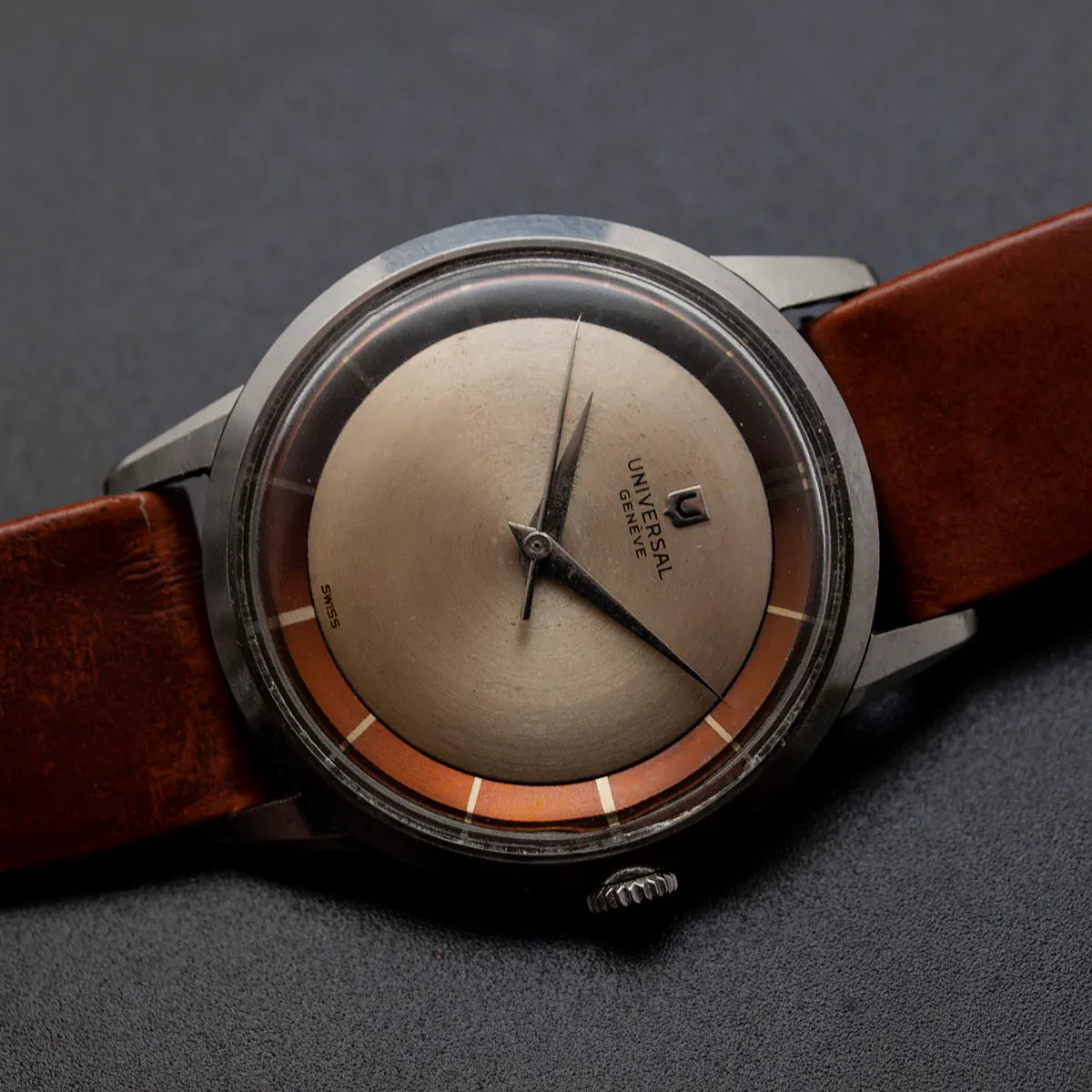
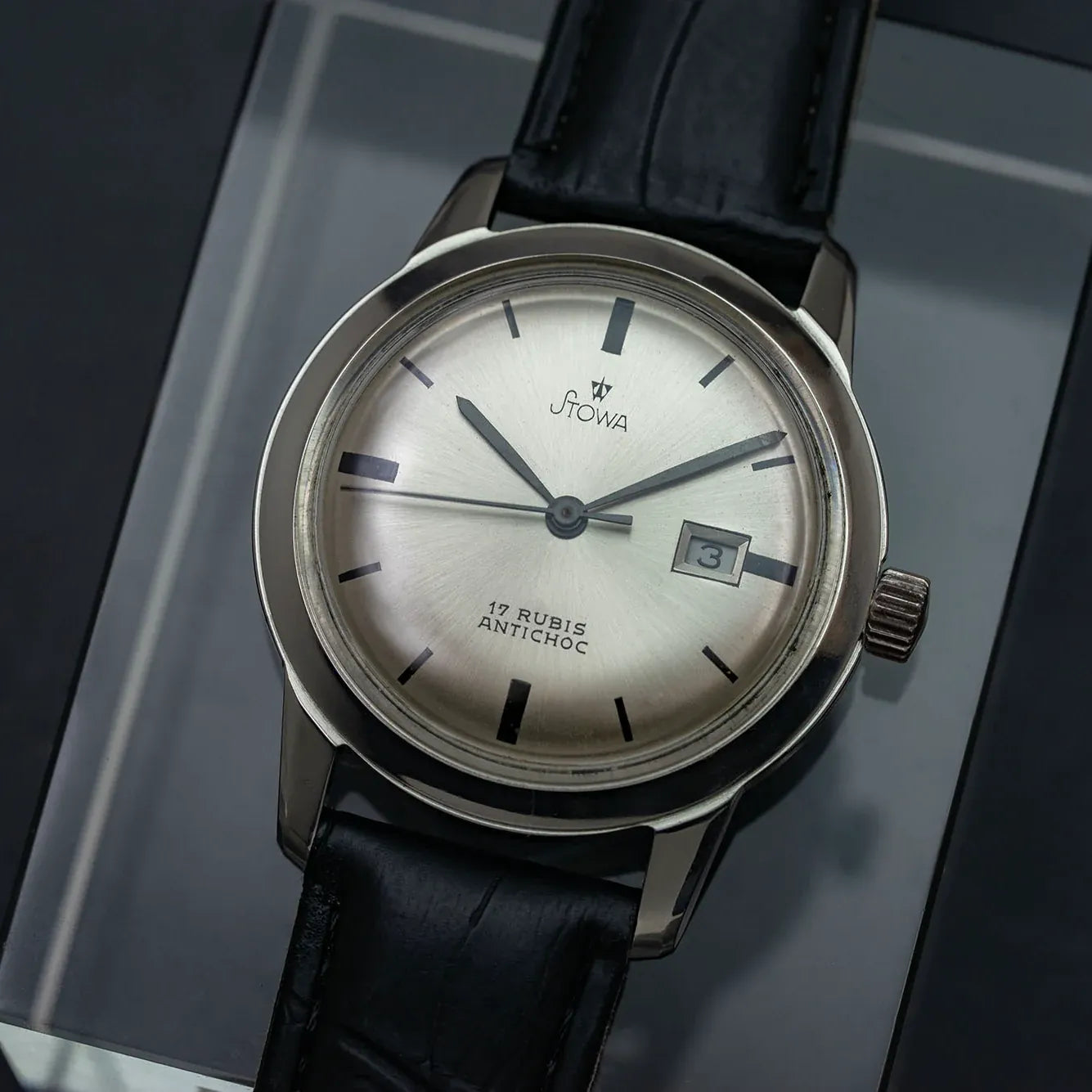
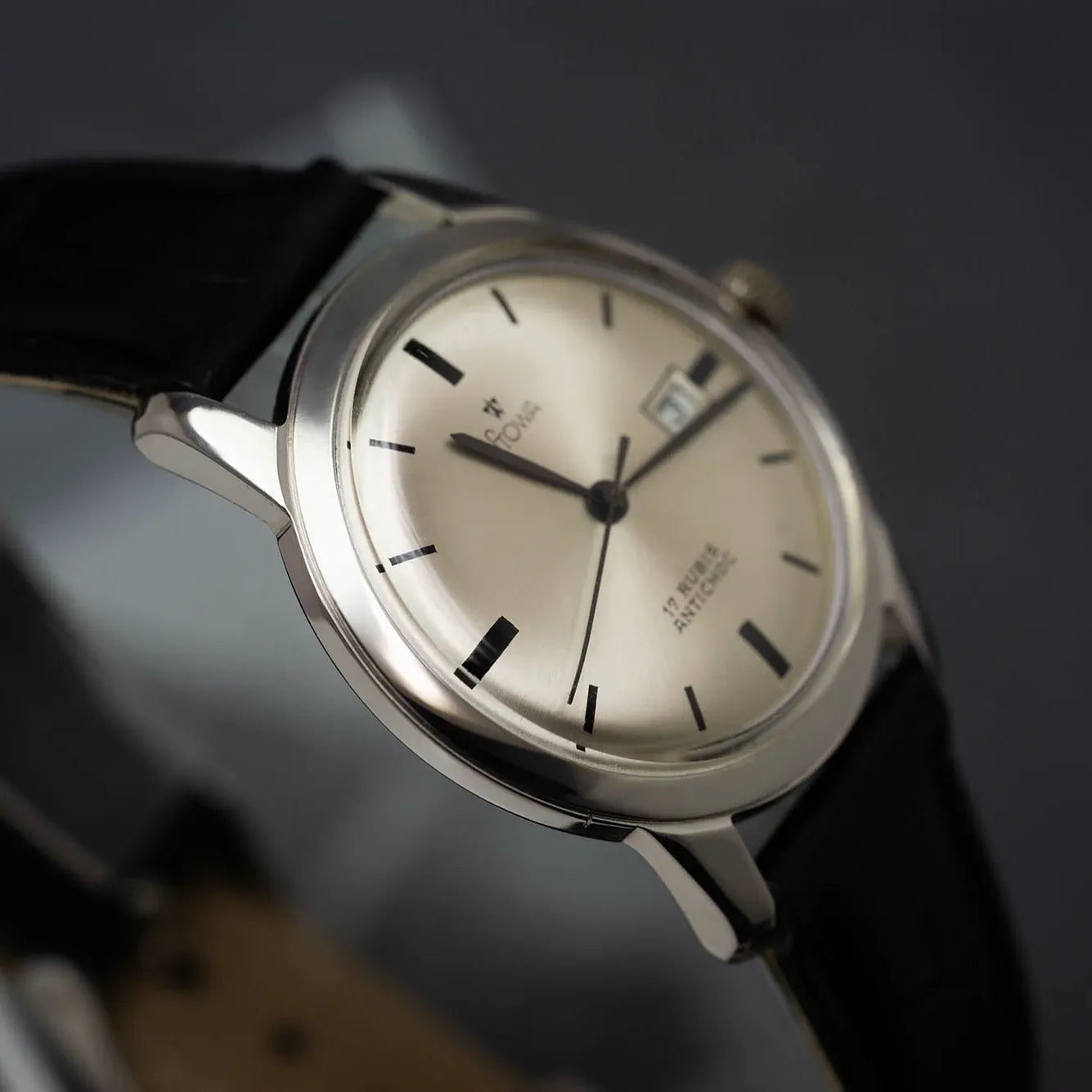
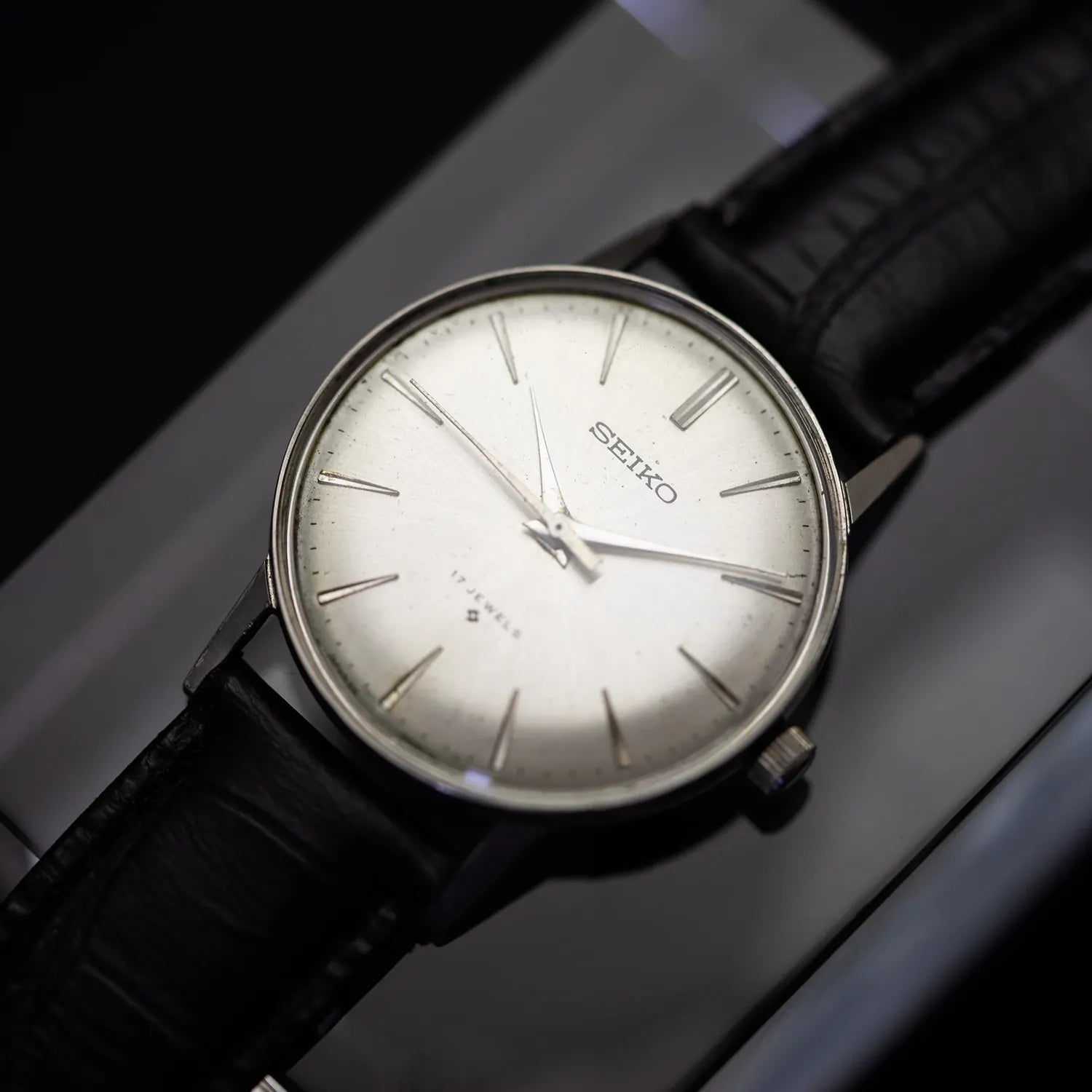
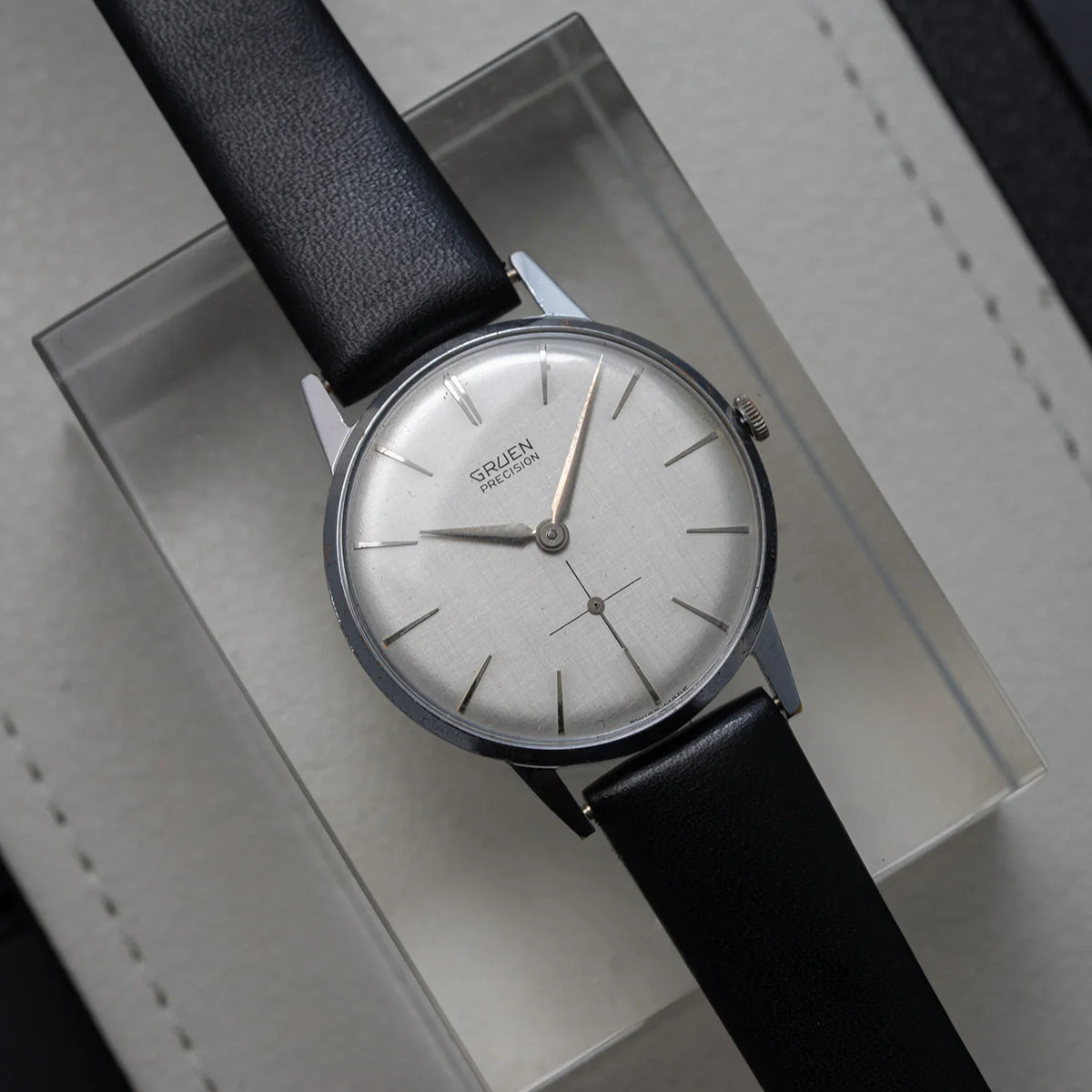
At the beginning of the 1960s, many men's wristwatches still followed the design principles established during the previous decade: modest case diameters, narrow bezels, applied hour markers and clean, easily readable dials. Cases measuring approximately 33–36 mm were common among dress watches, often paired with leather straps and relatively slim profiles. These proportions remain an important part of their appeal today, although the way a watch wears depends on its lugs, dial opening and overall case shape.
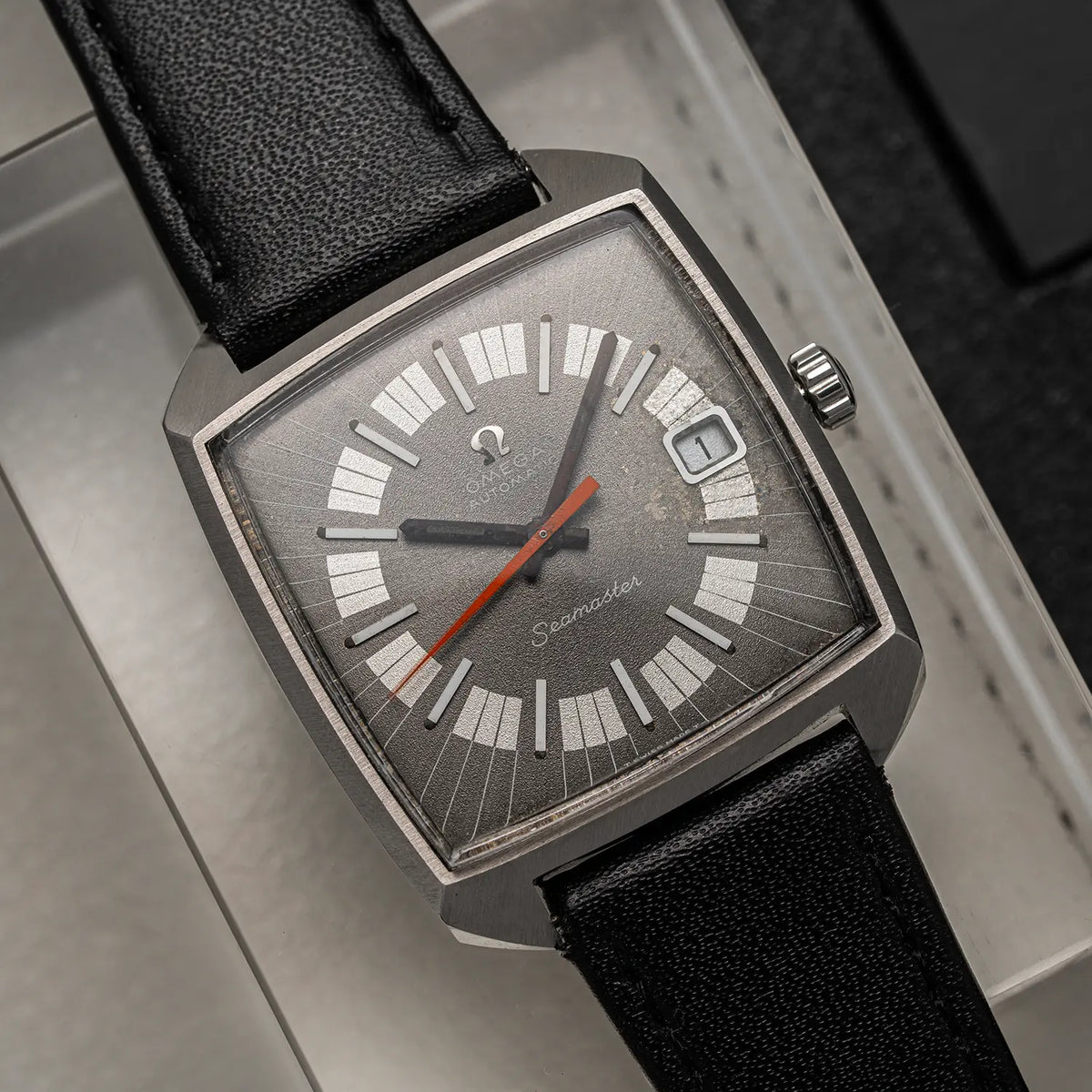
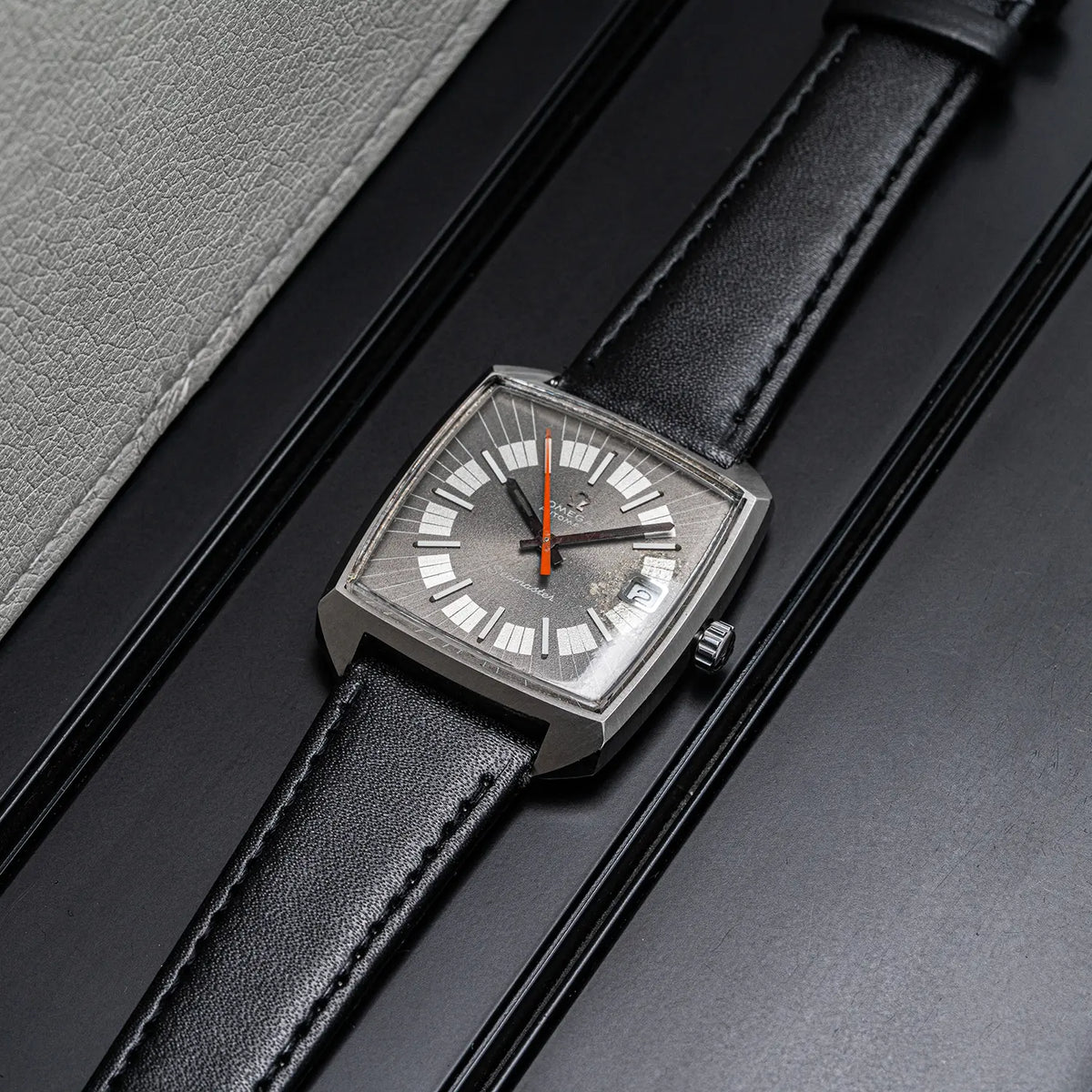
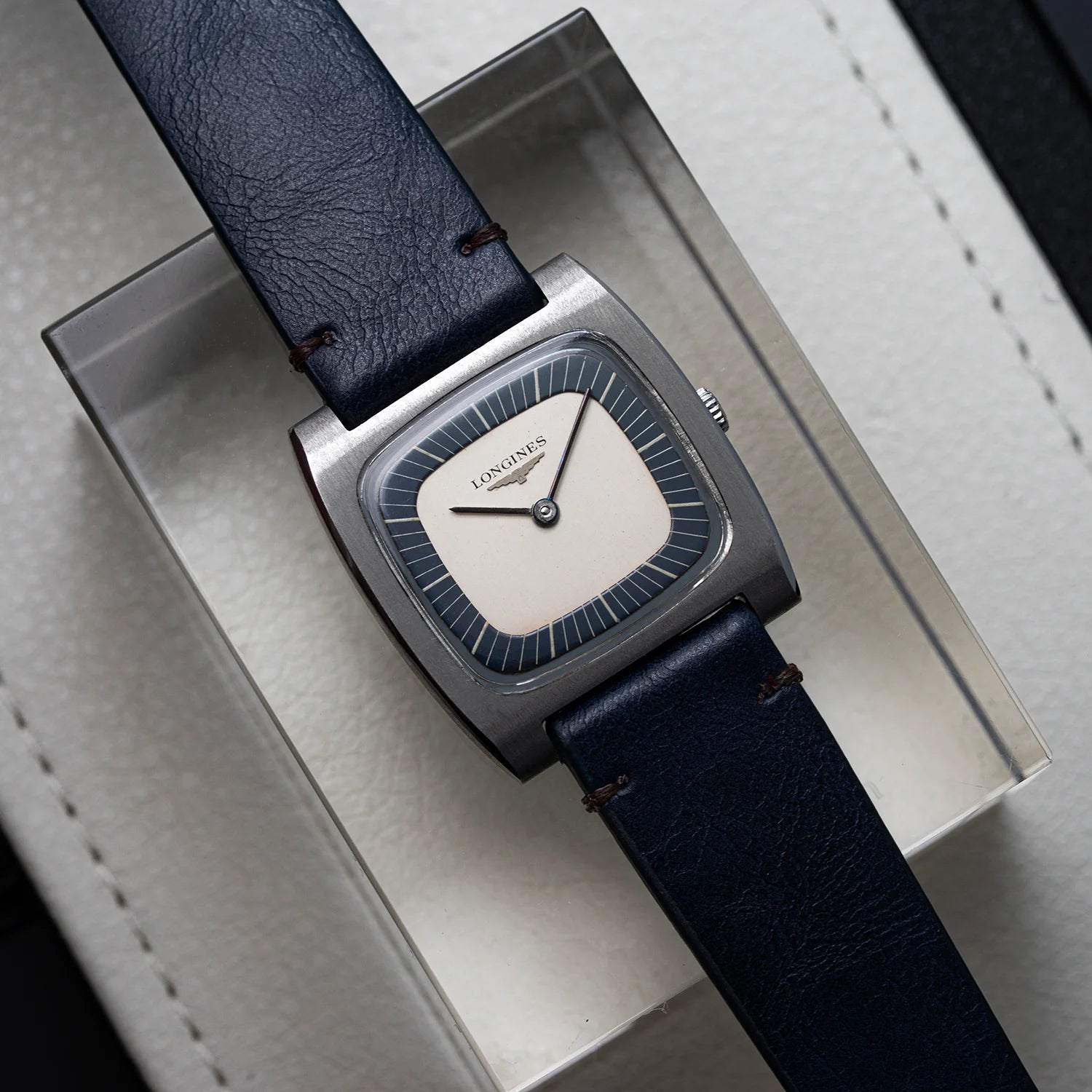
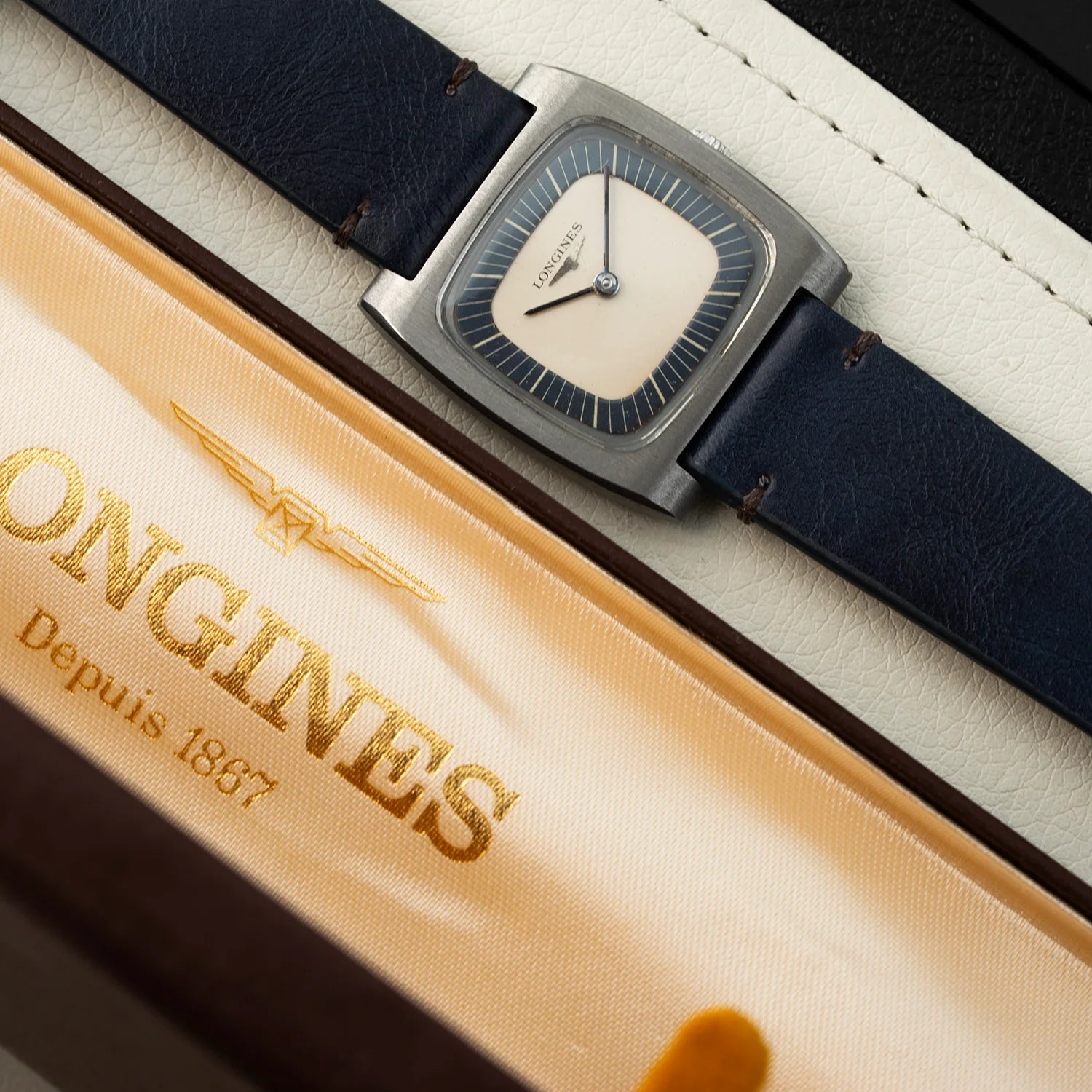
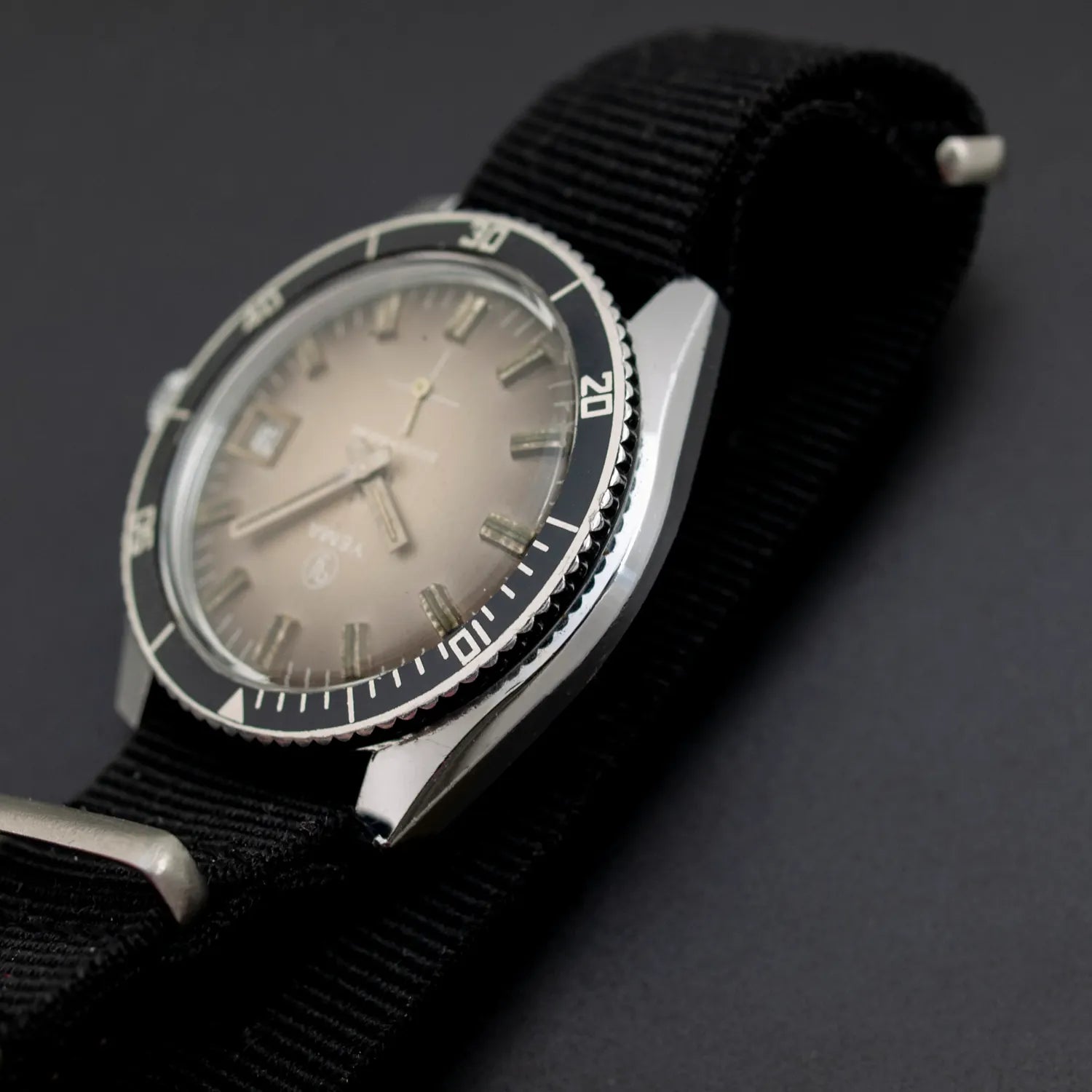
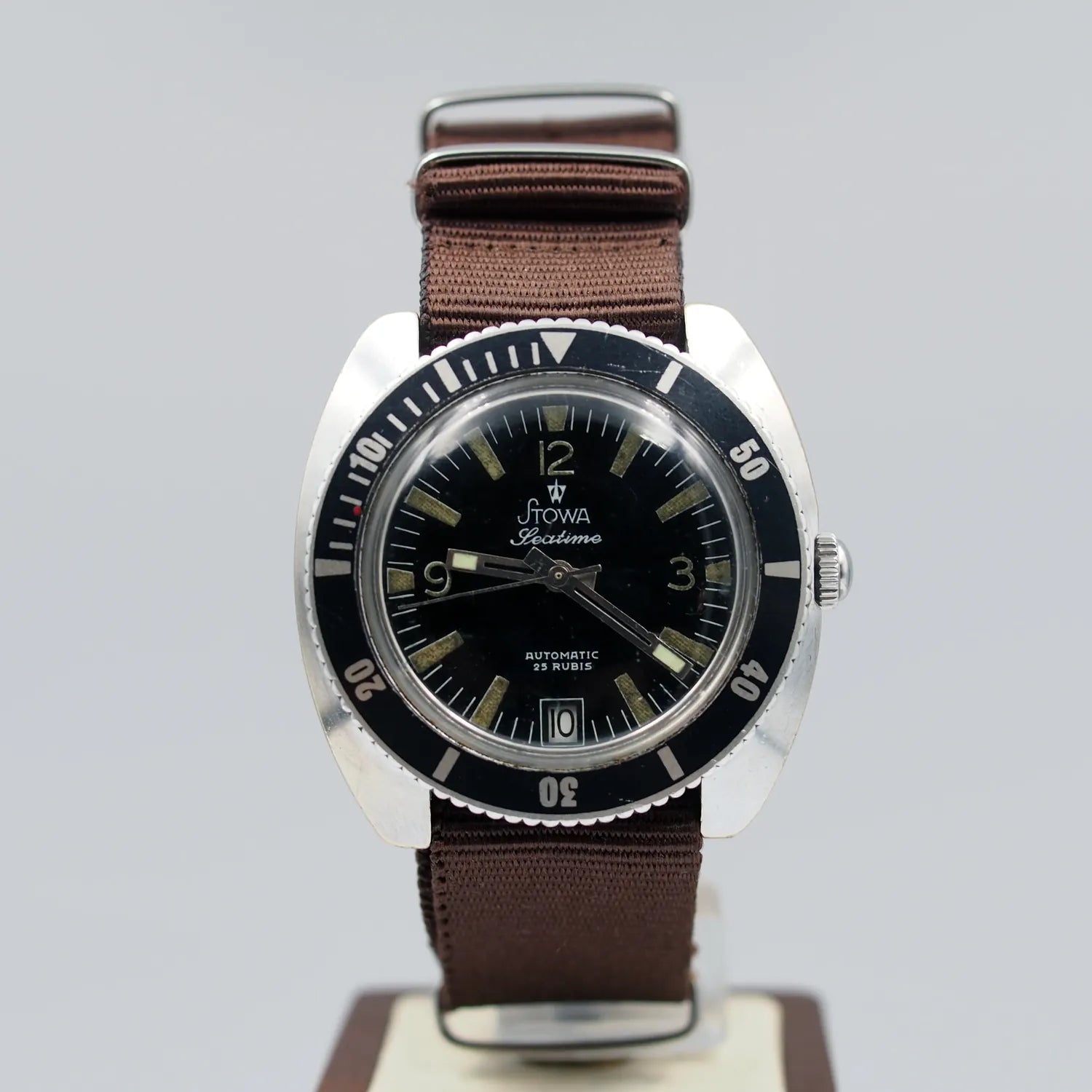
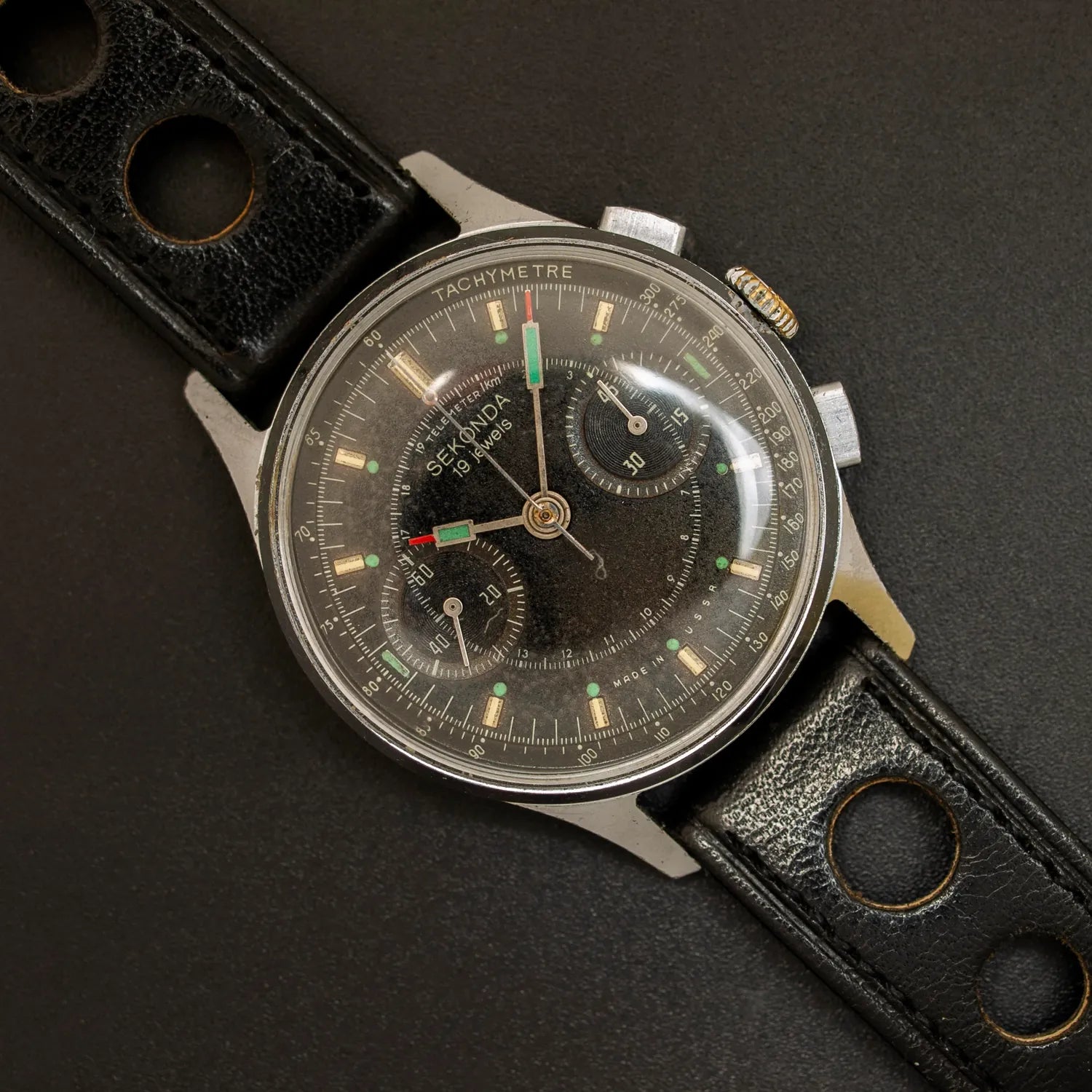
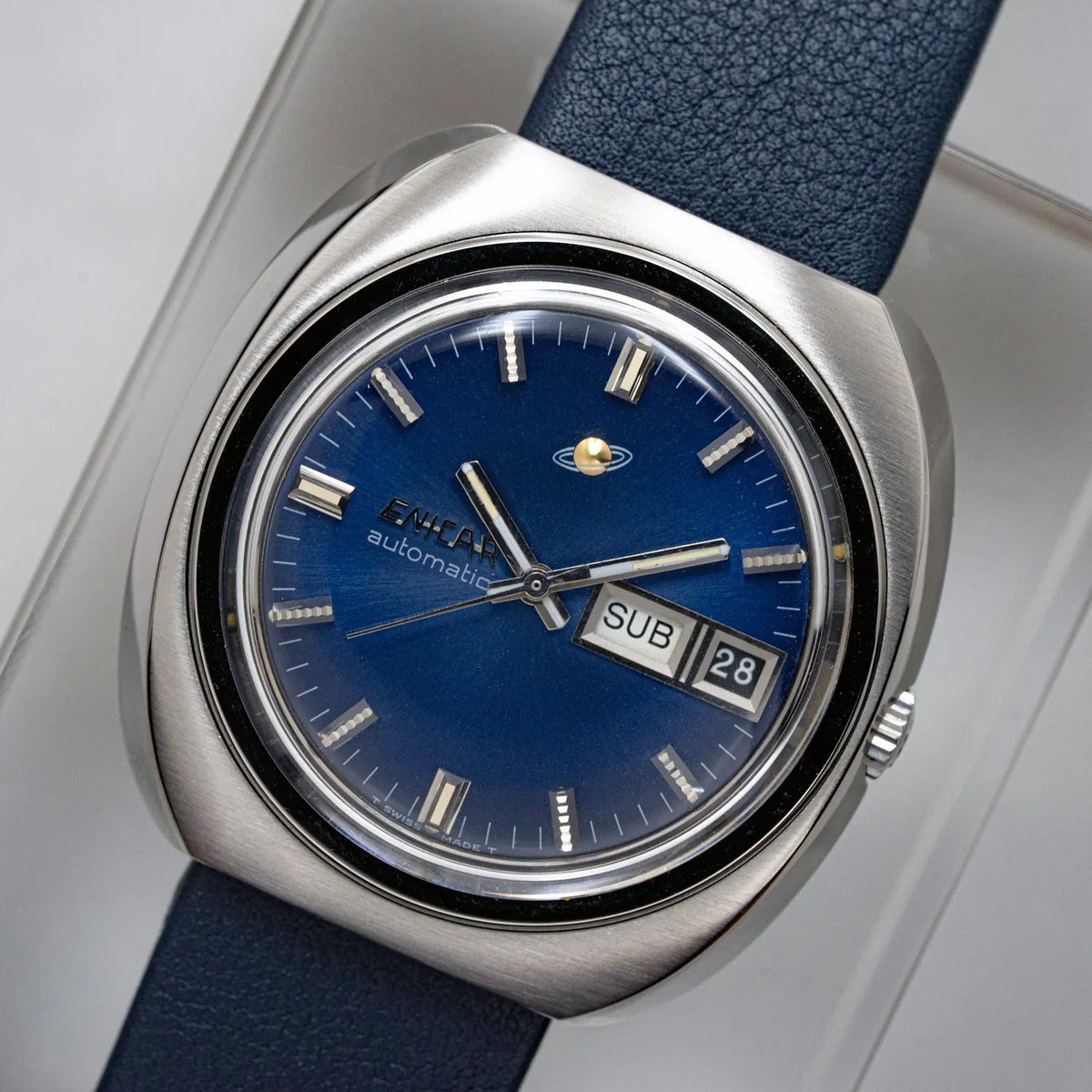
As the decade progressed, watch design became more varied. Steel sports watches, rotating dive bezels, more prominent luminous markers and increasingly functional chronographs gained visibility alongside traditional dress models. Manufacturers were developing watches not only as personal accessories but also as instruments for professional and recreational use. Yet the smaller, understated mechanical wristwatch remained an everyday choice for many buyers.
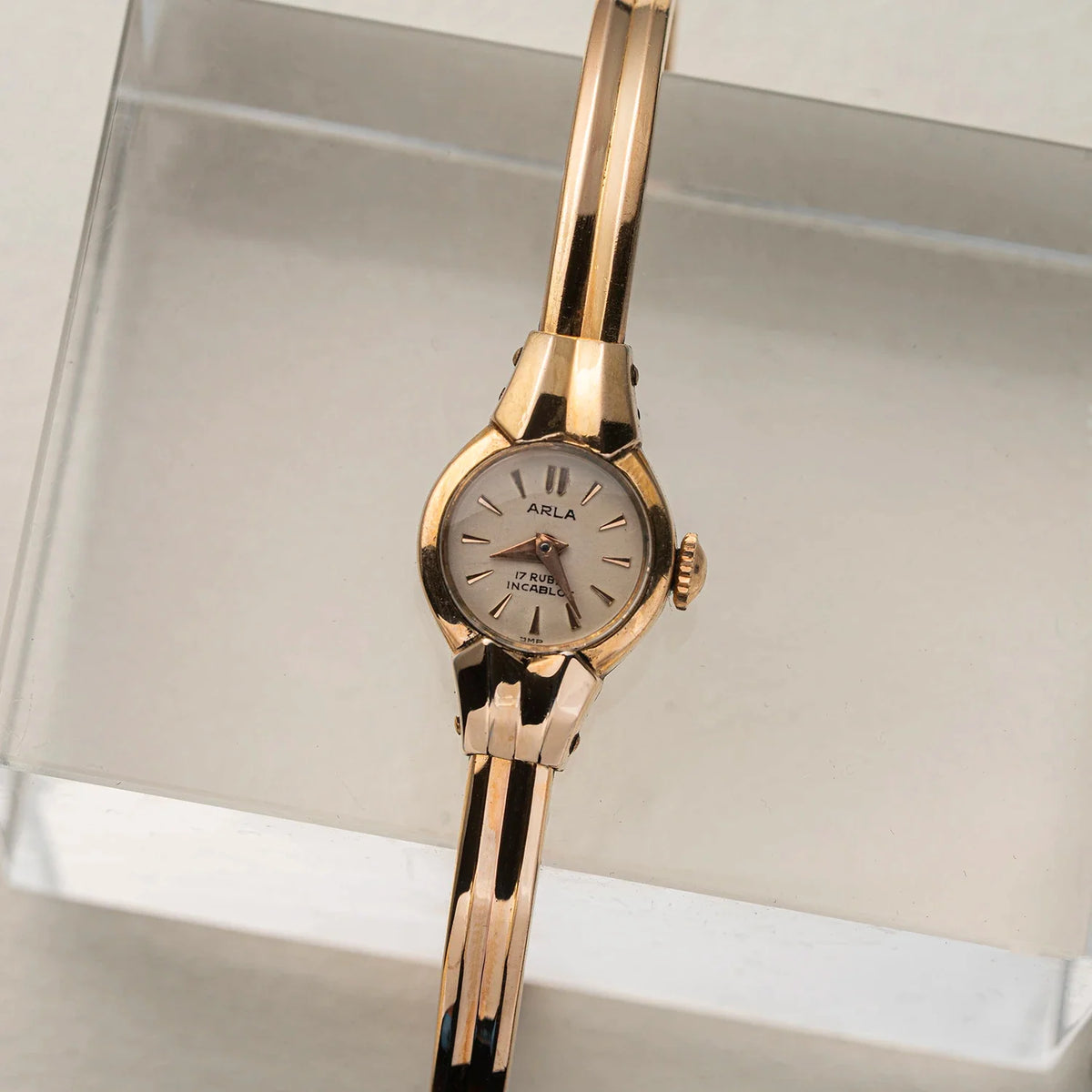
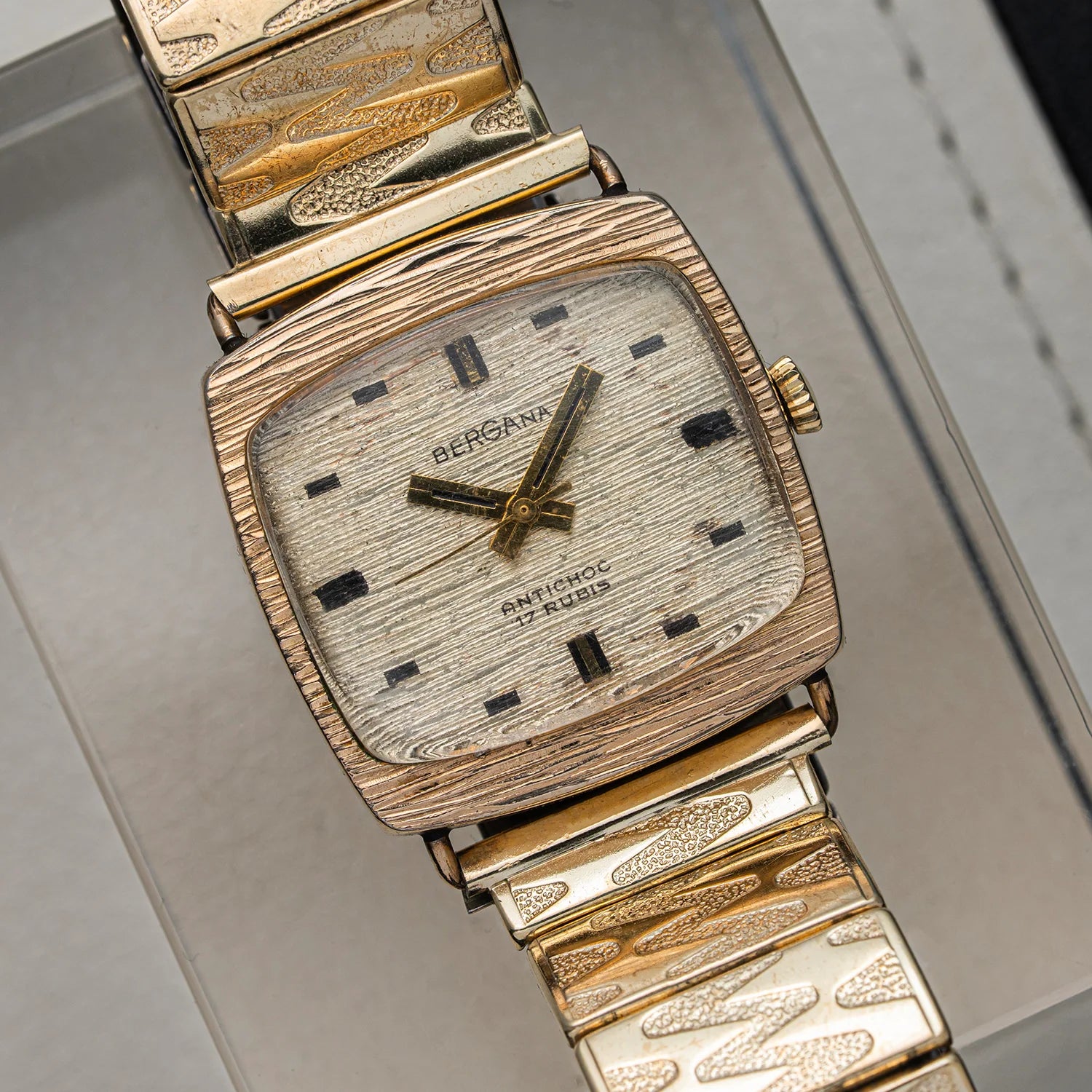
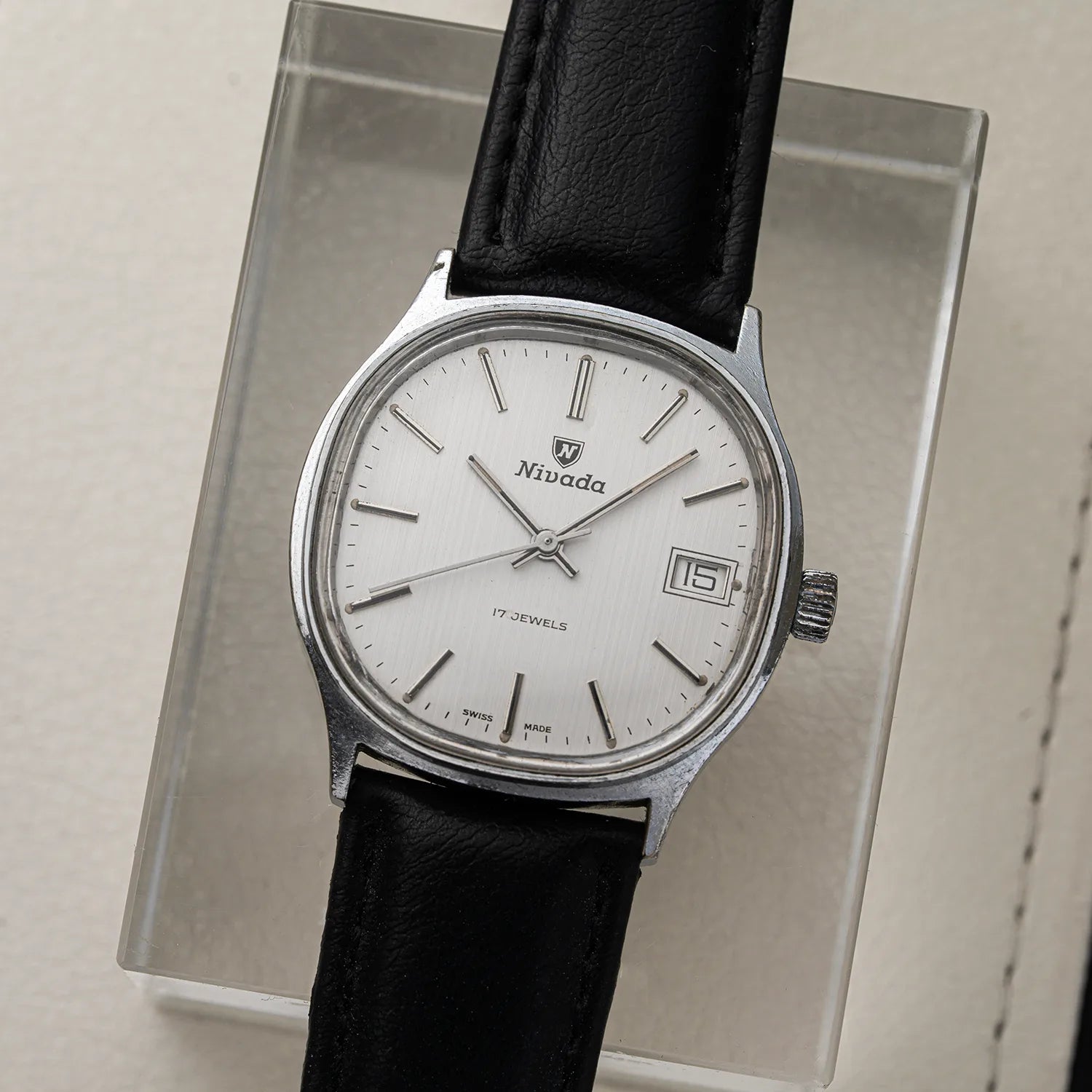
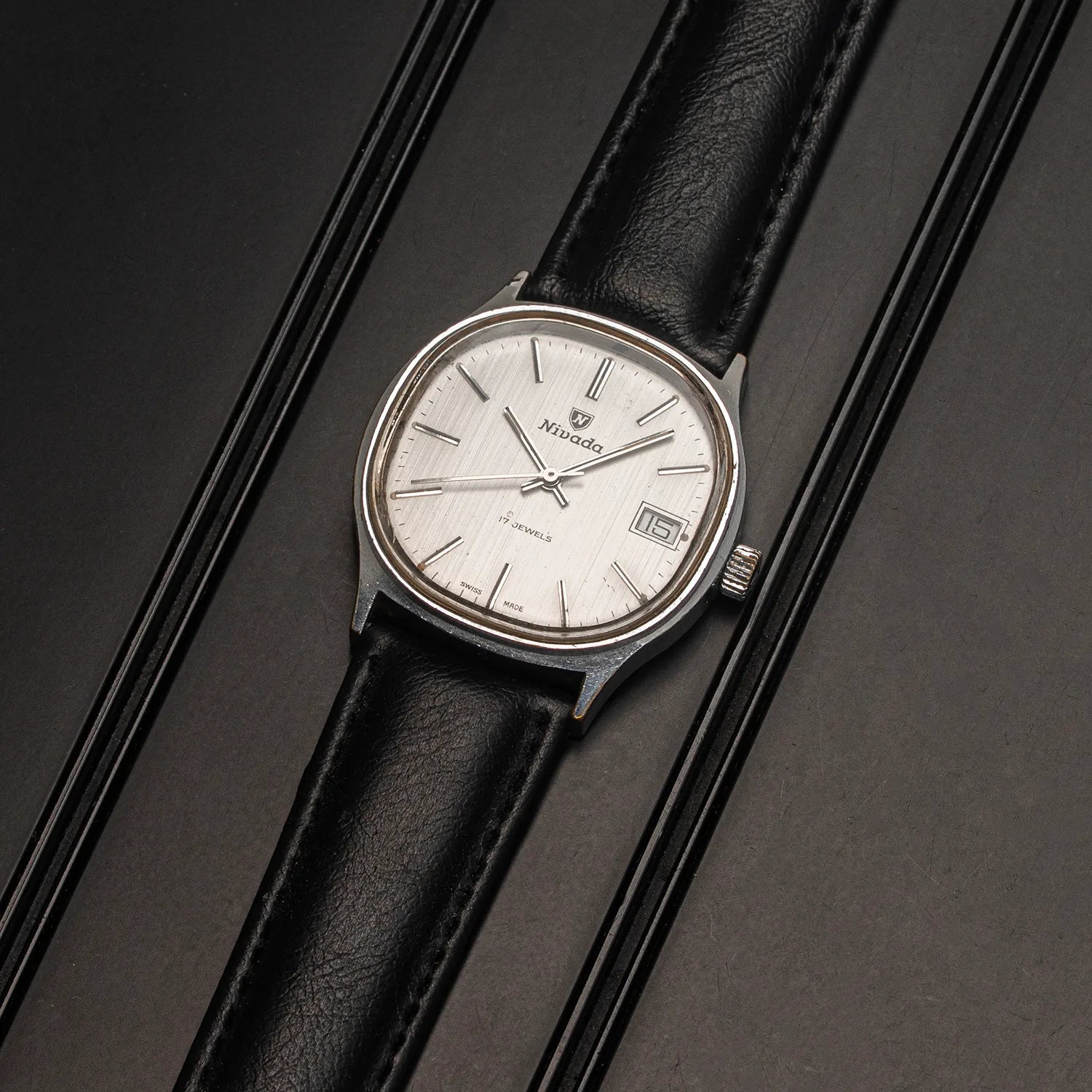
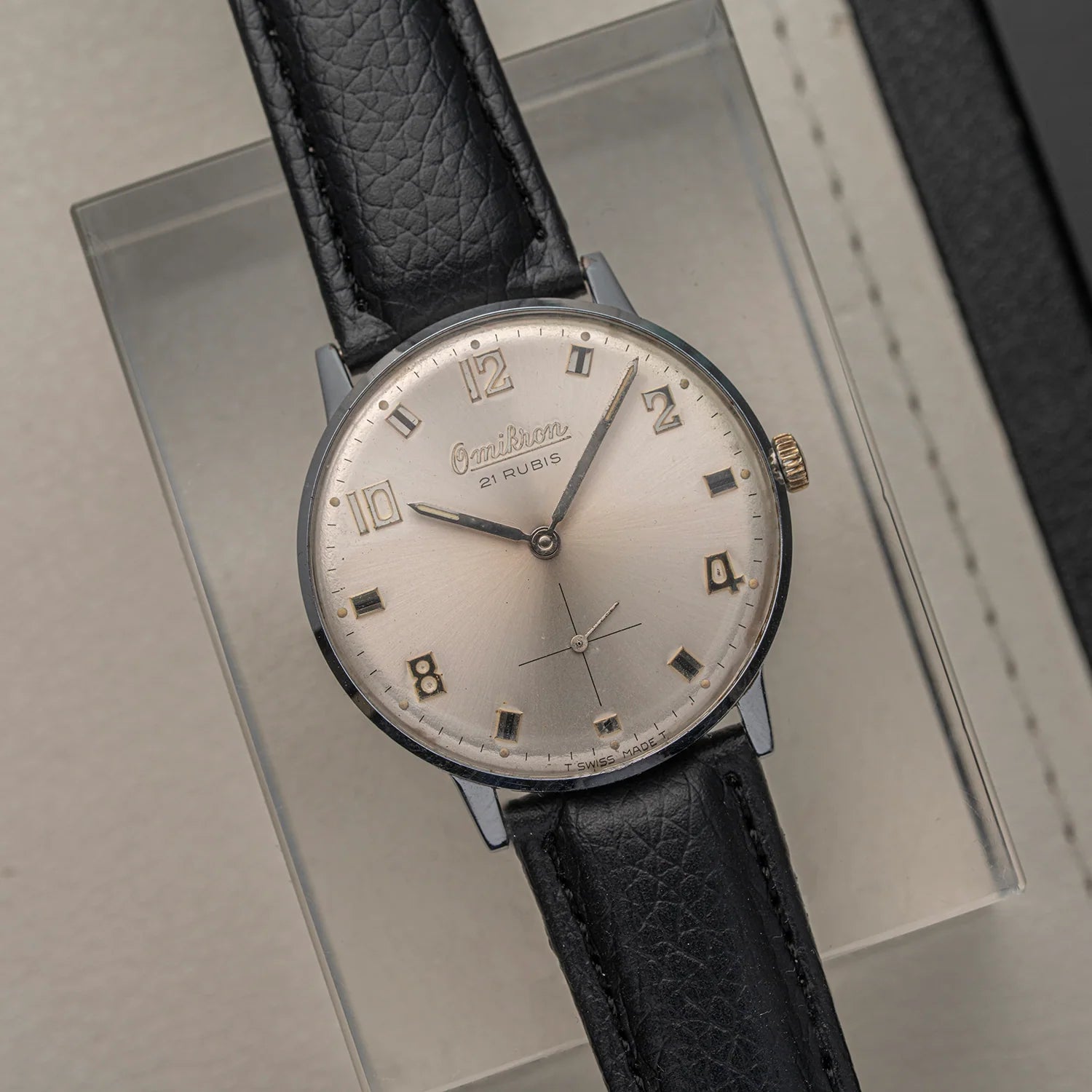
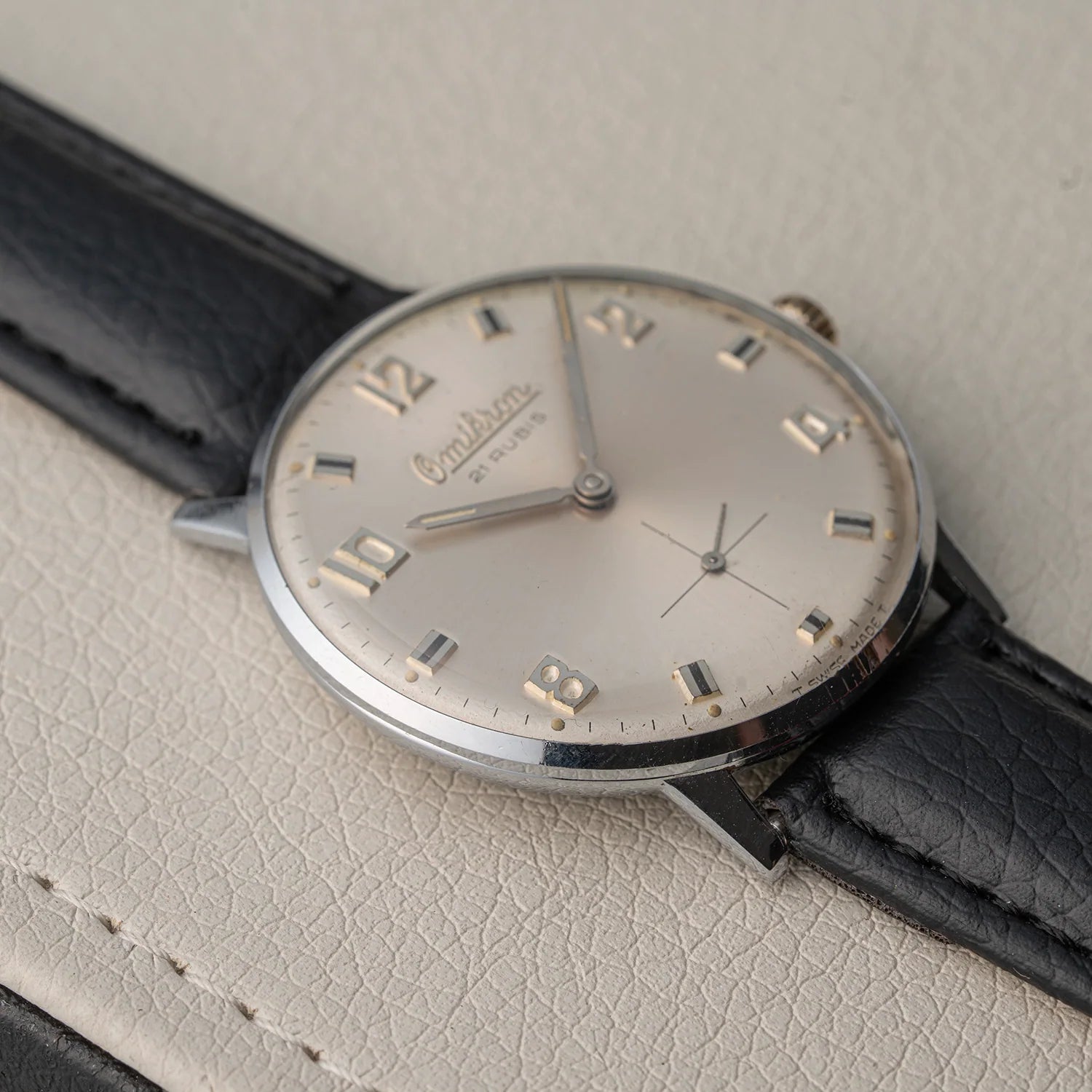
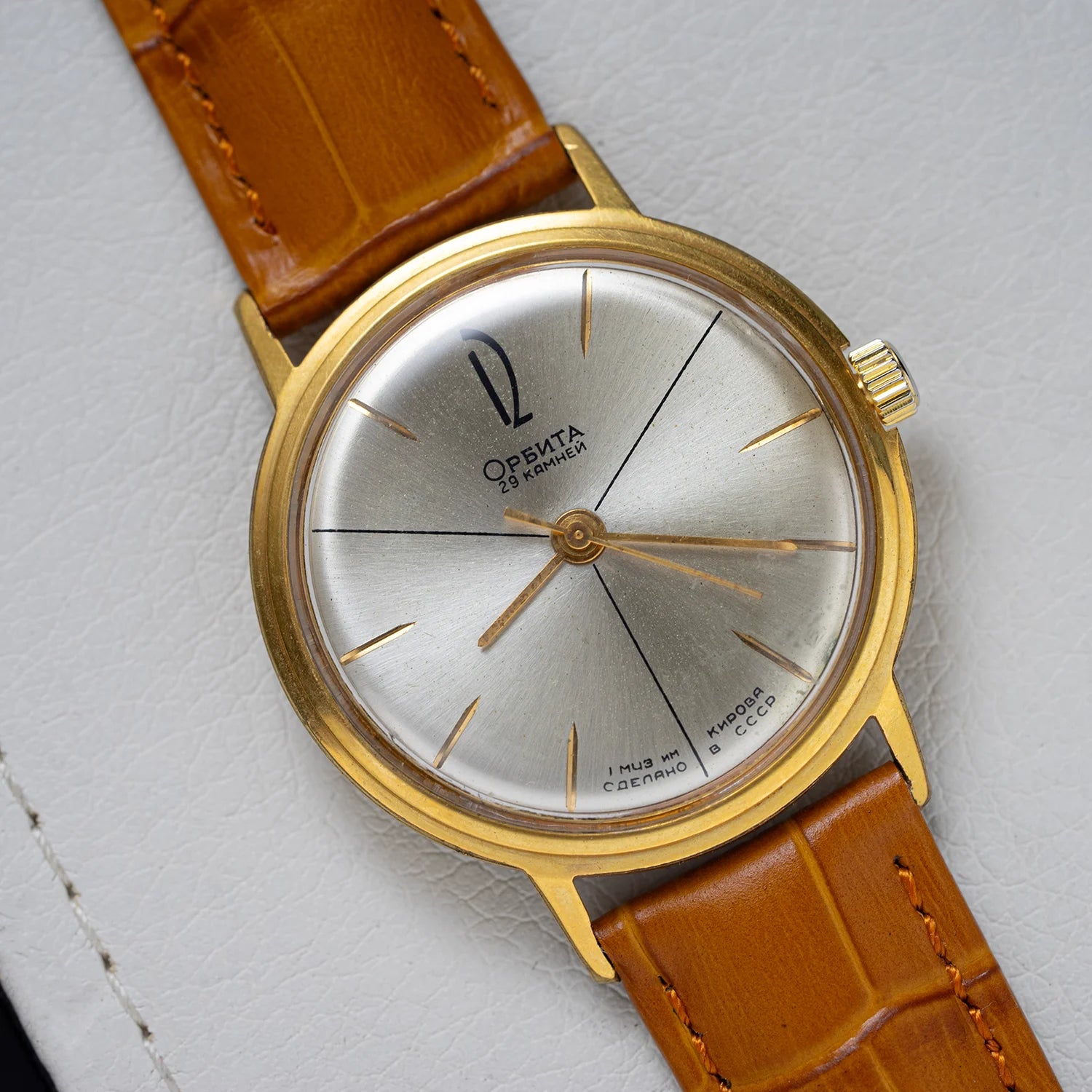
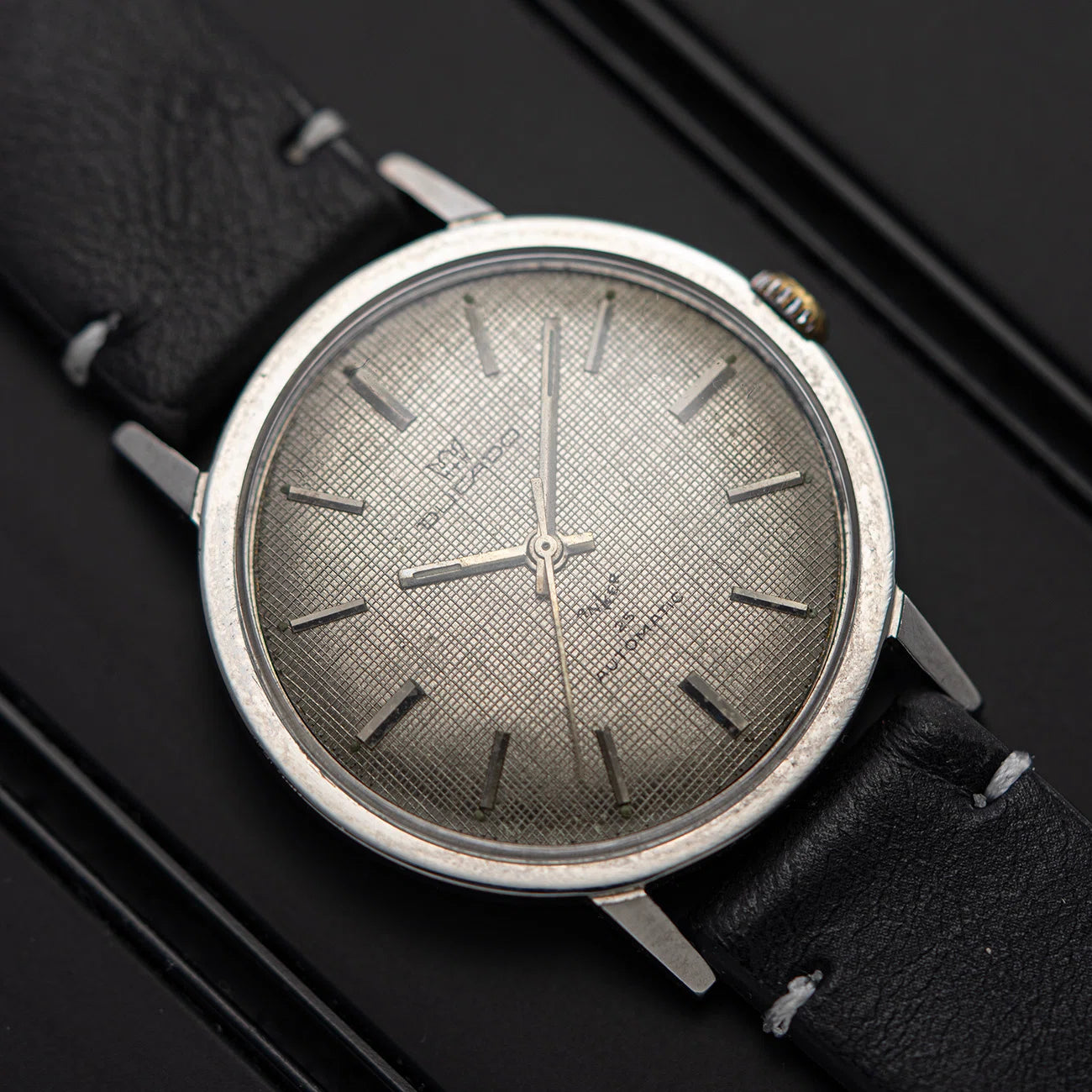
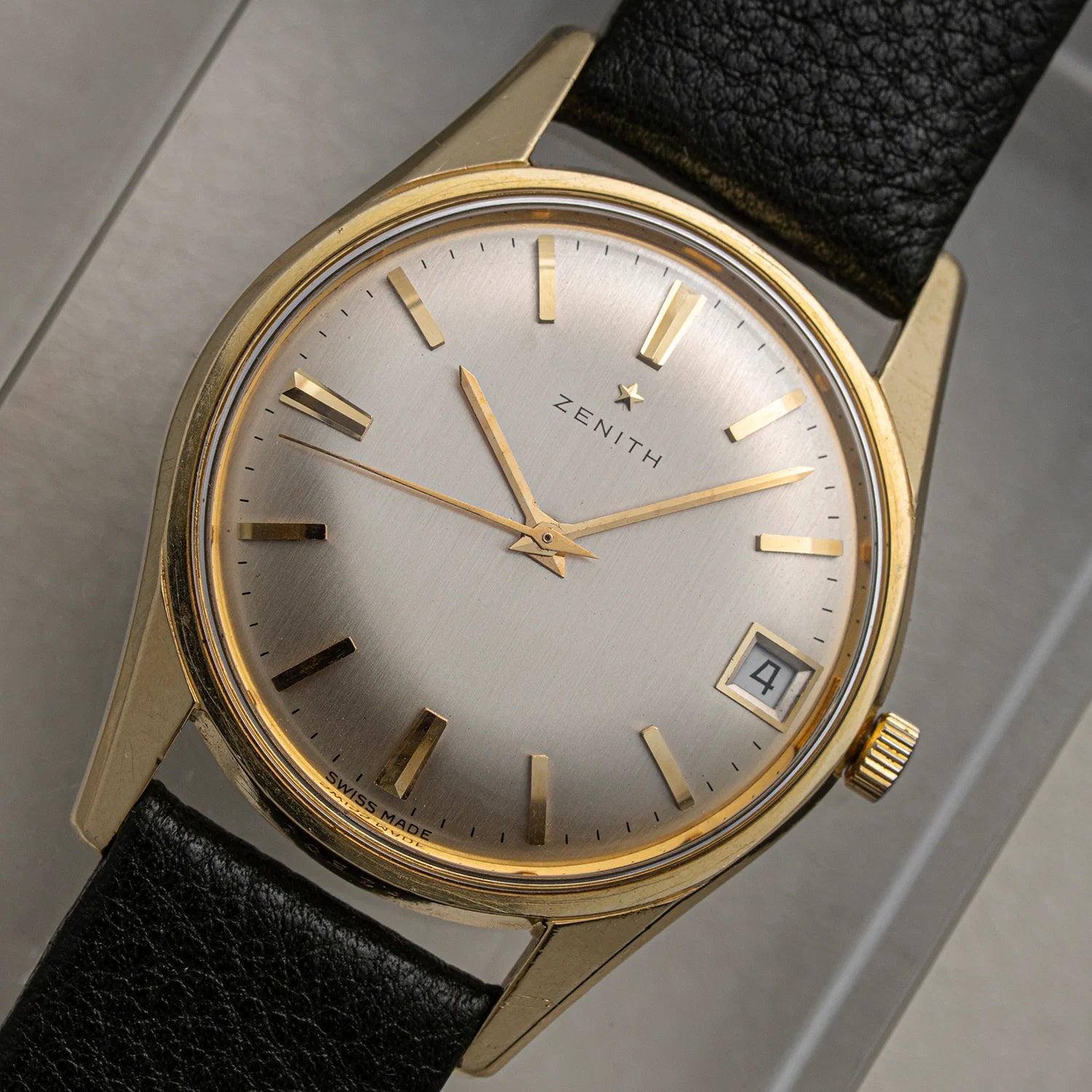
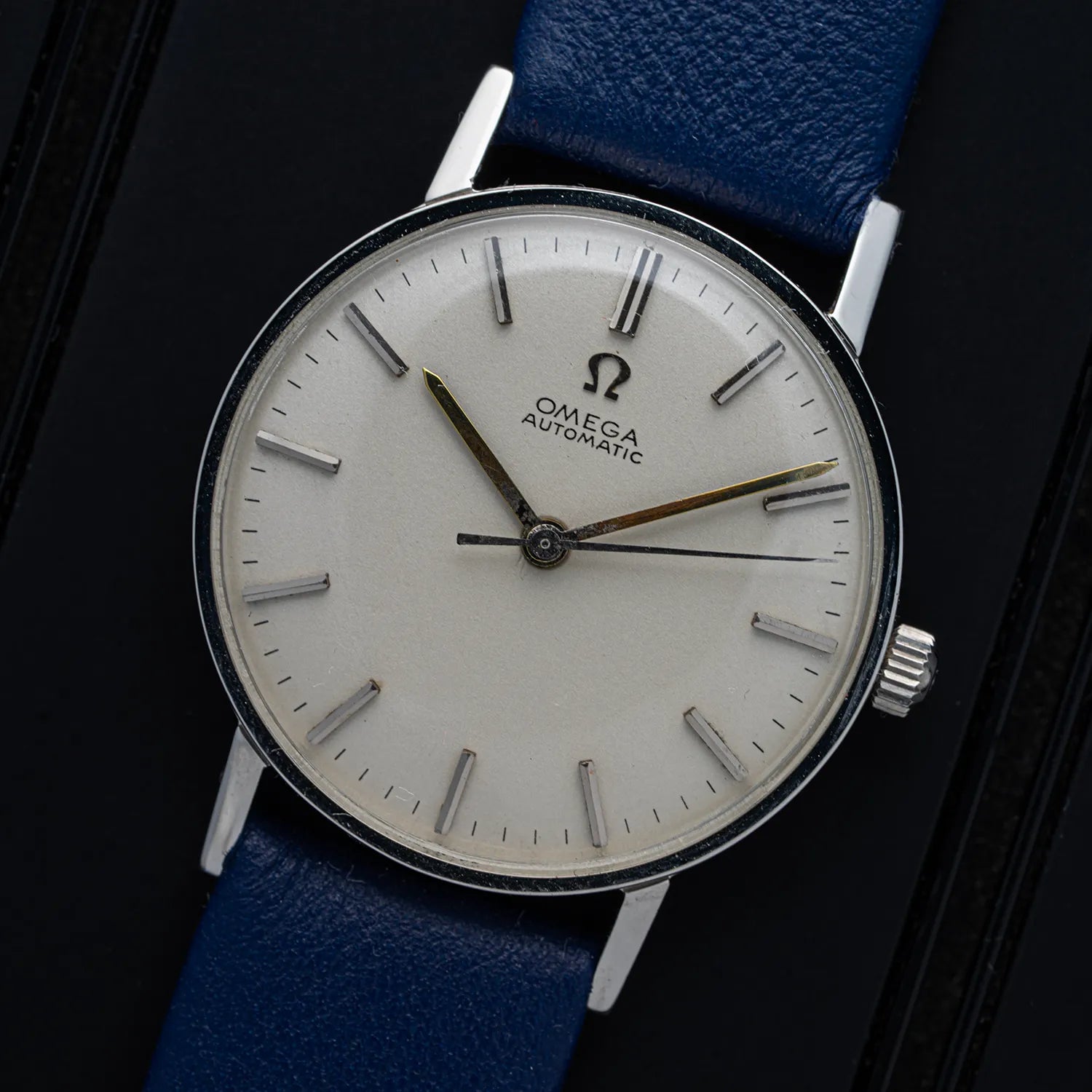
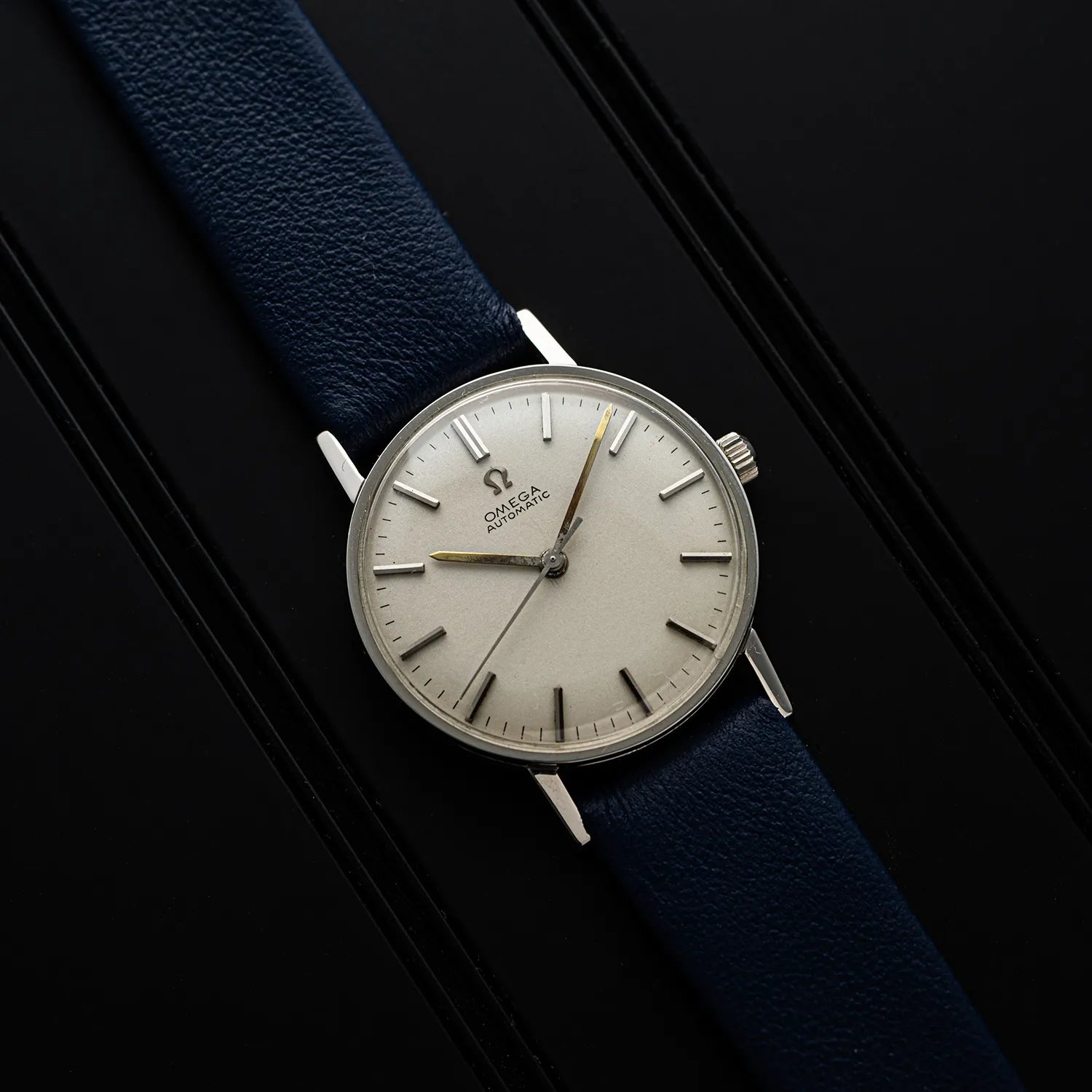
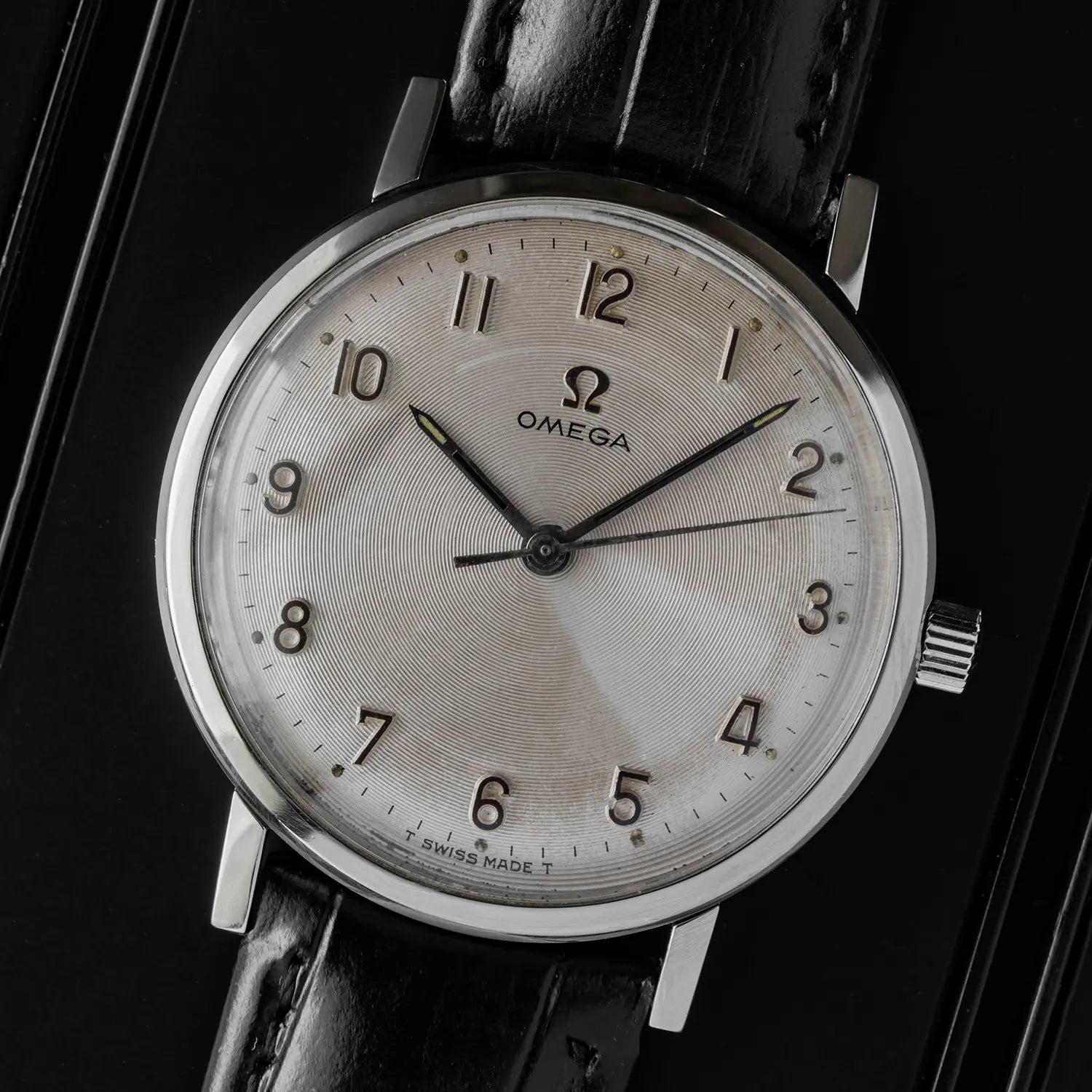
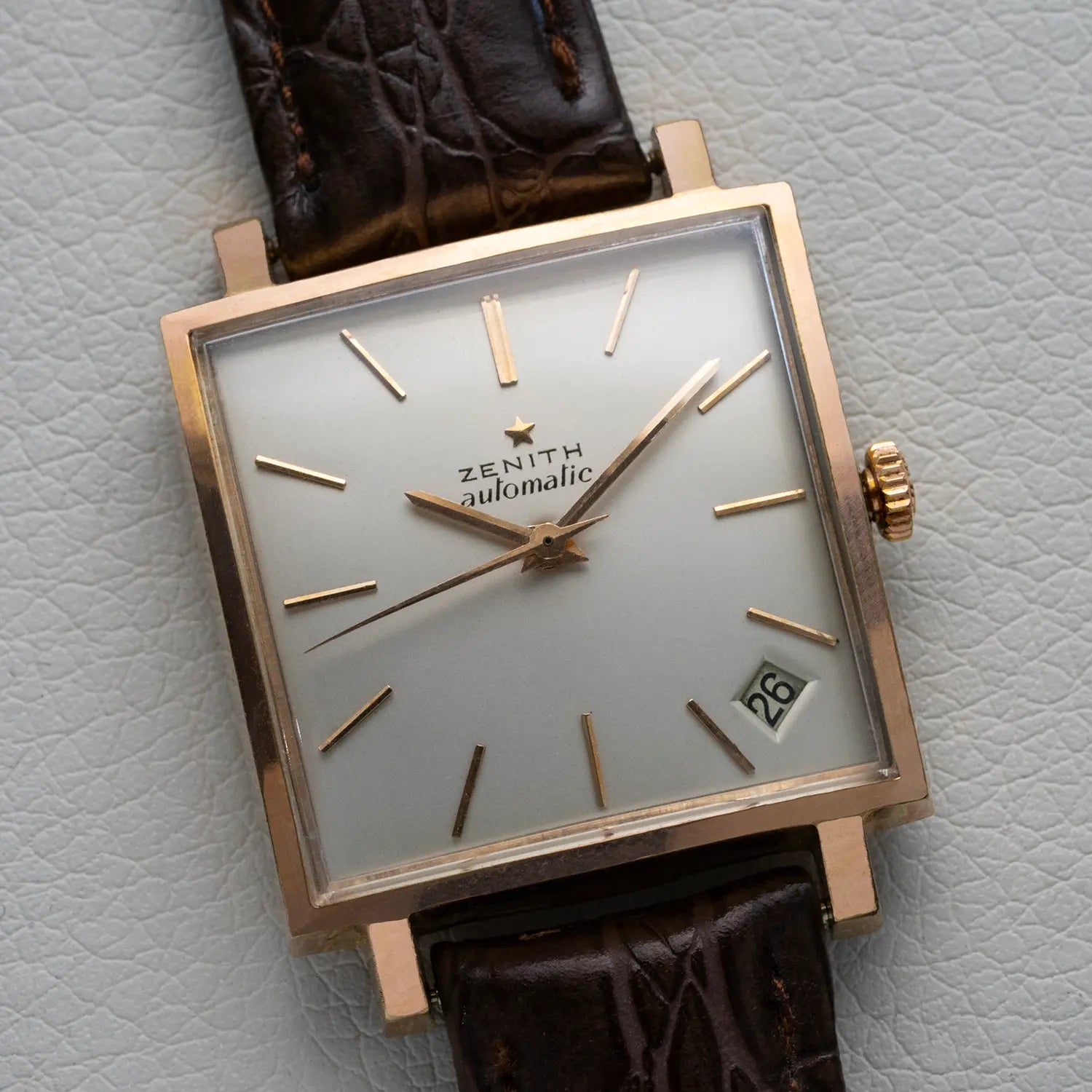
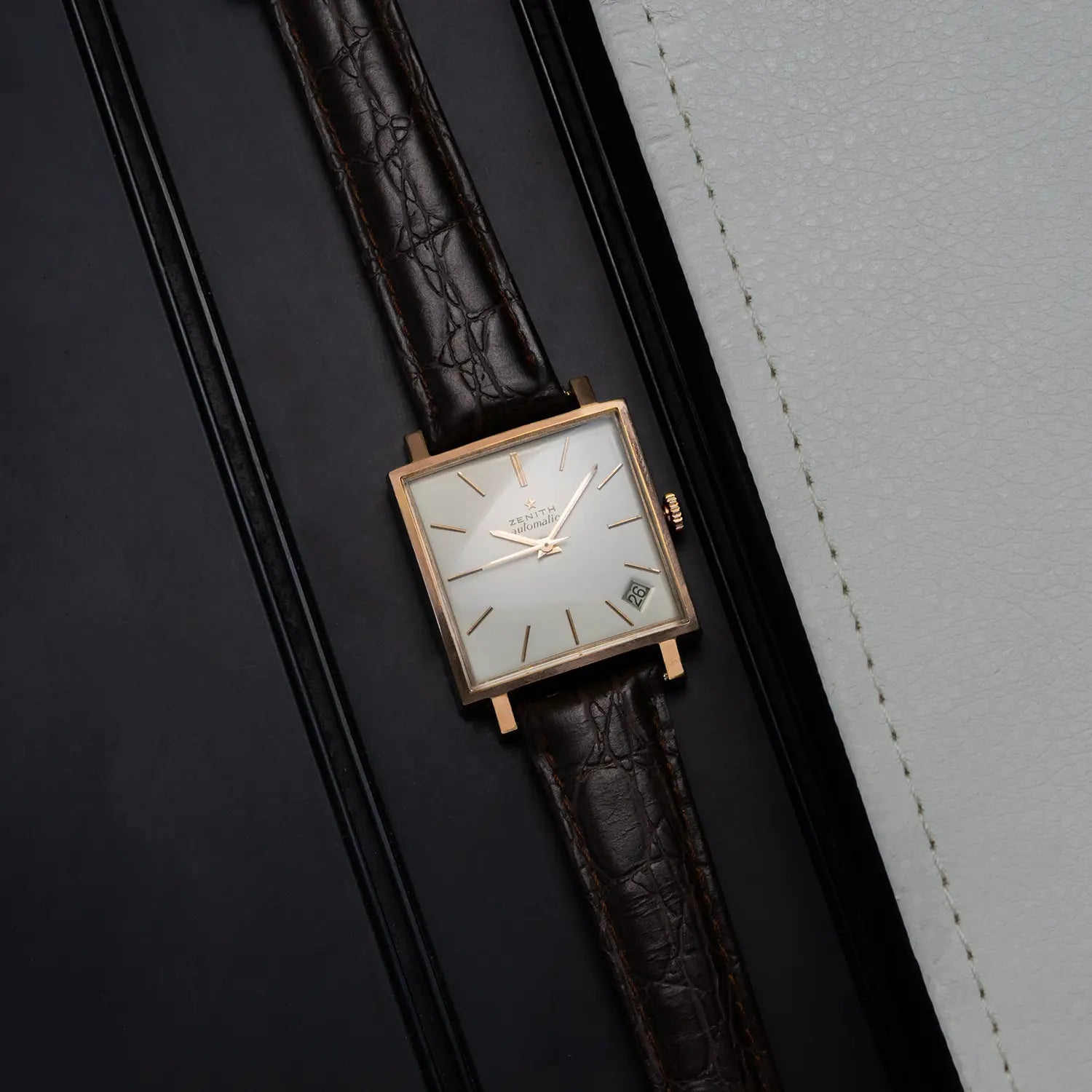
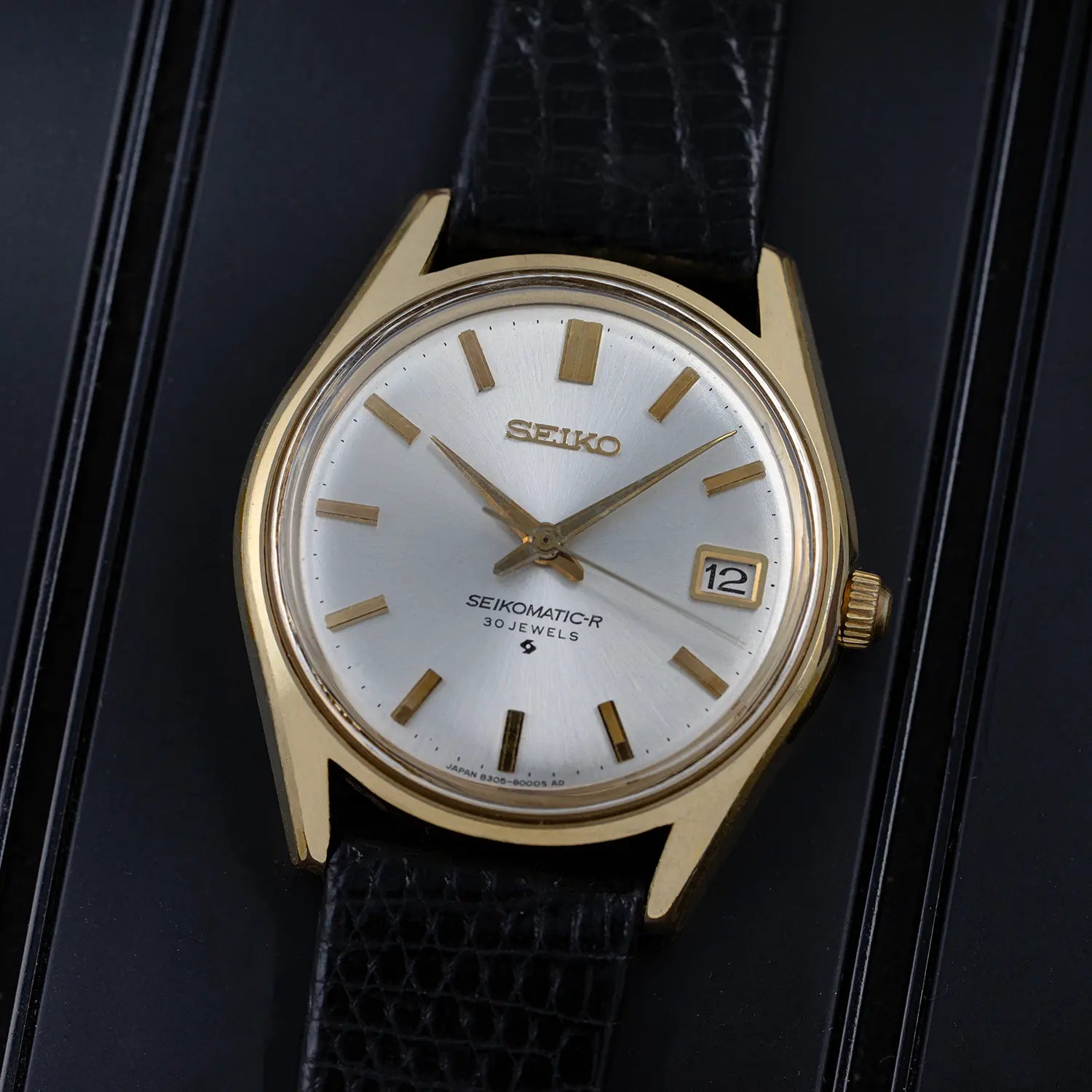
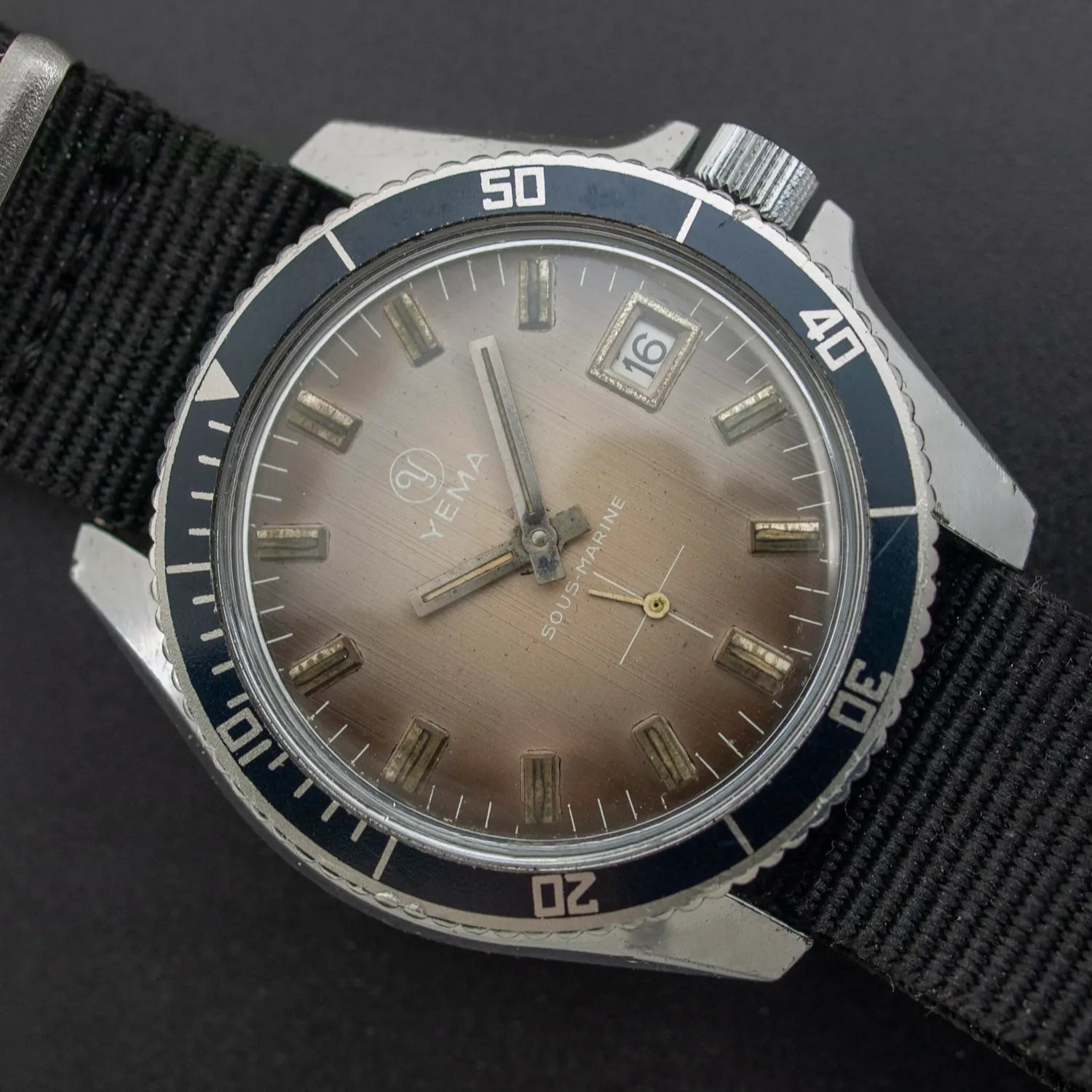
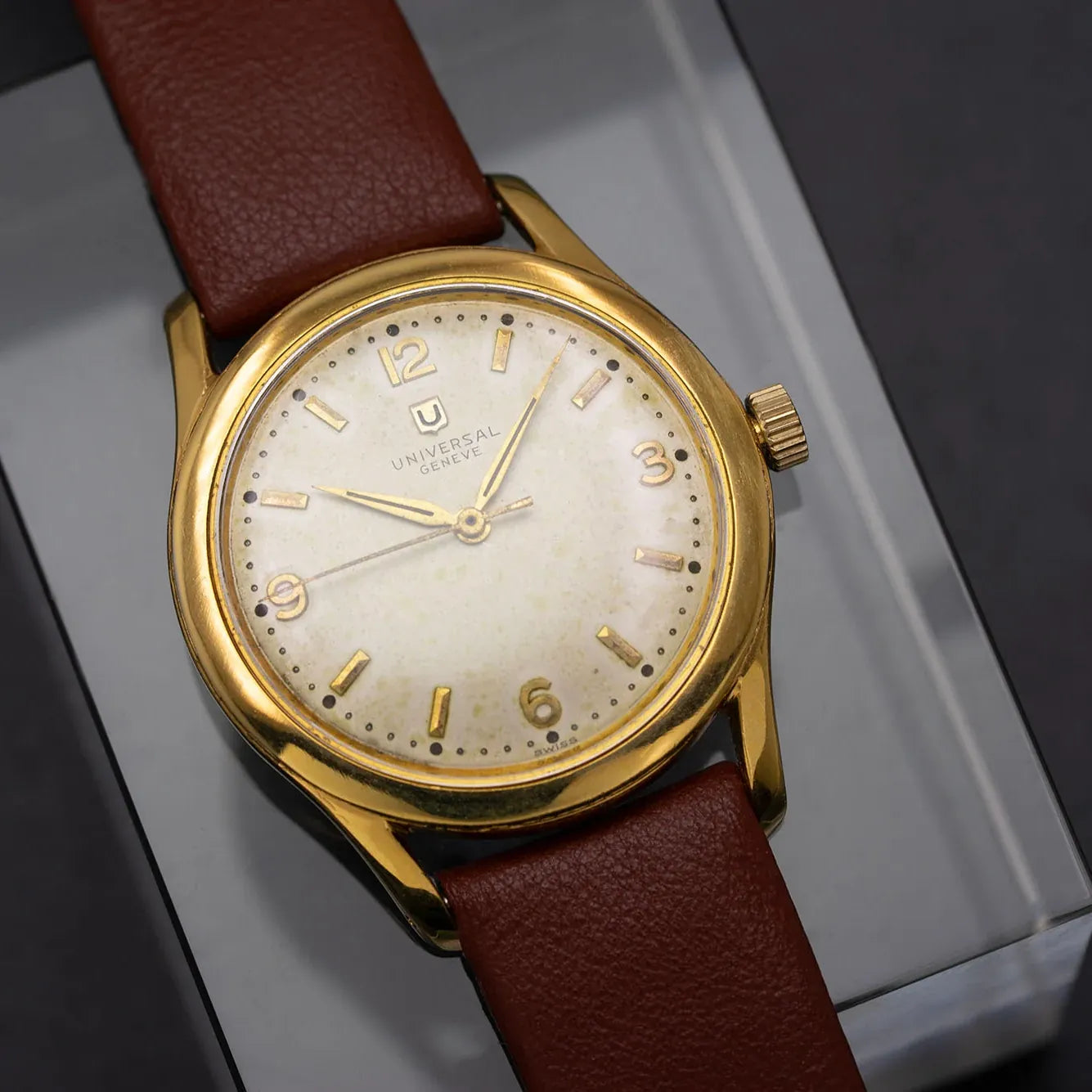
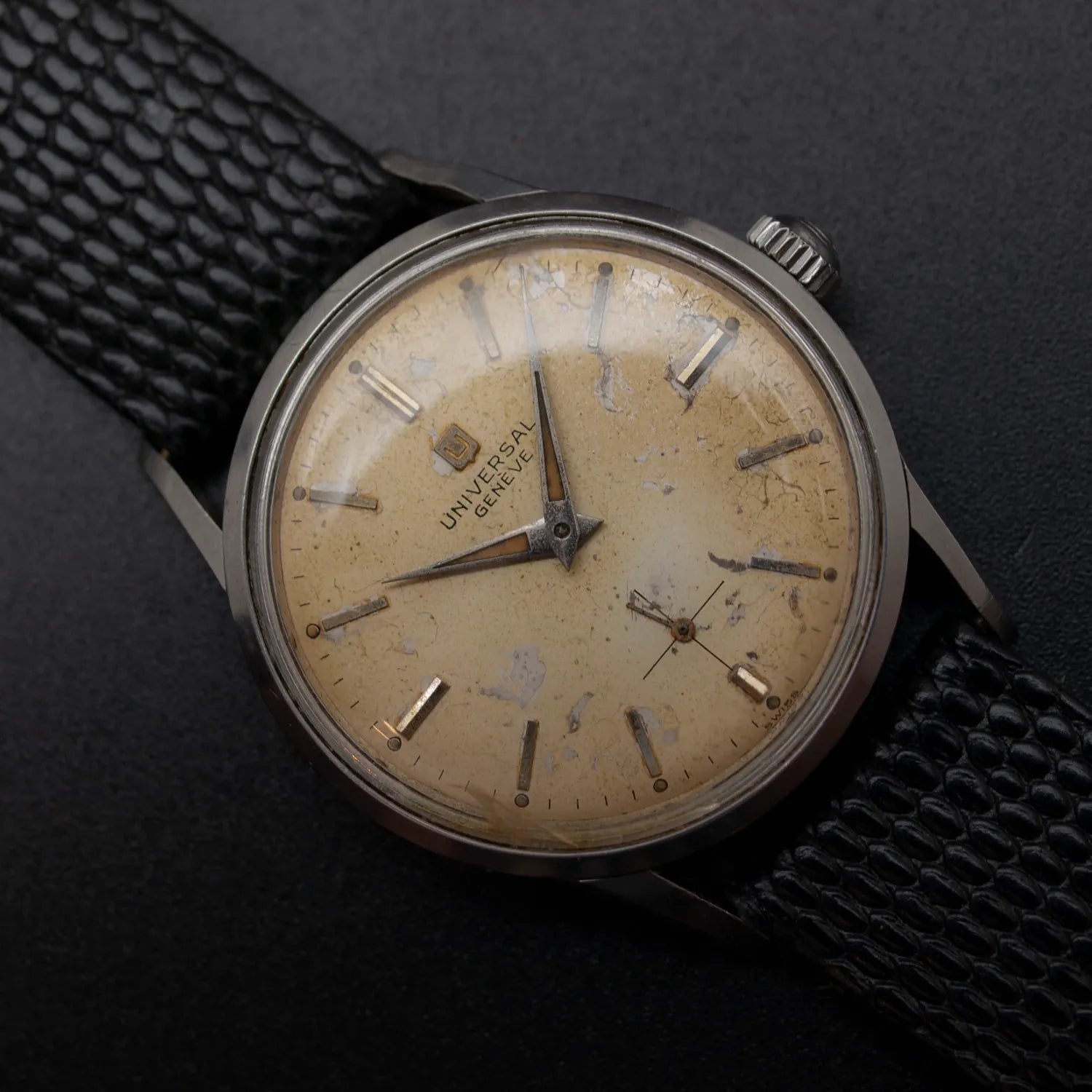
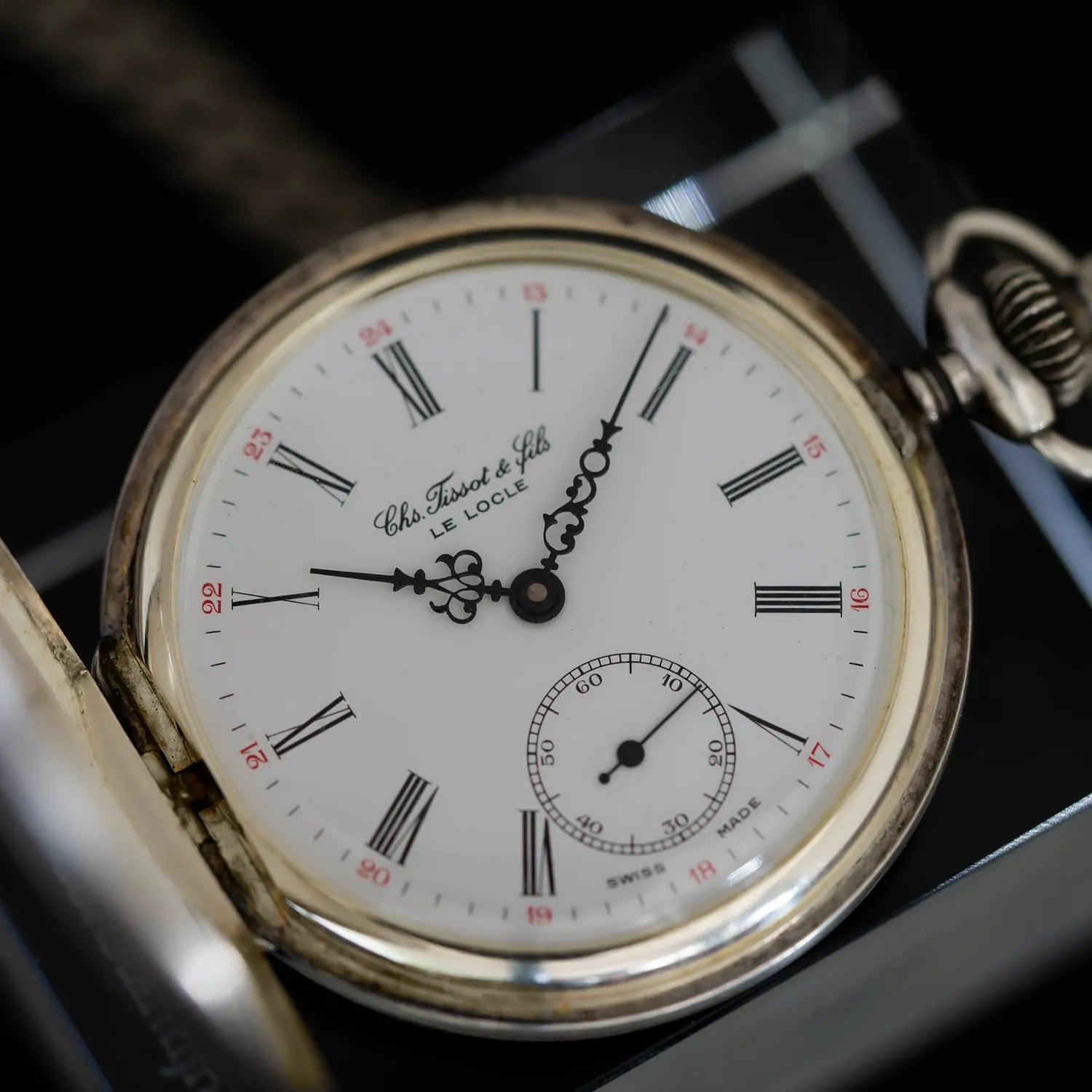
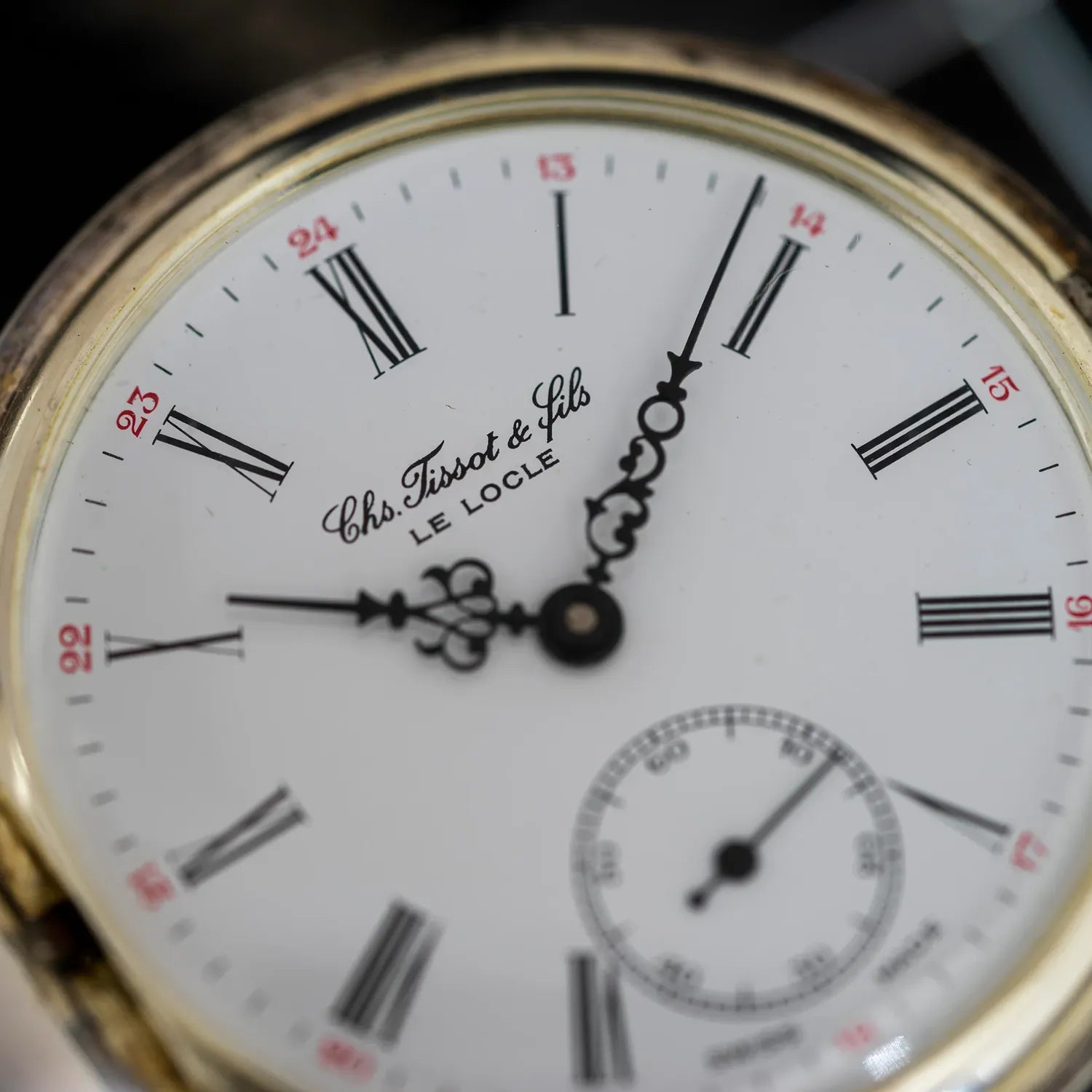
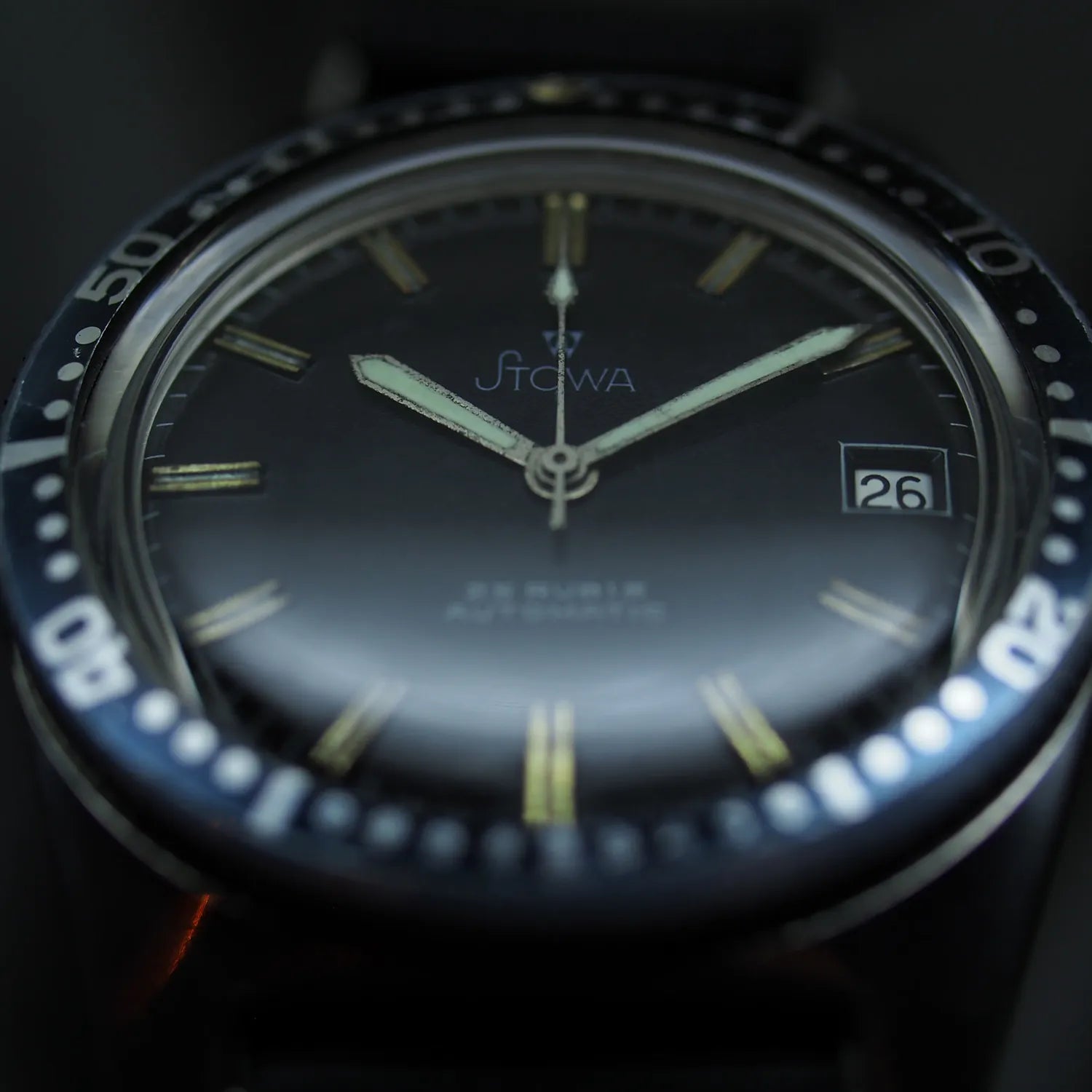
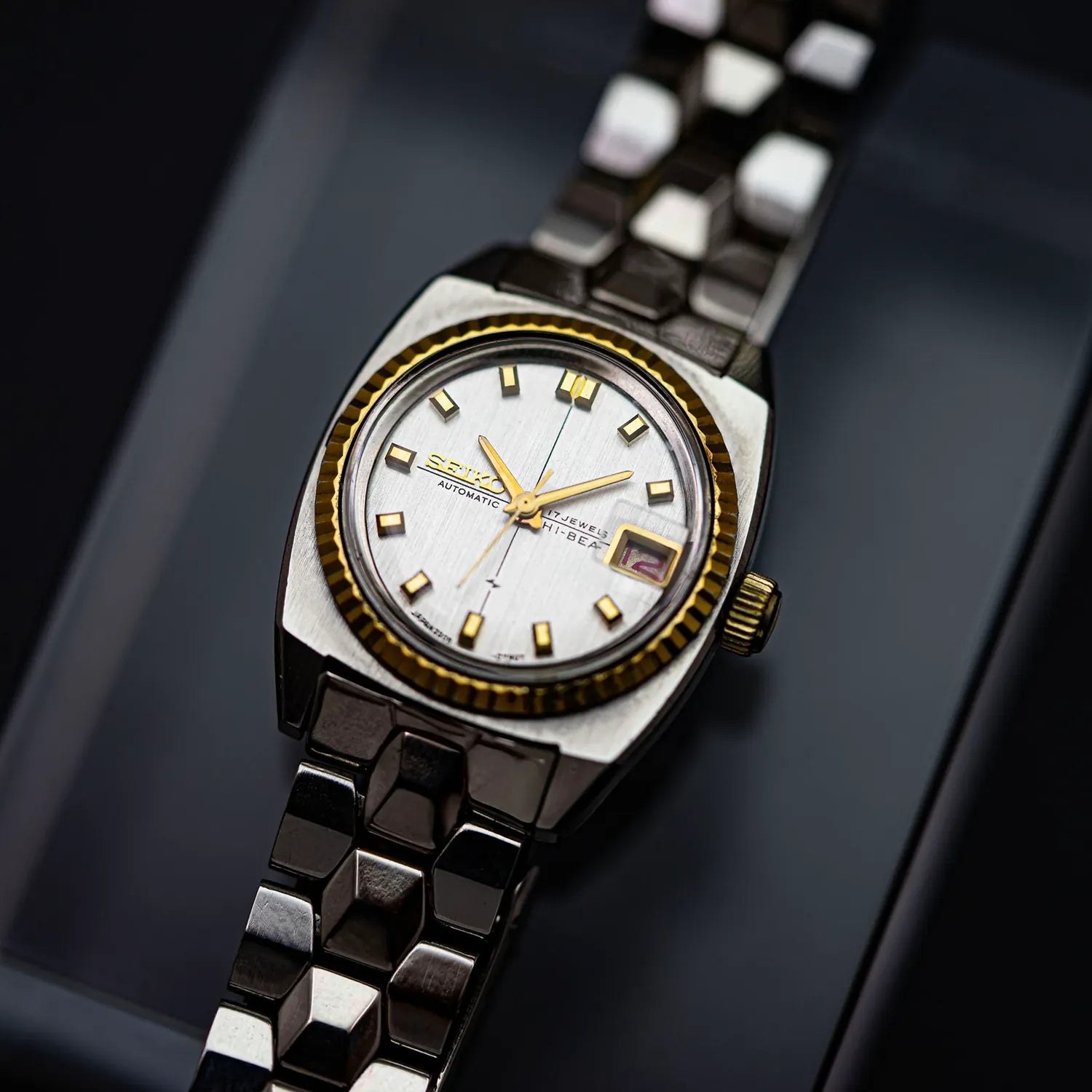
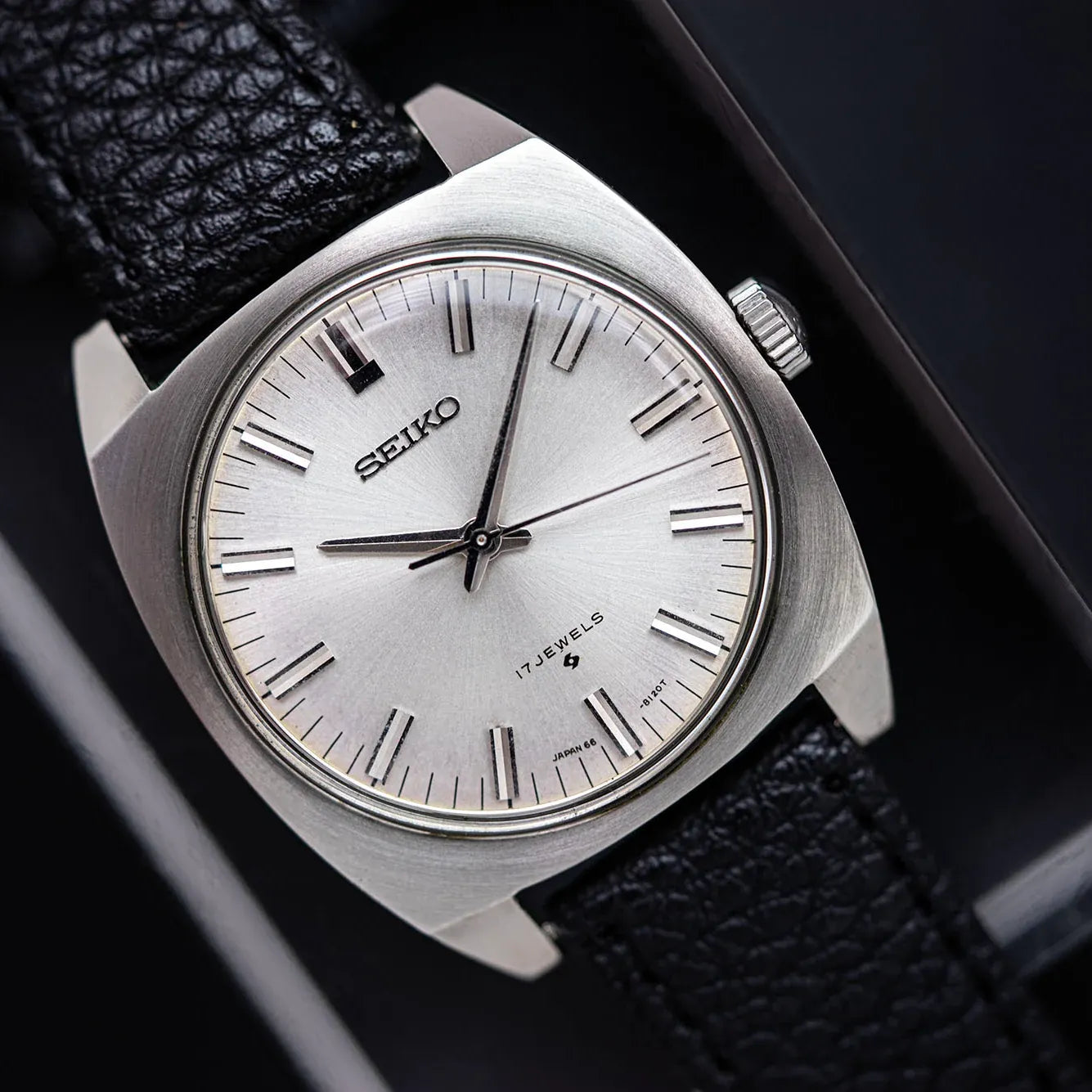
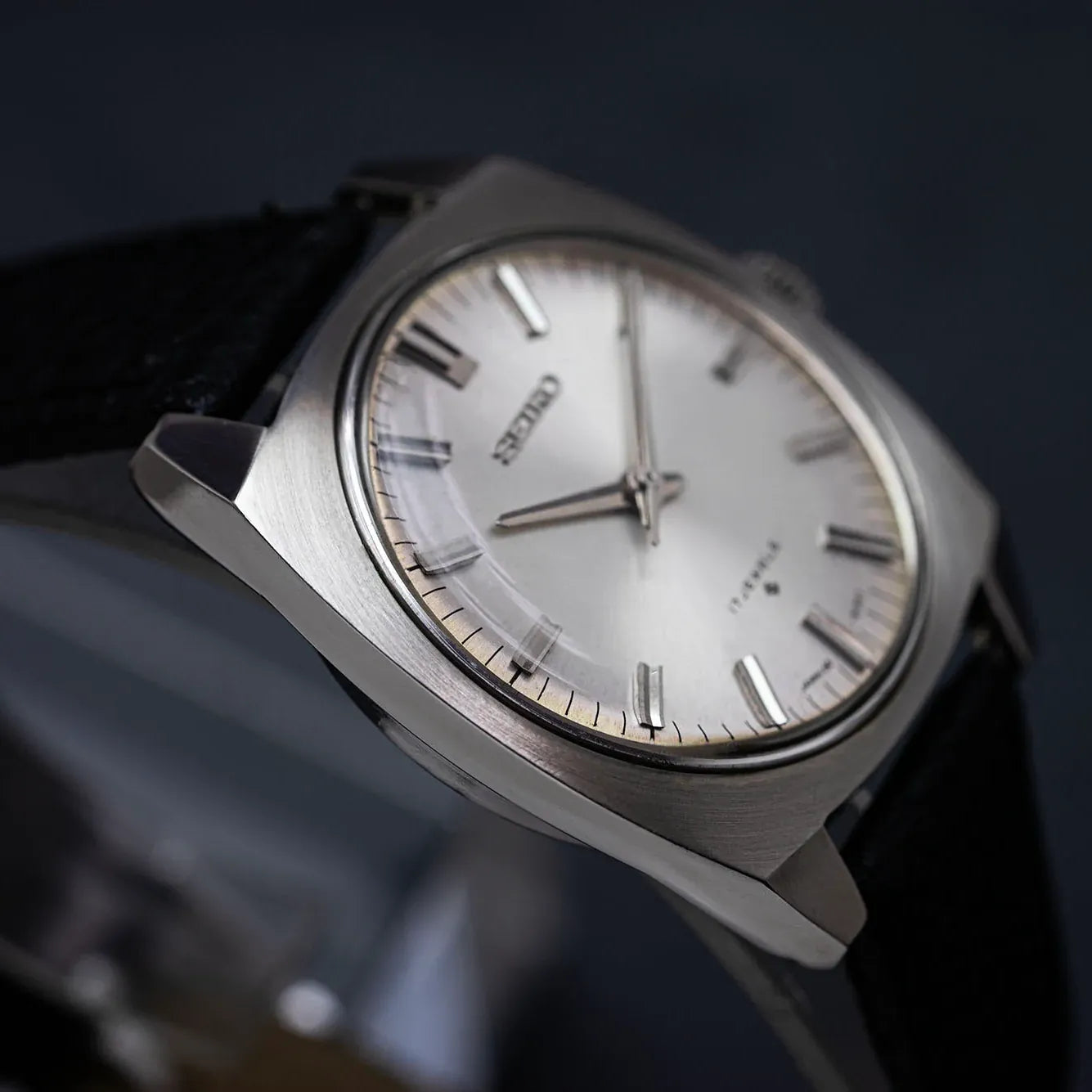
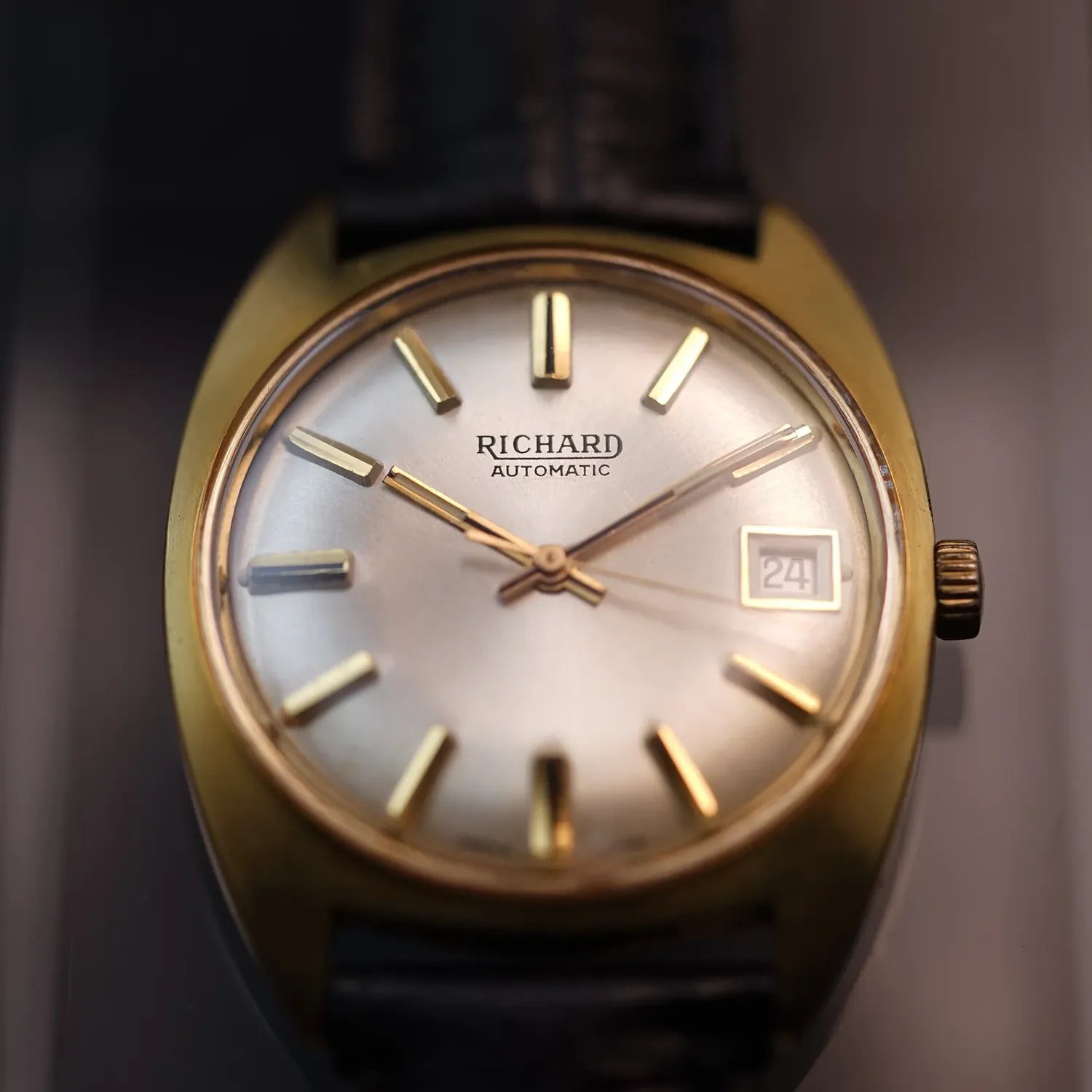
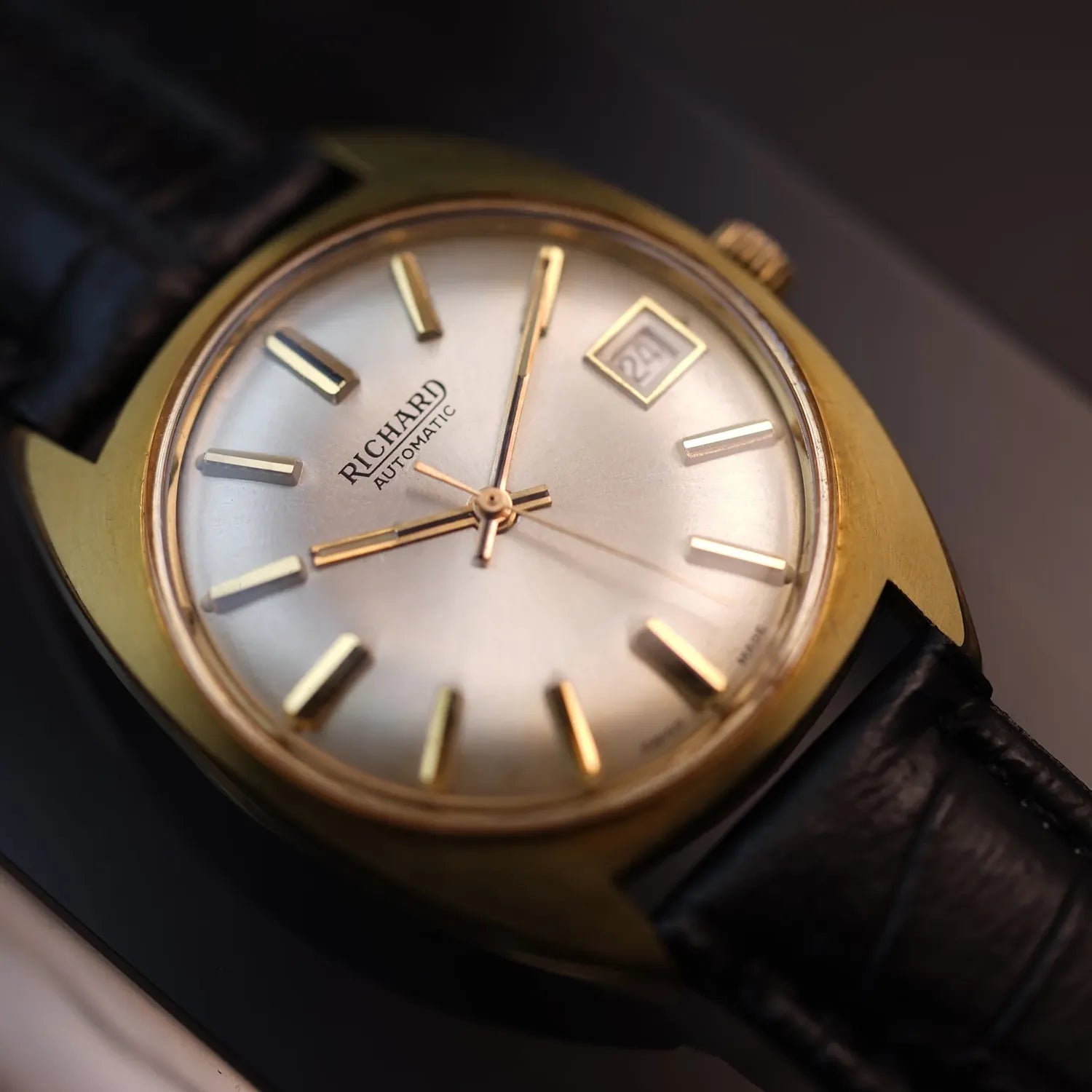
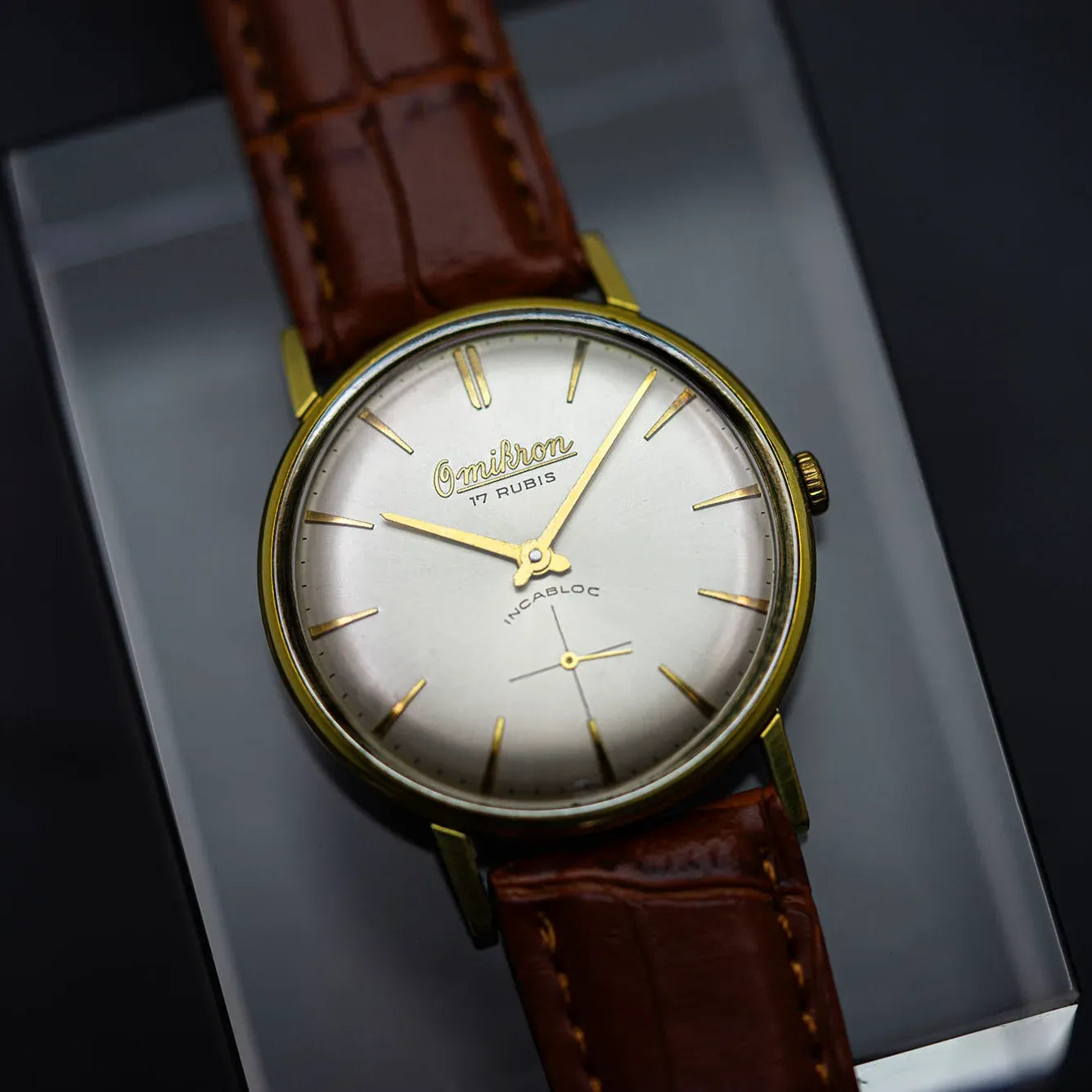
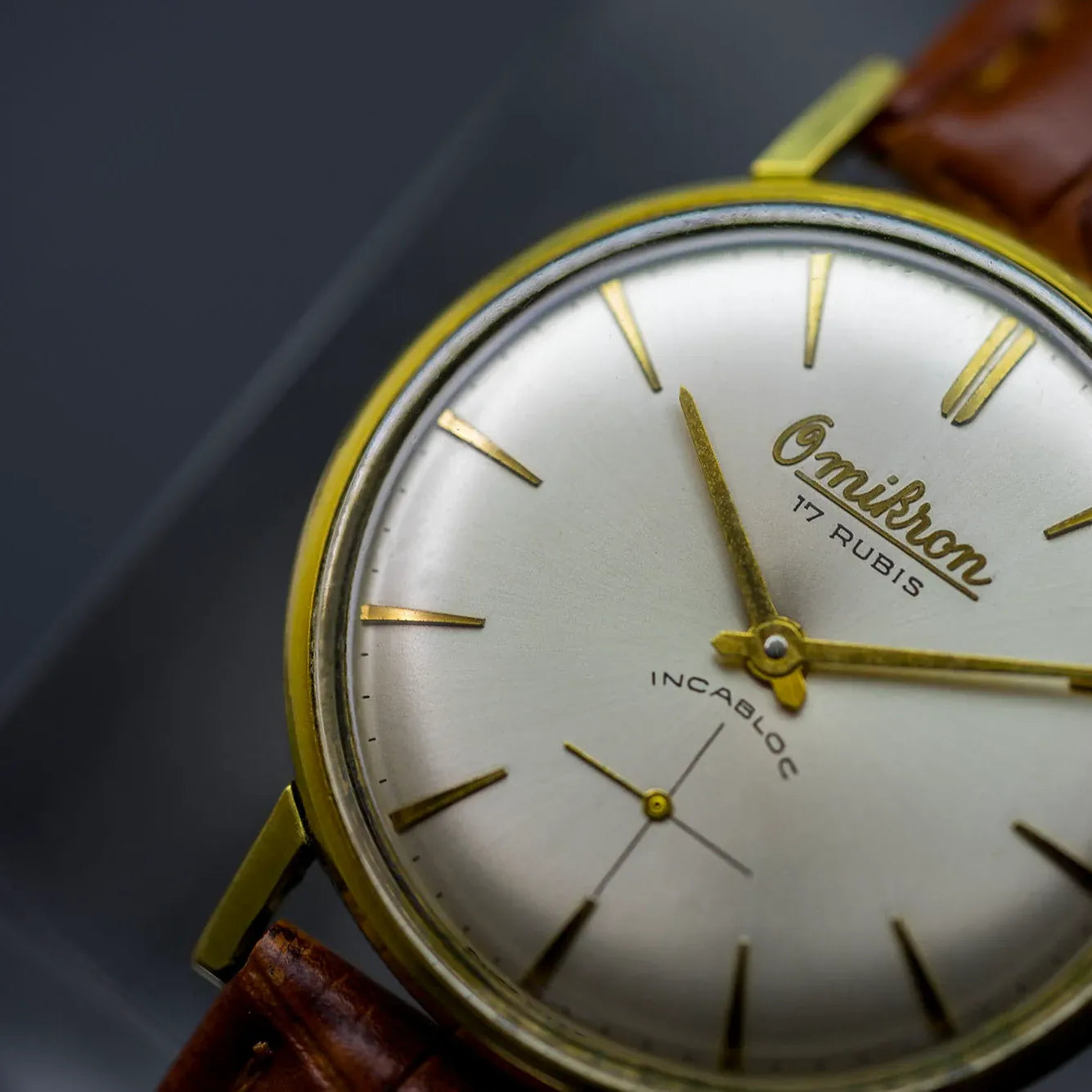
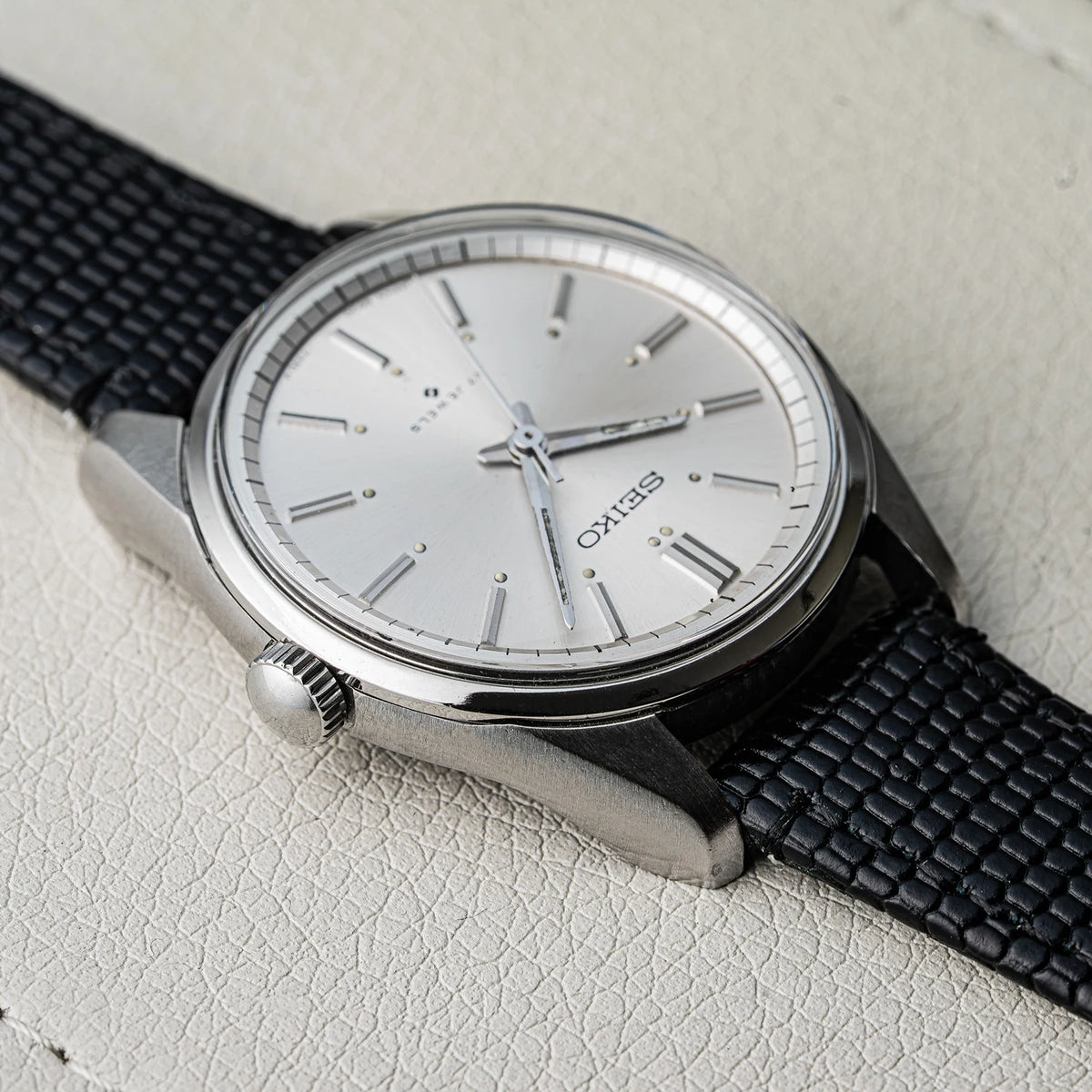
Details can reveal much about a surviving example. Sunburst finishes, crosshair dials, applied baton indices, dauphine hands and sharply shaped lugs can all help establish its period character, although none proves a precise production date by itself. For buyers interested in the earlier roots of these designs, our vintage watch collection offers a broader view of how wristwatch styling developed across the twentieth century.
FROM THE COLLECTION
Featured Timepiece
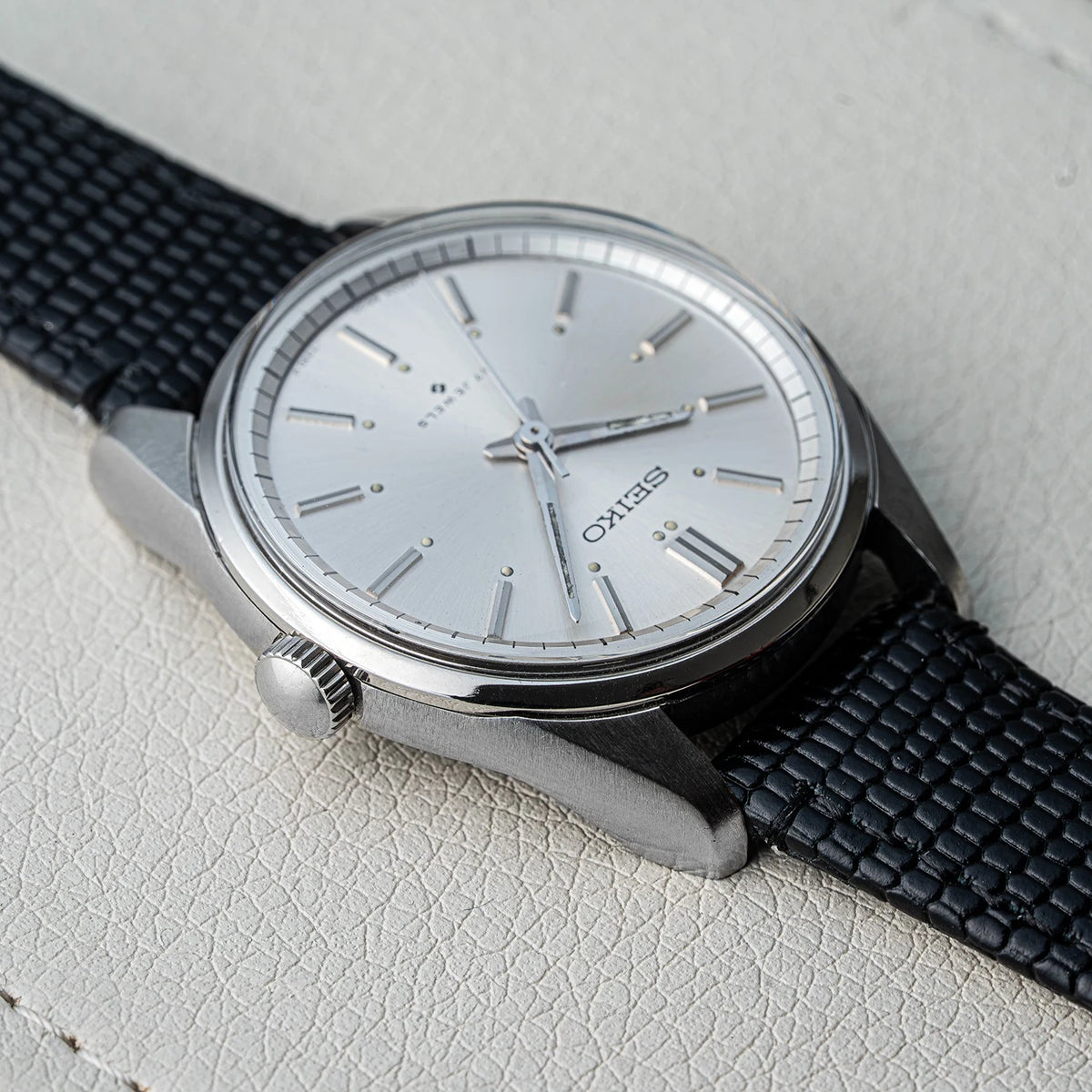
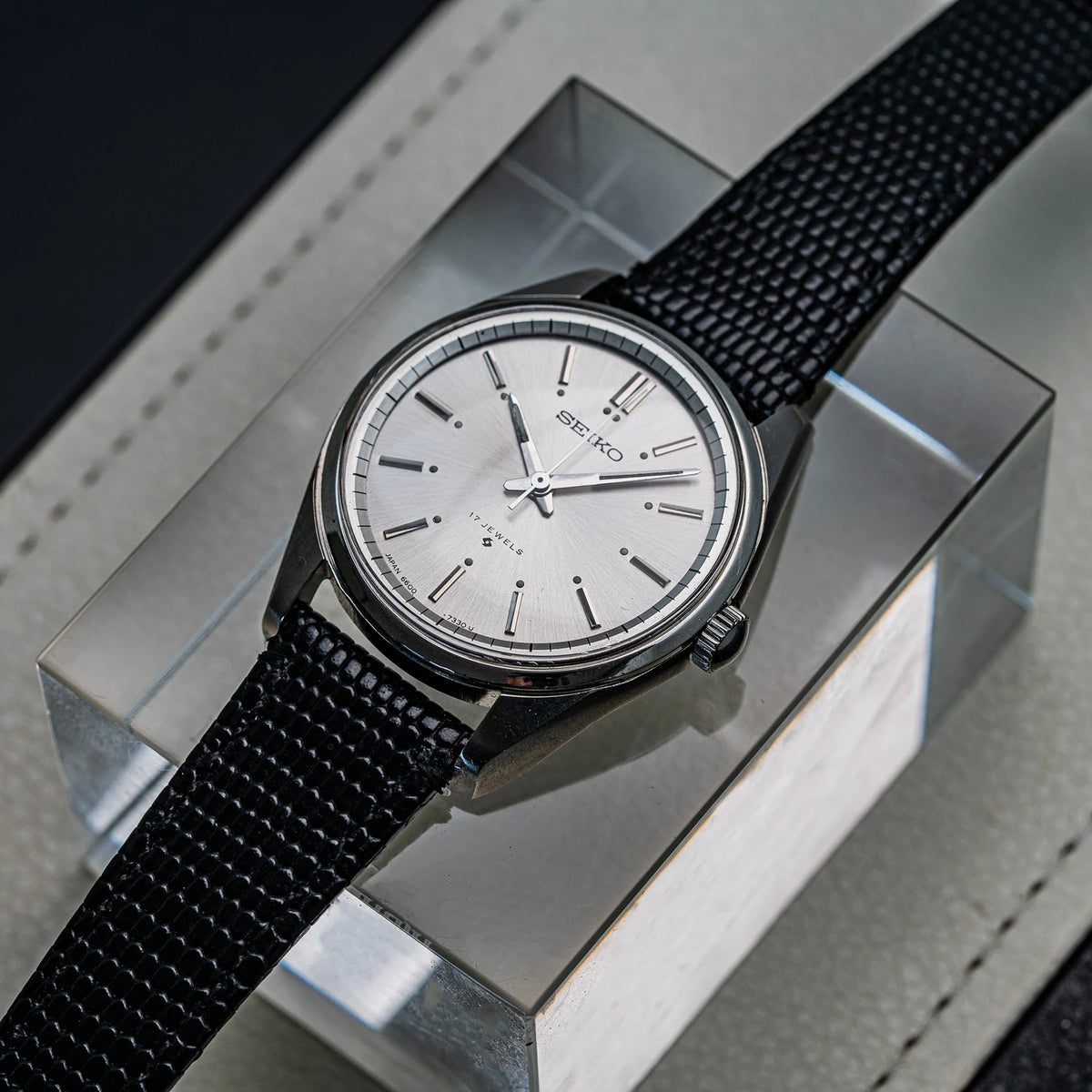

What to Look for in a 1960s Mechanical Watch
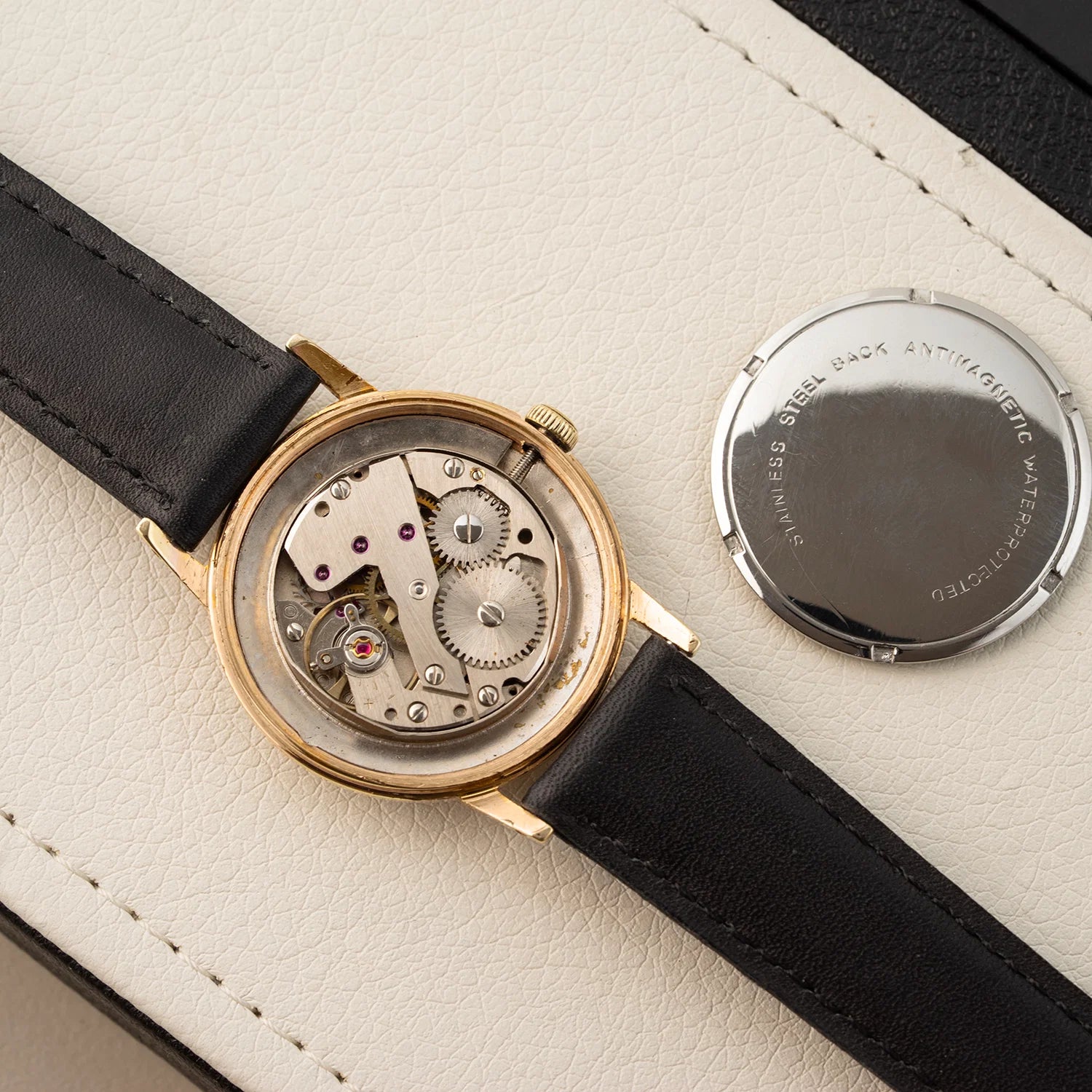
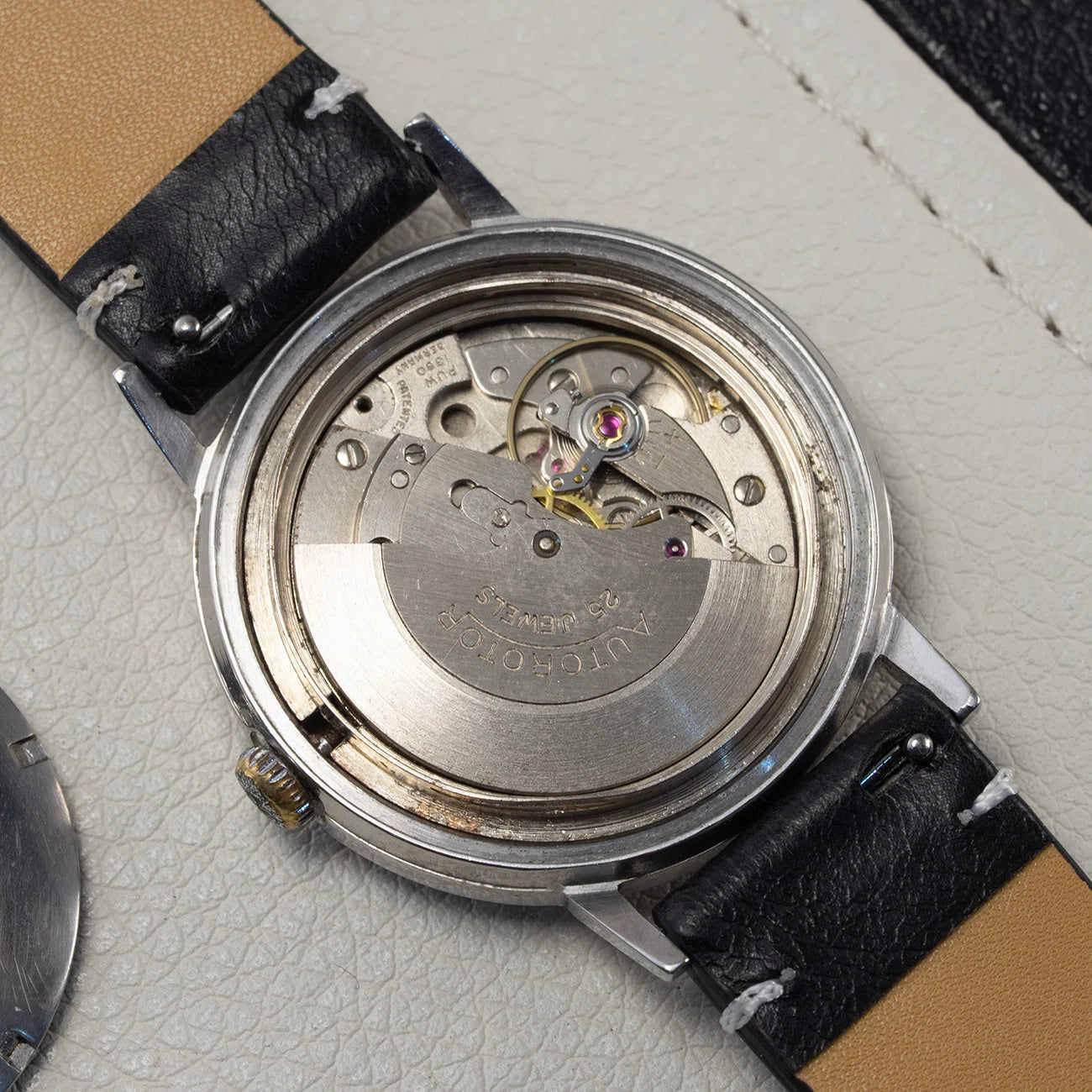
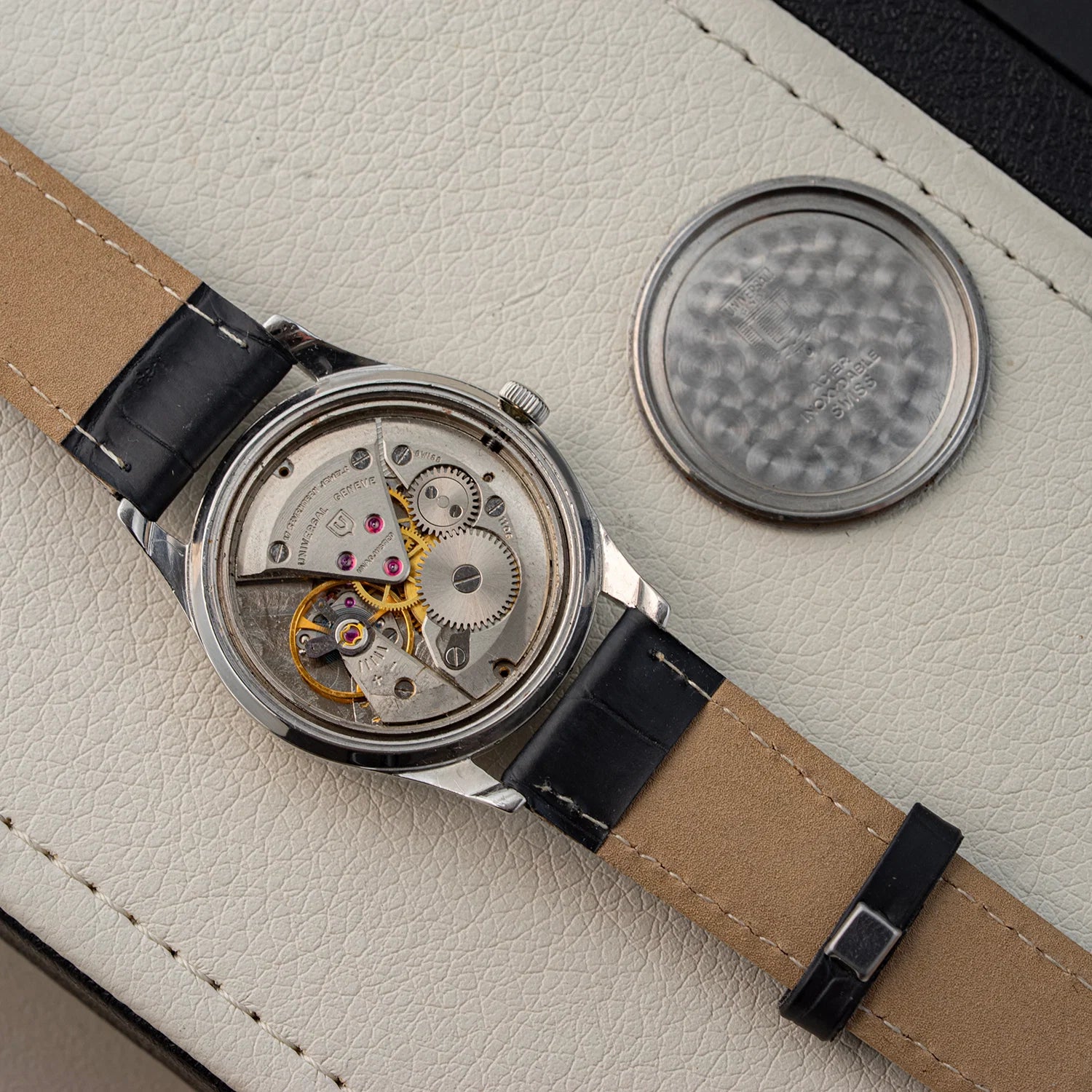
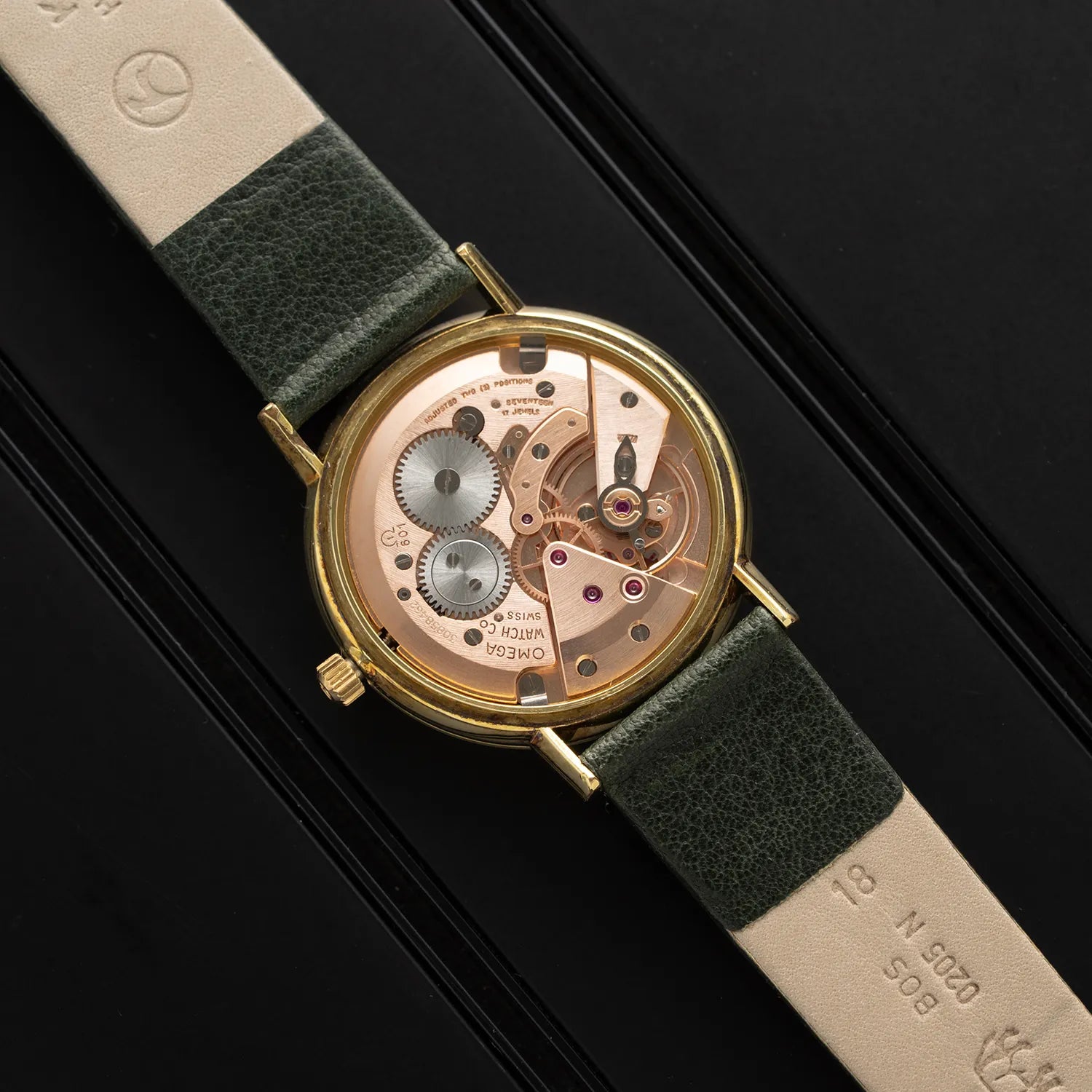
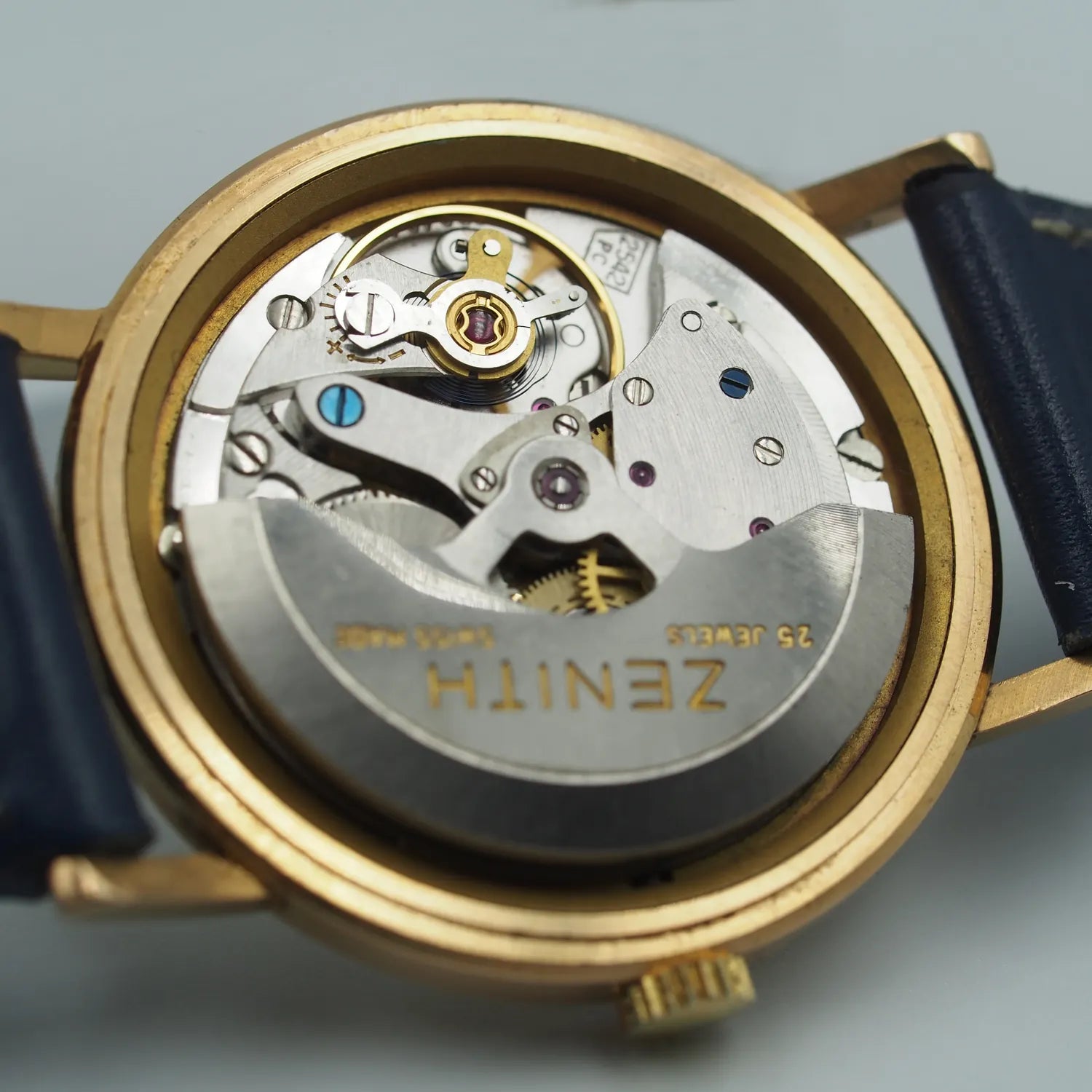
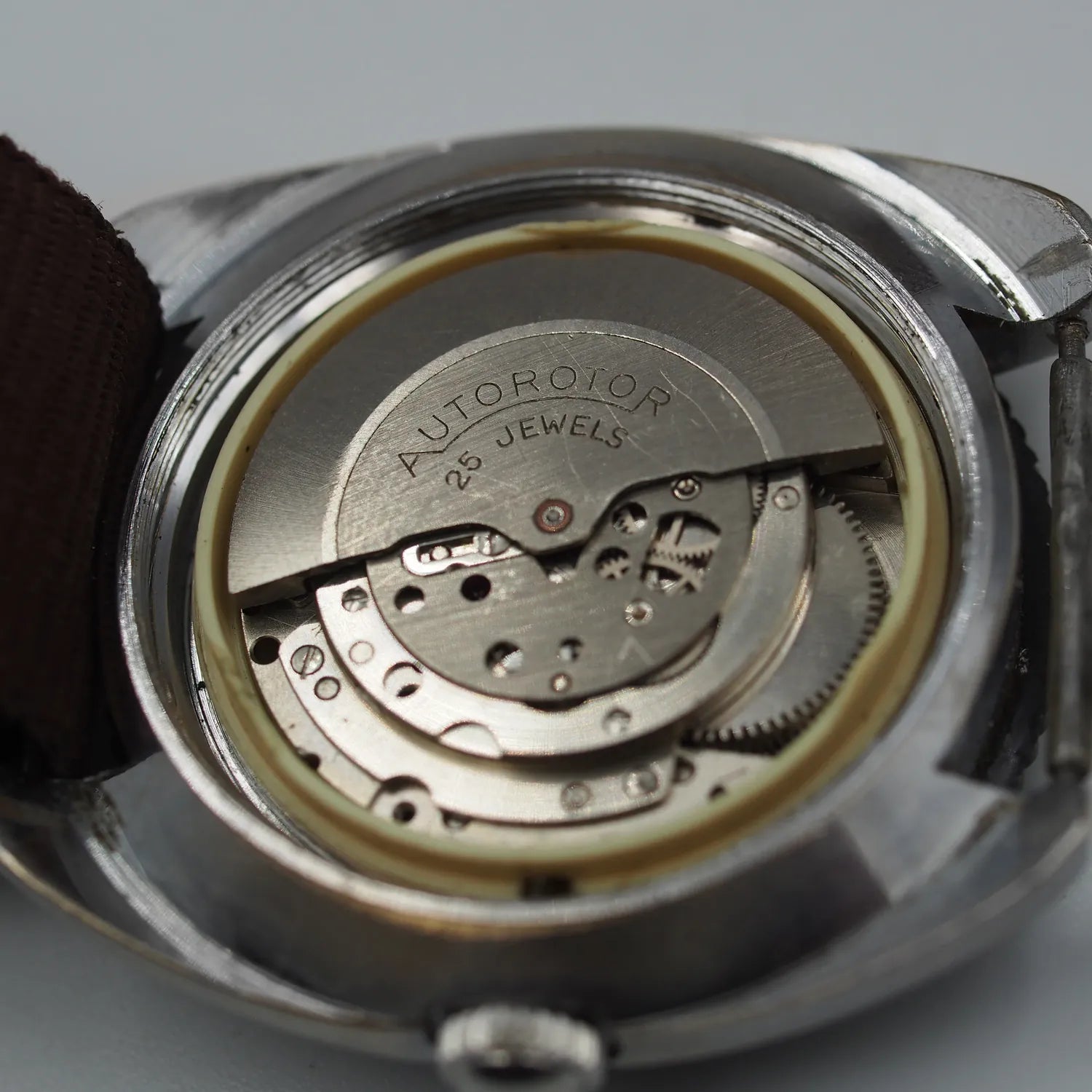
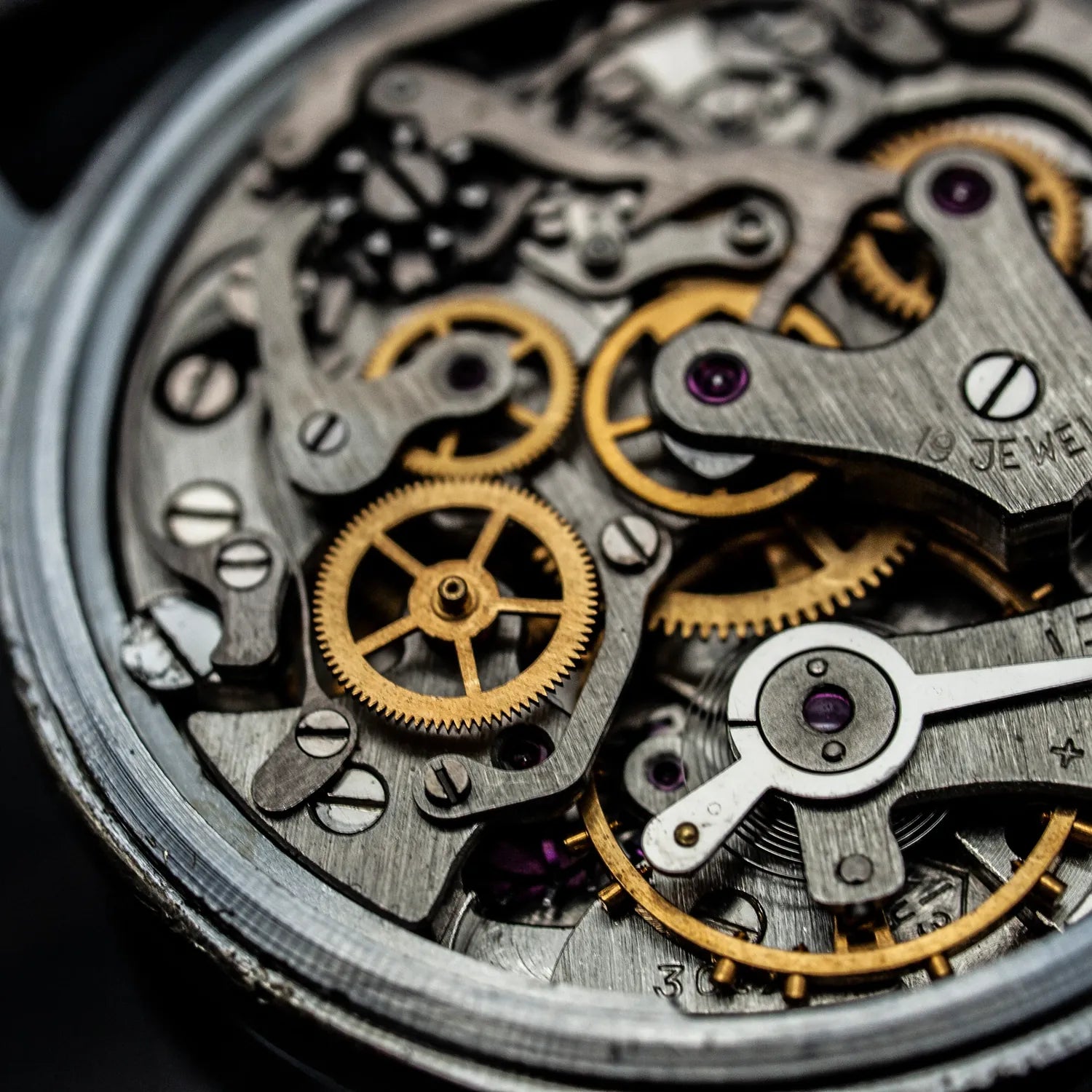
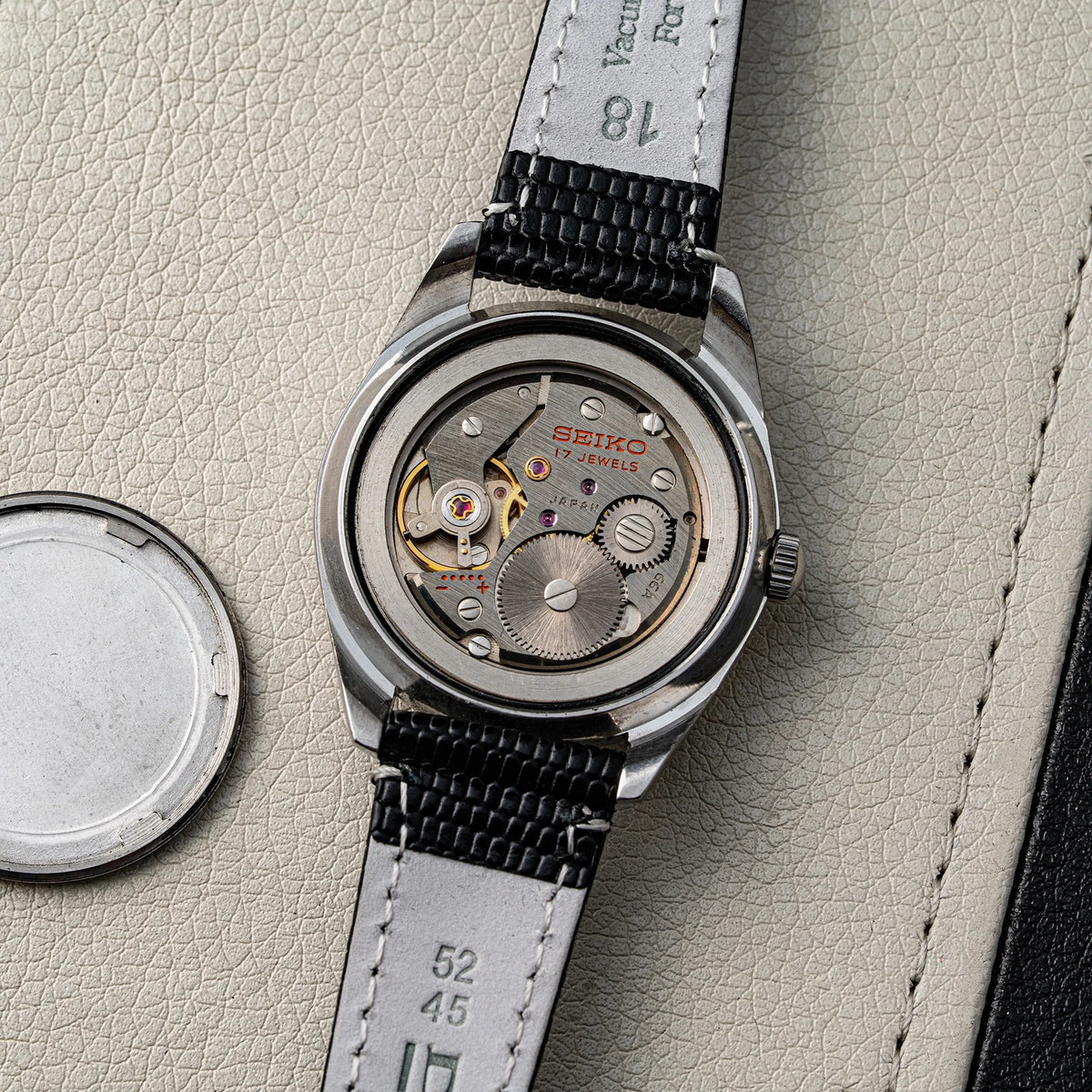
Most surviving wristwatches from the 1960s rely on mechanical movements, either manually wound through the crown or fitted with an automatic winding system. Hand-wound calibers often offered straightforward constructions and slim cases, while automatic movements provided the convenience of winding through wrist movement. Both types can remain practical decades later, but their condition matters far more than their original reputation for accuracy.
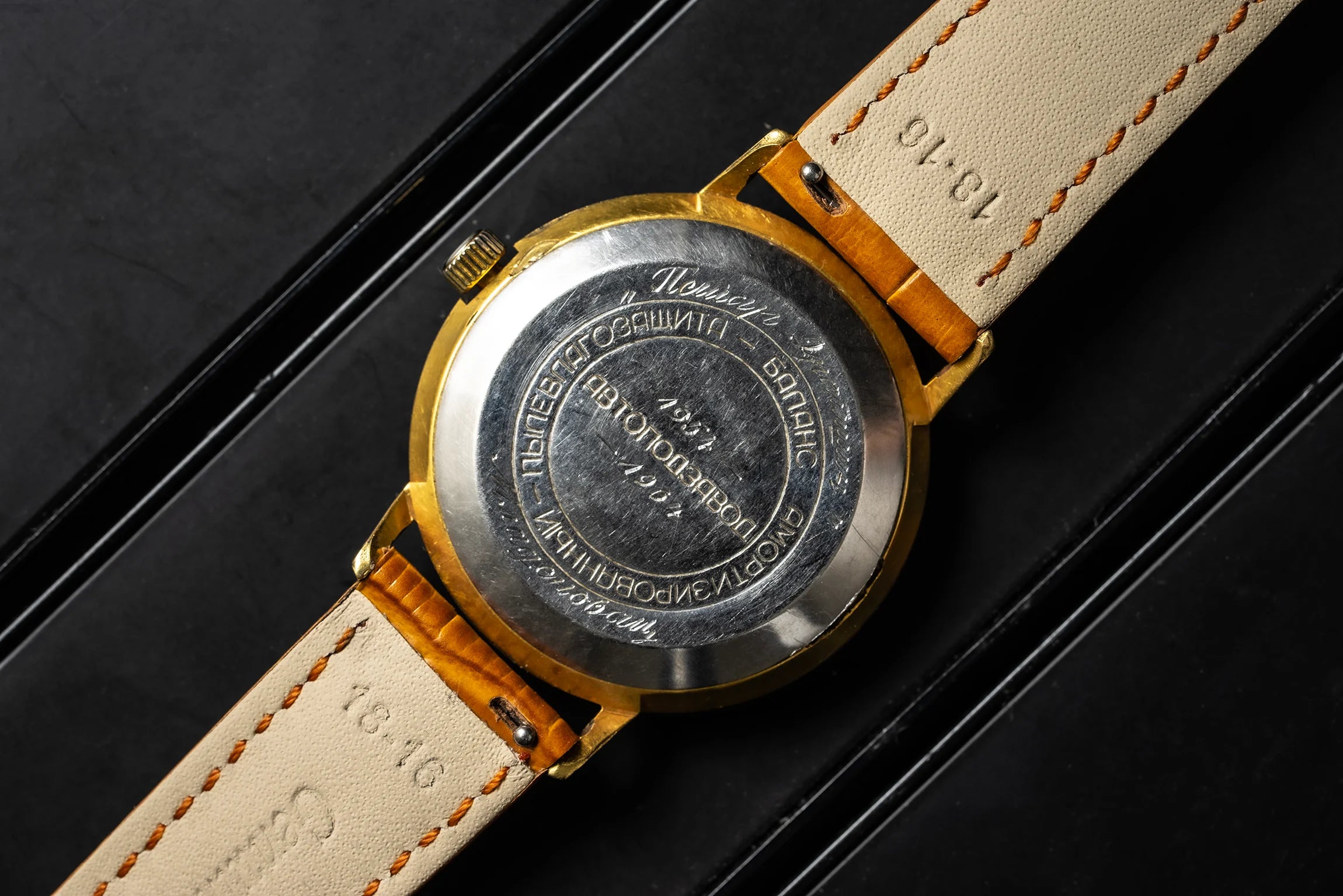
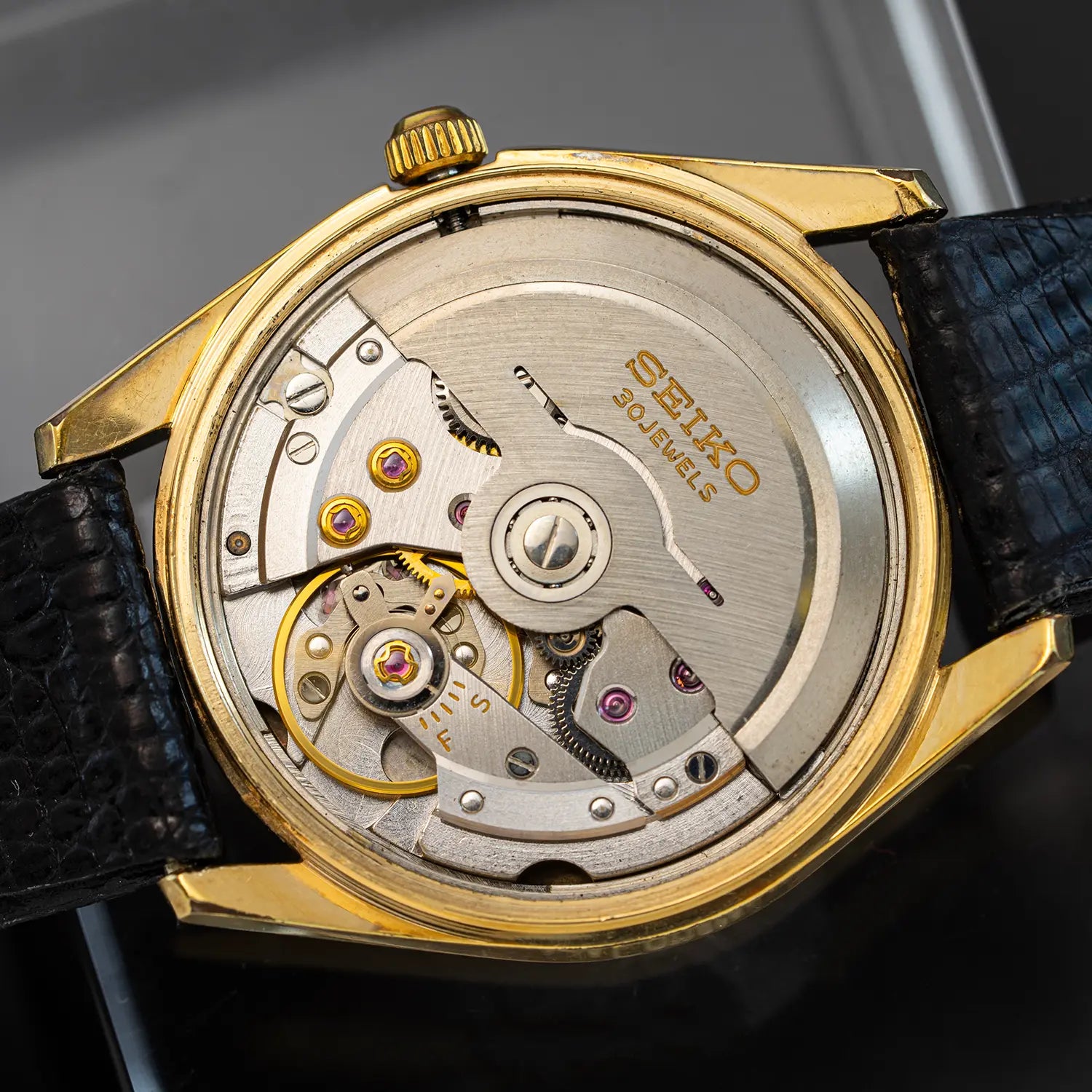
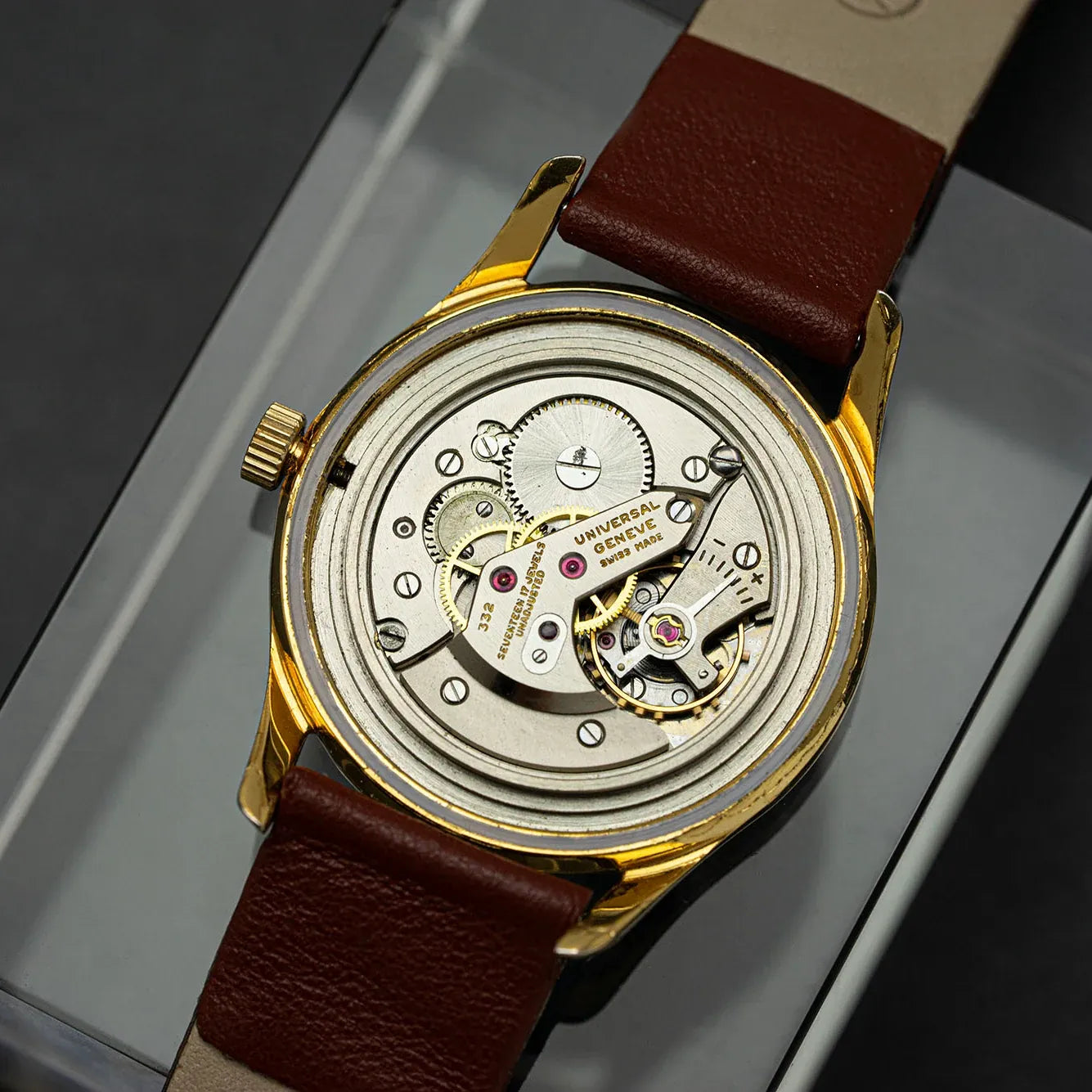
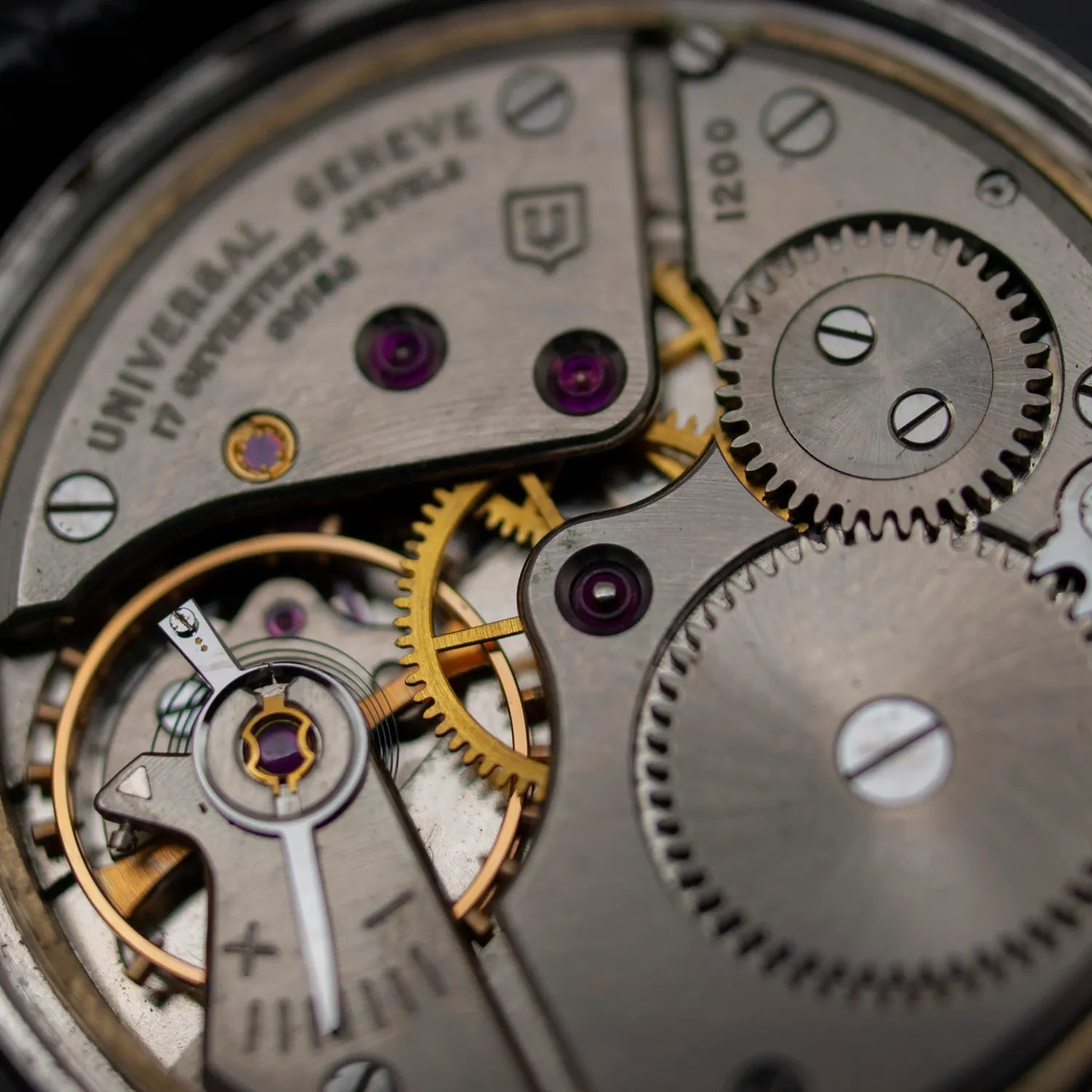
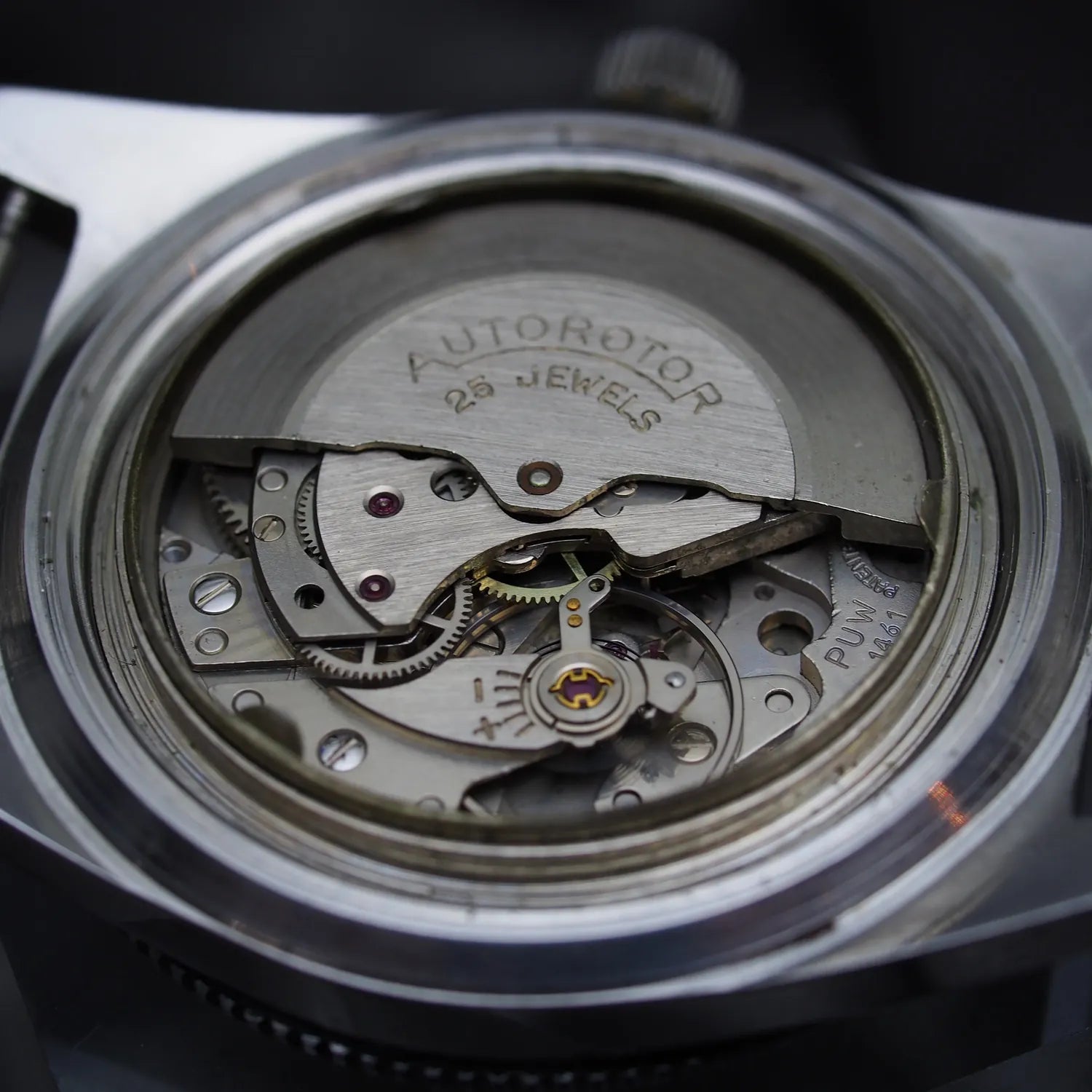
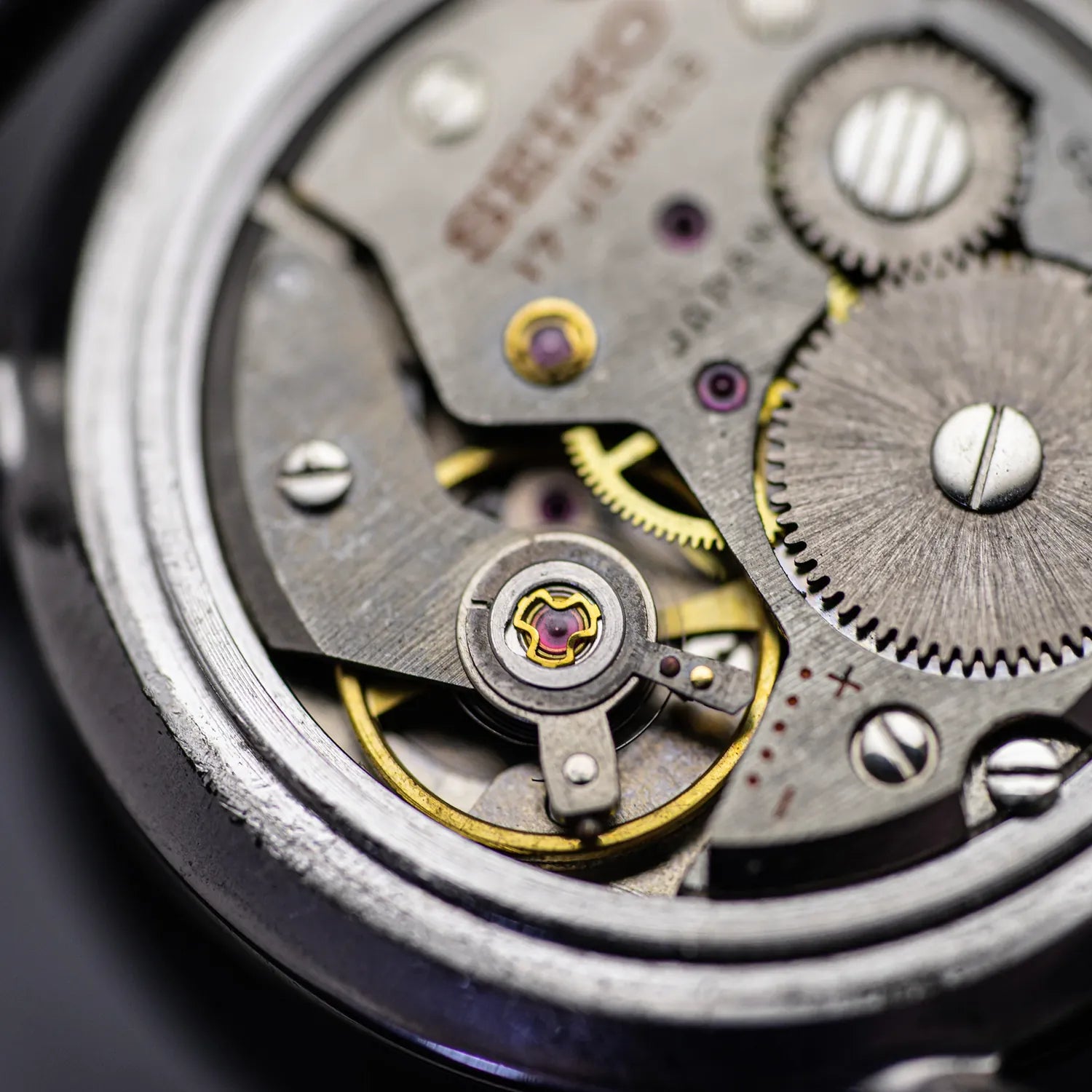
A proper examination begins with the movement. The balance, escapement, mainspring, winding mechanism and calendar components, where fitted, all deserve attention. Old lubricants, worn pivots, damaged setting parts and previous repair work can affect performance. Servicing can restore reliable operation when the movement is mechanically sound, but it cannot automatically reverse every form of wear or guarantee modern levels of precision.
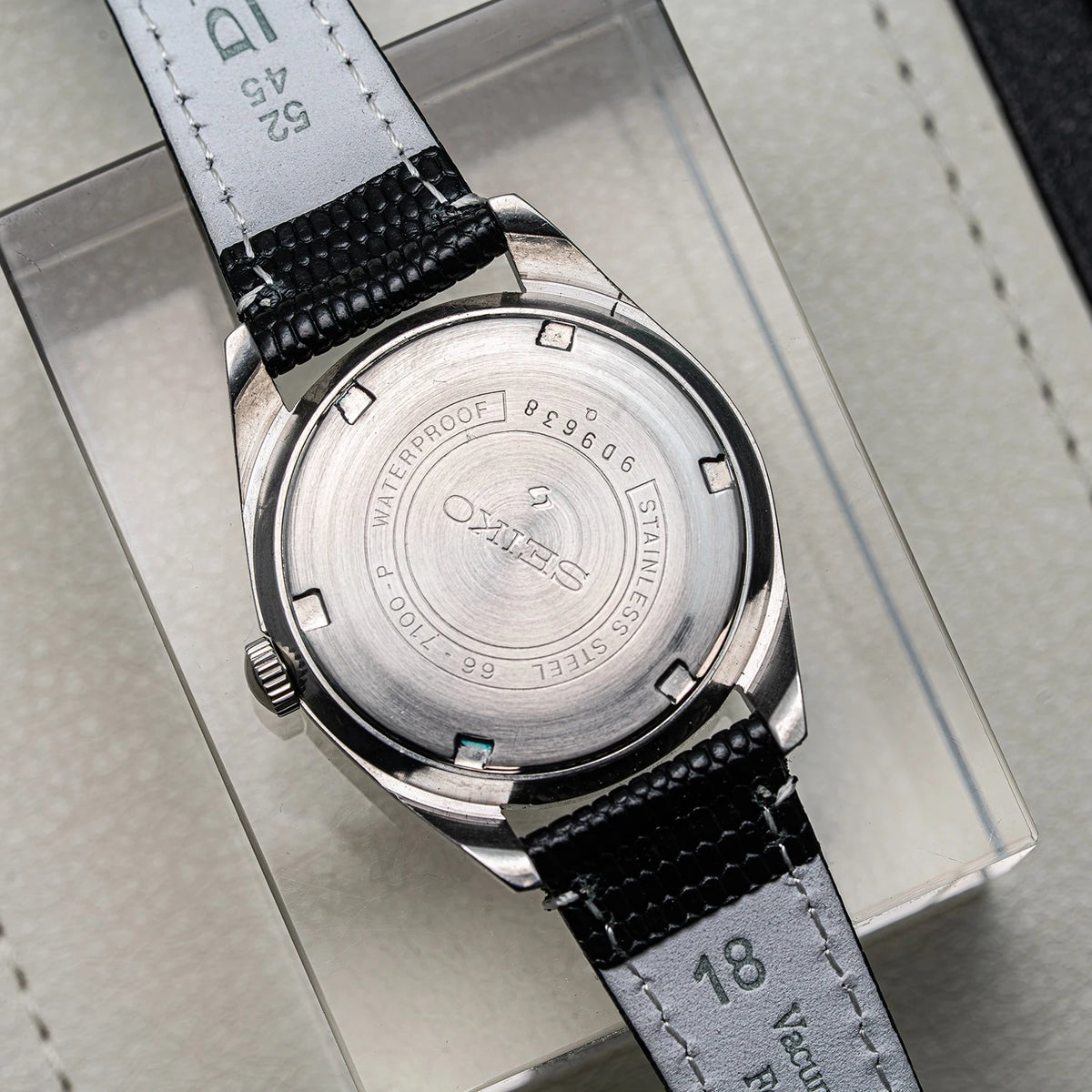
Originality also requires careful judgment. A replacement crystal or strap does not carry the same significance as a refinished dial, incorrect hands or a movement that does not belong to the reference. Buyers should examine the photographs, case condition, dial printing and available movement information rather than assuming that every visible component has remained untouched for sixty years.
At Vintage Watch Studio, mechanical watches are professionally serviced before sale, and each listing documents the individual example being offered. For anyone choosing a watch from this decade, movement condition, comfortable case proportions and transparent documentation are more useful starting points than age or brand recognition alone.
1960s Vintage Watches: Buying & Collecting FAQs
What matters most when shopping for 1960s vintage watches?
Can a 1960s men's watch fit a modern wrist?
How can I tell whether 1960s vintage watches are correctly described?
How are your 1960s vintage watches prepared and shipped after purchase?
Recognized & Reliable Worldwide
Trusted Partners in Security, Shipping, and Service




Store
Vintage Watch Studio
- Drinke Pavlovic 3, 11130 Belgrade
- Visiting Hours: Monday – Friday: 10:00 – 17:00 CET
- +381 61 653 4298
- vintagewatchstudio@gmail.com
- Online Chat 24/7