



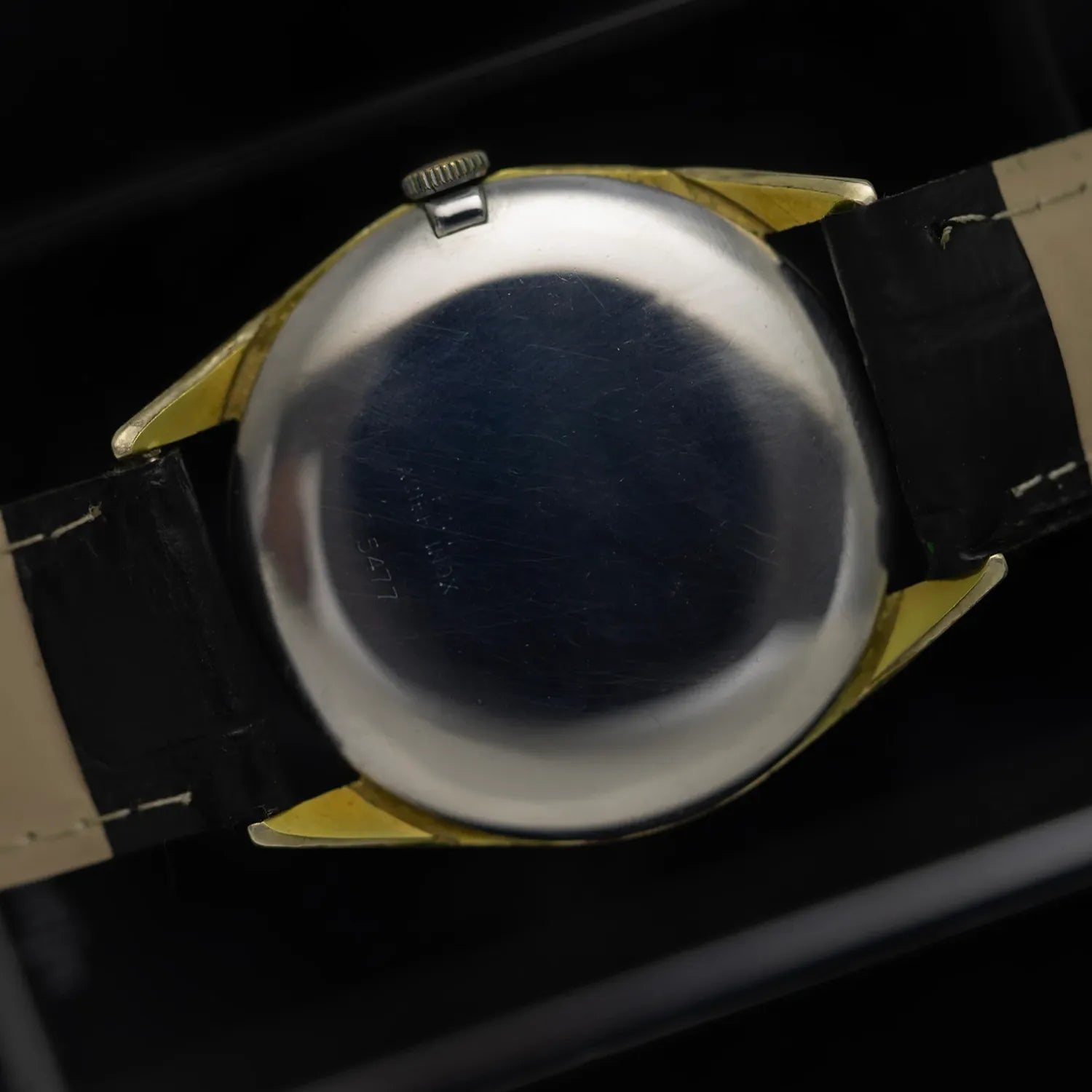
Didn’t find the reference you had in mind? Explore our vintage watches — fully serviced with a 12-month warranty.
Explore Watchmaking Across the Decades
Discover Related Vintage Watch Collections
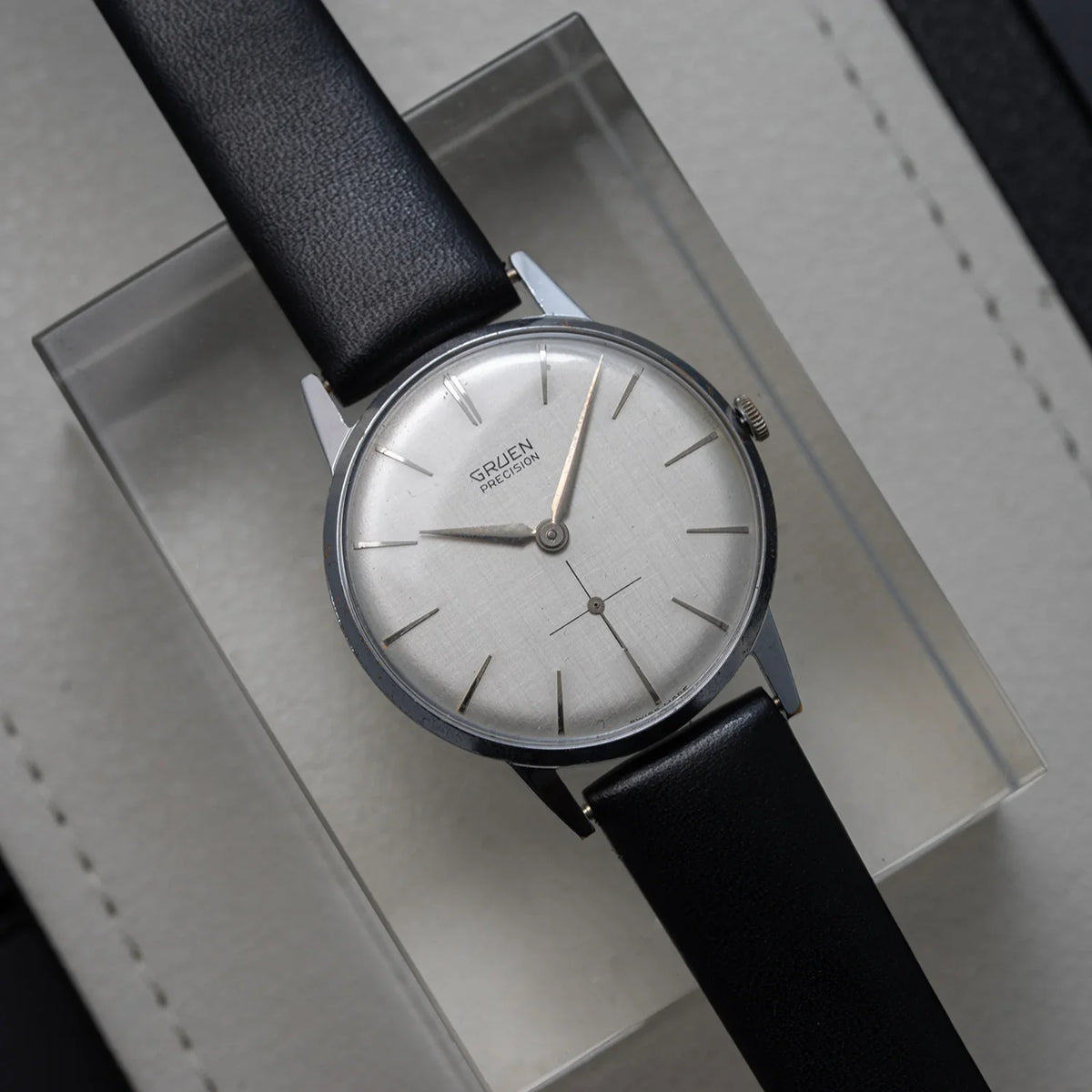
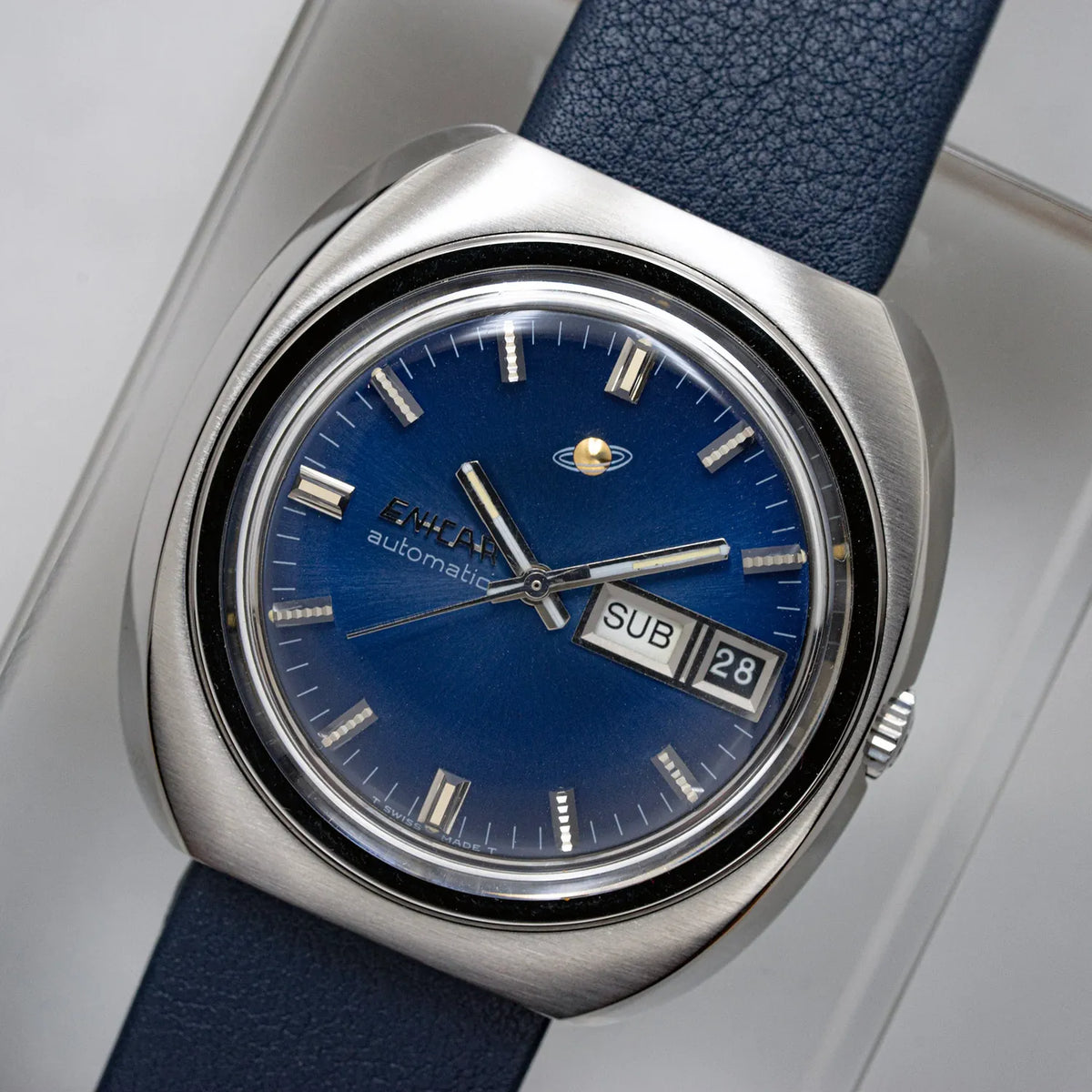
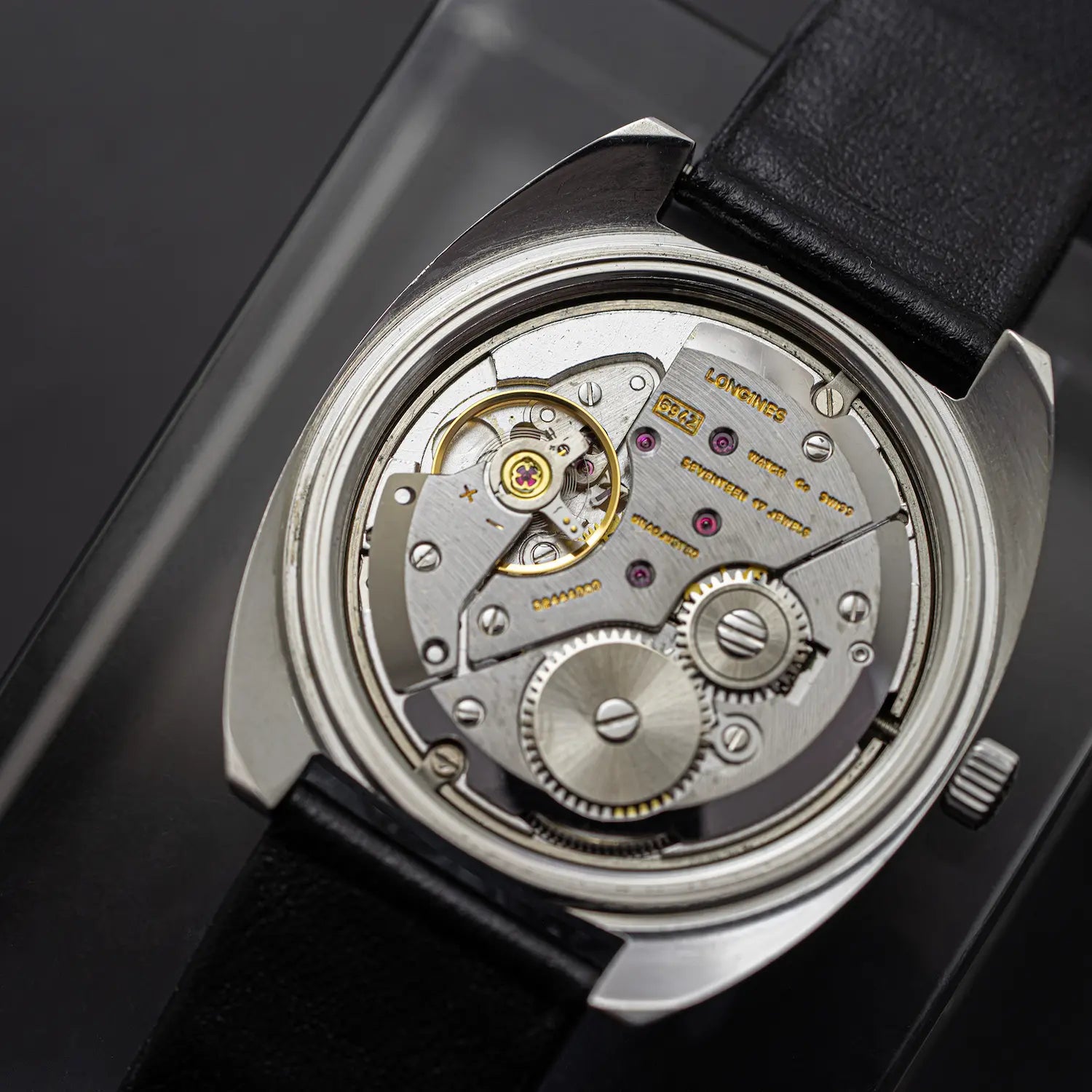


From Mid-Century Elegance to a New Kind of Wristwatch
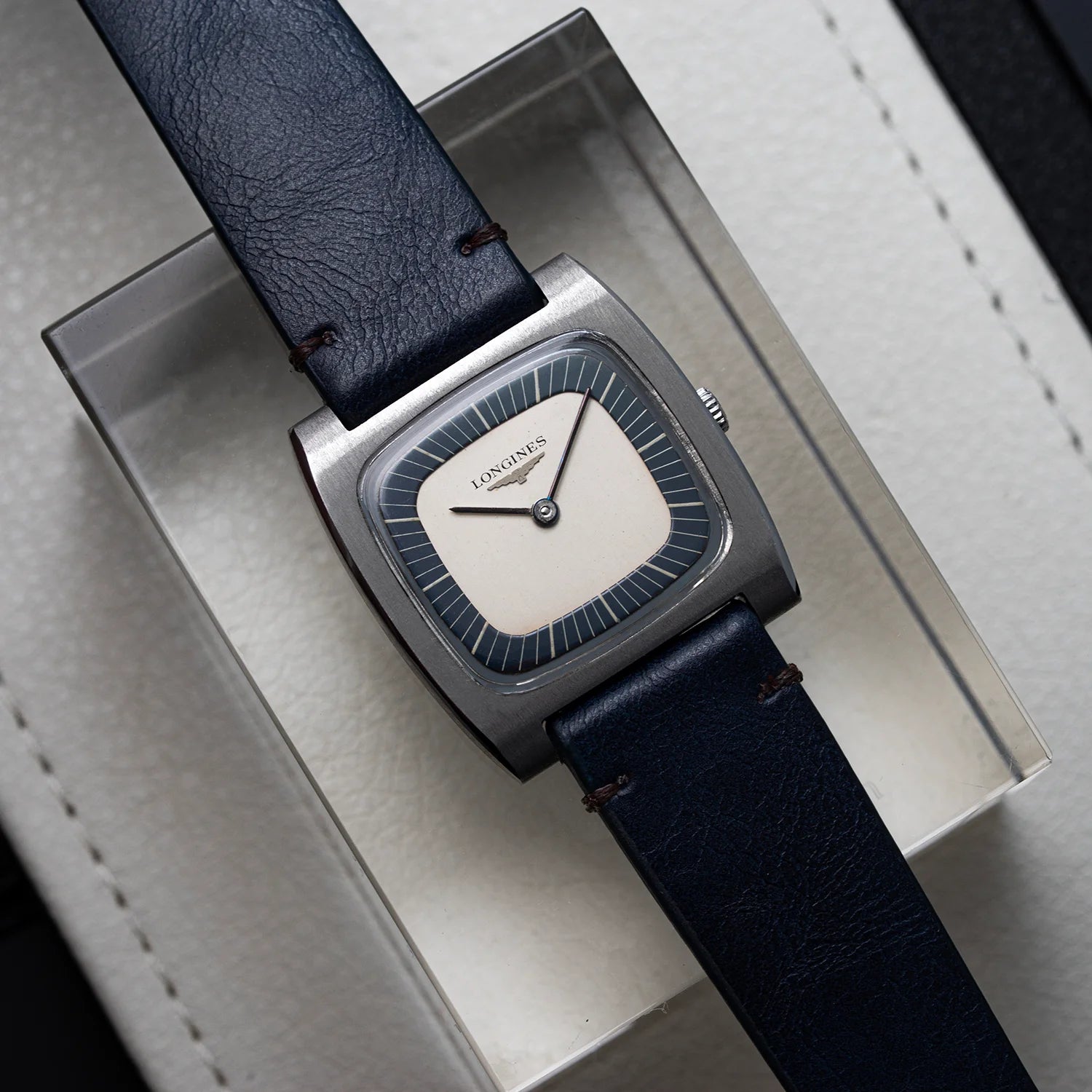
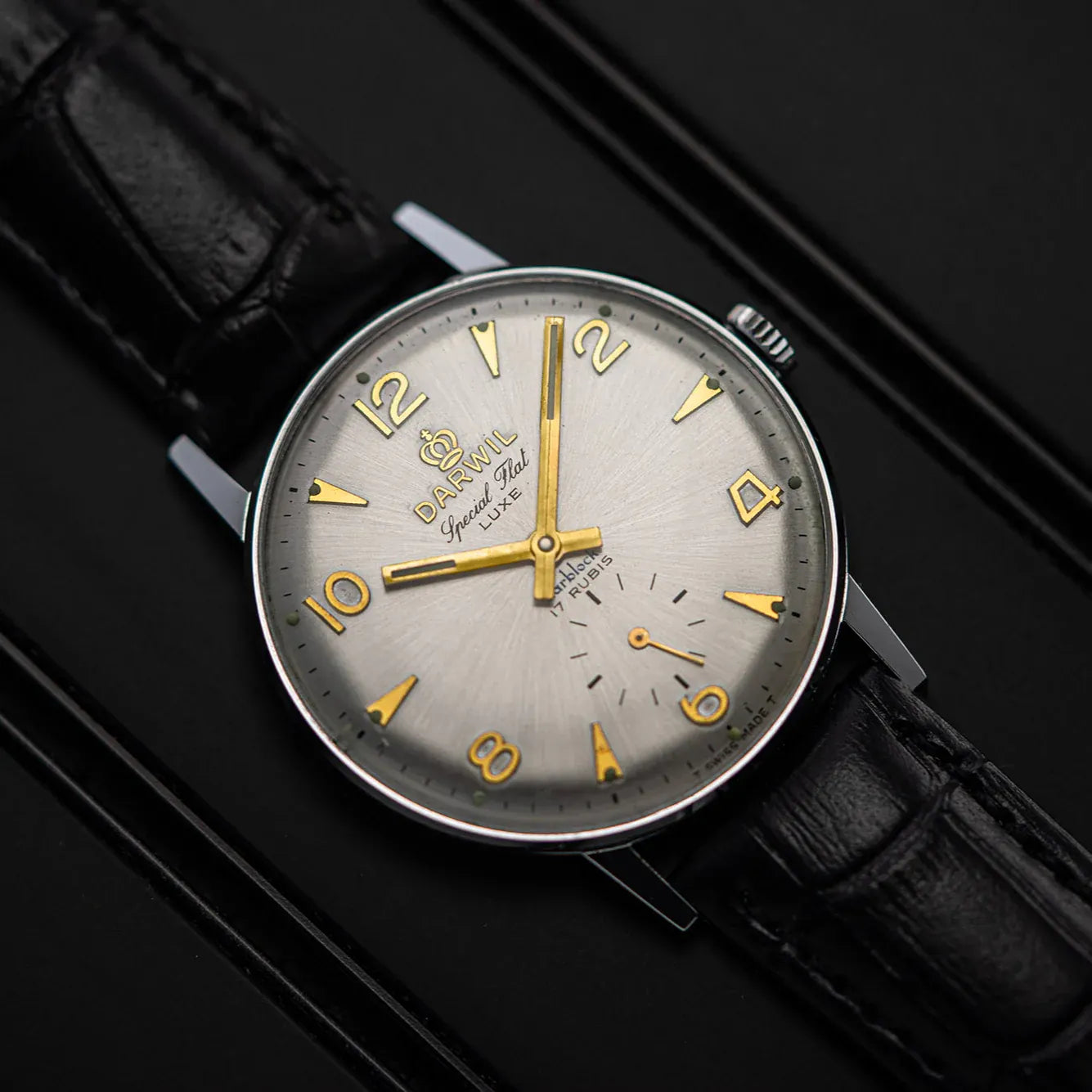
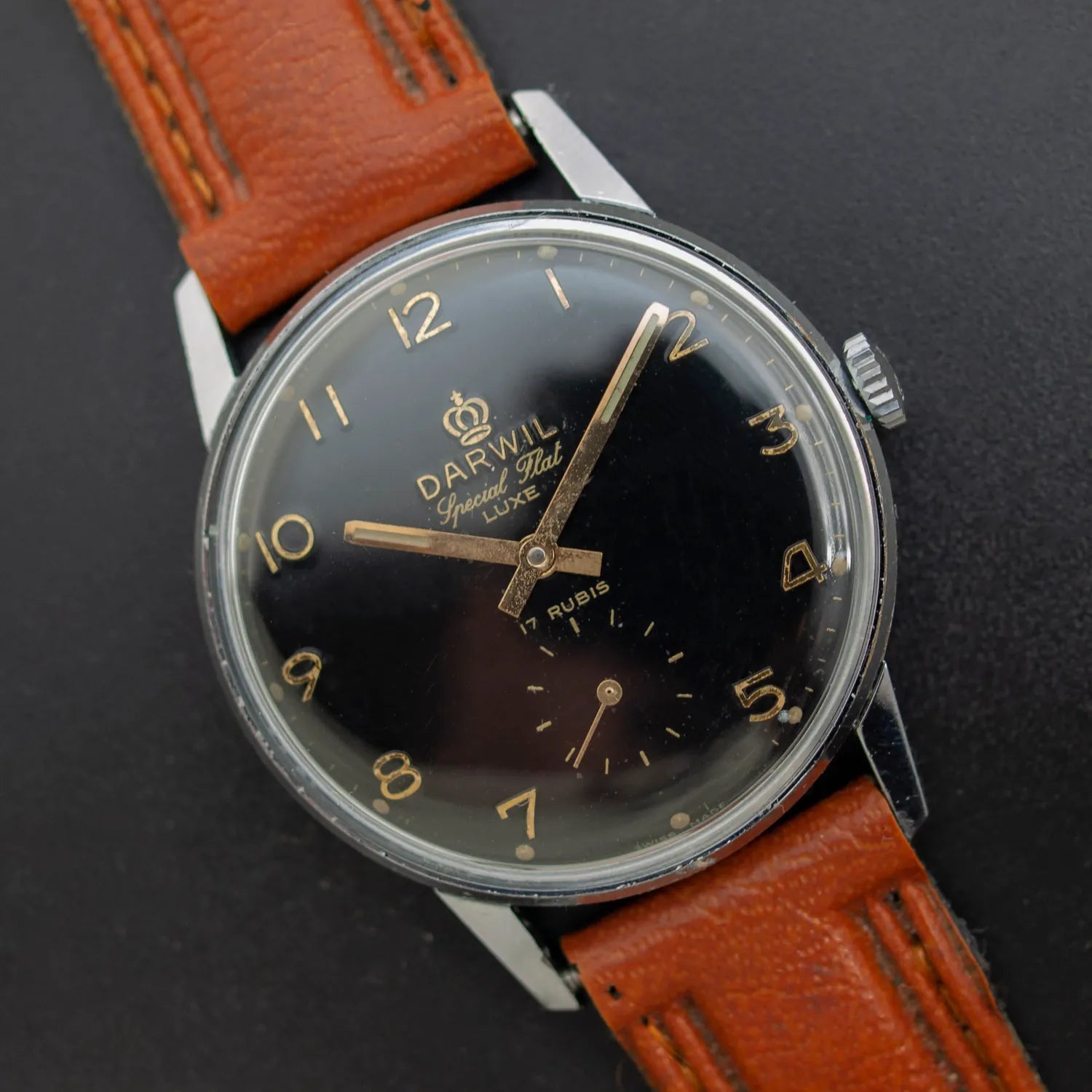
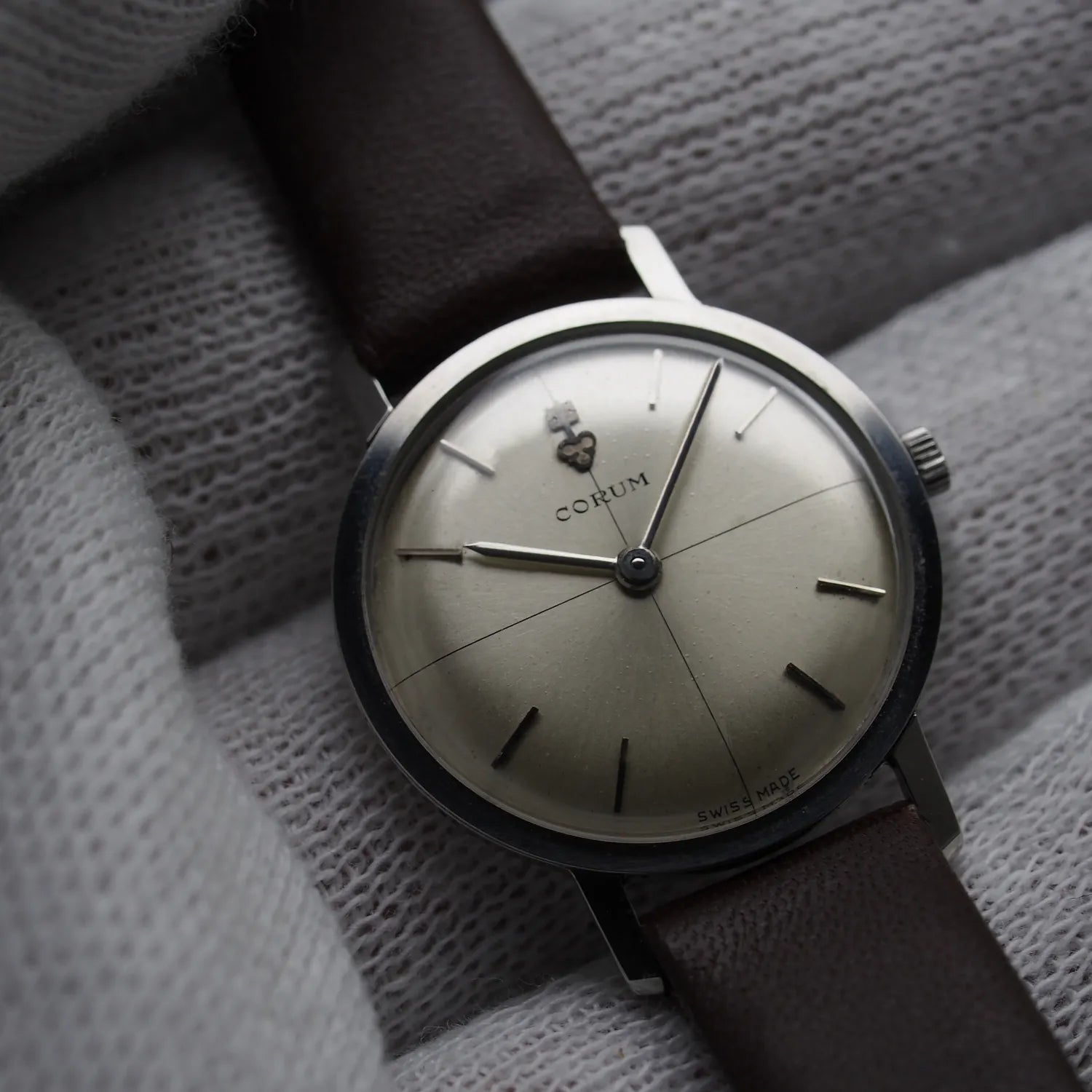
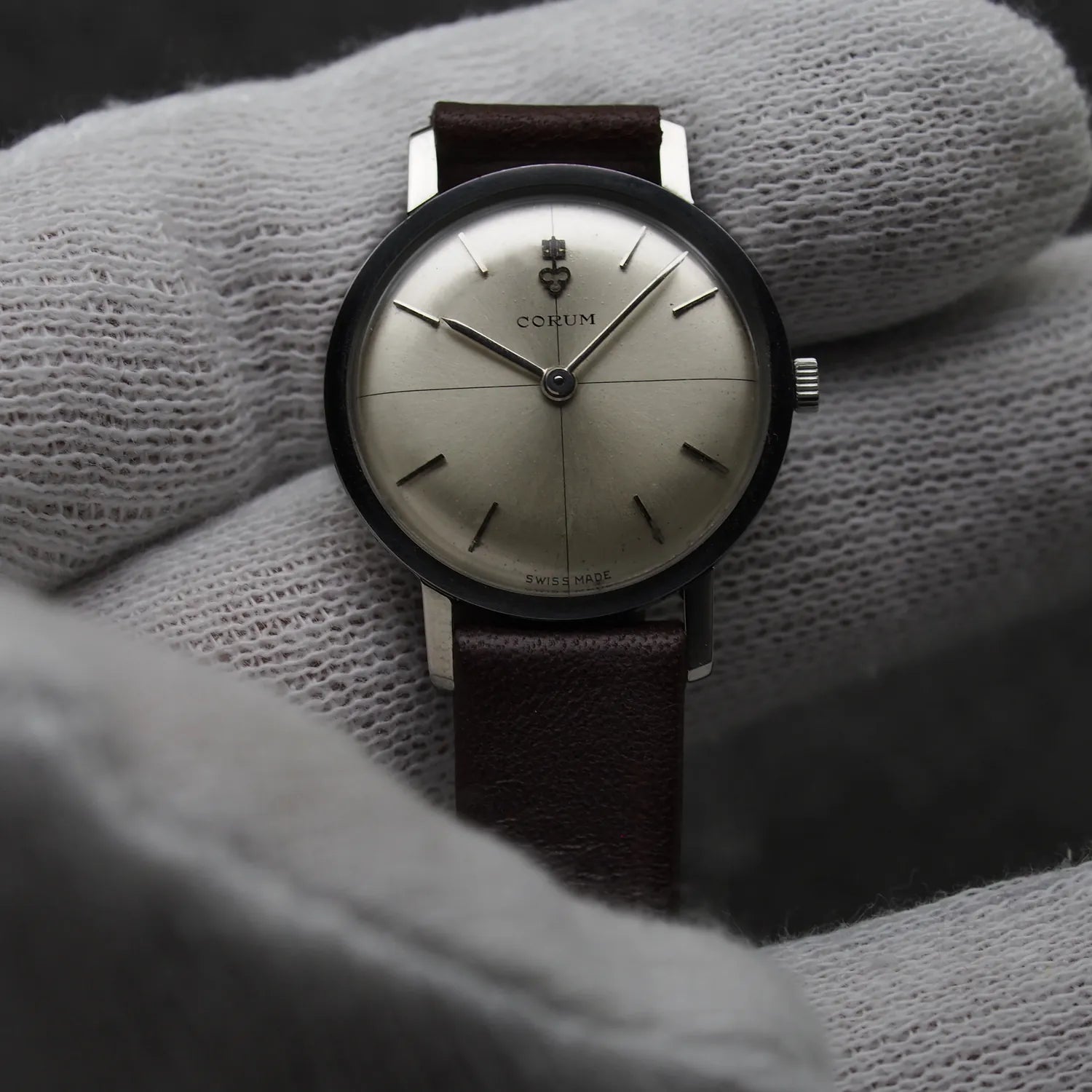
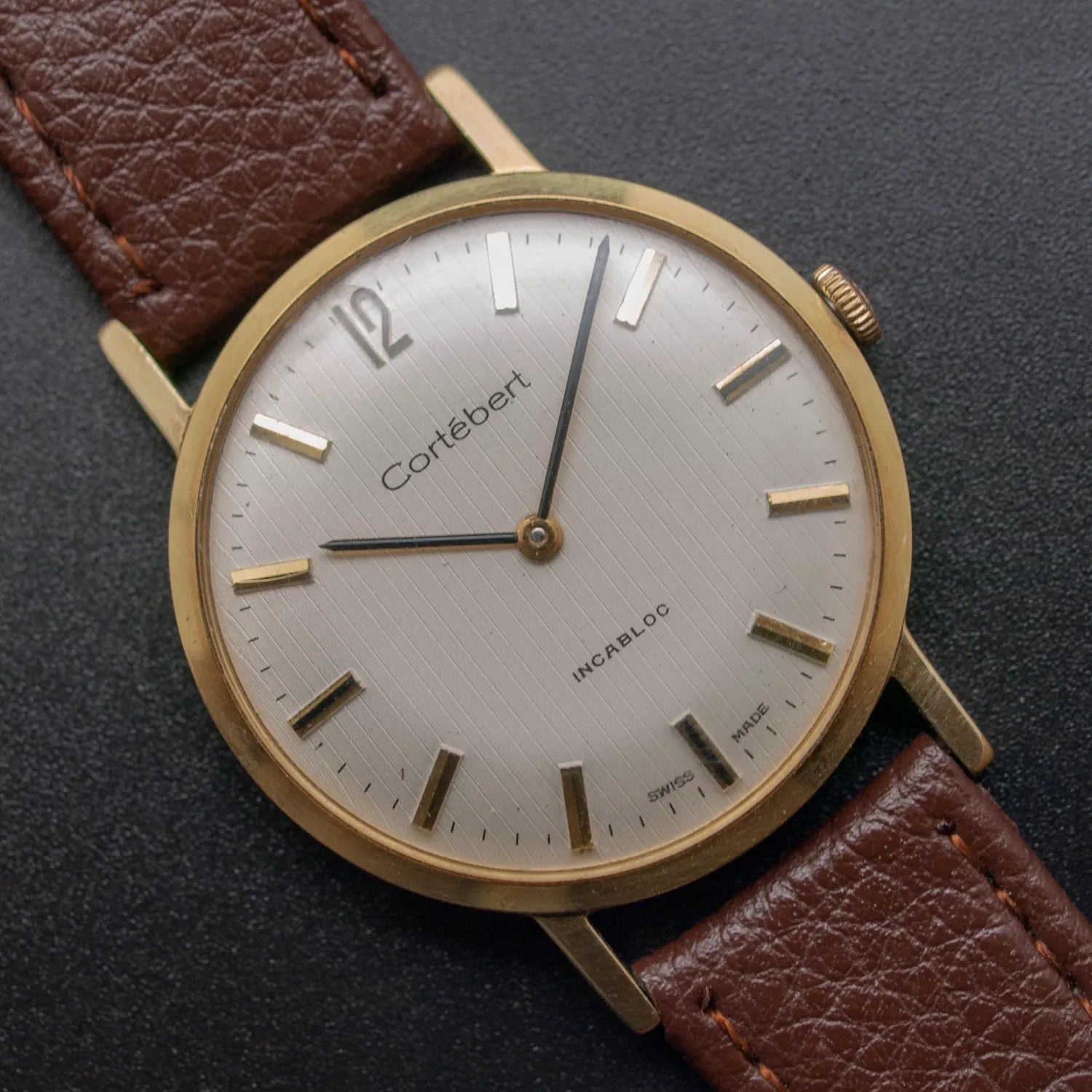
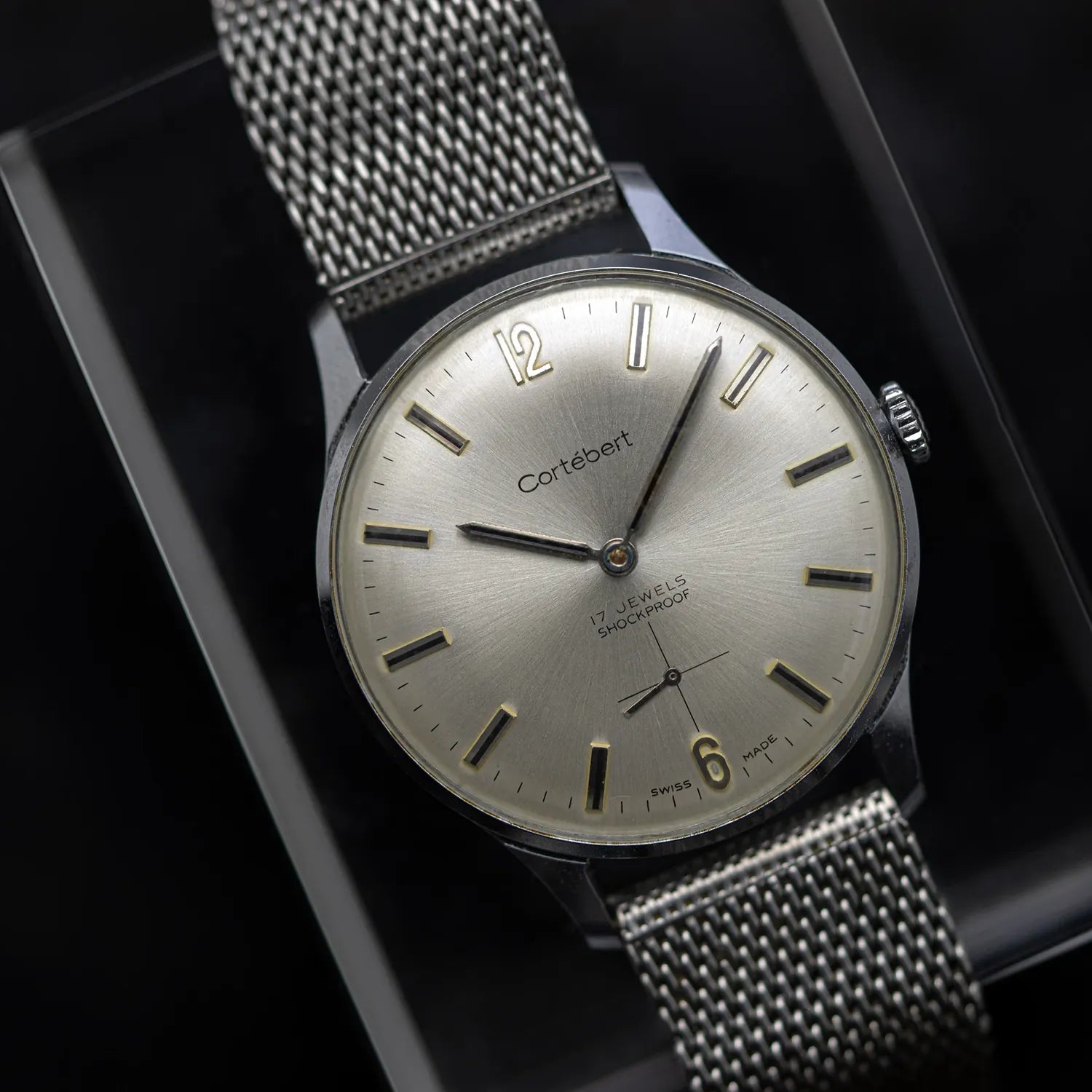
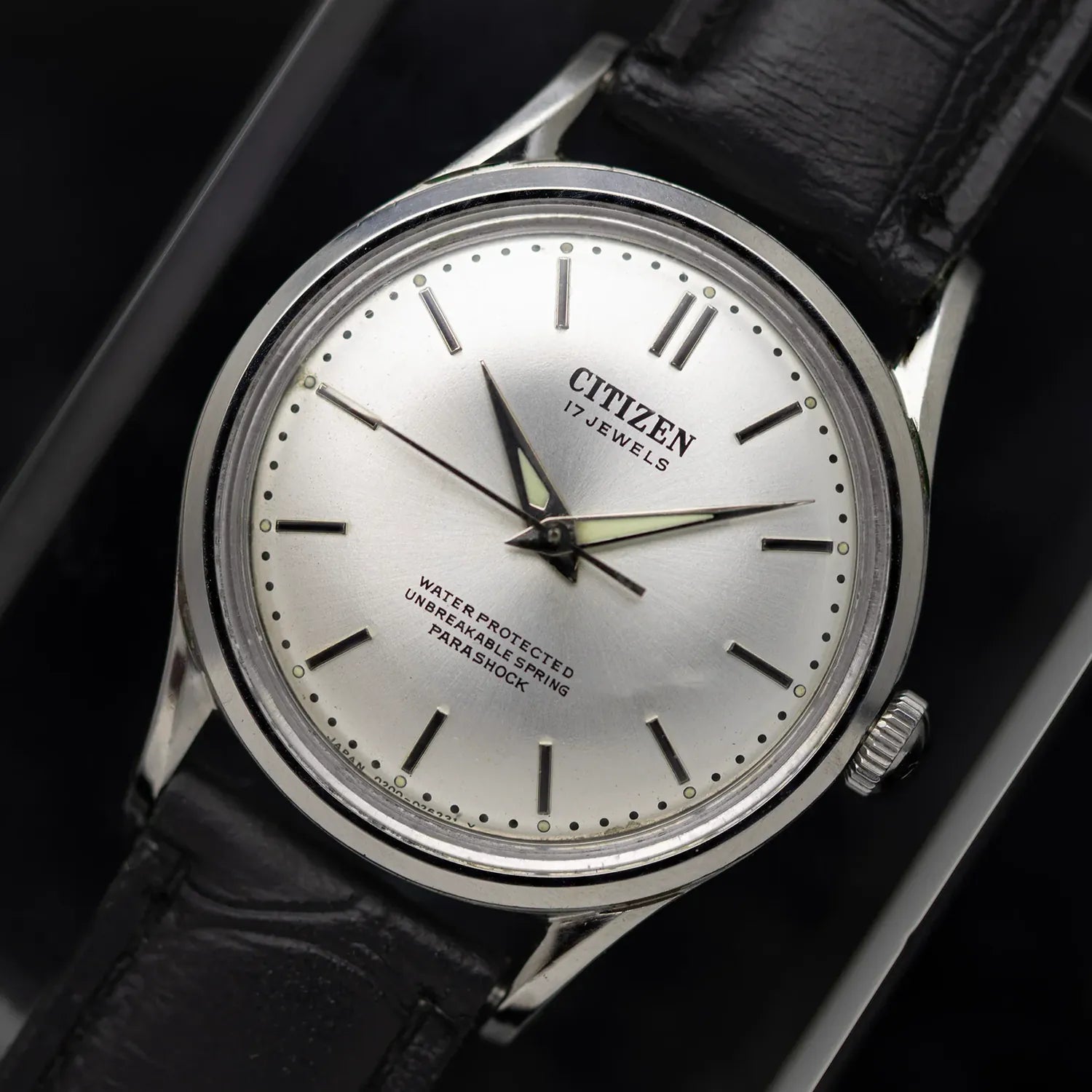
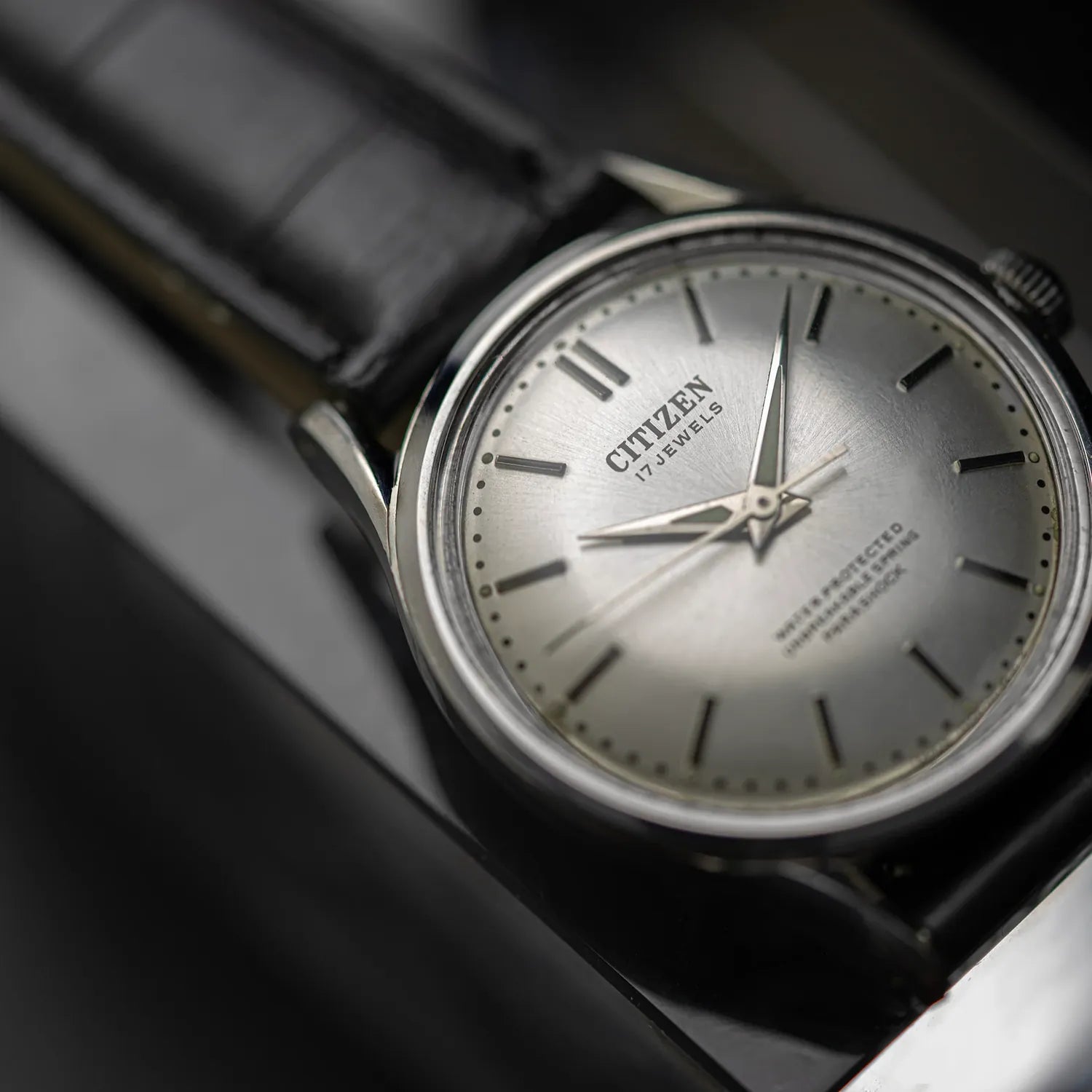
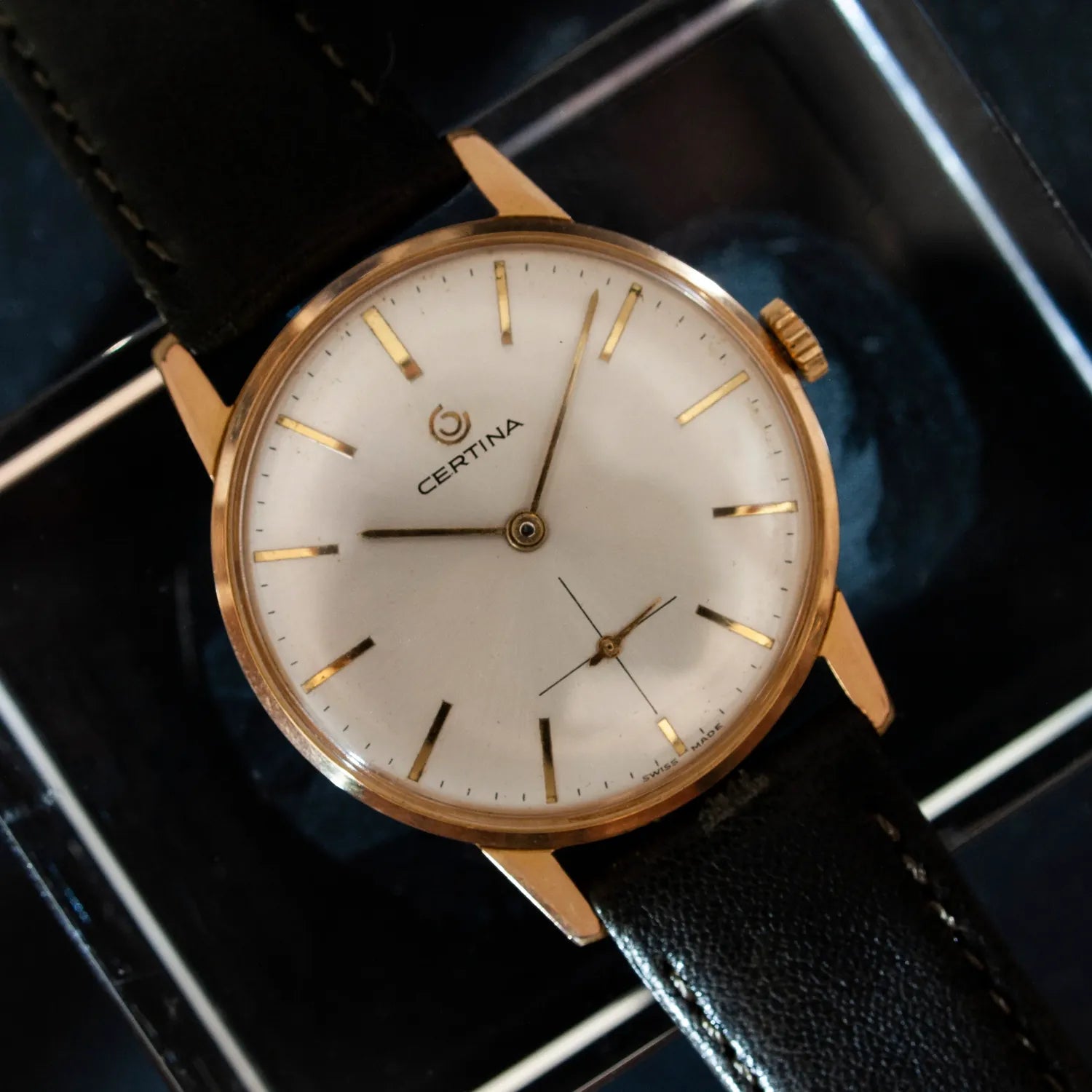
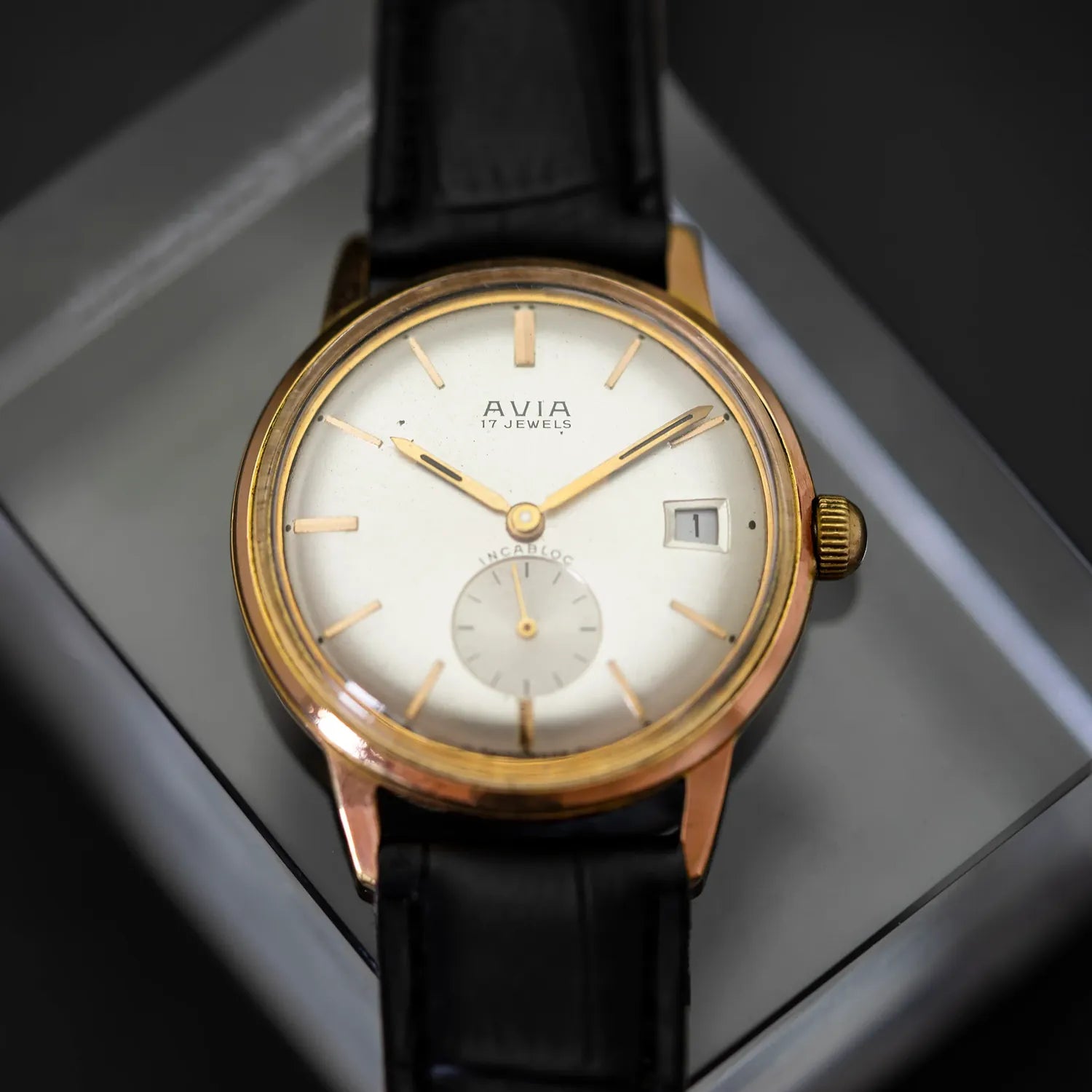
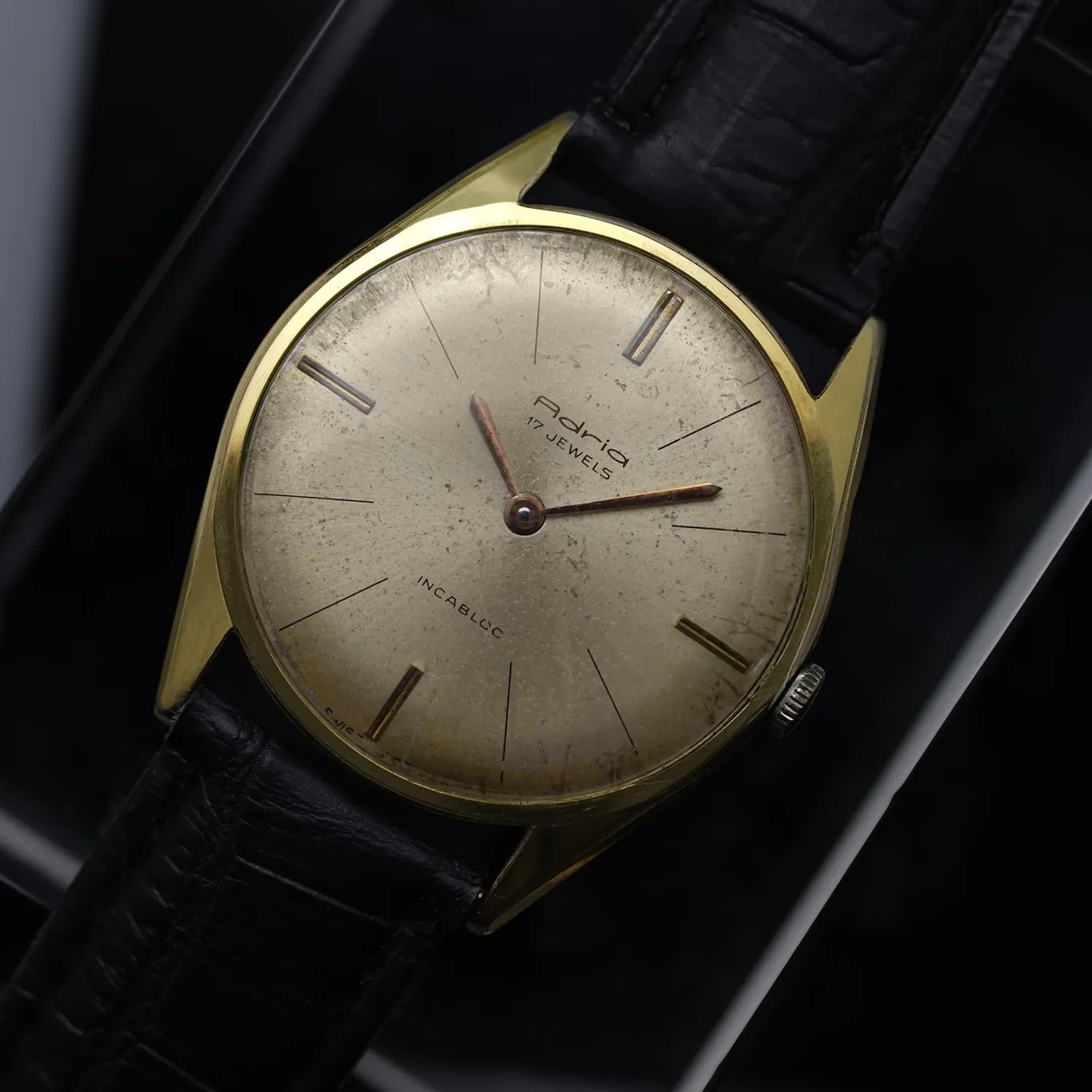
At the beginning of the 1960s, many men's wristwatches still followed the design principles established during the previous decade: modest case diameters, narrow bezels, applied hour markers and clean, easily readable dials. Cases measuring approximately 33–36 mm were common among dress watches, often paired with leather straps and relatively slim profiles. These proportions remain an important part of their appeal today, although the way a watch wears depends on its lugs, dial opening and overall case shape.
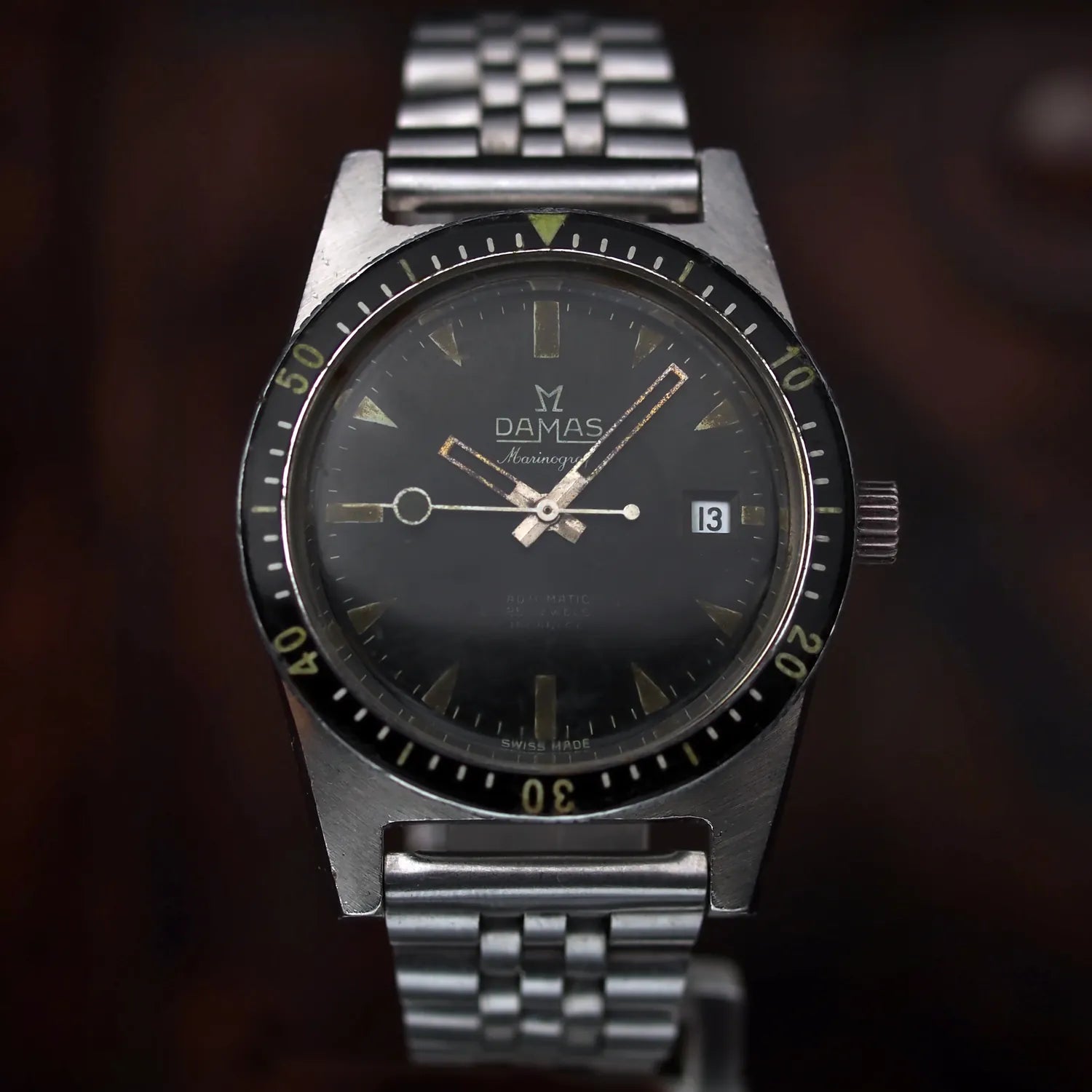
As the decade progressed, watch design became more varied. Steel sports watches, rotating dive bezels, more prominent luminous markers and increasingly functional chronographs gained visibility alongside traditional dress models. Manufacturers were developing watches not only as personal accessories but also as instruments for professional and recreational use. Yet the smaller, understated mechanical wristwatch remained an everyday choice for many buyers.
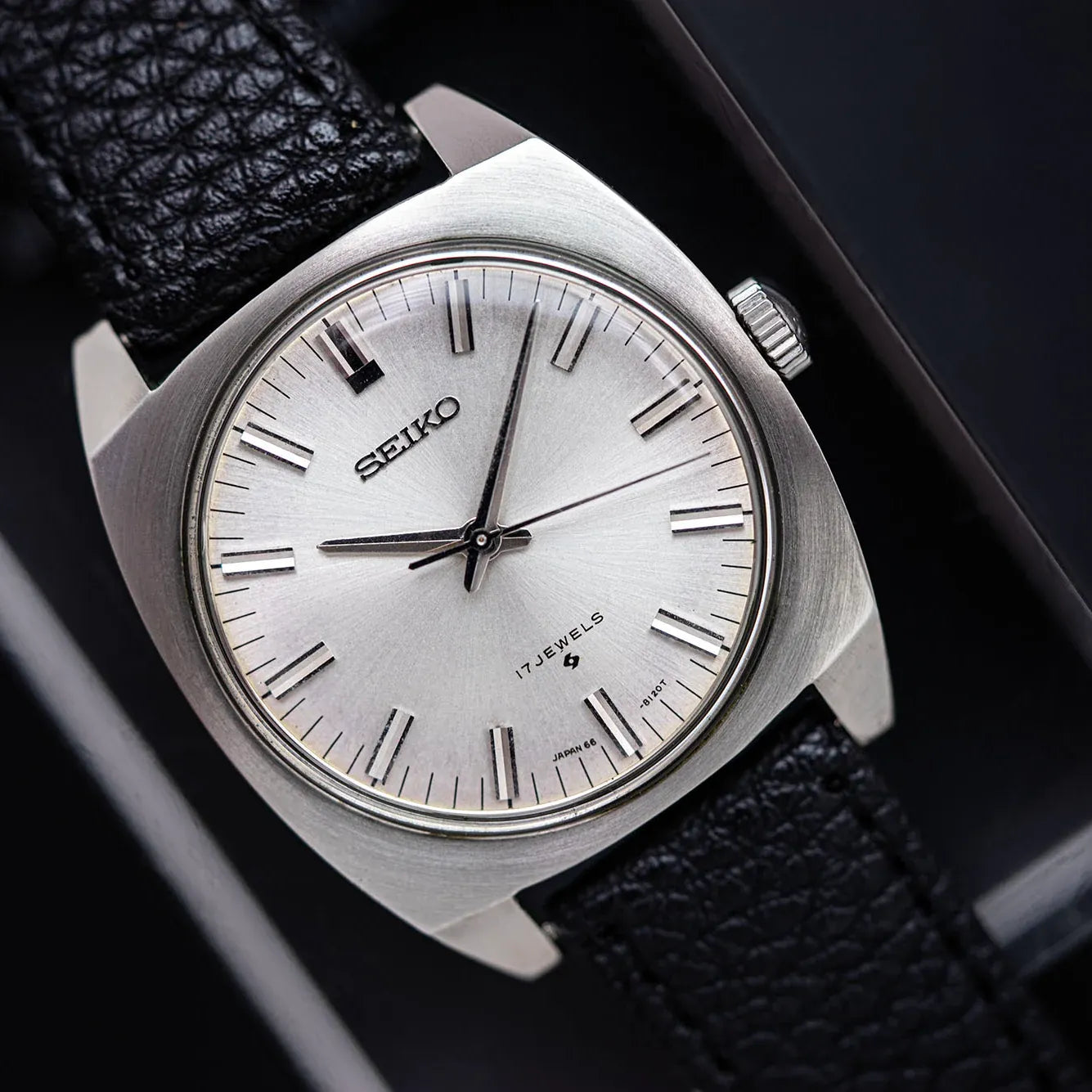
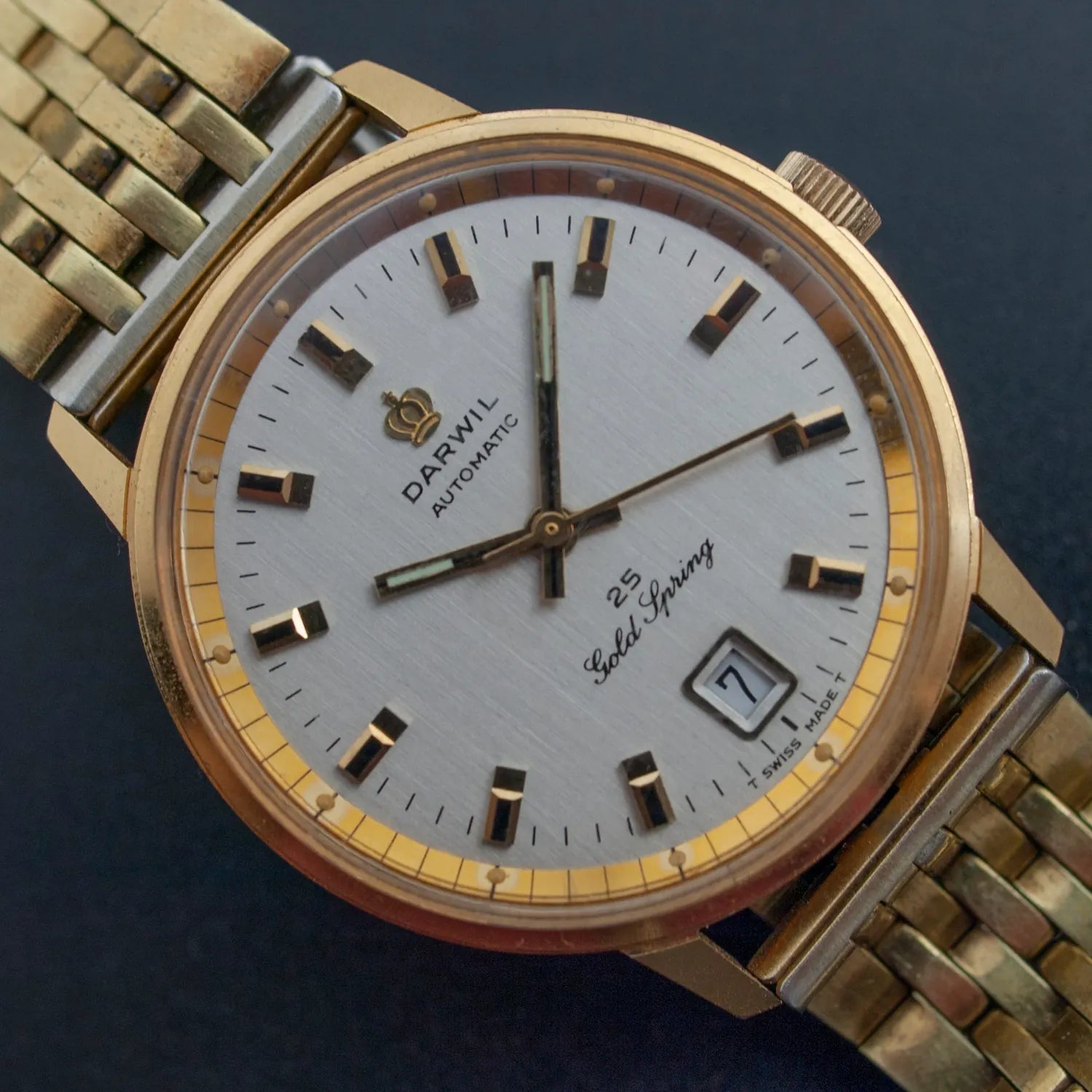
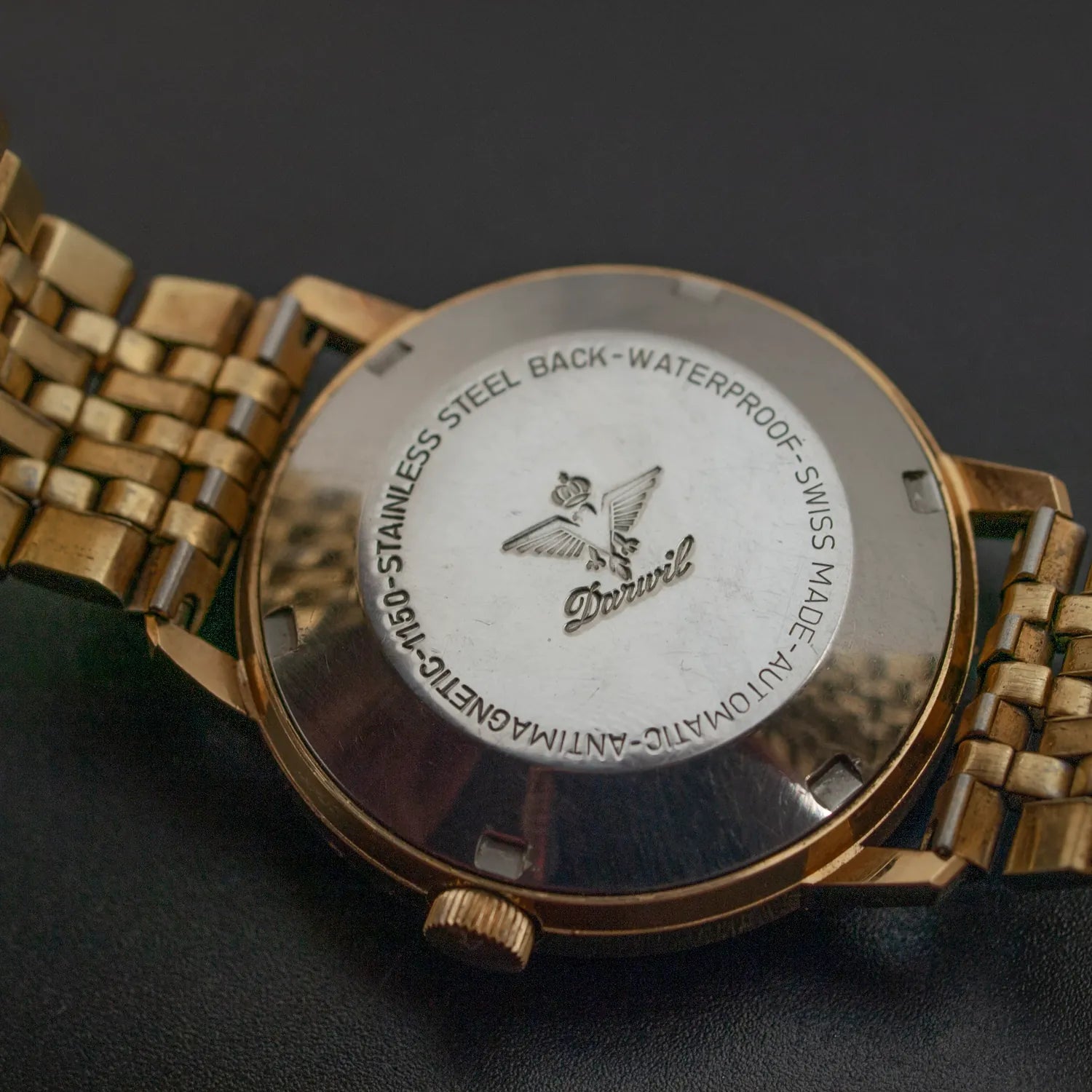
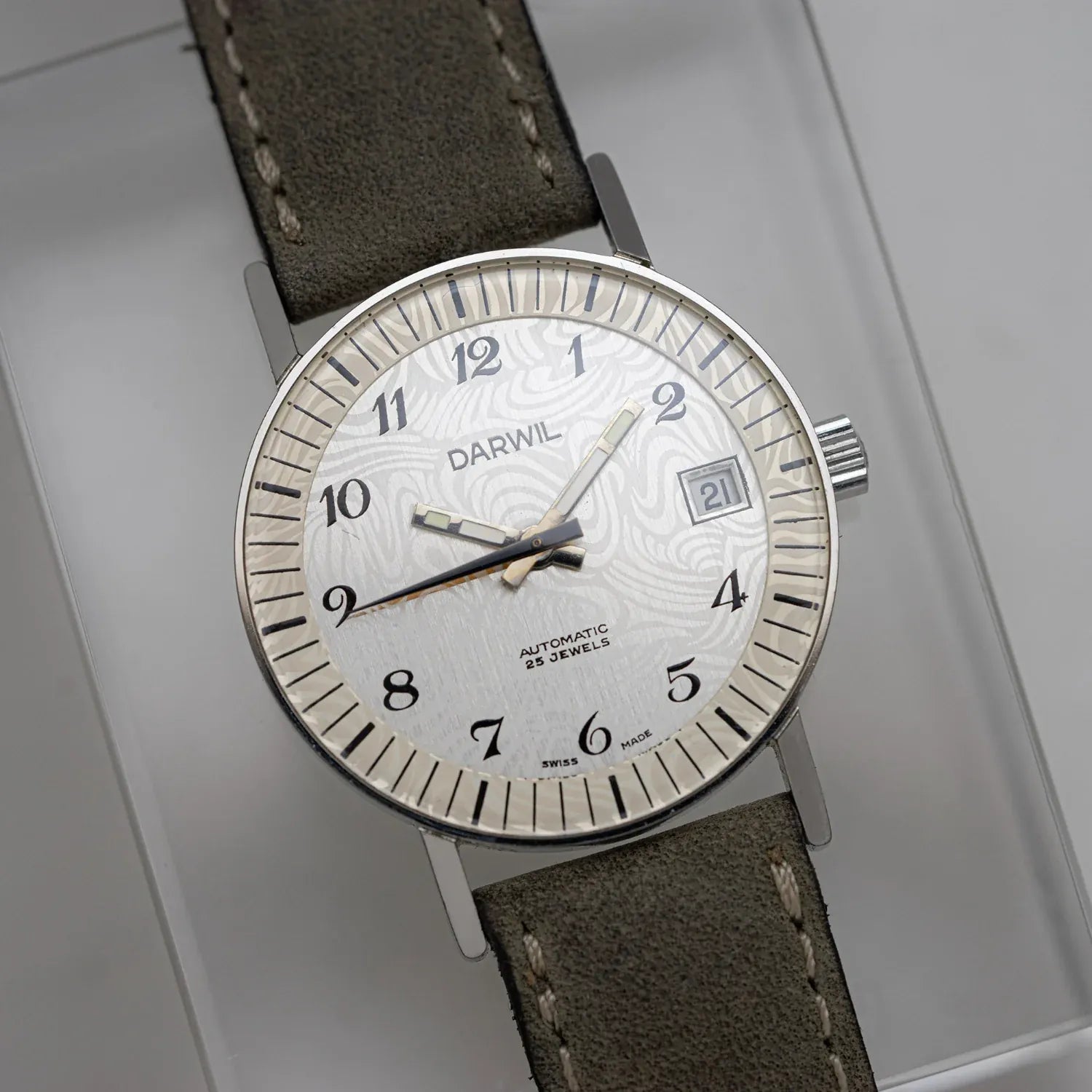
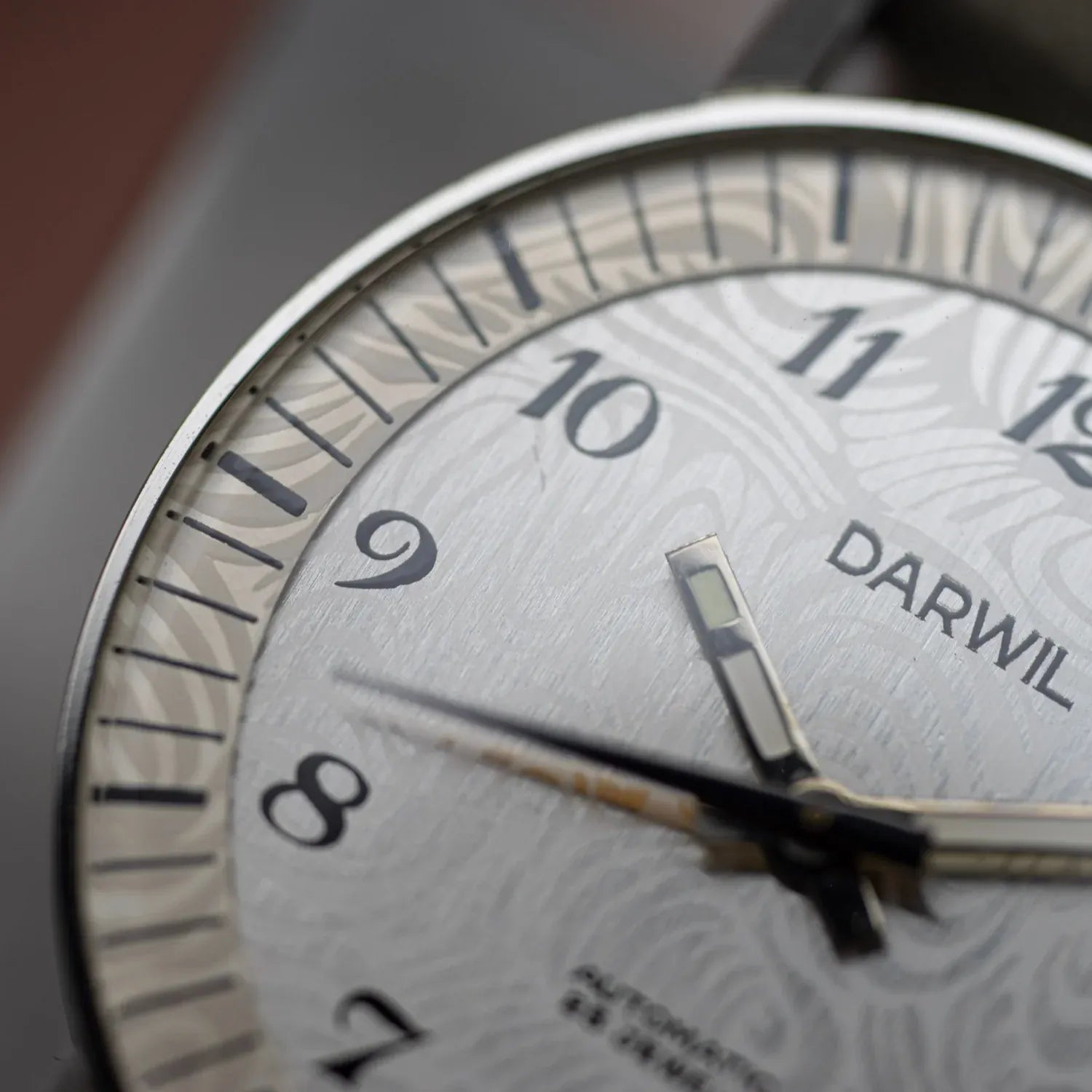
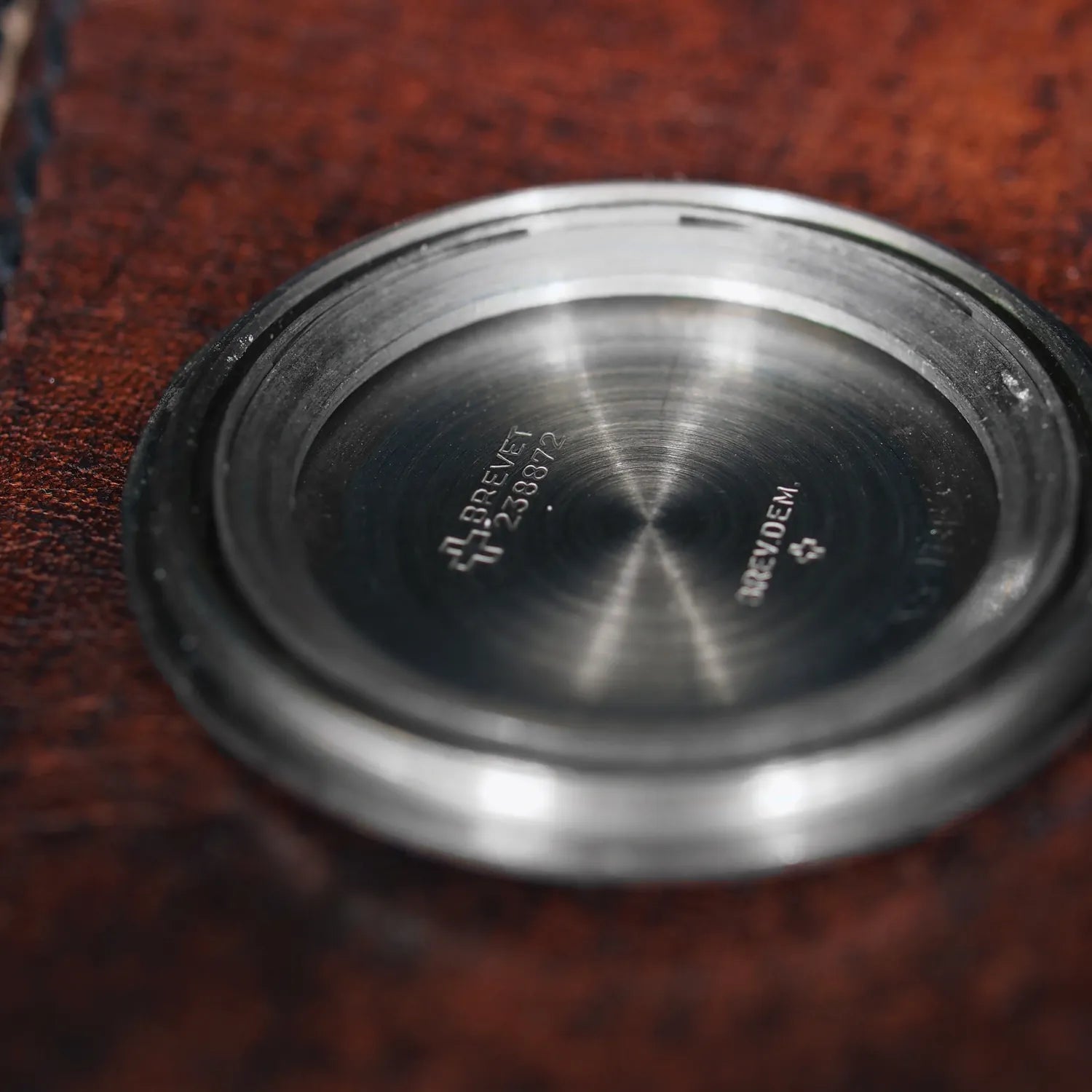
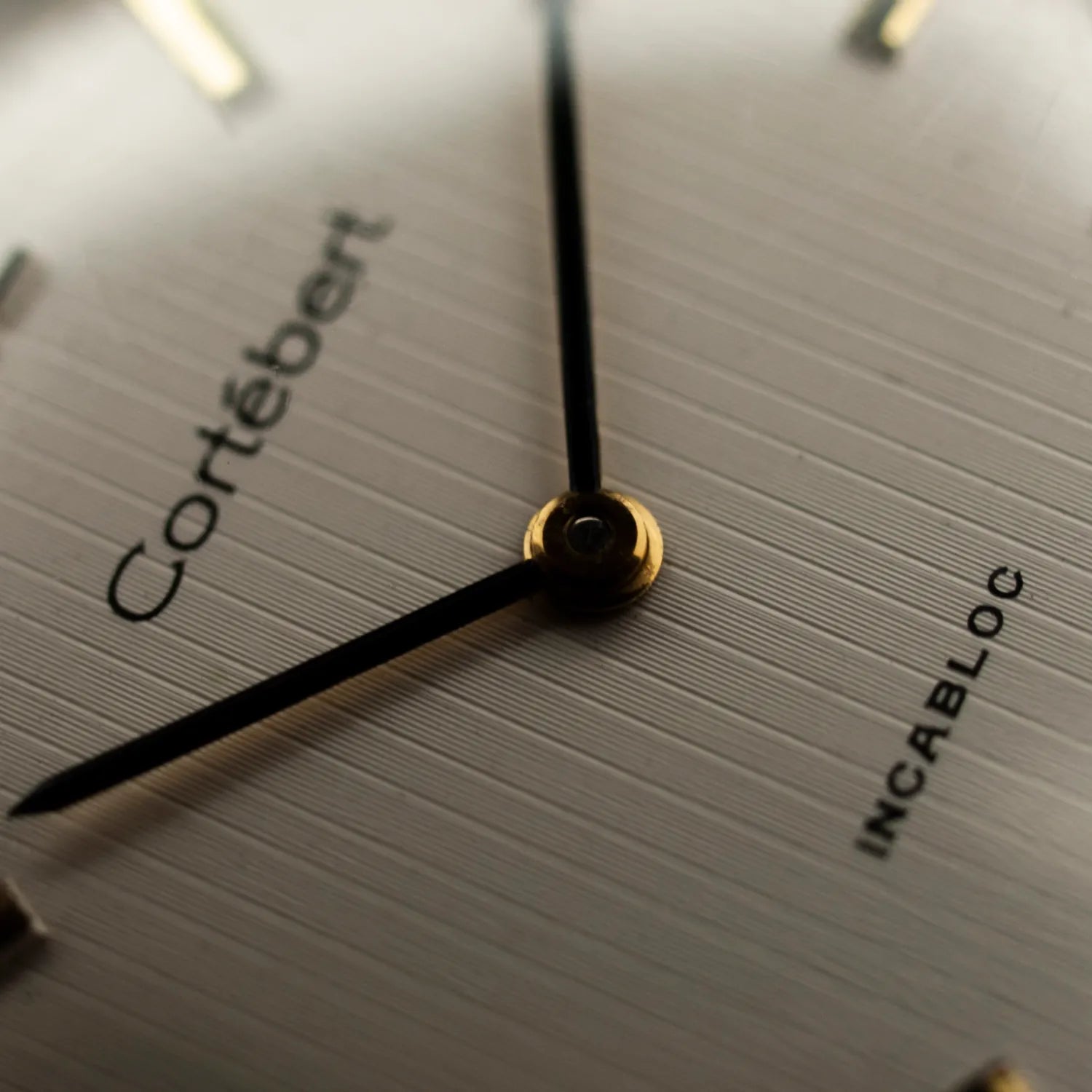
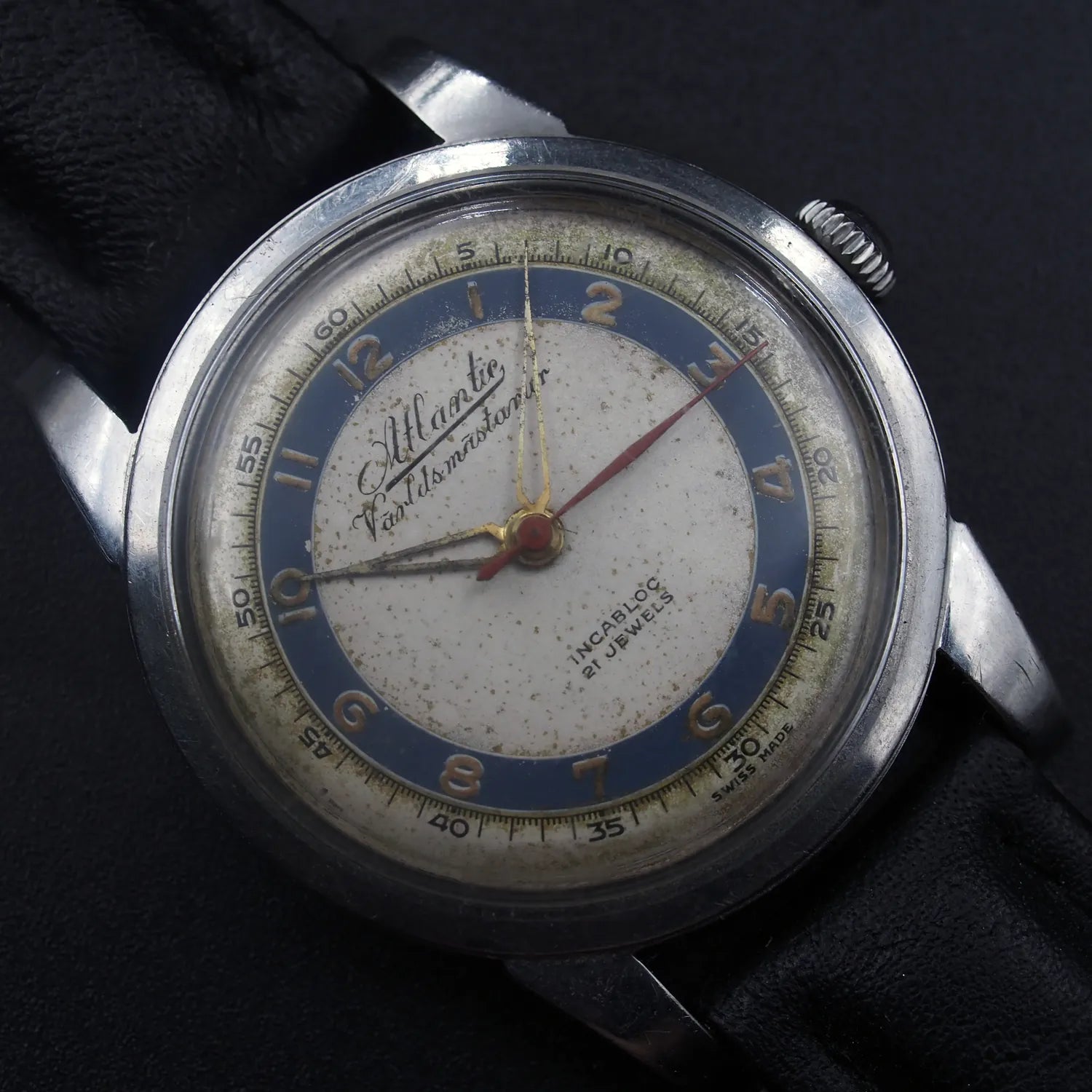
Details can reveal much about a surviving example. Sunburst finishes, crosshair dials, applied baton indices, dauphine hands and sharply shaped lugs can all help establish its period character, although none proves a precise production date by itself. For buyers interested in the earlier roots of these designs, our vintage watch collection offers a broader view of how wristwatch styling developed across the twentieth century.
What to Look for in a 1960s Mechanical Watch
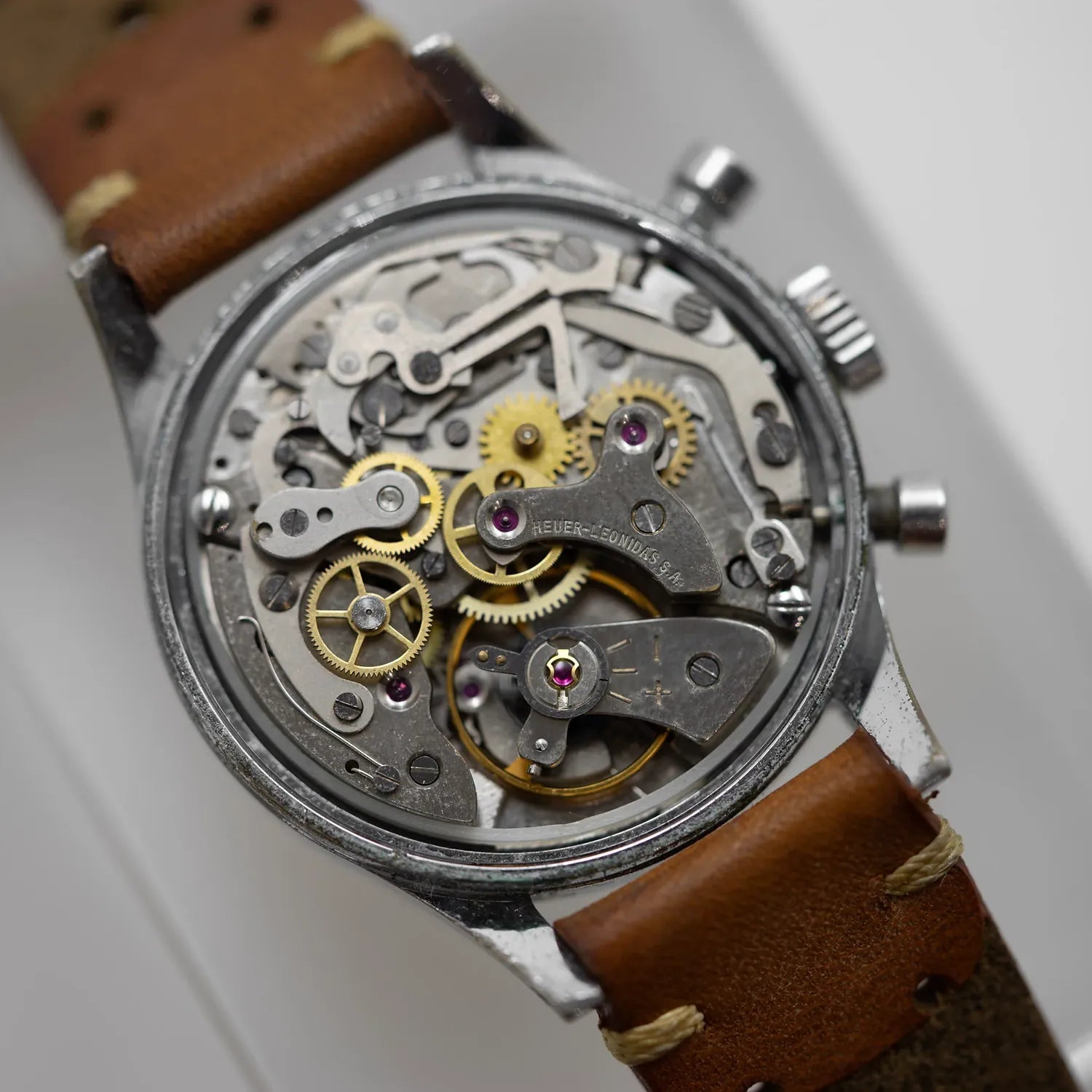
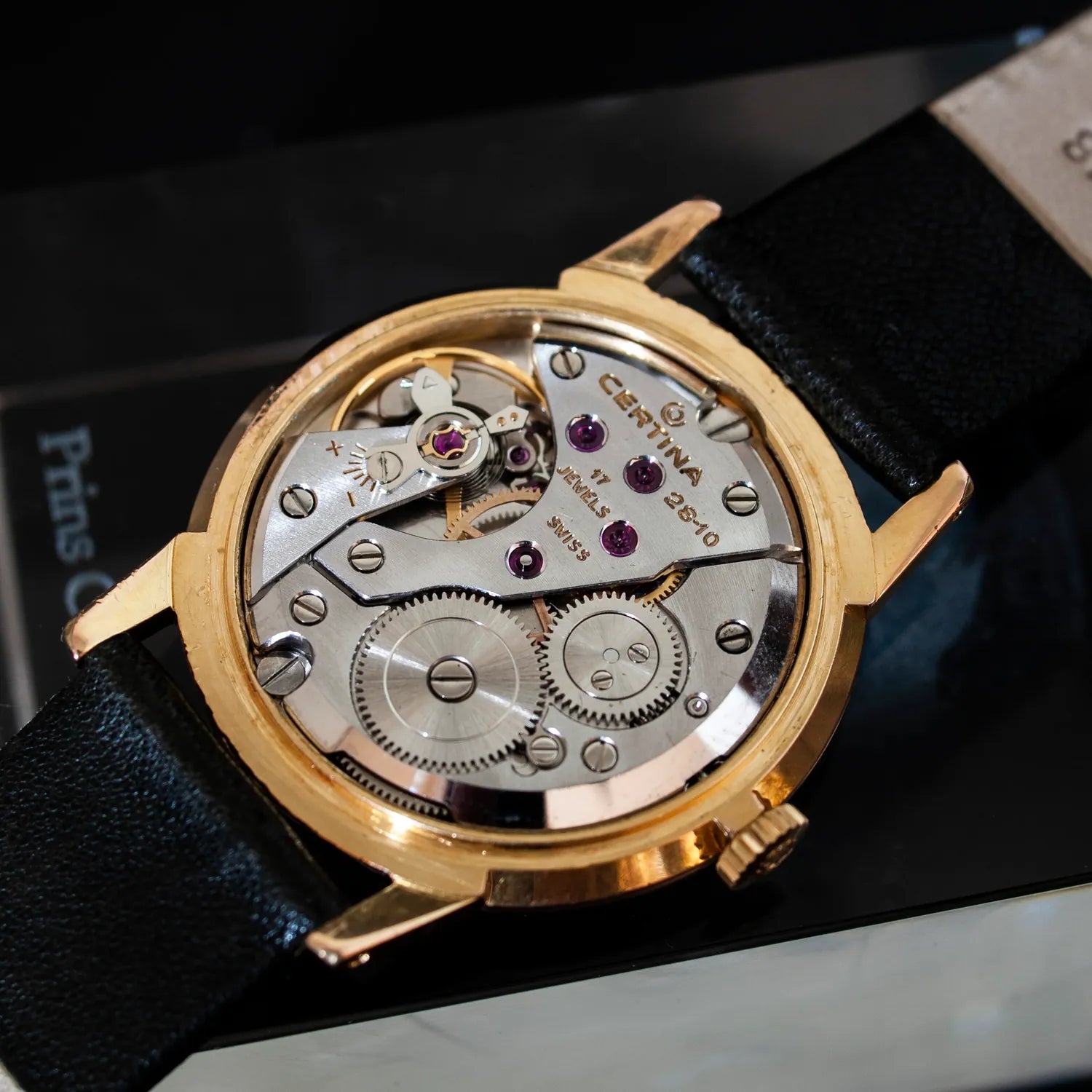
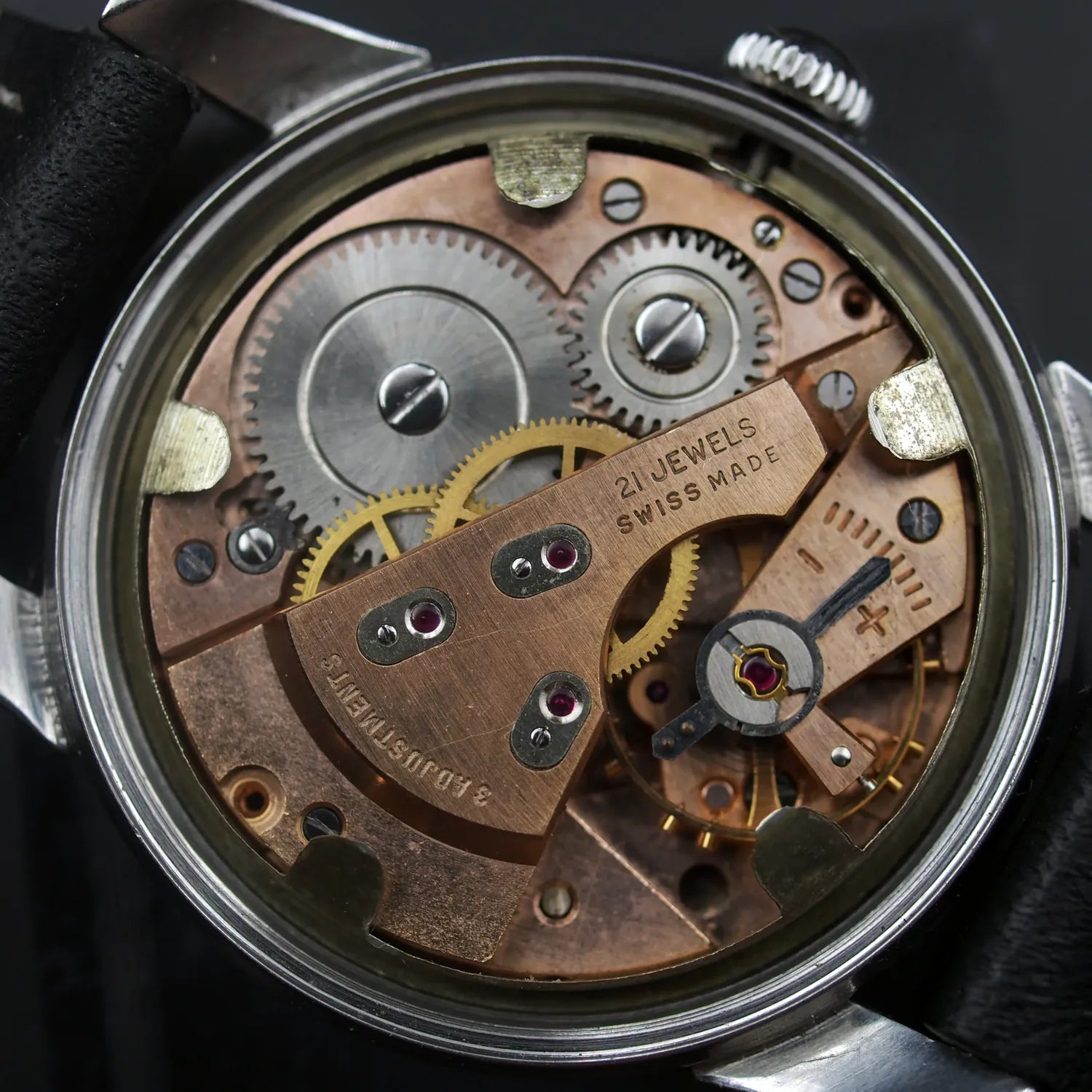
Most surviving wristwatches from the 1960s rely on mechanical movements, either manually wound through the crown or fitted with an automatic winding system. Hand-wound calibers often offered straightforward constructions and slim cases, while automatic movements provided the convenience of winding through wrist movement. Both types can remain practical decades later, but their condition matters far more than their original reputation for accuracy.
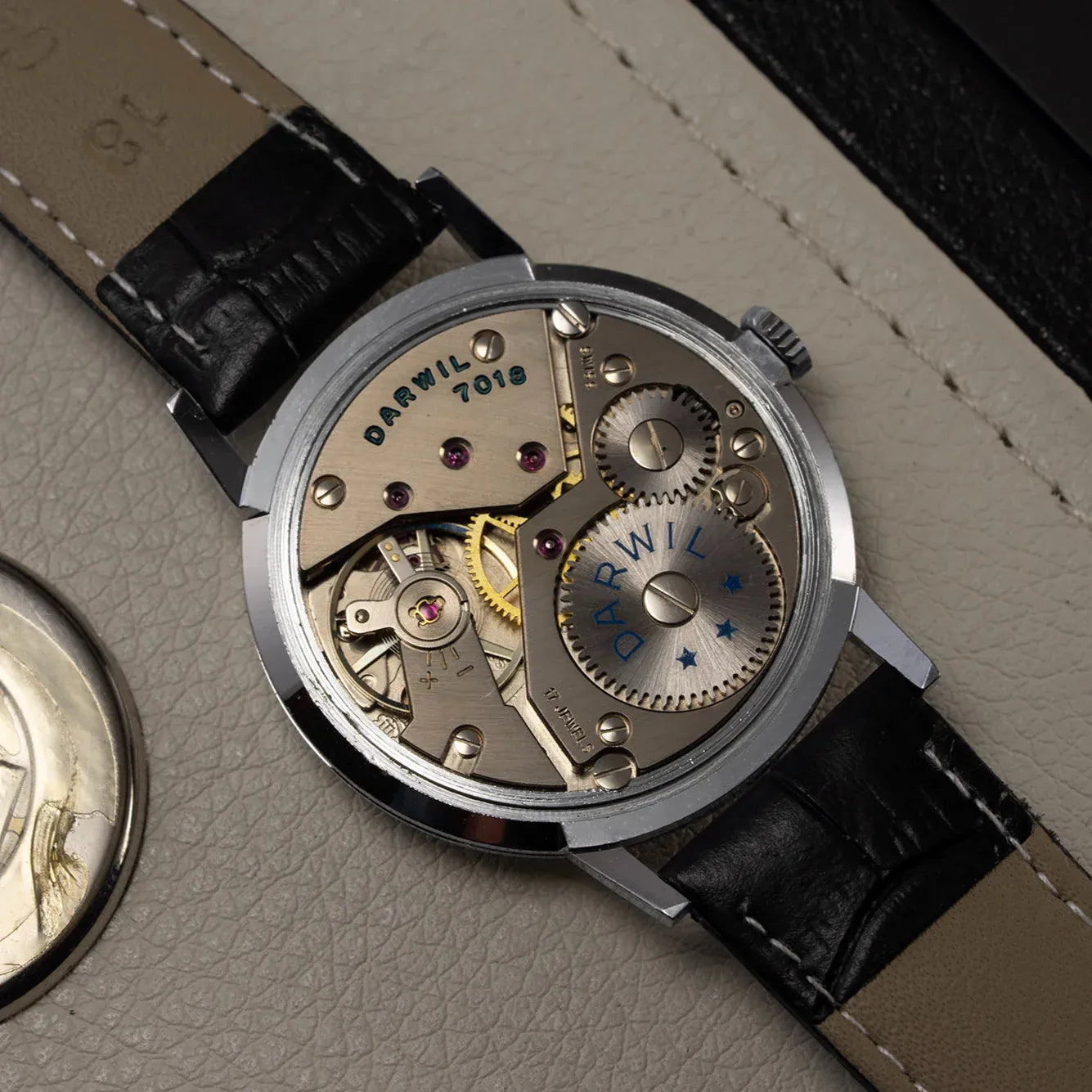
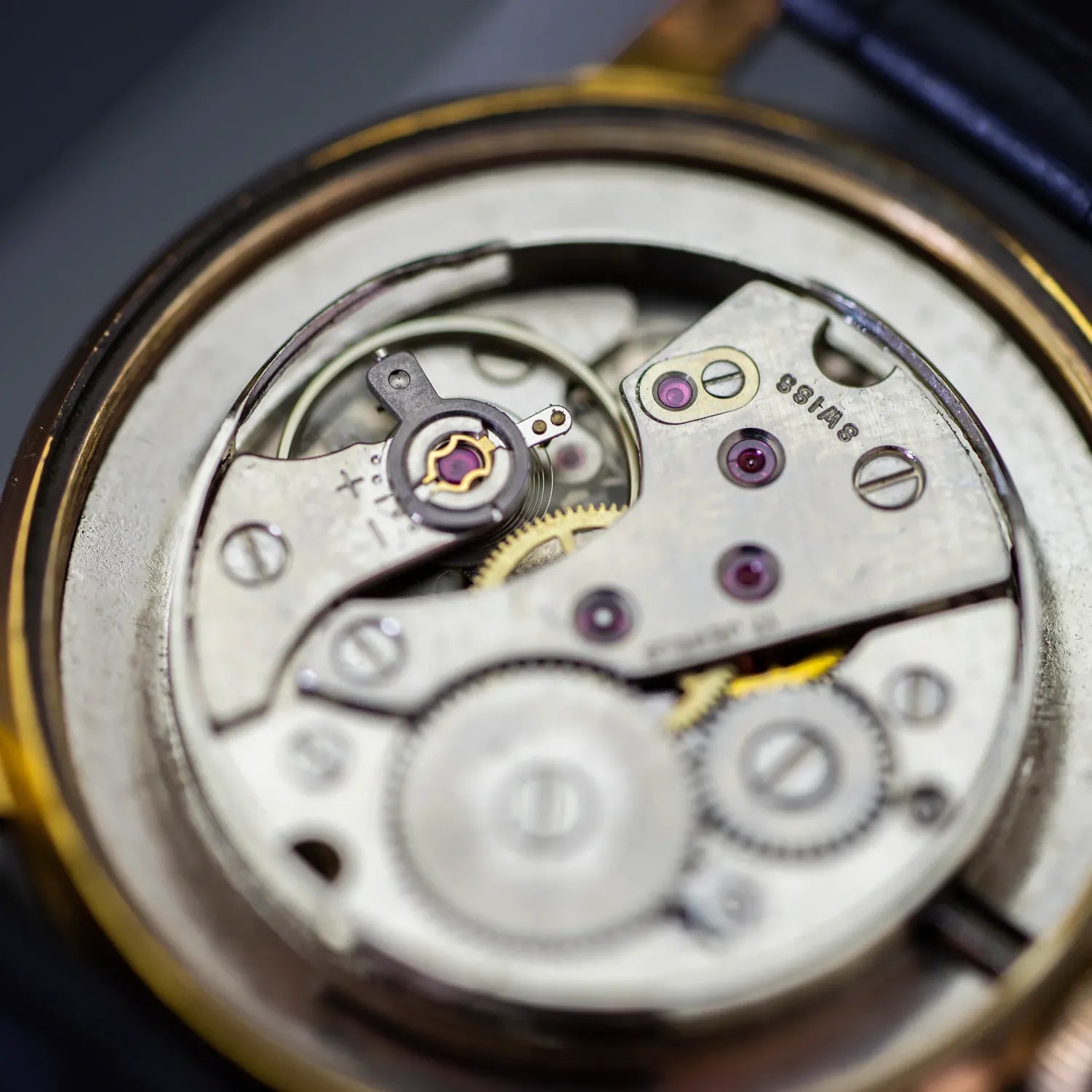
A proper examination begins with the movement. The balance, escapement, mainspring, winding mechanism and calendar components, where fitted, all deserve attention. Old lubricants, worn pivots, damaged setting parts and previous repair work can affect performance. Servicing can restore reliable operation when the movement is mechanically sound, but it cannot automatically reverse every form of wear or guarantee modern levels of precision.
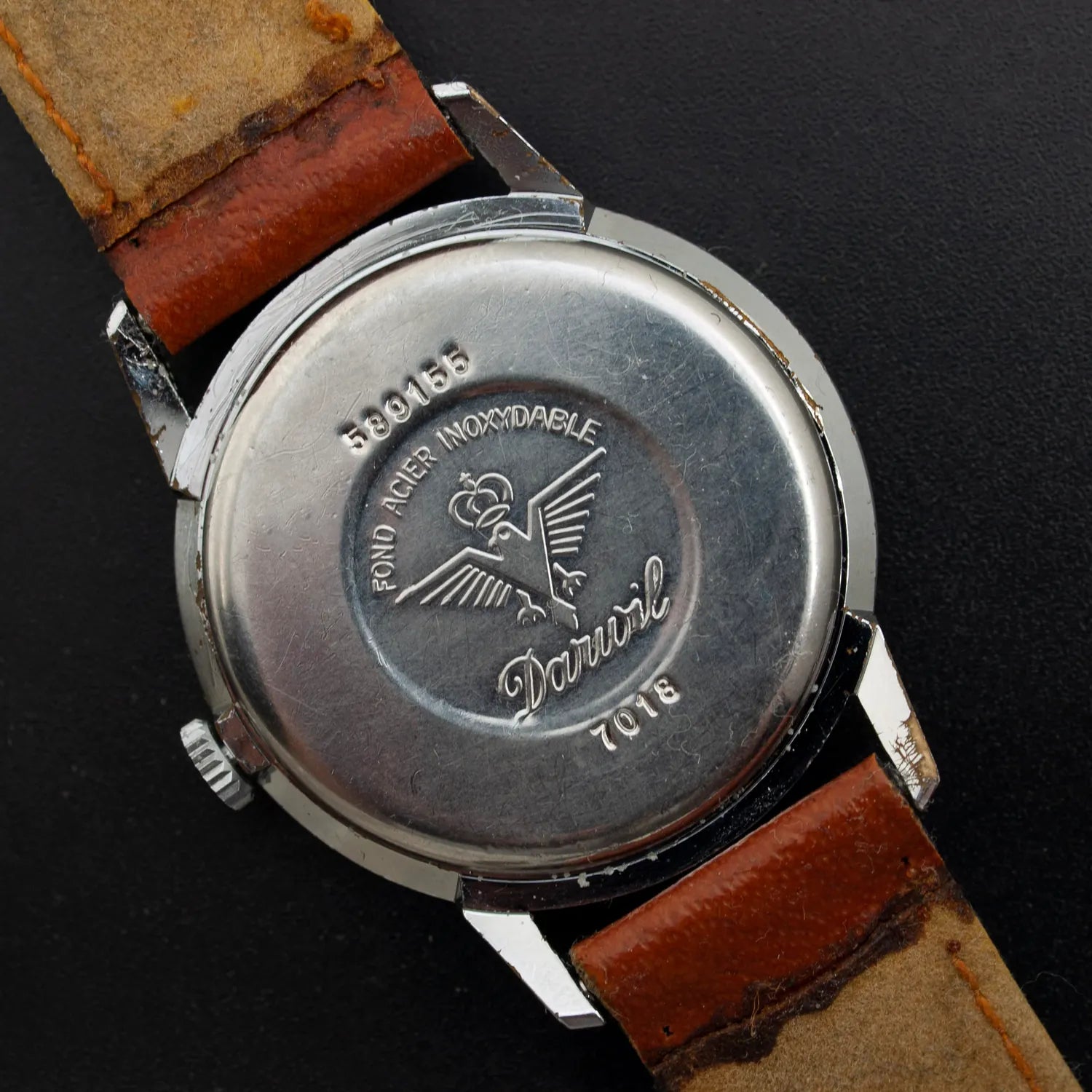
Originality also requires careful judgment. A replacement crystal or strap does not carry the same significance as a refinished dial, incorrect hands or a movement that does not belong to the reference. Buyers should examine the photographs, case condition, dial printing and available movement information rather than assuming that every visible component has remained untouched for sixty years.
At Vintage Watch Studio, mechanical watches are professionally serviced before sale, and each listing documents the individual example being offered. For anyone choosing a watch from this decade, movement condition, comfortable case proportions and transparent documentation are more useful starting points than age or brand recognition alone.


1960s Vintage Watches FAQ
Are watches from the 1960s still reliable?
Yes, a well-maintained mechanical watch from the 1960s can still provide dependable timekeeping. Reliability depends on the condition of its movement, previous servicing, wear and the availability of suitable replacement parts. A professionally serviced watch is generally a more sensible choice for regular use than an unexamined example that has been stored for decades.
What size were men's watches in the 1960s?
Many men's dress watches from the 1960s measured approximately 33–36 mm in diameter, although larger sports, diving and chronograph models also existed. Vintage case sizes often appear smaller than modern standards, but long lugs, thin bezels and wide dial openings can make a watch wear larger than its stated diameter suggests. Check the individual measurements before buying.
Were 1960s watches automatic or manually wound?
Both types were widely produced. Manual-winding watches required the owner to wind the mainspring through the crown, while automatic movements used a rotor to wind the watch during wrist movement. Mechanical watches remained dominant throughout the decade. The first commercially available quartz wristwatch, the Seiko Quartz Astron, arrived only at the end of 1969.
How can I tell if a 1960s vintage watch is original?
Start by examining the dial printing, hands, case, movement and reference information. Refinished dials, replacement crowns or incorrect hands may affect originality and collector appeal, but some replacement components are normal in a watch of this age. Clear photographs and accurate descriptions are essential. Production dates may be confirmed or estimated depending on the evidence available, so a stated year should not automatically be treated as exact.
Recognized & Reliable Worldwide
Trusted Partners in Security, Shipping, and Service




Store
Vintage Watch Studio
- Drinke Pavlovic 3, 11130 Belgrade
- Visiting Hours: Monday – Friday: 10:00 – 17:00 CET
- +381 61 653 4298
- vintagewatchstudio@gmail.com
- Online Chat 24/7