
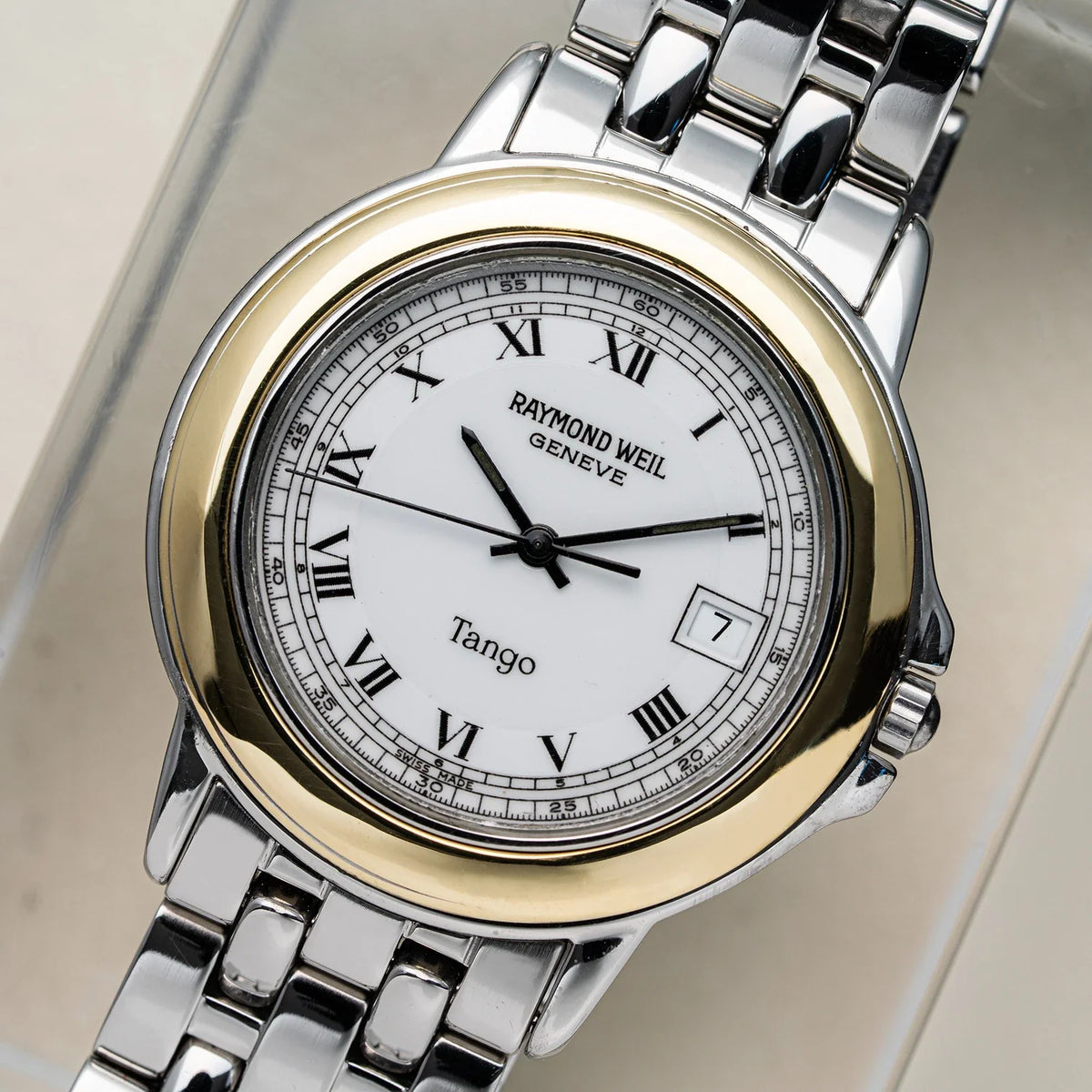
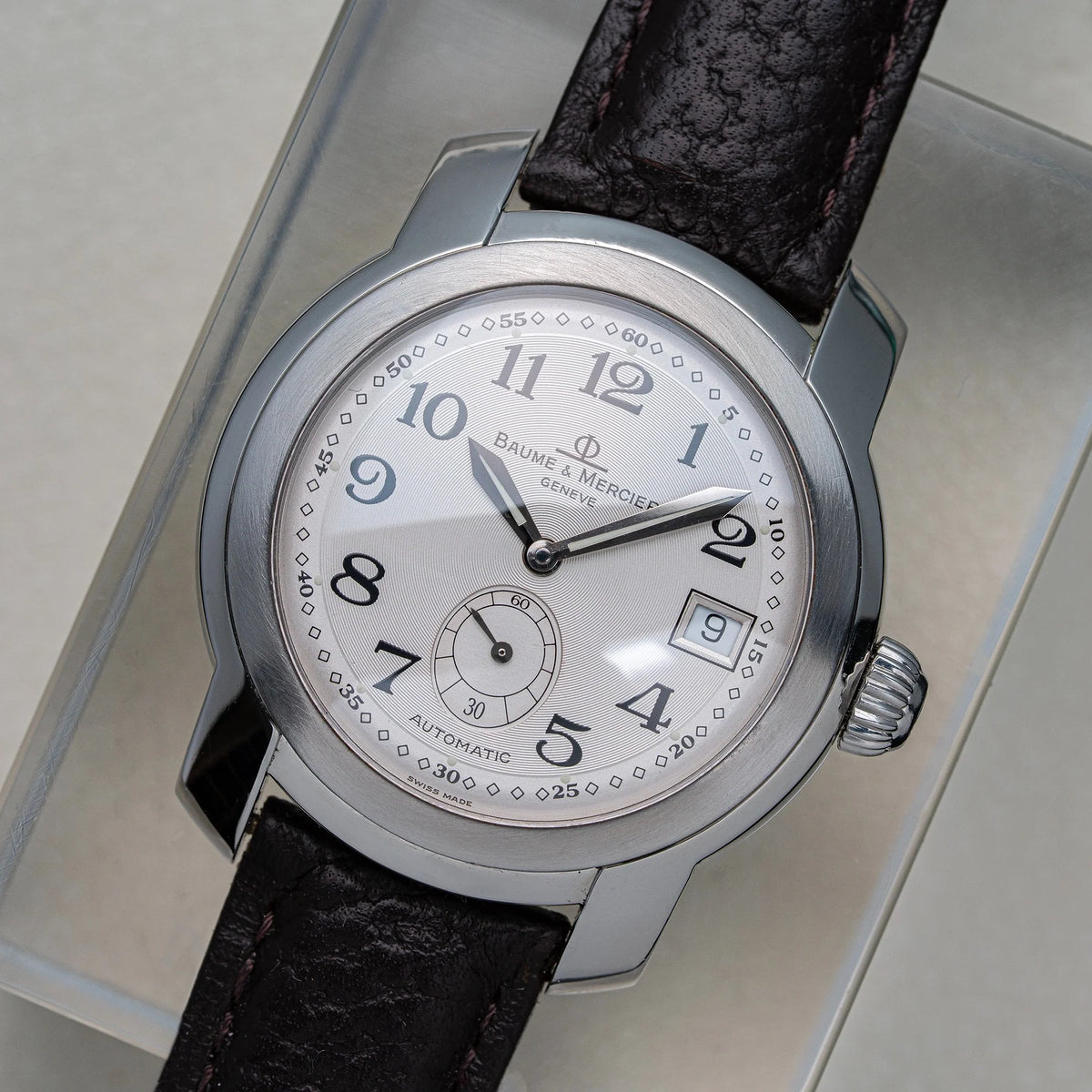
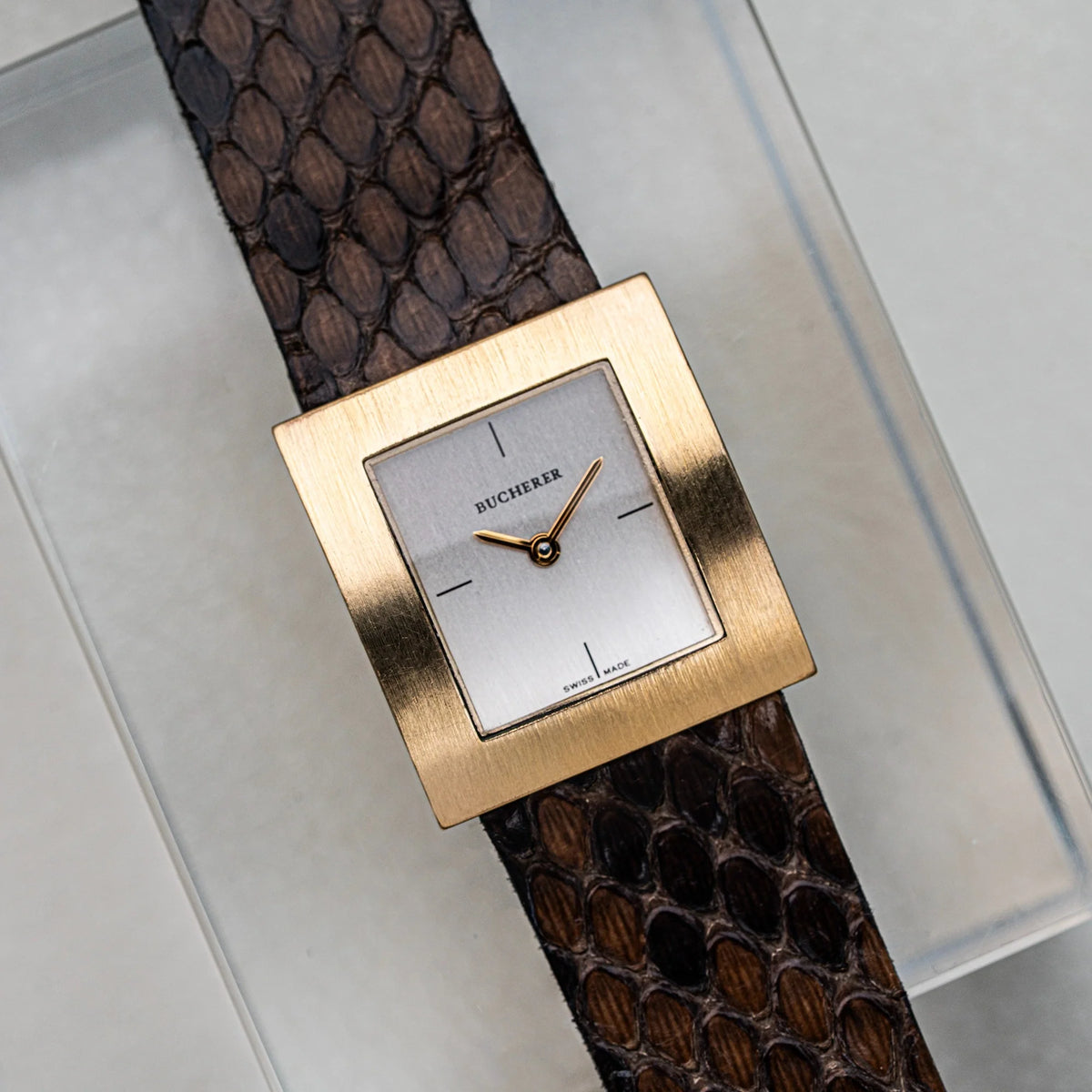
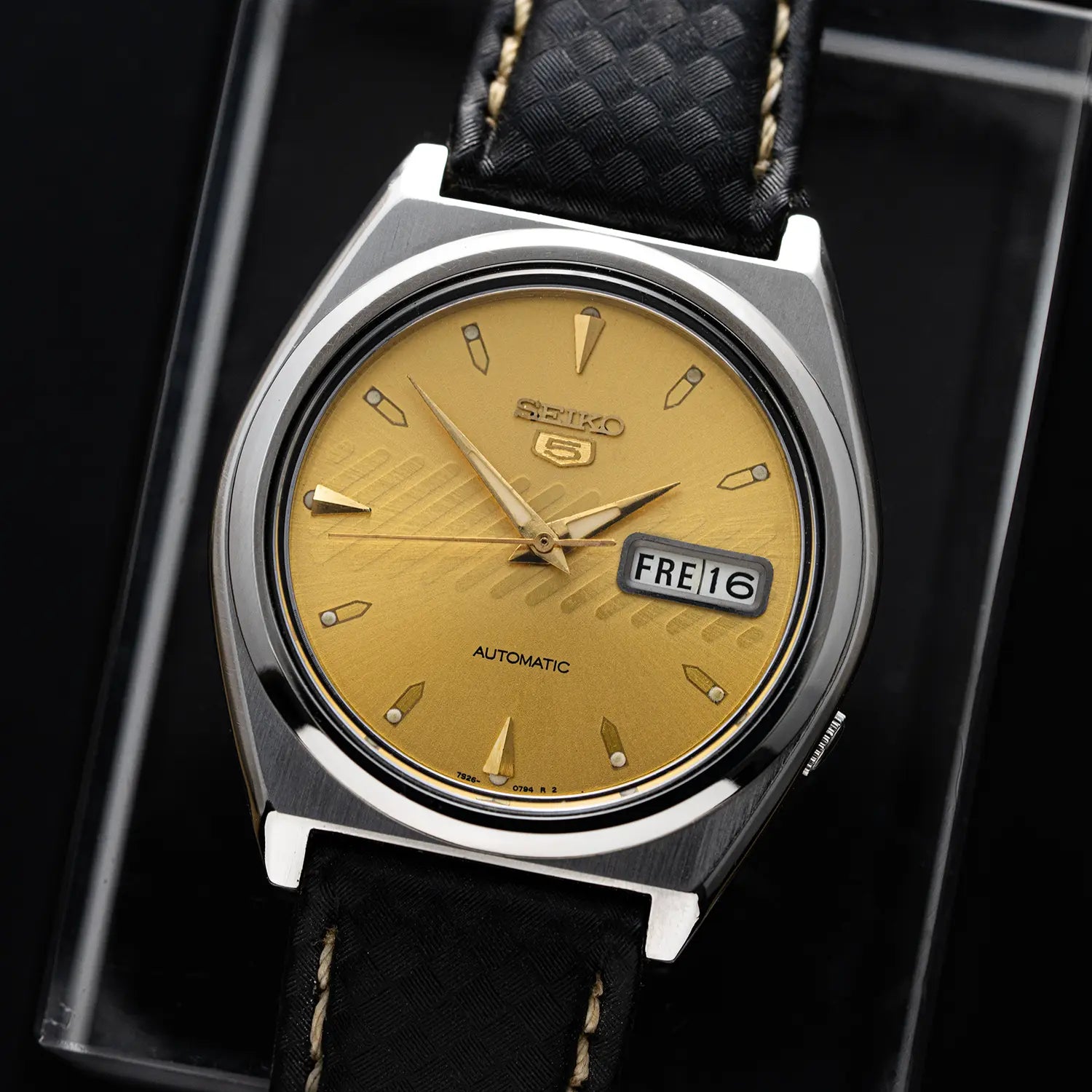
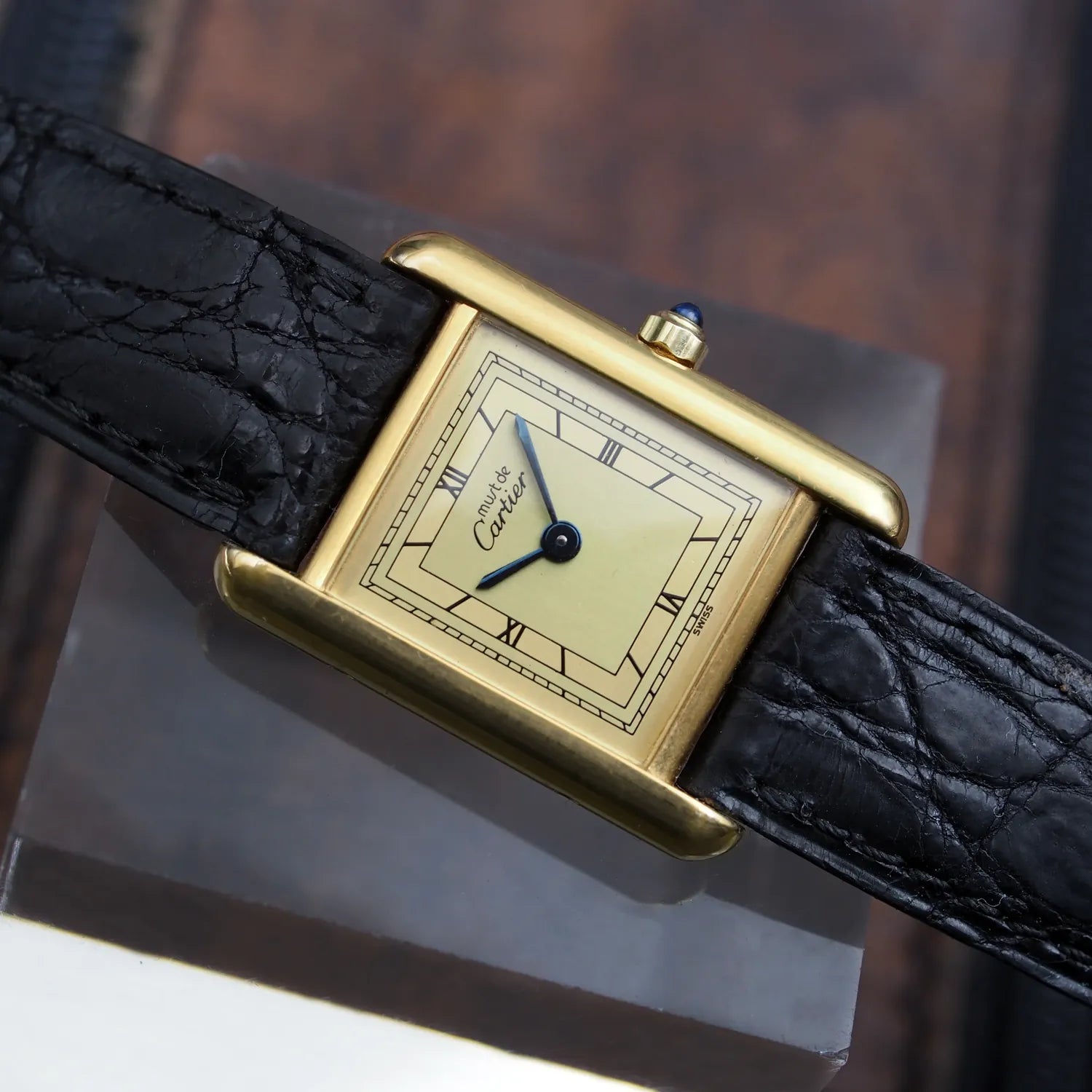
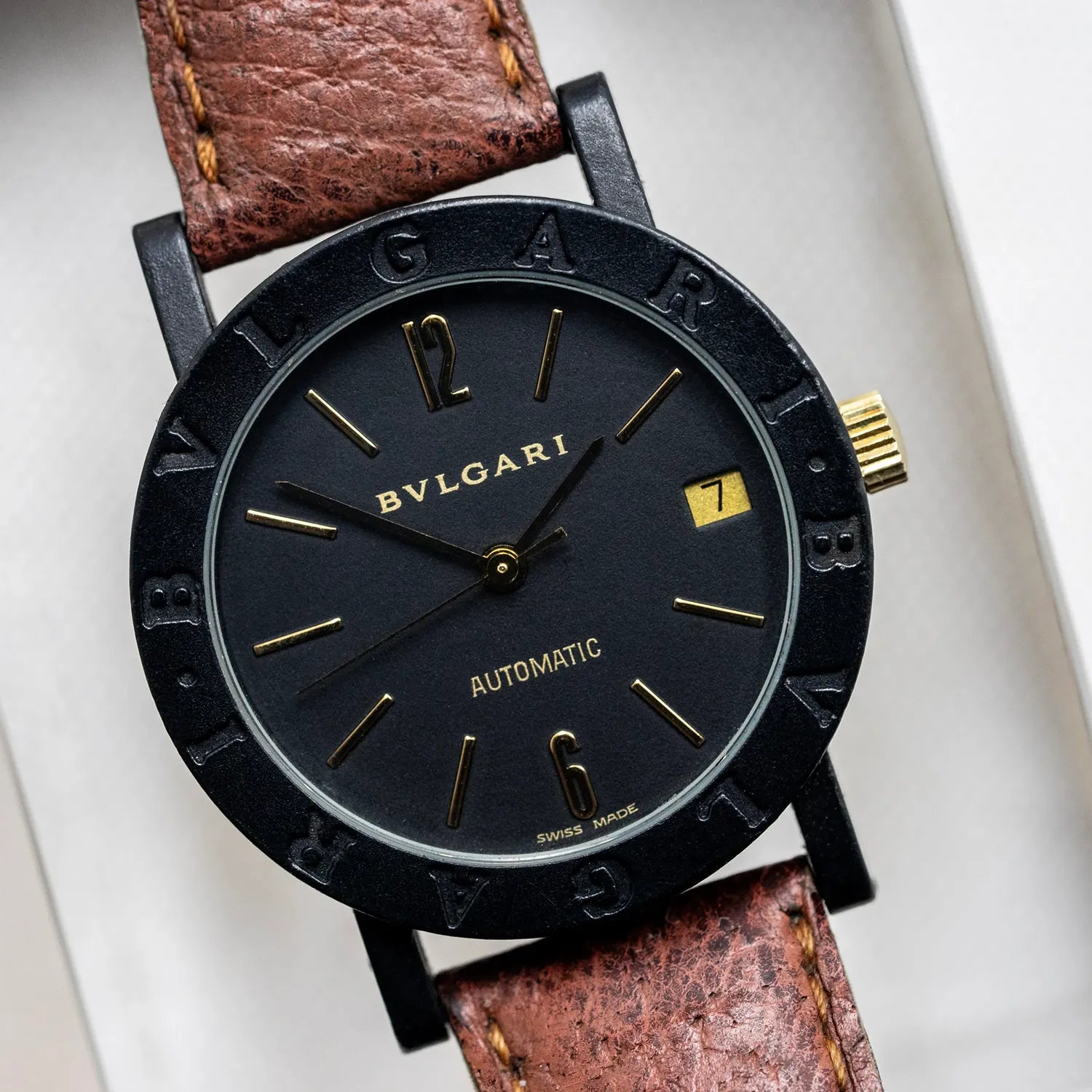
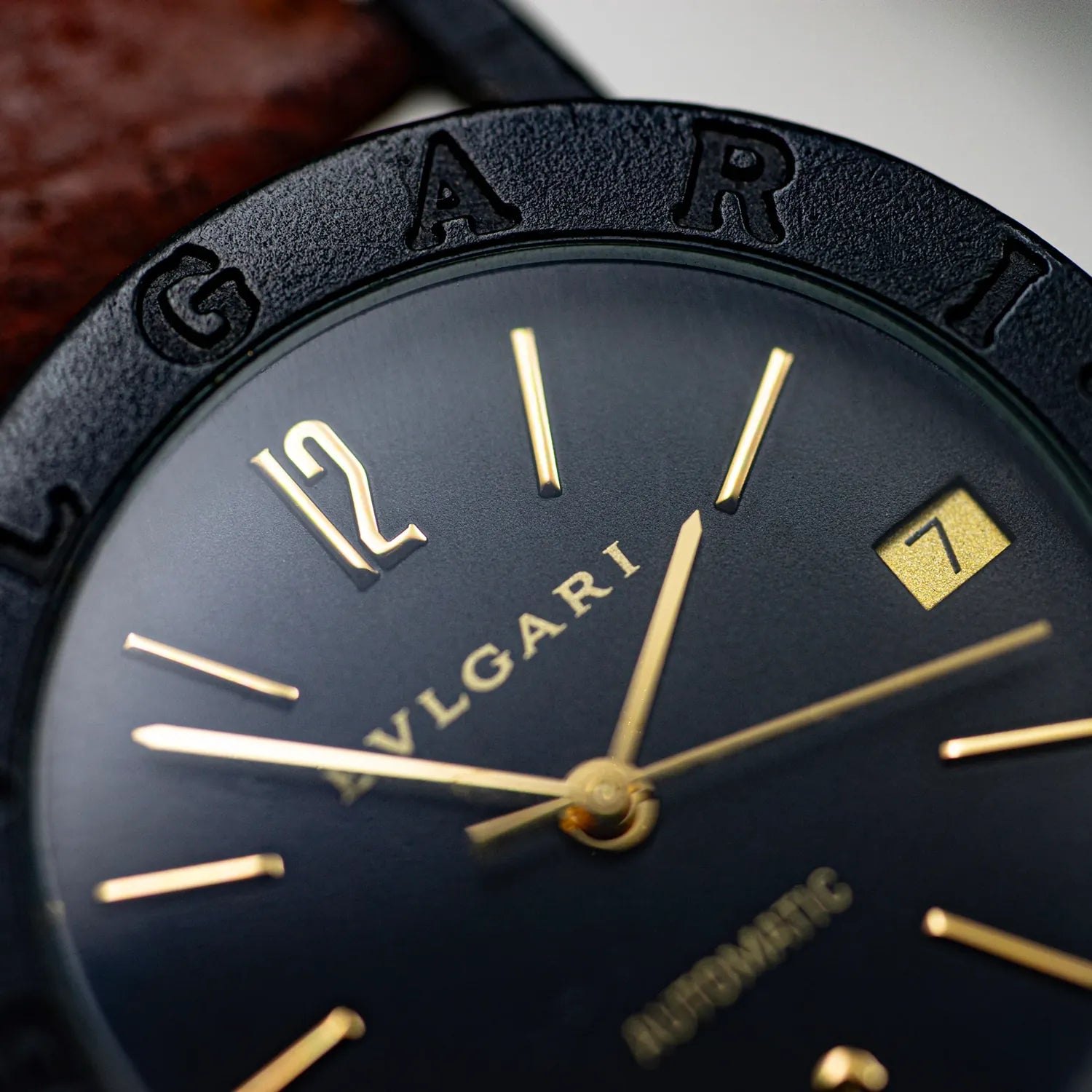
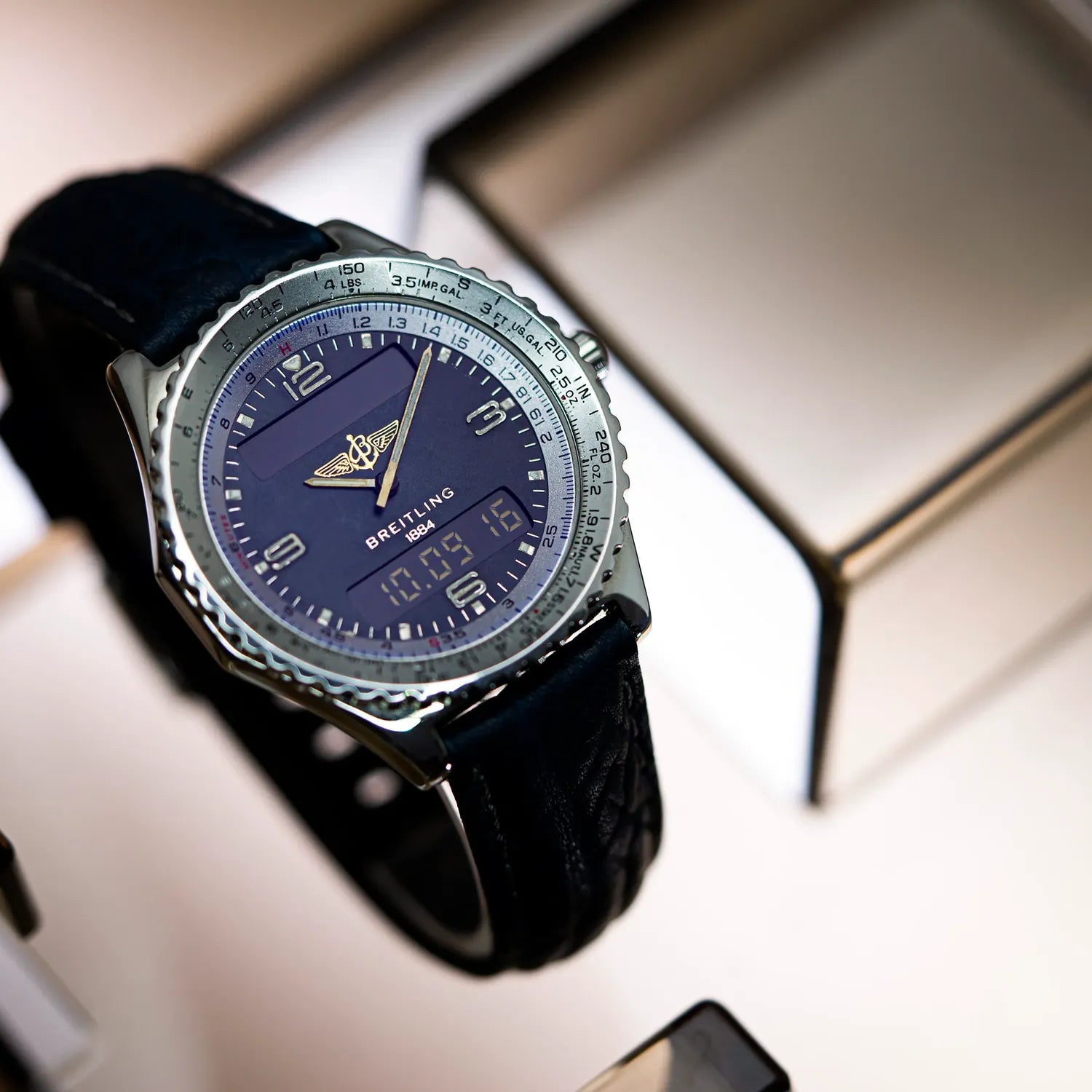
DISCOVER MORE COLLECTIONS
Explore Vintage Watches Across Decades and Movements
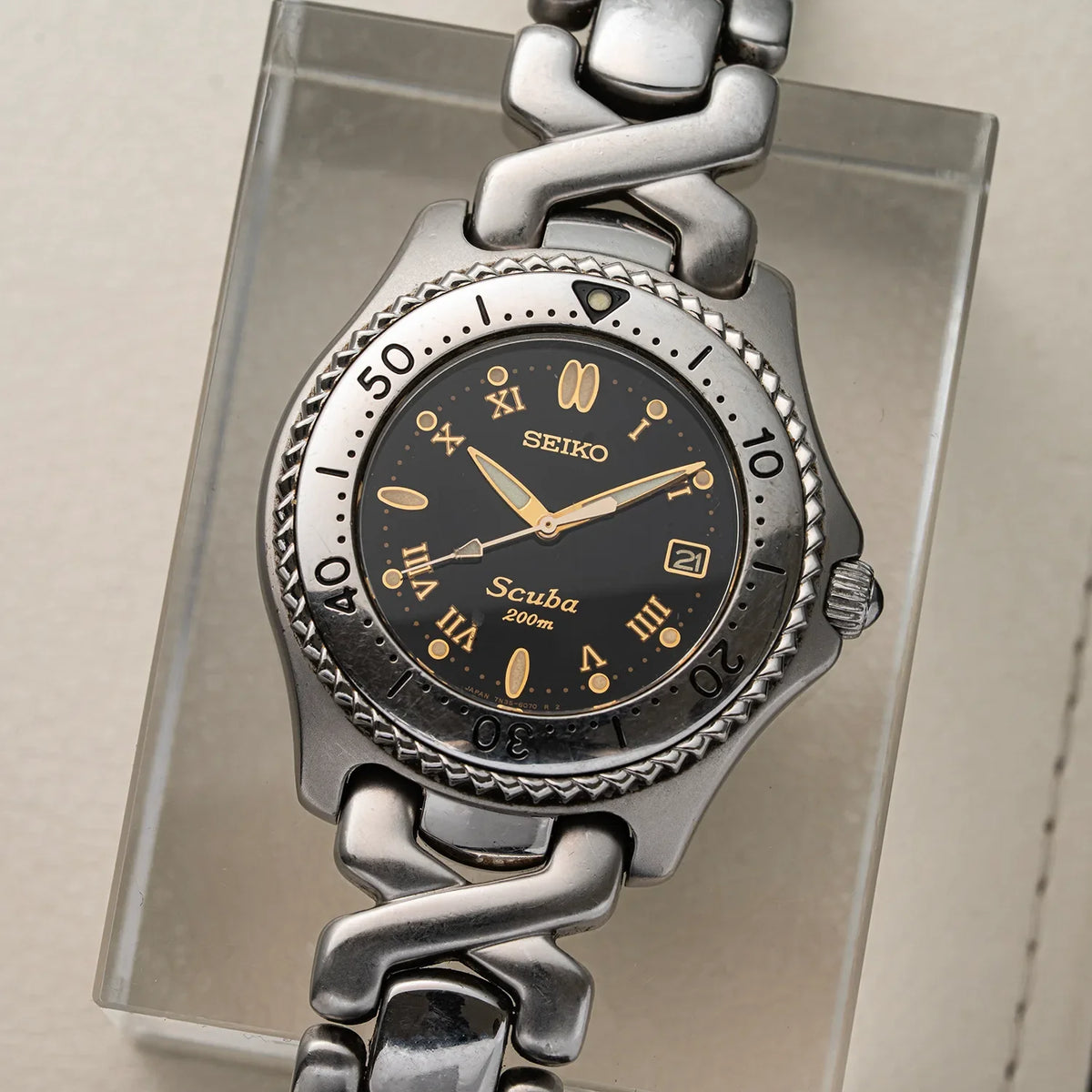
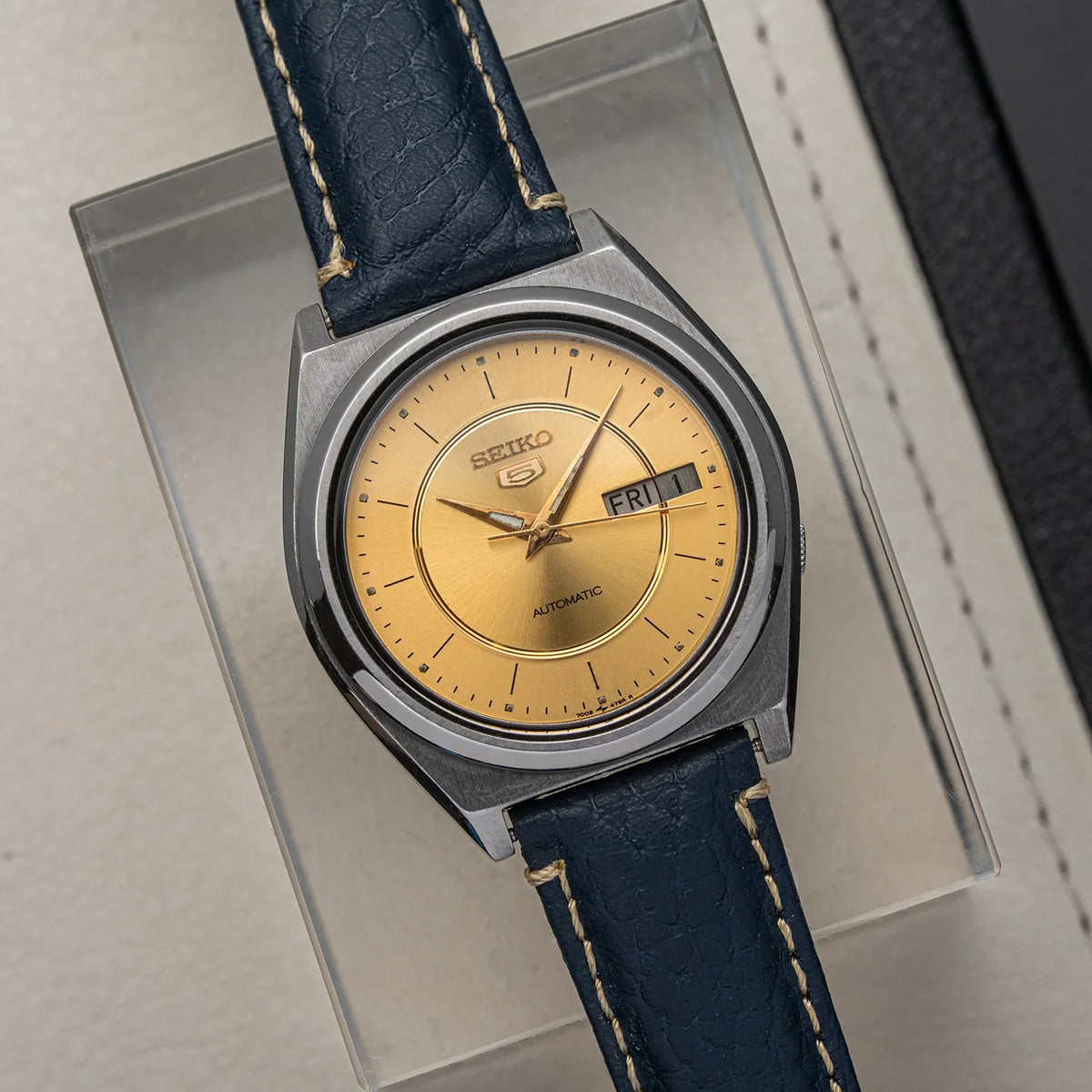
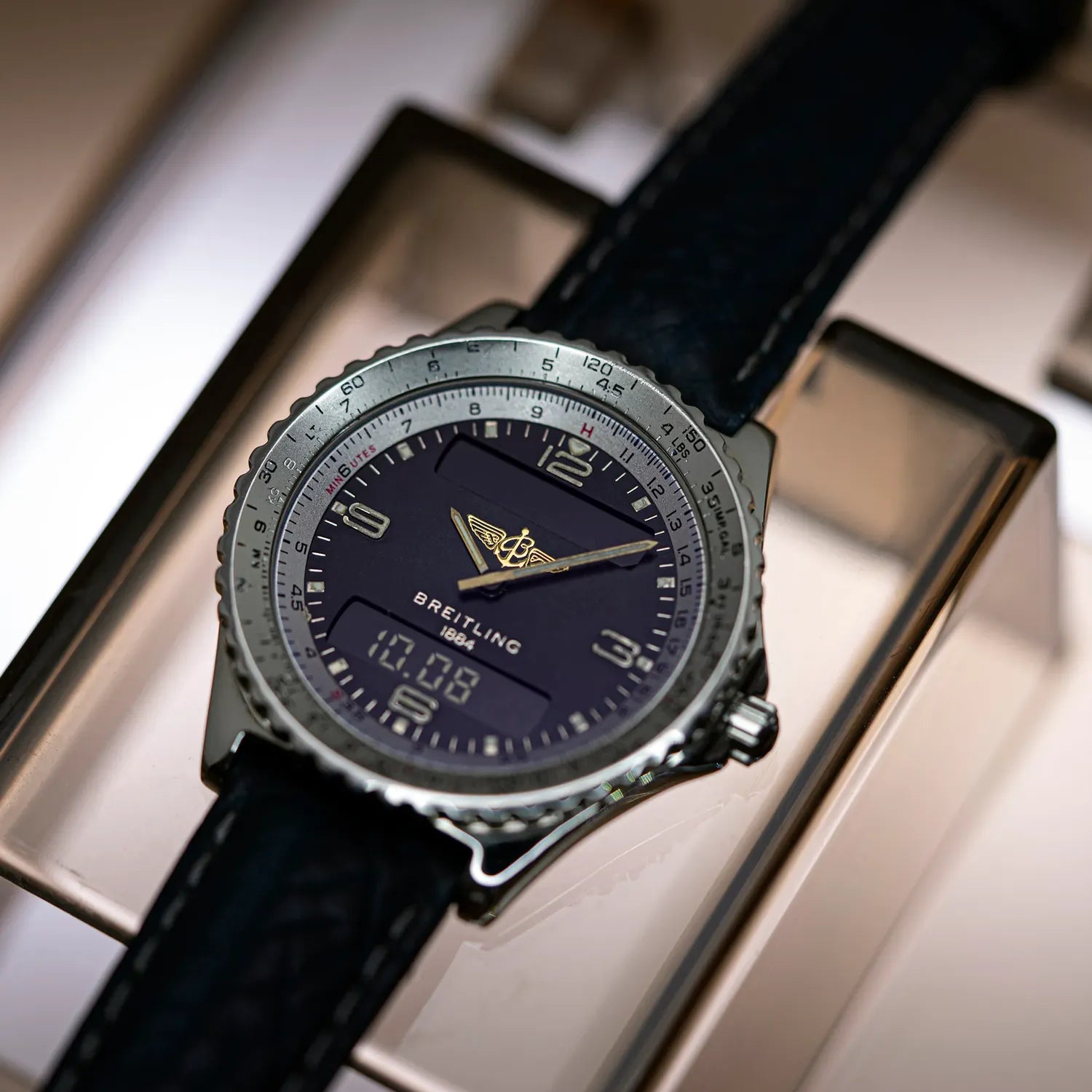
Watch Design and Innovation in the 1990s
The 1990s marked an important turning point in modern watchmaking. Following the quartz revolution of the previous decades, electronic timekeeping had become firmly established, while traditional mechanical watches experienced a renewed appreciation among enthusiasts and collectors. This coexistence produced an extraordinary variety of designs, from slim, minimalist dress watches to robust diving models, multifunction sports watches, and sophisticated mechanical chronographs.
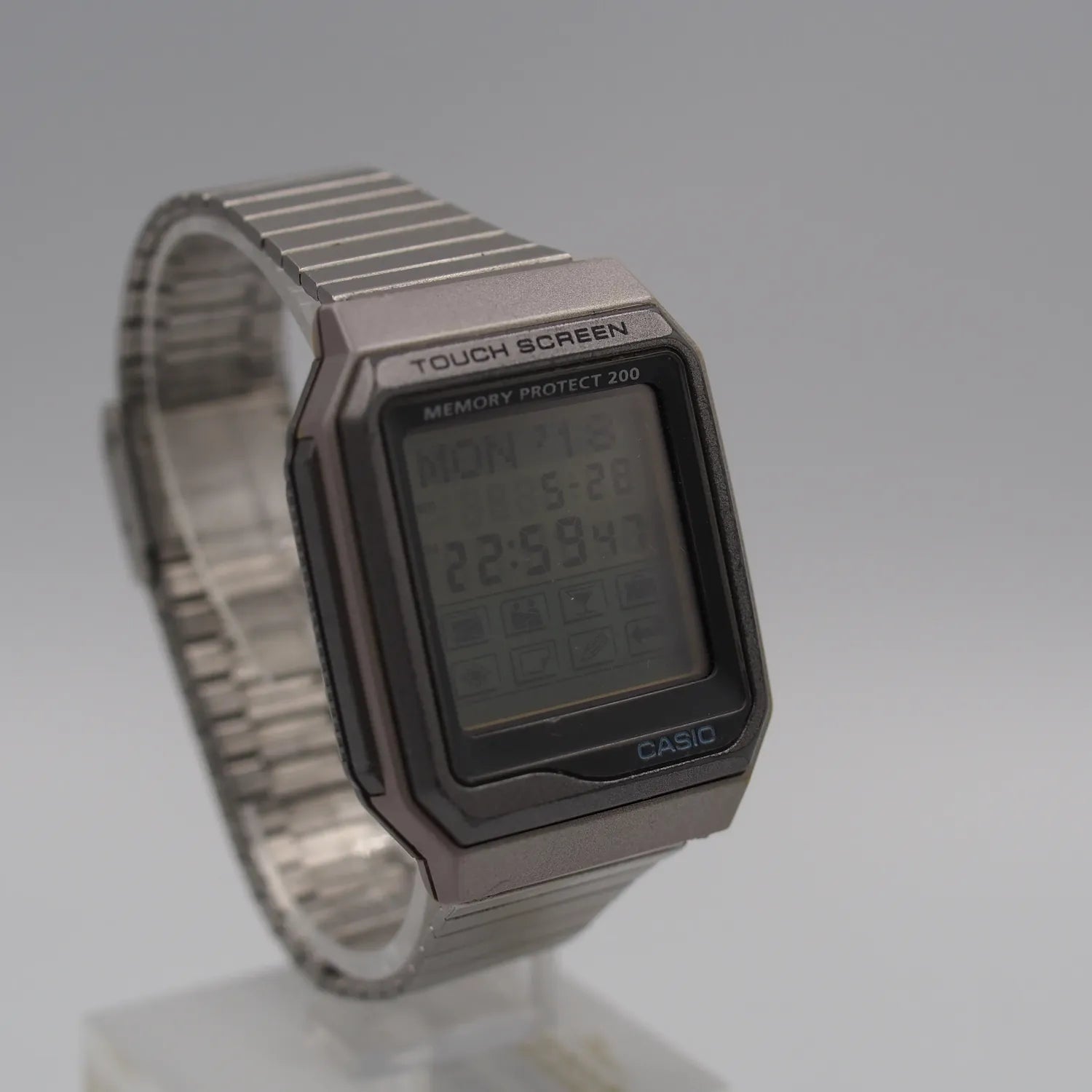
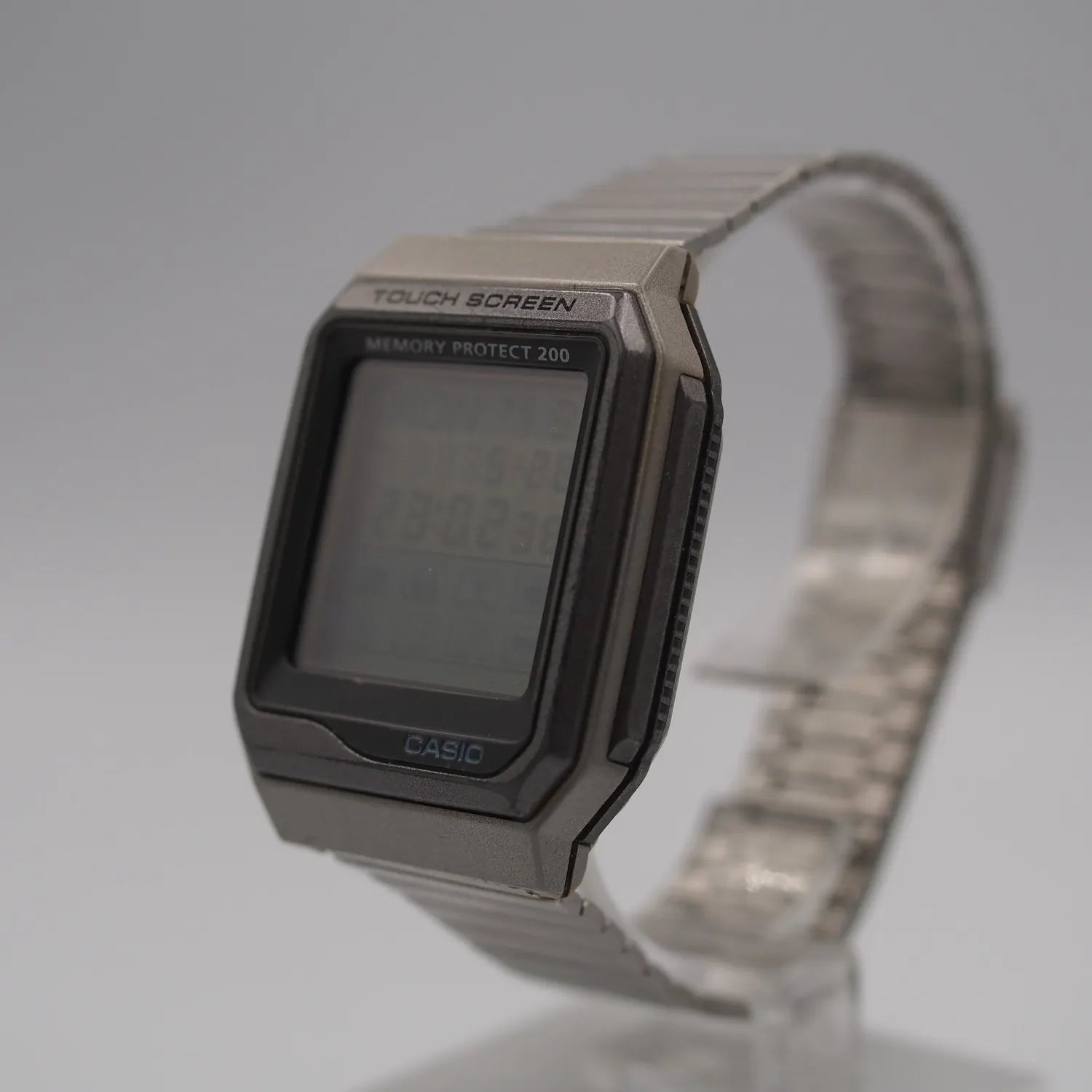
Japanese manufacturers played a particularly influential role during this period. Seiko continued developing its Kinetic technology, which generated electrical energy through wrist movement, while Citizen expanded its light-powered Eco-Drive technology following its introduction in 1995. Casio's G-Shock collection, introduced in 1983, became increasingly influential in 1990s sports-watch culture. Meanwhile, Swiss manufacturers strengthened their mechanical collections, with automatic movements such as the ETA 2824-2 and chronograph calibers based on the Valjoux 7750 remaining important throughout the decade.
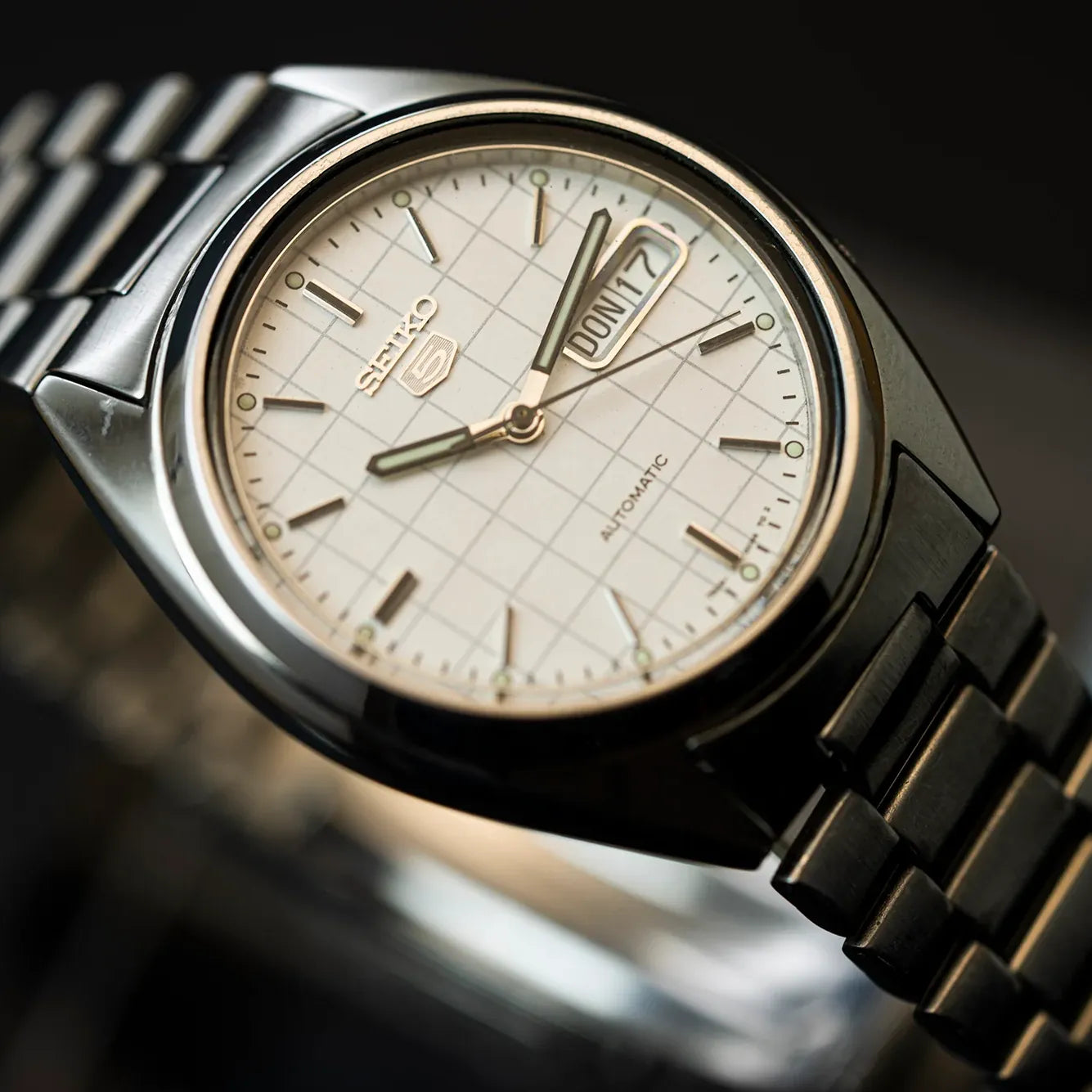
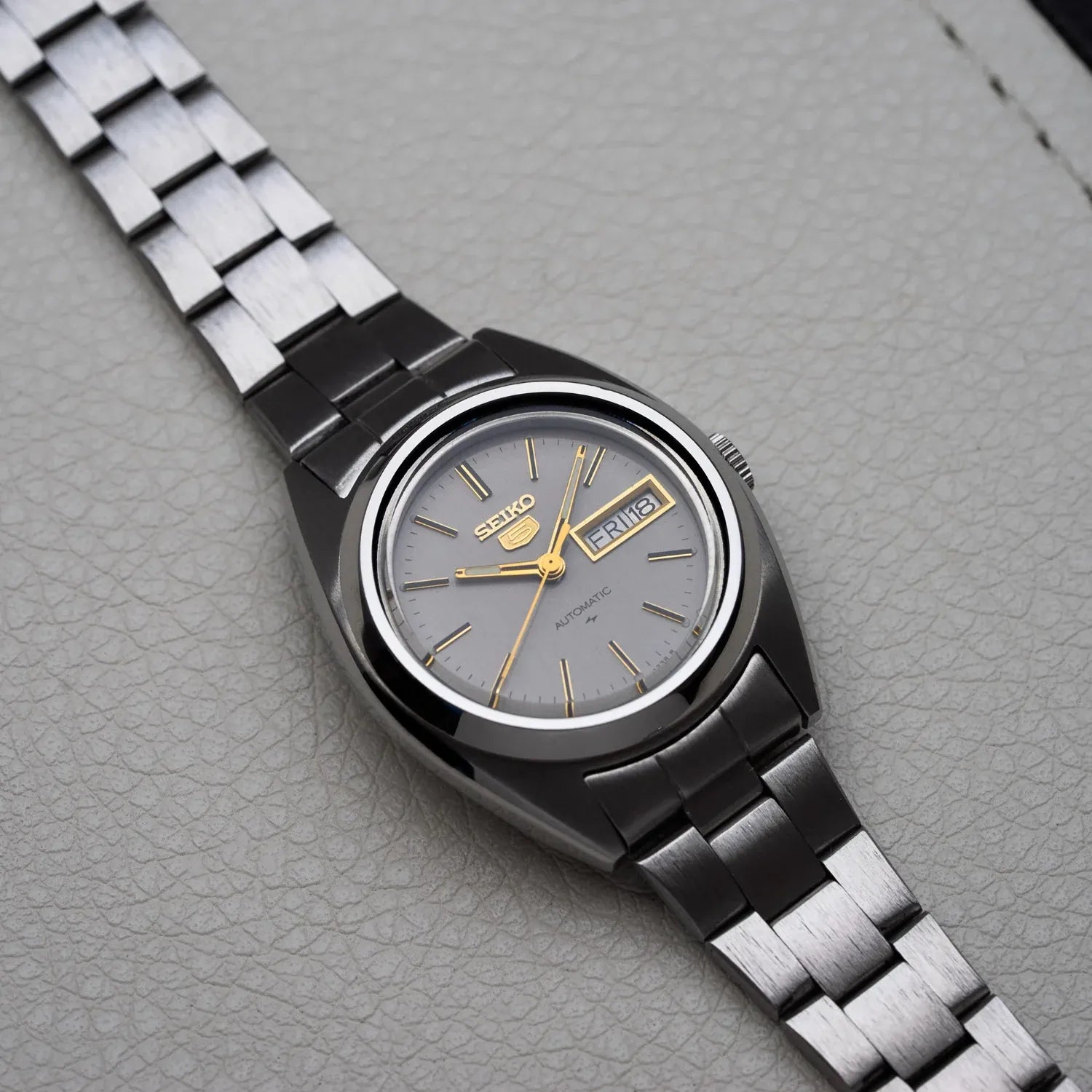
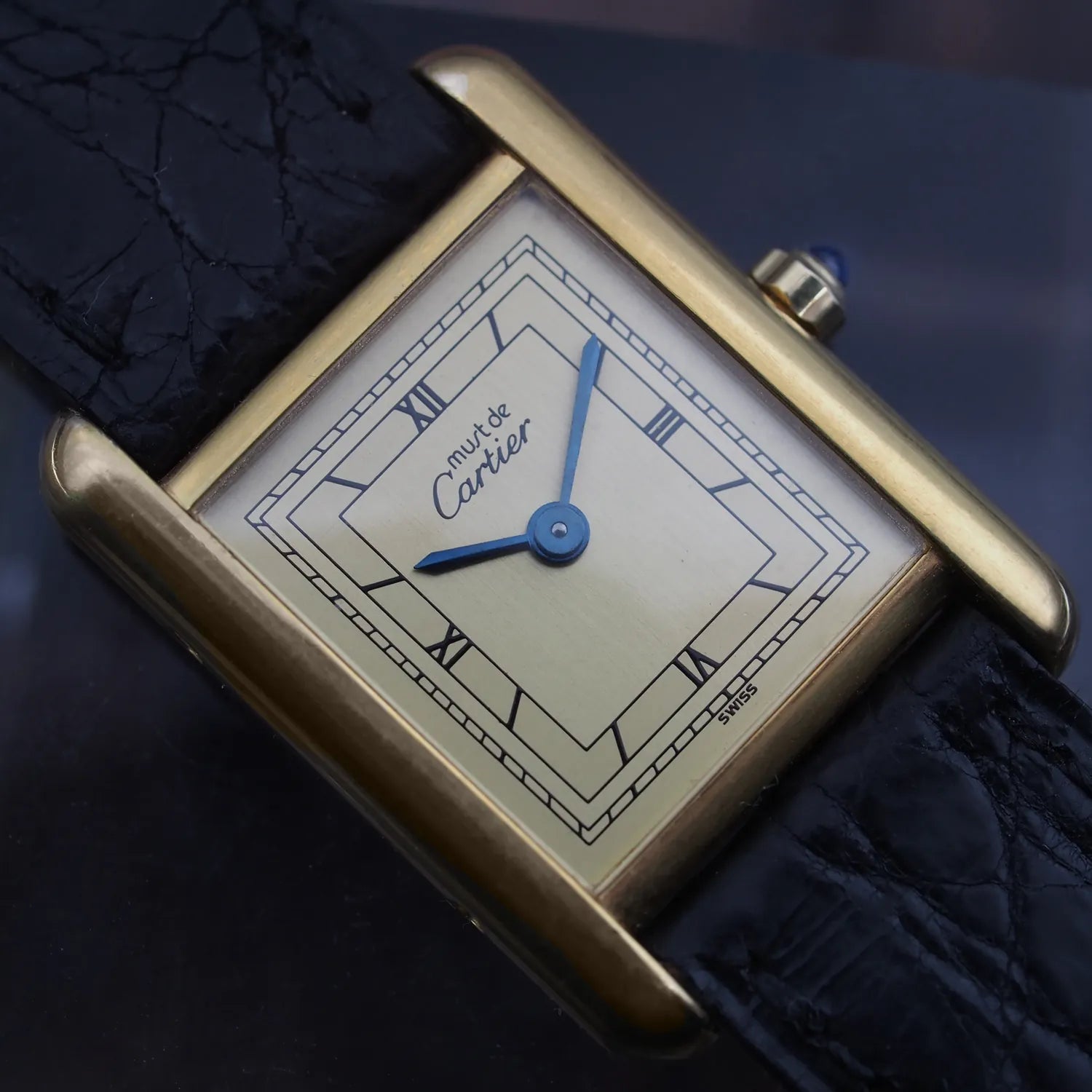
Today, 1990s vintage watches are appreciated for their combination of recognizable period styling and practical engineering. Stainless steel cases, integrated bracelets, textured dials, compact dress-watch proportions, and increasingly capable sports watches reflect the diverse tastes of the era. Explore our broader vintage watches collection to discover how watch design evolved across different decades.
Mechanical and Quartz Watches from 1990–1999
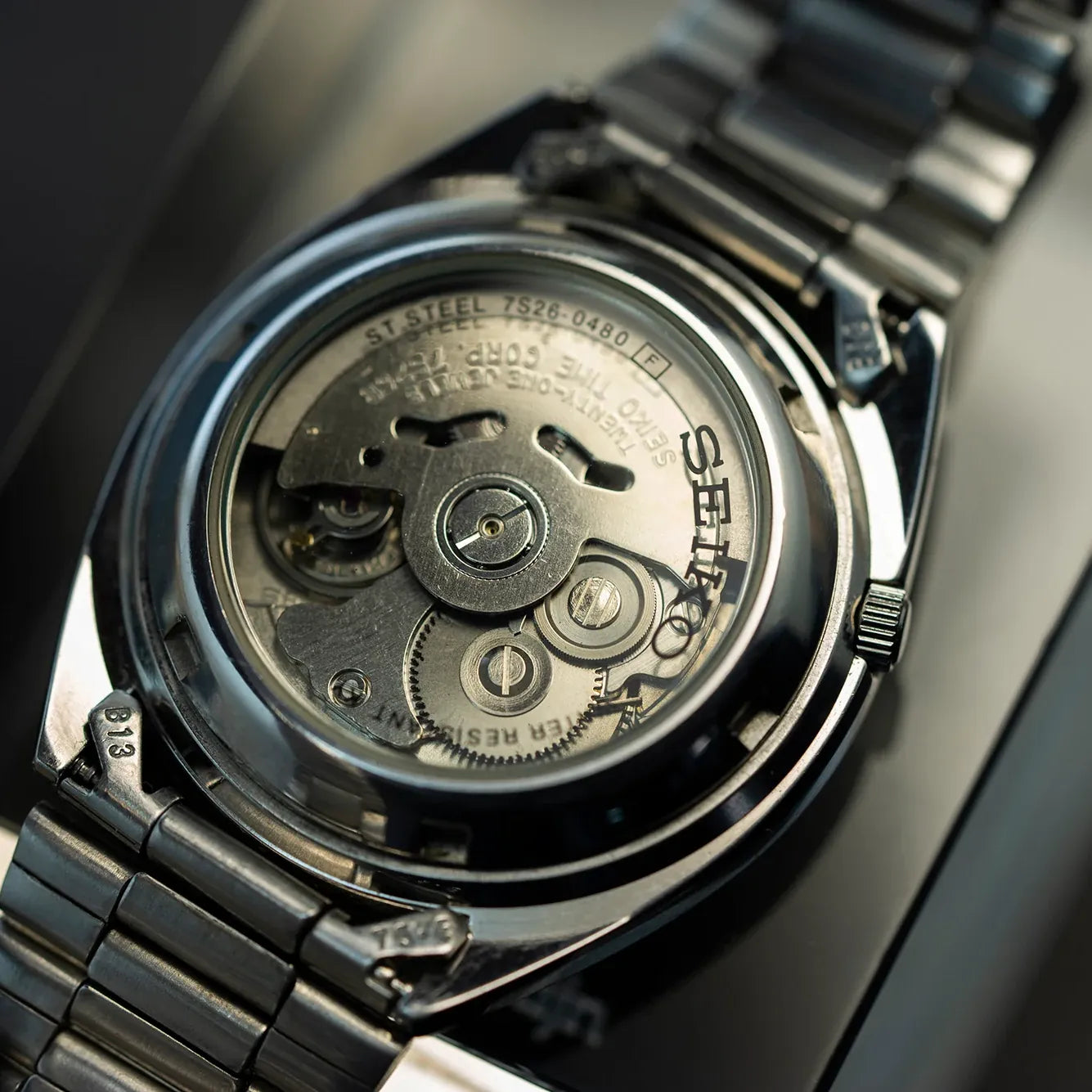
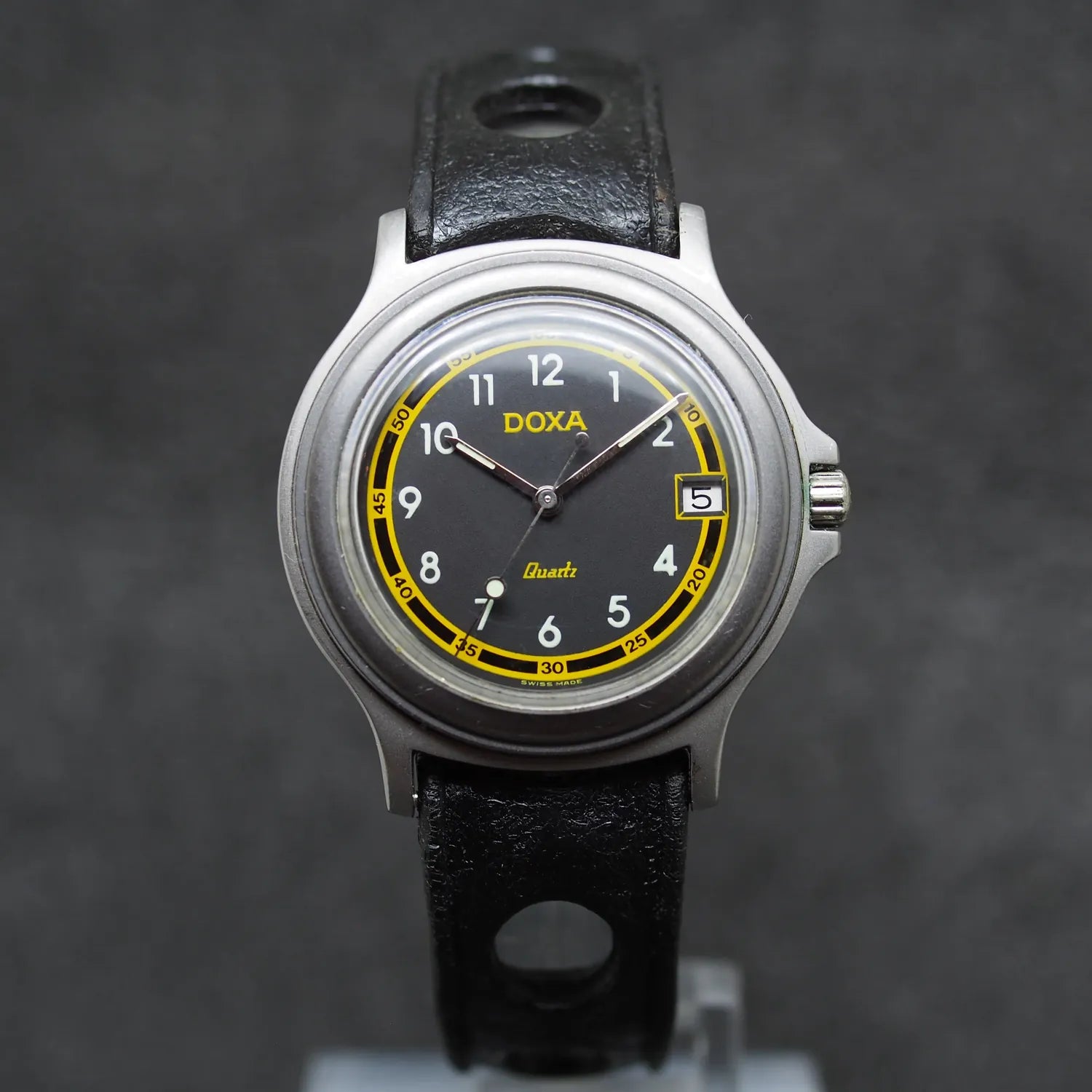
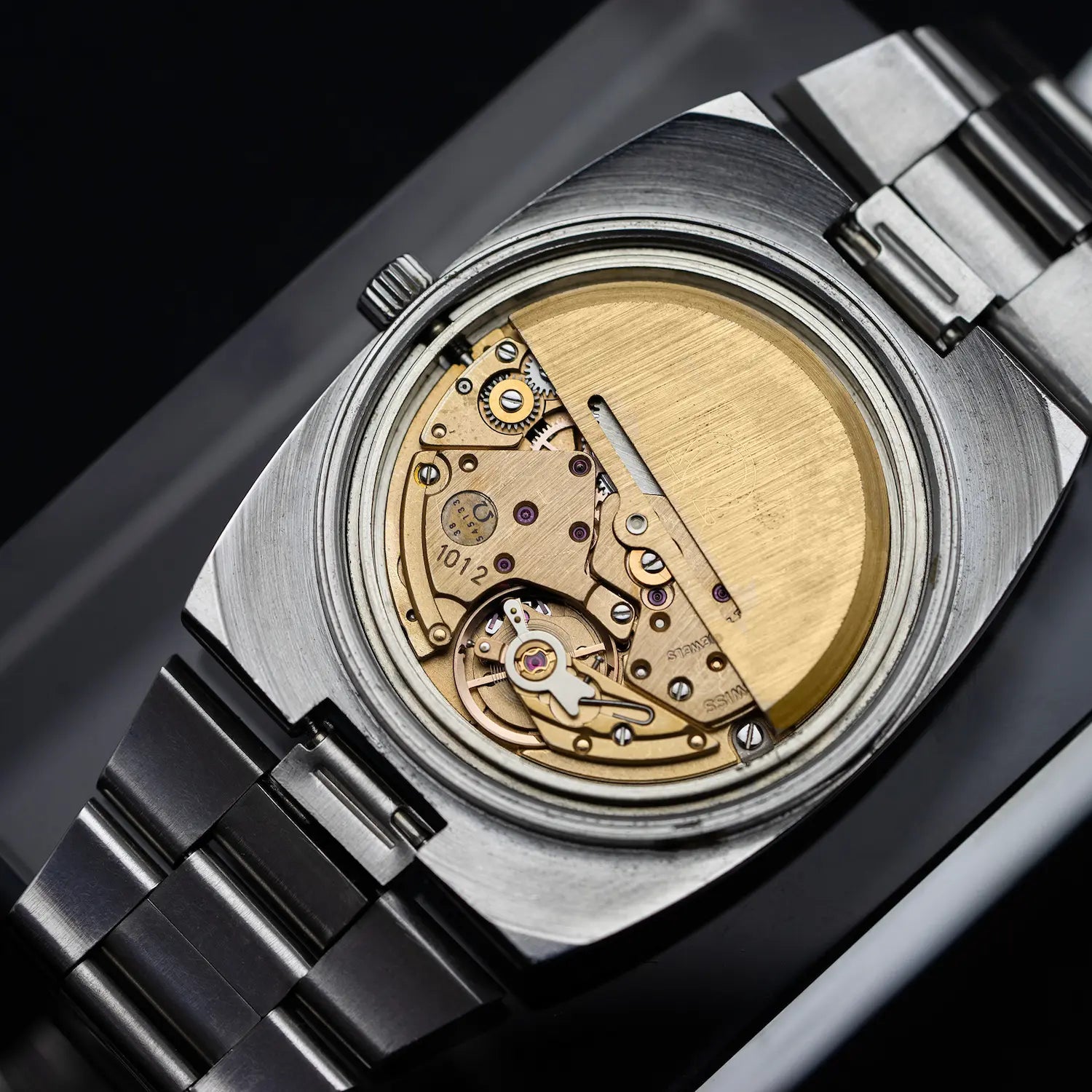
Watches produced between 1990 and 1999 reflect a period when quartz technology had reached a high level of maturity, while mechanical movements were regaining popularity among collectors. Swiss automatic calibers such as the ETA 2824-2 and ETA 2892-A2 offered established mechanical construction, while Japanese movements from Seiko, Citizen, and Orient provided dependable alternatives across different price categories. Quartz watches remained particularly popular for their accuracy, relatively low maintenance requirements, and versatility in everyday use.
When evaluating a vintage watch from the 1990s, movement condition and originality deserve careful attention. Mechanical watches may require servicing to address aging lubricants, worn components, or reduced amplitude. Quartz watches can present different challenges, including battery leakage, damaged electrical contacts, deteriorated coils, or unavailable electronic modules. Some early-generation Kinetic and light-powered models may also require replacement energy-storage components. Understanding these differences is essential when selecting a reliable and collectible timepiece.
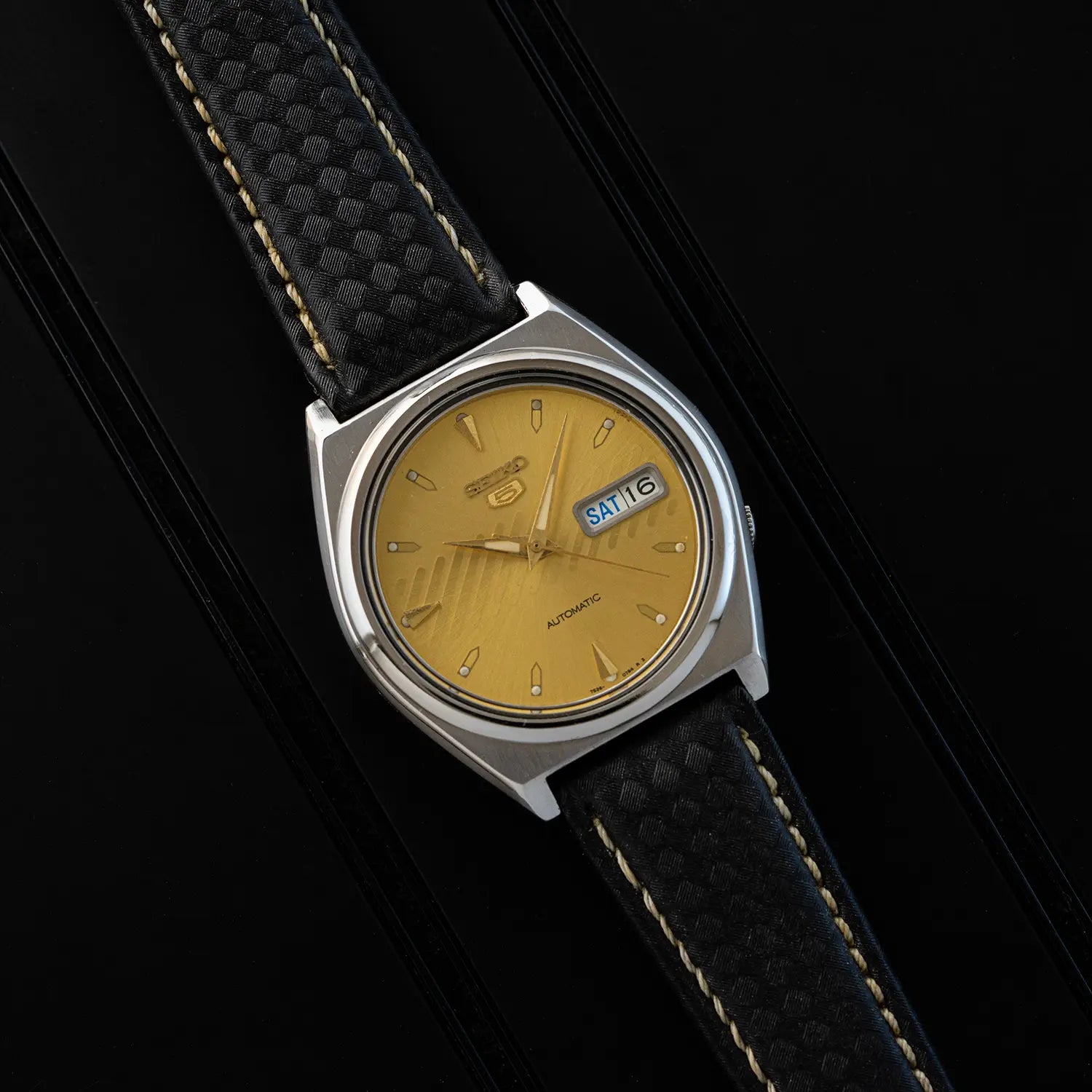
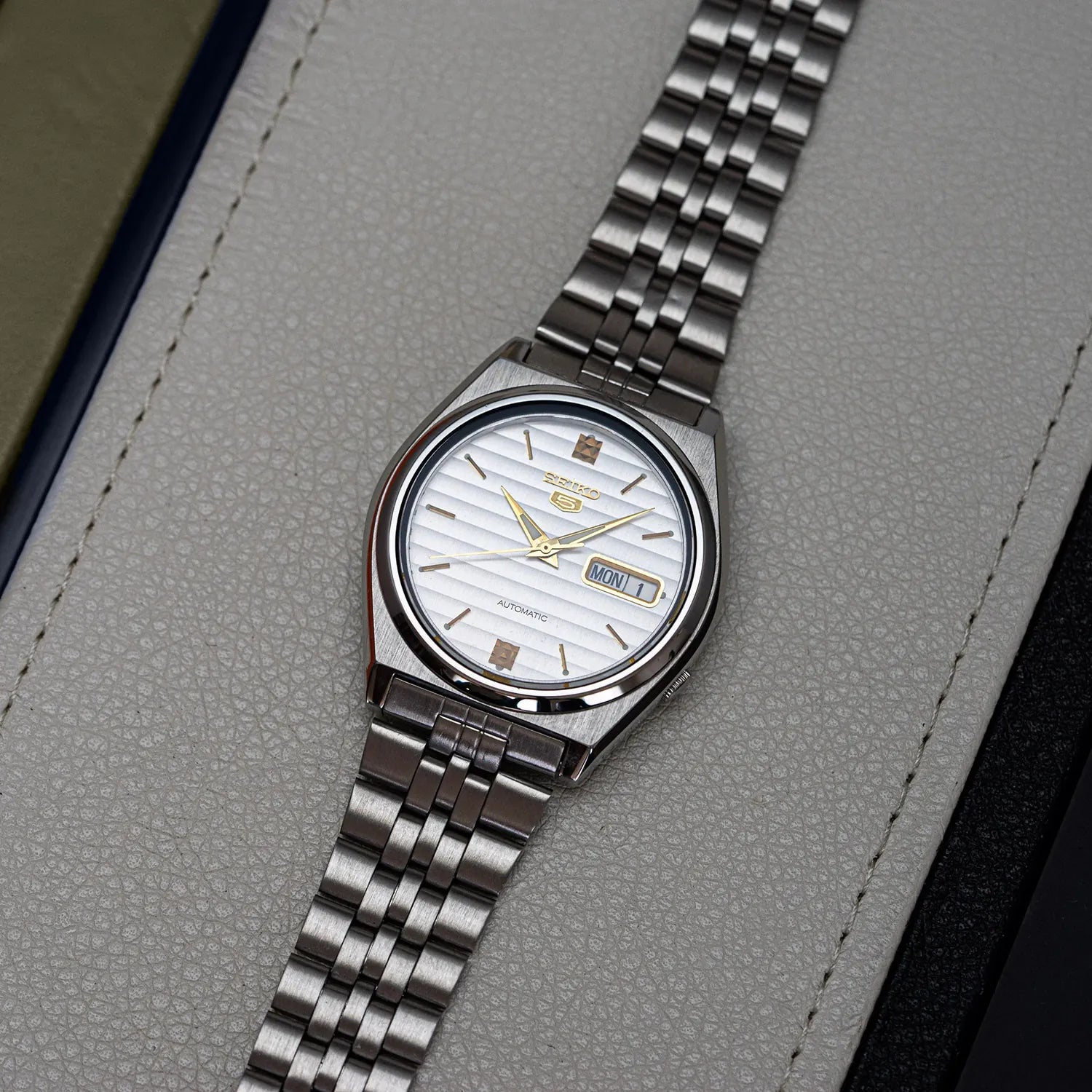
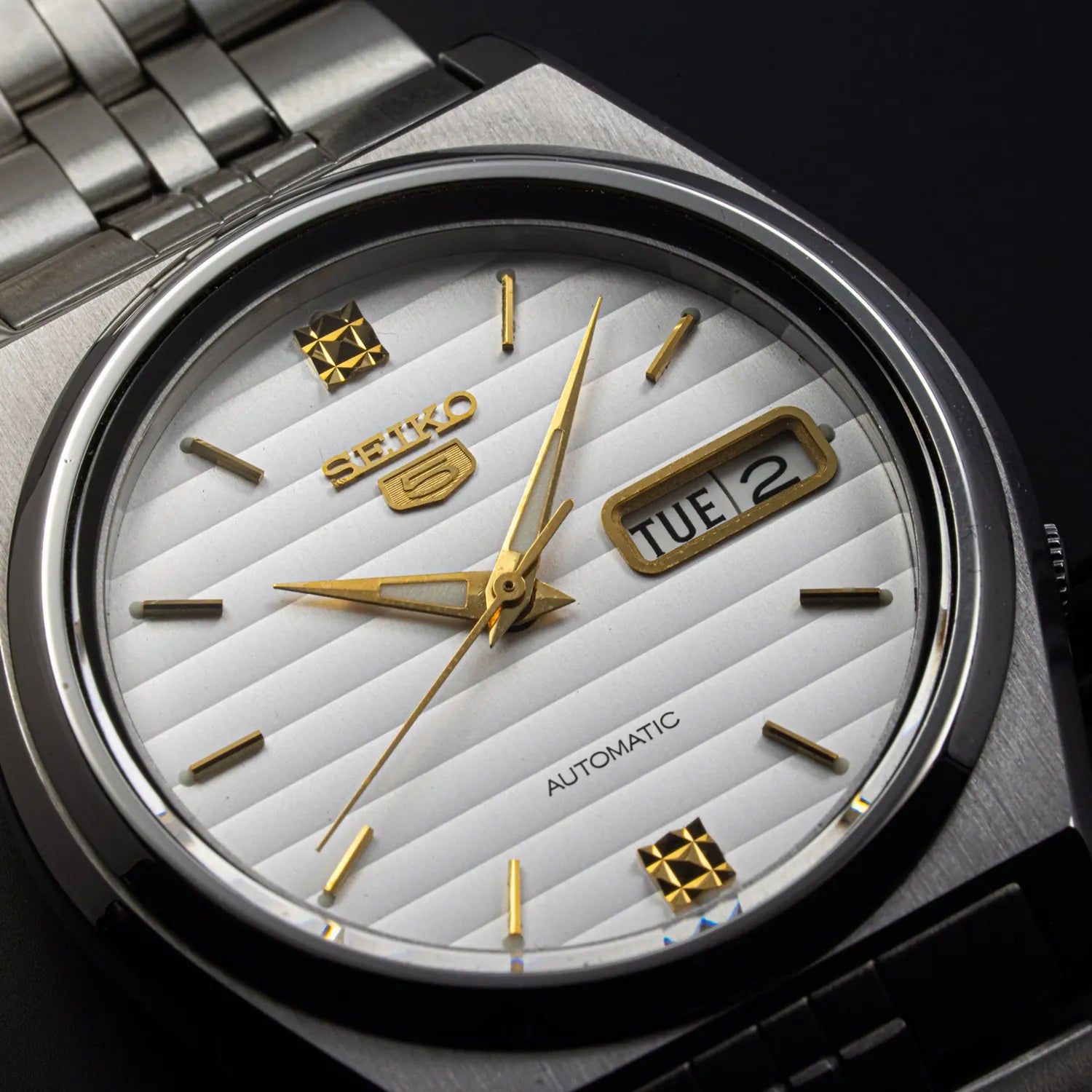
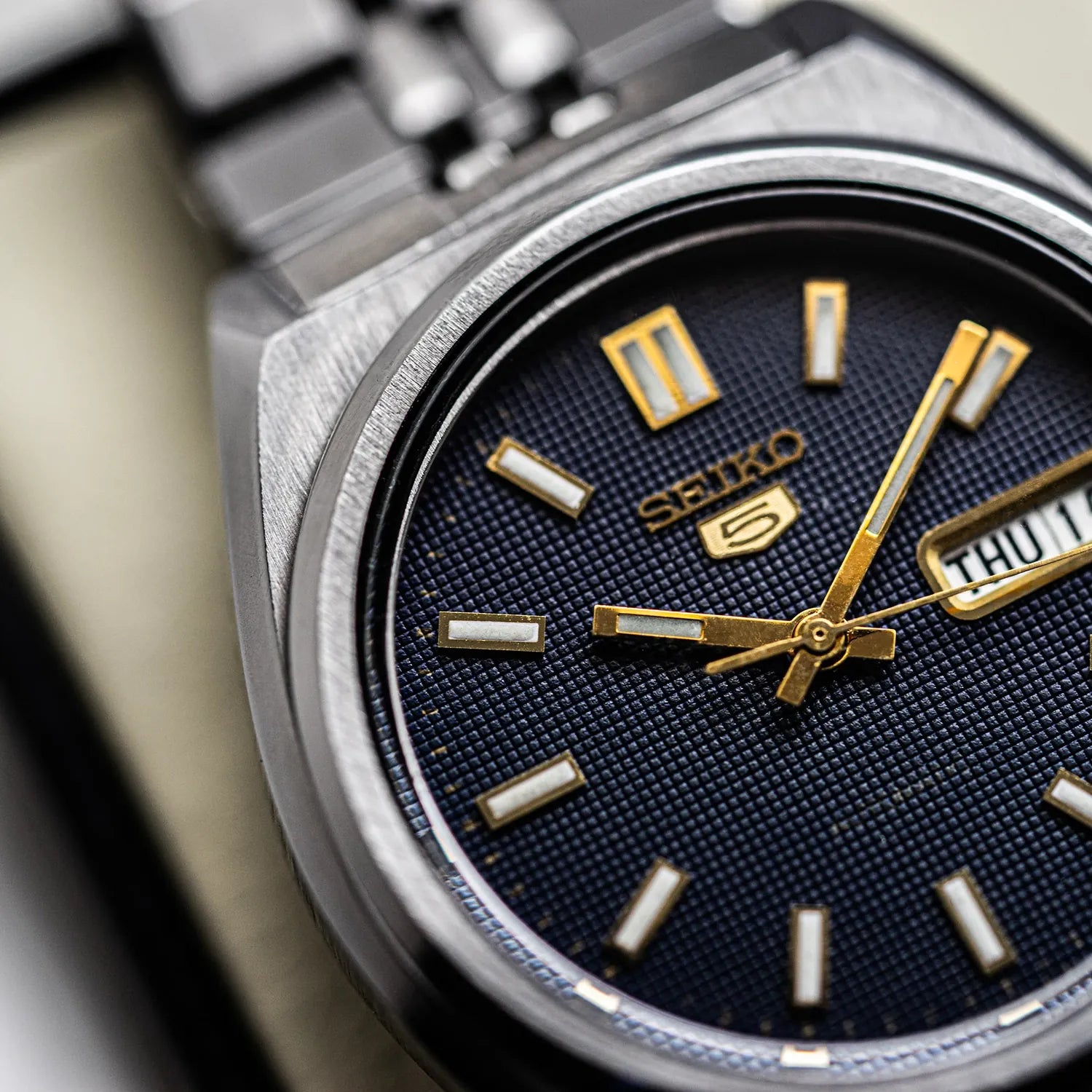
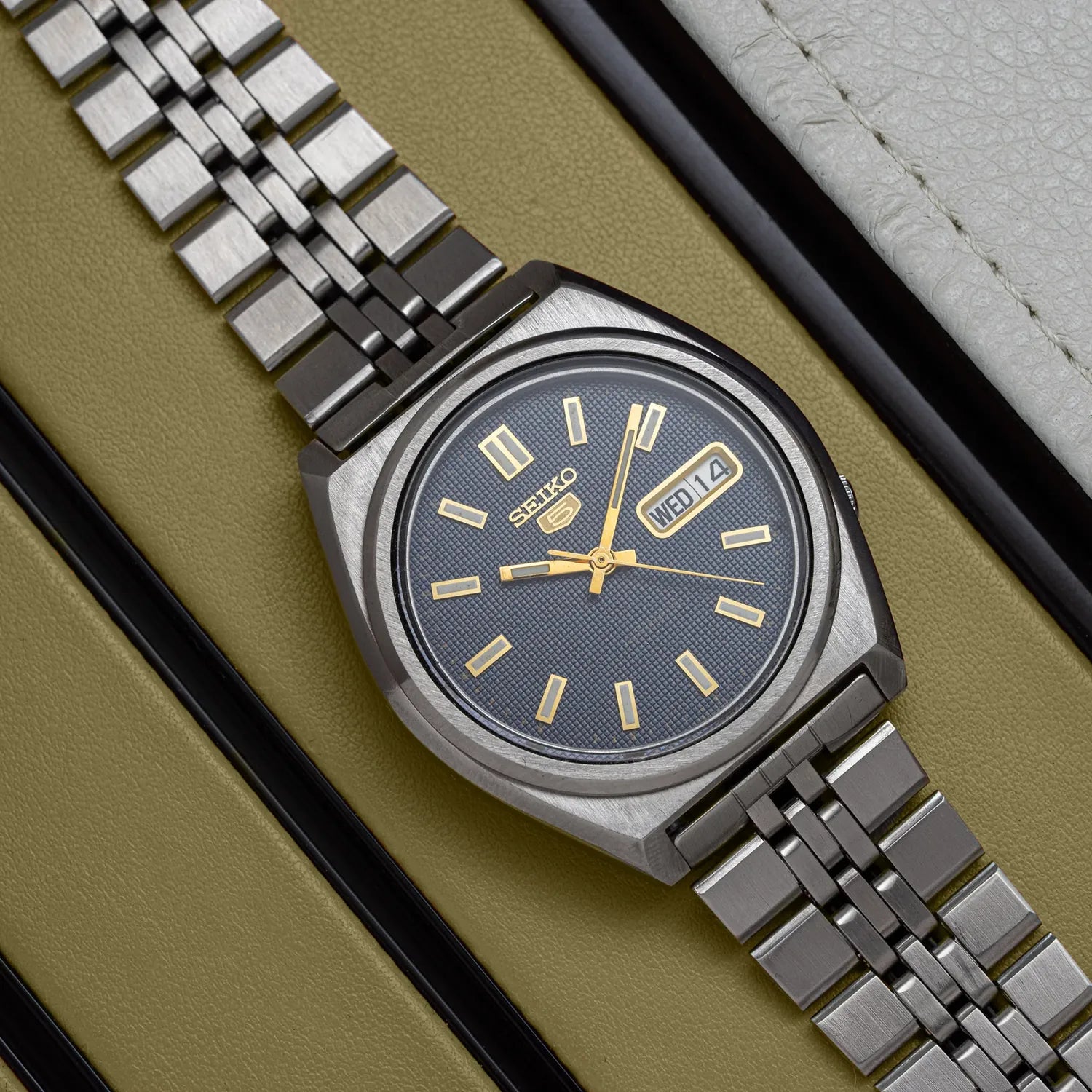
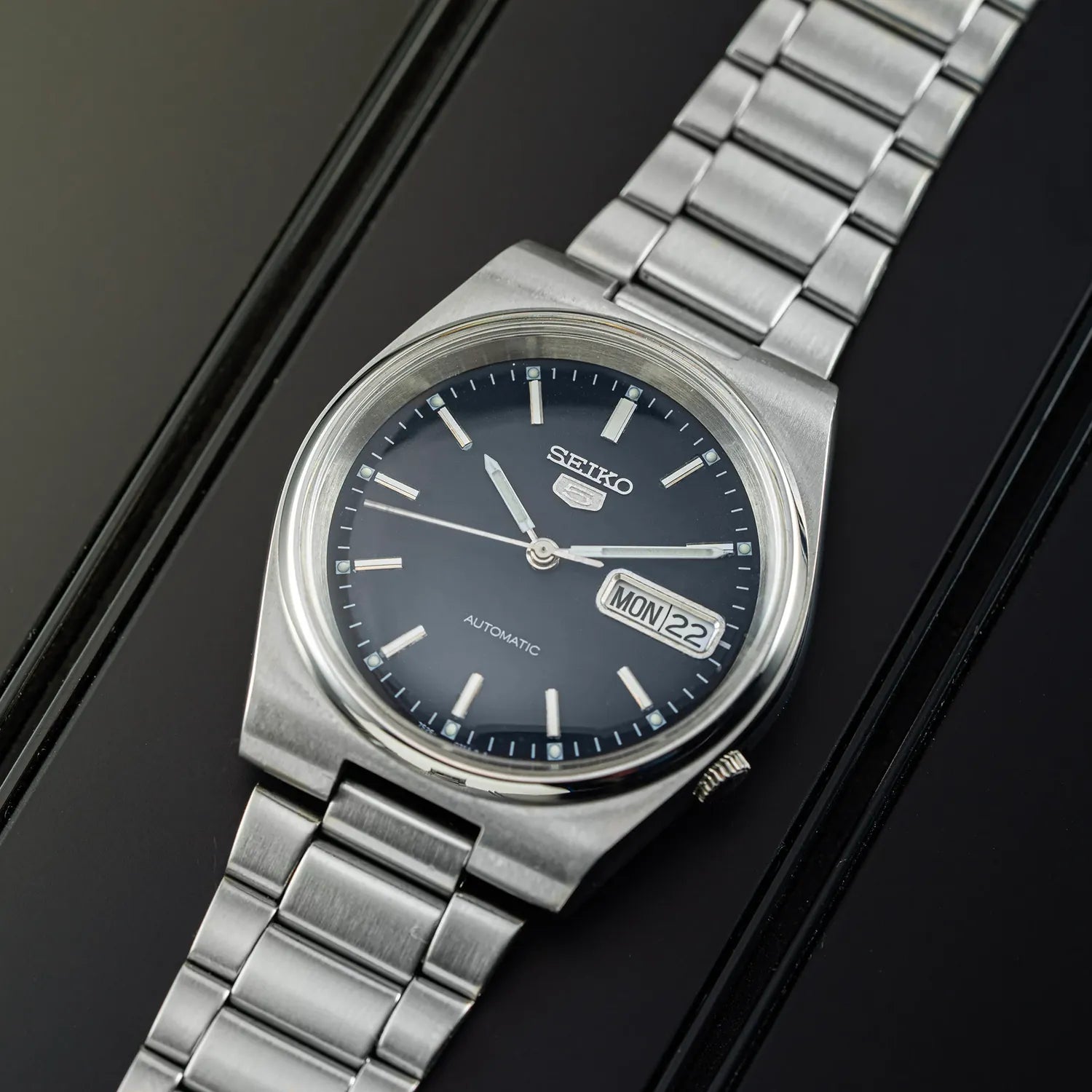
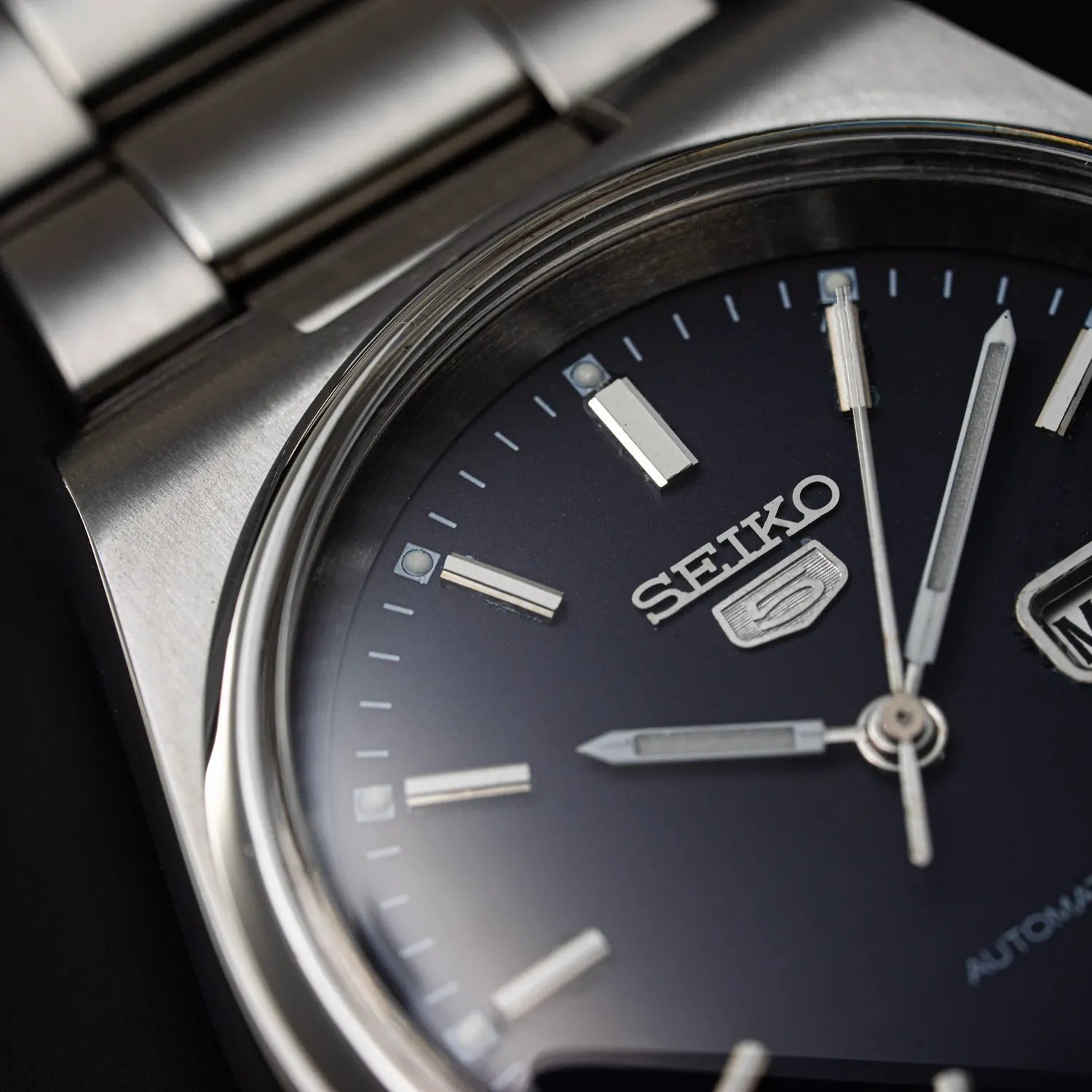
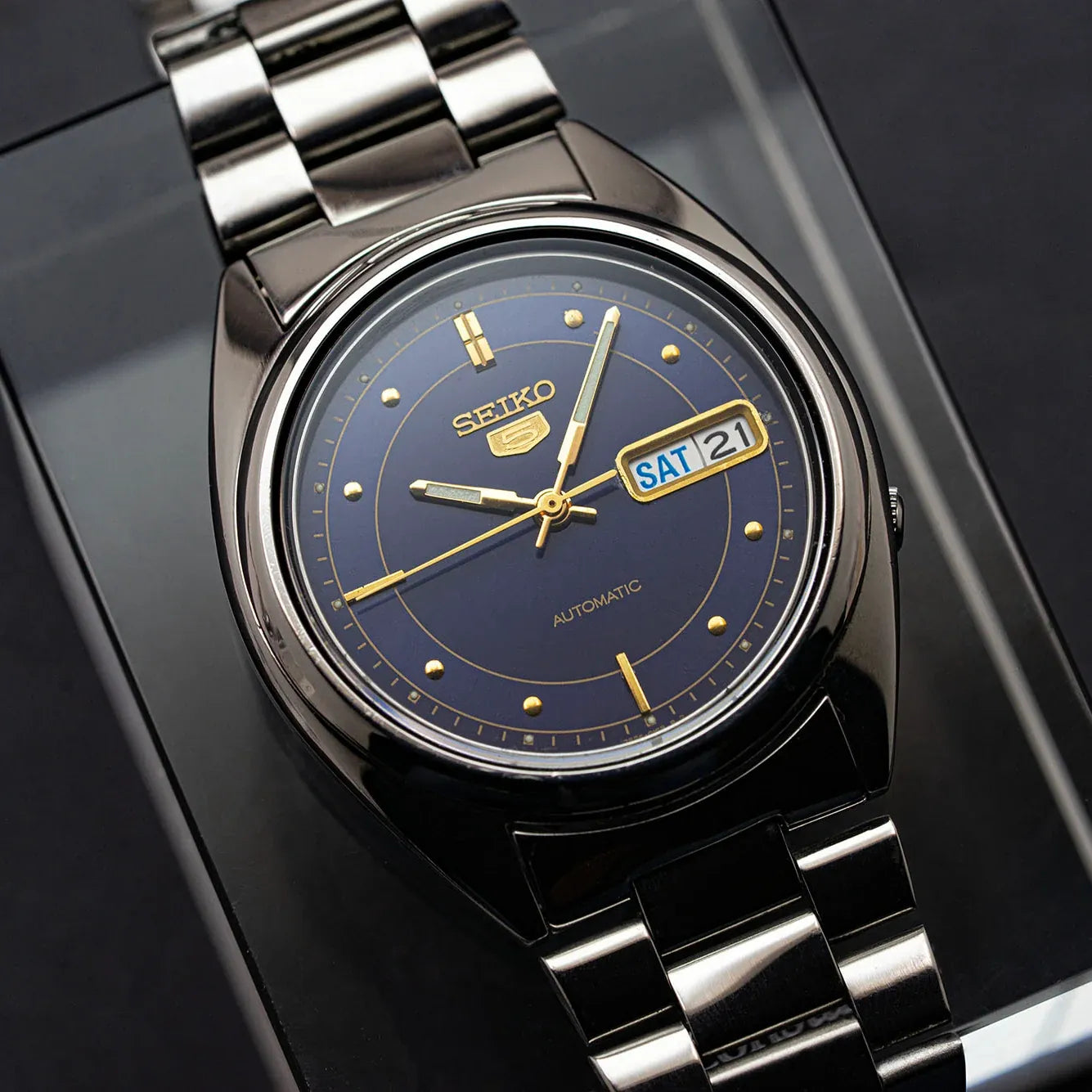
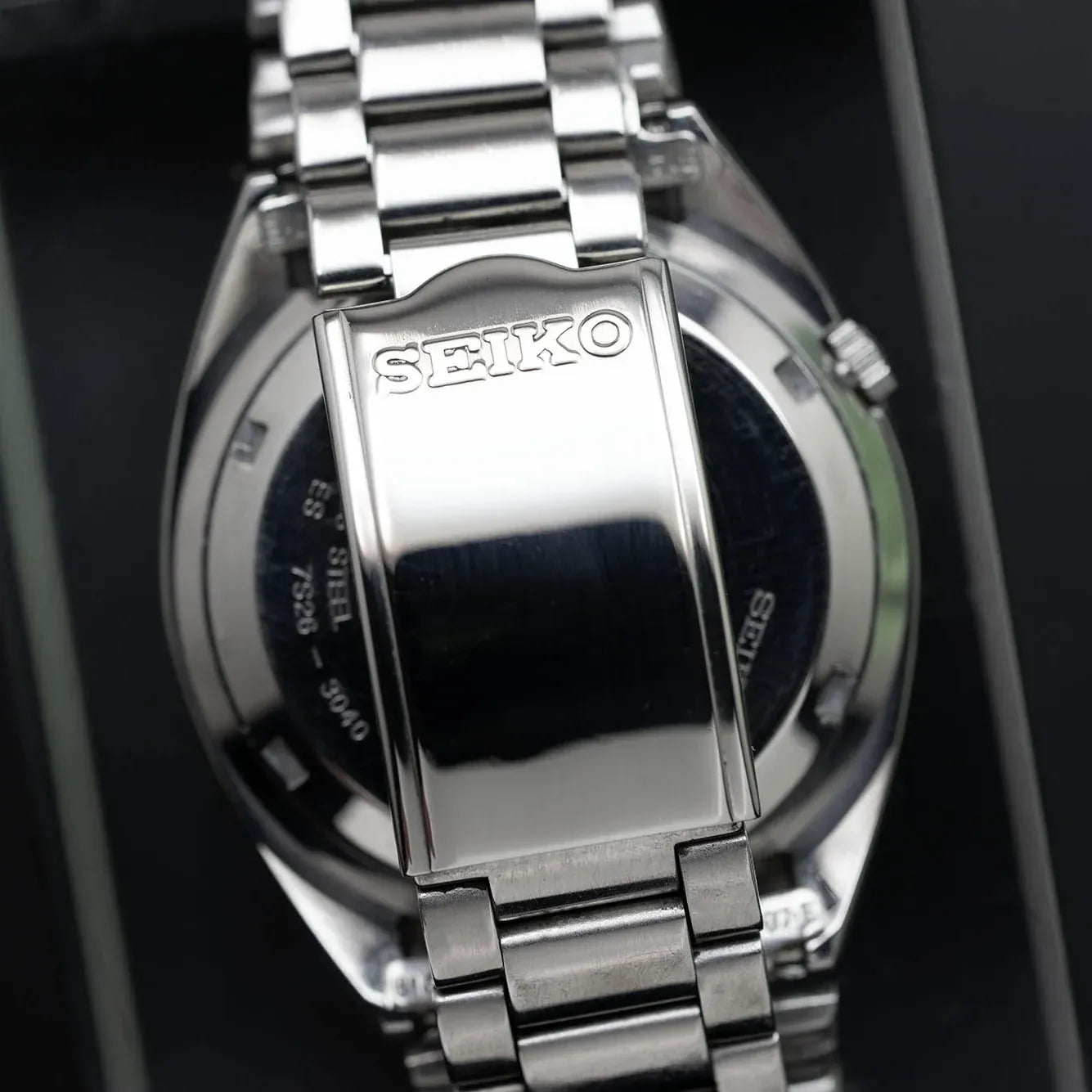
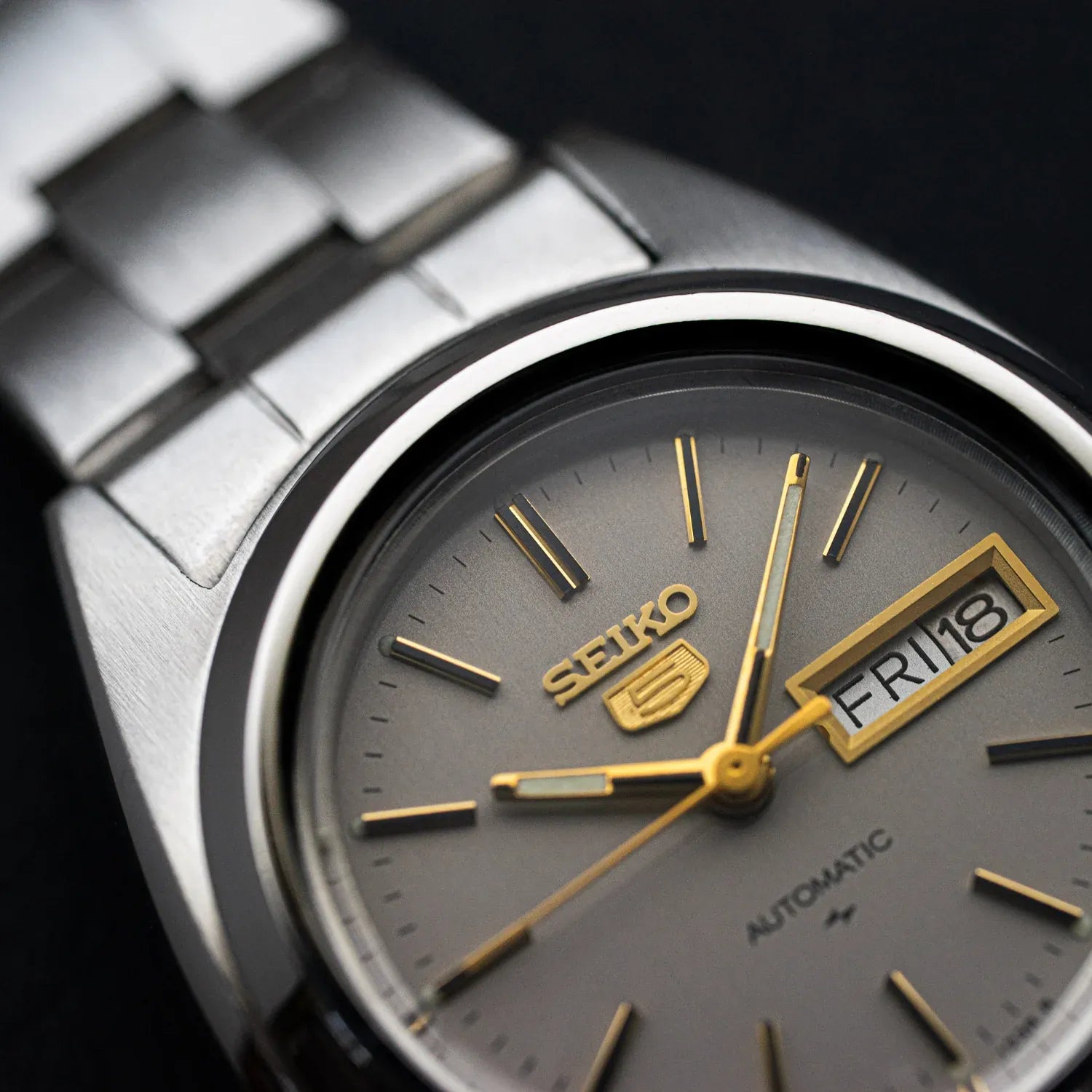
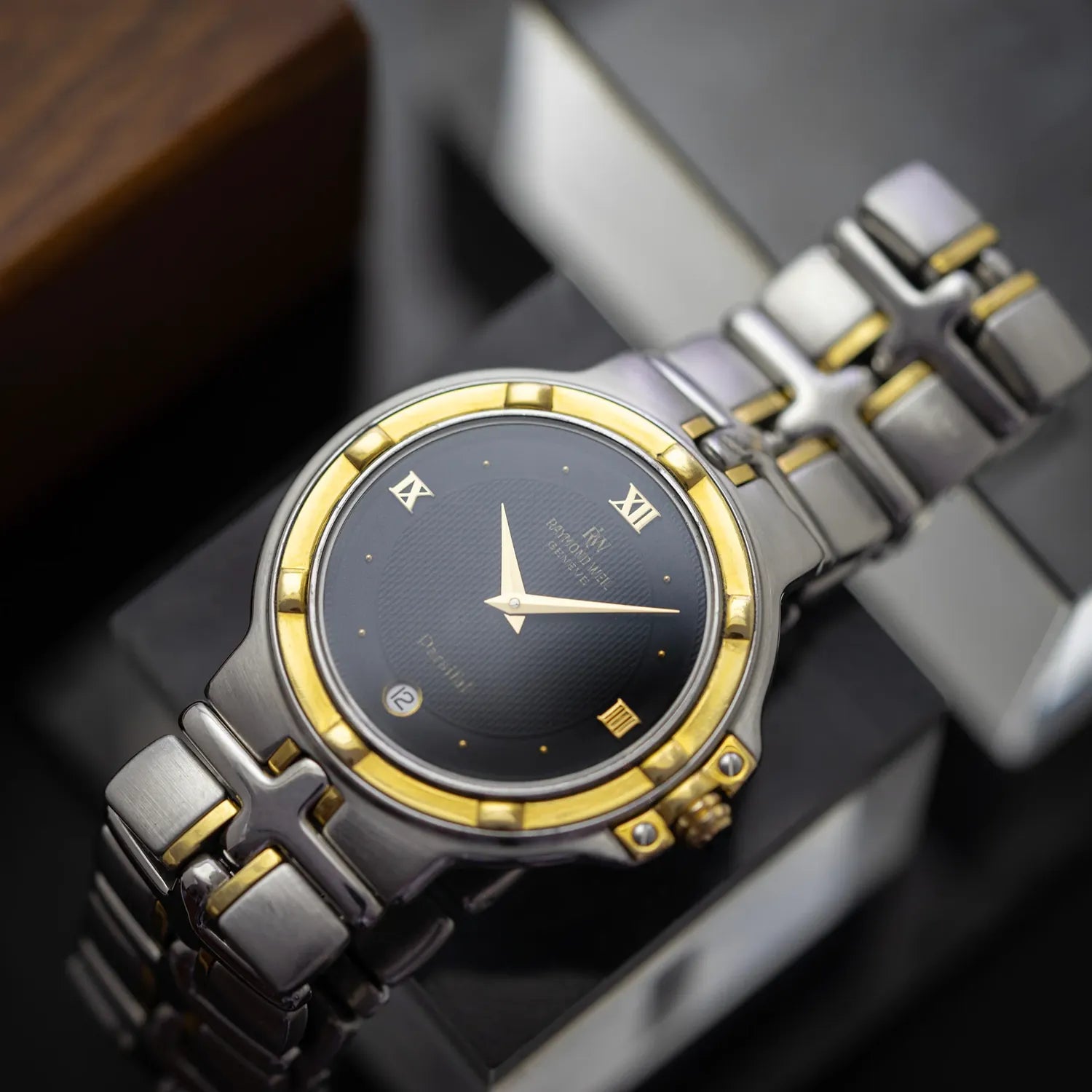
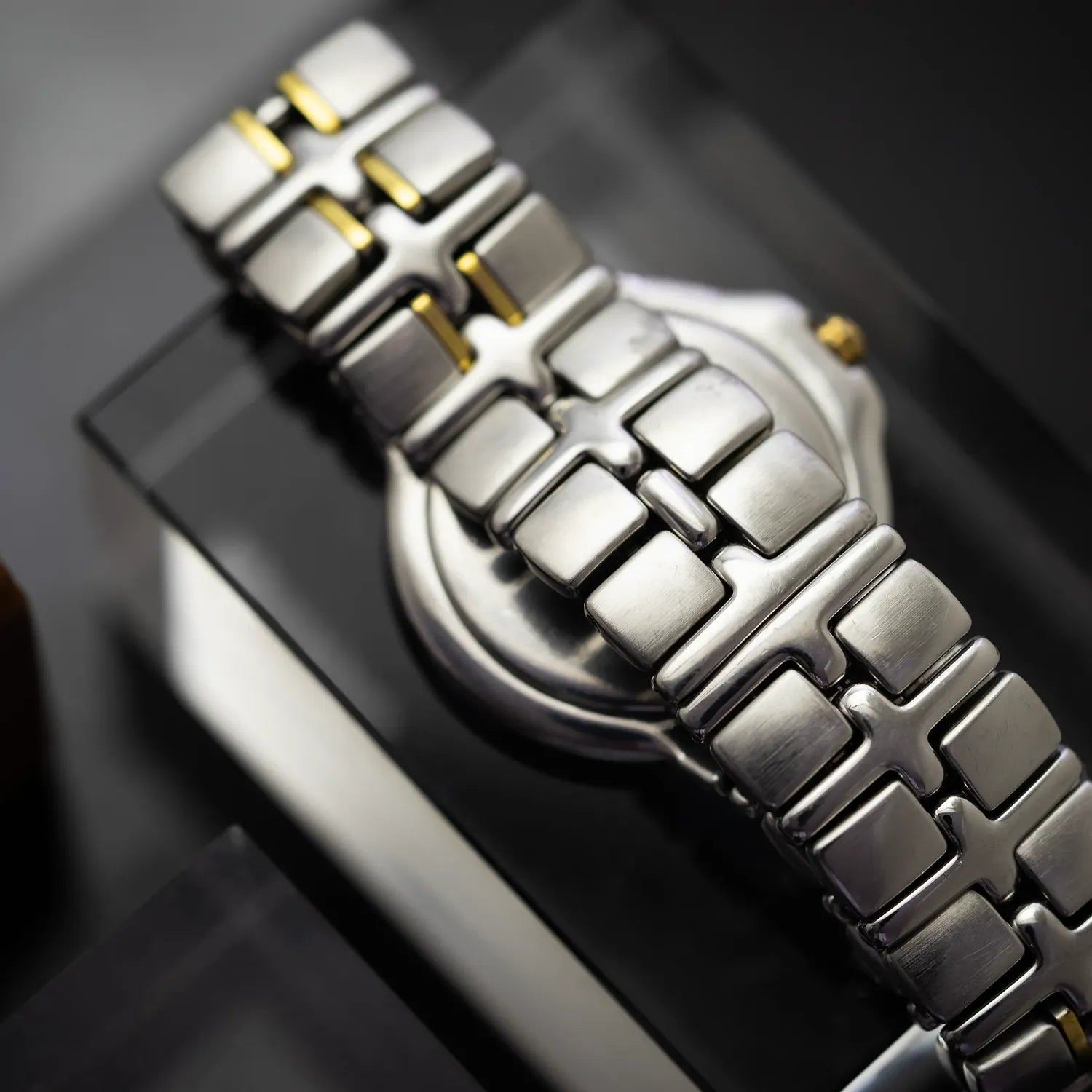
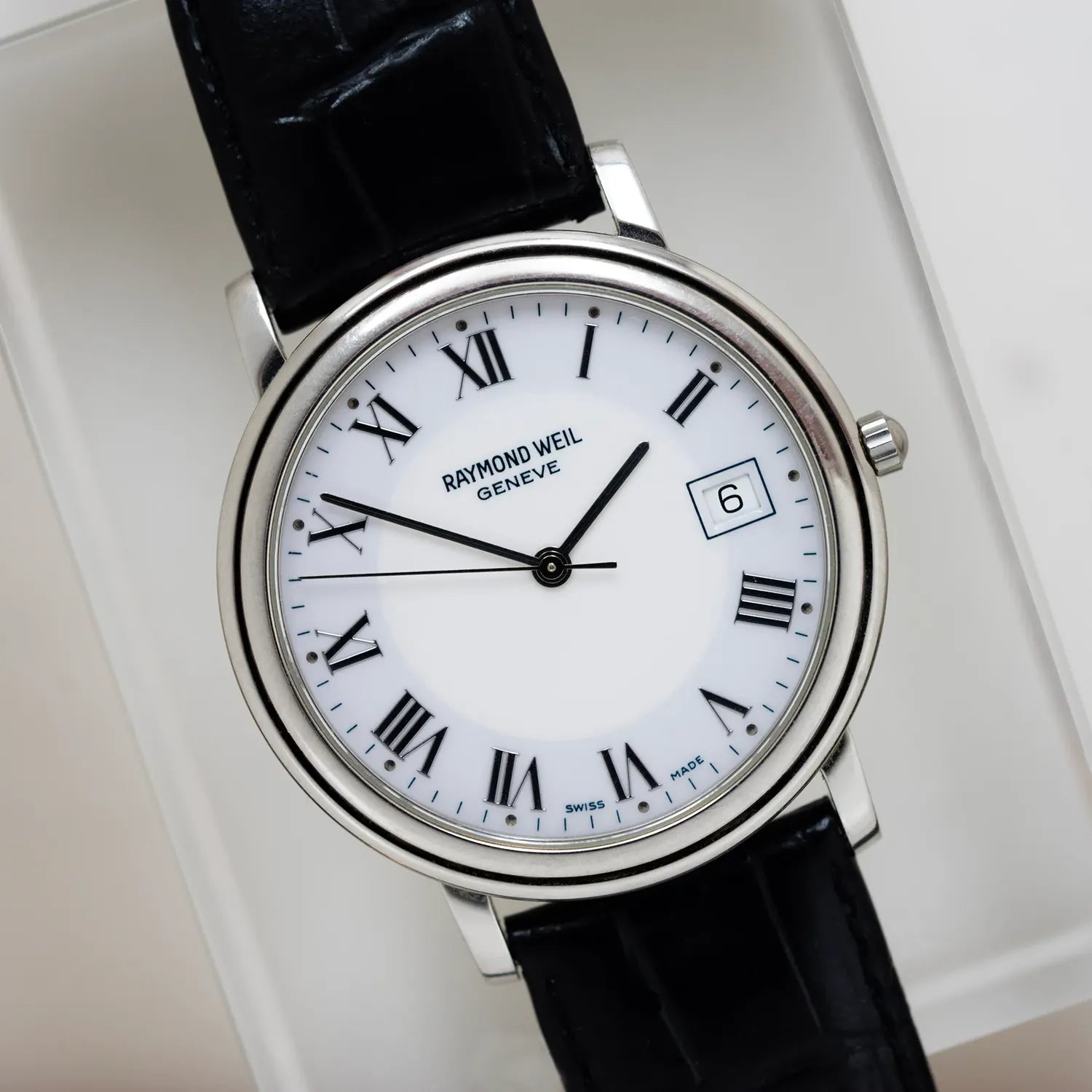
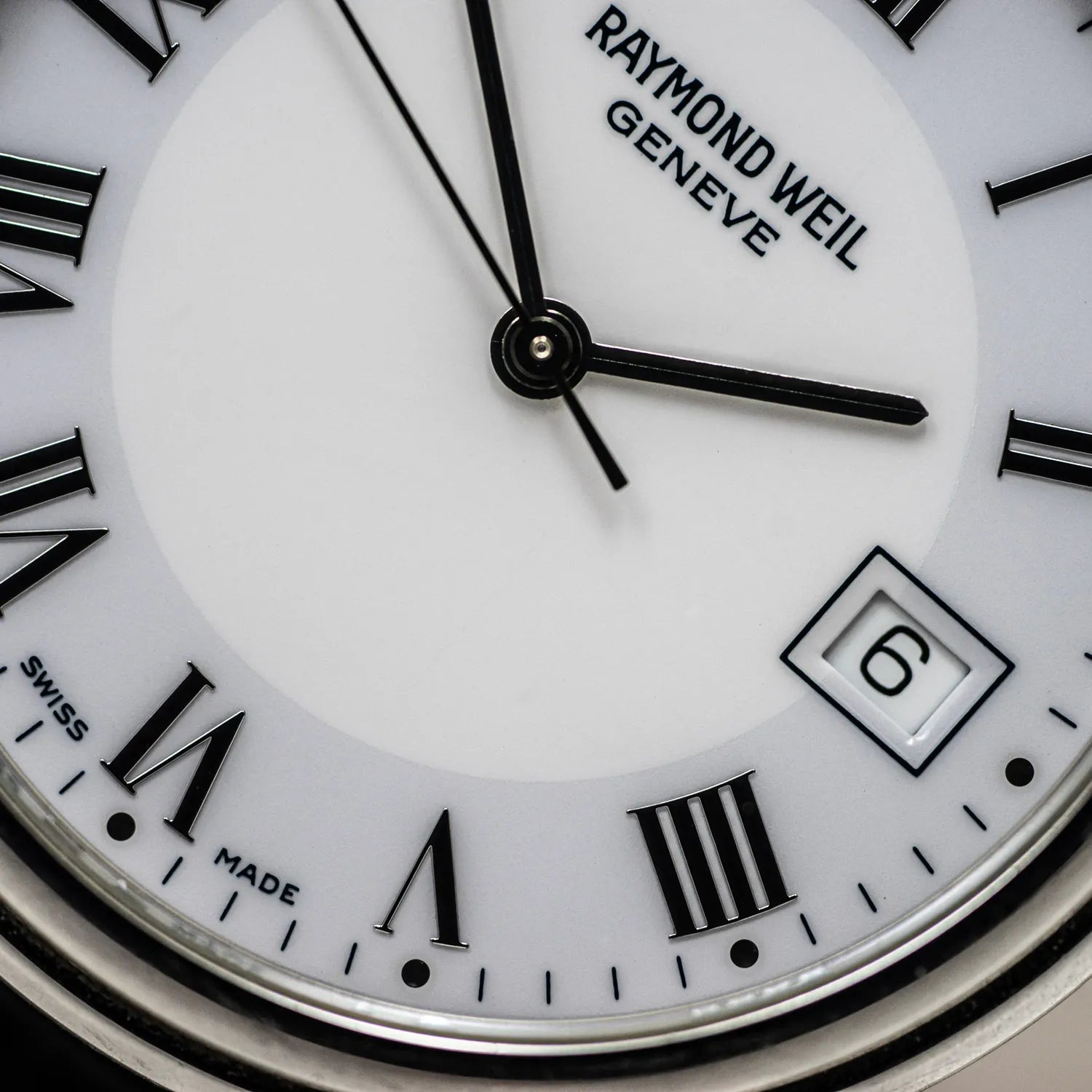
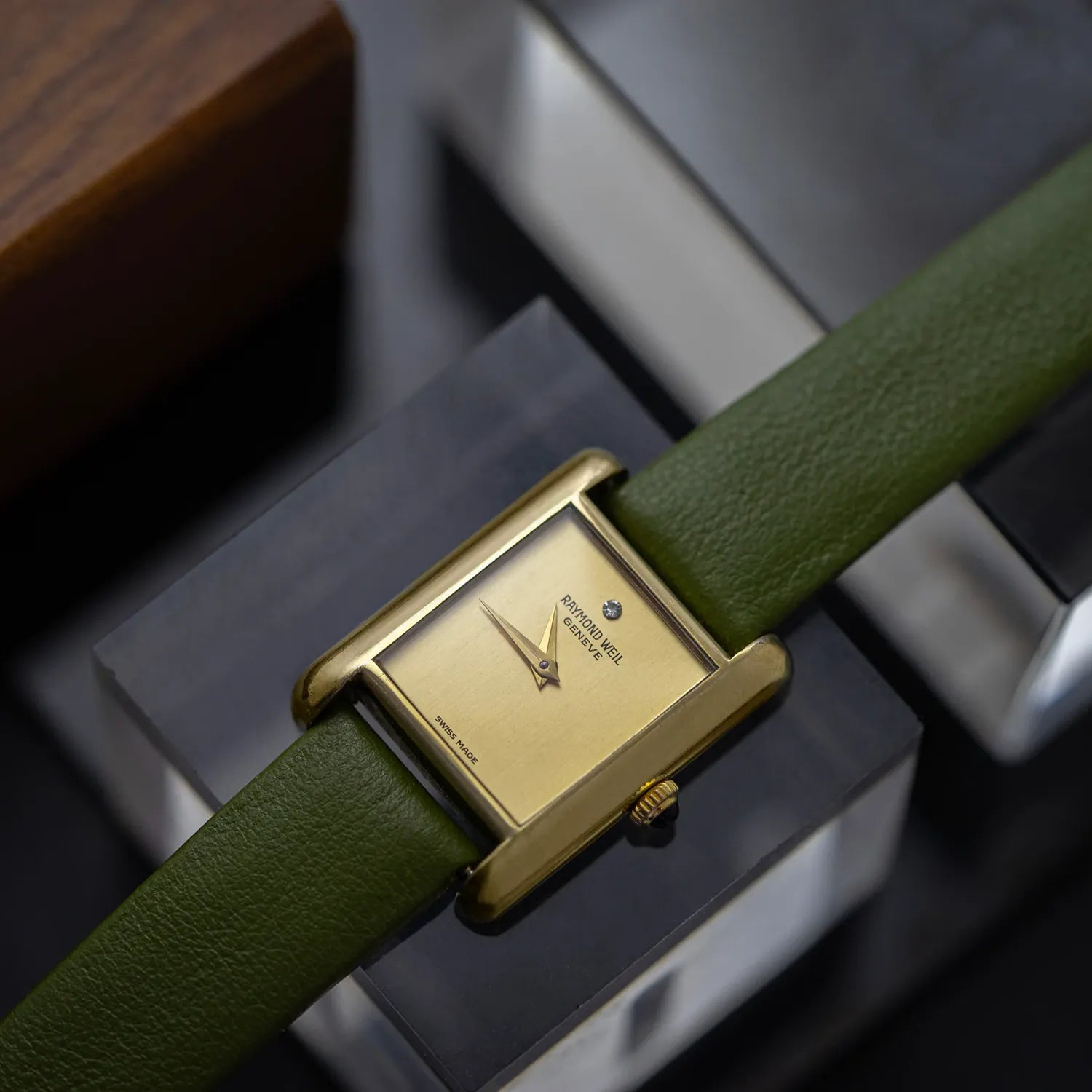
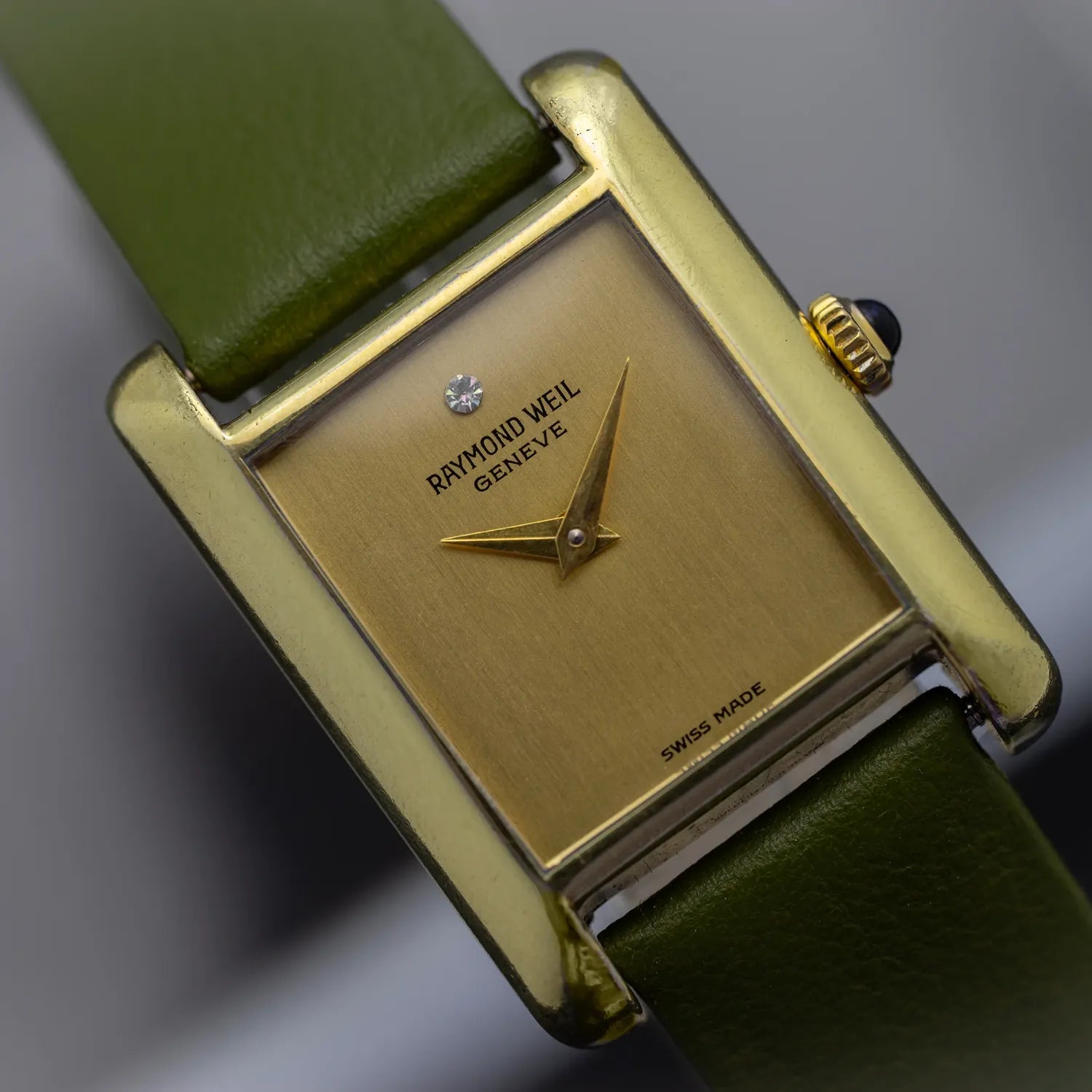
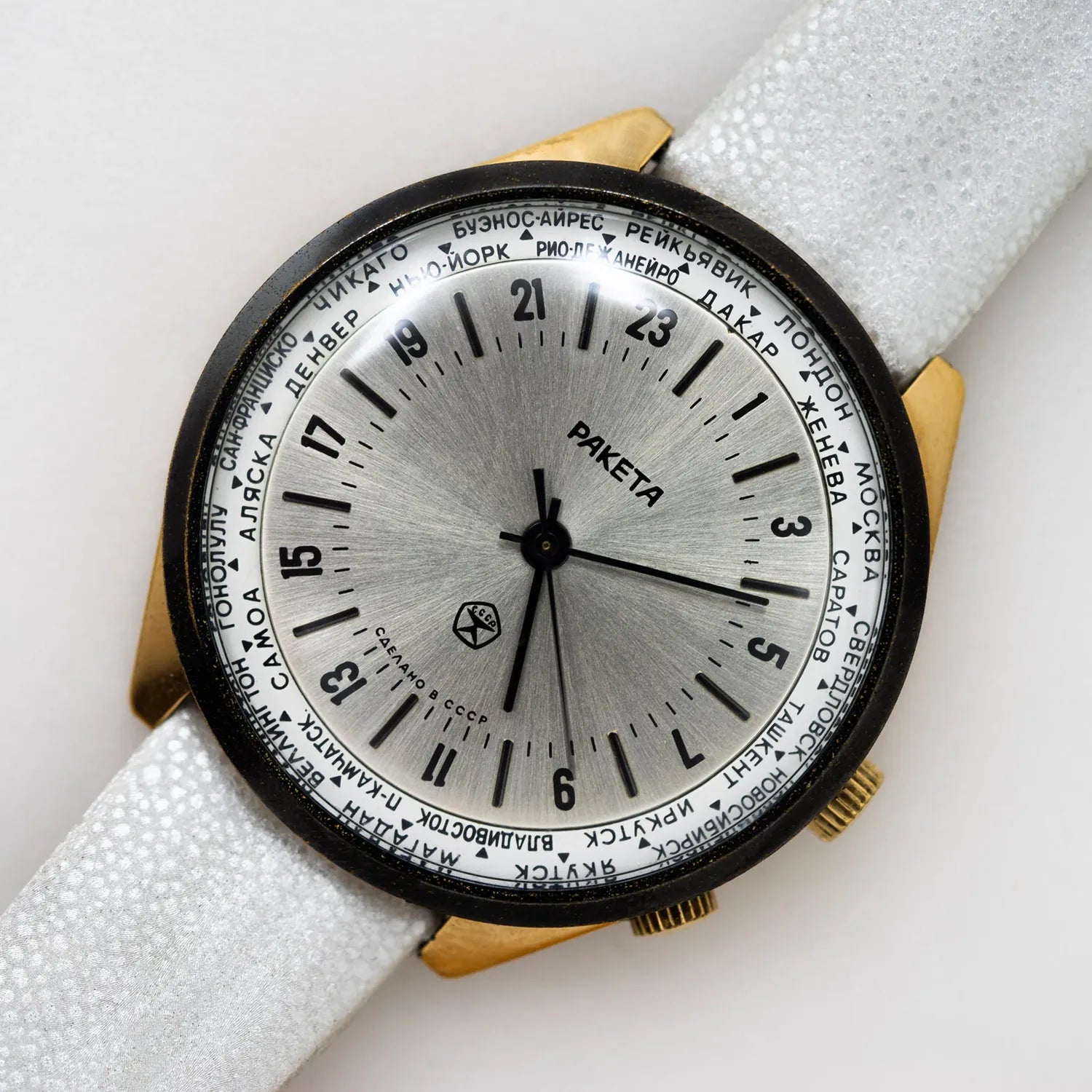
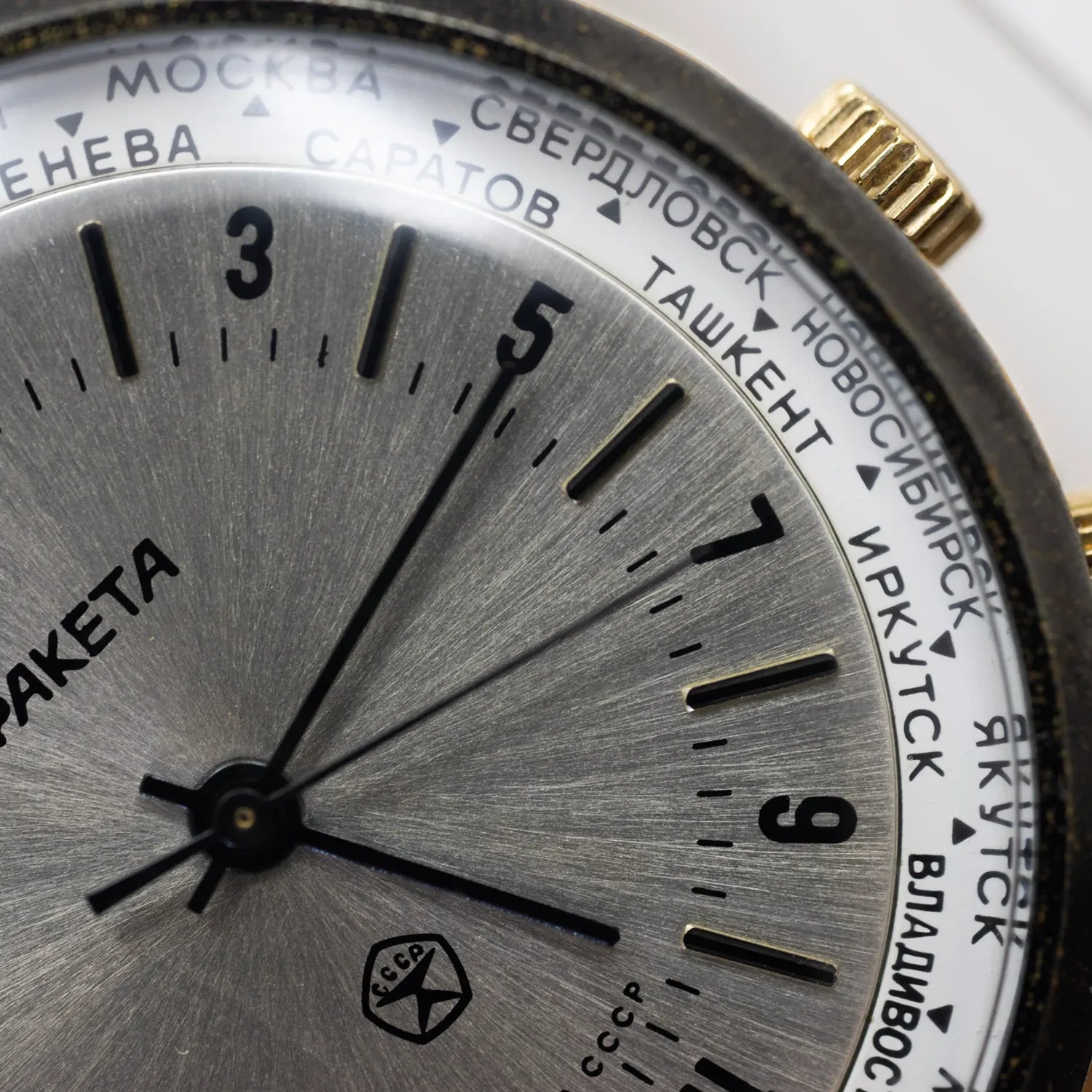
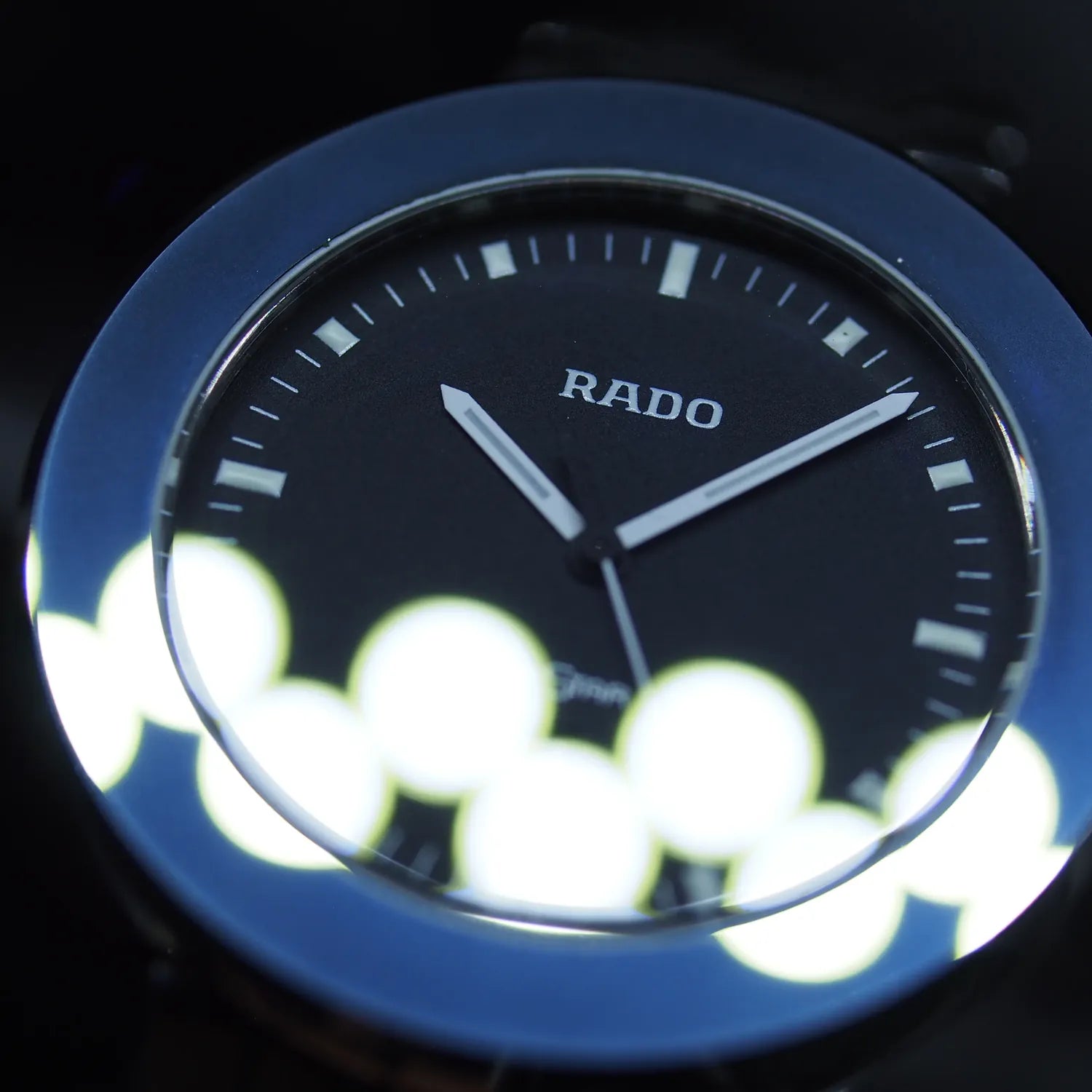
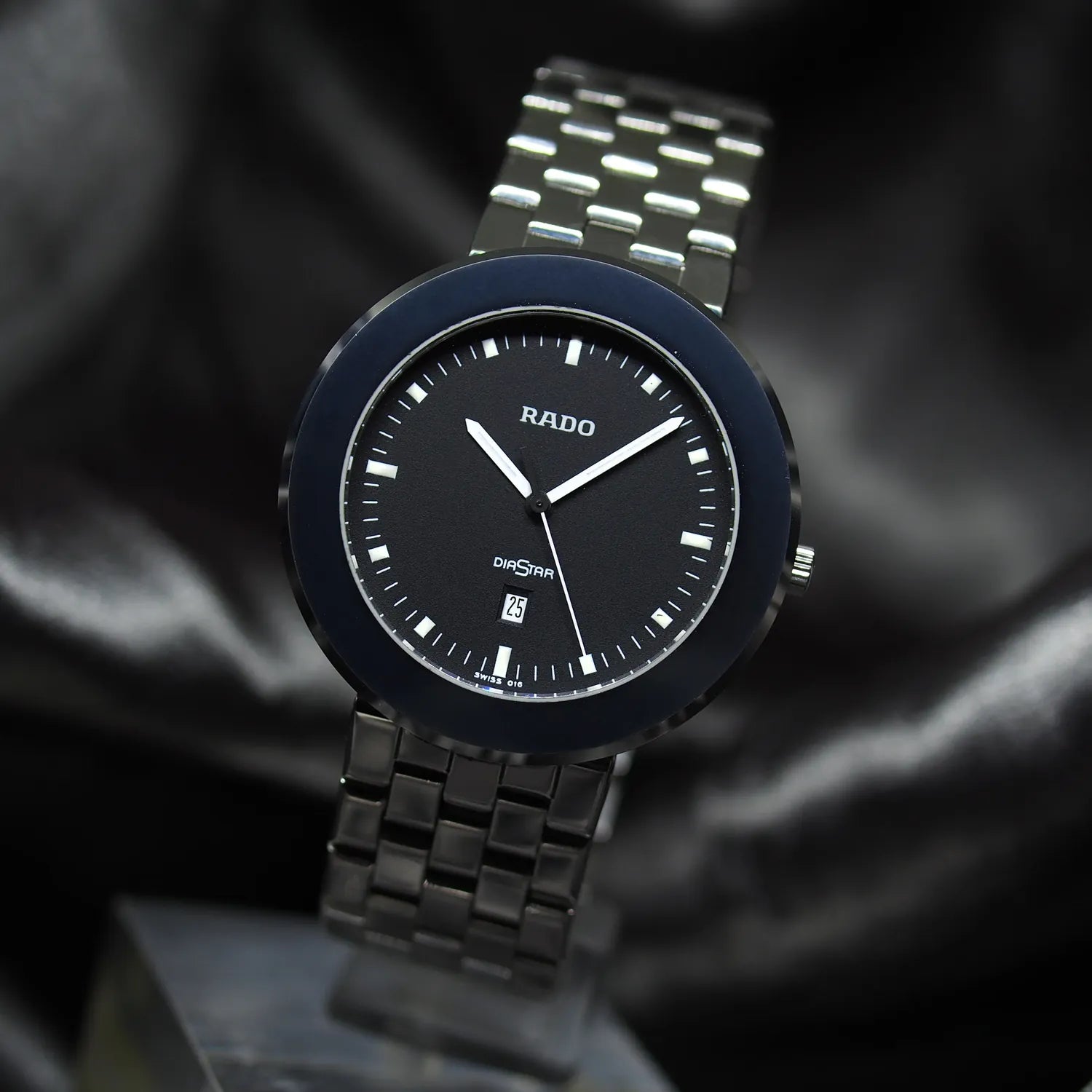
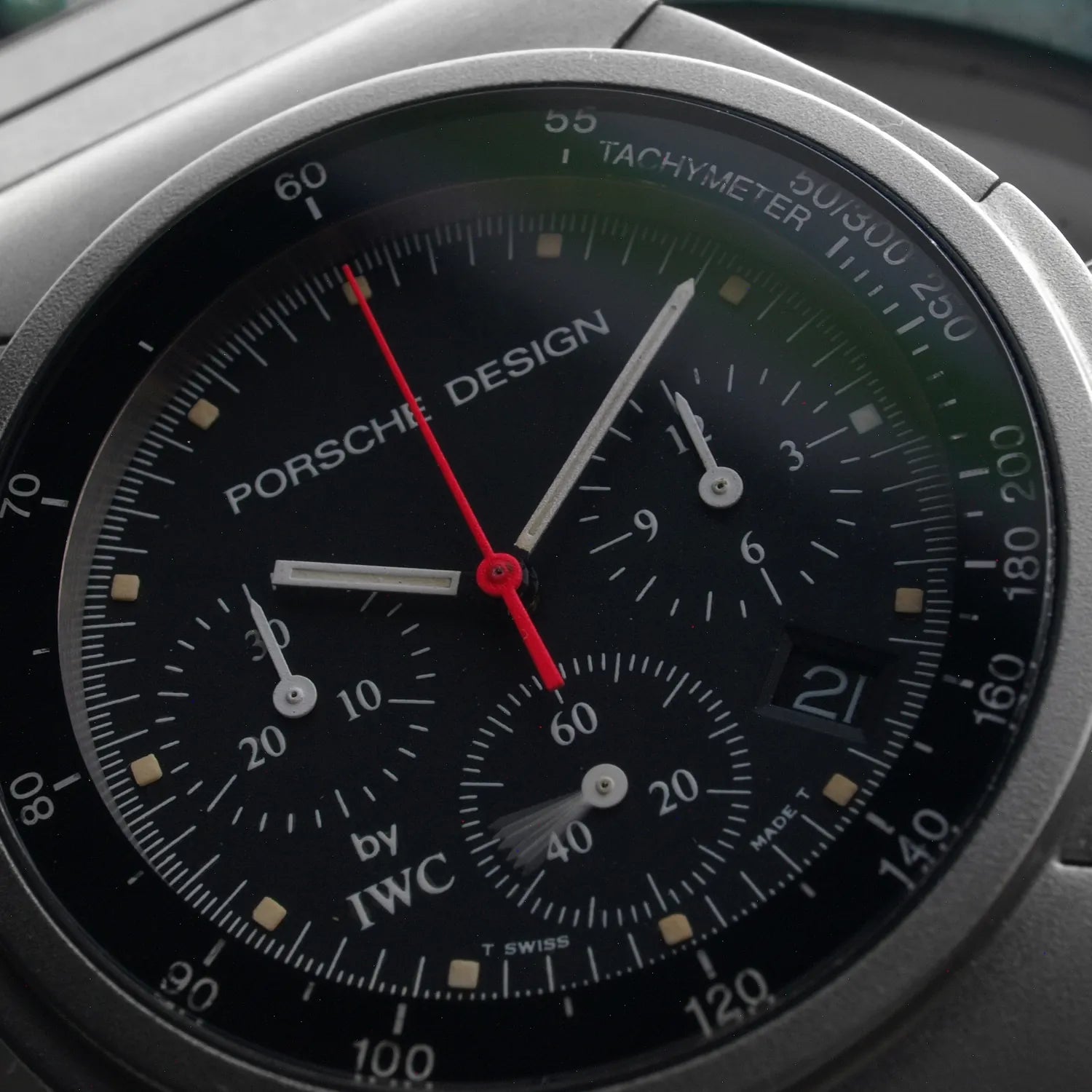
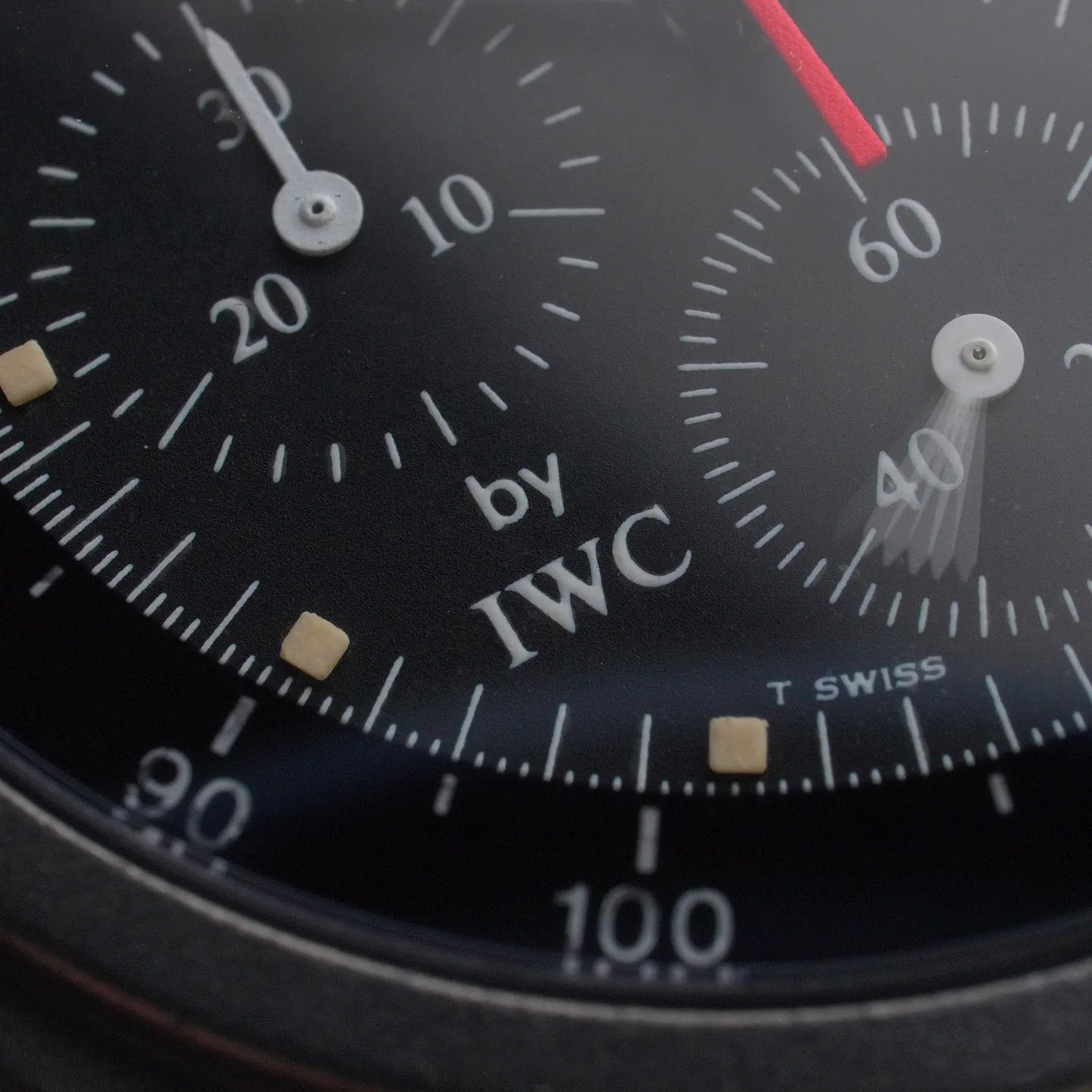
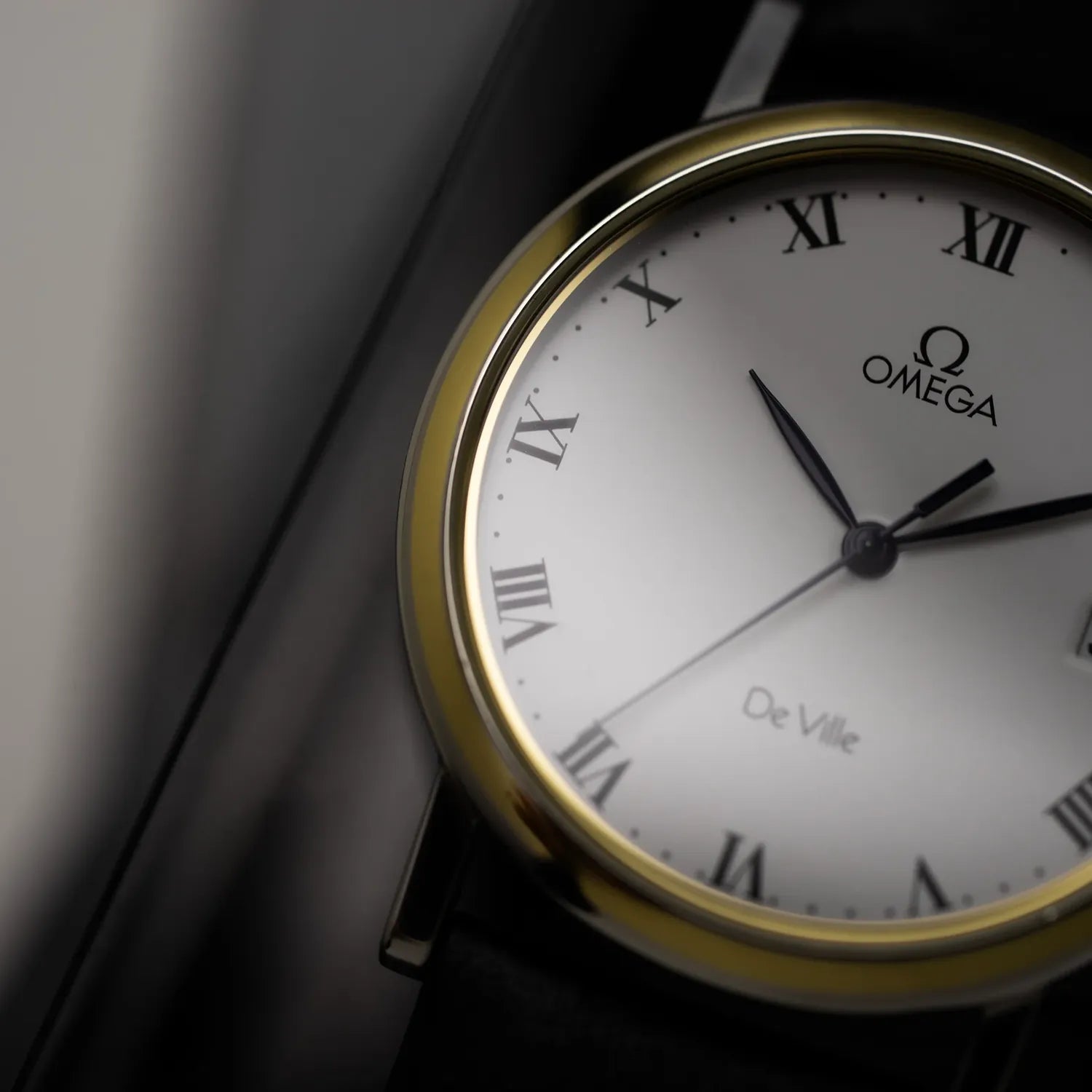
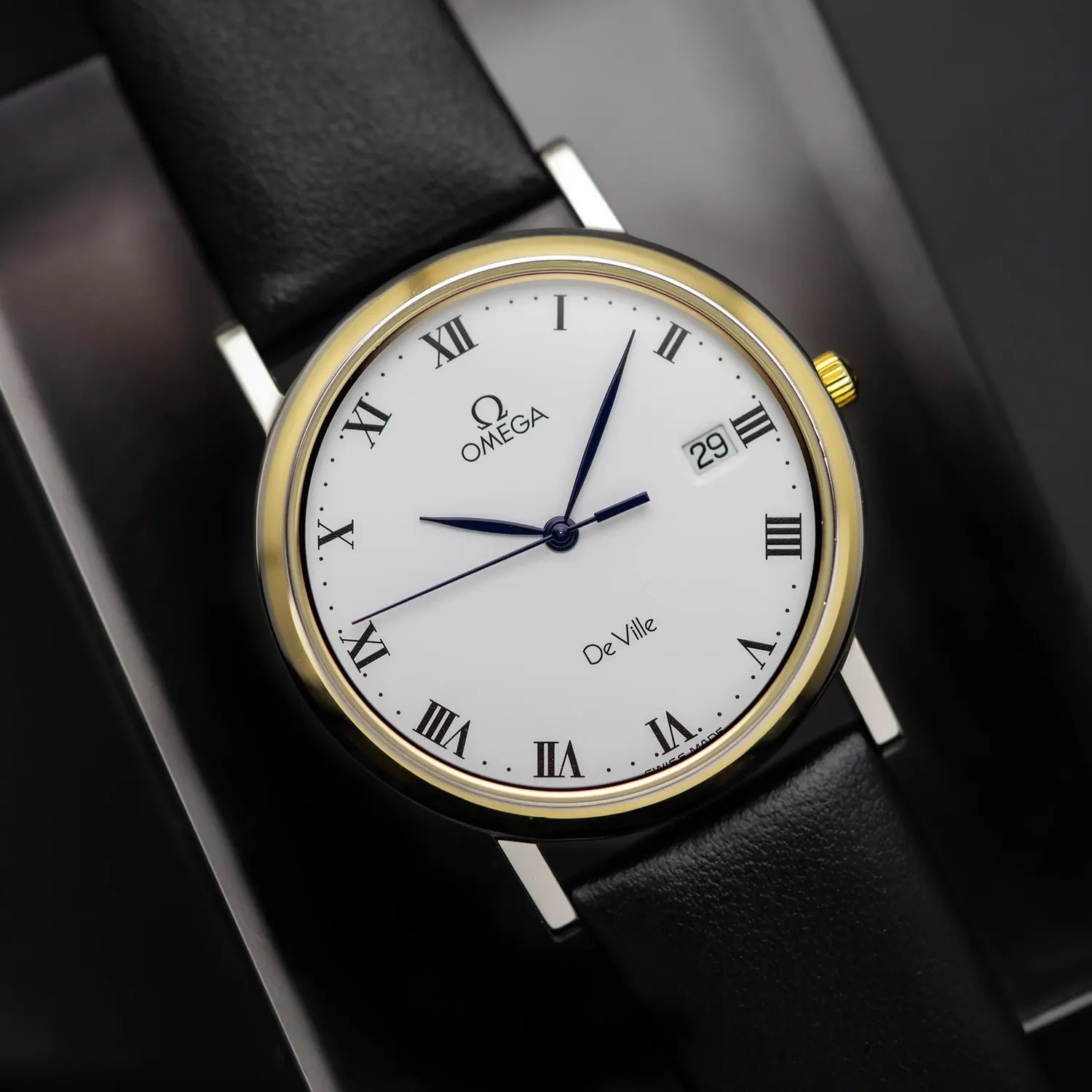
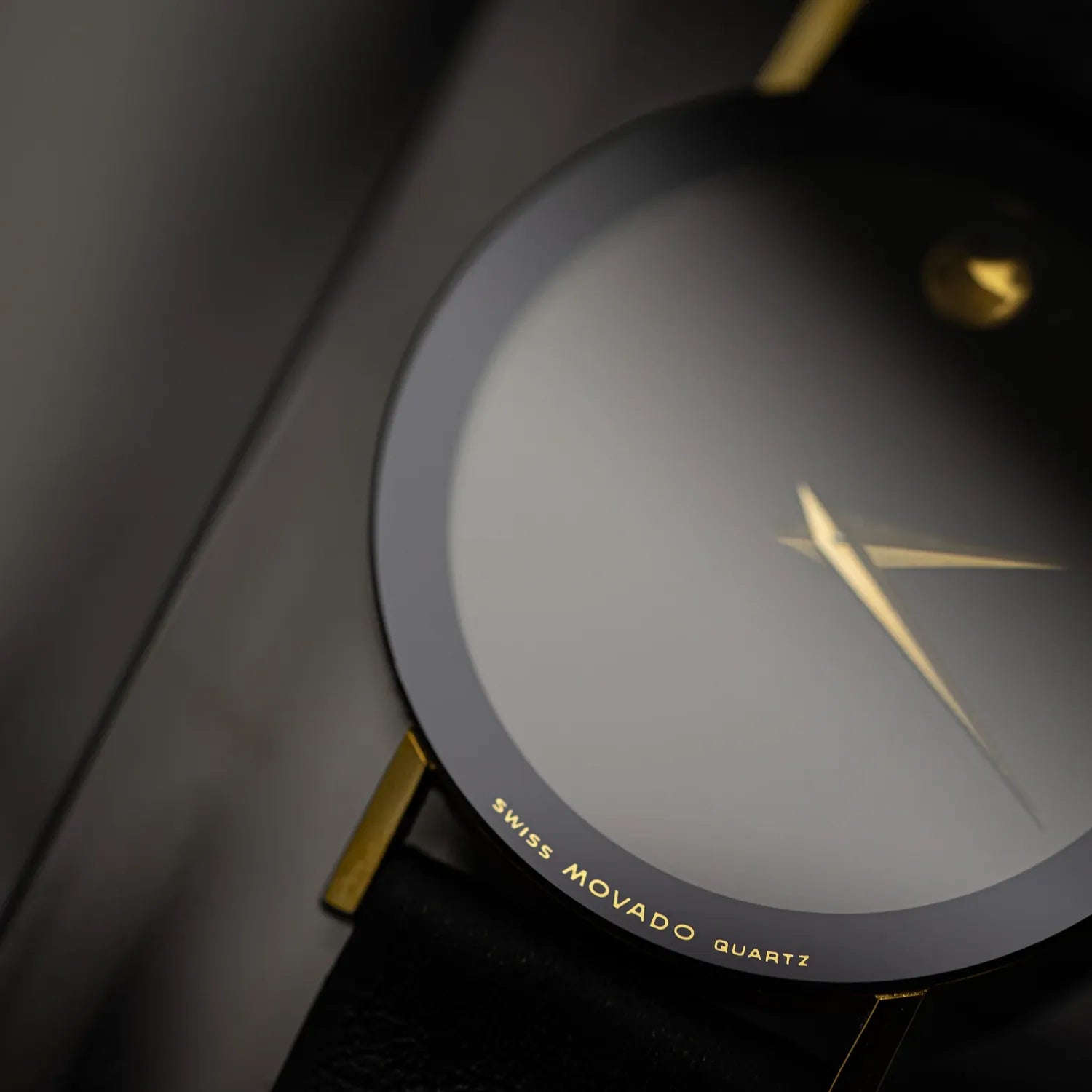
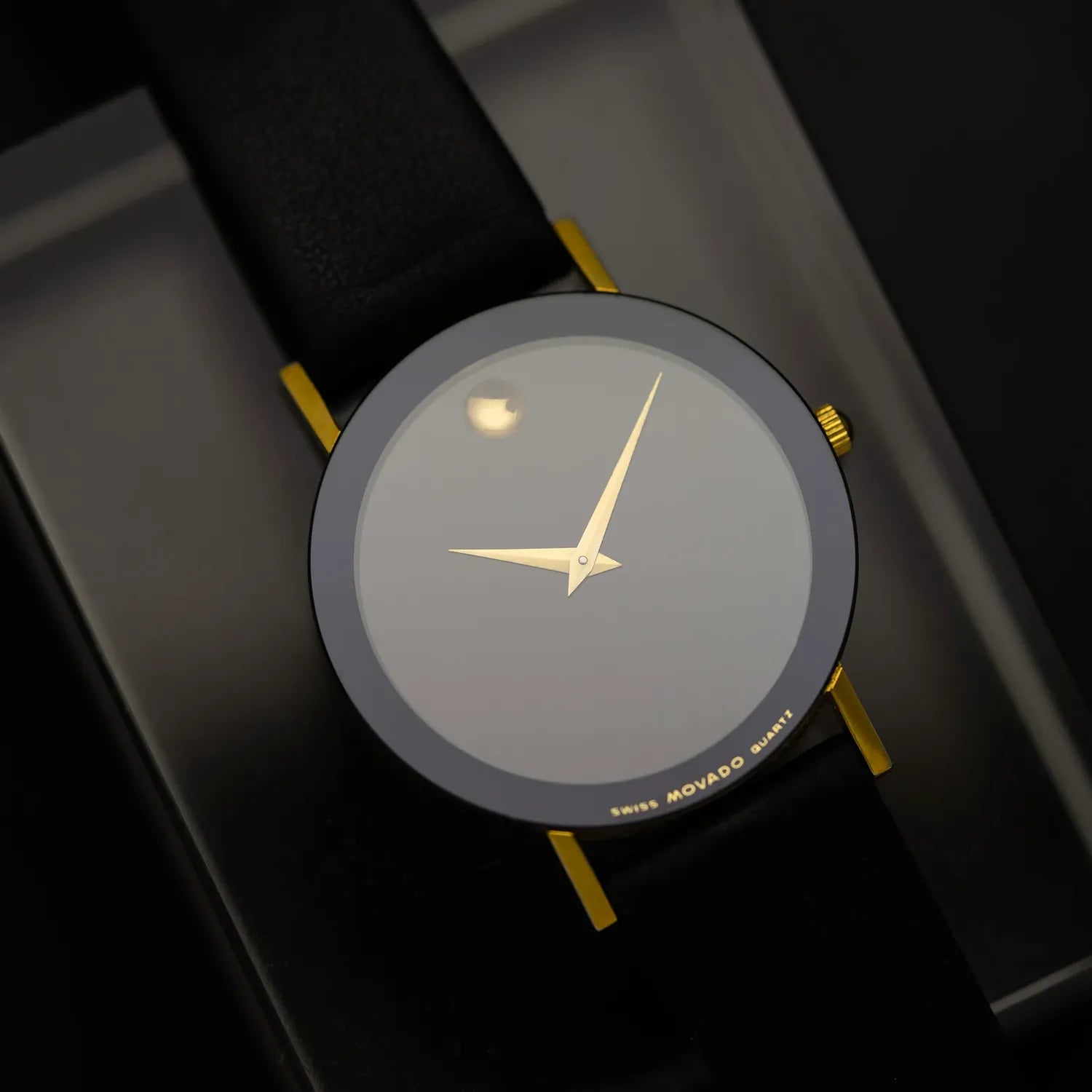
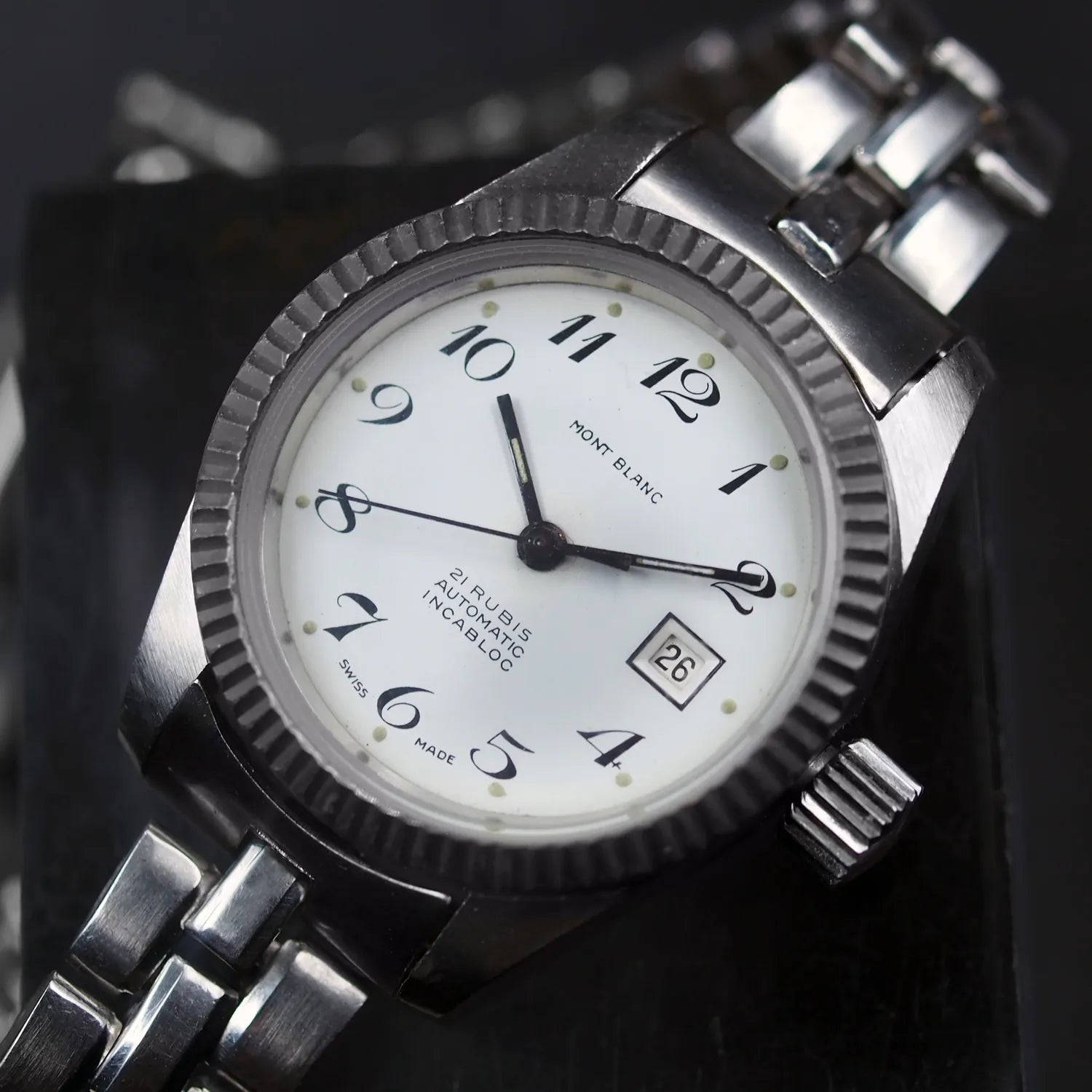
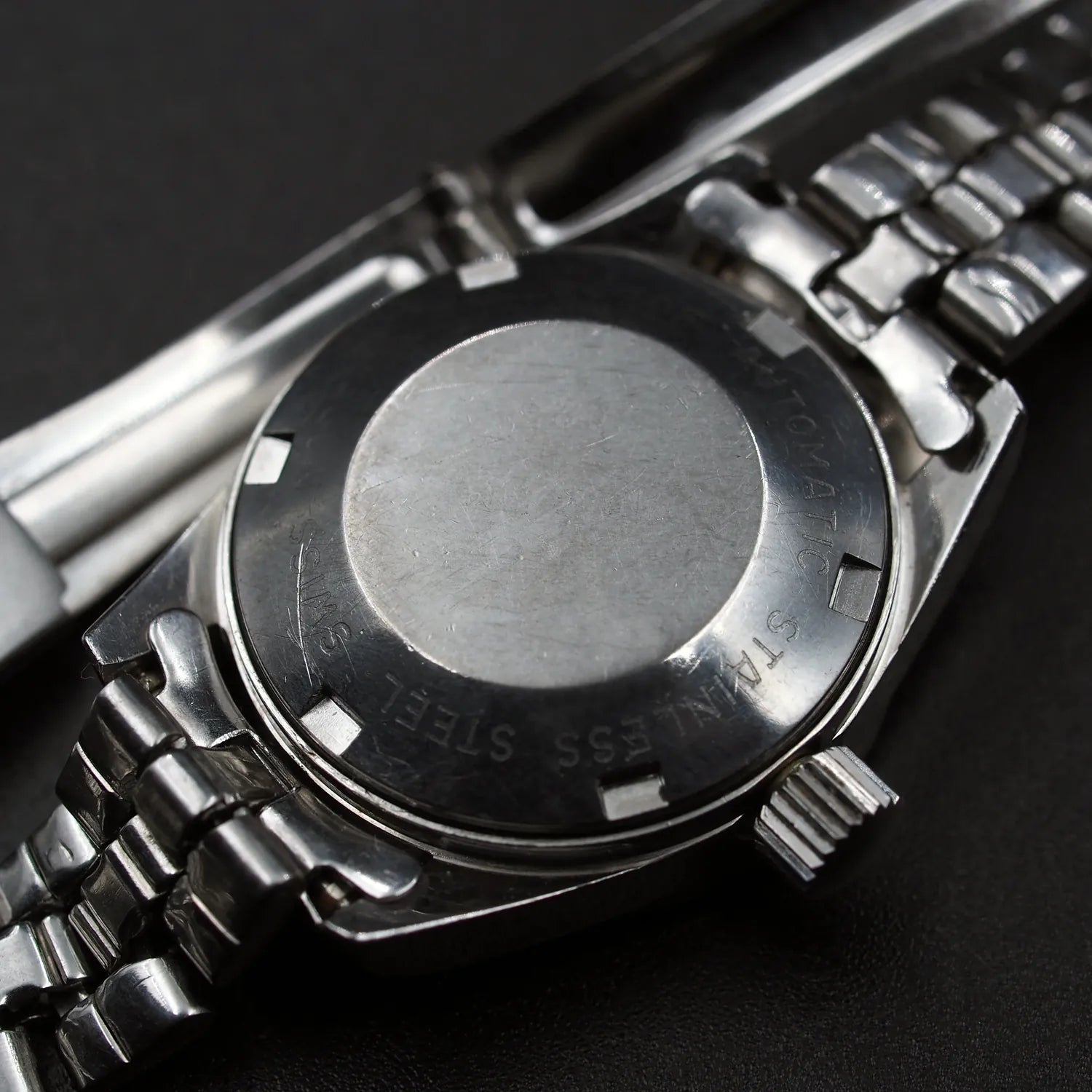
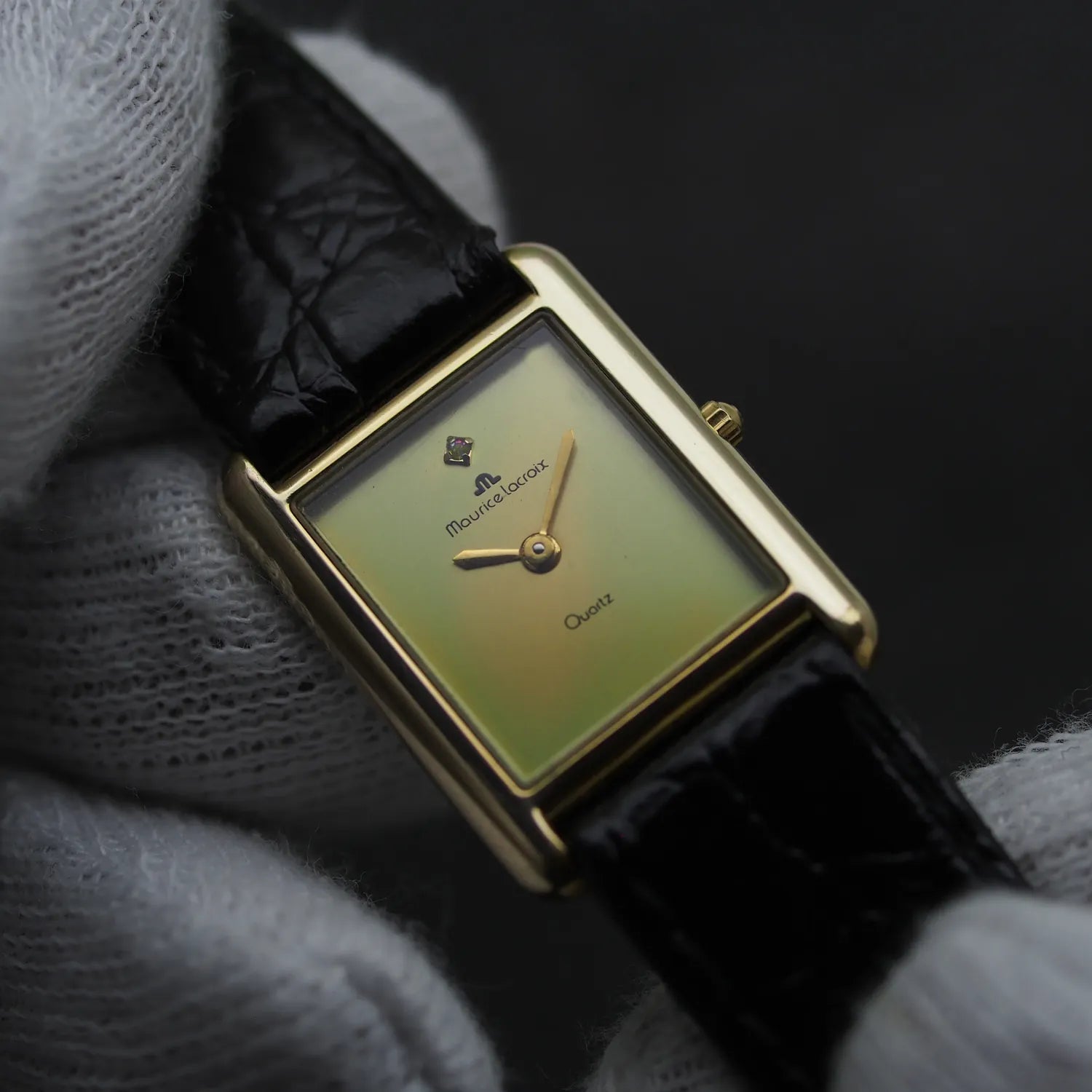
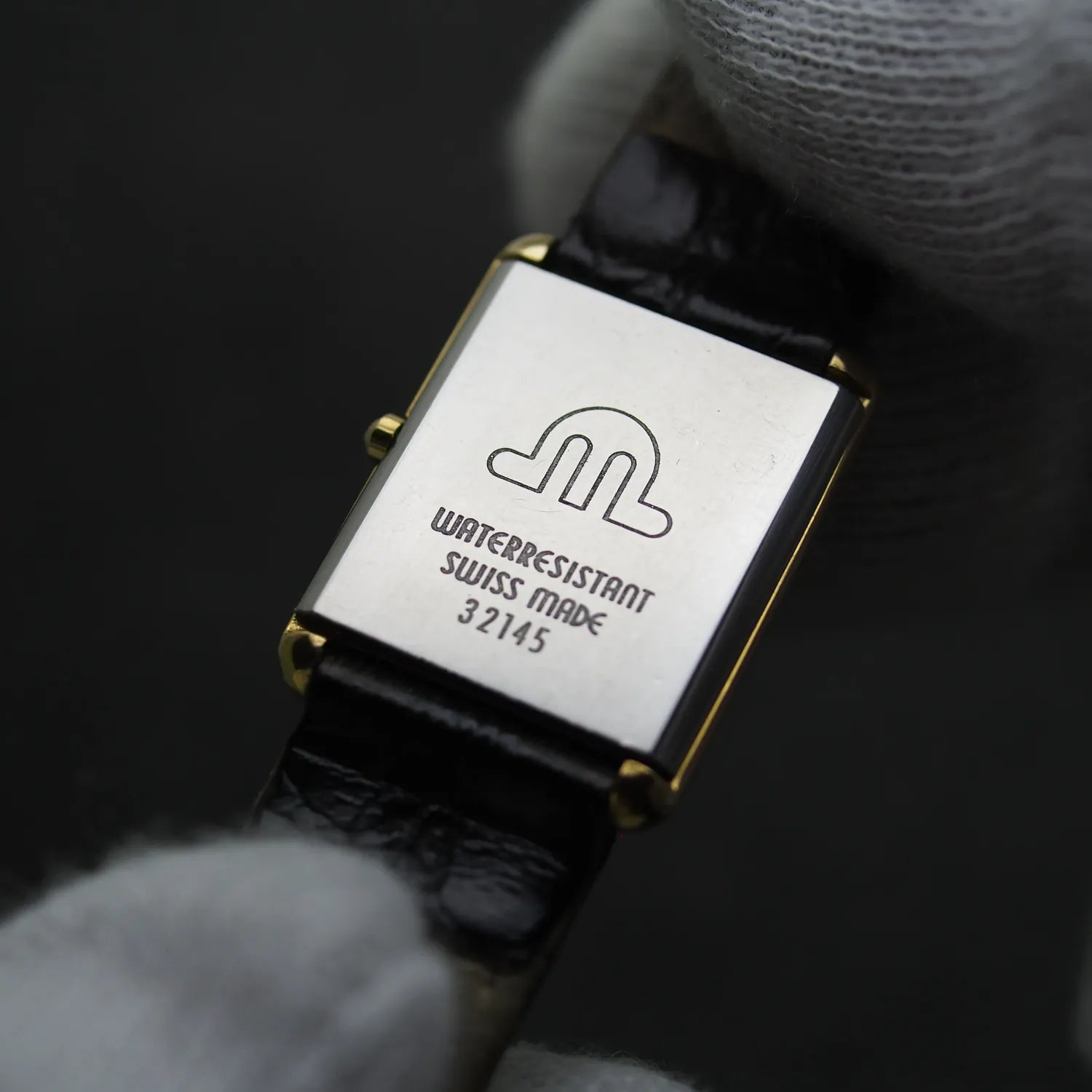
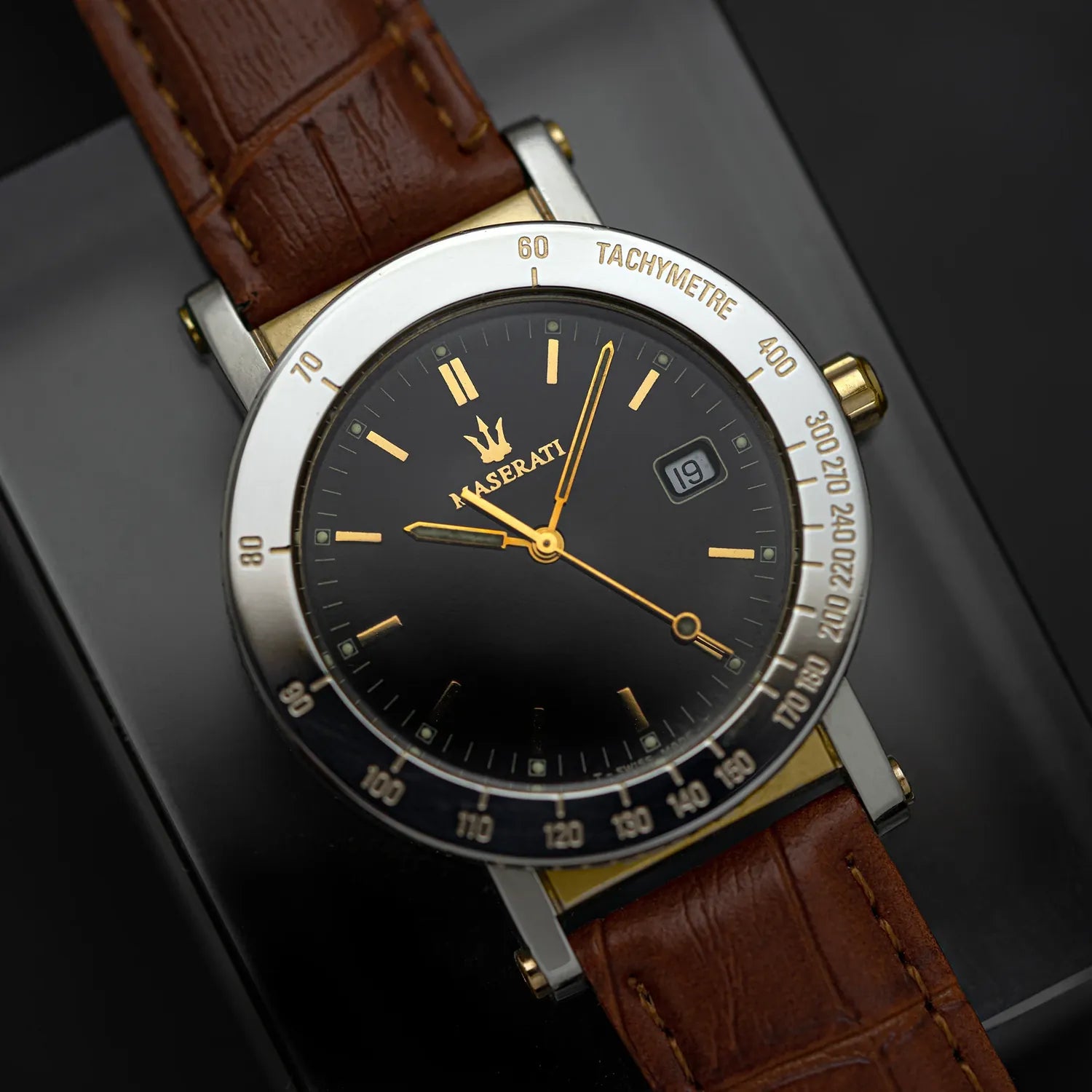
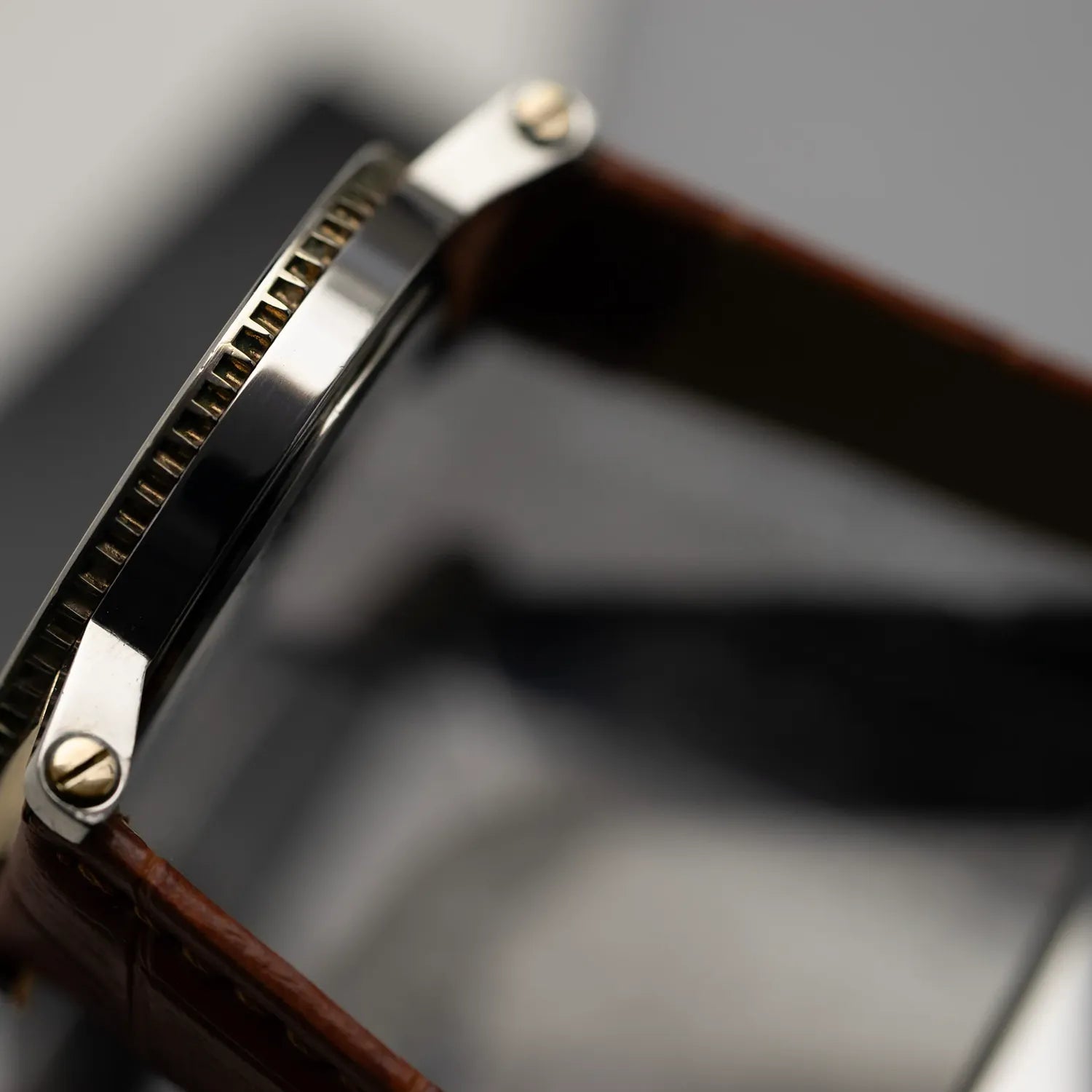
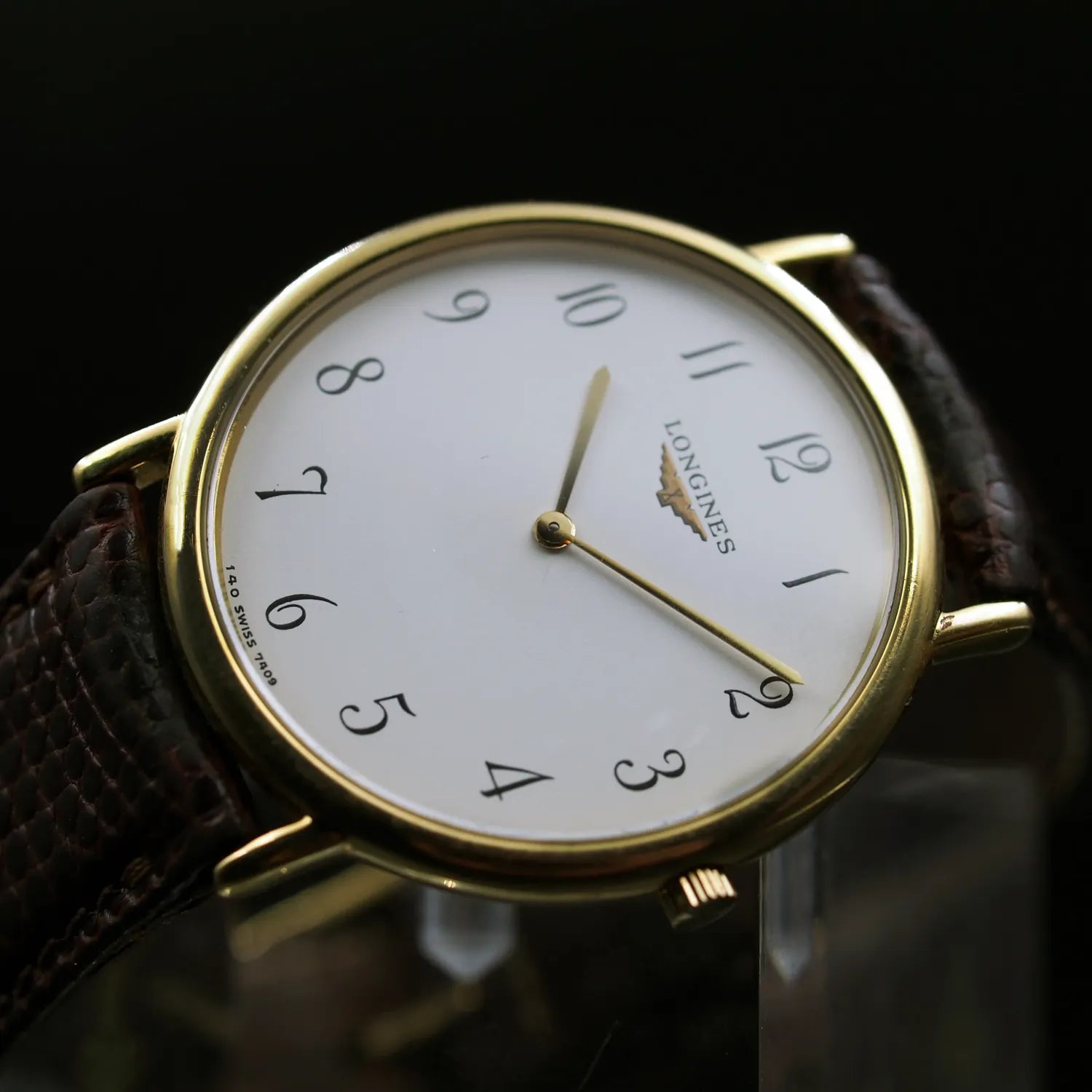
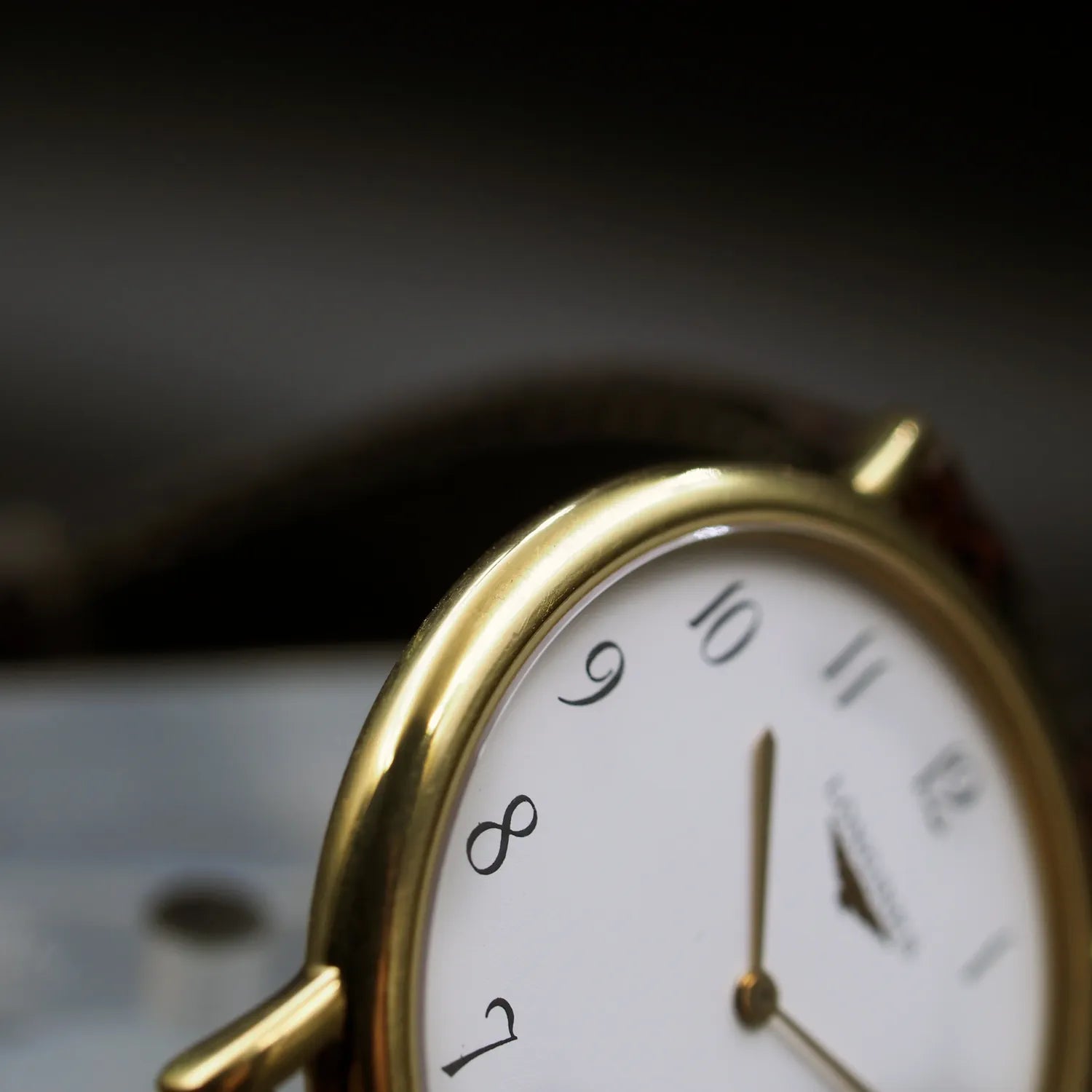
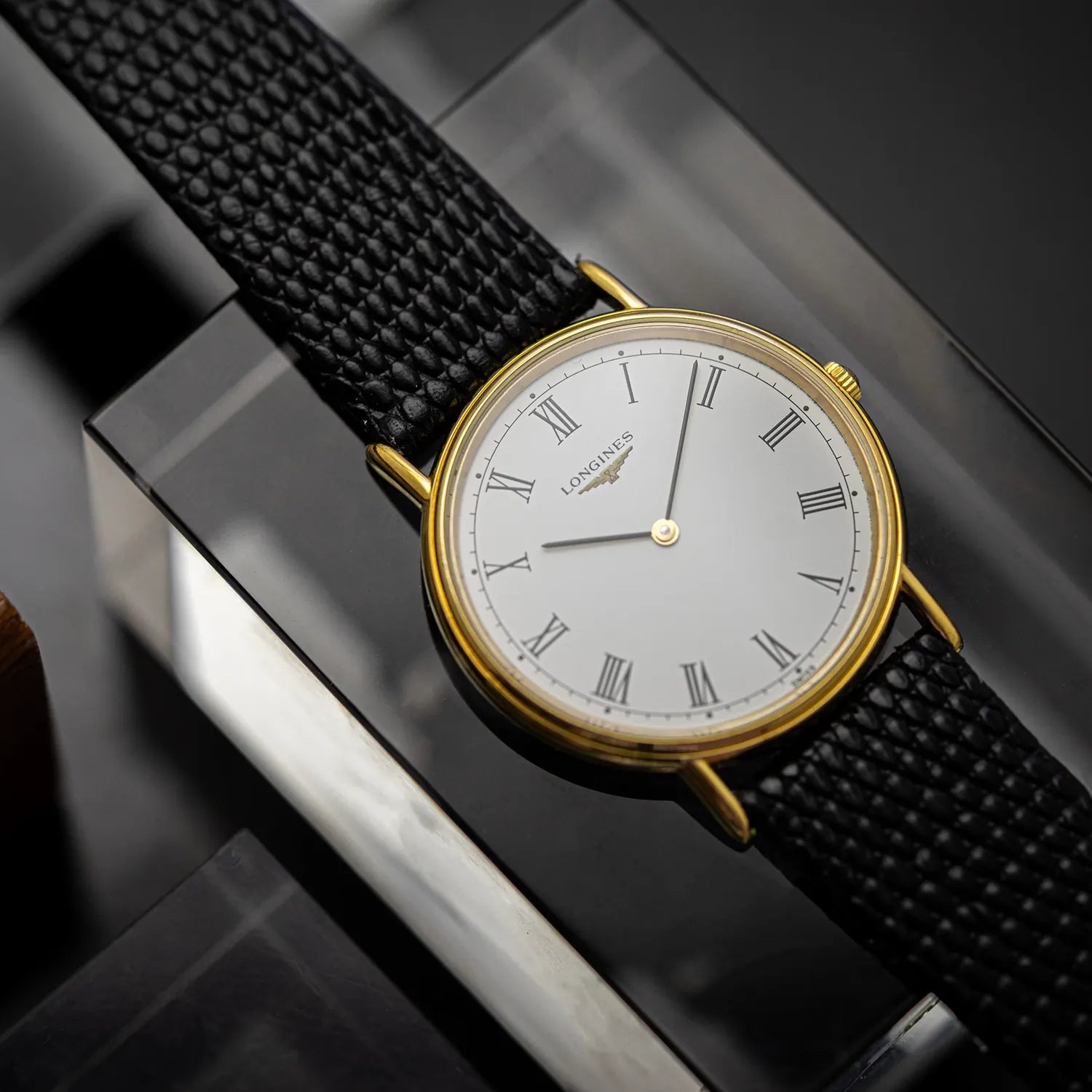
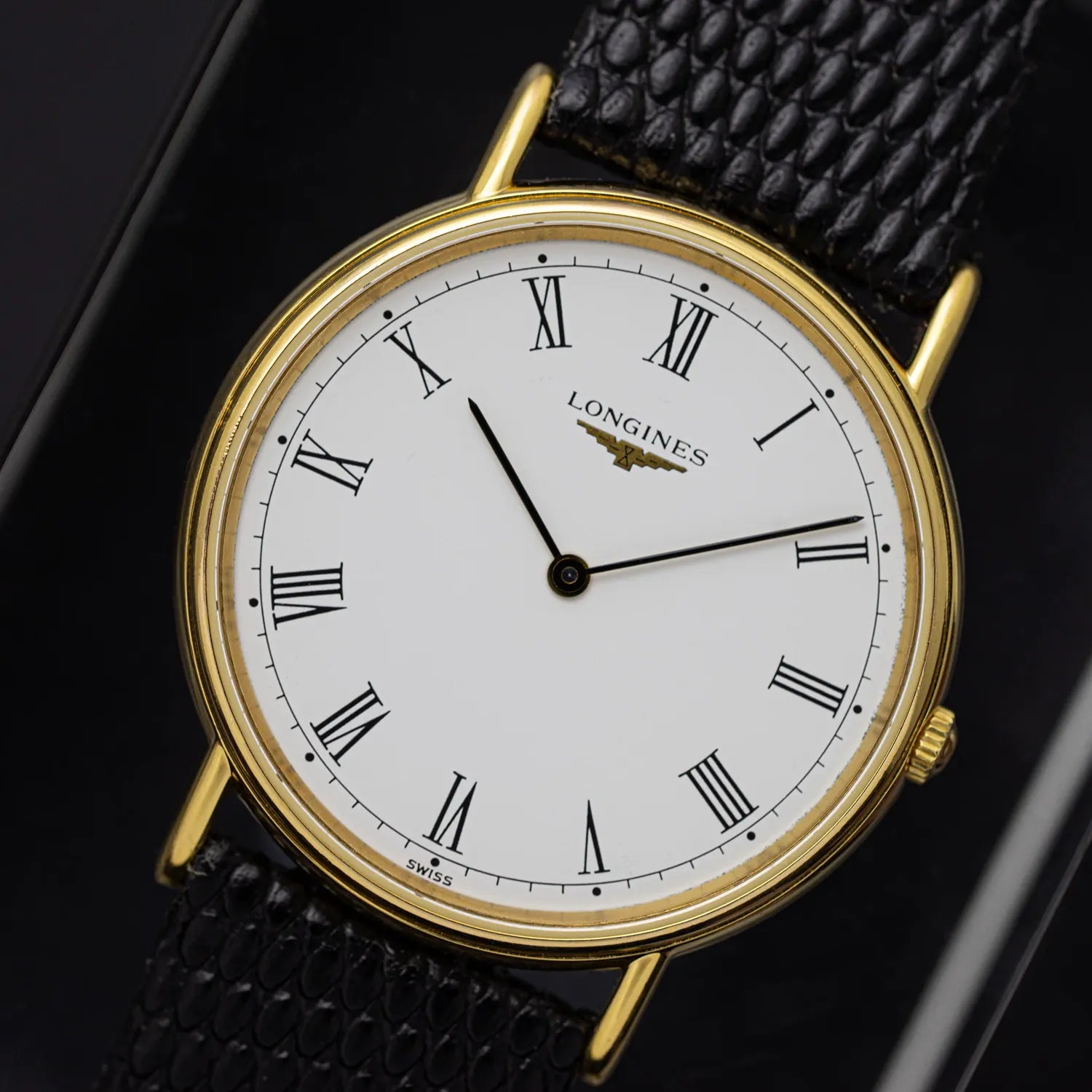
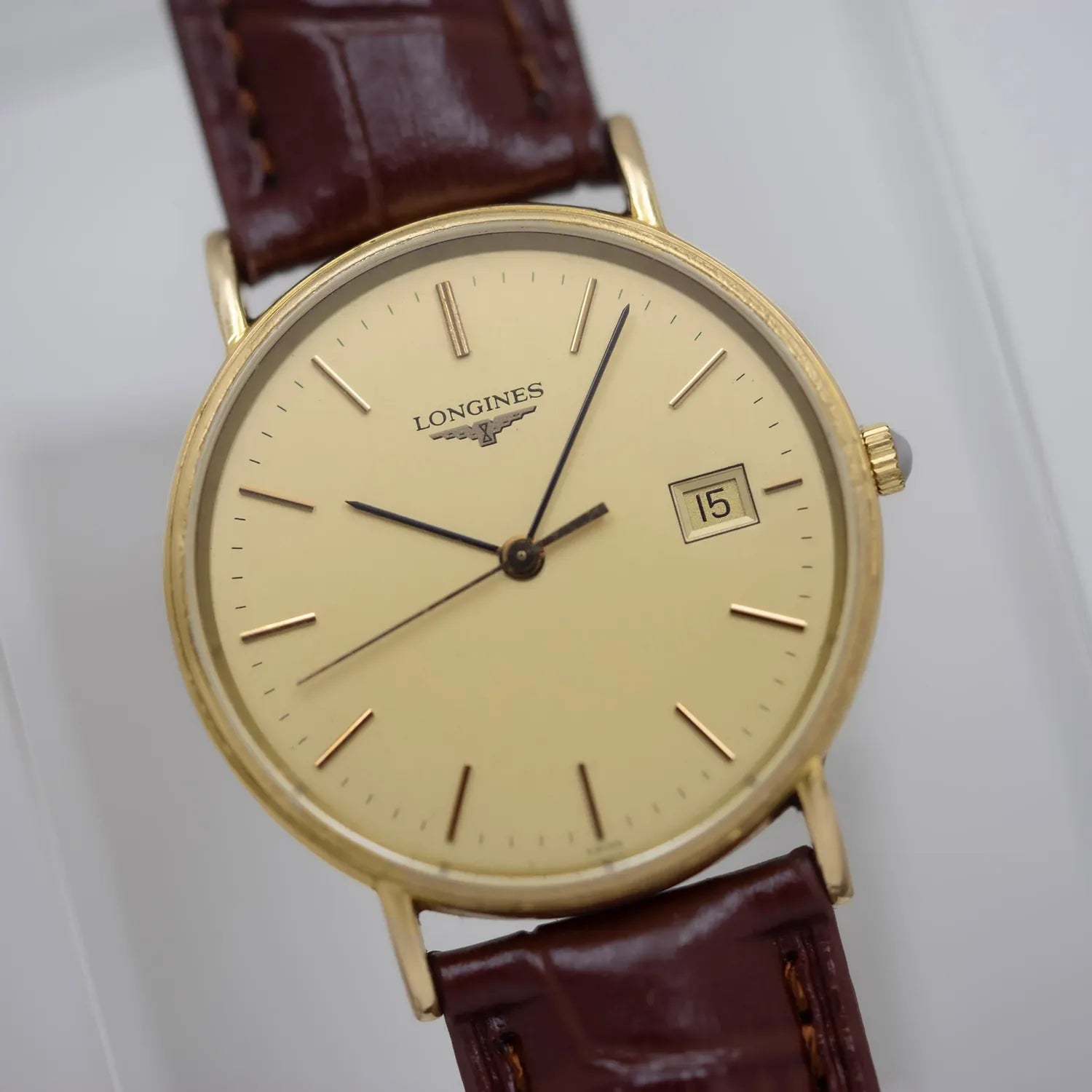
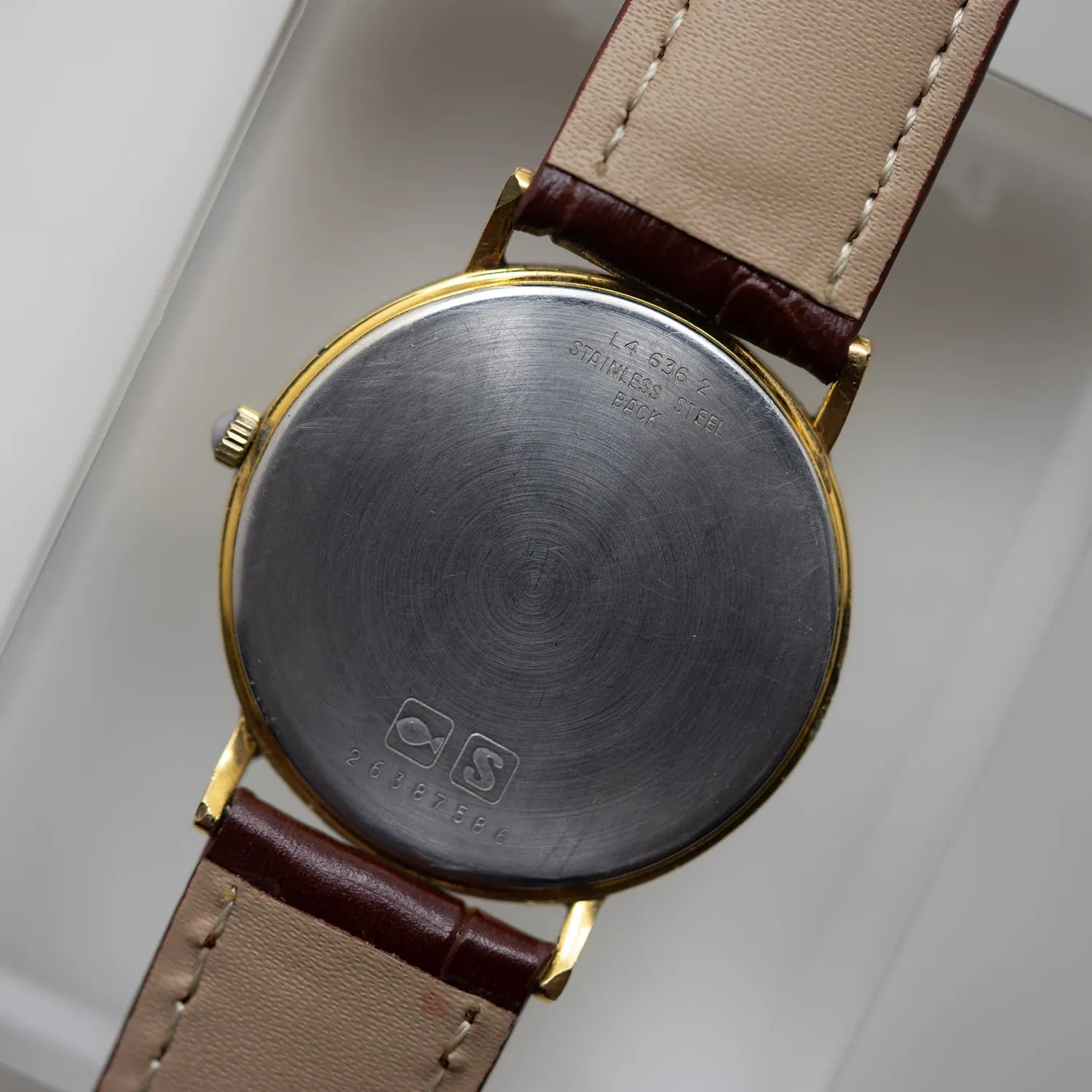
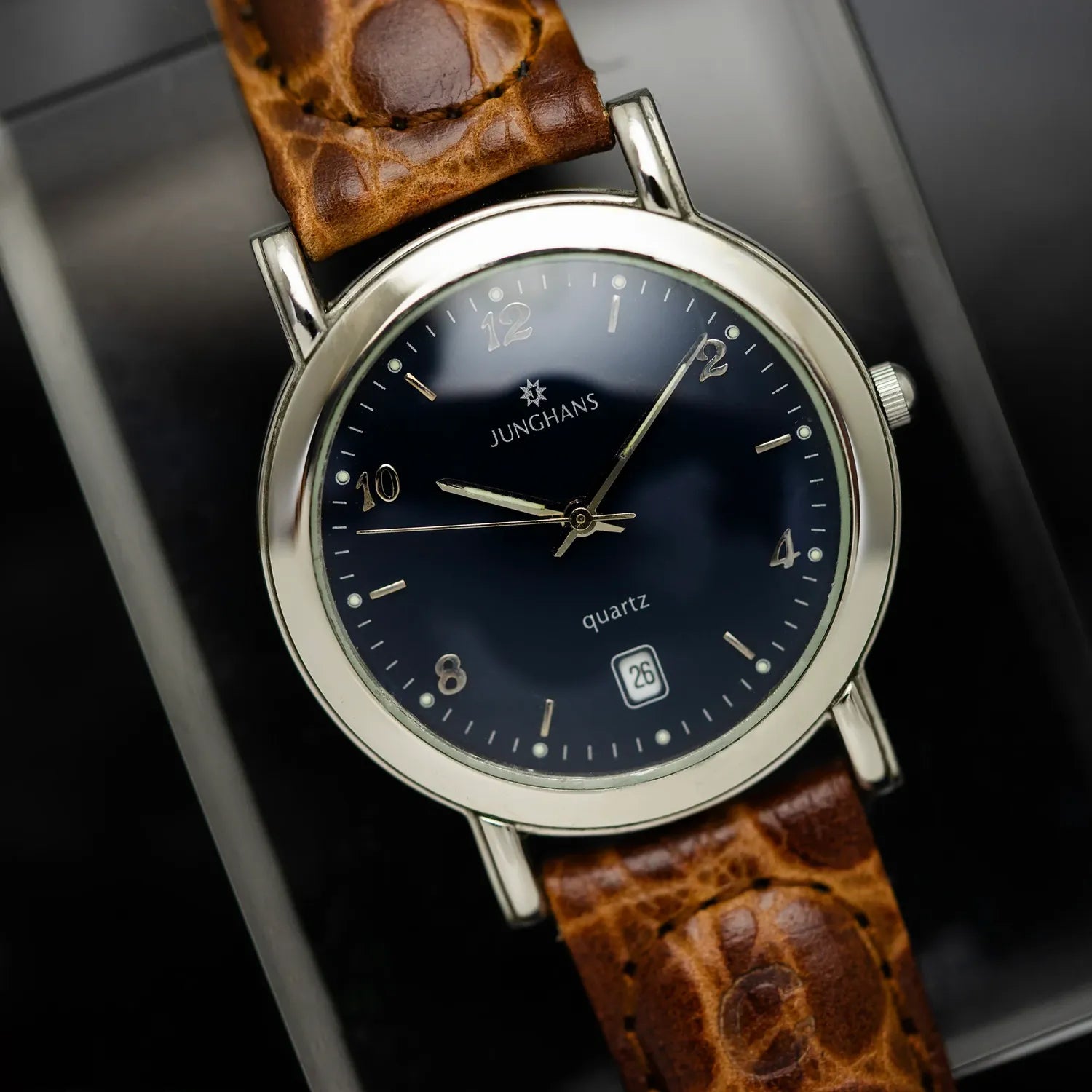
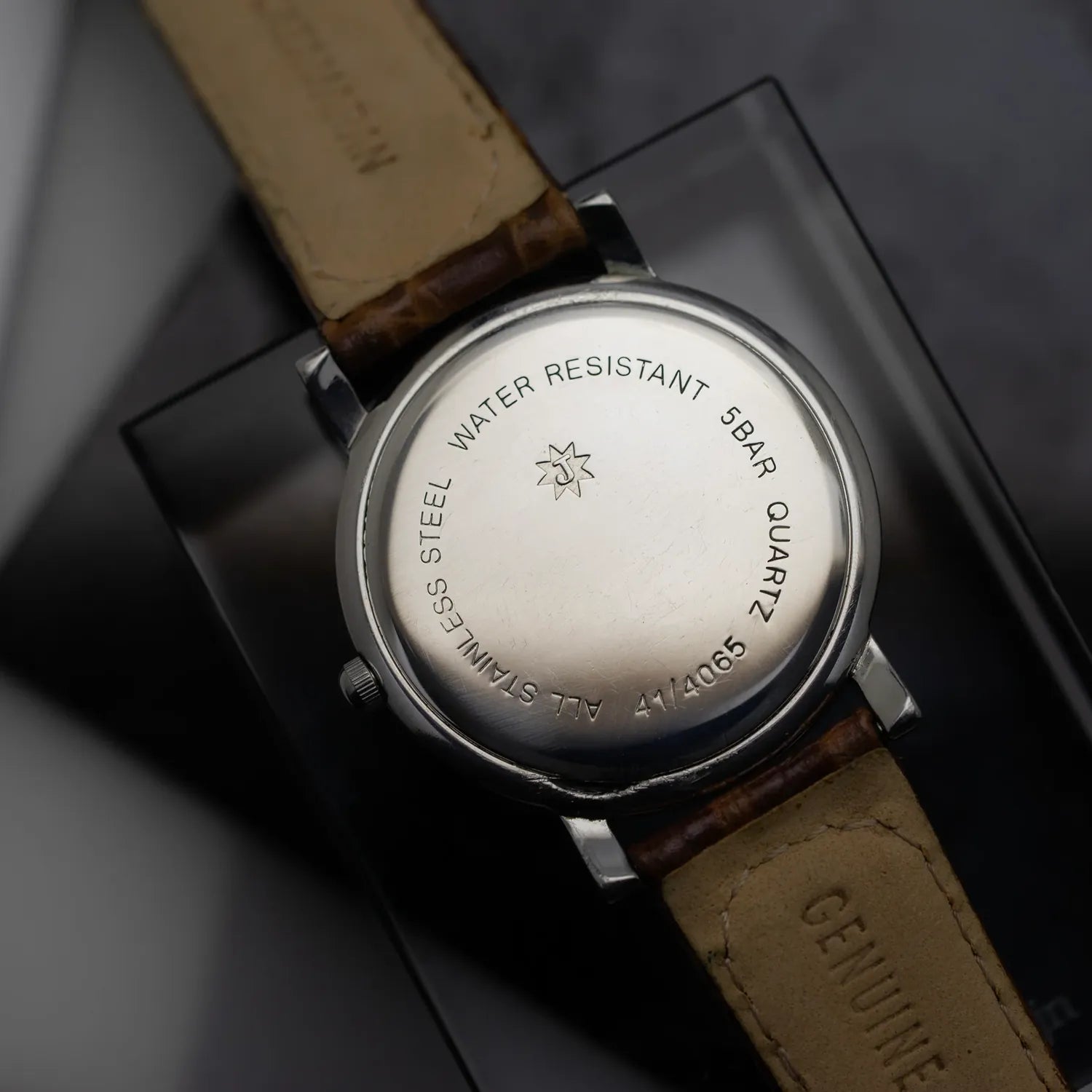
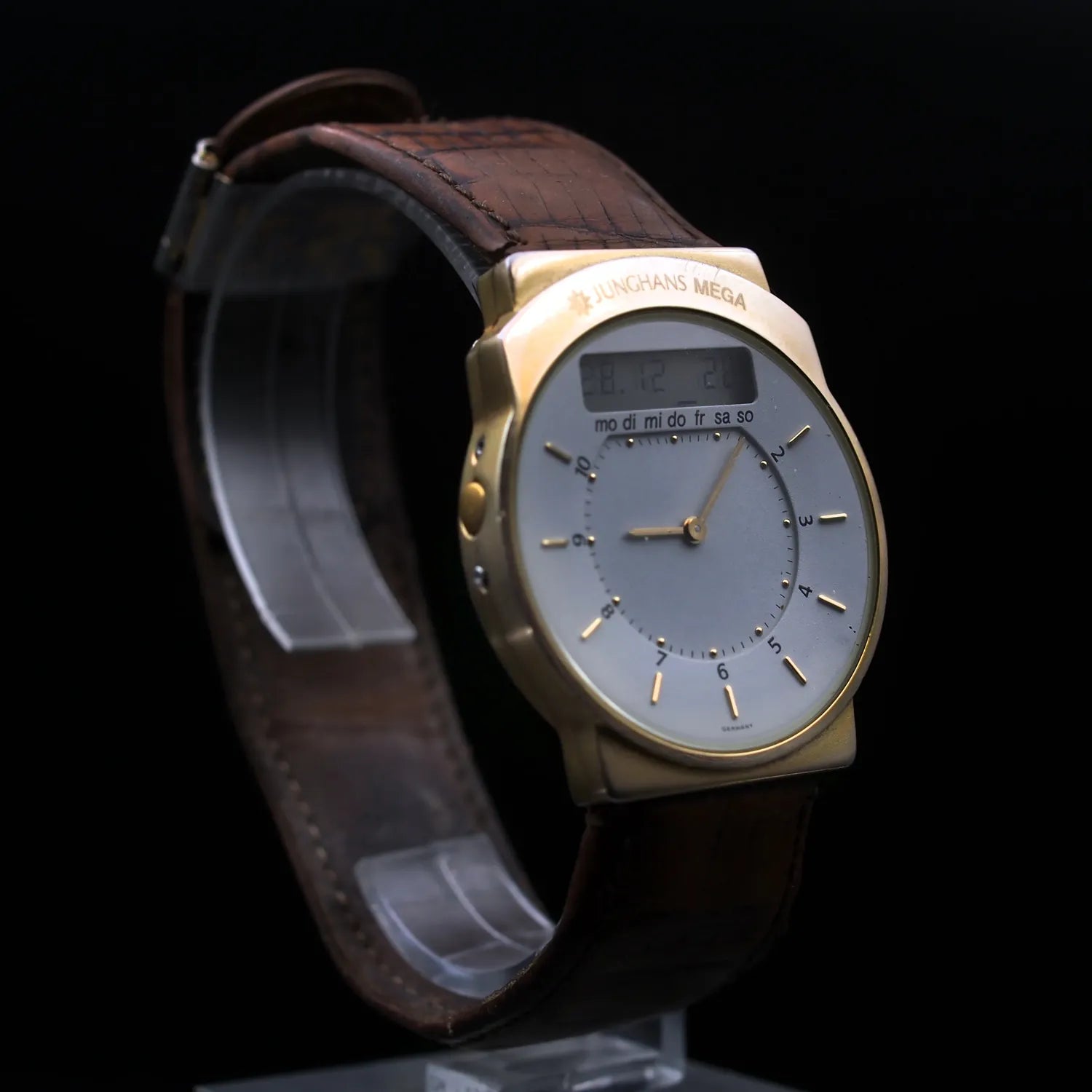
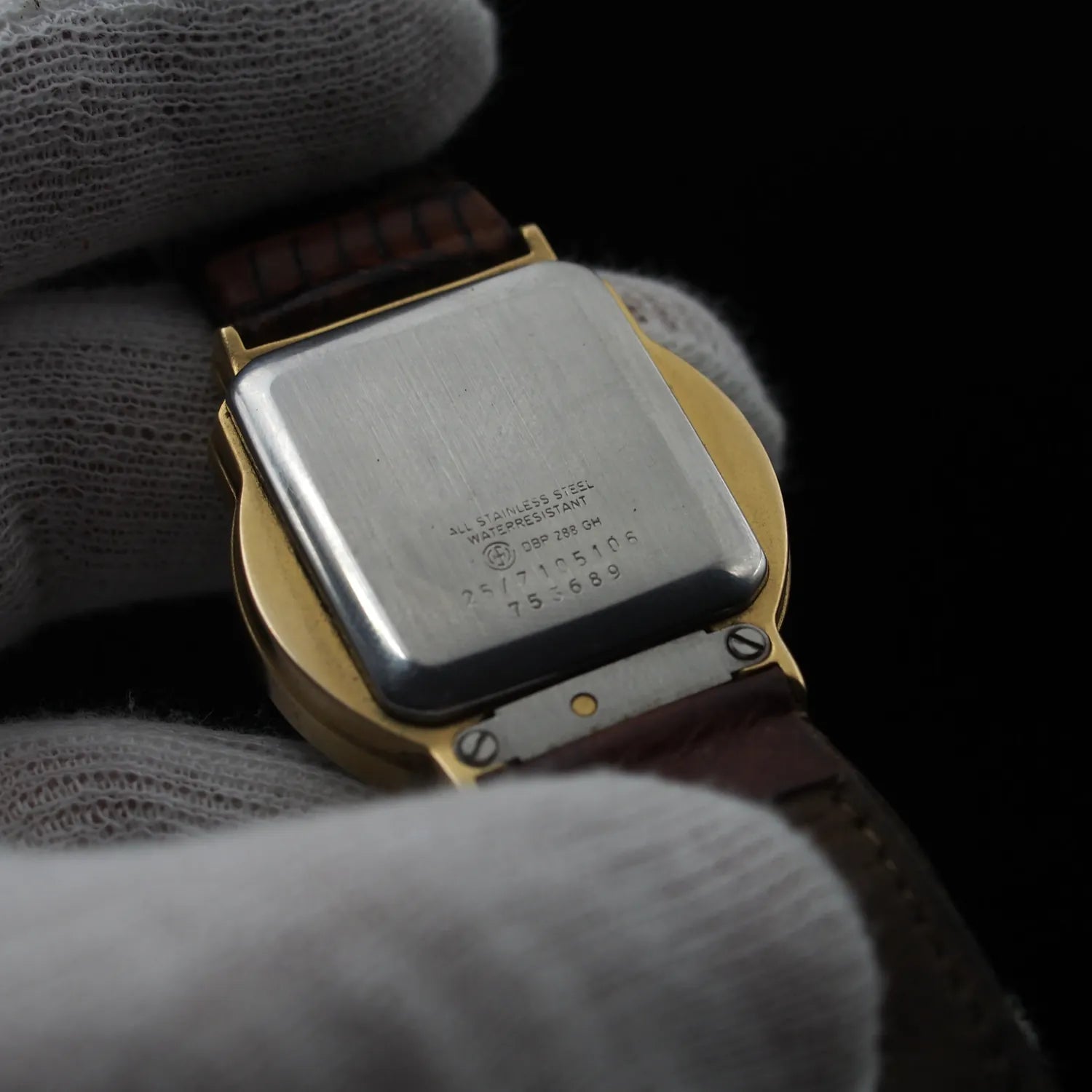
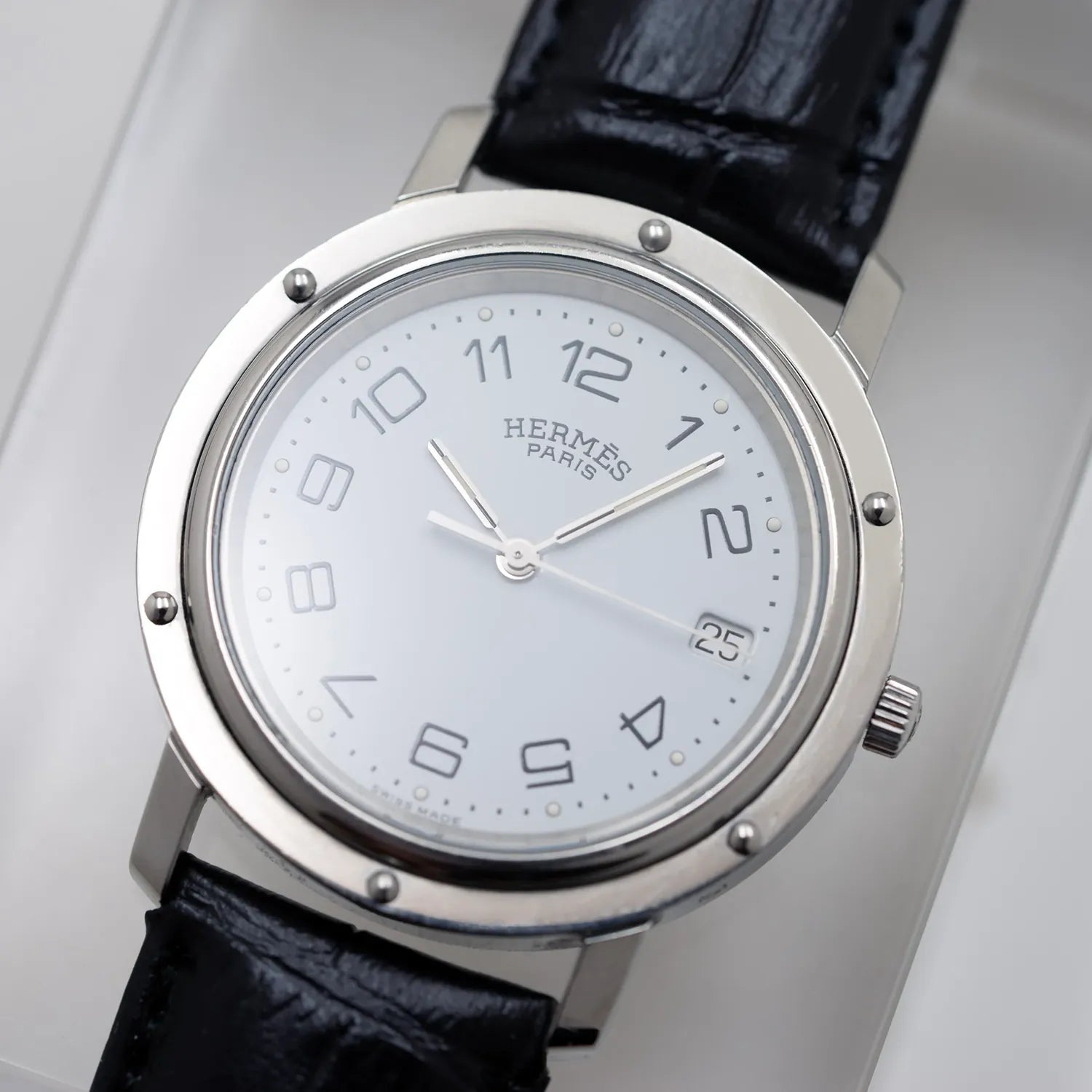
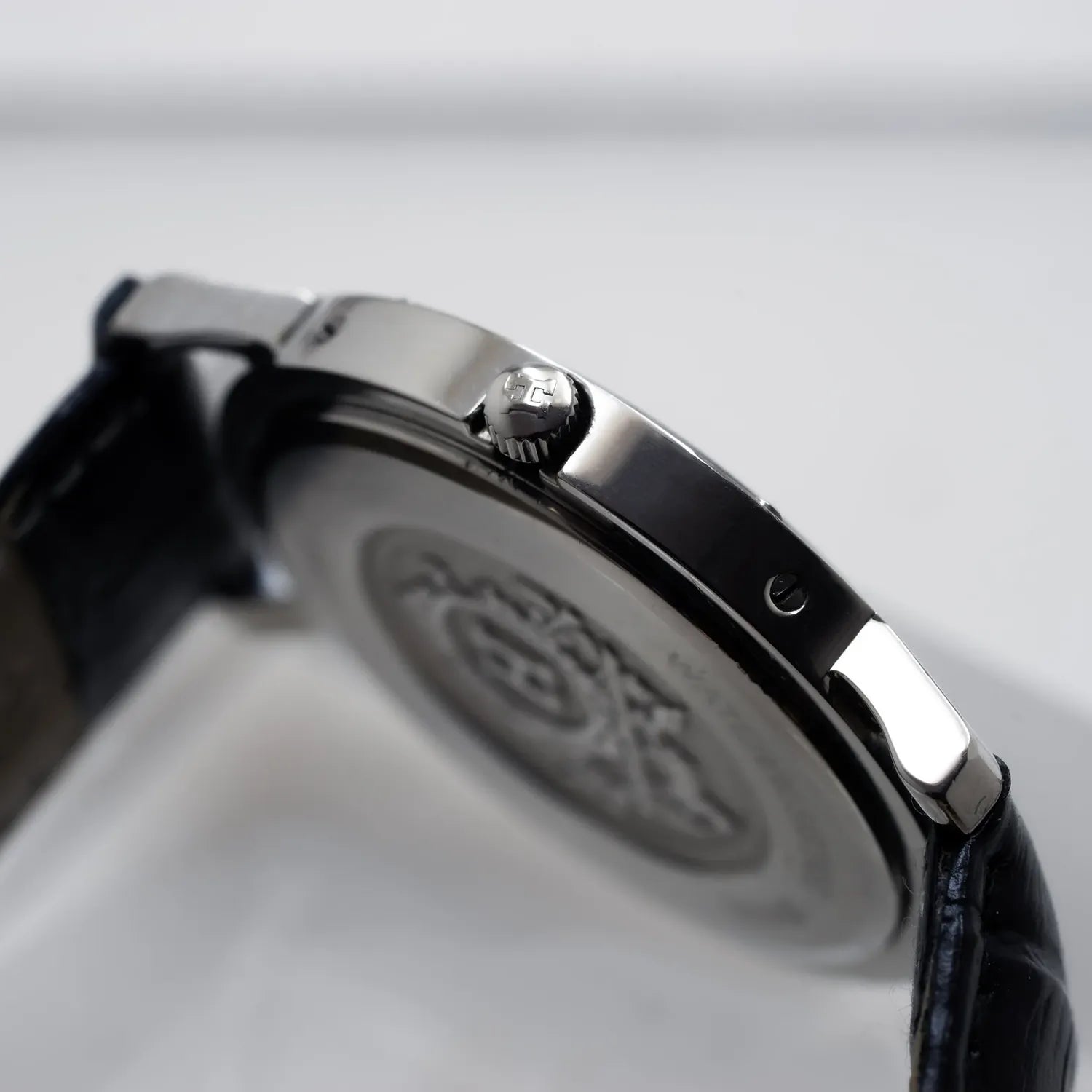
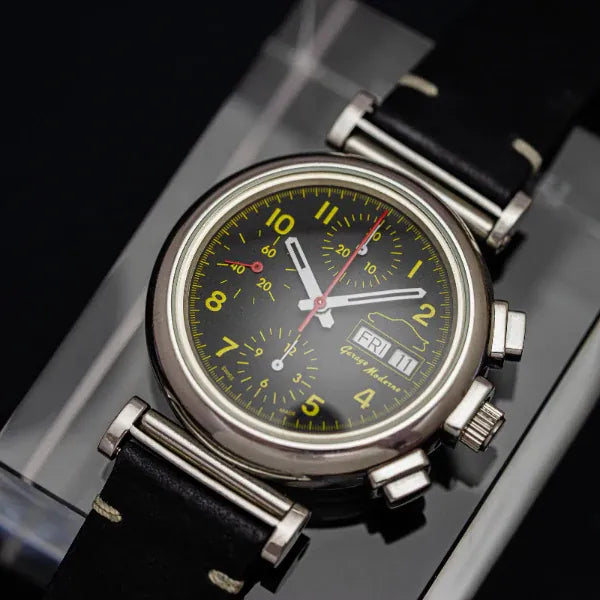
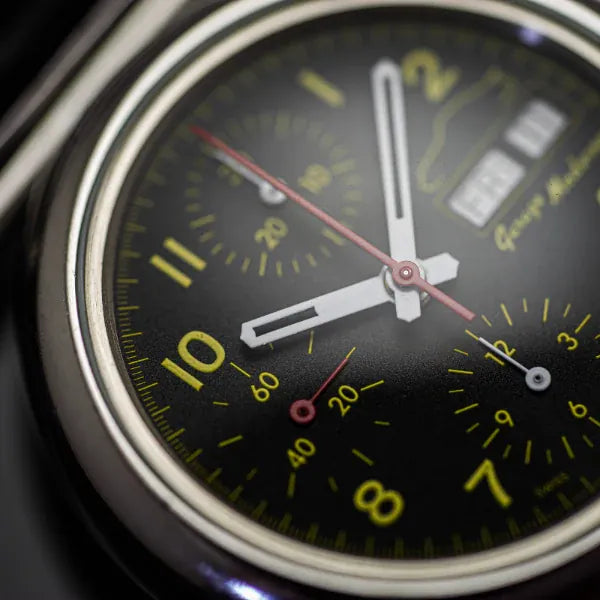
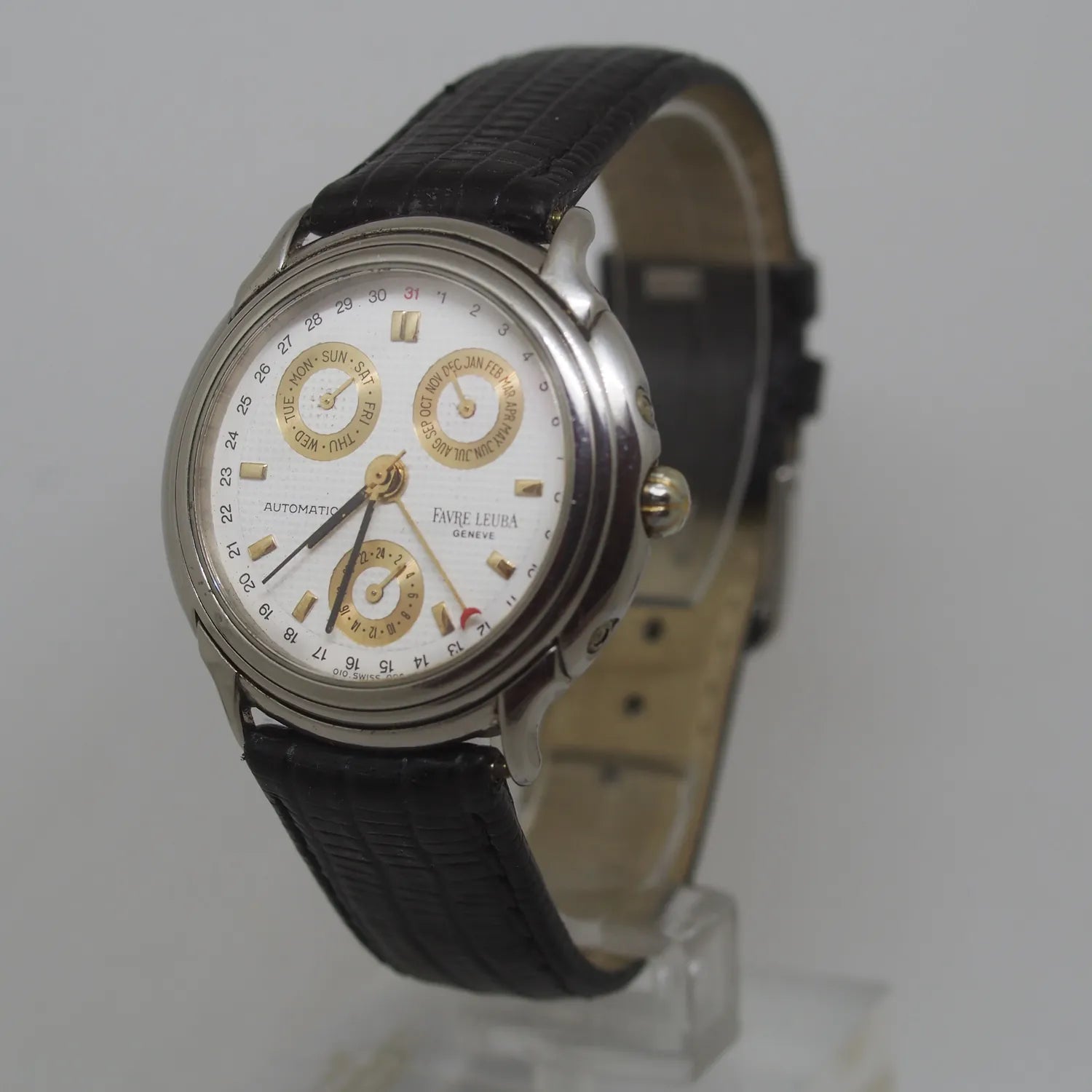
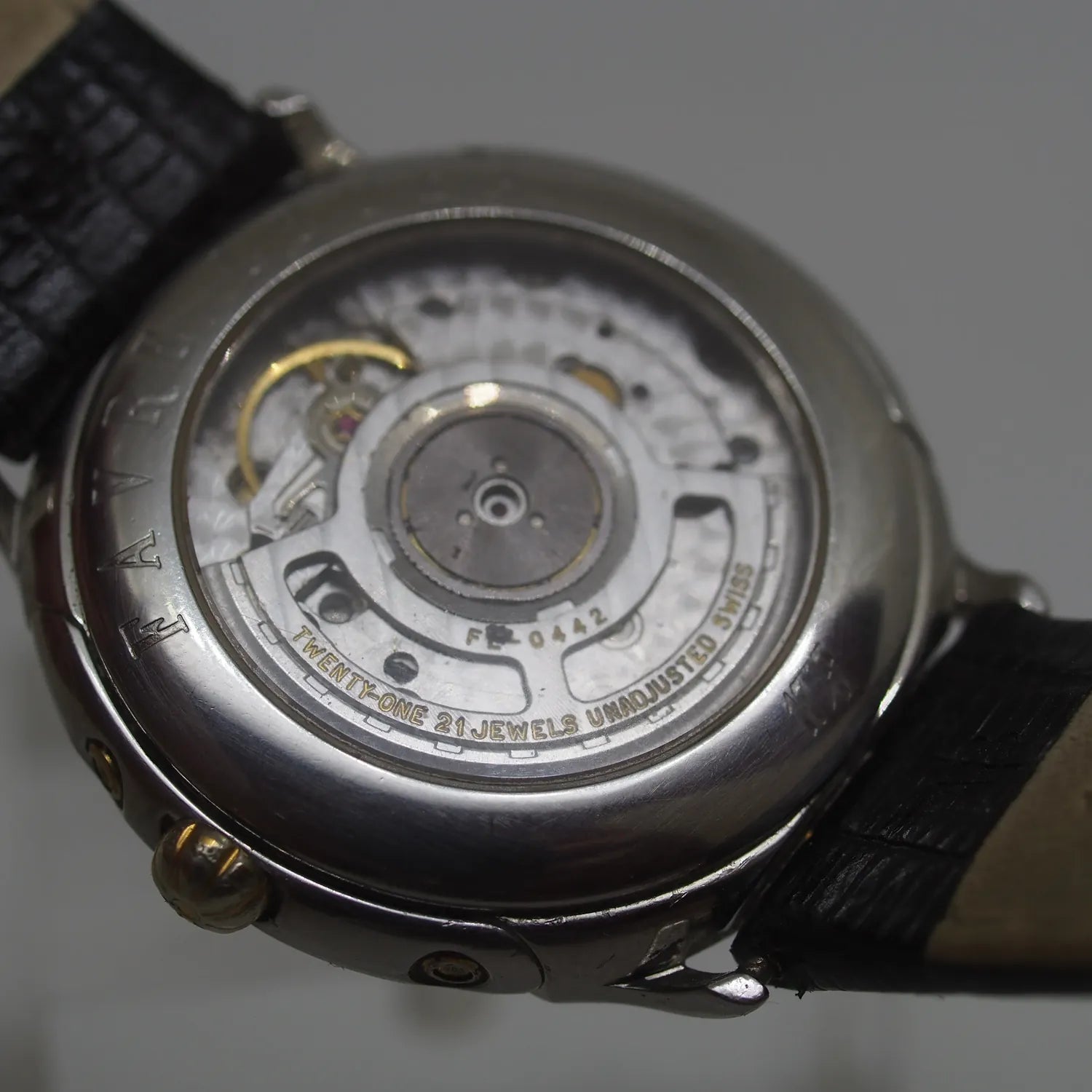
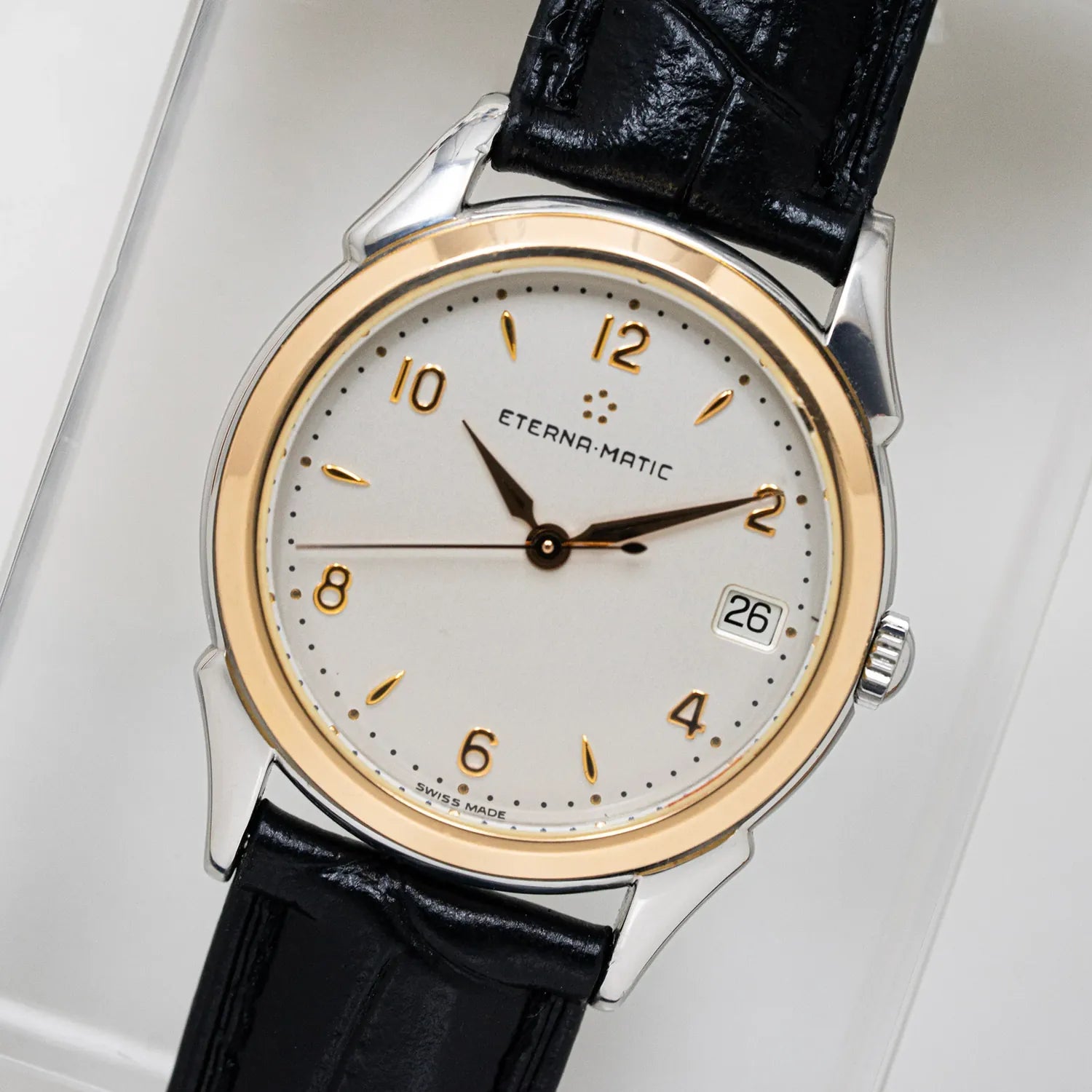
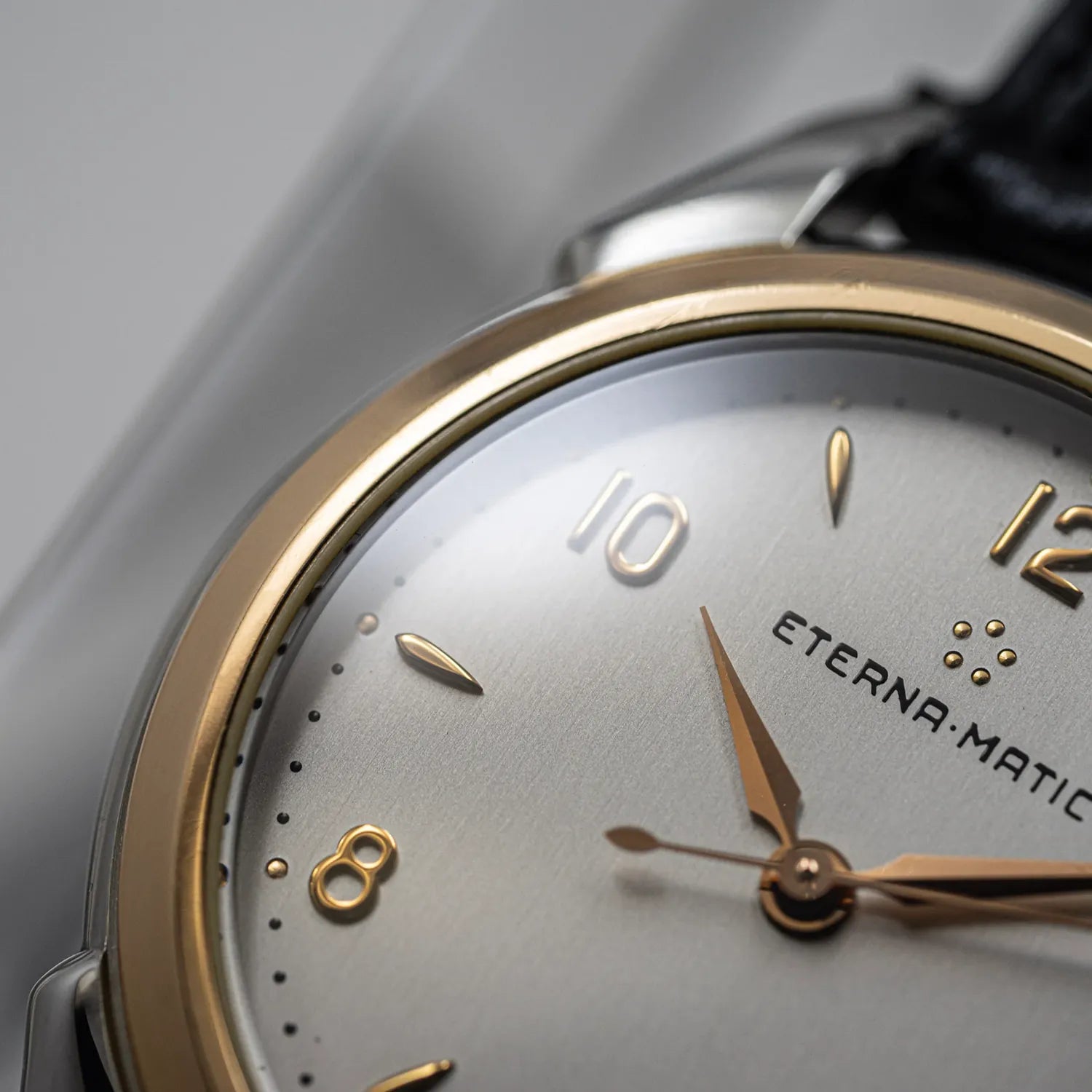
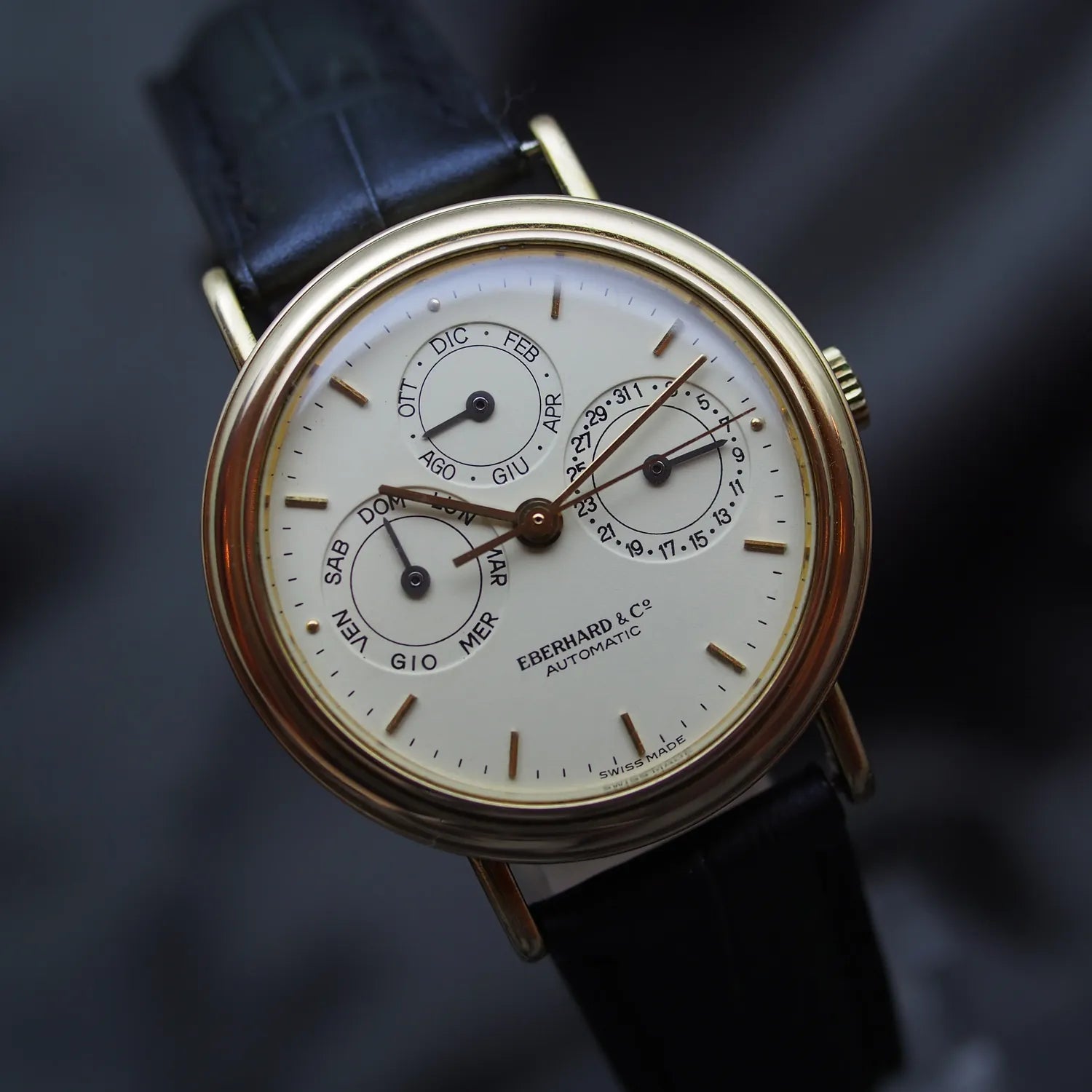
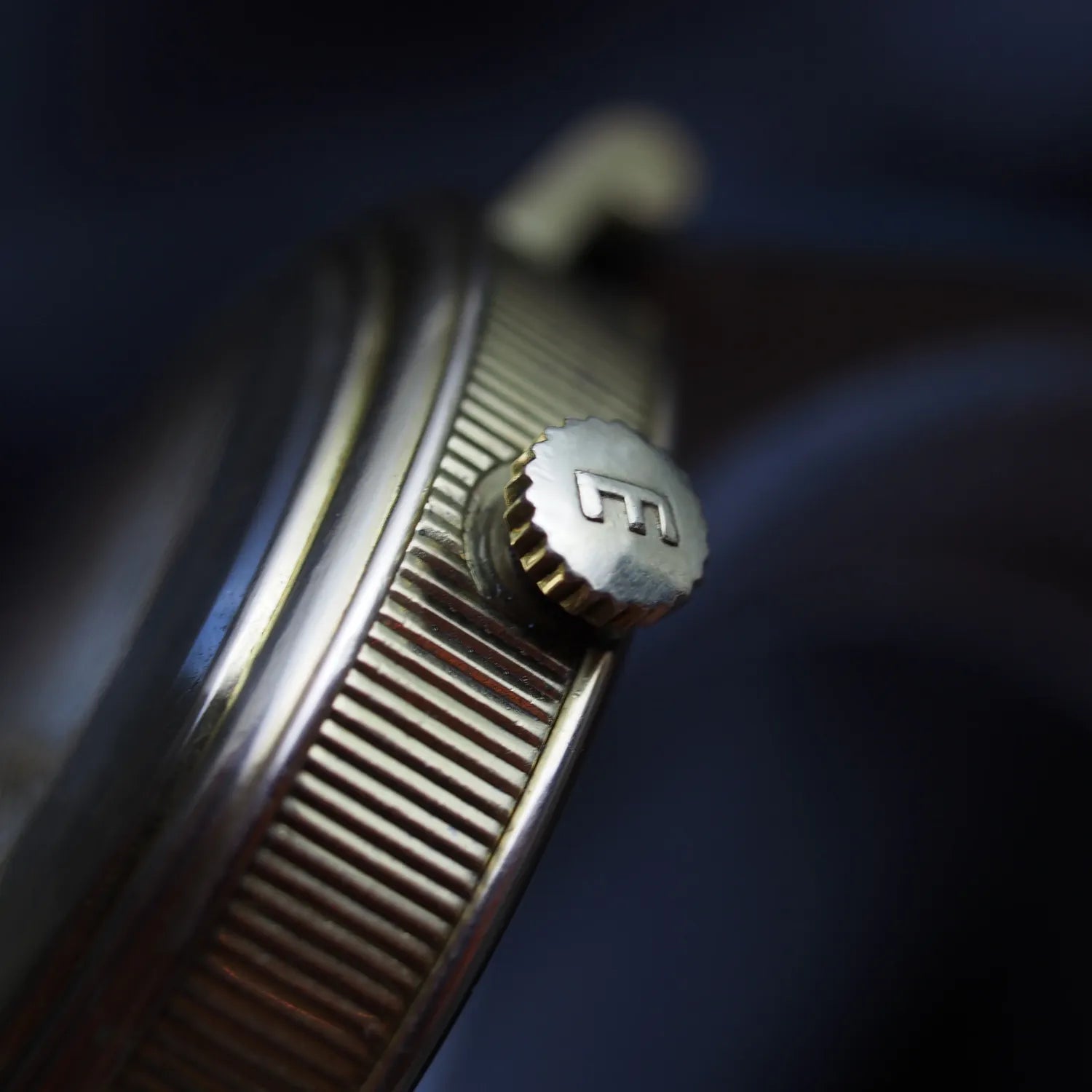
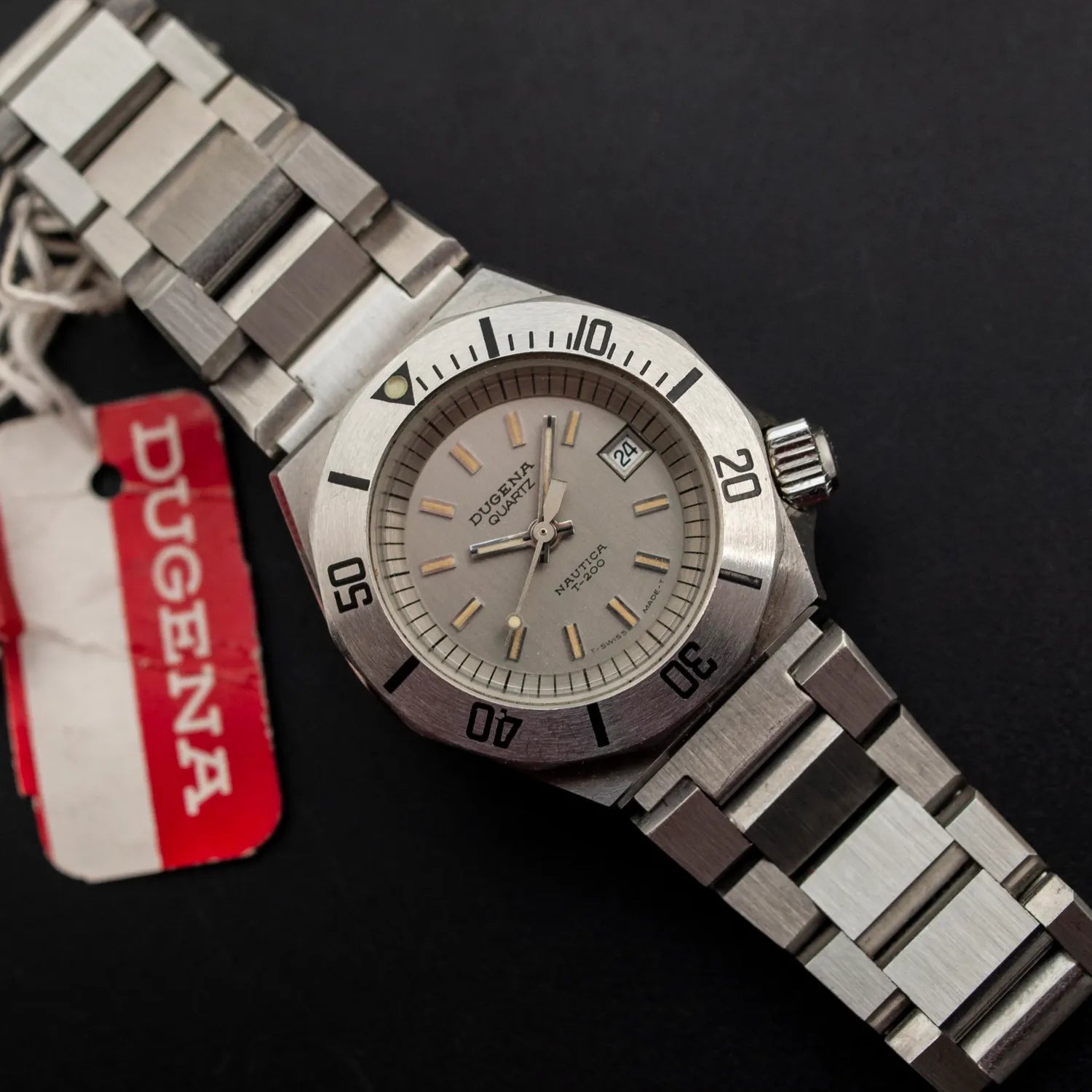
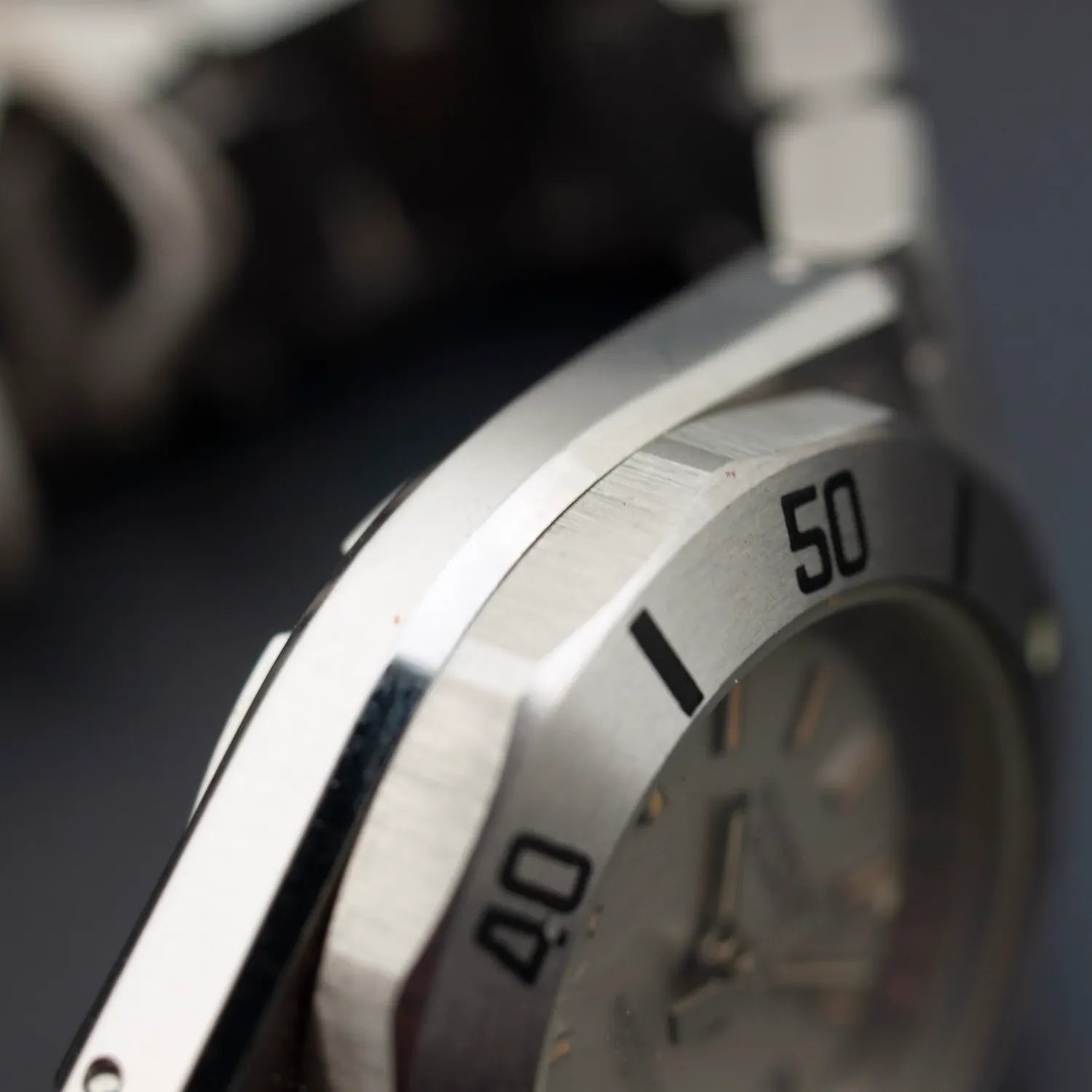
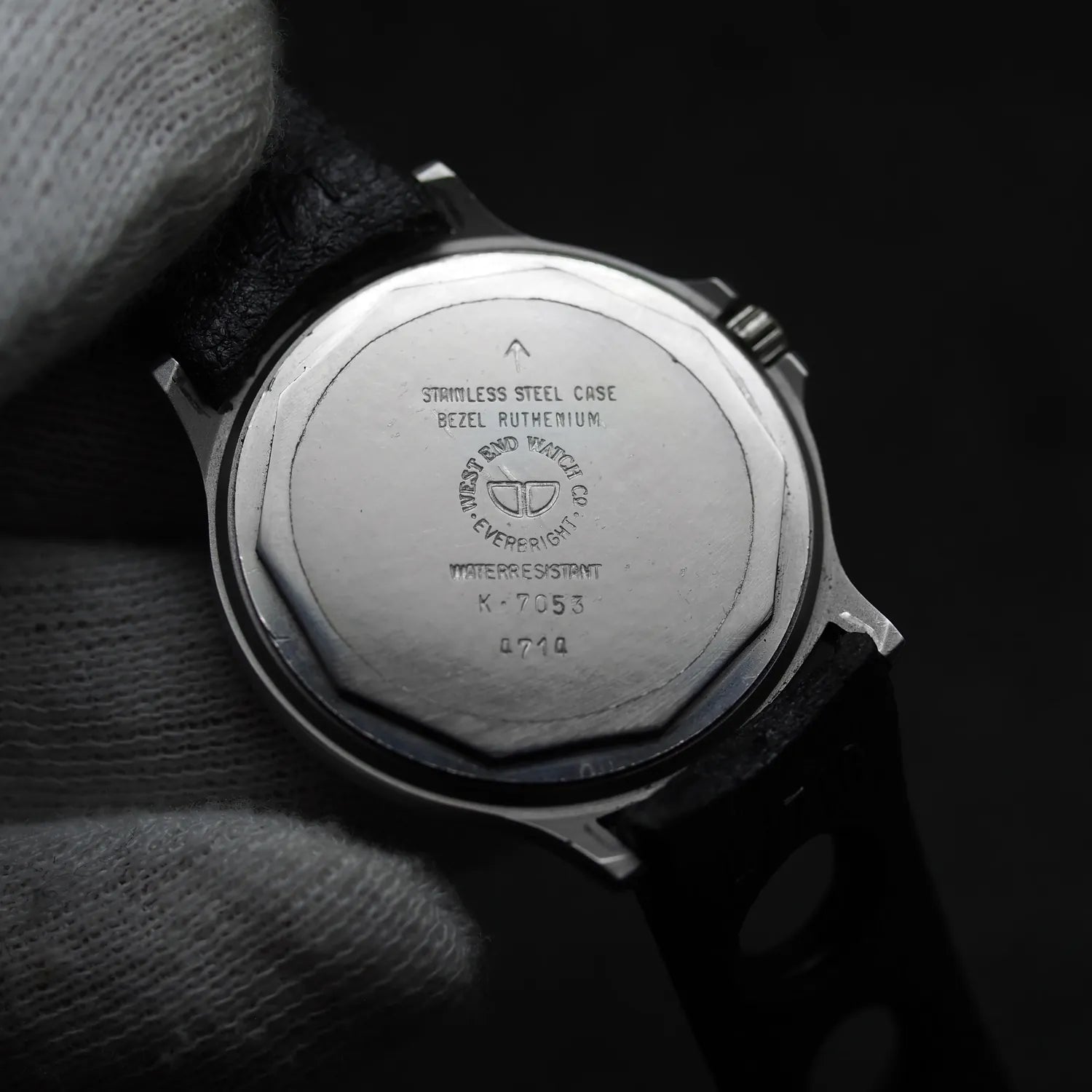
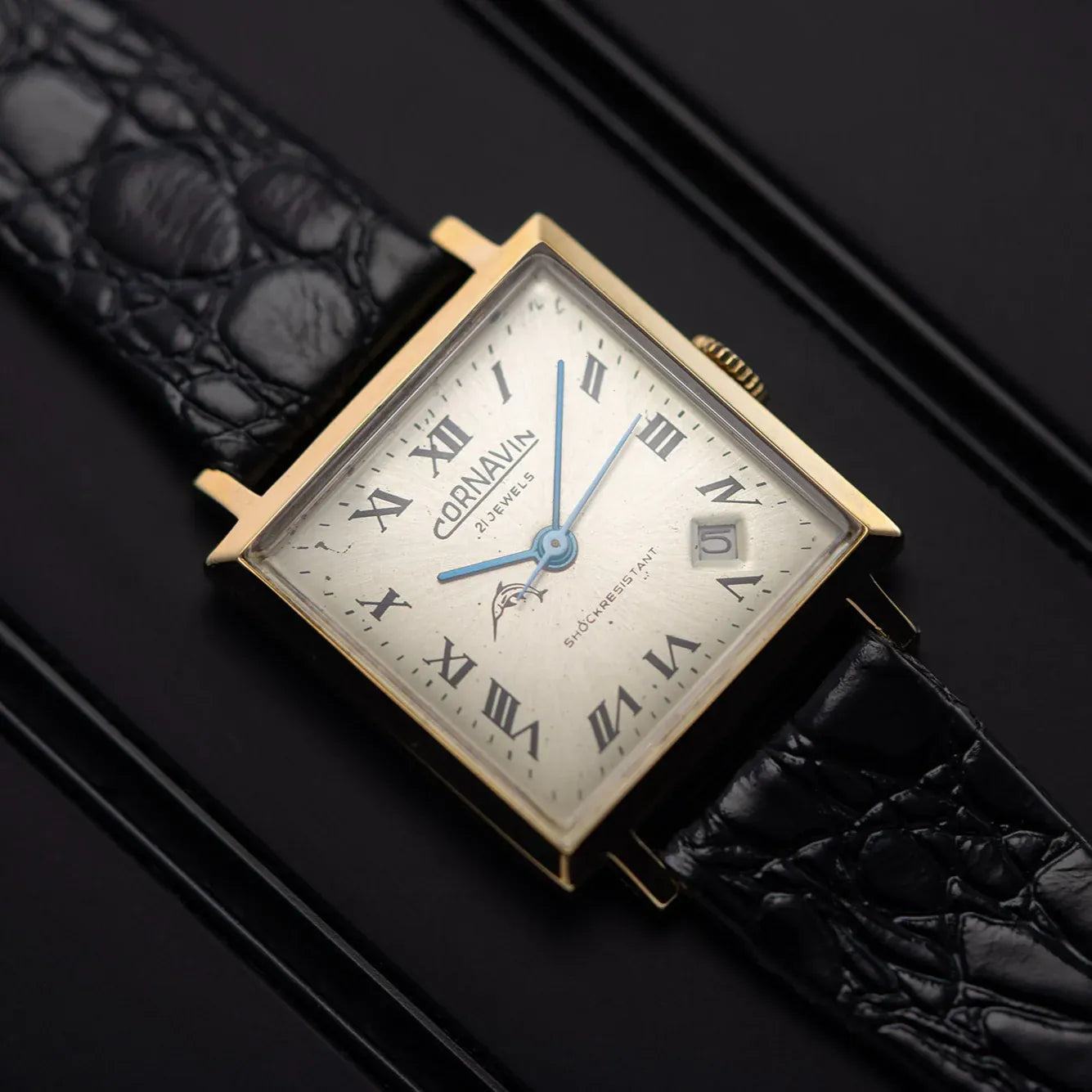
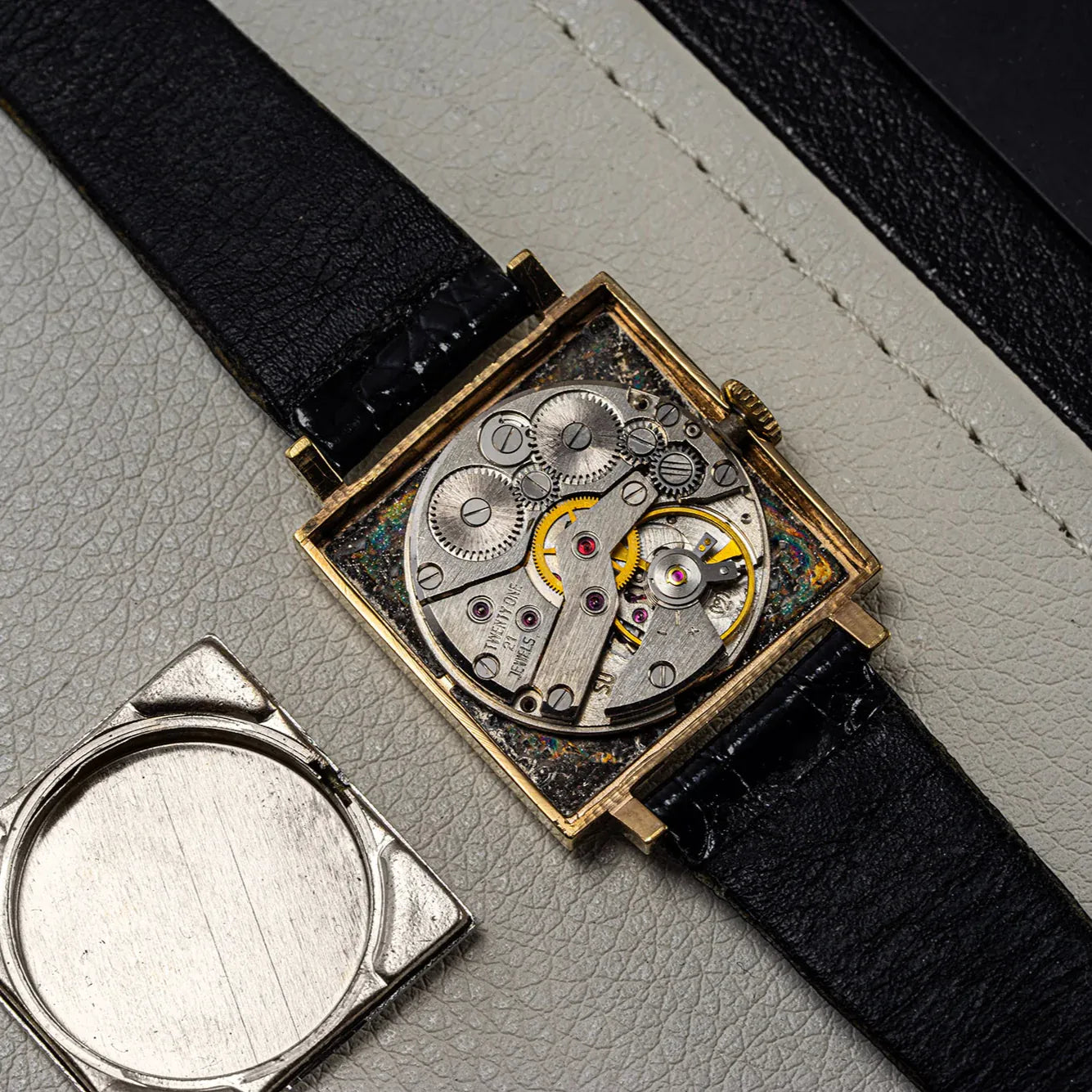
Case condition, original dial finishing, correct hands, and reference-specific components can also influence a watch's desirability. At Vintage Watch Studio, we document individual watches through original macro photography and detailed technical descriptions. Our mechanical watches are professionally serviced, quartz watches are inspected and tested, and every watch includes a 12-month warranty, regardless of movement type.
Collectors interested in traditional mechanical engineering can explore our automatic vintage watches, while those who appreciate electronic precision can discover our vintage quartz watches. Both categories offer distinctive examples of the technologies that shaped watchmaking throughout the 1990s.
1990s Vintage Watches: Buying & Collecting FAQs
What should I check before buying 1990s vintage watches?
Should I buy a 1990s quartz watch or an automatic watch?
How can I check originality and condition before ordering 1990s vintage watches?
Can I buy 1990s vintage watches with a warranty and international delivery?
Recognized & Reliable Worldwide
Trusted Partners in Security, Shipping, and Service



Store
Vintage Watch Studio
- Drinke Pavlovic 3, 11130 Belgrade
- Visiting Hours: Monday – Friday: 10:00 – 17:00 CET
- +381 61 653 4298
- vintagewatchstudio@gmail.com
- Online Chat 24/7