



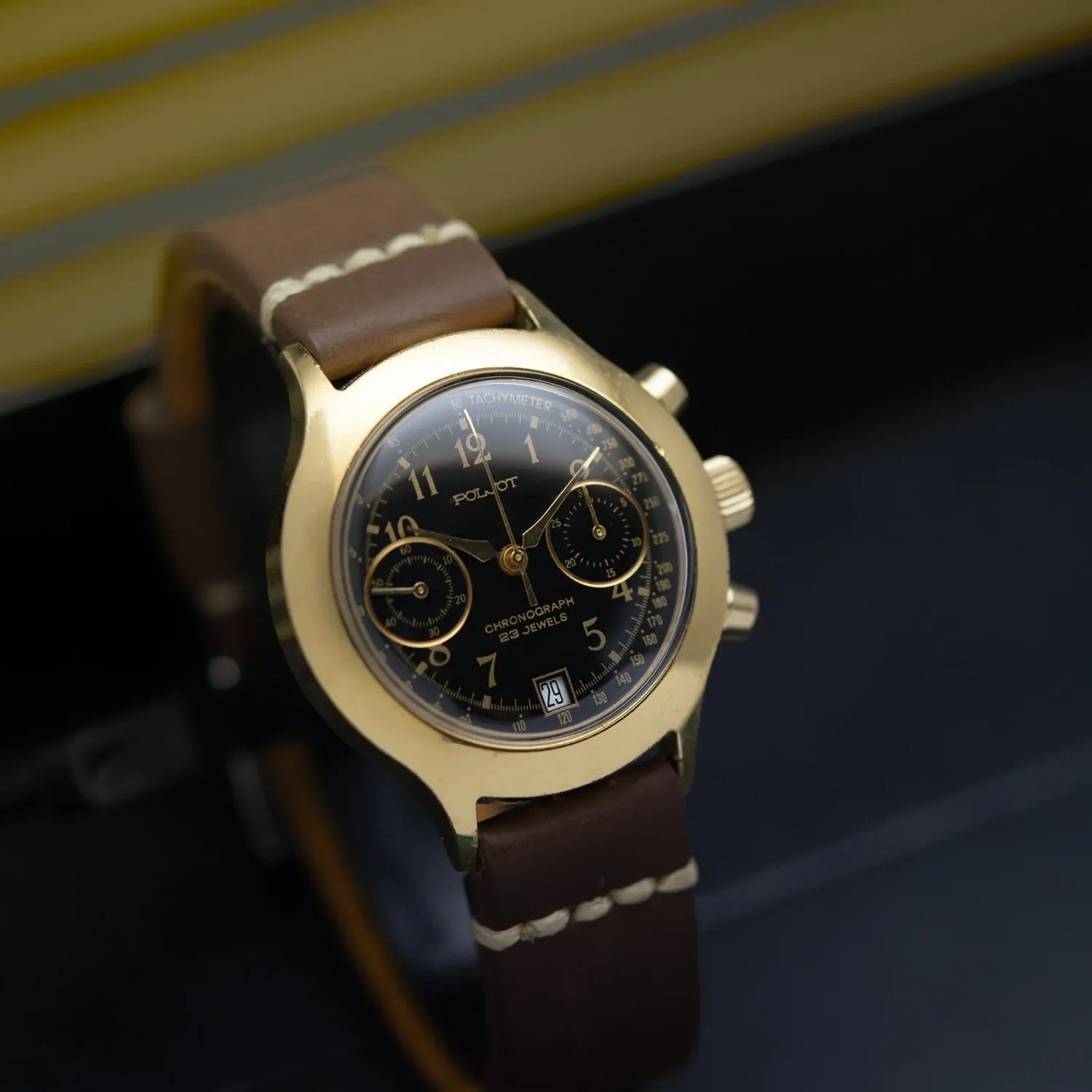
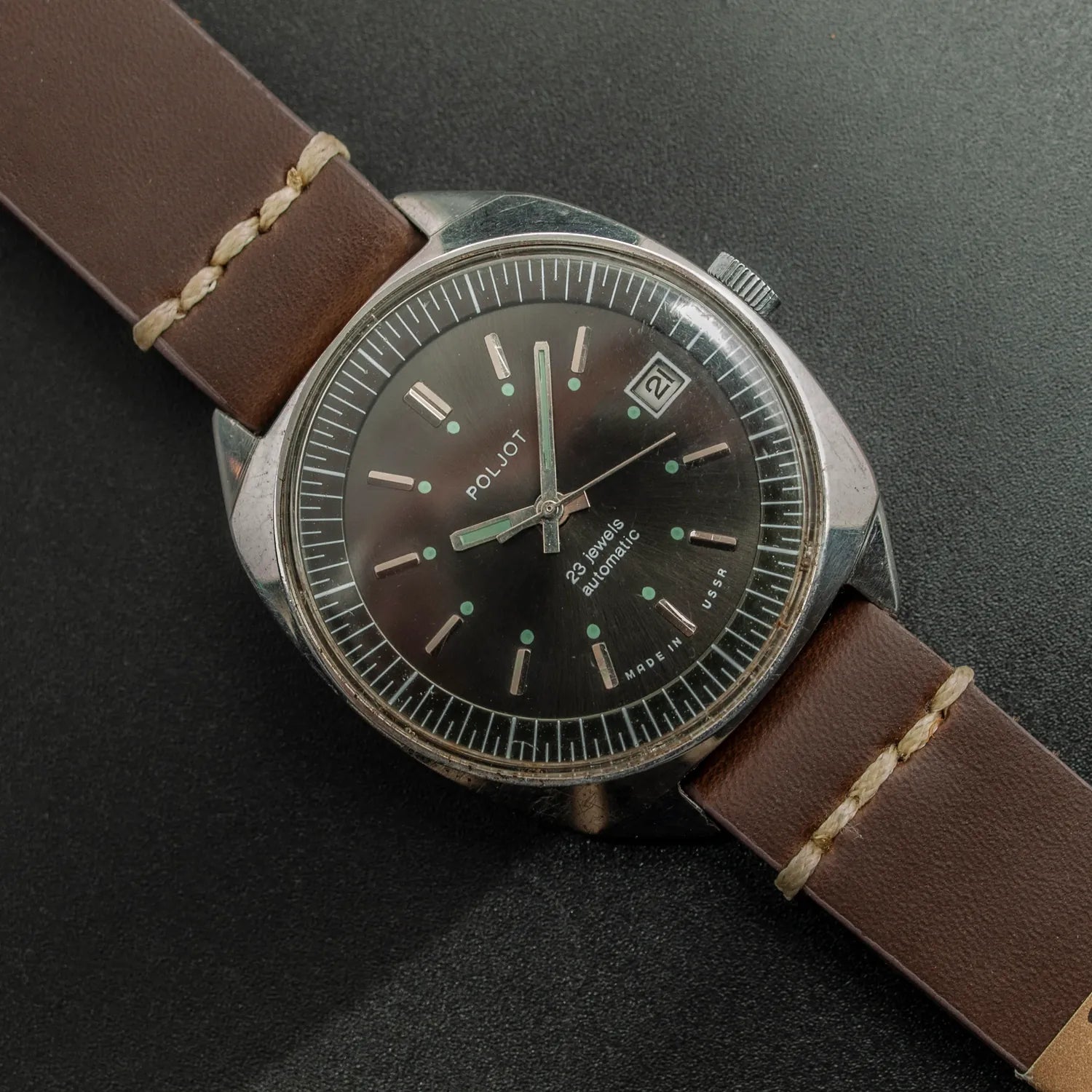
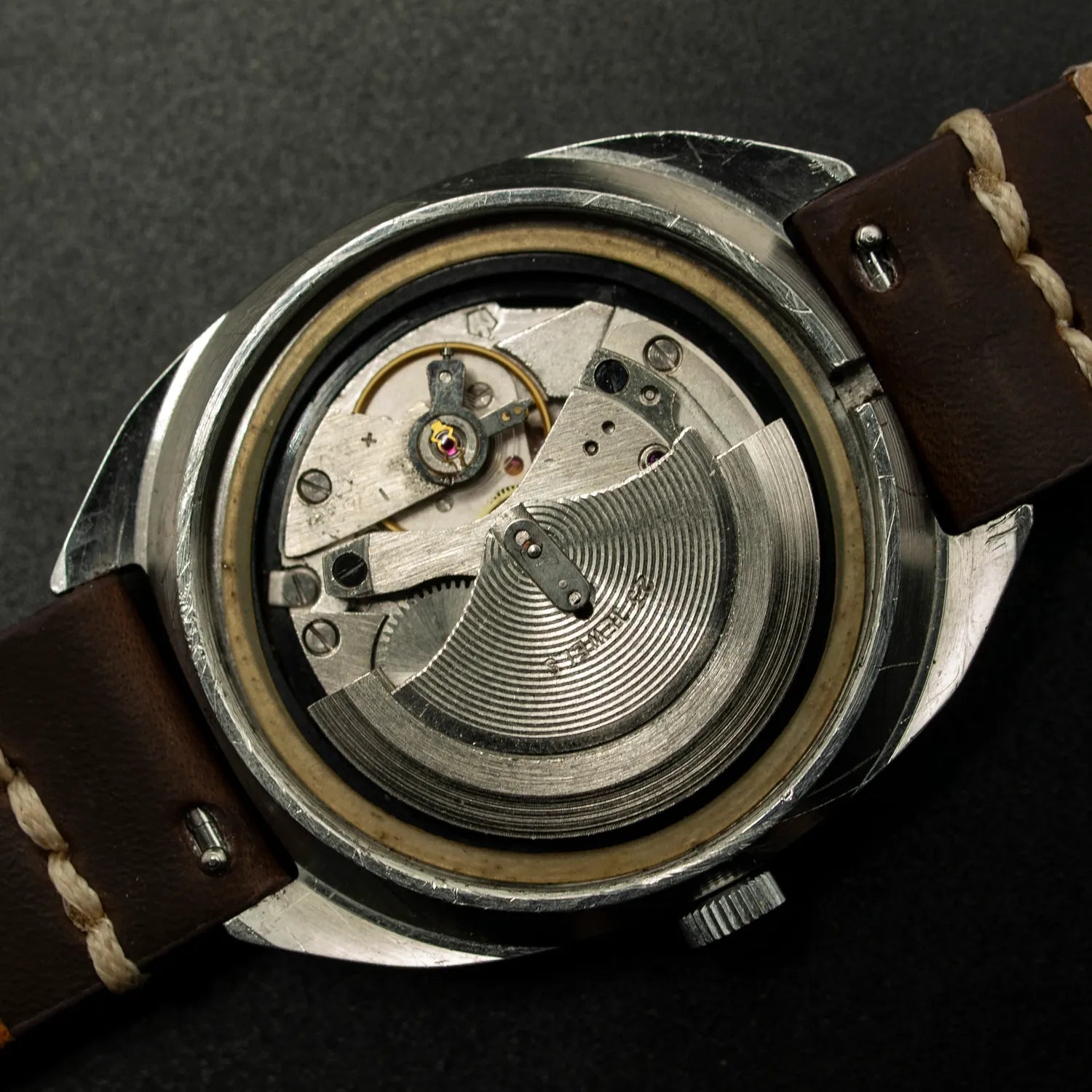
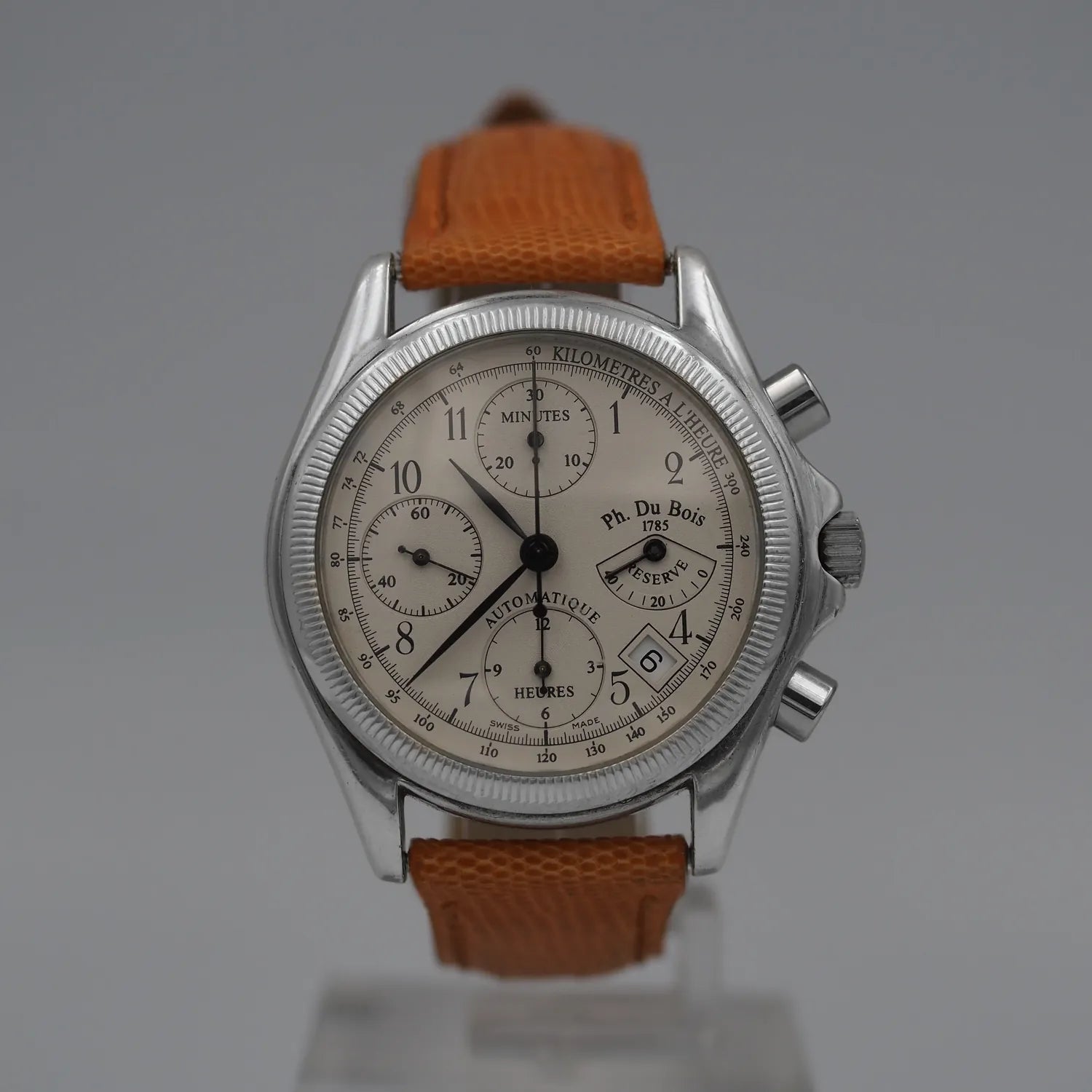
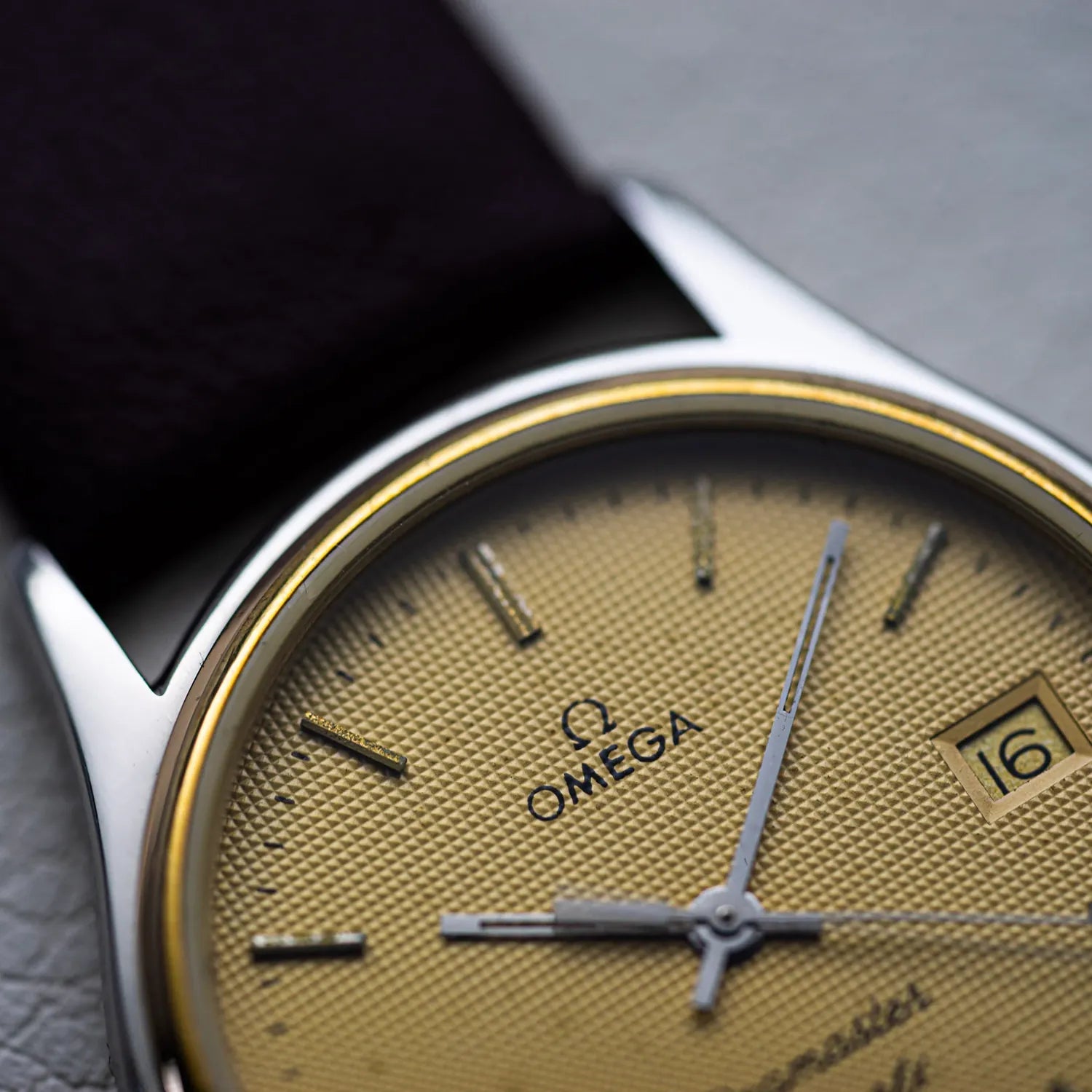
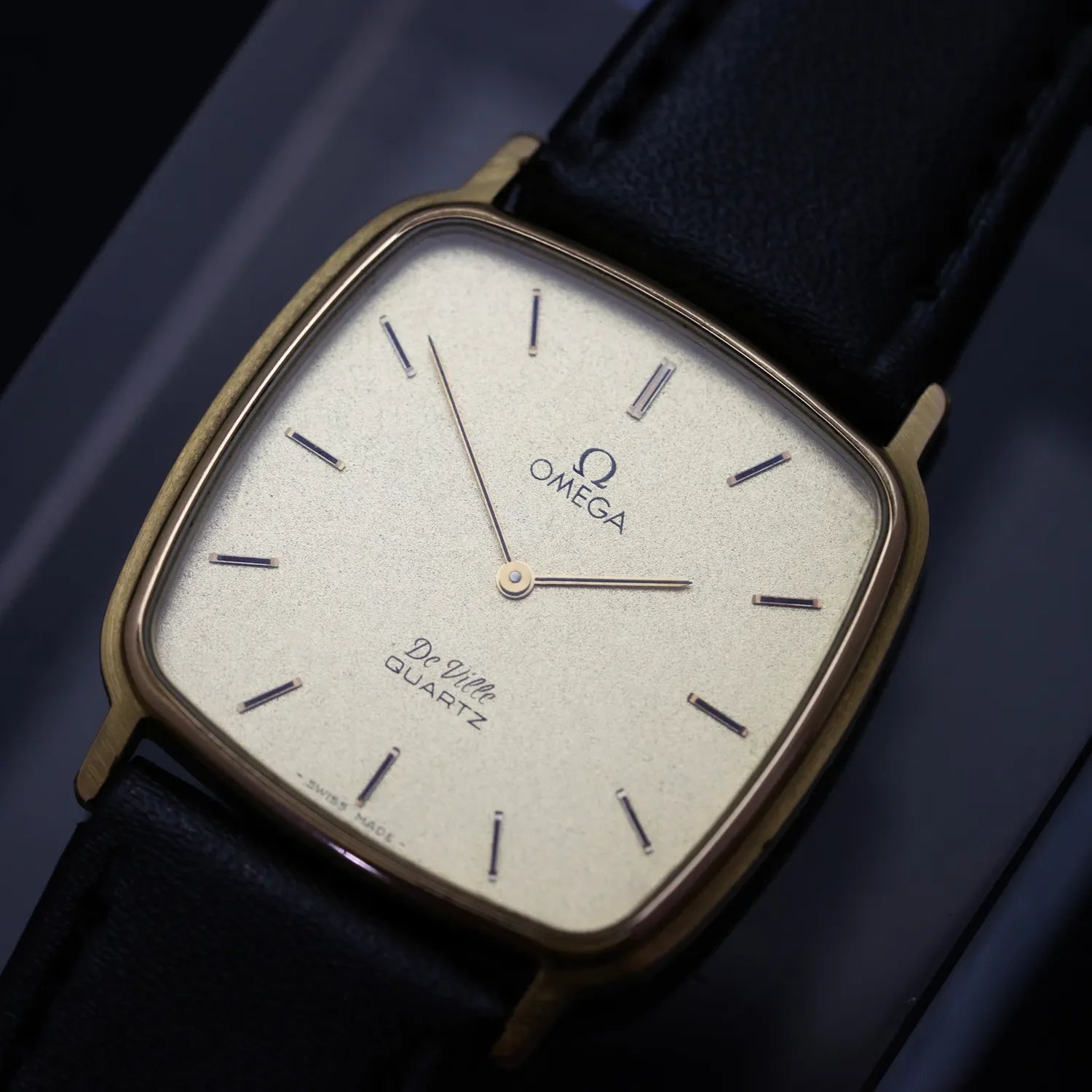
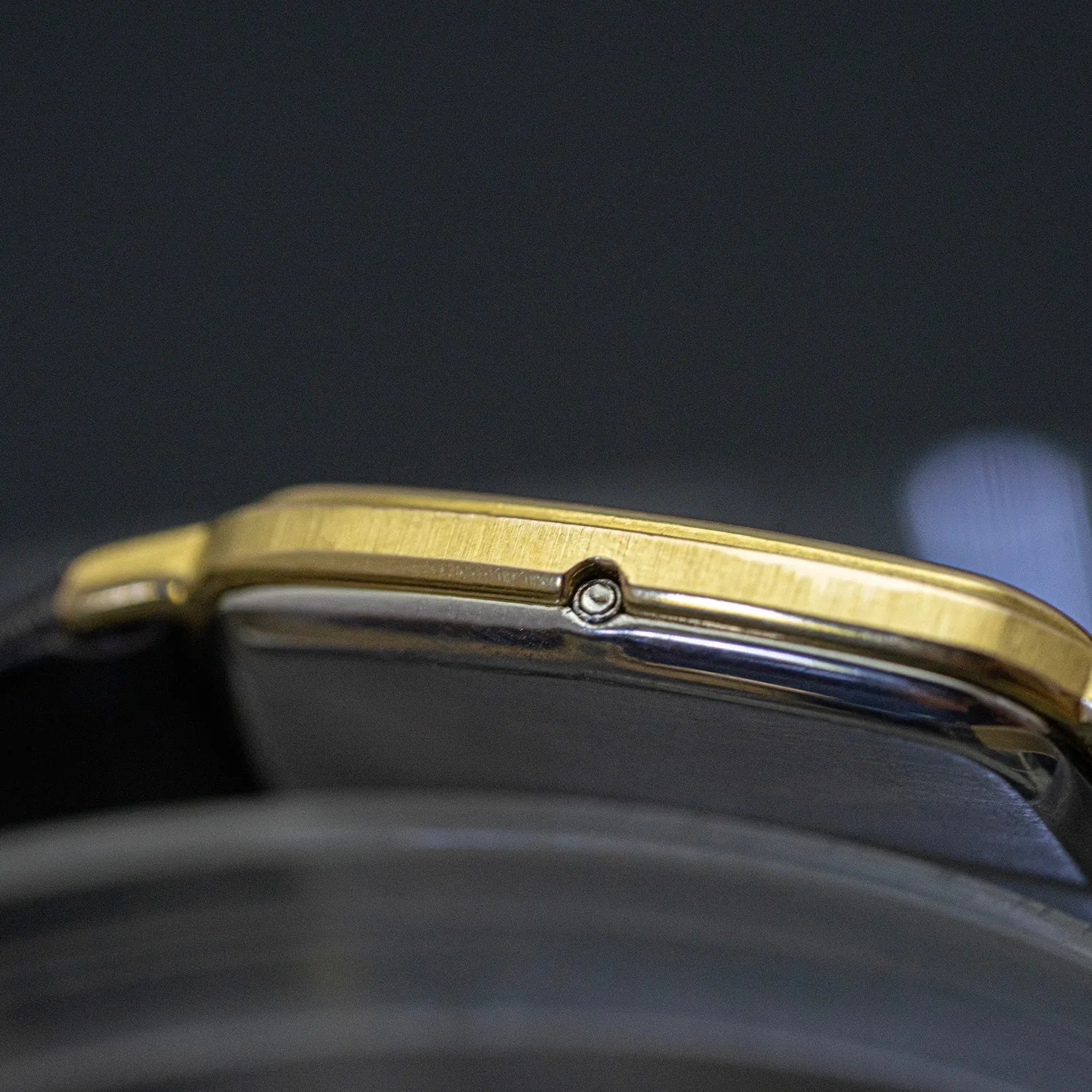
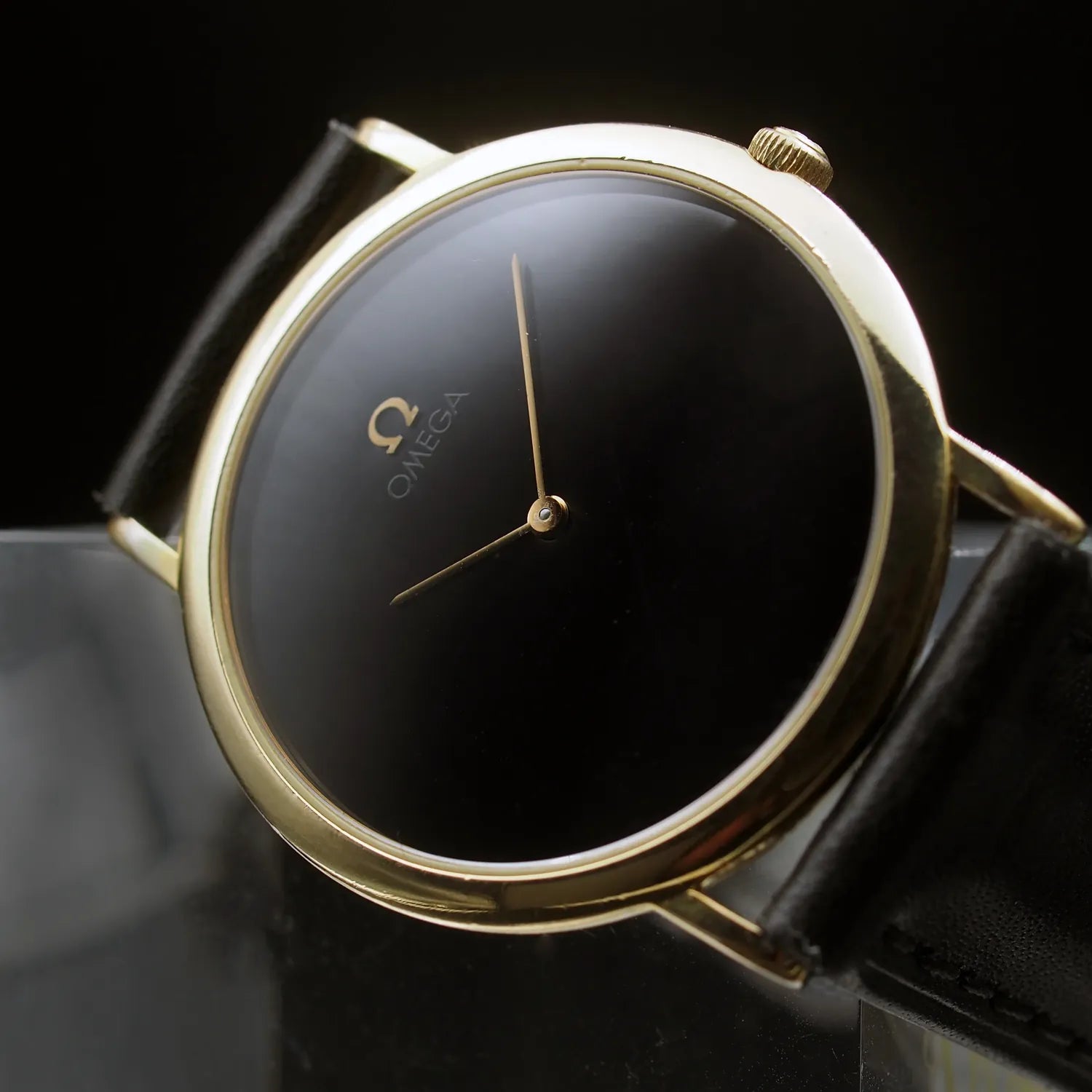
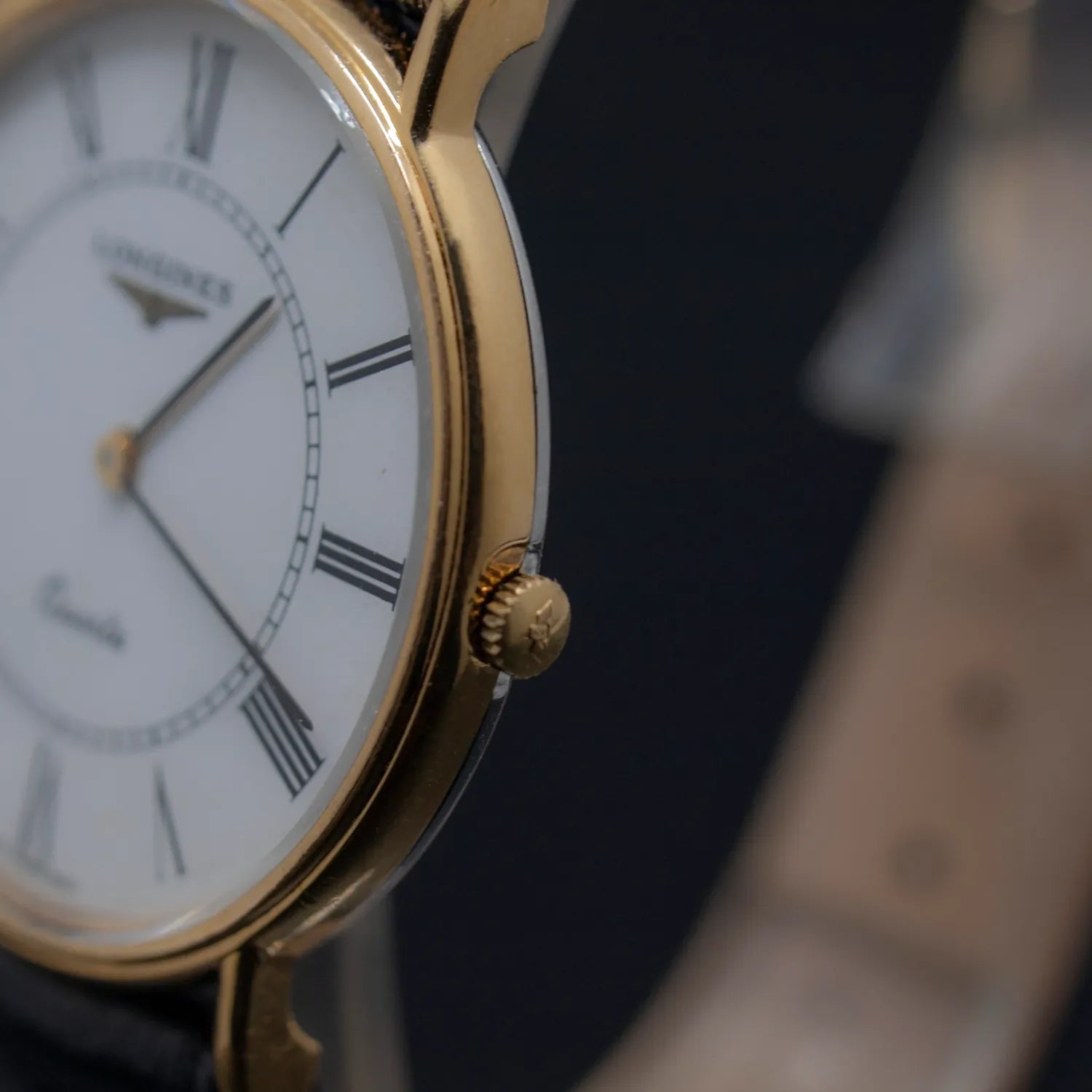
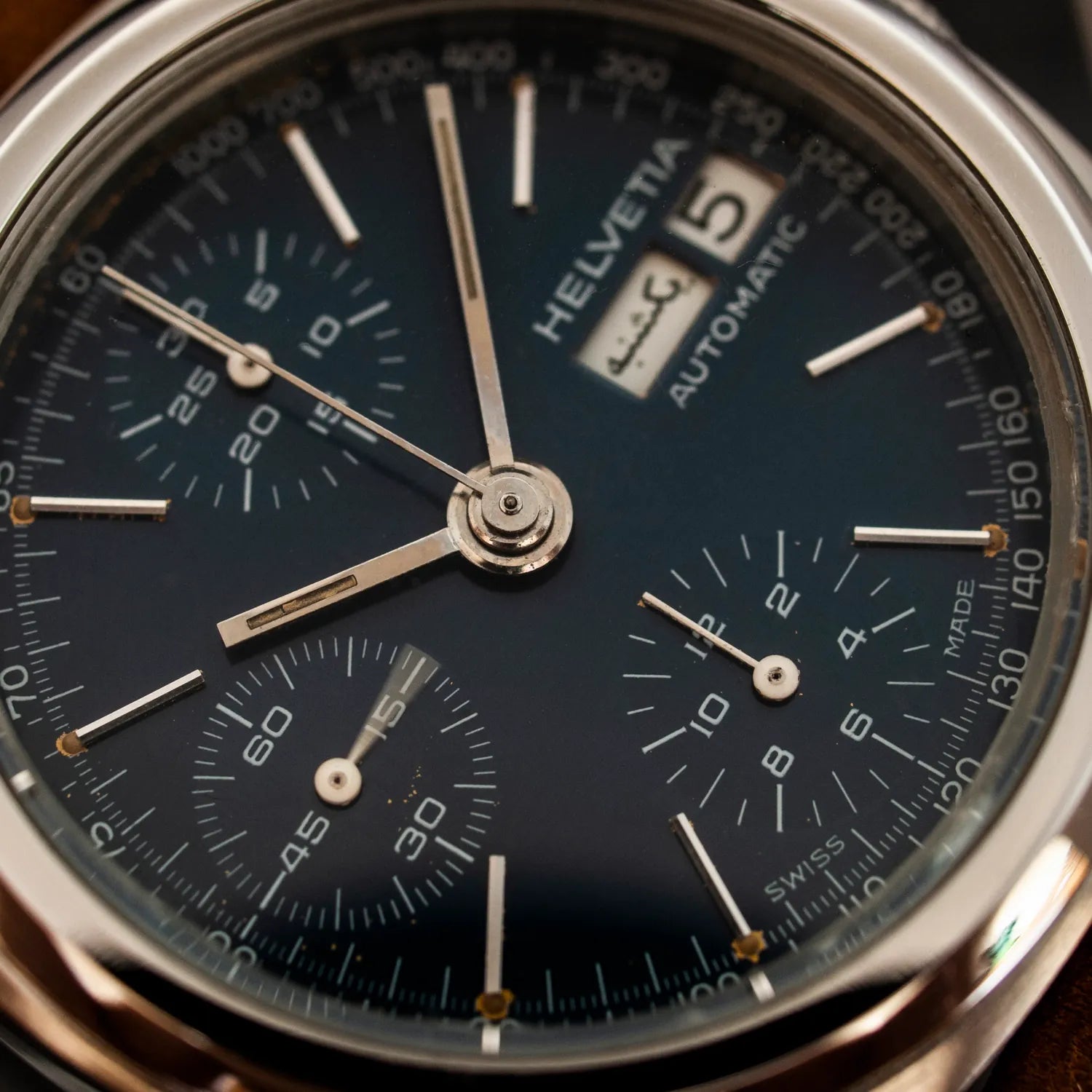
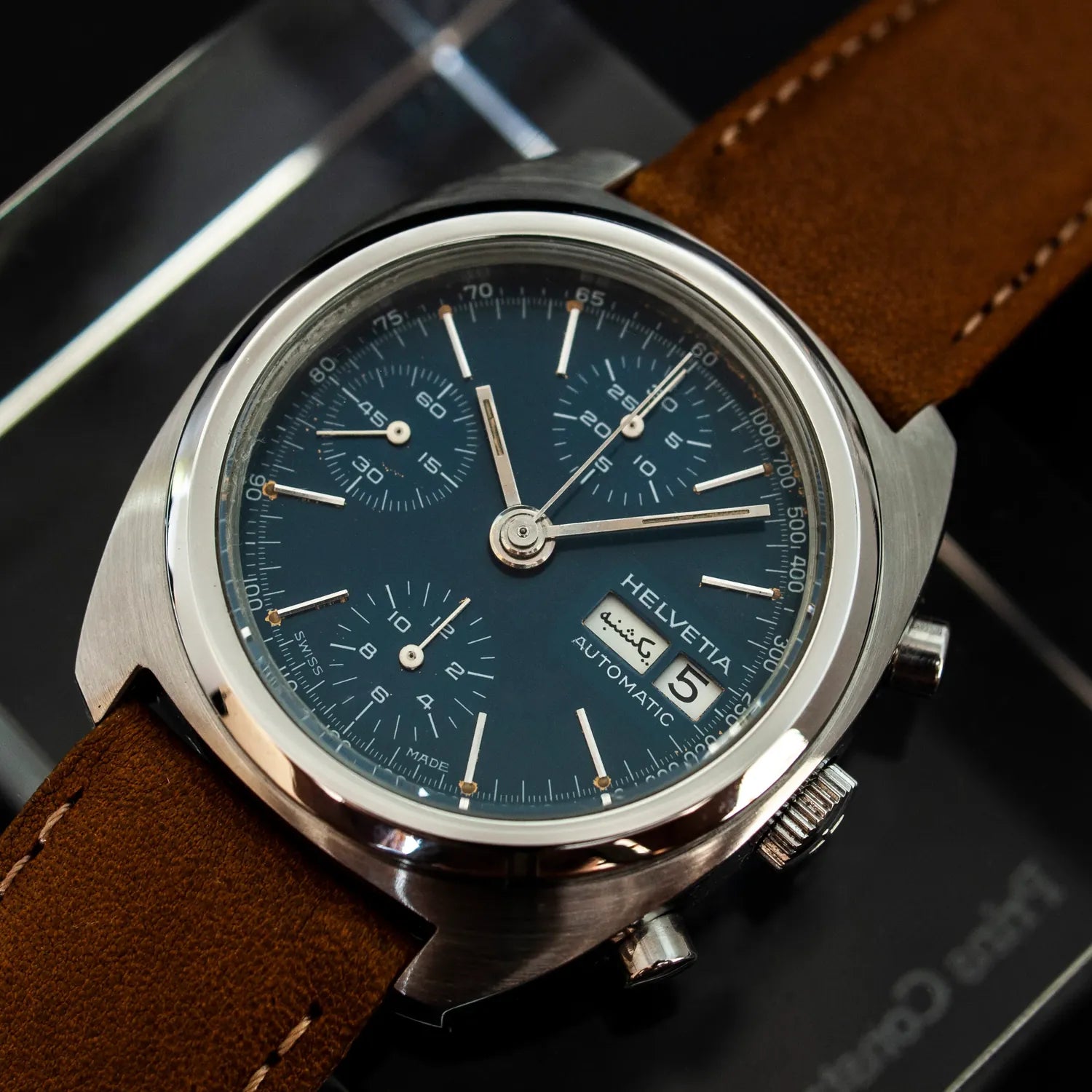
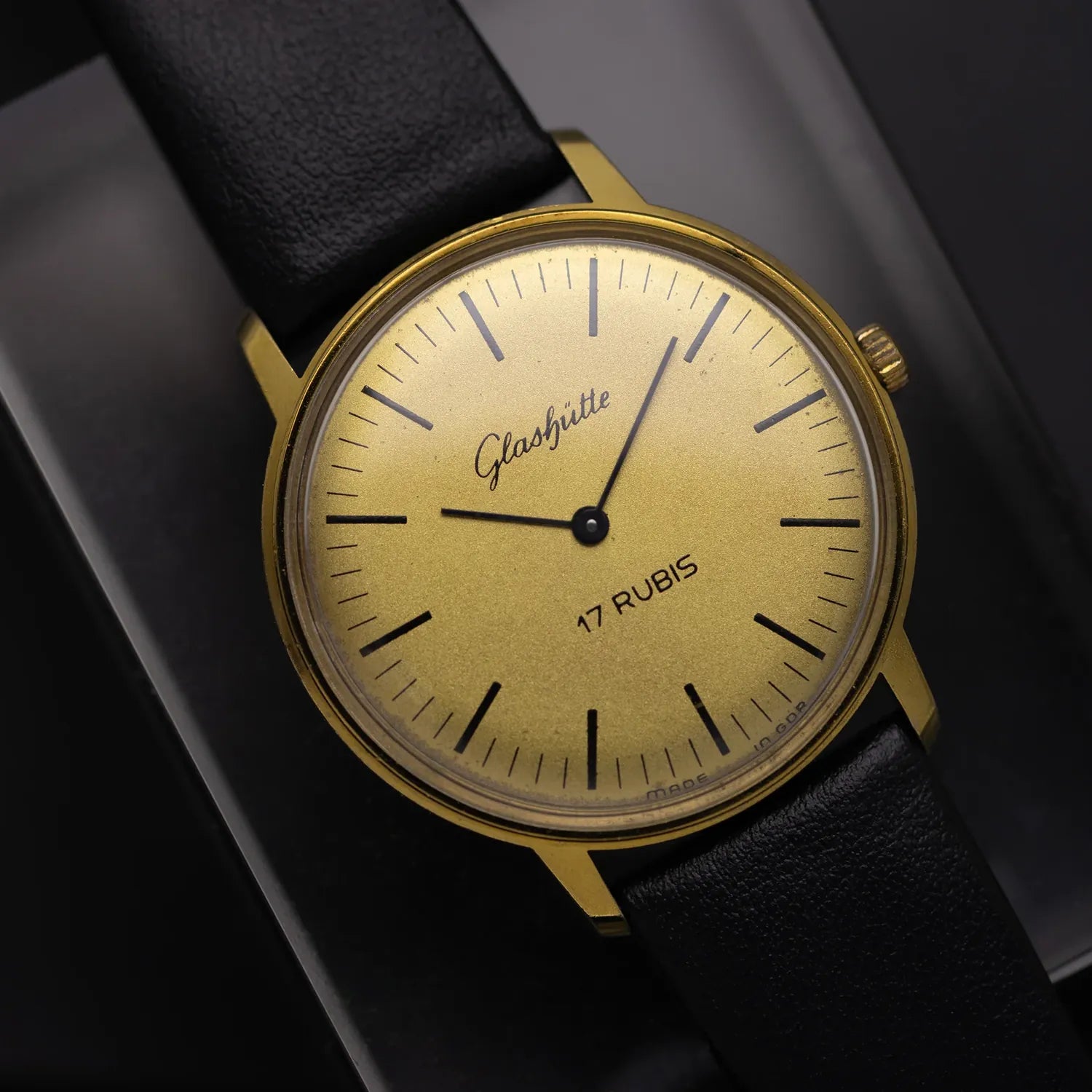
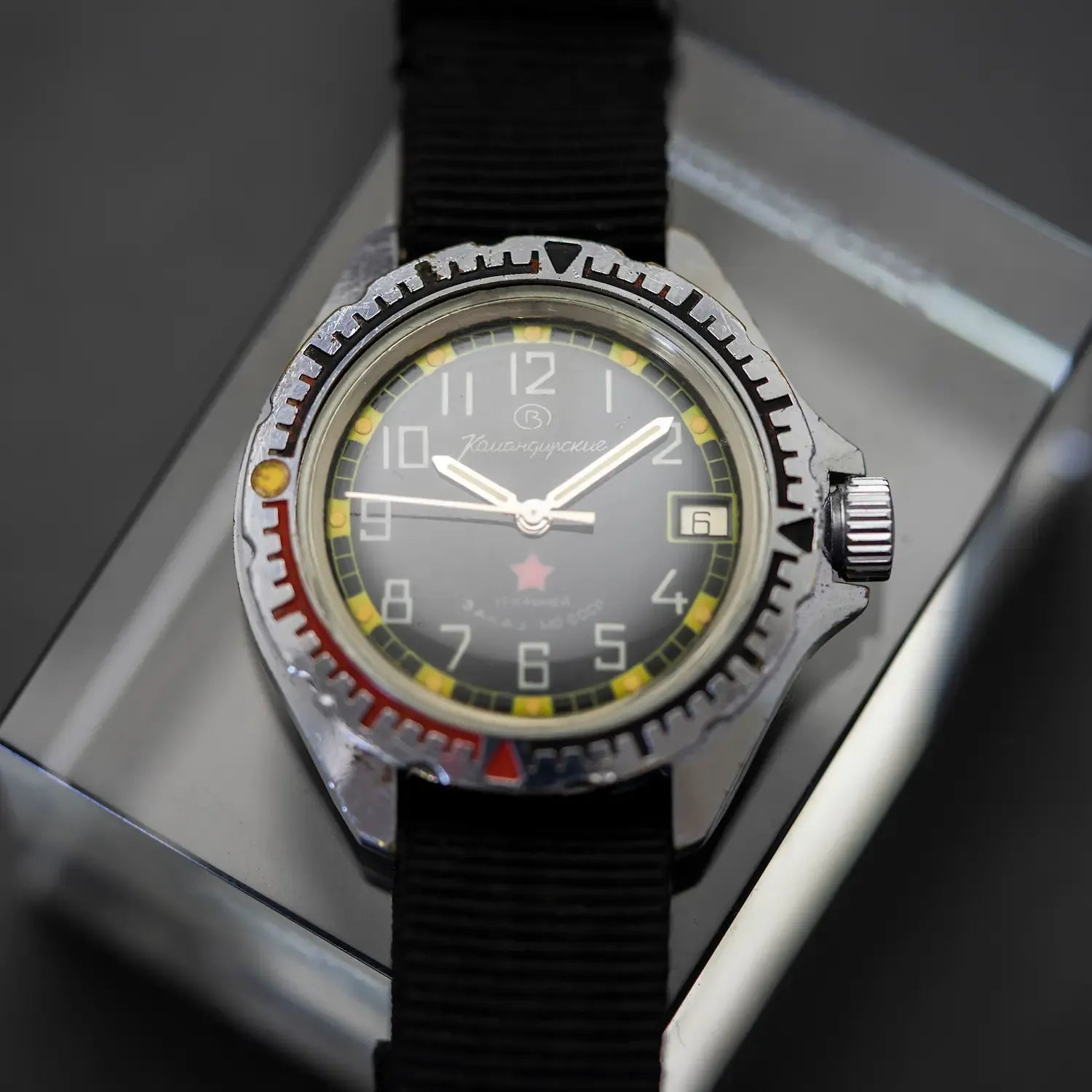
Didn’t find the reference you had in mind? Explore our vintage watches — fully serviced with a 12-month warranty.
EXPLORE MORE
Explore Vintage Watches by Era and Movement
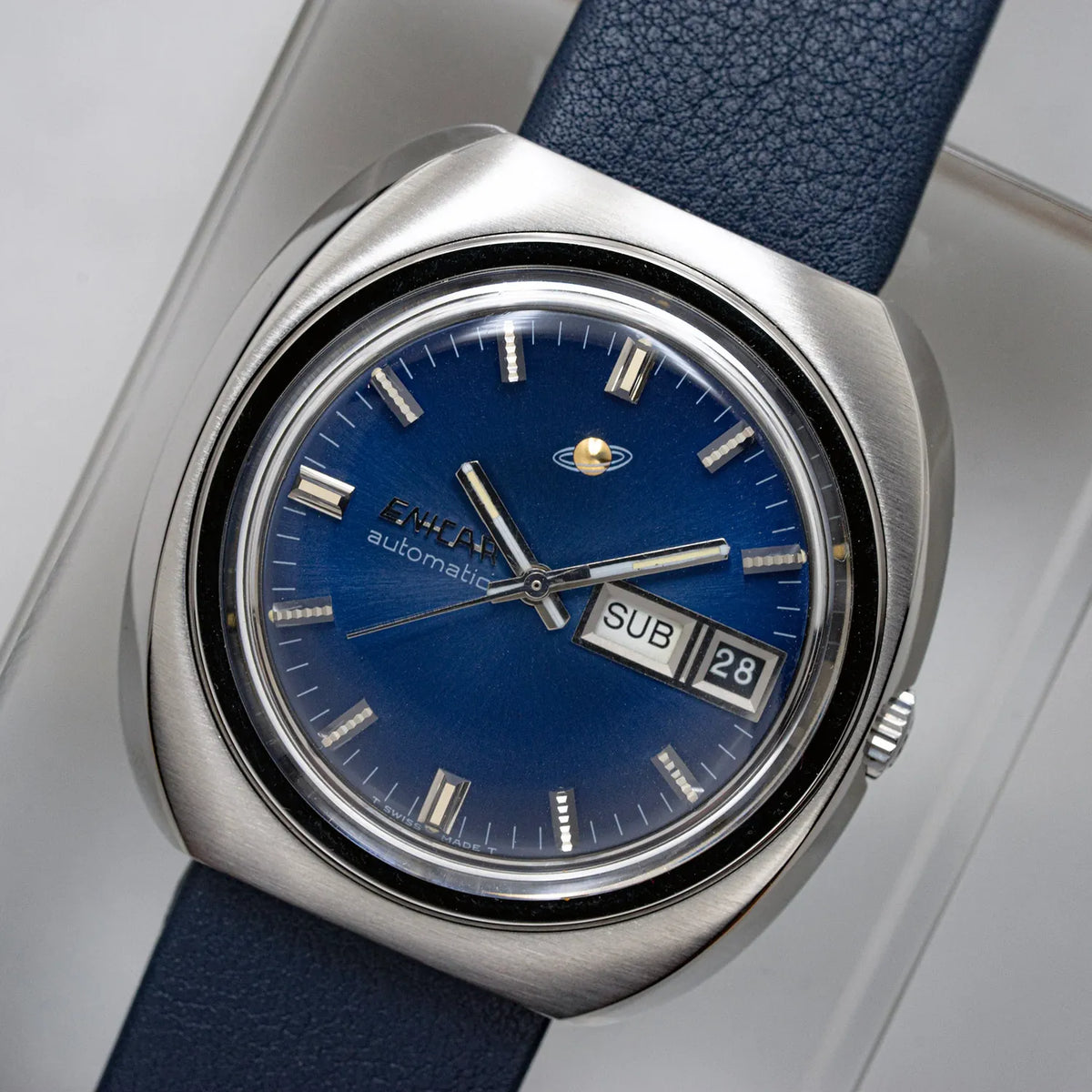
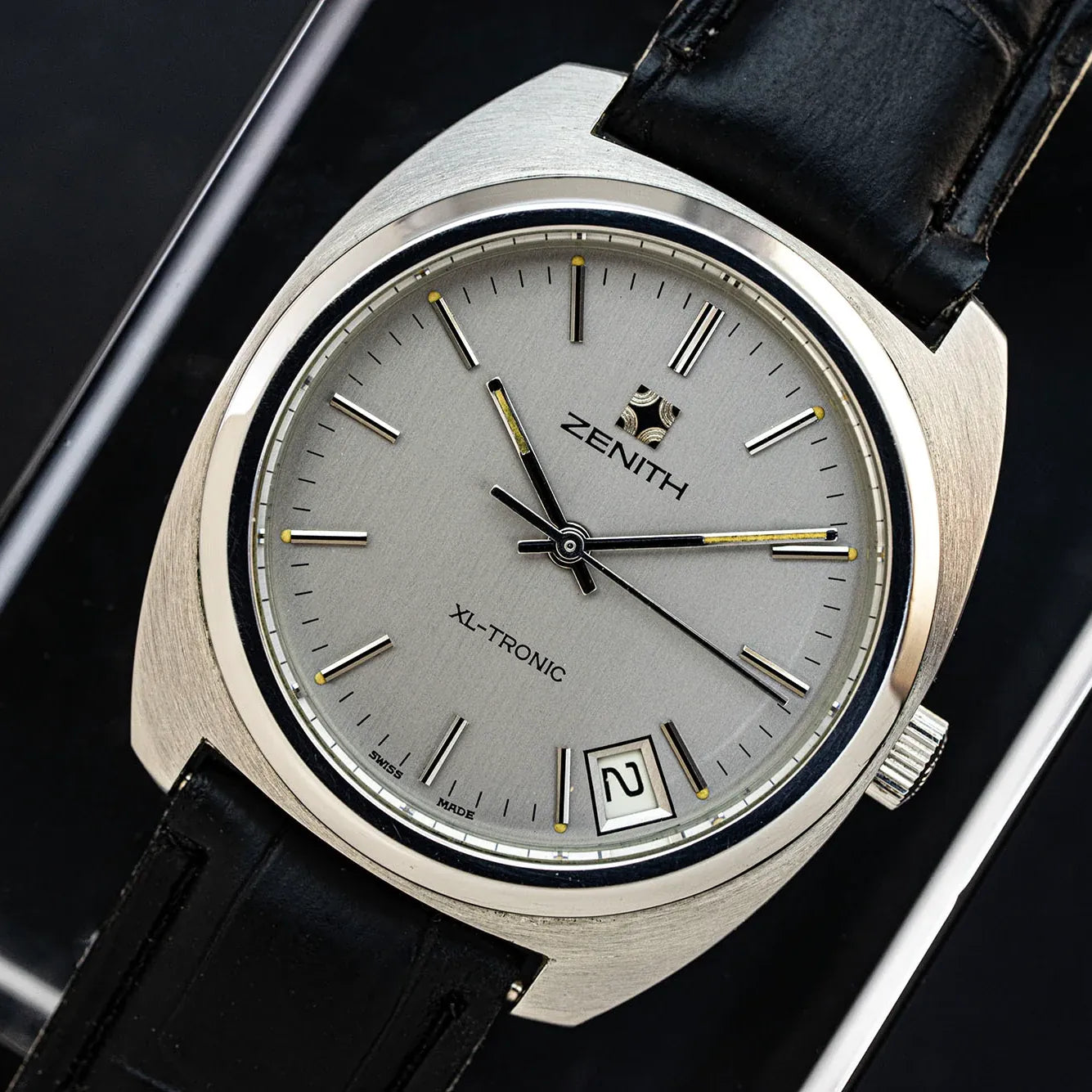


How Quartz Technology Reshaped Watches in the 1980s
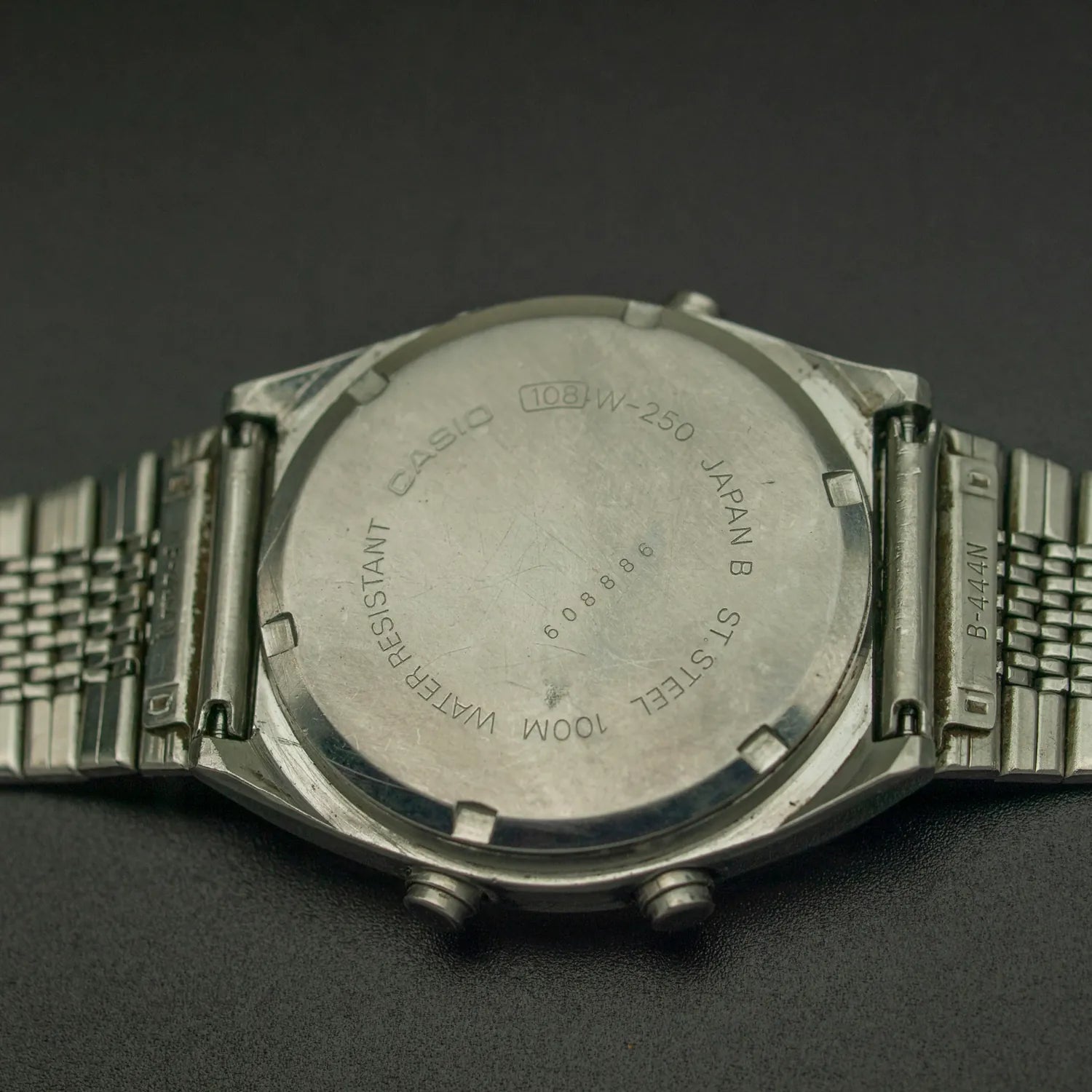
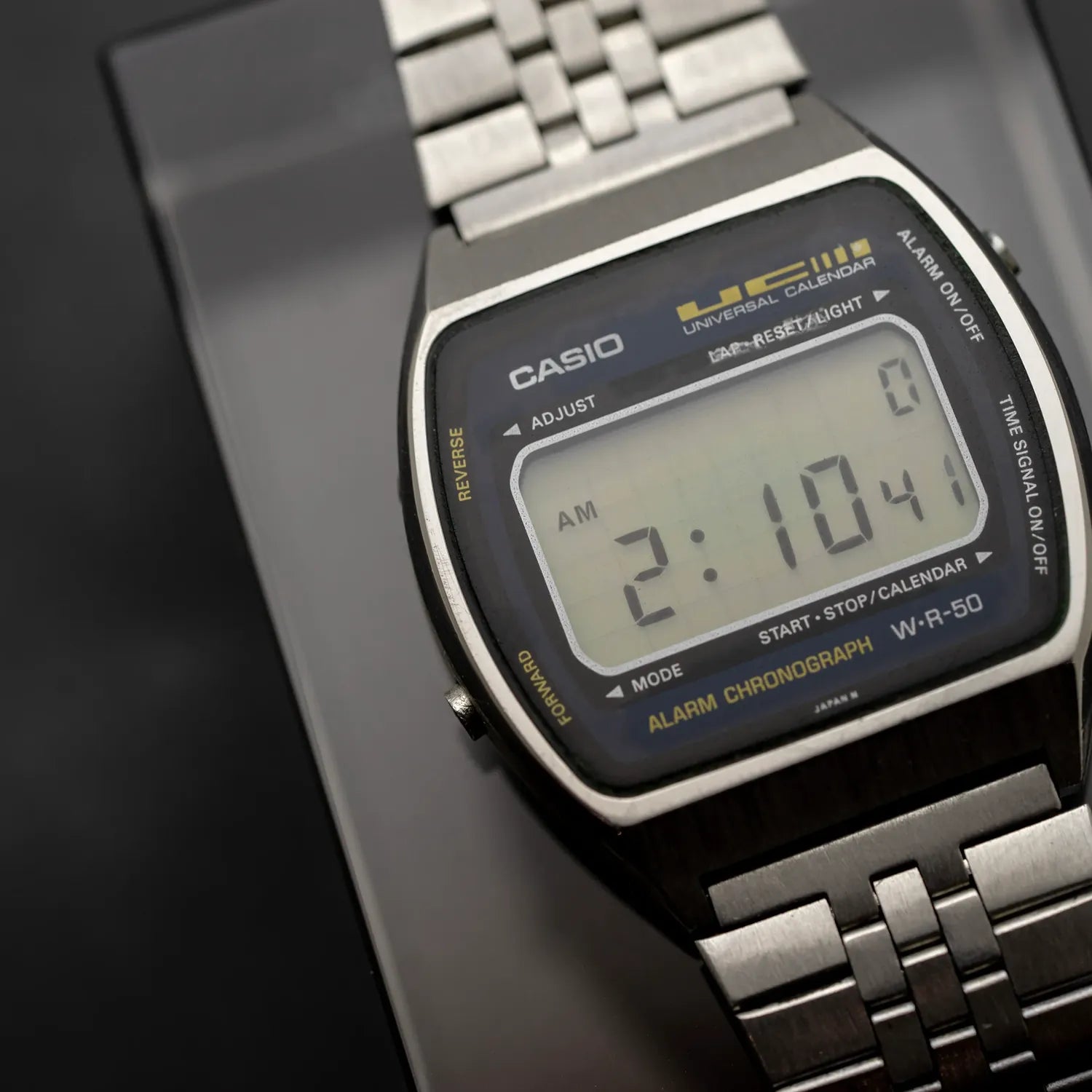
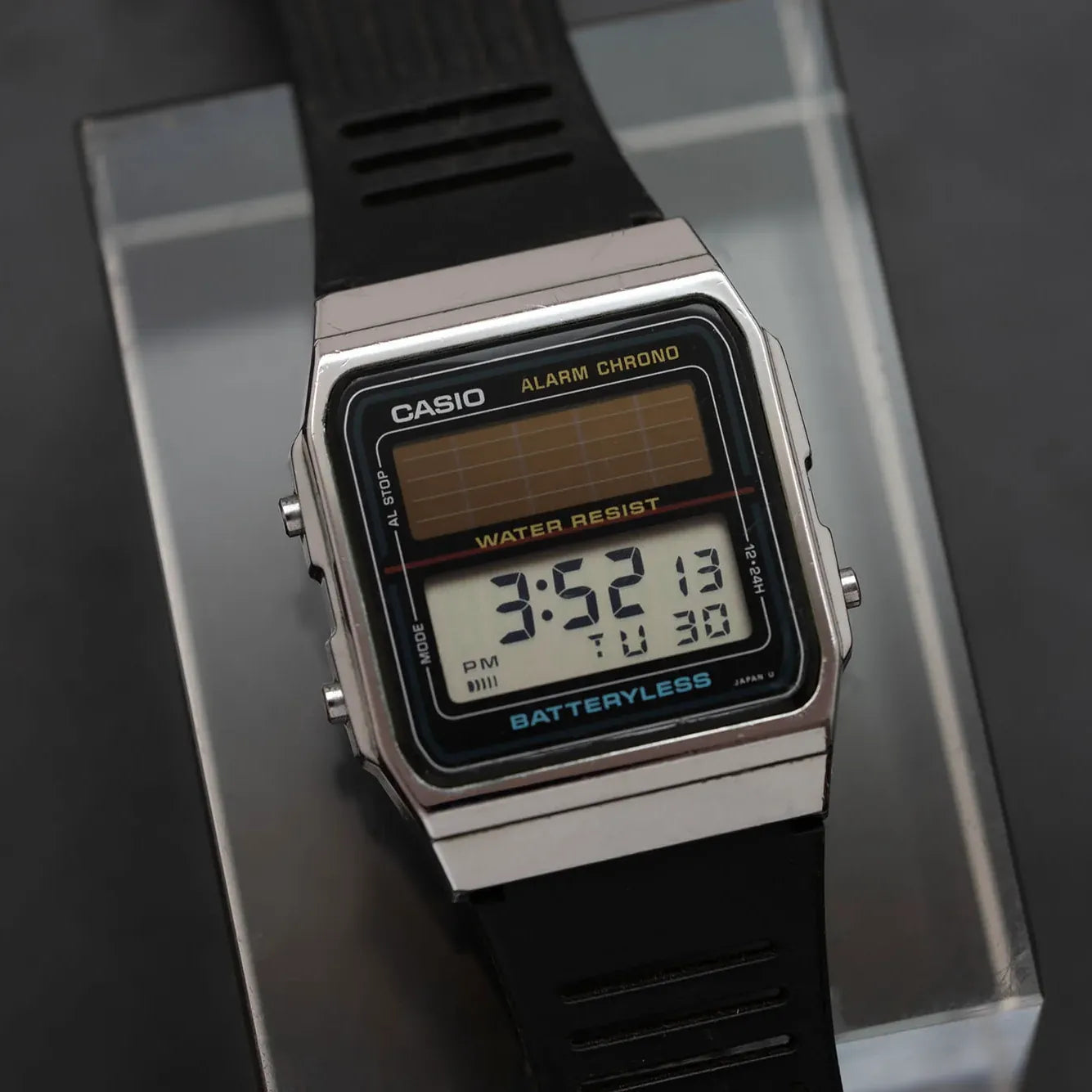
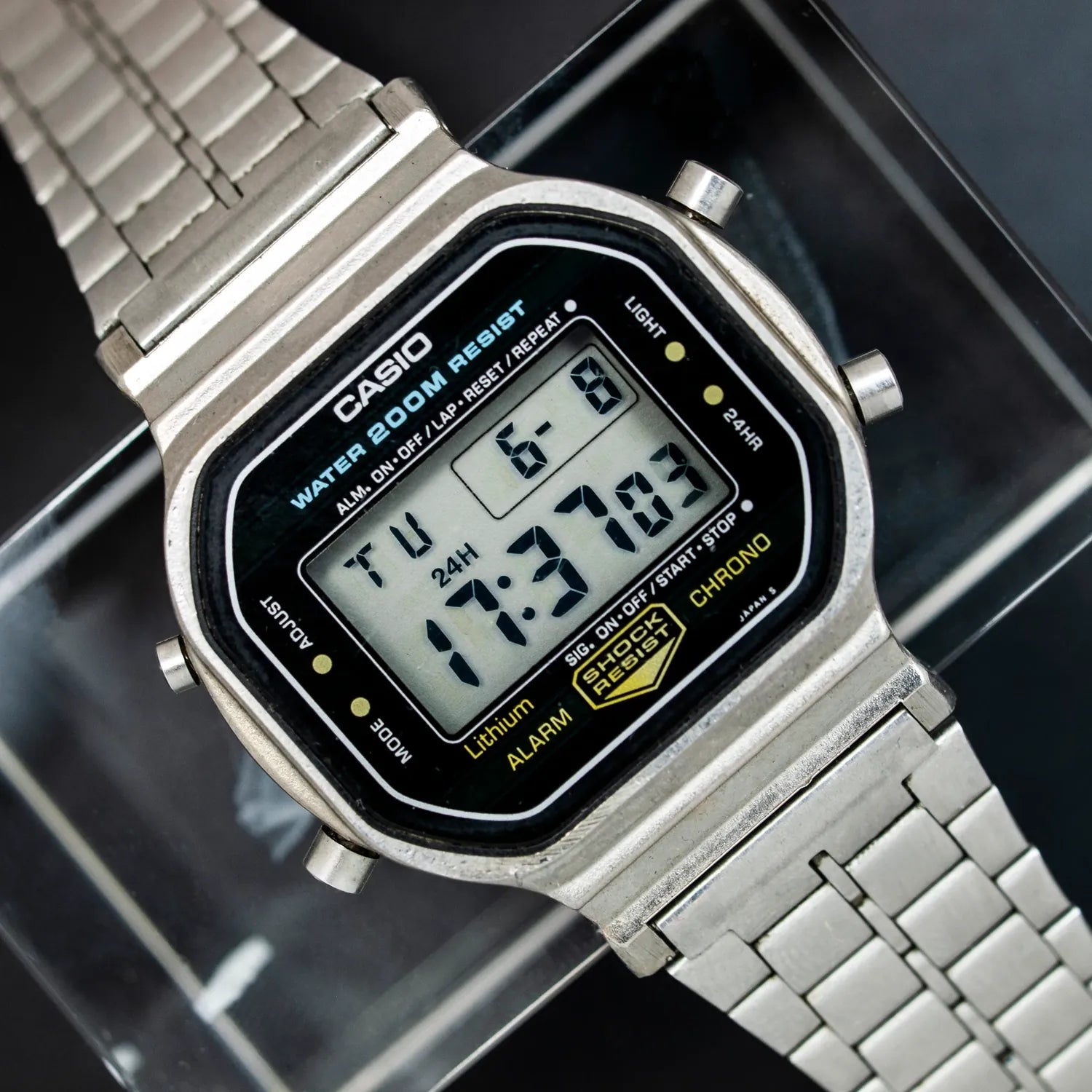
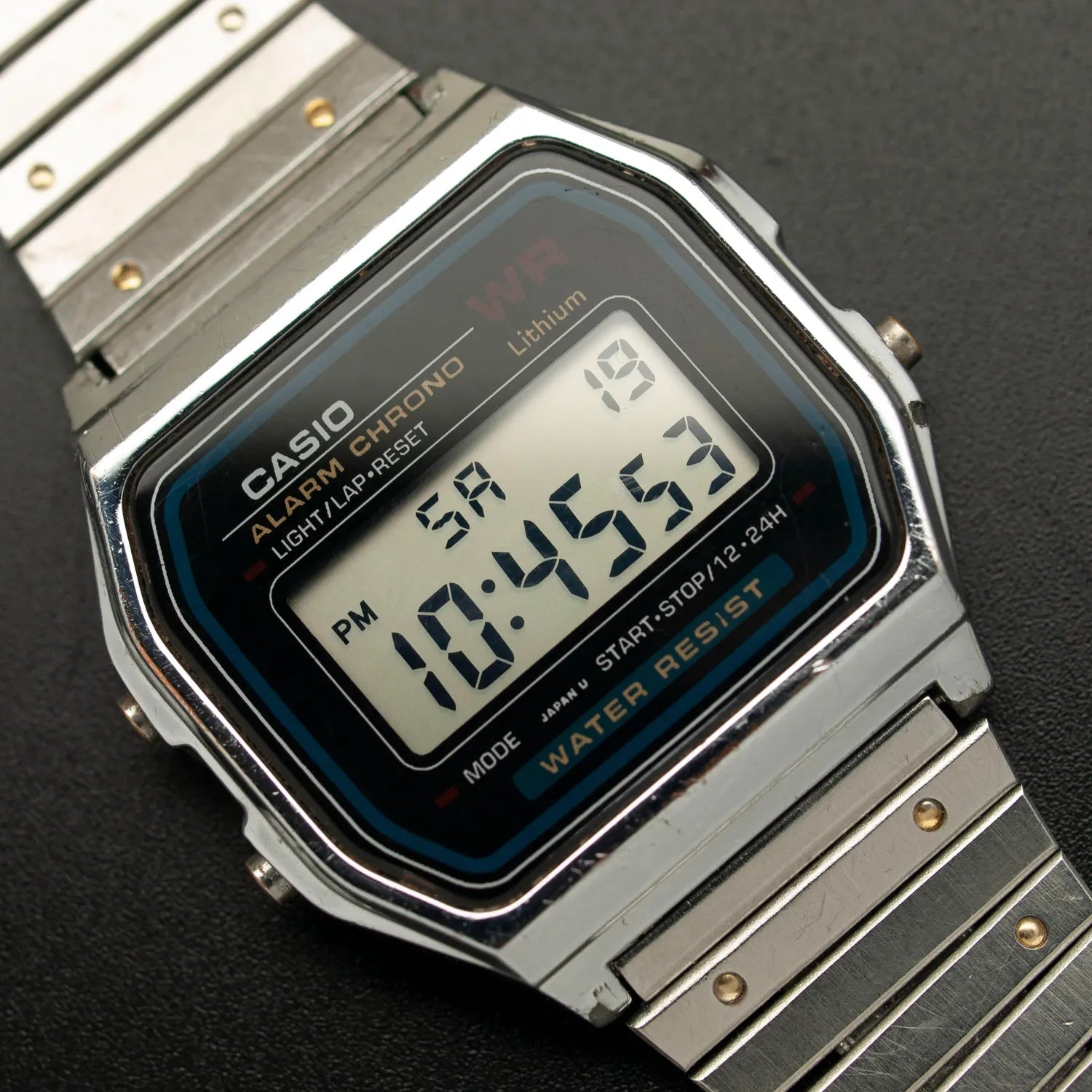
By the beginning of the 1980s, quartz timekeeping was no longer an experimental luxury. The technology had already entered the mass market, changing expectations of accuracy, convenience and affordability. Watchmakers could now develop products around electronic functions and new case designs rather than the physical requirements of a traditional mechanical movement.
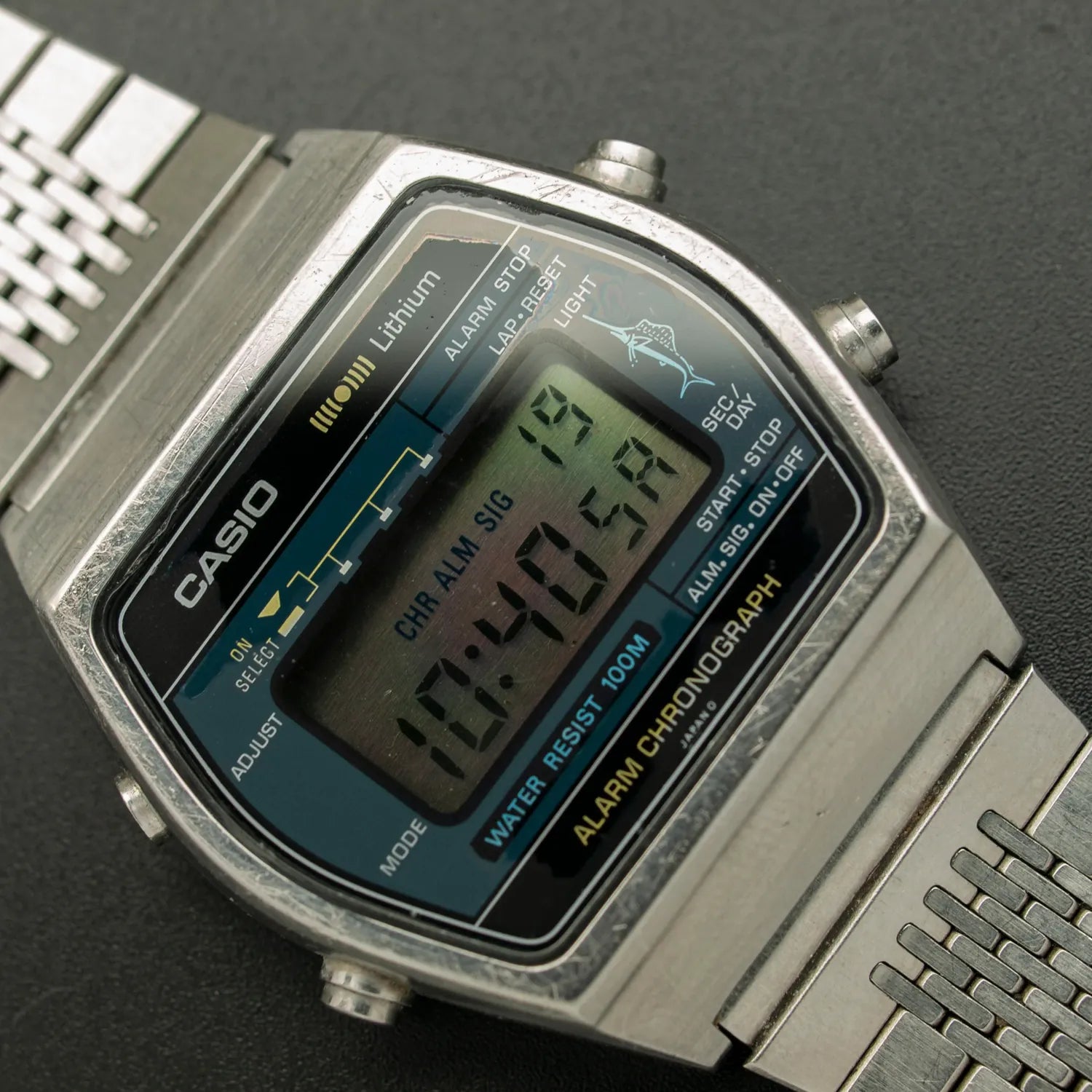
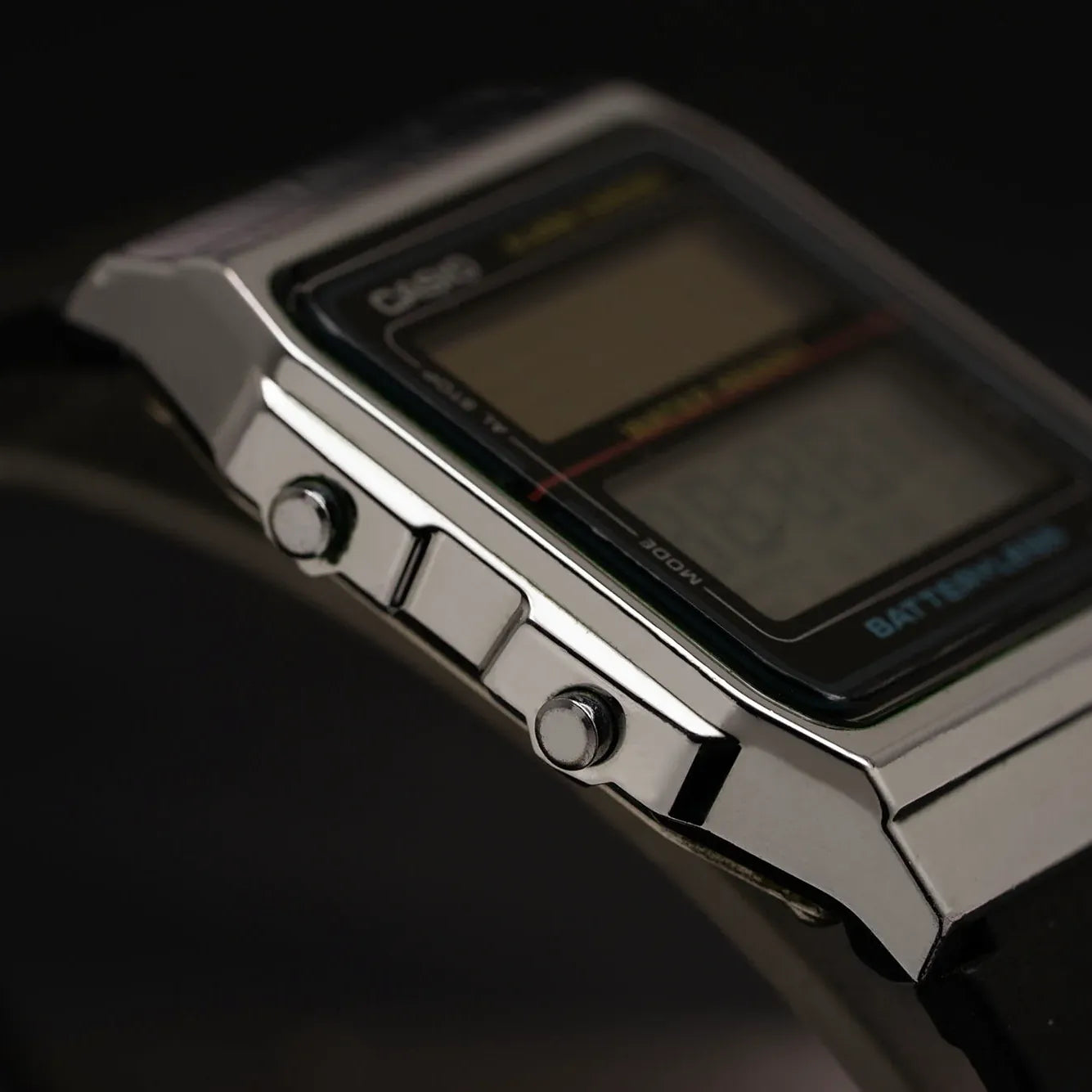
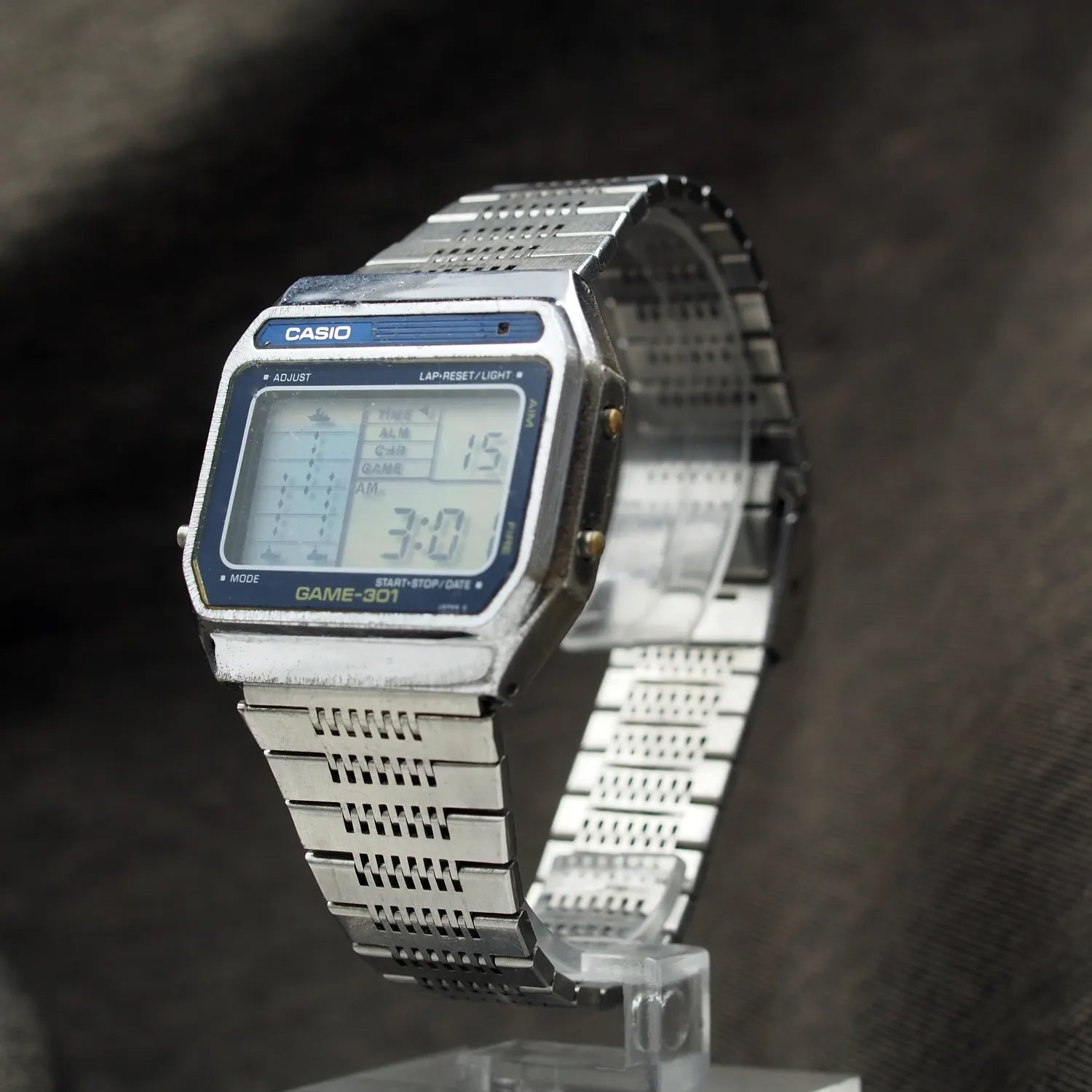
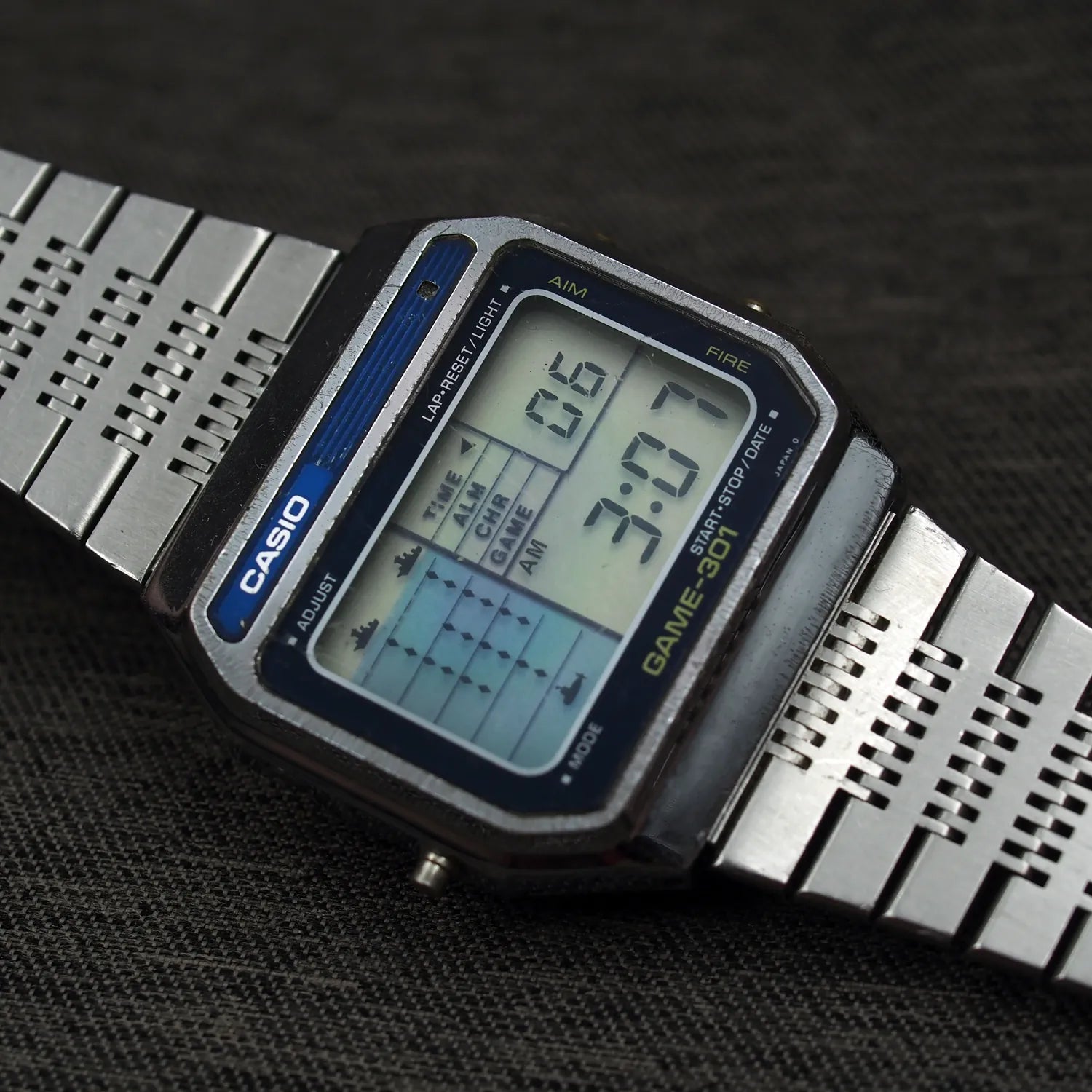
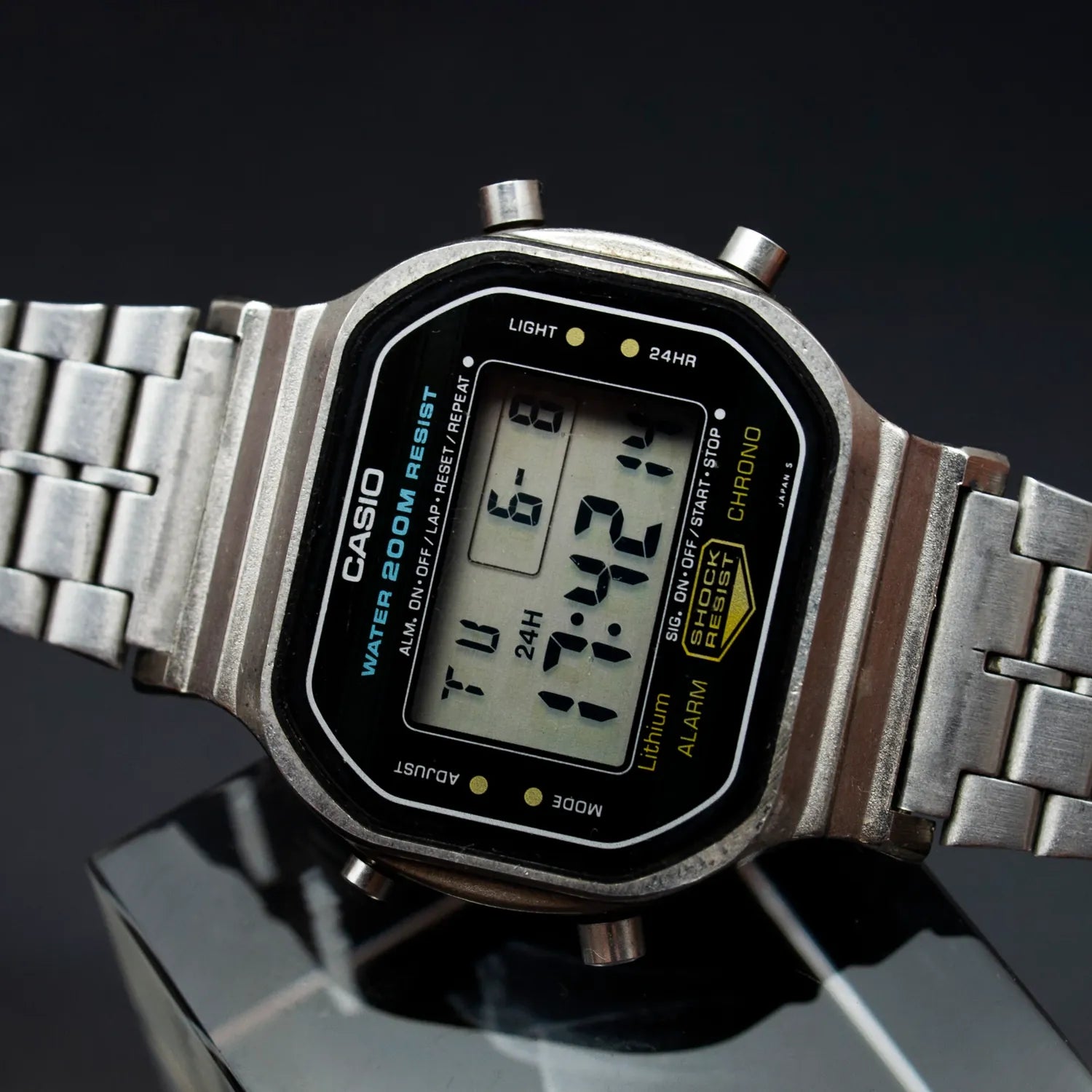
Japanese manufacturers were particularly influential. In 1983, Seiko introduced the world's first analog quartz chronograph, combining electronic timekeeping with a familiar arrangement of hands and chronograph registers. Digital watches also moved beyond basic time display, incorporating alarms, calculators and other functions that reflected the growing presence of personal electronics in everyday life.
The Swiss industry faced a different challenge. Its traditional manufacturing structure came under severe pressure, prompting changes in production and positioning. The launch of Swatch in 1983 demonstrated how Swiss watchmaking could compete through efficient manufacturing, accessible pricing and expressive design.
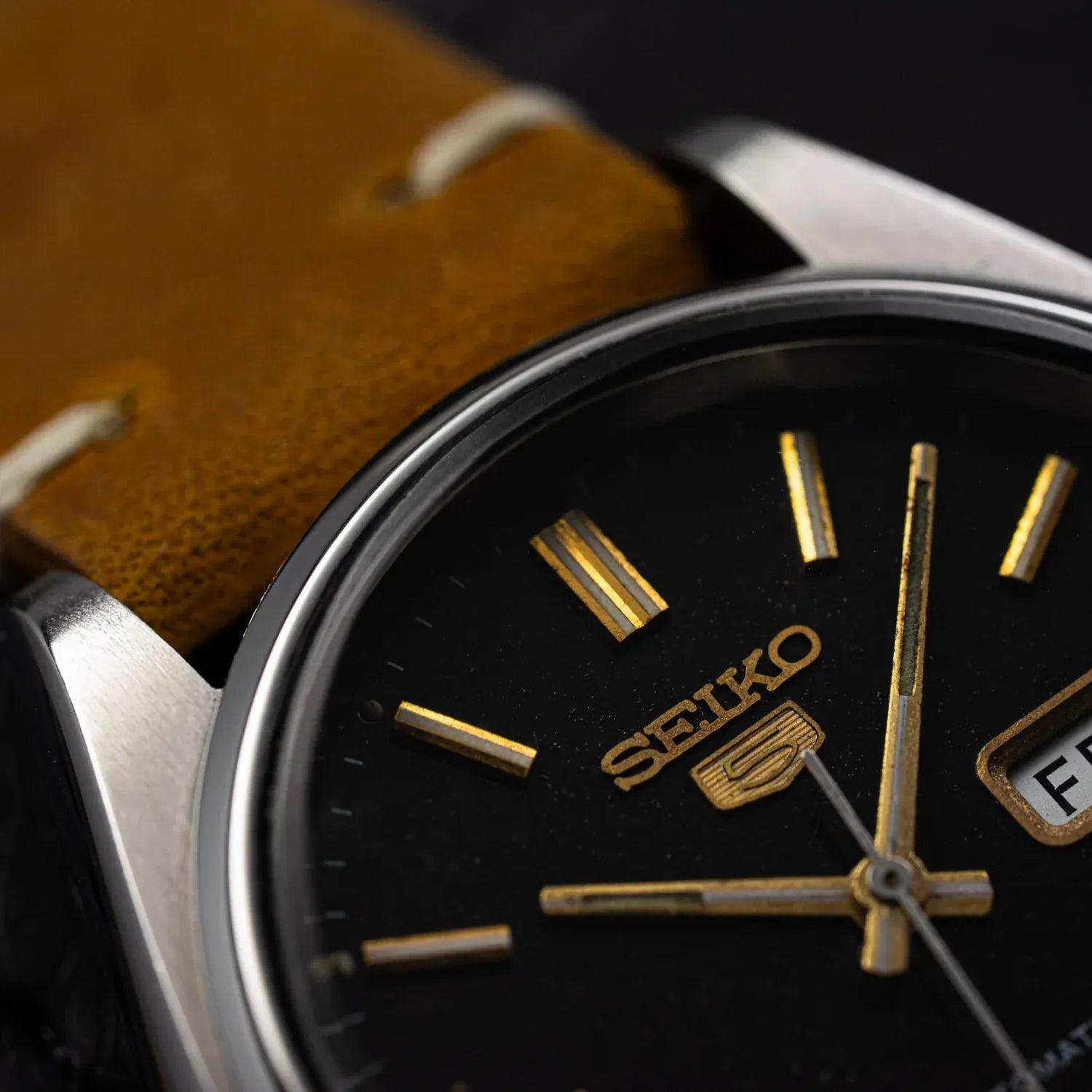
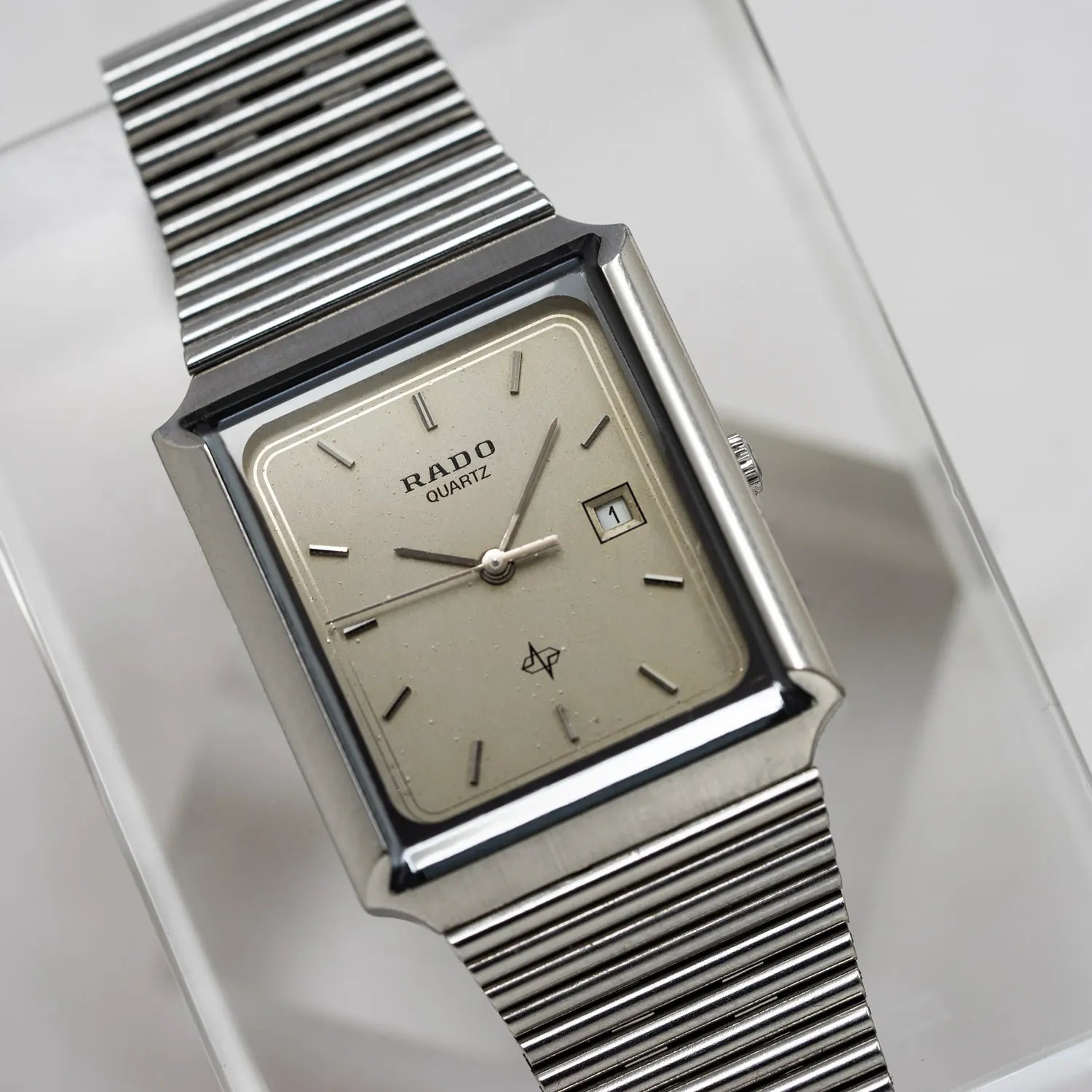
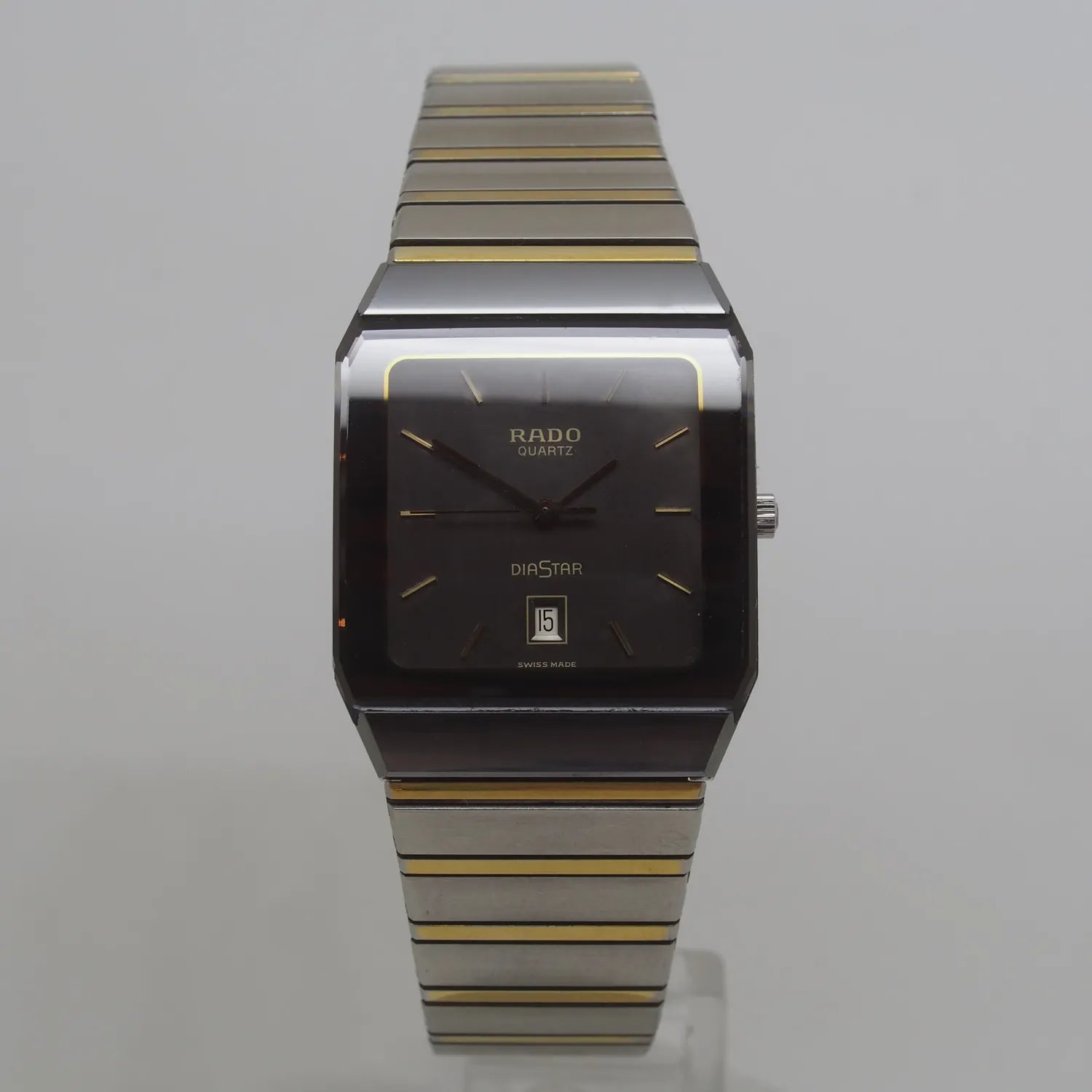
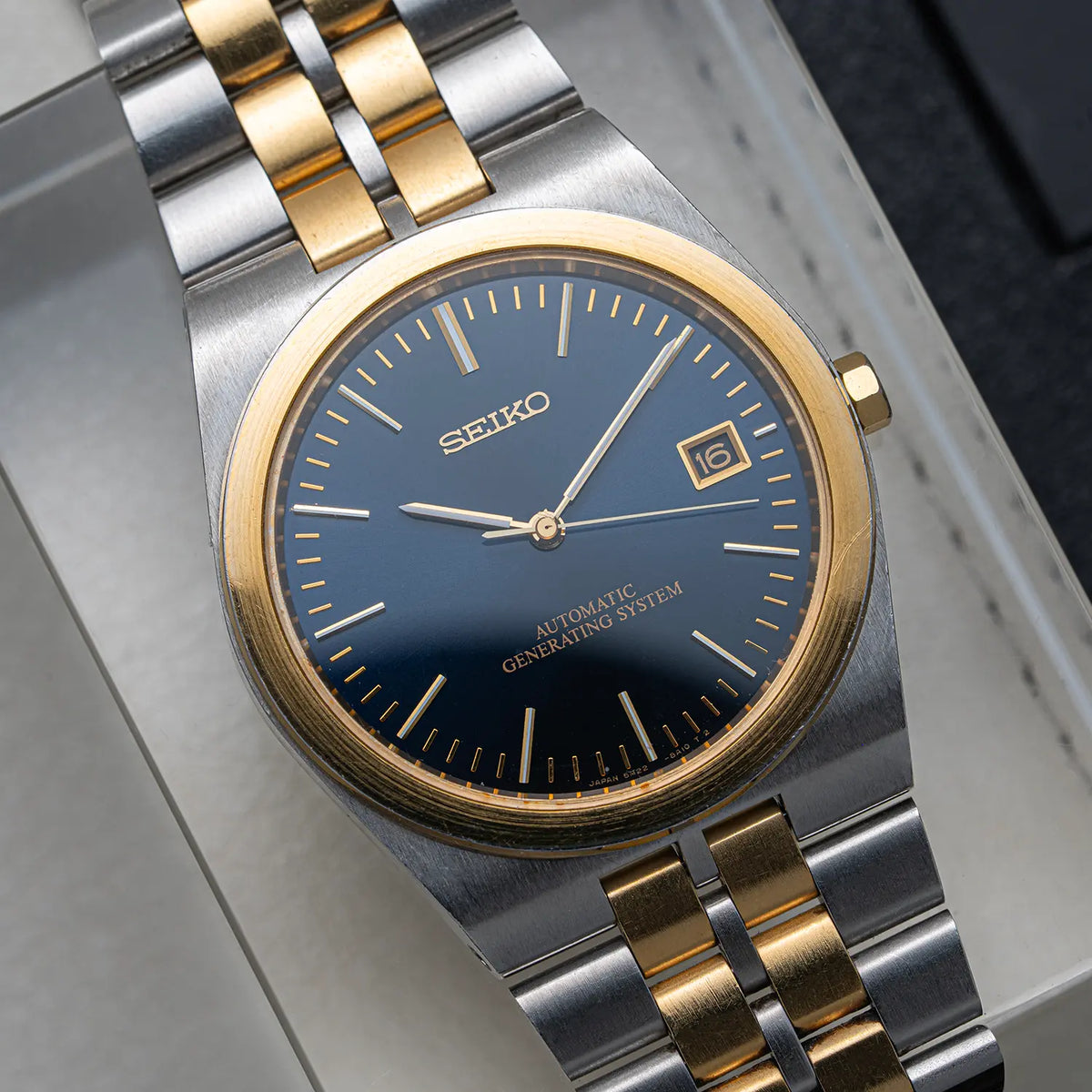
For today's collectors, the decade is especially interesting because these developments existed alongside established mechanical watches. A vintage Seiko automatic and an early analog quartz chronograph may have very different movements, but both reveal how watchmakers responded to the same changing market. Explore our quartz vintage watches to see another side of this technological transition.
What to Look for When Buying an Original 1980s Vintage Watch
Buying a watch from the 1980s requires more than identifying its brand and production year. Two watches of the same reference can have very different histories, and their condition, movement and replacement parts may matter more than their cosmetic appearance at first glance.
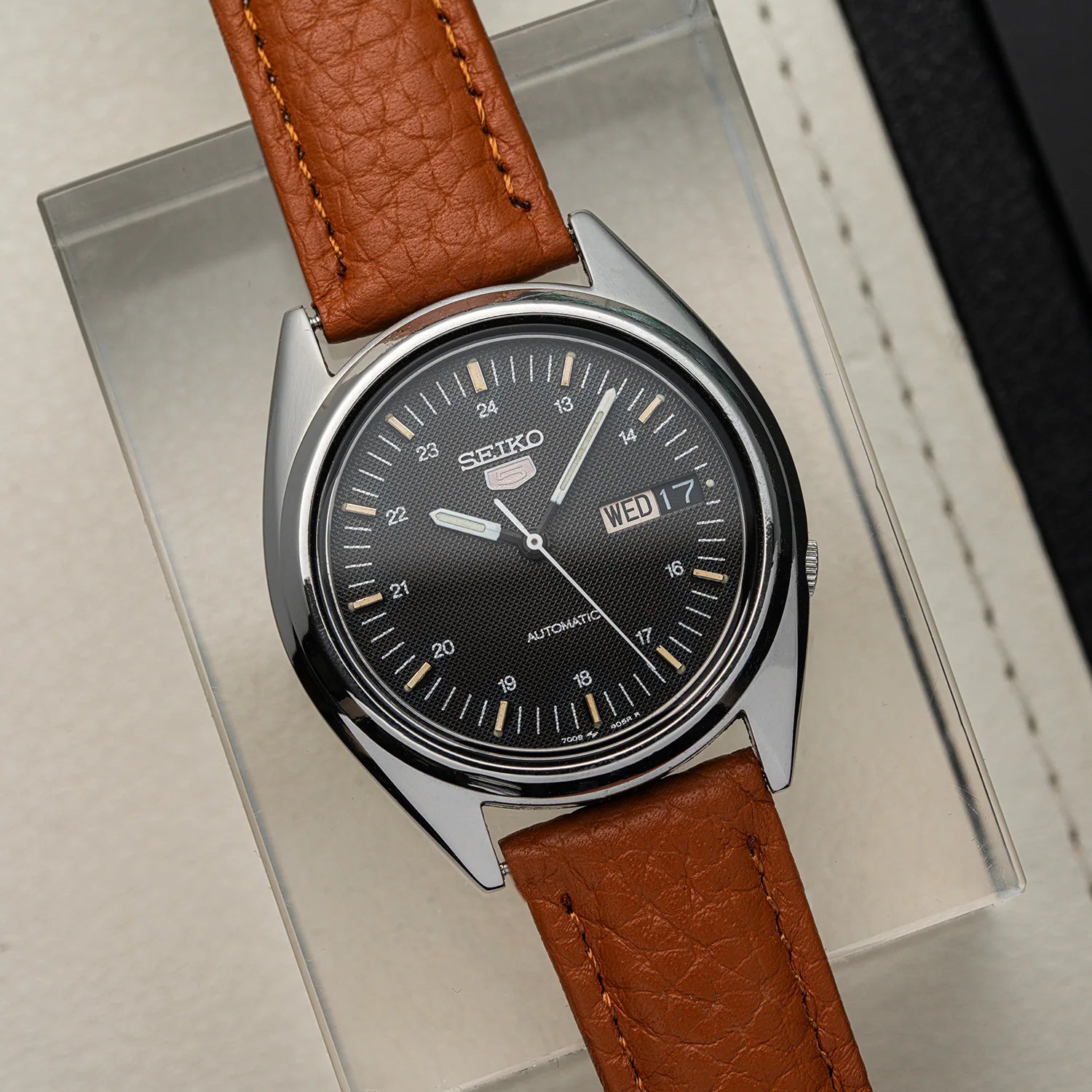
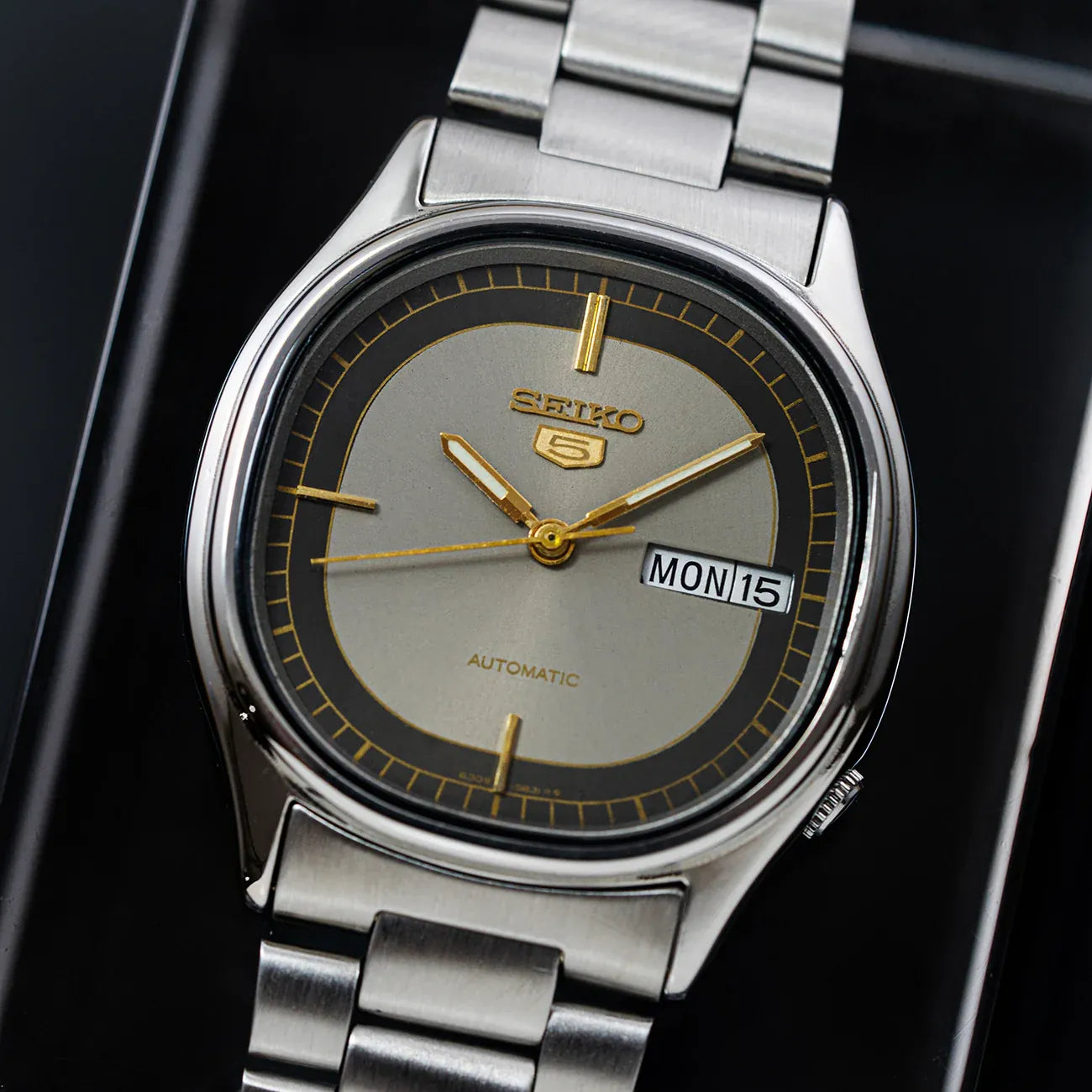
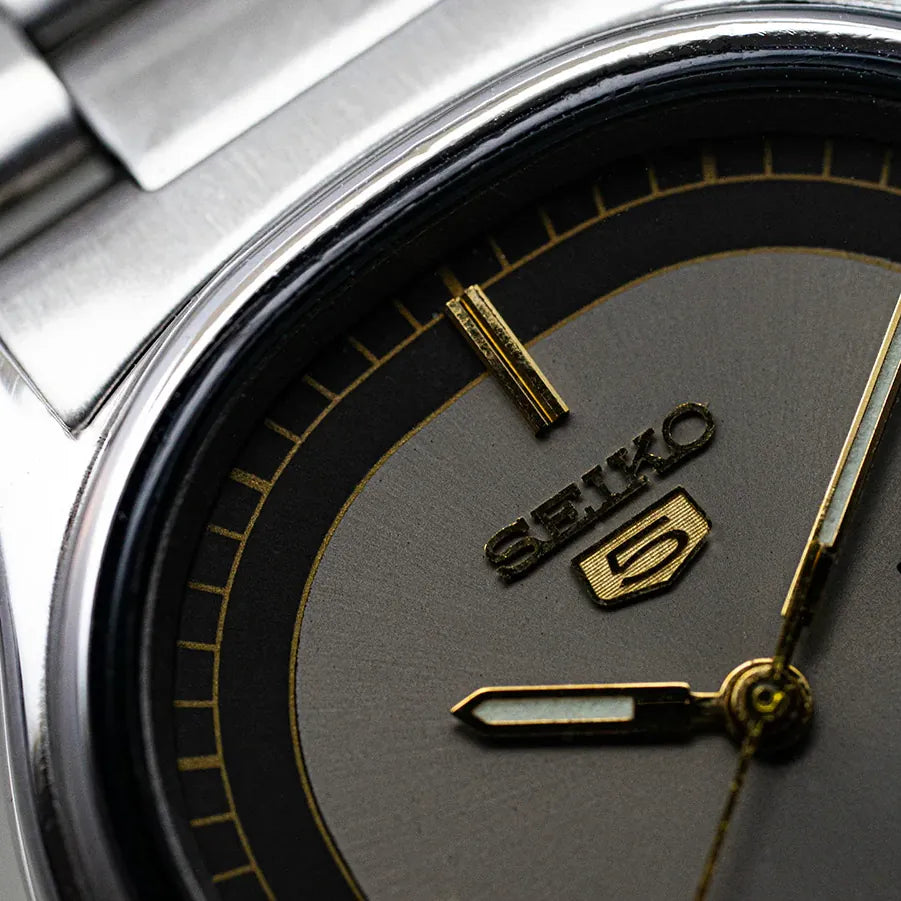
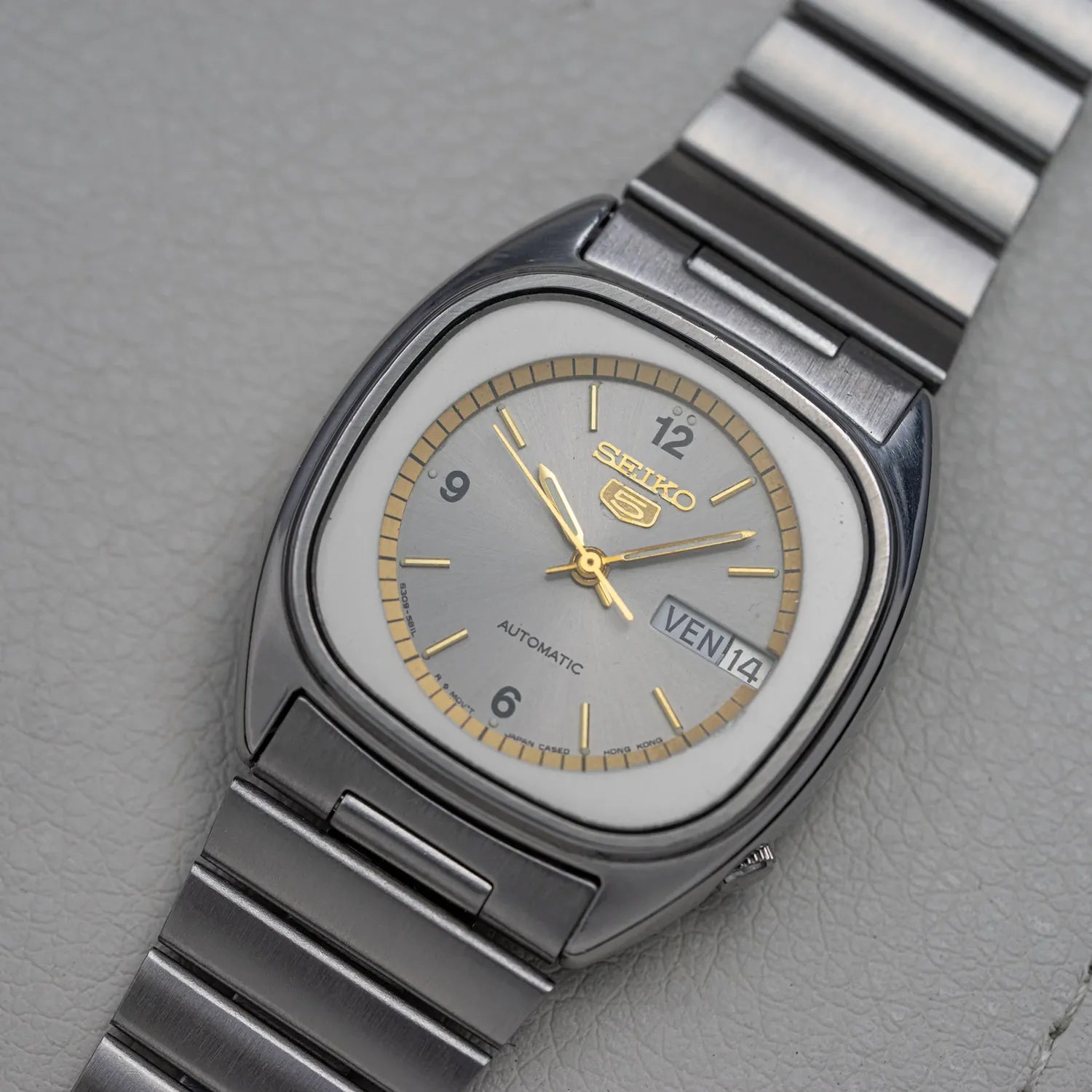
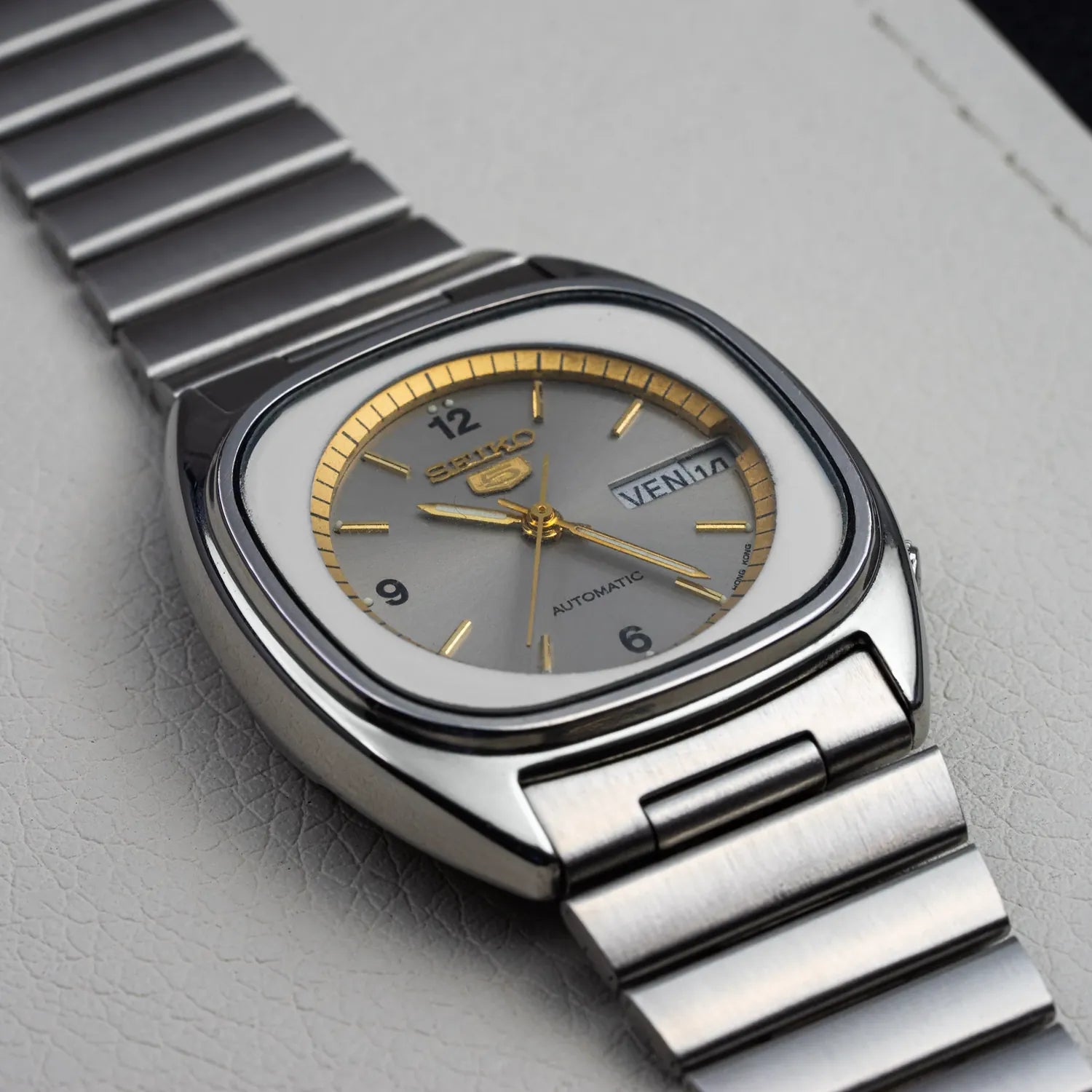
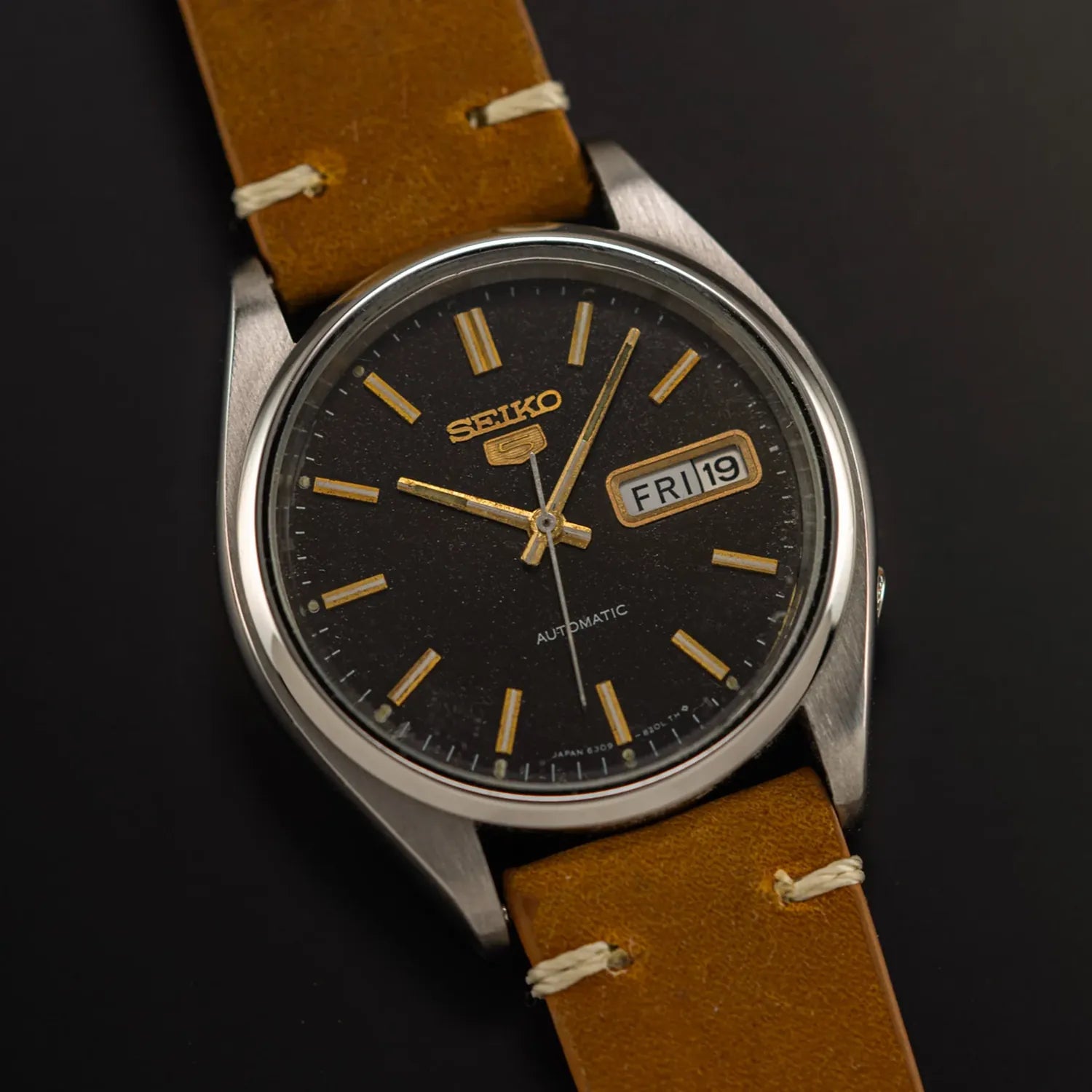
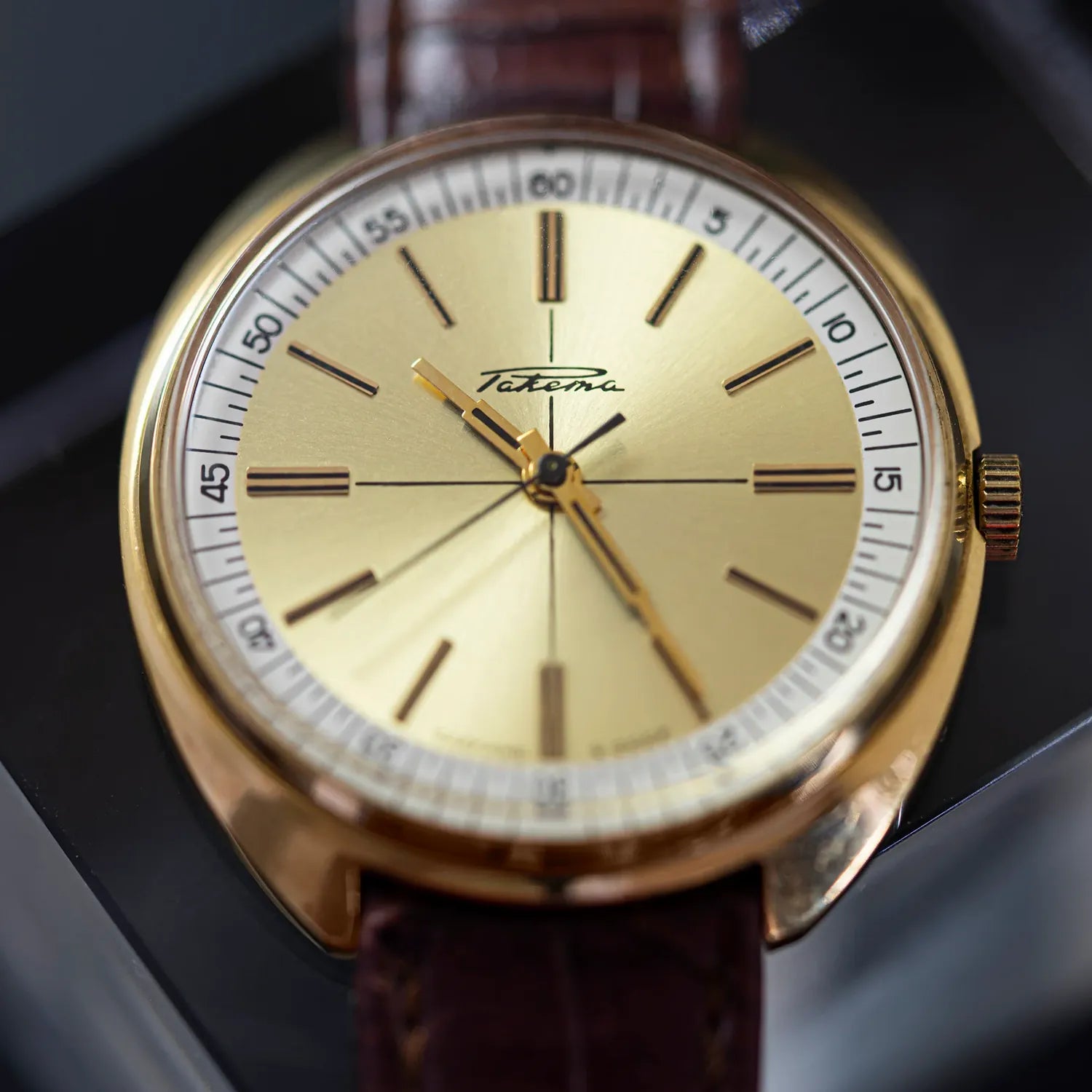
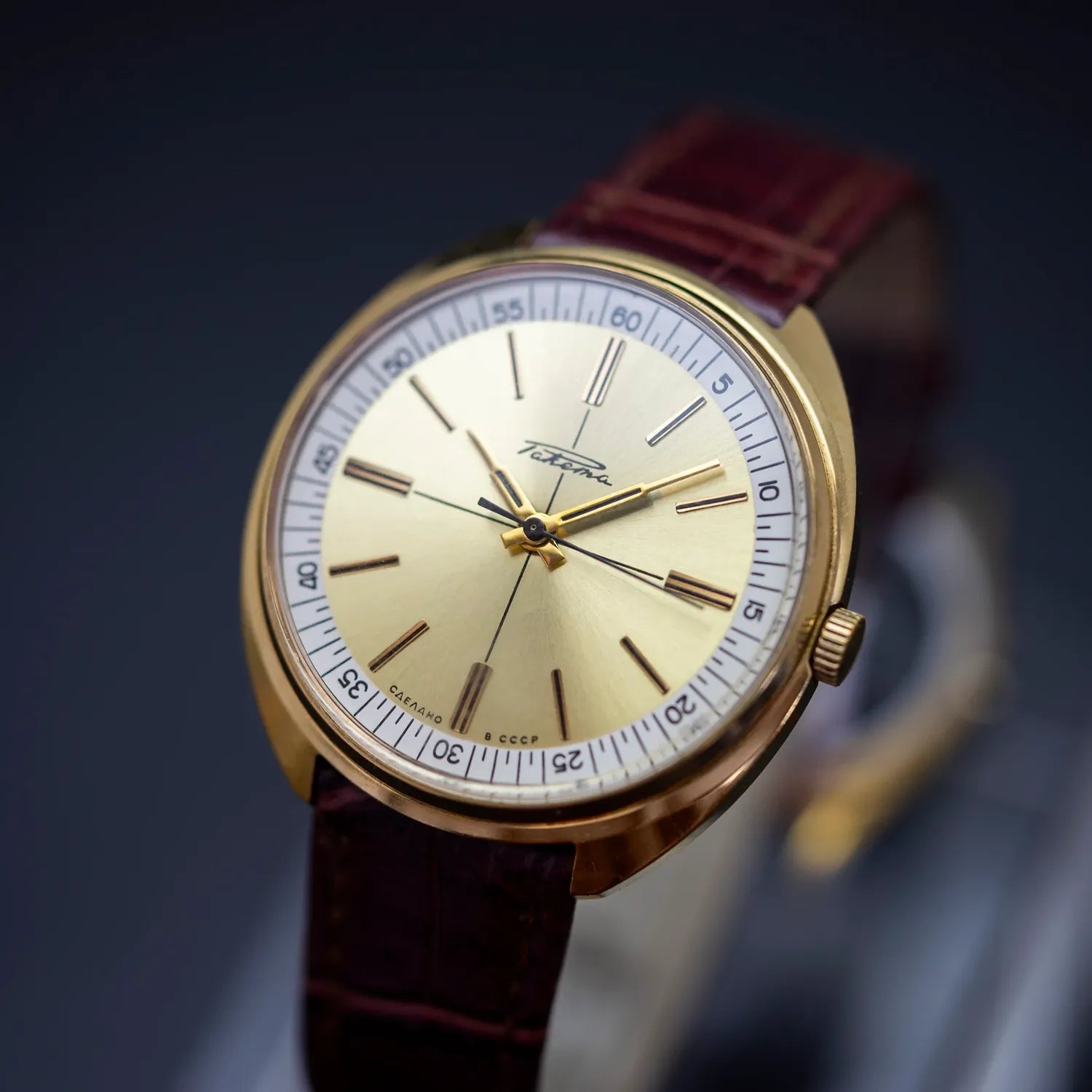
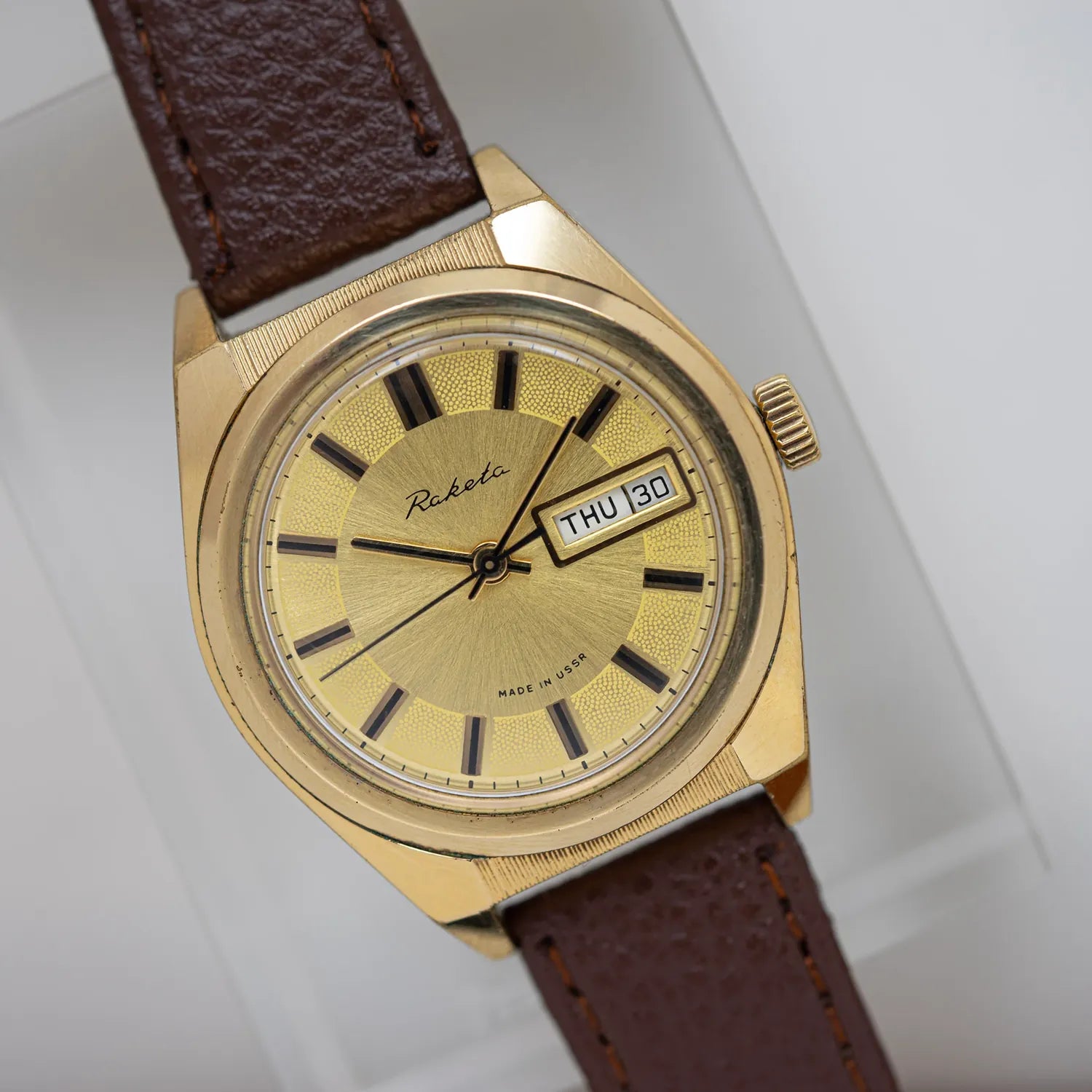
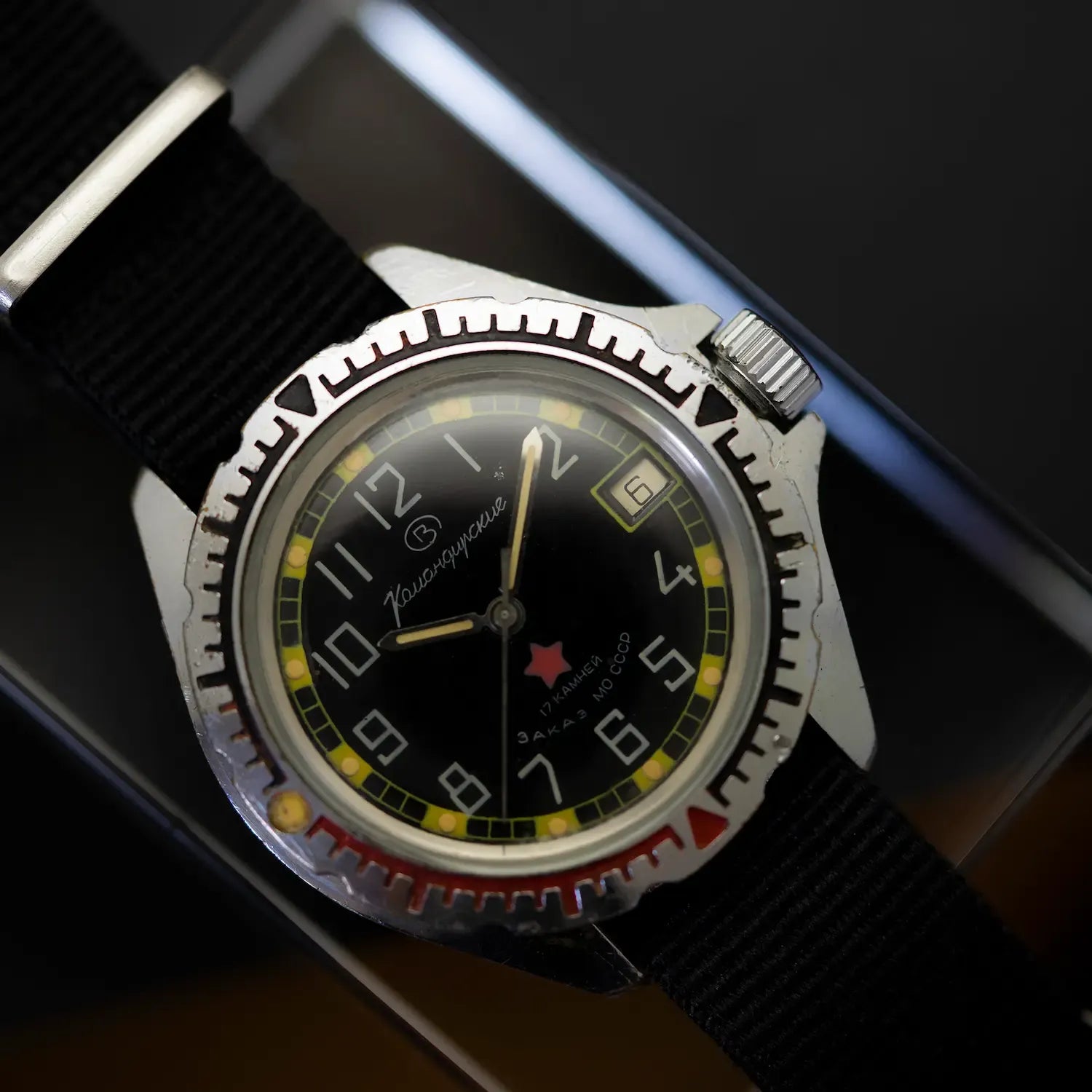
For mechanical watches, Seiko's 7009 and 6309 automatic calibers are useful examples of practical Japanese engineering. Both families were widely used in everyday watches, with straightforward automatic winding and day-date functionality. Their continued presence on the vintage market reflects the durability of these designs, although individual performance depends on wear, maintenance and the condition of the movement.
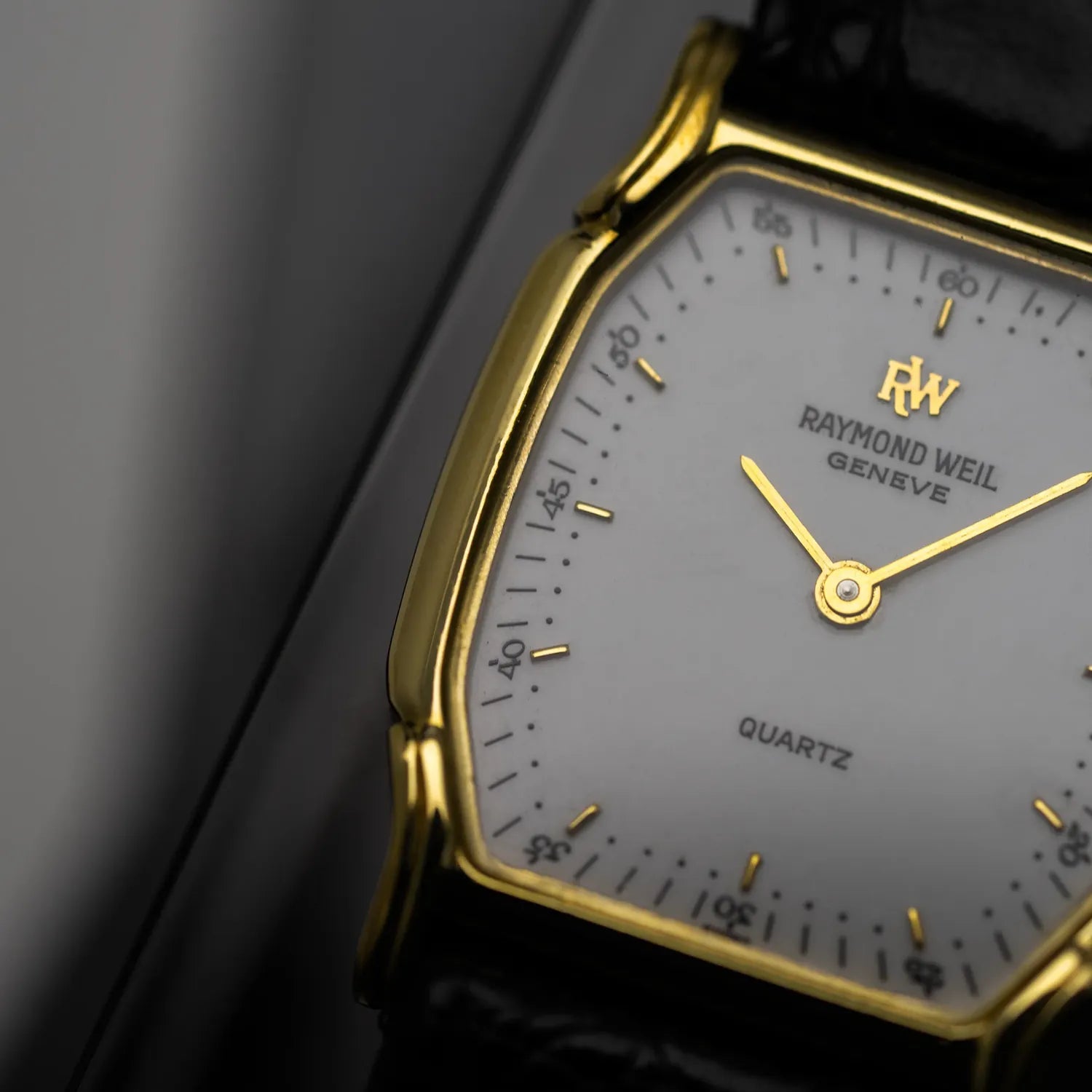
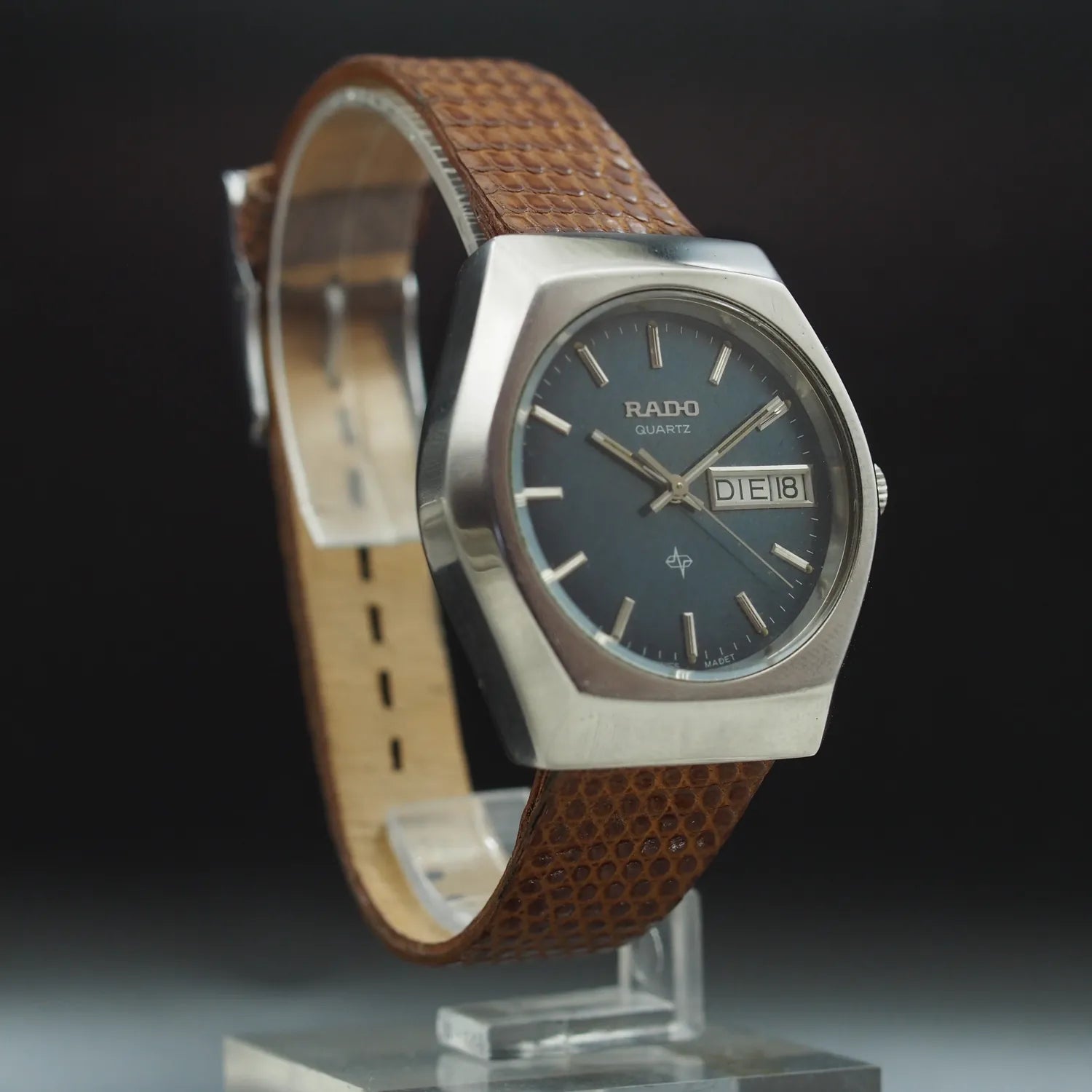
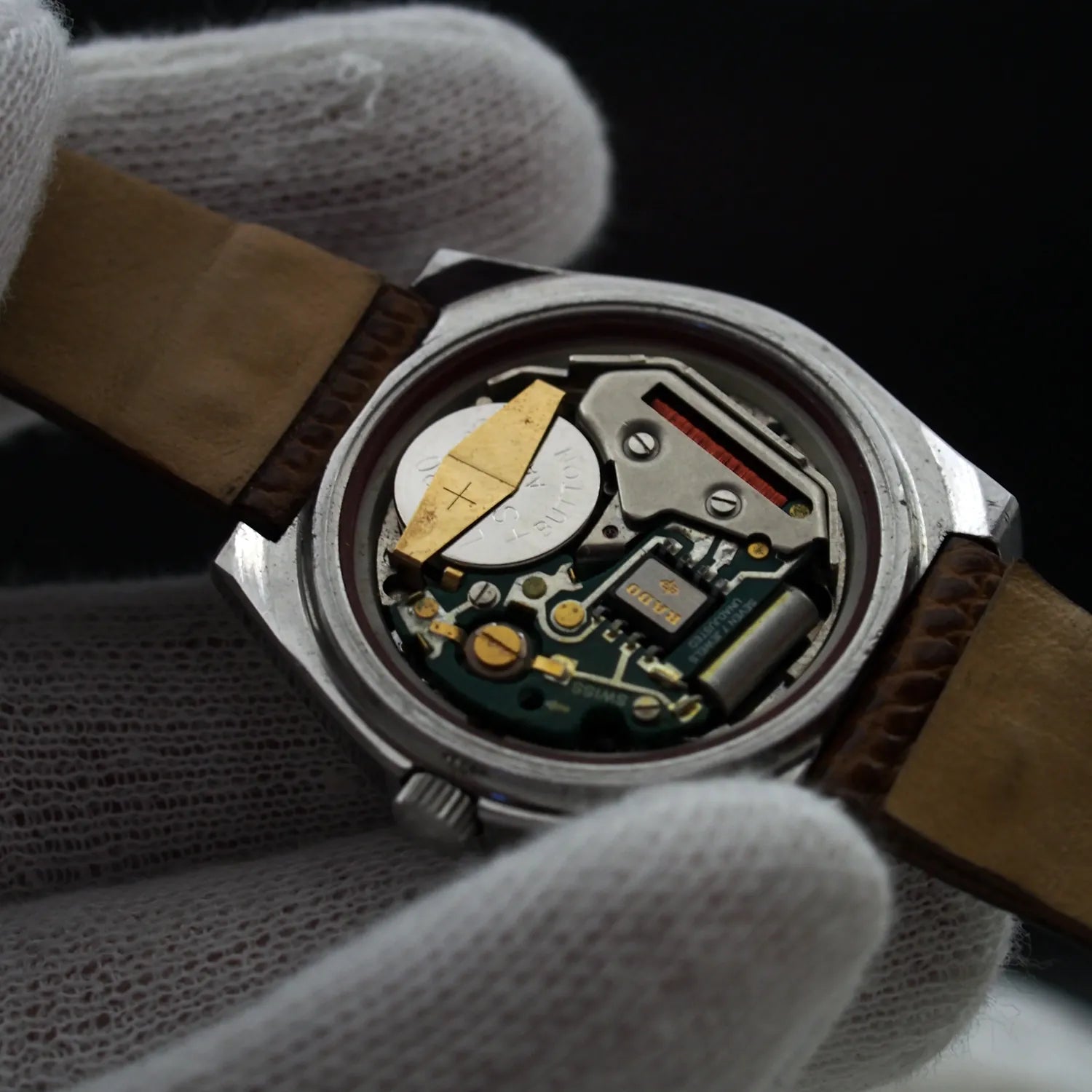
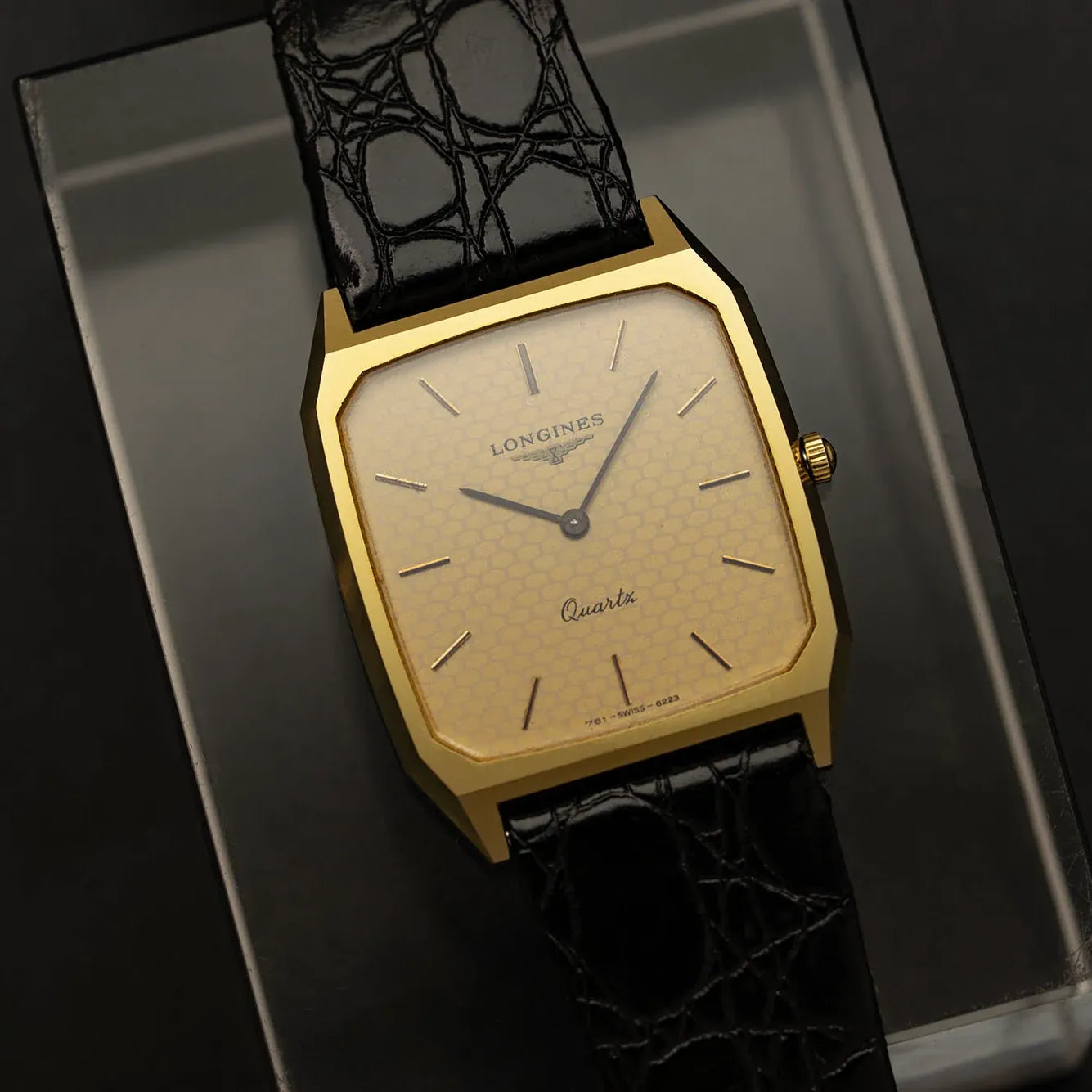
Quartz watches require a different inspection. Accurate timekeeping alone does not establish that every function is working correctly. Battery compartments should be checked for corrosion, and chronographs, calendar mechanisms and electronic functions should be tested individually. Replacement electronic components can be difficult to source for certain discontinued calibers, making the condition of the original movement especially important.
Originality also deserves close attention. Examine the dial printing, handset, case finishing and bracelet, and compare them with the relevant model reference. A replacement crystal or strap does not necessarily diminish a watch's usefulness, but refinished dials and incorrect components can affect its historical character and collector appeal.
At Vintage Watch Studio, we photograph the individual watches we offer and provide movement and condition information to help buyers evaluate each example. Our mechanical watches are professionally serviced, quartz watches are inspected and tested, and every watch is backed by a 12-month warranty. For a broader selection of traditional movements, explore our automatic vintage watches.


1980s Vintage Watches FAQ
Are 1980s vintage watches quartz or mechanical?
Both. Quartz watches became widespread during the 1980s, but manufacturers continued producing automatic and manually wound movements. Seiko, for example, offered quartz chronographs alongside mechanical watches powered by calibers such as the 7009 and 6309. The choice depends on whether you prefer electronic precision or traditional mechanical watchmaking.
Are Seiko watches from the 1980s collectible?
Yes. Many Seiko watches from the 1980s attract collectors, particularly early analog quartz chronographs, distinctive digital models and well-preserved mechanical references. However, not every older Seiko is rare or valuable. Condition, originality, movement functionality and the specific reference are more important than age alone.
Can a 1980s quartz watch still be reliable today?
Yes, provided its movement is in good condition. A properly functioning vintage quartz watch can offer accurate timekeeping, but battery leakage, corrosion and electronic component failure are important considerations. Some discontinued movements can be difficult to repair because replacement components are scarce. Always check the condition and functionality of the specific watch before purchasing.
How can I tell if a 1980s vintage watch is original?
Start by checking the model reference, movement caliber, dial printing, hands, case and bracelet against known examples. Replacement components do not automatically make a watch undesirable, but undisclosed alterations can affect its collector appeal. Production-year identification also requires care, as some models were manufactured across multiple years. Browse our 1984 birth year watches for examples associated with a specific year.
Recognized & Reliable Worldwide
Trusted Partners in Security, Shipping, and Service



Store
Vintage Watch Studio
- Drinke Pavlovic 3, 11130 Belgrade
- Visiting Hours: Monday – Friday: 10:00 – 17:00 CET
- +381 61 653 4298
- vintagewatchstudio@gmail.com
- Online Chat 24/7