



















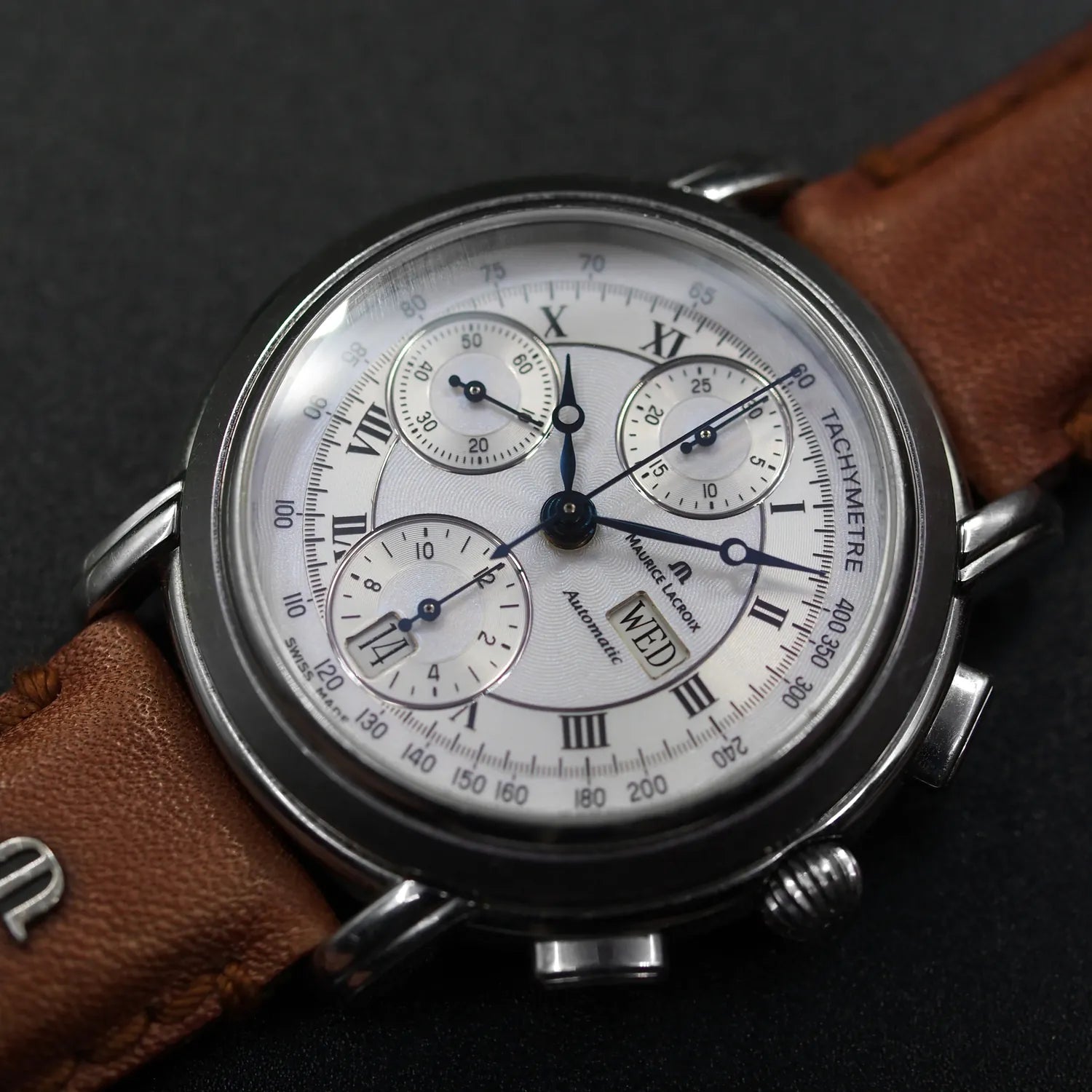
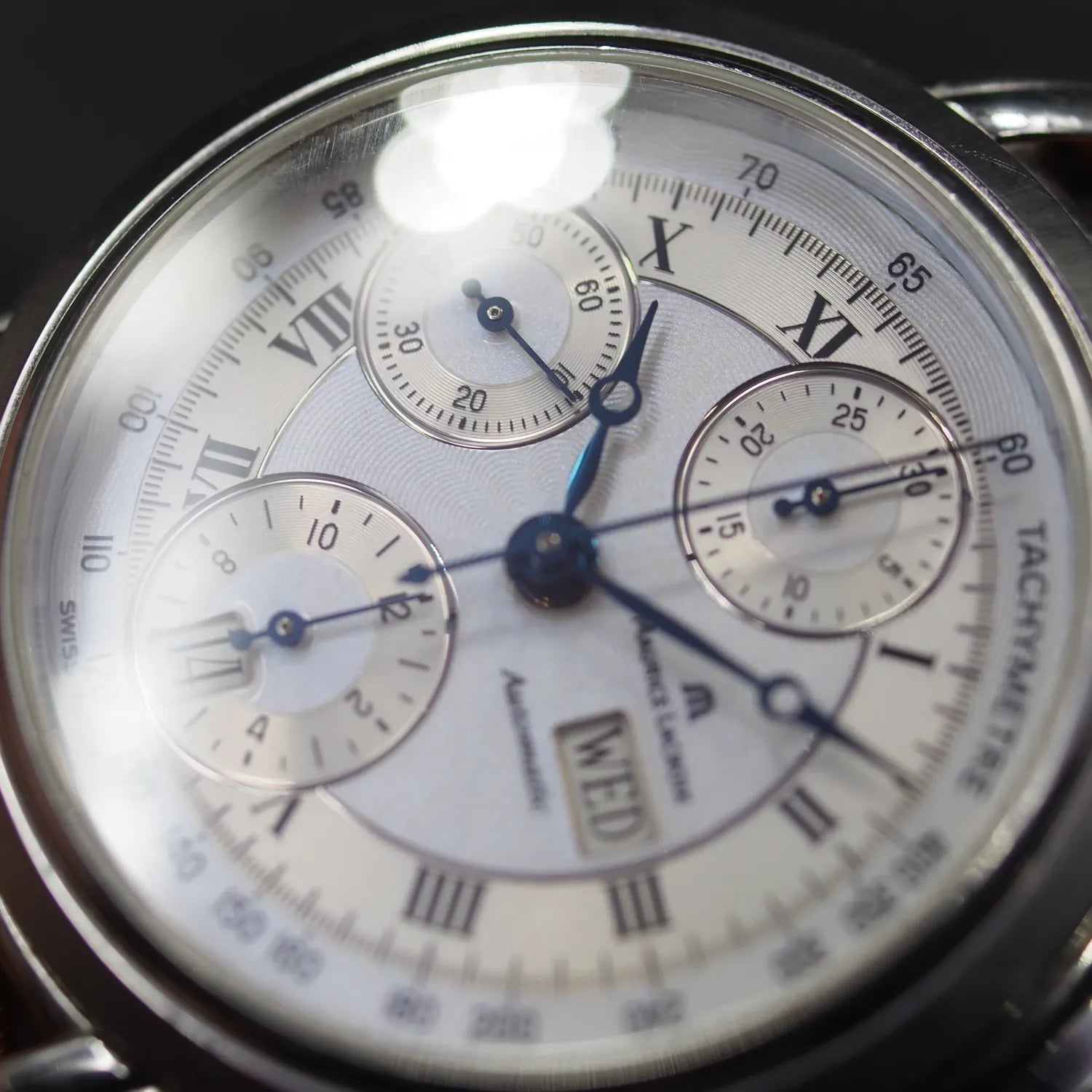
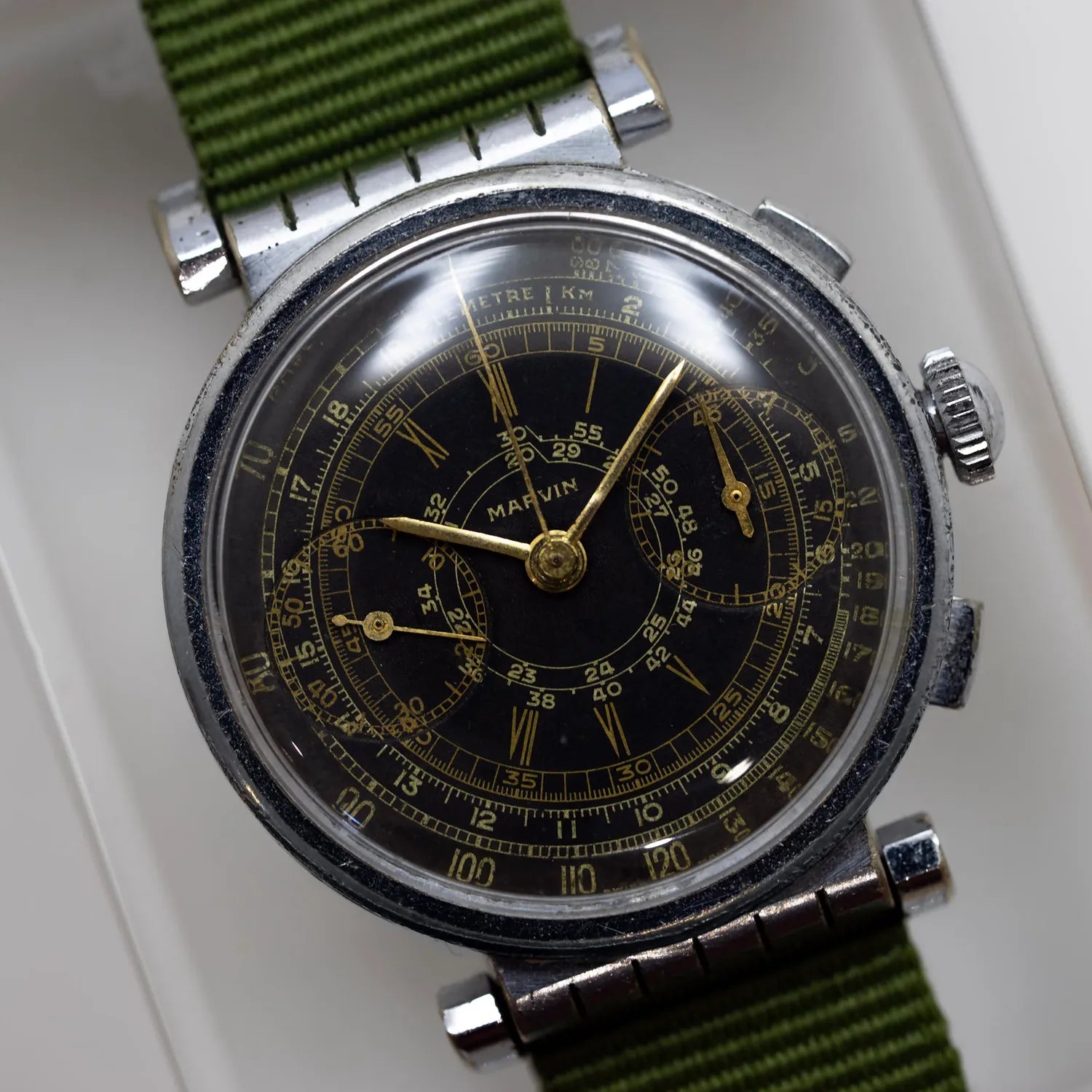
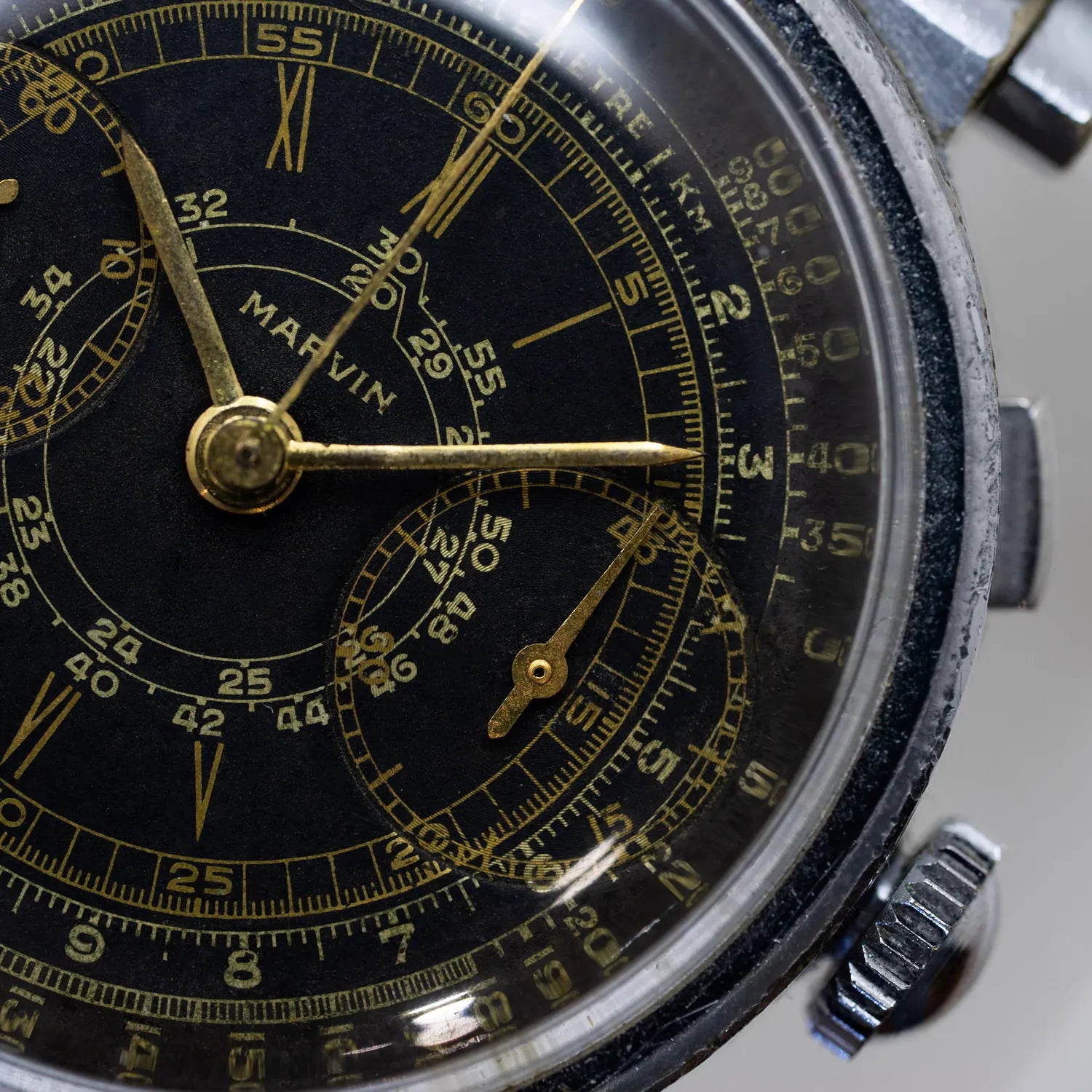




More Vintage Watches
Explore Related Vintage Watch Collections
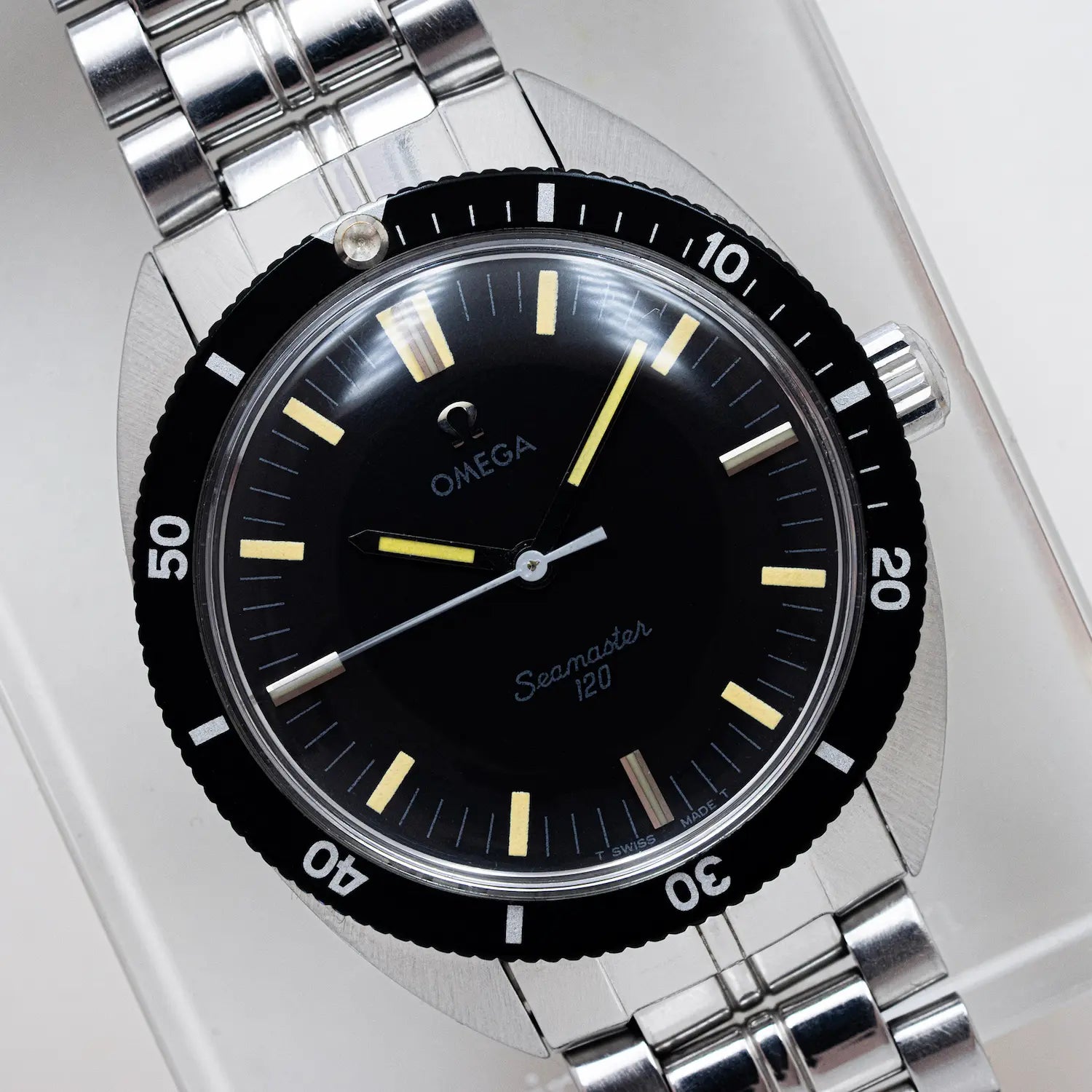
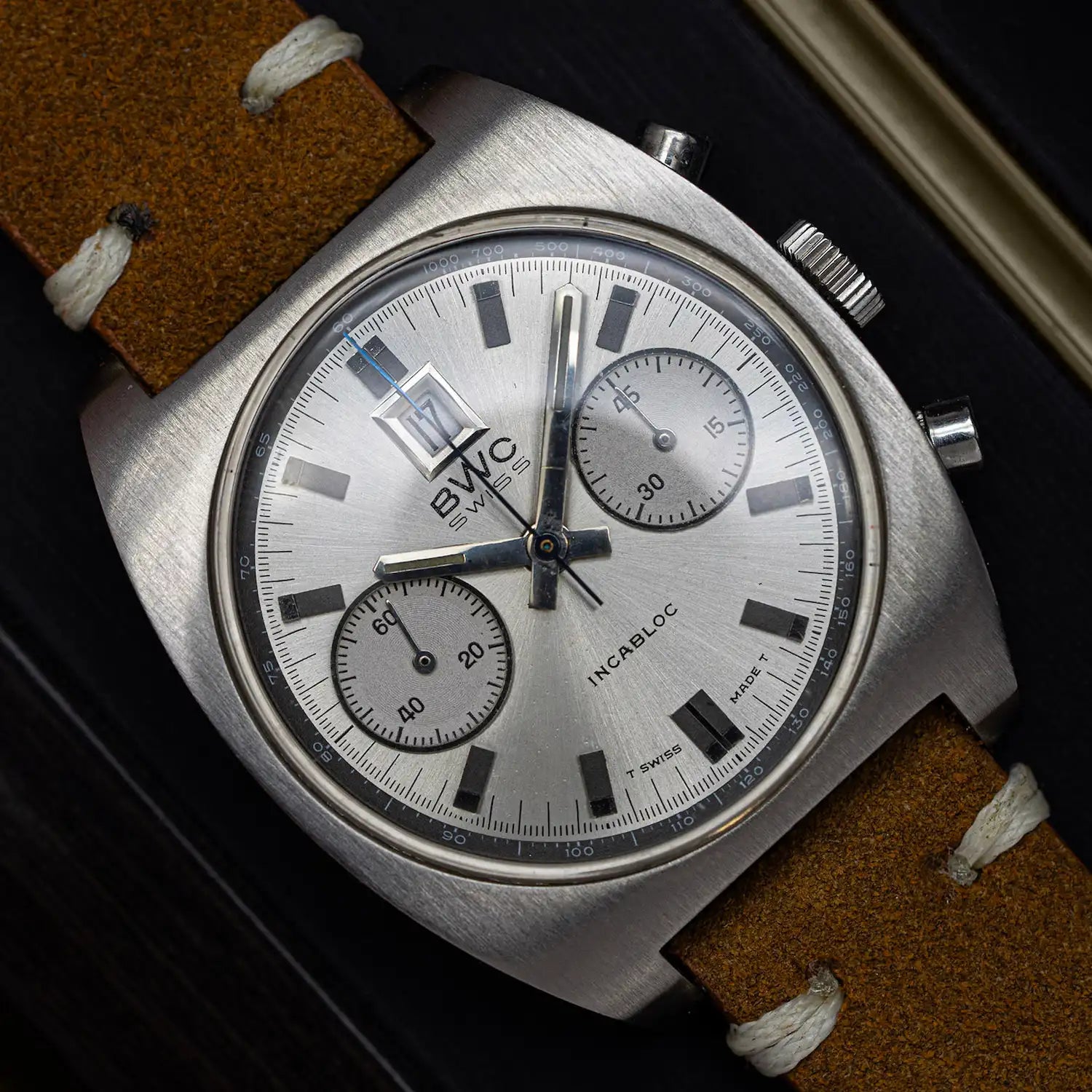
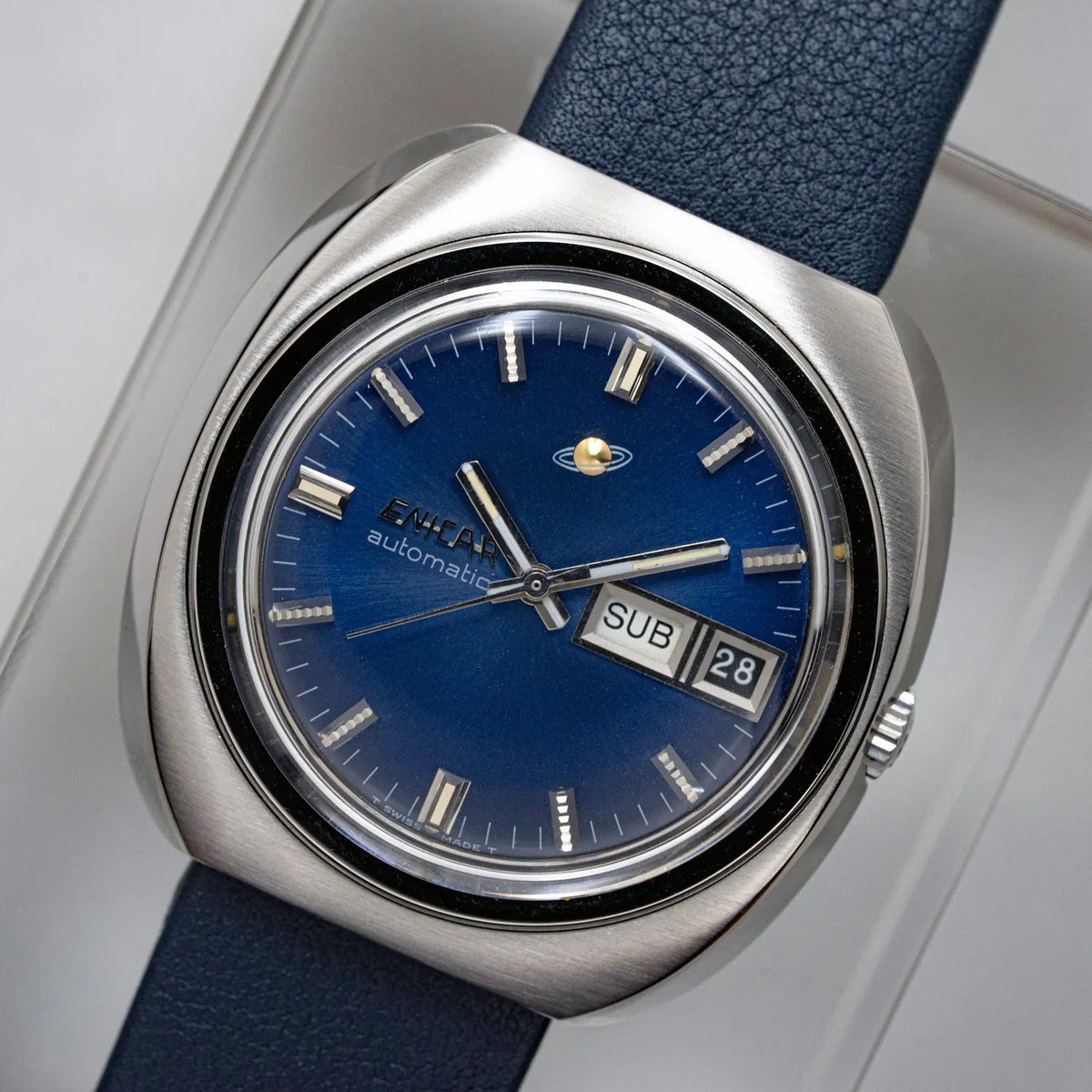


How Vintage Sports Watch Design Evolved
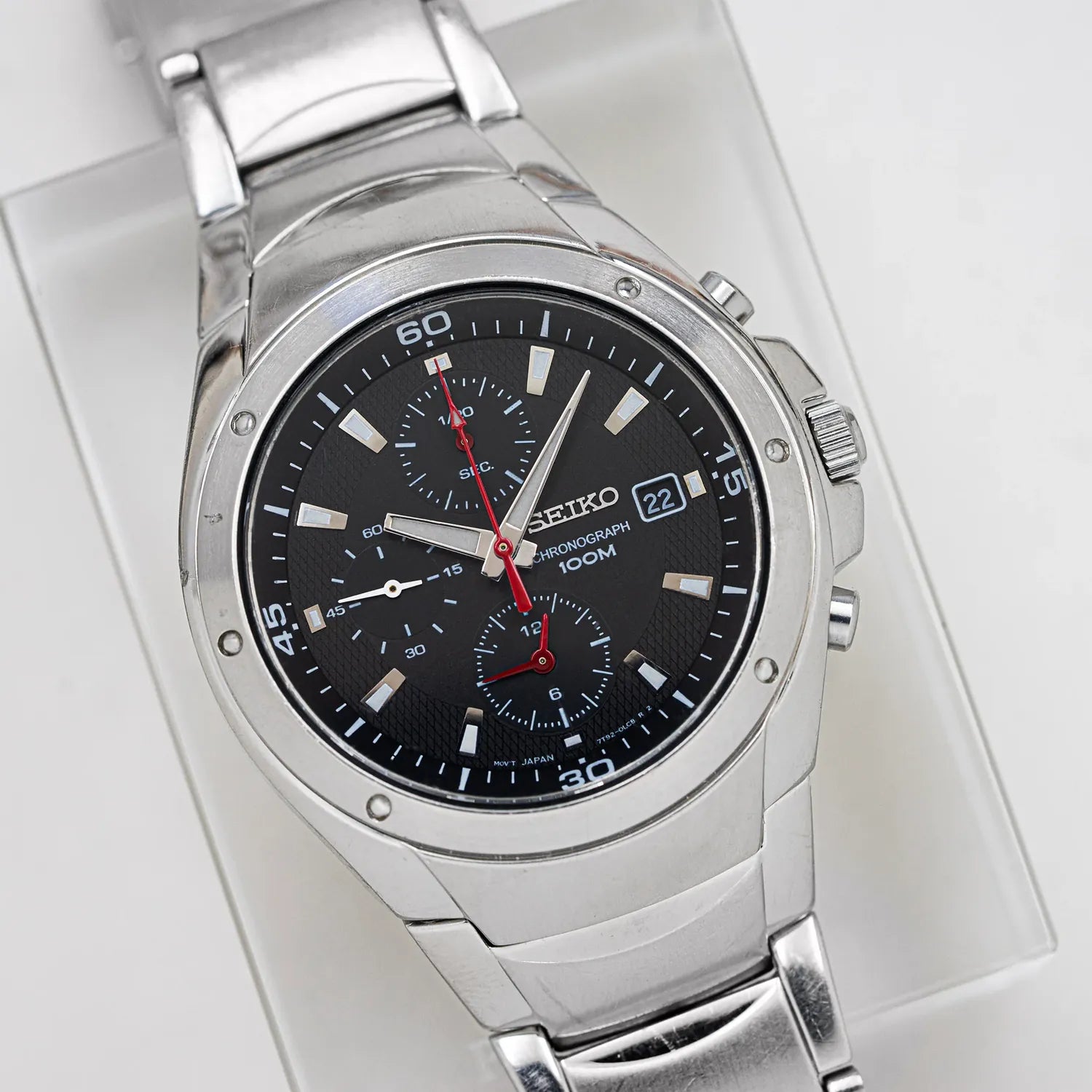
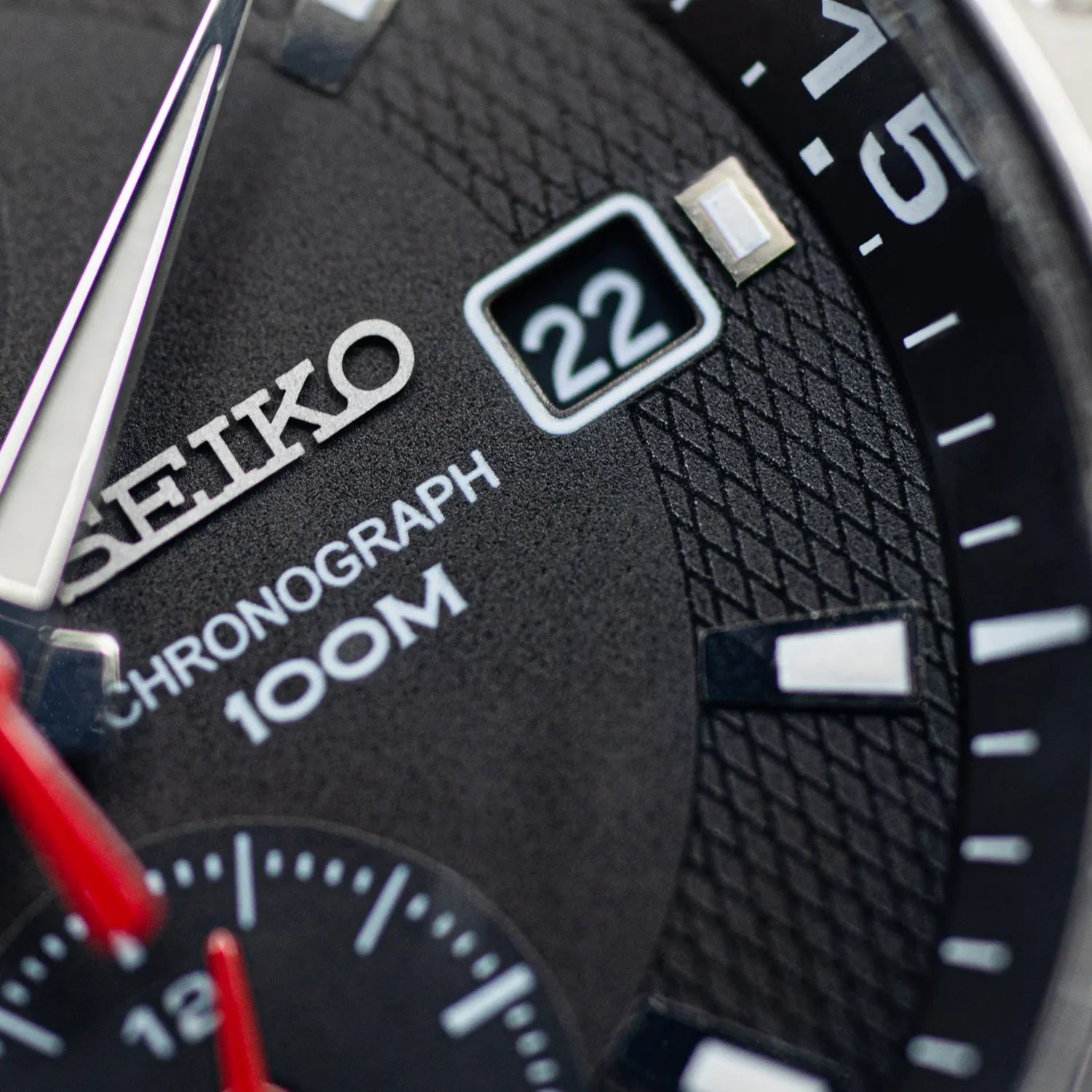
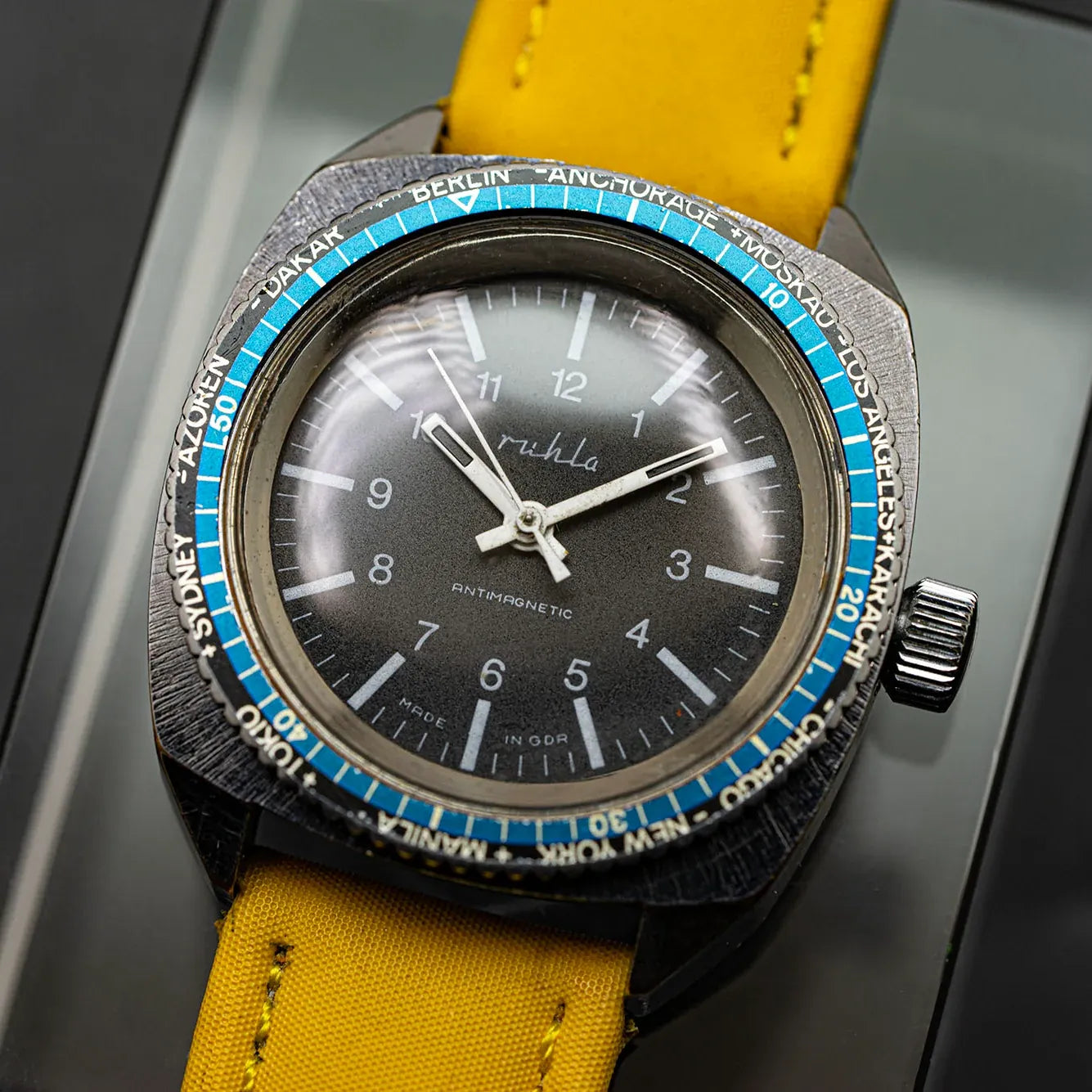
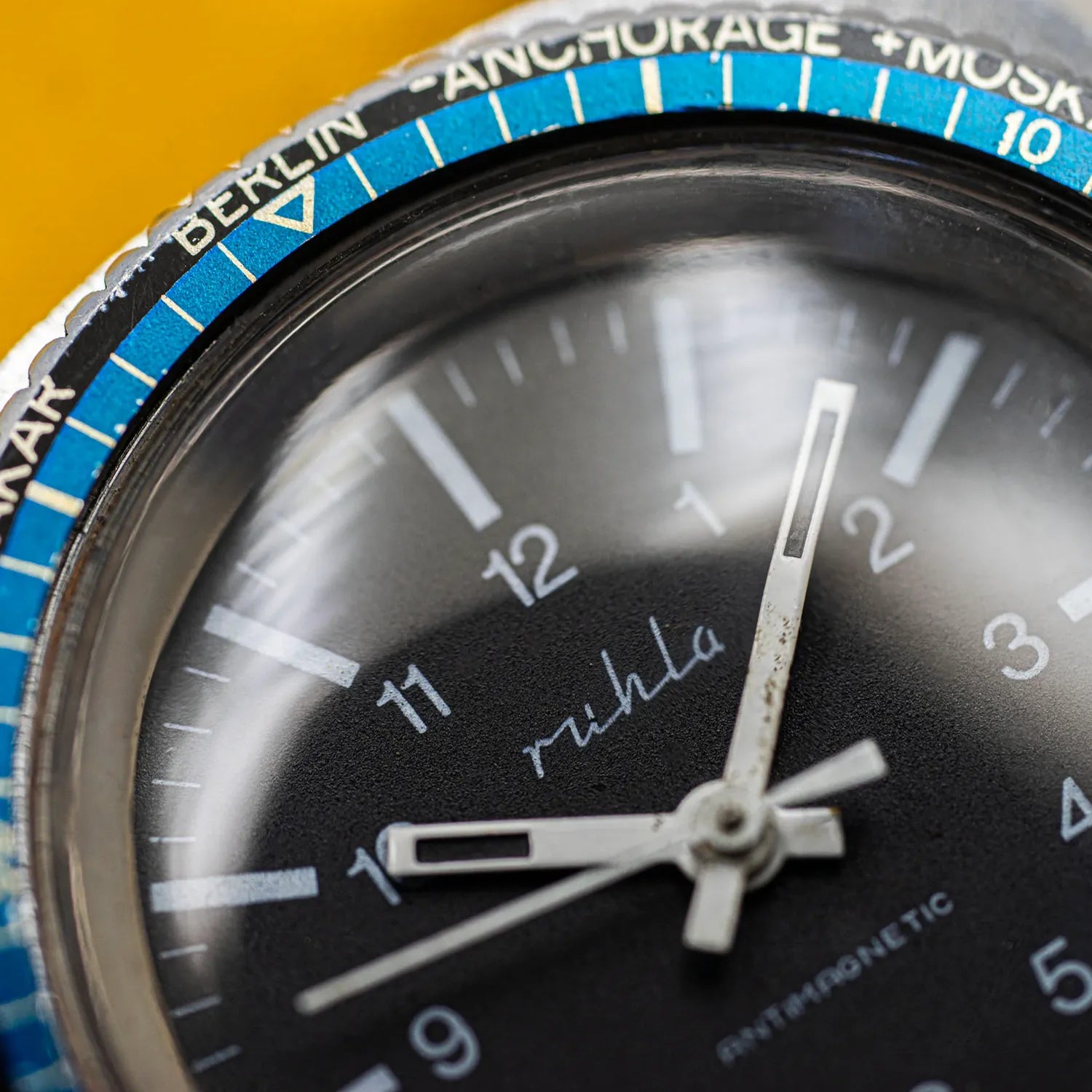
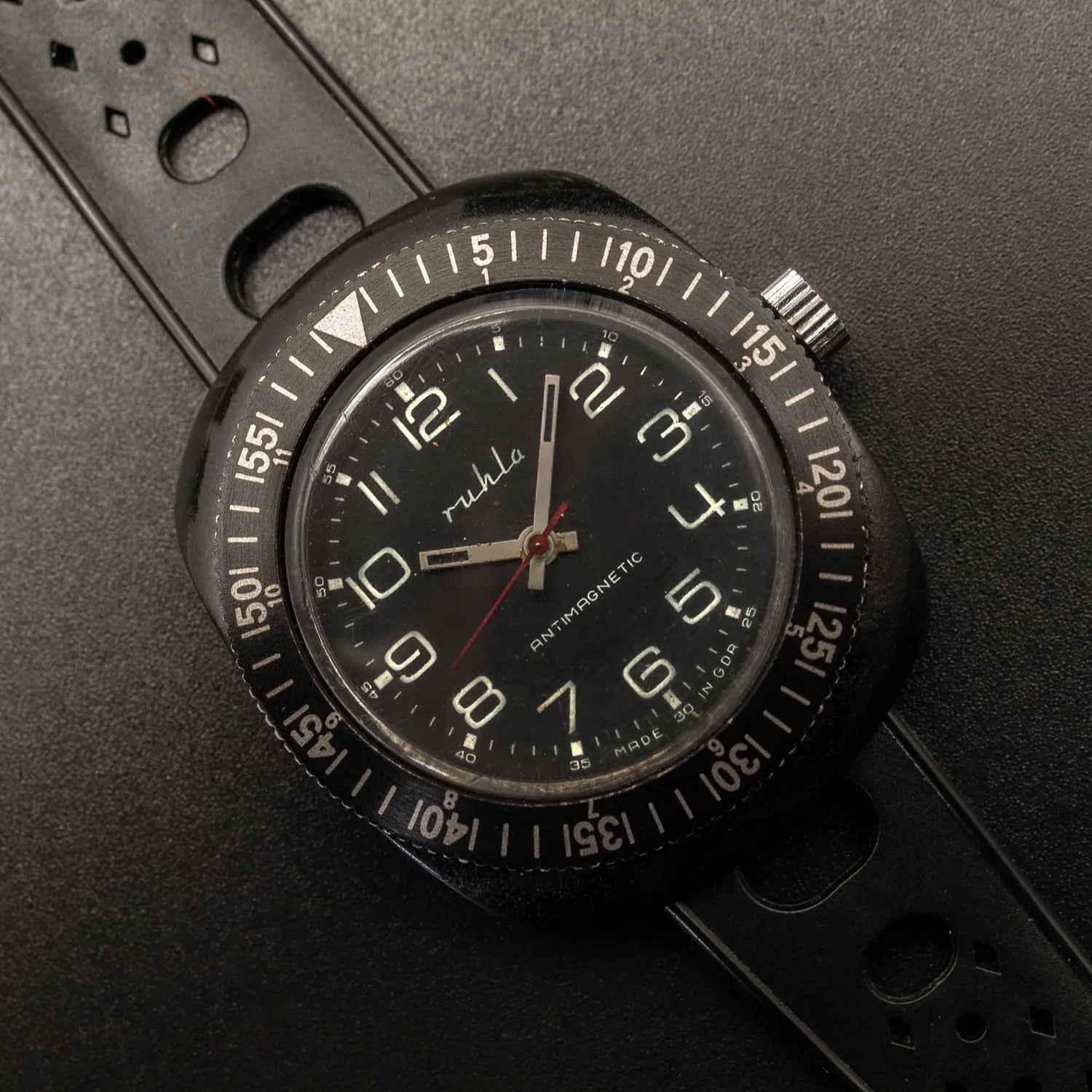
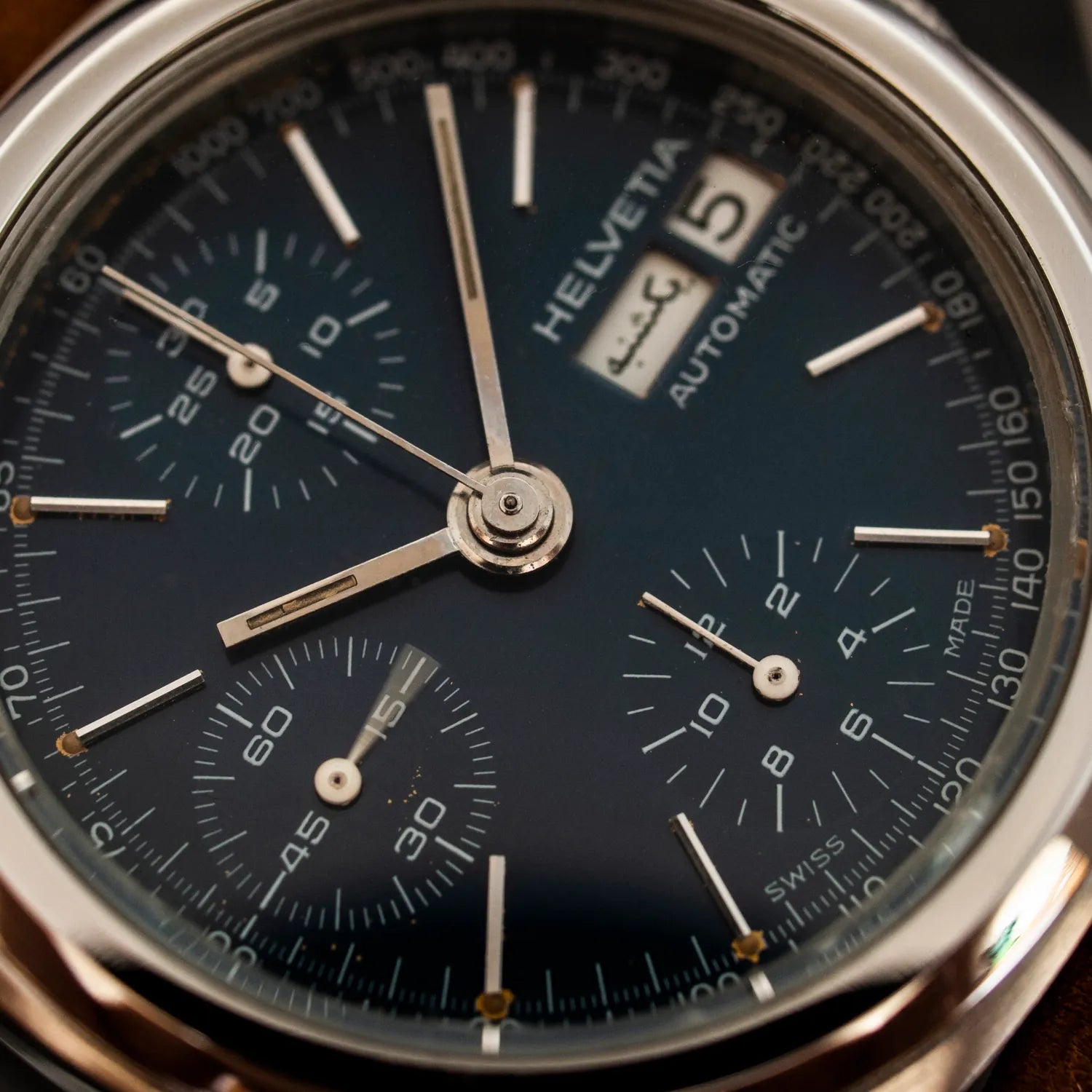
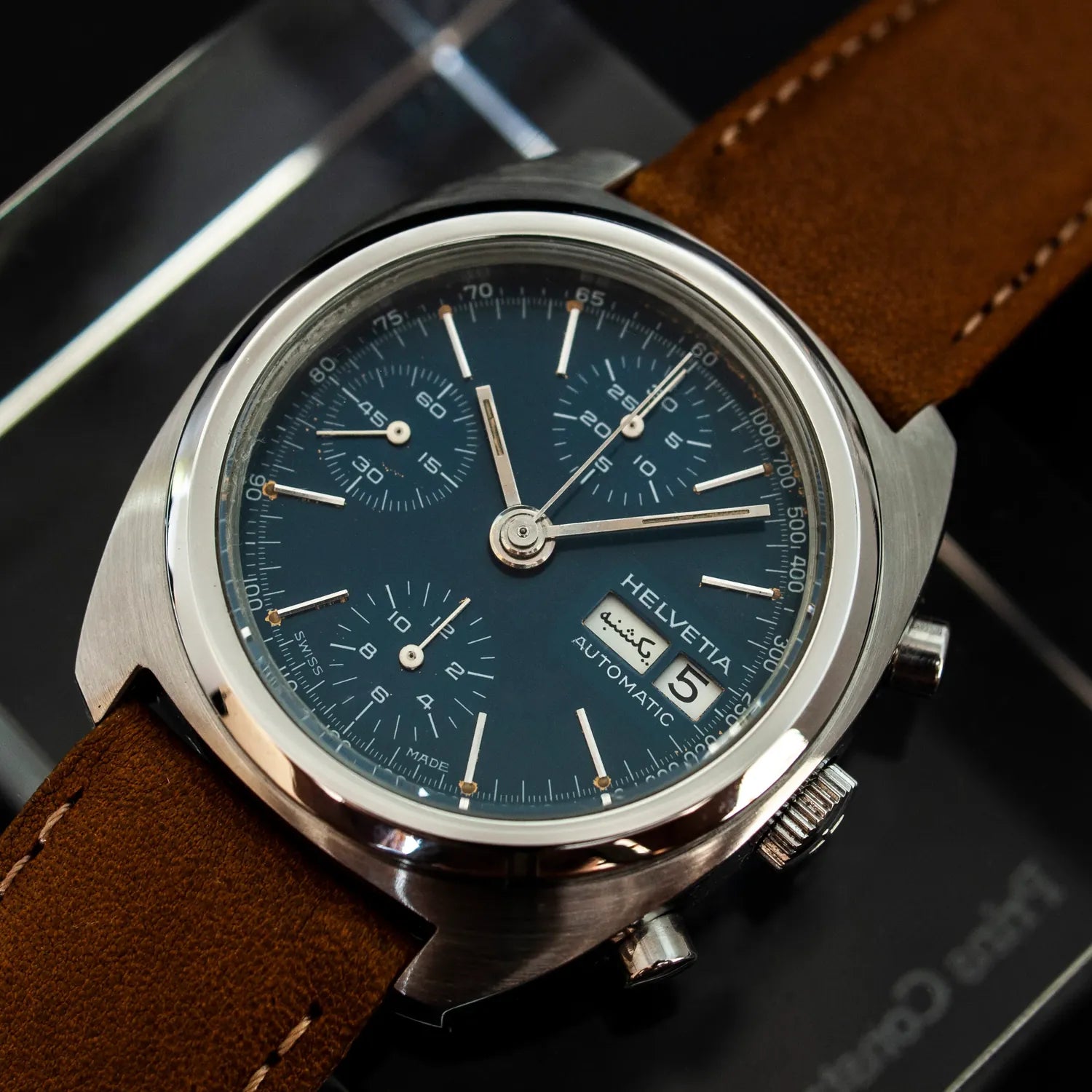
The evolution of vintage sports watches reflects a period when functional inspiration increasingly influenced wristwatch design. During the 1960s, many sport-inspired models retained relatively restrained proportions while introducing stronger dial contrasts, more prominent markers, and practical timing features. By the 1970s, designers were experimenting with larger cases, integrated bracelets, bold color combinations, and unconventional shapes that gave sports watches a more distinctive identity.
The arrival and growing popularity of quartz technology brought further changes during the late 1970s and 1980s, expanding the possibilities for case construction, dial layouts, and timekeeping functions. Today, these different design approaches offer collectors an opportunity to explore the changing aesthetics of vintage sports wristwatches. Whether understated or visually expressive, each era contributed its own interpretation of what a sports-inspired watch could look like.
Choosing a Vintage Sports Watch for Your Collection
When choosing a vintage sports watch, consider how its original design translates to your personal preferences and intended use. Case diameter alone does not determine how a watch wears: lug-to-lug length, thickness, bracelet construction, and case geometry can make equally sized watches feel very different on the wrist. Dial contrast, marker visibility, and the arrangement of additional displays are also worth comparing, especially when exploring models from different decades.
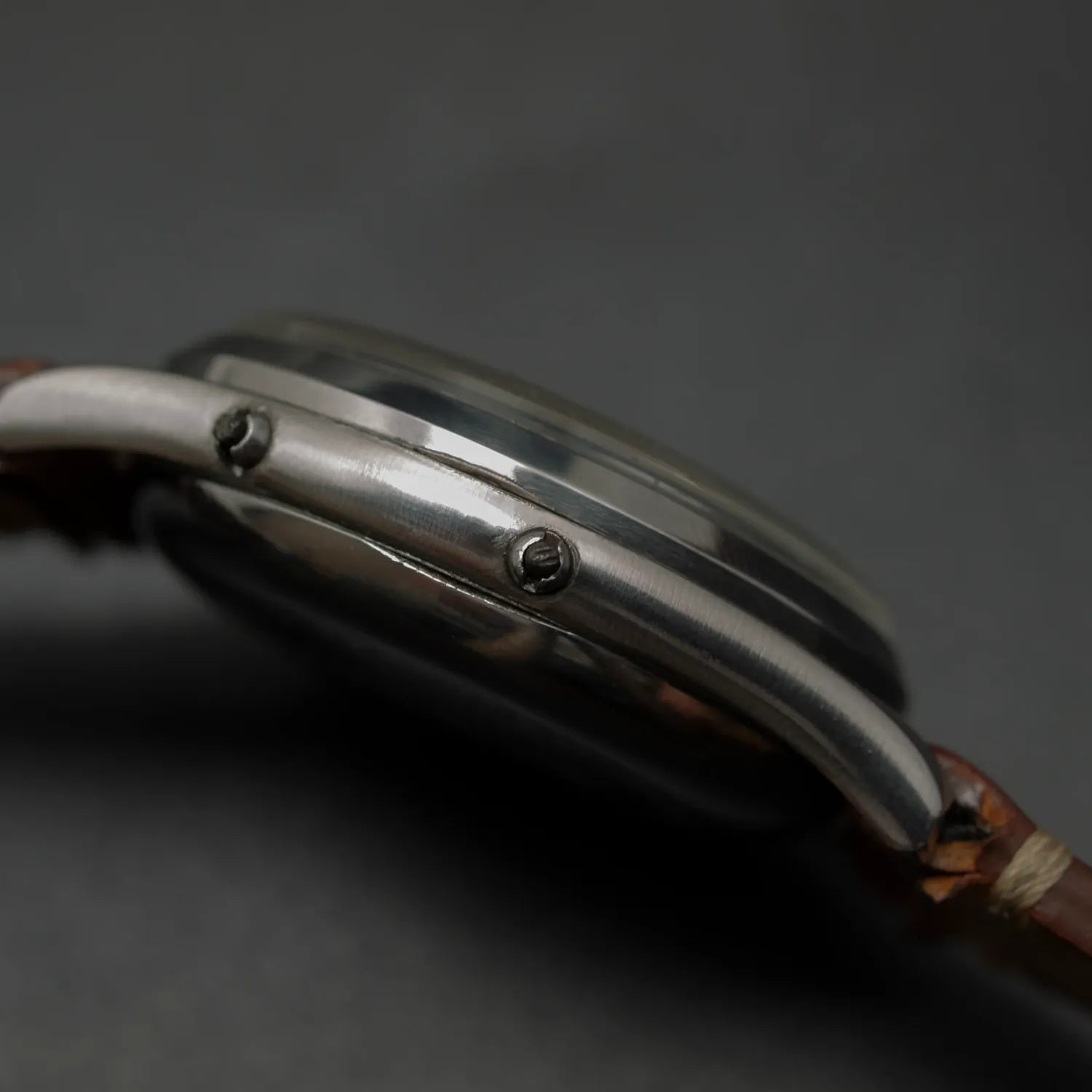
Condition and originality deserve equal attention. Examine the case finish, dial, hands, bezel, and bracelet or strap, and review the available information about the movement and its maintenance history. Remember that a historically sporty appearance does not guarantee modern shock resistance or water resistance. A carefully documented vintage watch allows you to appreciate its original design while making an informed decision about its suitability for regular wear or collecting.


Frequently Asked Questions About Sport Vintage Watches
What defines a sport vintage watch?
A sport vintage watch is characterized by design elements influenced by sporting activities, instruments, and active lifestyles. Typical features may include contrasting dial markers, robust-looking cases, rotating bezels, or additional timing functions. These characteristics vary considerably between decades and manufacturers. The Sport classification describes a watch's design rather than confirming its present-day durability, water resistance, or suitability for sporting activities.
Are all vintage sports watches divers or chronographs?
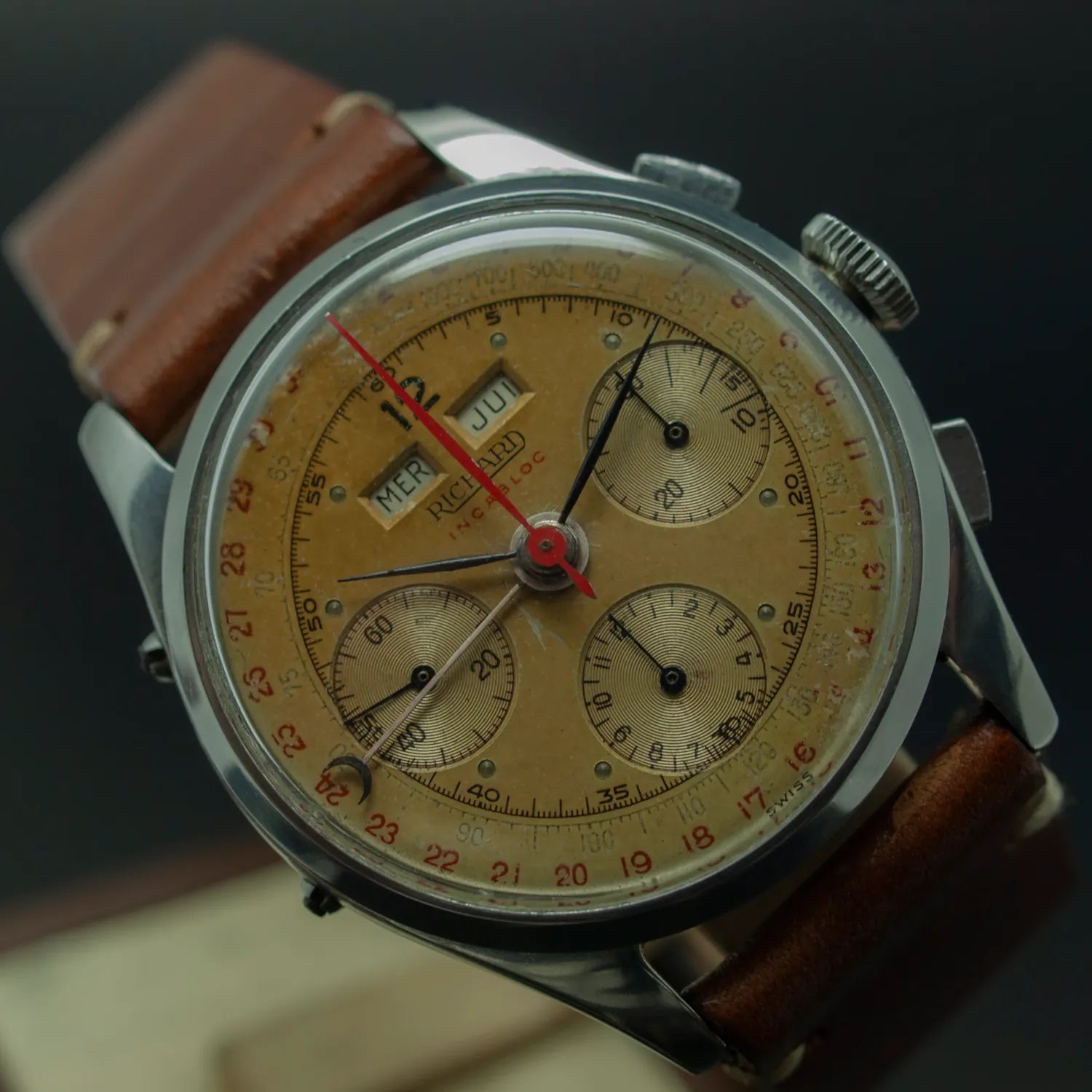
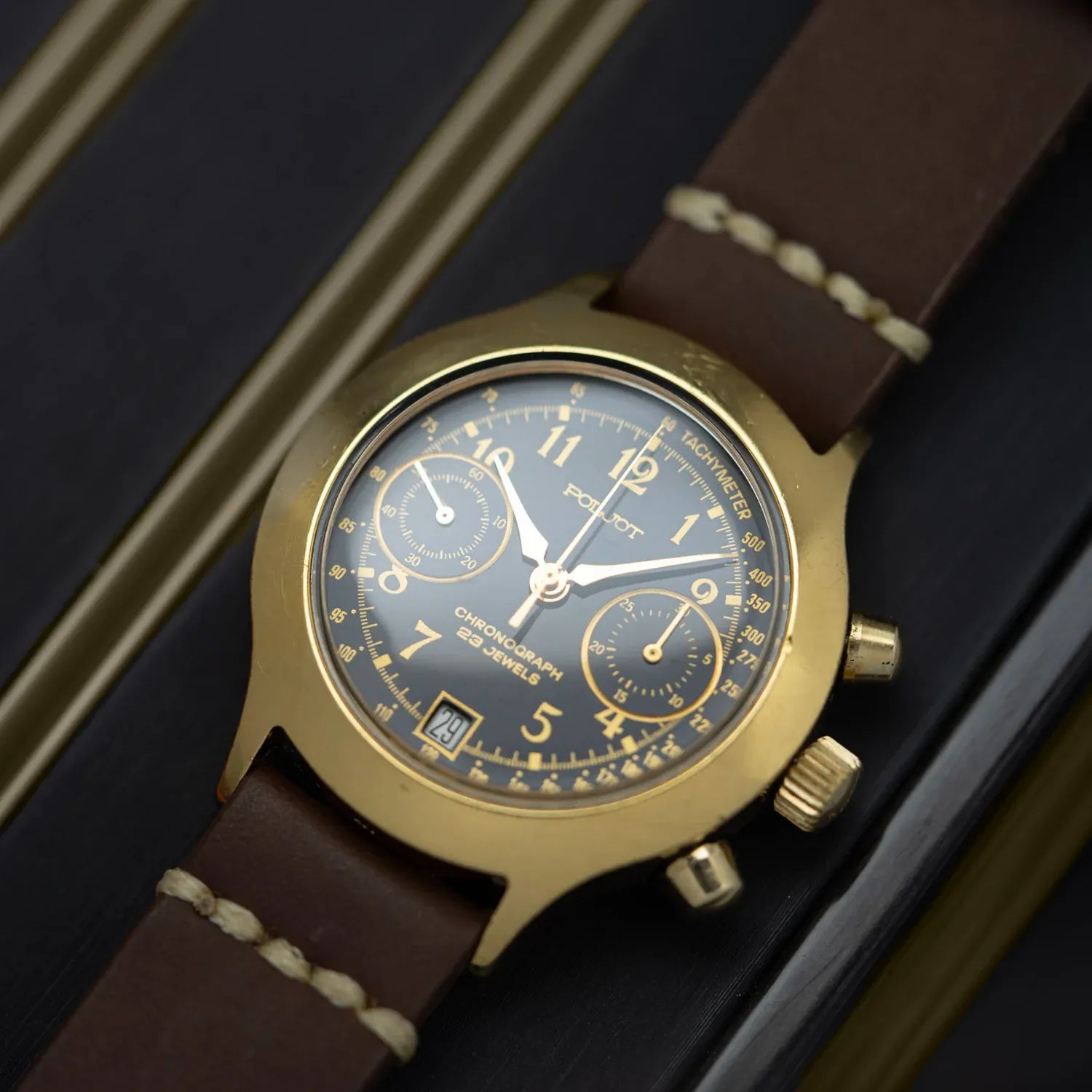
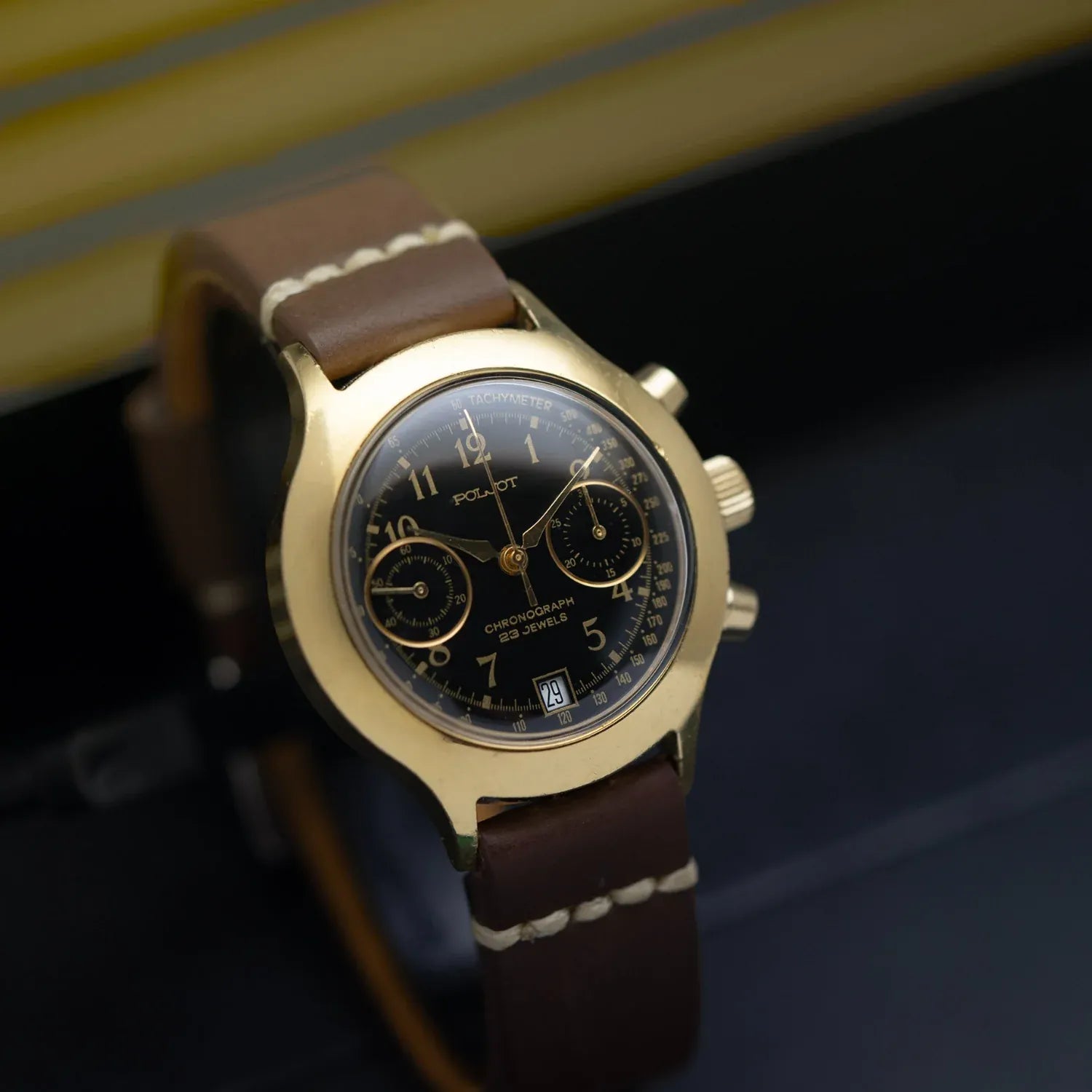
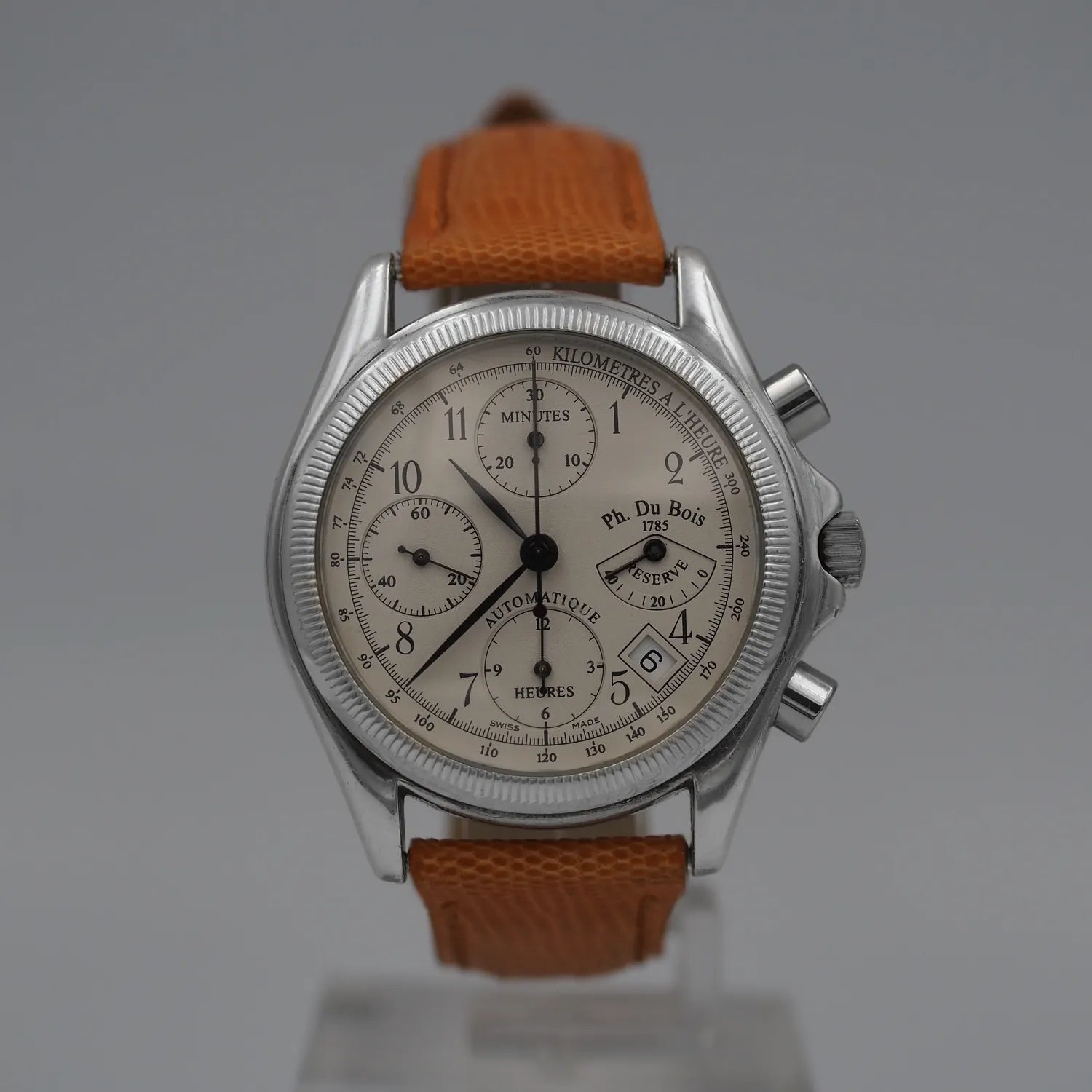
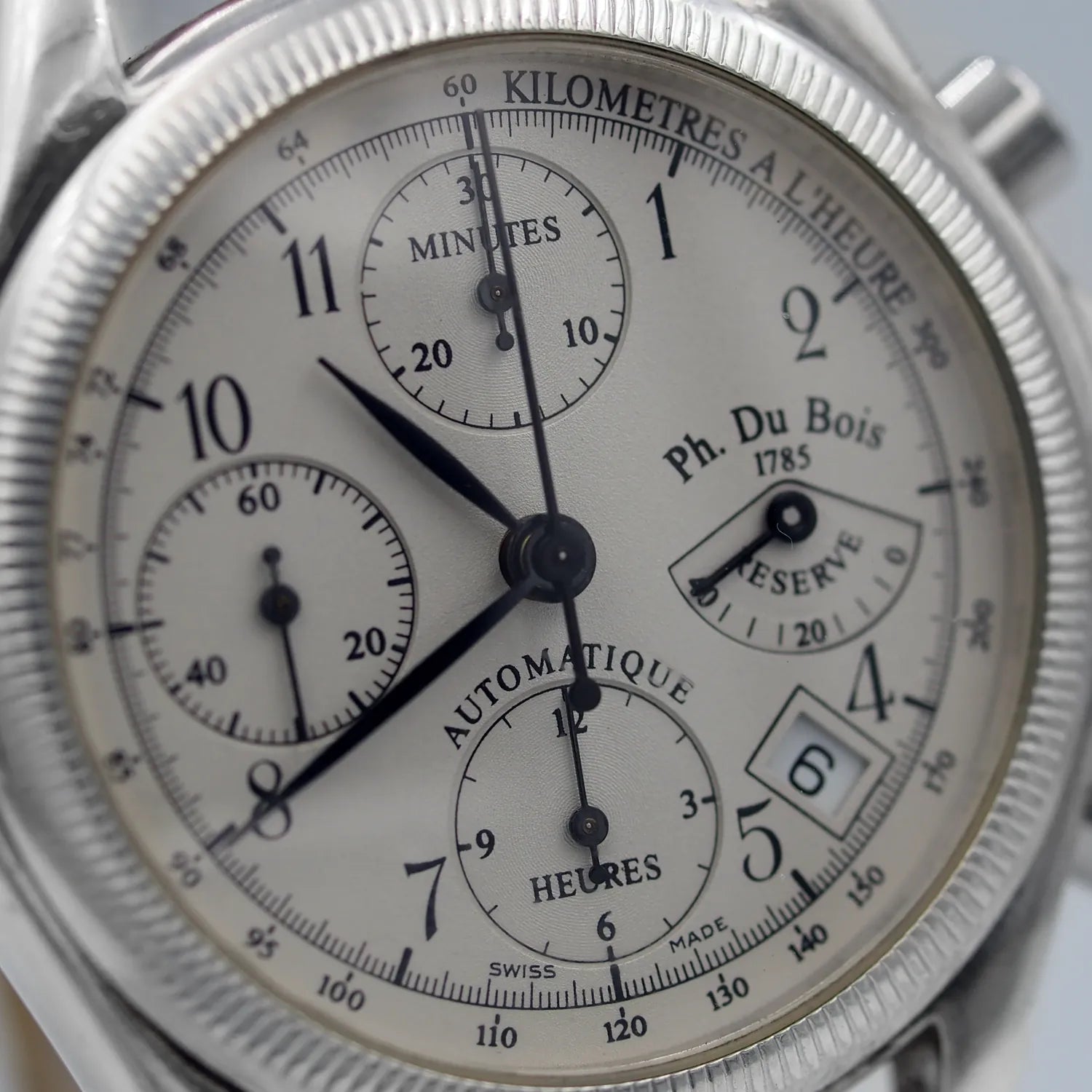
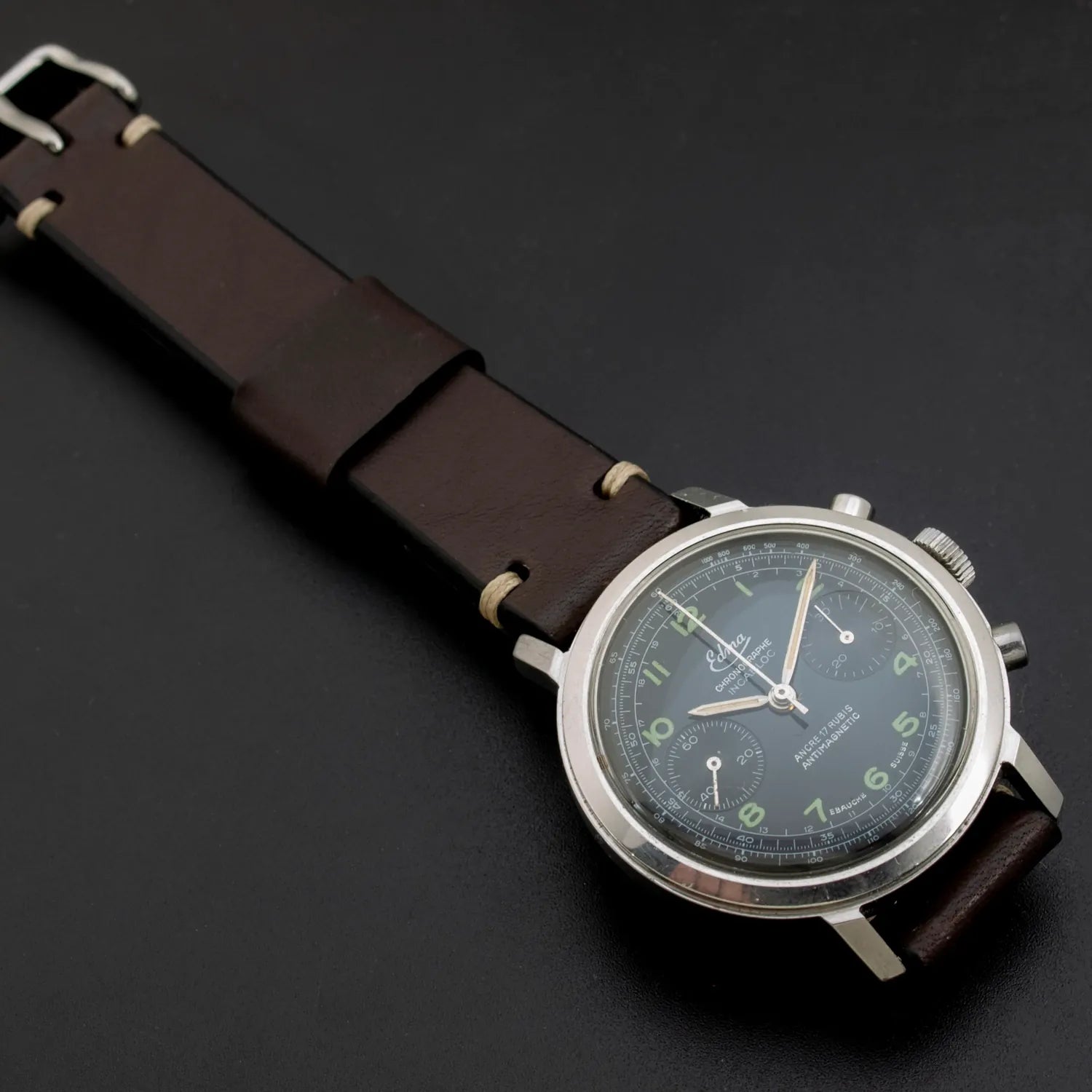
No. Vintage sports watches encompass a broader range of designs, including simple three-hand wristwatches, day-date models, and watches inspired by motorsport or outdoor activities. Some also belong to more specialized categories, such as diving vintage watches or chronograph vintage watches. A watch can have a distinctly sporting appearance without featuring a diving bezel or chronograph complication. These collections overlap in some models but represent different ways of exploring vintage watch design and functionality.
Are vintage sports watches still water-resistant?
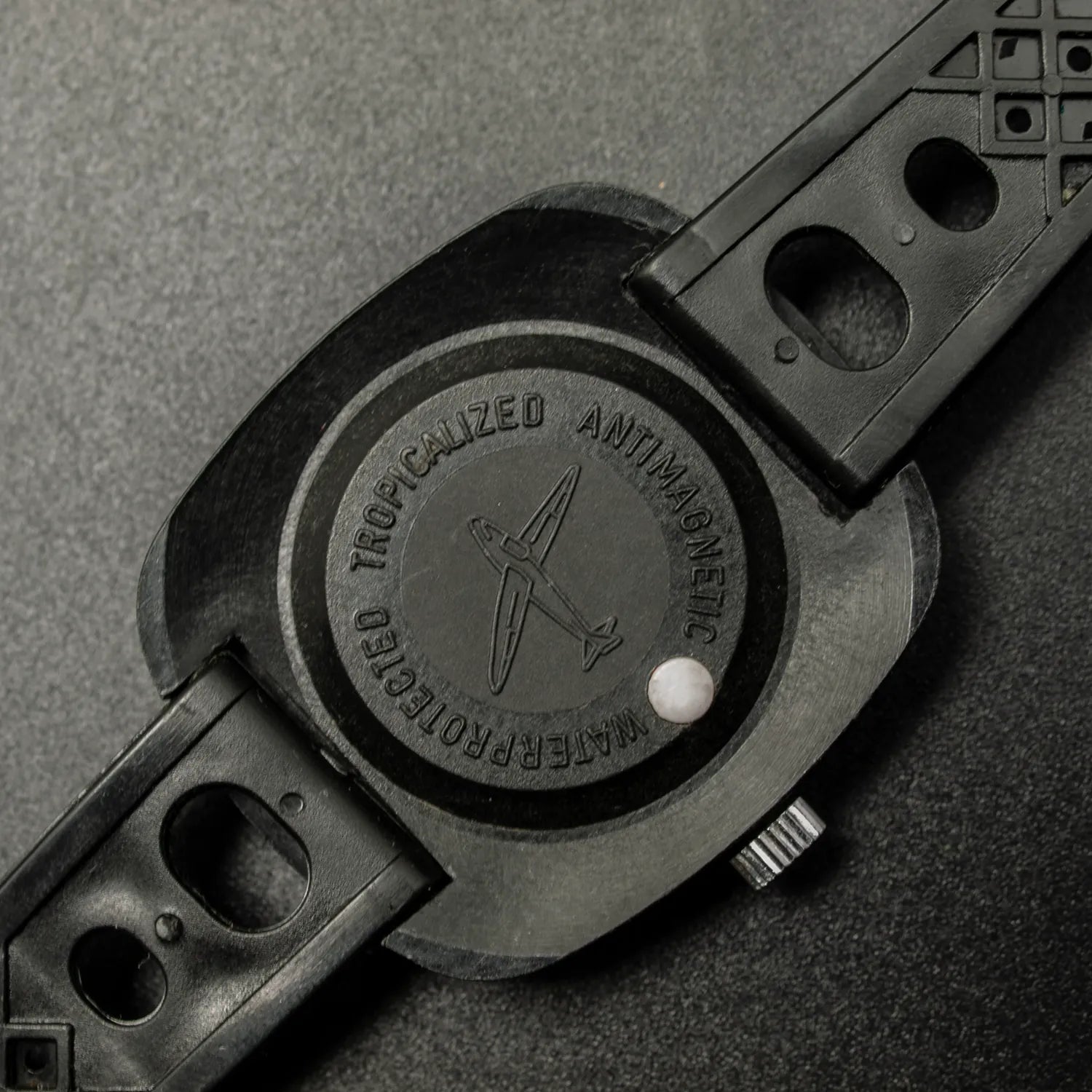
Not necessarily. Even when a vintage sports watch was originally manufactured with water-resistant construction, decades of use and aging can affect its seals and protective components. Historical depth ratings and water-resistance markings should not be considered reliable indicators of present-day performance. Unless a particular watch has been appropriately pressure-tested and confirmed suitable for water exposure, swimming, showering, and immersion should be avoided. Sport-inspired design does not guarantee modern water resistance.
Are vintage sports watches serviced and covered by a warranty?
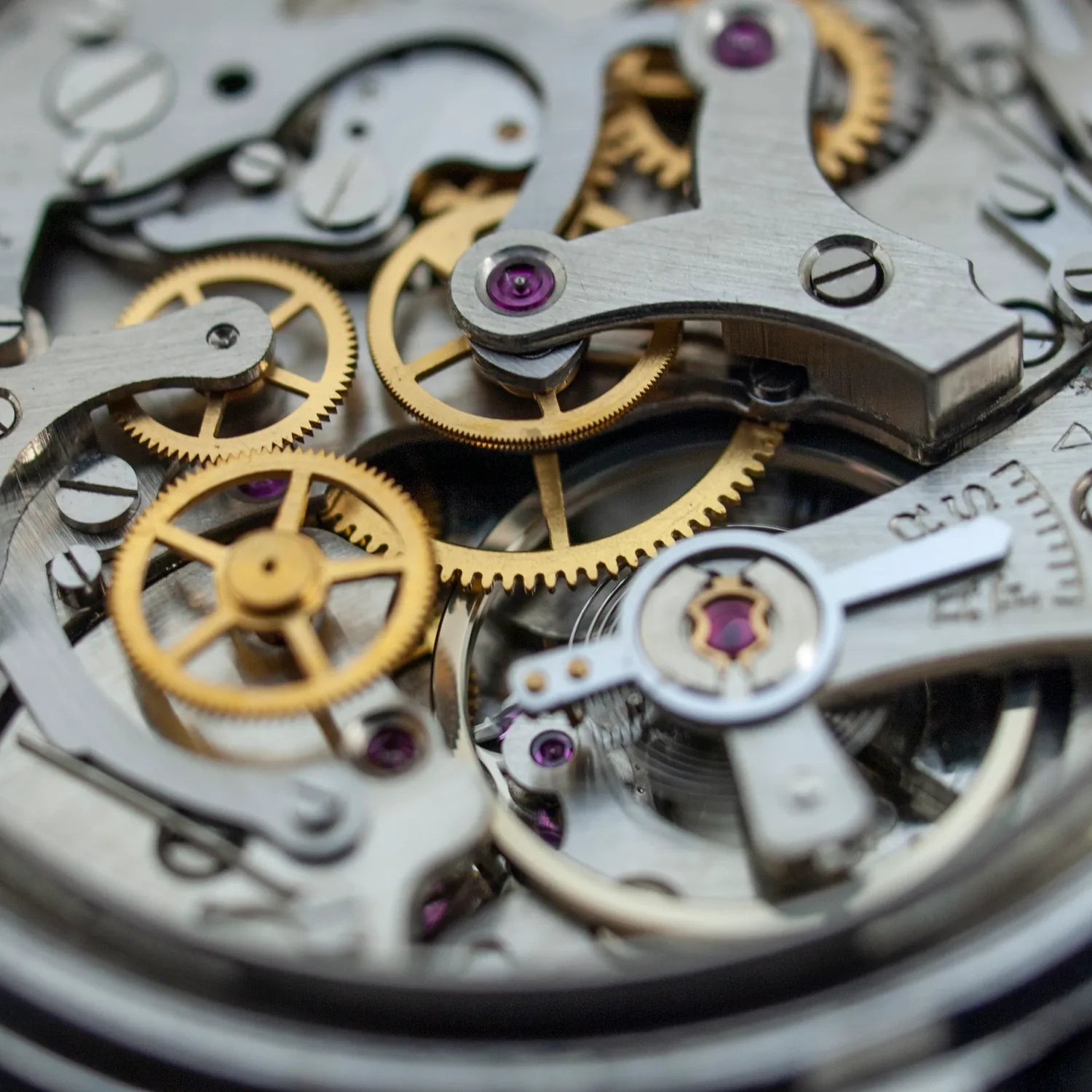
At Vintage Watch Studio, mechanical vintage sports watches are professionally serviced before sale, while quartz models are inspected and tested for proper operation. Each watch is individually photographed and documented, with detailed information about its movement, dimensions, and condition. Every watch sold includes a 12-month warranty, providing additional confidence when purchasing a vintage timepiece. Buyers should review the individual product description to understand the watch's characteristics and any limitations relevant to regular use.
Recognized & Reliable Worldwide
Trusted Partners in Security, Shipping, and Service



Store
Vintage Watch Studio
- Drinke Pavlovic 3, 11130 Belgrade
- Visiting Hours: Monday – Friday: 10:00 – 17:00 CET
- +381 61 653 4298
- vintagewatchstudio@gmail.com
- Online Chat 24/7